

Note: This article contains affiliate links. If you click on these links and make a purchase, I may earn a small commission at no extra cost to you. This helps support my research and content. Read my full affiliate disclosure here.
If your Jeep Gladiator is showing rough idle, reduced fuel economy, or a persistent check engine light, replacing the oxygen sensor can often restore driveability. Picking the right Jeep Gladiator oxygen sensor matters because fitment, sensor response, and durability directly affect engine performance and emissions. This guide highlights seven shortlisted options we vetted for proper fit and reliable function. We evaluated each choice for fitment accuracy, sensor response time, and build quality to help you narrow the field. Read on for practical guidance before you inspect parts or schedule installation.
Looking for other parts? See all Jeep Gladiator parts & accessories.
Top Picks at a Glance
| Best Reviewed A top-rated pick with lots of positive feedback | Walker Products 350-34039 Oxygen Sensor (4-Wire, Direct Fit) |  |
| Most Popular A crowd favorite that many people choose with confidence | Bosch Premium Fit Oxygen Sensor (15704) |  |
| Best Quality Built to a higher standard if you want something more solid | BOSCH 13275 Premium Fitment Oxygen Sensor |  |
| Best Budget The cheapest option that still gets the job done reliably | Bosch 15124 Original Equipment Oxygen Sensor |  |
| Most Sold A high-volume bestseller chosen again and again | higherbro 2-Pack Oxygen Sensors (Upstream & Downstream) |  |
| Best Value for Money The sweet spot between price and what you get | DOICOO 234-4005 Upstream Oxygen O2 Sensor |  |
| Best Overall The best all-around choice for most situations | Bosch Premium Oxygen Sensor 15510 |  |
1. Walker Products 350-34039 Oxygen Sensor (4-Wire, Direct Fit)
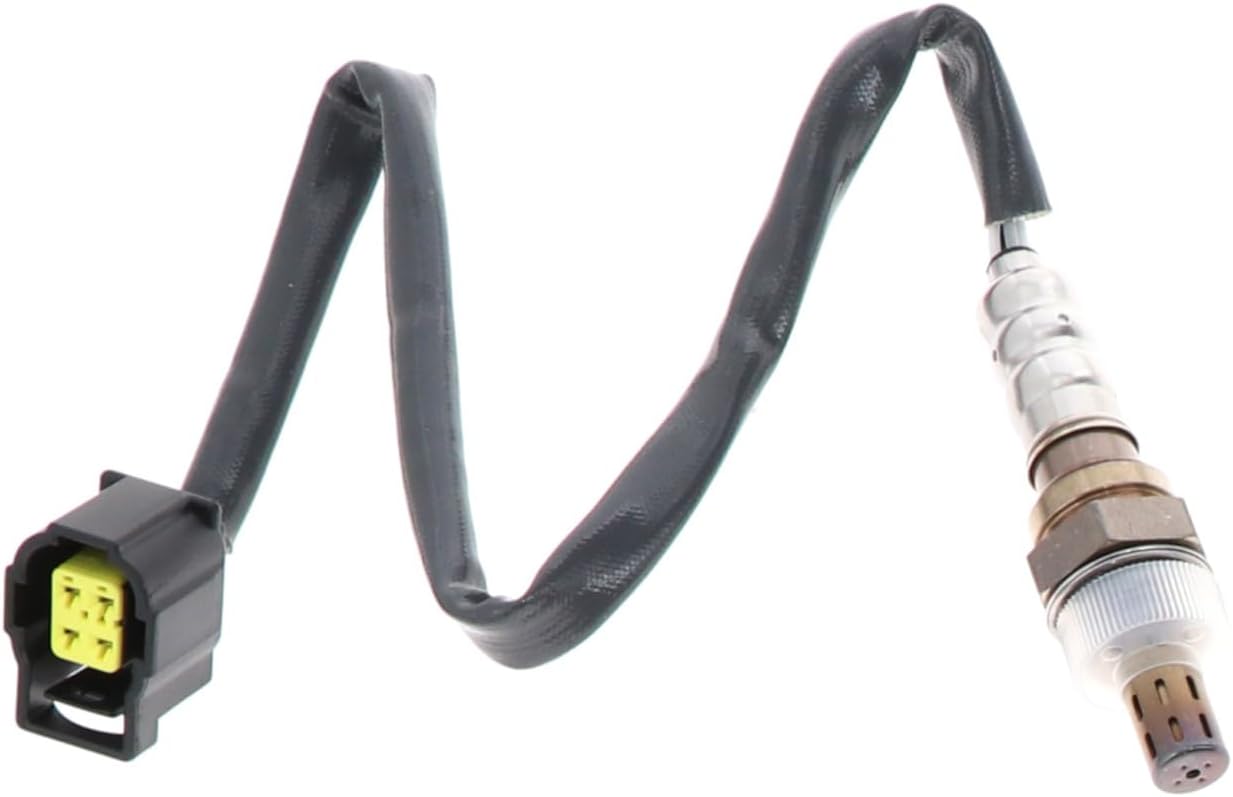
| Material | Ceramic, Metal |
|---|---|
| Mounting Type | Flange Mount |
| Output Type | Electrical Signal |
| Manufacturer Part Number | 350-34039 |
The Walker Products 350-34039 is a four-wire, direct-fit oxygen sensor intended to replace a factory sensor and restore proper O2 feedback to the engine control system. It installs like a standard downstream/upstream sensor depending on application and provides the electrical signal the ECU uses to adjust fuel trim and emissions controls. Notable features include a ceramic sensing element, dual lower shields, a laser-welded body and shield, and high-temperature protective coatings that improve corrosion and heat resistance. Those design choices help the sensor survive exhaust heat and road exposure while delivering stable voltage readings for reliable code clearing and emissions testing. Installation is straightforward for a DIYer with the correct O2 socket, though access can be tight on the Gladiator and may require a lift or wheel removal to reach some sensor locations. Some users report inconsistent fitment for certain engine variants, so confirm this specific part matches the Gladiator sensor location before buying.
Best for: A reliability-focused buyer who prioritizes restoring factory emissions performance and clearing O2-related codes on a Jeep Gladiator with a practical, maintenance-first mindset.
Less Ideal for: If you prefer guaranteed application matching without verification or need a custom wideband solution for tuning, this direct-fit replacement is not the best choice.
- Direct-fit 4-wire design for plug-and-play replacement
- Heated sensor and ceramic element for faster warm-up and stable readings
- Durable construction with laser-welded body and protective coatings
- Industry-tested performance and factory-quality fit, form, and function
- May not fit every Gladiator engine variant so cross-check fitment
- Tight installation on Gladiator may require specialty O2 socket or lift
Verdict A durable, factory-style direct-fit oxygen sensor that is a solid reliability-focused replacement for the Jeep Gladiator when fitment is confirmed.
2. Bosch Premium Fit Oxygen Sensor (15704)

| Maximum Supply Voltage | 12 Volts |
|---|---|
| Mounting Type | Flange Mount |
| Output Type | Digital |
| Material | Alloy Steel, Stainless Steel |
| Manufacturer Part Number | 15704 |
This Bosch Premium Fit oxygen sensor is a direct-fit replacement intended to plug into the existing harness and restore proper air-fuel monitoring for emission control and engine performance. It is used in-line with the exhaust system and includes a fast-acting heater to bring the sensor up to operating temperature quickly, which helps the engine control module reach closed-loop fueling sooner after start. The sensor's double laser-welded stainless steel body and factory-tested protection tube are built to resist exhaust contamination and moisture. Pre-coated threads and a ready-to-install connector make swapping the sensor straightforward for a backyard mechanic with basic tools. While many users report improved drivability and resolved check-engine lights, longevity can vary with operating conditions and some reports of early failure exist, so expect typical lifespan variability. This sensor is focused on convenience and fit rather than offering advanced longevity guarantees, so budget-minded repairs and routine replacements are where it fits best for Jeep Gladiator maintenance.
Best for: Convenience-driven buyers who prioritize an easy, plug-and-play replacement to clear a check-engine light and restore normal drivability for routine Jeep Gladiator maintenance.
Less Ideal for: Drivers seeking a sensor guaranteed for long-term heavy‑duty use or extended lifespan under extreme conditions should consider heavy-duty or specialized alternatives.
- True direct-fit connector for straightforward swap into the factory harness.
- Fast-acting heater reduces warm-up time so closed-loop fueling resumes quickly.
- Double laser-welded stainless steel body and sealed protection tube resist exhaust damage.
- Threads come pre-coated with anti-seize so installation is cleaner and faster.
- Some users report failures within months so long-term durability can be inconsistent.
- Not marketed with a specific lifespan or extended durability guarantee.
Verdict A convenient, factory-fit Bosch replacement that makes swapping a Jeep Gladiator oxygen sensor quick and simple, with generally good performance but variable long-term durability.
3. BOSCH 13275 Premium Fitment Oxygen Sensor

| Material | Stainless Steel |
|---|---|
| Maximum Supply Voltage | 5 Volts (DC) |
| Measuring Range | Lambda 0.95 – 1.05 |
| Upper Temperature Rating | 800 Degrees Celsius |
This Bosch 13275 is a direct-fit oxygen sensor built to replace a failing unit and restore engine mixture control on compatible vehicles. It installs like a factory replacement with pre-coated threads and a true direct-fit connector so you can plug it into the existing harness without splicing. The sensor's double laser-welded stainless steel body and sealed construction resist exhaust corrosion, while the built-in fast-acting heater brings the sensing element up to temperature quickly for proper readings right after startup. In real-world use it clears OBD-II codes, stabilizes fuel trims and can improve drivability and fuel economy on engines that were running rich or lean due to a worn sensor. Some owners report the lead length and fitment can differ from the original, so check routing and sensor position before installation and be prepared for stubborn factory-thread removal on older exhaust components.
Best for: Performance-oriented owners who prioritize restoring precise air-fuel control and drivability by fitting a high-quality, factory-style replacement sensor to a Jeep Gladiator project or older Jeep platform.
Less Ideal for: Drivers who need a universal or multi-vehicle sensor solution or those unwilling to address possible exhaust-side removal difficulty should consider alternatives.
- True direct-fit connector for plug-and-play installation with factory harnesses
- Double laser-welded stainless steel body for improved corrosion resistance
- Fast-acting heater helps the sensor reach operating temperature quickly
- Threads come pre-coated with anti-seize to simplify installation
- Designed for older vehicle applications so physical lead length or connector location may differ from modern sensors
Verdict A factory-style, performance-focused replacement sensor that restores accurate mixture control but requires confirming physical fit and routing before installation.
4. Bosch 15124 Original Equipment Oxygen Sensor

| Material | Stainless Steel |
|---|---|
| Mounting Type | Flange Mount |
| Output Type | Electrical signal |
| Measurement Accuracy | ±1% |
This Bosch 15124 oxygen sensor is a budget-focused, direct-fit replacement intended to restore proper air-fuel sensing and emissions control. It installs like a factory replacement with pre-coated threads and a matching connector, and the fast-acting heater brings the sensor up to operating temperature quickly so the engine management can rely on accurate readings sooner. The stainless steel, laser-welded body is built to resist exhaust corrosion and the unit is factory-tested for functionality before shipping. For practical use on the Jeep Gladiator, it serves as a cost-conscious option when a failed sensor triggers a check-engine light or causes poor running and economy. Limitations to consider are that fitment must be verified for the Gladiator's exact model year and sensor position and some listings and sellers may not supply the genuine Bosch variant, which can affect heater performance and longevity.
Best for: Budget-conscious owners who prioritize a low-cost, factory-style replacement to clear emissions codes and restore drivability on the Jeep Gladiator.
Less Ideal for: Owners seeking premium long-life or performance sensors for racing or heavy-duty off-road tuning should consider higher-end or application-specific options instead.
- Direct-fit connector and pre-coated threads for straightforward installation
- Fast-acting heater reduces warm-up time so the ECU gets accurate data sooner
- Double laser-welded stainless steel body resists exhaust corrosion for longer service life
- Factory testing on outgoing units helps ensure functional sensors reach the buyer
- Compatibility depends on Gladiator model year and sensor location so you must confirm the correct position before purchase
- Some marketplace listings may include non-genuine units that differ in heater resistance and performance
Verdict A practical, low-cost direct-fit oxygen sensor that restores function for everyday Jeep Gladiator use provided you verify correct fitment and source a genuine Bosch unit.
5. higherbro 2-Pack Oxygen Sensors (Upstream & Downstream)

| Brand | higherbro |
|---|---|
| Material | Metals and Ceramics |
| Measurement Accuracy | ±1% |
| Output Type | electrical signal |
This 2-pack from higherbro supplies one upstream and one downstream oxygen sensor intended as direct replacements on compatible Jeep engines. Installers use them to restore accurate exhaust oxygen readings for the engine control module, which can clear a check-engine light, smooth idling, and help return fuel economy after a failing sensor. The listing highlights standard materials for sensors and an electrical-signal output with measurement accuracy listed at about one percent. Buyers report straightforward fit and function in many installs and that the pair covers both pre- and post-catalytic converter positions. However reviews are mixed: several users saw long-term reliable operation while others experienced early failures or electrical issues, so durability appears variable. These sensors are a low-cost replacement option that can solve sensor-related drivability and emissions faults quickly, but buyers should be prepared to diagnose wiring or connector problems if a fault returns and consider professional installation if unfamiliar with exhaust work.
Best for: Buyers who prioritize reliability and want a straightforward, budget-conscious replacement that restores drivability and emissions compliance without hunting for premium performance parts.
Less Ideal for: Enthusiasts seeking long-term, warranty-backed performance parts or those who prefer guaranteed OEM-level durability should consider higher-tier factory-quality sensors instead.
- Includes both upstream and downstream sensors so both converter-side readings are addressed
- Matches factory-style electrical signal output for direct replacement wiring
- Good value compared with OEM pairs for routine sensor failures
- Mixed reports on longevity and intermittent electrical problems for some units
- No detailed manufacturer durability or extended testing data provided
Verdict A cost-conscious pair that often fixes sensor-related check-engine issues quickly but has mixed long-term reliability reports, so consider it a practical repair option rather than a lifetime replacement.
6. DOICOO 234-4005 Upstream Oxygen O2 Sensor

| Brand | DOICOO |
|---|---|
| Style | 234-4005 |
| Mounting Type | Thread mounting |
| Output Type | Potential difference |
| Response Time | 5.6 seconds |
This DOICOO upstream oxygen sensor is a plug-in replacement intended to restore proper O2 feedback to the engine management system. It is typically used to replace a failed upstream sensor to eliminate rough idle, poor fuel economy, or a check engine light related to the oxygen sensor circuit. The unit features a threaded mount, a multi-material sensor element with a reported response time of about 5.6 seconds, and a factory-style electrical connector meant for direct swap-in installation. In practice it can smooth idle and stop intermittent codes when the connector and fitment match, and many owners report straightforward installation without programming. Limitations to expect are variable connector fit across model years and occasional early failures reported by some users, so results depend on correct fit and installation quality. This sensor offers a low-cost route to restore O2 sensing but may not match the longevity of higher-end branded sensors in heavy-use or harsh environments.
Best for: Practical optimizers looking to repair a Gladiator on a budget and willing to accept a value-focused part to get the engine running smoothly again.
Less Ideal for: Those who prioritize maximum long-term durability or need a guaranteed exact factory-spec connector without any possibility of splicing should consider premium factory-quality alternatives.
- Designed as a direct plug-in replacement for upstream oxygen sensing to simplify installation
- Threaded mounting and standard connector aimed at no-programming swap-in
- Reportedly improves idle smoothness and can clear oxygen-sensor-related engine codes
- Low-cost option compared with premium branded sensors
- Connector fit can vary between vehicles and may require using the original plug or minor wiring work
- Some buyers report early failures, so long-term durability is inconsistent
Verdict A budget-friendly upstream O2 sensor that can restore drivability and clear codes quickly if the connector fits, but expect some variability in longevity and fitment.
7. Bosch Premium Oxygen Sensor 15510

| Brand | Bosch |
|---|---|
| Material | Stainless Steel |
| Mounting Type | Flange Mount |
| Maximum Supply Voltage | 12 Volts (DC) |
| Upper Temperature Rating | 1472 Degrees Fahrenheit |
This Bosch Premium Oxygen Sensor is a direct-fit replacement intended to restore accurate air-fuel monitoring and clear engine codes. It installs using the factory-style flange and connector, with threads pre-coated with anti-seize to make fitting straightforward for a typical DIY swap. The sensor features a double laser-welded stainless steel body and a fast-acting heater so it reaches operating temperature quickly, which helps the engine control module return to normal closed-loop fueling sooner after start-up. In use it provides the practical benefits of reliable signal output, corrosion-resistant construction, and straightforward plug-and-play installation when replacing a failing sensor. Limitations to consider are occasional reports of early failures in some applications and the need to confirm correct sensor position and wiring for 5.7 Hemi variants, since fitment can vary by engine and model year. For owners who want a factory-style replacement that focuses on reliability and easy installation, this Bosch is a strong option; those needing a guaranteed long-term service record for heavy-duty or modified engines may want to weigh alternatives.
Best for: Balanced all-round buyers who want a factory-style replacement that prioritizes reliable operation and straightforward installation for routine maintenance or check-engine-light fixes.
Less Ideal for: Owners pushing heavy performance modifications or those who need a sensor with an established extended service record under high-stress conditions should consider specialized or heavy-duty options instead.
- Direct-fit connector and flange simplify installation and reduce wiring hassle
- Stainless steel, double laser-welded body improves resistance to exhaust corrosion
- Fast-acting heater brings the sensor to operating temperature quickly for faster closed-loop control
- Threads come pre-coated with anti-seize to prevent galling during installation
- Some users report early failures in specific vehicle/engine combinations
- Fitment can vary by engine variant so verification for 5.7 Hemi applications is necessary
Verdict A factory-style Bosch direct-fit oxygen sensor that balances reliable construction and easy installation, but confirm exact fitment for your engine variant before buying.
Choosing the Right Jeep Gladiator Oxygen Sensor: Key Factors to Consider
Fitment And Connector Compatibility
Correct fitment is the single most important factor because an oxygen sensor must match the vehicle’s thread size, reach, and connector type. A sensor that looks similar can still fail to seat correctly or leave wiring mismatches that cause intermittent faults.
Also confirm whether the sensor is listed for the Gladiator’s engine and model year. Proper connector compatibility reduces the need to splice or modify harnesses, which can introduce corrosion points or electrical noise that trigger codes.
Sensor Response Time
Response time determines how quickly the sensor reacts to changes in exhaust oxygen levels and feeds that information to the engine control unit. Faster response helps the ECU adjust fuel trim more accurately during acceleration, deceleration, and idle transitions.
Slower sensors can lead to delayed corrections, rough running, and higher emissions. For highway and city driving where conditions change frequently, prioritize sensors with proven quick response characteristics.
Durability And Heat Resistance
Oxygen sensors operate in high-heat zones and are exposed to exhaust contaminants. Materials and protective coatings influence how well a sensor tolerates thermal cycling and deposits from oil or fuel additives.
Choose sensors with robust housings, quality seals, and materials rated for sustained exhaust temperatures. Better durability reduces replacement frequency and lowers the chance of premature failure due to warping, cracking, or contamination.
Wiring And Grounding Quality
A sensor’s wiring harness and grounding integrity affect signal fidelity. Poor insulation, weak strain relief, or undersized conductors can let heat damage the wires or cause intermittent connections during flex and vibration.
Look for sensors with reinforced wiring, proper heat shielding, and secure ground paths. Good grounding helps prevent erratic voltage readings that can trigger diagnostic trouble codes.
Heater Circuit Reliability
Many modern oxygen sensors include an internal heater to bring the sensing element up to operating temperature faster. A reliable heater circuit reduces the warm-up time and helps the sensor produce accurate readings sooner after engine start.
Check that the sensor’s heater design matches the vehicle’s electrical expectations and that wiring is compatible. A failed heater often causes specific diagnostic codes and poor cold-start emissions control.
Serviceability And Installation
Consider how easy the sensor is to install, including access to the sensor location, required tools, and whether an anti-seize is pre-applied or recommended. Some sensors have longer thread reaches or require special sockets for tight locations.
Sensors designed for straightforward installation reduce labor time and lower the risk of damage during service. Clear installation guidance and compatible hardware improve the odds of a successful, leak-free replacement.
FAQ
How do I know if my Jeep Gladiator oxygen sensor is failing?
Symptoms often include a rough idle, reduced fuel economy, or an illuminated check engine light. You may also notice sluggish throttle response or higher emissions during inspection. Diagnosis usually involves reading diagnostic codes and observing fuel trim behavior rather than relying on a single symptom.
Can I replace a Jeep Gladiator oxygen sensor myself?
Many owners can handle the swap with basic hand tools and a proper oxygen sensor socket, provided the sensor is accessible. Take precautions against hot exhaust components and use the correct torque. If the sensor is in a hard-to-reach location or the wiring is complex, professional installation can avoid damage.
What does bank 1 sensor 1 refer to on my Gladiator?
Bank 1 sensor 1 typically denotes the upstream oxygen sensor located before the catalytic converter on the side of the engine with cylinder one. It monitors exhaust oxygen immediately at the exhaust manifold to help the ECU manage fuel delivery and ignition timing.
Will a failed heater trigger a diagnostic code like P0135?
Yes, codes associated with heater circuit faults often point to a failed internal heater or wiring issue. The ECU will set a heater circuit code when it detects abnormal resistance, open circuits, or failure to reach expected temperatures within a set time after startup.
How should I test an oxygen sensor on my Gladiator?
Testing usually involves reading live sensor voltage or current data with a diagnostic scan tool and observing how the values change with engine load and throttle inputs. For heated sensors, verify heater circuit continuity and resistance. Proper testing is diagnostic-data driven rather than relying solely on bench checks.
Do I need upstream and downstream sensors to be the same type?
Upstream and downstream sensors serve different roles; the upstream sensor monitors combustion and controls fuel trim, while the downstream sensor checks catalytic converter efficiency. Matching the correct sensor type and specifications to each position is important for proper engine management and emissions monitoring.
How We Chose the Best Jeep Gladiator Oxygen Sensor
We focused on factors that matter for Jeep Gladiator owners replacing an oxygen sensor in a real-world repair or maintenance scenario. Our selection started with sensors specifically listed to fit the Gladiator’s engine and model years to avoid guesswork. We prioritized sensors with clear OEM-equivalent fitment, robust sealing and connector quality, and proven resistance to heat and contamination.Key evaluation criteria included fitment accuracy and wiring compatibility, electrical response time to changing exhaust conditions, housing and seal durability for long-term reliability, and documented resistance to contamination from oil or coolant. We also considered ease of installation and whether the sensor location required special tooling. Units that lacked clear Gladiator fitment, used ambiguous connector types, or had insufficient durability information were excluded. The result is a short list of sensors that meet practical service needs for Gladiator owners without relying on theoretical specs alone.
Our full evaluation process is outlined in our review methodology.
Conclusion
Choosing the right Jeep Gladiator oxygen sensor comes down to ensuring accurate fitment, reliable electrical connections, and a fast sensor response. Prioritize sensors that match the Gladiator’s thread, connector, and heater requirements while offering durable construction that tolerates exhaust heat and contamination.Balance ease of installation with long-term reliability. Addressing wiring quality and heater function early can prevent repeat diagnostics and restore steady fuel trim and idle behavior.
Explore More:
- Check out all Jeep Gladiator parts & accessories
- Explore Oxygen Sensors Maintenance & Repair Guides
- Explore Engine
- Browse all Auto Parts
