

Note: This article contains affiliate links. If you click on these links and make a purchase, I may earn a small commission at no extra cost to you. This helps support my research and content. Read my full affiliate disclosure here.
If your Infiniti QX60 is running inefficiently or showing an emissions-related alert, choosing the right oxygen sensor matters. A correctly matched sensor helps the engine control module maintain the right air-fuel ratio, which affects fuel economy, drivability, and emissions control. This guide covers seven shortlisted oxygen sensors selected for compatibility and dependable signal performance for the Infiniti QX60. We evaluated installation fitment, signal stability, and long-term durability to help you pick a replacement that addresses common O2 sensor symptoms and restores proper engine operation.
Looking for other parts? See all Infiniti QX60 parts & accessories.
Top Picks at a Glance


1. PAPAPARTS Heated Oxygen Sensor (Upstream)

| Sensor Type | Heated |
|---|---|
| Wire Quantity | 4 Pins |
| Wiring Harness Length | 17.72 inch |
This PAPAPARTS heated oxygen sensor is a replacement upstream sensor intended to restore accurate air fuel readings on compatible V6 engines. It installs in place of the original sensor and uses a built-in heater and a four-pin connector so it reaches operating temperature quickly and reports oxygen levels soon after a cold start. Typical use is a one-for-one swap when a diagnostic code or failed emissions test points to the upstream O2 sensor. The practical benefits are straightforward: faster warm-up for stable idling and improved fuel control, a 17.7 inch wiring harness for easier routing, and included threads to simplify installation. Limitations are that this is an aftermarket part rather than a factory-branded sensor, so long-term durability can vary and you should confirm connector and mounting compatibility before installing. It does not include vehicle-specific instructions, so some mechanical experience or shop help is useful for proper fit and torque during installation.
Best for: Reliability-focused buyers who prioritize restoring correct emissions and fuel control on an Infiniti QX60 and prefer a straightforward, direct-replacement repair to get the vehicle back to dependable operation.
Less Ideal for: Buyers seeking a factory-branded sensor or those unwilling to verify connector and mounting details should consider a dealer or OEM replacement instead.
- Heated design with fast activity time for quicker, stable sensor readings after cold starts.
- Four-pin connector and 17.72 inch wiring harness that aid direct-fit installation and routing.
- Supplied with threaded sensor body to match factory mounting and simplify replacement.
- Multiple compatible OEM part numbers listed to help confirm fitment.
- Aftermarket unit so long-term durability and exact match to factory calibration may differ from a factory-quality sensor.
- No vehicle-specific installation instructions included, requiring basic mechanical skill or shop assistance.
Verdict A practical, direct-replacement heated upstream O2 sensor aimed at reliability-minded Infiniti QX60 owners who need a prompt fix, with the usual durability caveat of aftermarket parts.
2. Automotive-leader Upstream and Downstream Right Oxygen Sensor Pair for Infiniti QX60 3.5L V6

| Placement | Upstream + Downstream Right |
|---|---|
| Sensor Type | Heated |
| Wire Count | 4-Wire |
| Compatible Vehicles | Infiniti QX60 3.5L V6 2015–2019 |
This kit supplies a heated upstream (air fuel ratio) and downstream oxygen sensor intended to replace the right-side sensors on Infiniti QX60 3.5L V6 (2015–2019). Each sensor is a 4-wire plug‑mount unit with a factory-style connector and wire harness lengths specified for direct fit, so installation is straightforward for owners or technicians replacing failing sensors. The sensors are sold as a matched pair which helps restore accurate fuel trim and emissions monitoring when both banks are addressed. The listing highlights a two-year spare part availability and a manufacturer guarantee with basic post-sale support. Limitations to expect are that this is an aftermarket option rather than a factory part and a small number of user reports indicate occasional early failures or check-engine codes after installation, so testing and proper installation are important. For routine replacements this kit can return drivability and fuel-efficiency performance when the originals have degraded.
Best for: Convenience-driven buyers who want an easy, ready-to-install replacement pair to quickly address oxygen sensor-related drivability or emissions issues on an Infiniti QX60 3.5L V6.
Less Ideal for: Owners seeking guaranteed factory-quality longevity or fleet operators who need OEM-backed parts and extended durability assurances should consider dealer-sourced or OEM alternatives.
- Sold as matched upstream and downstream right-side pair to simplify replacement
- Heated 4-wire design compatible with factory-style plug mounts for straightforward installation
- Listed direct-fit compatibility with Infiniti QX60 3.5L V6 2015–2019 to reduce fitment uncertainty
- Manufacturer provides a two-year spare part availability window and post-sale technical assistance
- Aftermarket unit rather than factory-made, so long-term durability may vary
- A few user reports of early errors or check-engine codes after installation
Verdict A convenient matched pair of heated right-side oxygen sensors that simplifies direct replacement on Infiniti QX60 3.5L V6 models but is an aftermarket option with some reported early failures.
3. Sangyue 4-Pack Oxygen Sensors (Upstream & Downstream) for 2016–2019 Infiniti QX60 3.5L

| Fitment | 2016–2019 Infiniti QX60 3.5L |
|---|---|
| Quantity | 4PCS |
| Mounting Type | Flange Mount |
| Output Type | Electrical signal |
| Material | Aluminum Oxide, Stainless Steel |
This Sangyue 4-piece oxygen sensor kit supplies both upstream and downstream sensors intended for the 2016–2019 Infiniti QX60 3.5L. Each sensor is a flange-mount unit that produces the electrical signal the engine control module uses to adjust air/fuel mixture and emissions. The set covers bank positions so you can replace worn or failing sensors across the vehicle in one job. Construction uses stainless steel and aluminum oxide sensing elements and the listing notes the parts are produced on a production line modeled after factory sensors rather than being factory parts. In practice the kit simplifies diagnosis and repair by replacing all affected sensors at once, which helps restore fuel trim stability and emission control. Important limitations are that these are aftermarket replacements rather than factory-sourced parts and the listing requires confirming exact engine and bank positions before installation. Expect normal installation work and standard diagnostic checks after fitting to verify correct operation.
Best for: Performance-oriented Infiniti QX60 owners who prioritize restoring precise engine control and emissions performance by replacing all oxygen sensors at once.
Less Ideal for: Buyers seeking an exact factory-sourced replacement or a one-off cost-saving single-sensor repair should consider other options.
- Complete 4-sensor kit replaces both upstream and downstream positions for a single repair job
- Designed to match factory production process for comparable fit and signal behavior
- Stainless steel construction and aluminum oxide sensing element for durability
- Flange-mount design simplifies installation and ensures secure mounting
- Aftermarket part rather than factory-original supplier which may differ in long-term durability
- Requires verifying bank and position fitment for the QX60 before purchase
Verdict A practical four-sensor aftermarket kit that restores sensor coverage for the QX60 and targets buyers who want a full replacement to recover engine and emissions performance.
4. Maxfavor 234-9148 Upstream Oxygen Sensor for Infiniti QX60 and Compatible 3.5L/3.7L Models
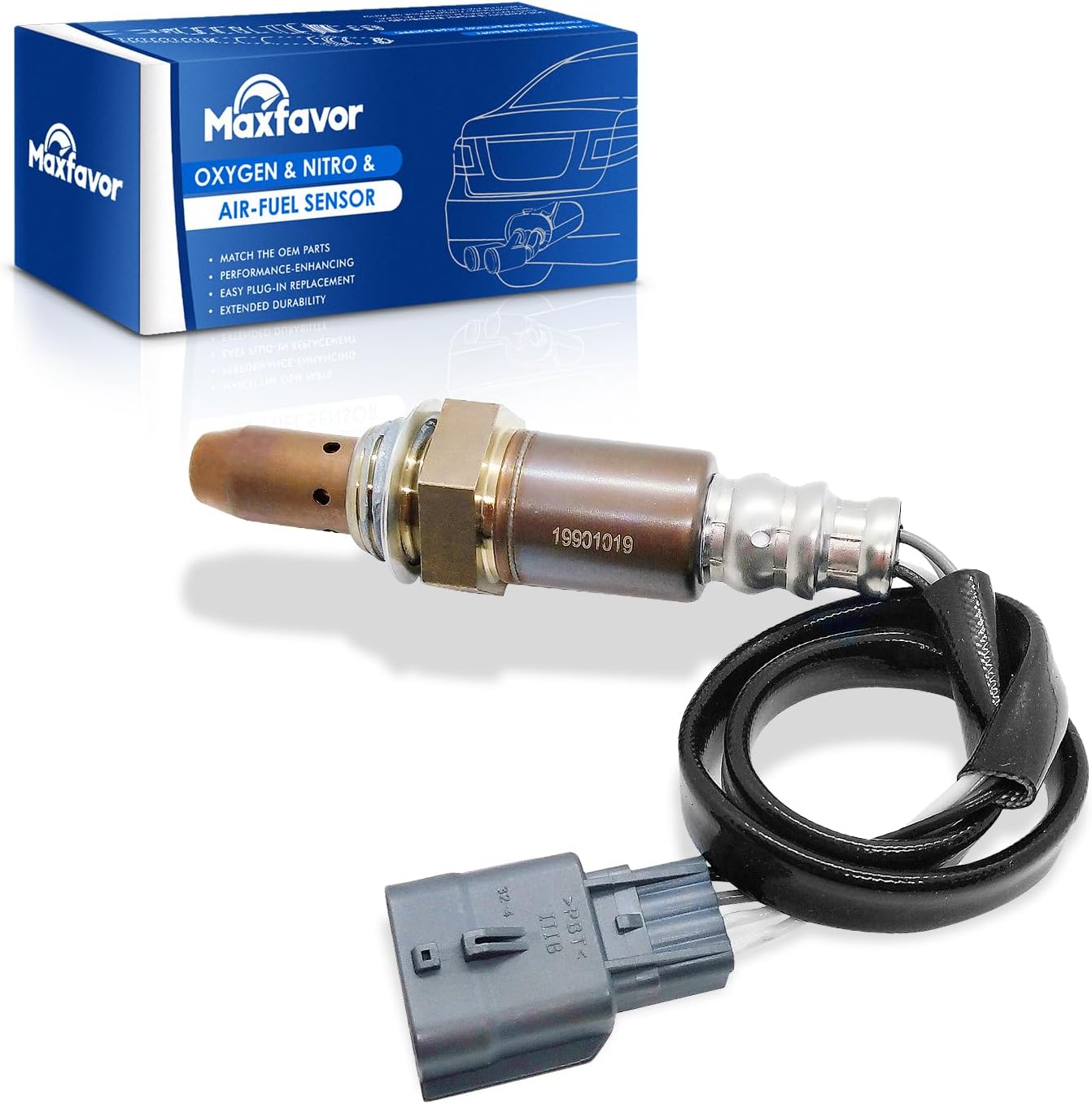
| Manufacturer Part Number | MF-TI-OS01468 |
|---|---|
| OEM Part Number | 234-9148 |
| Compatible Engines | 3.5L and 3.7L Infiniti models listed |
| Placement | Upstream oxygen sensor |
This Maxfavor upstream oxygen sensor is a budget-oriented replacement for Infiniti vehicles that originally used part number 234-9148. It installs at the upstream bank to monitor exhaust oxygen and feed the engine control unit with the data needed for fuel trim and emissions control. Typical use is a straightforward swap for a faulty or aged sensor after confirming connector and thread match. The product lists matching OEM numbers, includes the sensor and wiring harness, and the seller provides basic installation steps such as cleaning the port and hand-tightening to avoid wire strain. Practical benefits are that it restores closed-loop fueling and can clear related diagnostic trouble codes when properly fitted. Limitations are that fitment must be carefully verified against the vehicle and the listing does not include extended testing or explicit performance claims versus factory-quality units, so long-term durability is uncertain compared with higher-end replacements.
Best for: Budget-conscious owners looking to replace a failing upstream oxygen sensor on their Infiniti QX60 who prioritize cost savings and a quick, do-it-yourself swap.
Less Ideal for: Drivers seeking a long-term performance or high-end aftermarket upgrade or those who prefer parts with extensive lab testing and documented longevity.
- Direct-fit replacement for Infiniti applications that list OEM number 234-9148
- Includes wiring/connector to match factory harness for simpler installation
- Clear installation guidance provided for a basic sensor swap
- No independent durability or performance testing provided to compare with factory-quality sensors
- Fitment requires careful visual verification against the existing part to avoid incorrect replacement
Verdict A cost-minded, direct-fit upstream oxygen sensor that restores air-fuel sensing for listed Infiniti models but may not match long-term durability of higher-end factory-quality units.
5. Automotive-leader 4-Pack Oxygen O2 Sensors (234-9135, 234-4595, 234-4599) for Infiniti QX60 / JX35 3.5L

| Sensor Type | Heated |
|---|---|
| Wire Quantity | 4 Wires |
| Mounting Type | Threaded/Plug Mount |
| Intended Vehicles | Infiniti JX35 2013, QX60 2014; Nissan Altima/Pathfinder/Quest 2013-2014 3.5L |
This kit supplies four heated oxygen sensors intended to replace the upstream and downstream sensors on 3.5L Infiniti QX60/JX35 and select Nissan V6 models. Installation is plug-and-play for the listed vehicles and locations, so it is typically used when a check engine light indicates an O2 sensor fault or after catalytic converter service. The sensors are described as meeting factory-spec accuracy and use corrosion-resistant stainless steel with threaded mounting and factory-style electrical connectors. Practical benefits include restoring proper fuel trim and emissions control, which can improve fuel efficiency and throttle response compared with a failing sensor. Limitations are that fitment is specific to the listed model years and engine, so verification of part numbers before purchase is necessary, and longevity depends on vehicle exhaust conditions since contamination or upstream engine issues will shorten service life. The set includes both upstream and downstream sensors so you can replace all bank sensors at once when diagnosing emission faults.
Best for: Risk-averse mainstream buyers looking for a straightforward, vehicle-specific replacement to clear emission faults and restore stable fuel management on their Infiniti QX60/JX35 3.5L.
Less Ideal for: Drivers seeking a universal sensor solution or those who need a heavy-duty or performance-tuned sensor for modified engines should consider other options.
- Complete four-sensor kit covers both upstream and downstream positions for a full-bank replacement
- Heated sensor design for faster warm-up and reliable readings under varying conditions
- Threaded plug-mount design with factory-style connectors for direct fit installation on listed vehicles
- Compatibility limited to the specified Infiniti/Nissan 3.5L V6 models and years, so not universal
- Performance and lifespan can be reduced if underlying engine or catalytic converter problems are not addressed
Verdict A convenient four-sensor, direct-fit replacement kit for risk-averse Infiniti QX60 owners who want to address O2 sensor faults and restore proper emissions and fuel control.
6. TINJO Downstream Oxygen (O2) Sensor for 2014–2017 Infiniti QX60
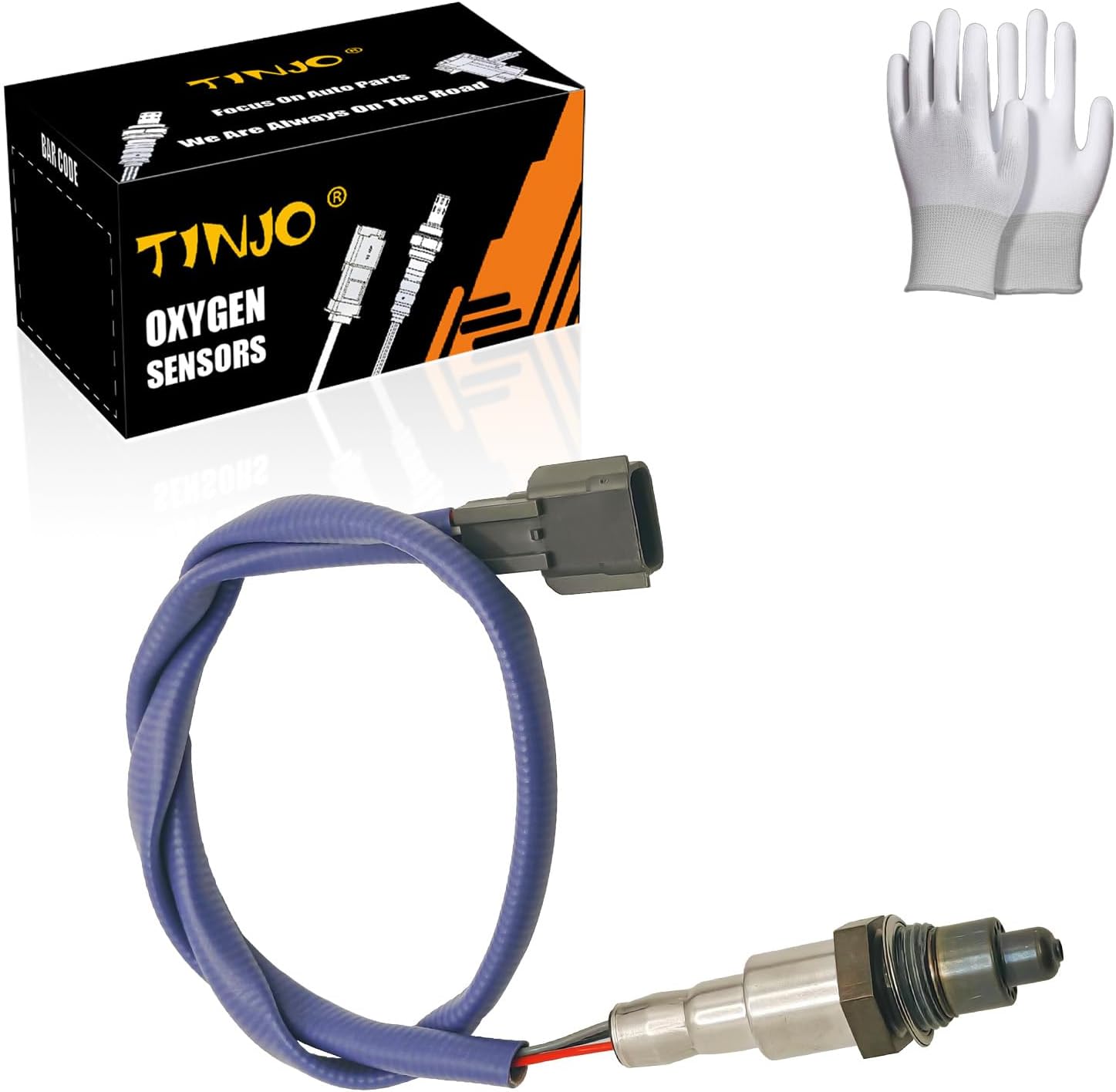
| Fitment | 2014–2017 Infiniti QX60 |
|---|---|
| Manufacturer Part Number | 226A0-4LA1A |
| Material | Aluminum Oxide, Stainless Steel |
| Mounting Type | Flange Mount |
| Output Type | Analog |
This TINJO downstream oxygen sensor is a replacement sensor intended for the 2014–2017 Infiniti QX60 to monitor exhaust oxygen and help the engine control module adjust air-fuel mixture. It installs in the downstream position and connects to the factory harness for a plug-and-play swap when the connector matches. The sensor uses a stainless steel housing, aluminum oxide sensing element and a PTFE filter for protection, which the manufacturer says improves response and resists contamination. In use it should restore proper closed-loop fueling after an old sensor degrades, reduce emissions faults and help maintain catalytic converter health. Expect straightforward installation for a typical DIYer or tech comfortable with under-vehicle work, but double-check connector fitment before purchase since compatibility depends on the vehicle-side plug. The unit is marketed as meeting original specifications, but long-term durability versus higher-end branded sensors may vary and professional diagnosis is advised if check-engine lights persist after installation.
Best for: Practical optimizers who prioritize cost-effective, functional repairs and want a straightforward replacement to maintain emissions and fuel performance without overspending.
Less Ideal for: Drivers seeking the highest-end, long-life sensors used in professional performance tuning or those who prefer parts with extended manufacturer warranties should consider premium branded options instead.
- Direct-fit replacement for 2014–2017 Infiniti QX60 downstream position when connector matches
- Built with stainless steel housing and protective PTFE filter to resist contamination
- Designed to restore accurate O2 readings to improve emissions control and fuel trim adjustments
- Compatibility depends on exact connector and part number so fit must be confirmed before installation
- Long-term durability compared with higher-tier OE-equivalent sensors is not guaranteed by the listing
Verdict A budget-friendly downstream O2 sensor that can restore proper emissions feedback on a 2014–2017 Infiniti QX60 if you confirm connector compatibility.
7. DAVRPES 4‑Pack Oxygen Sensors (234-9148, 234-4985, 234-4986) for Infiniti QX60 3.5L V6 (2015–2019)
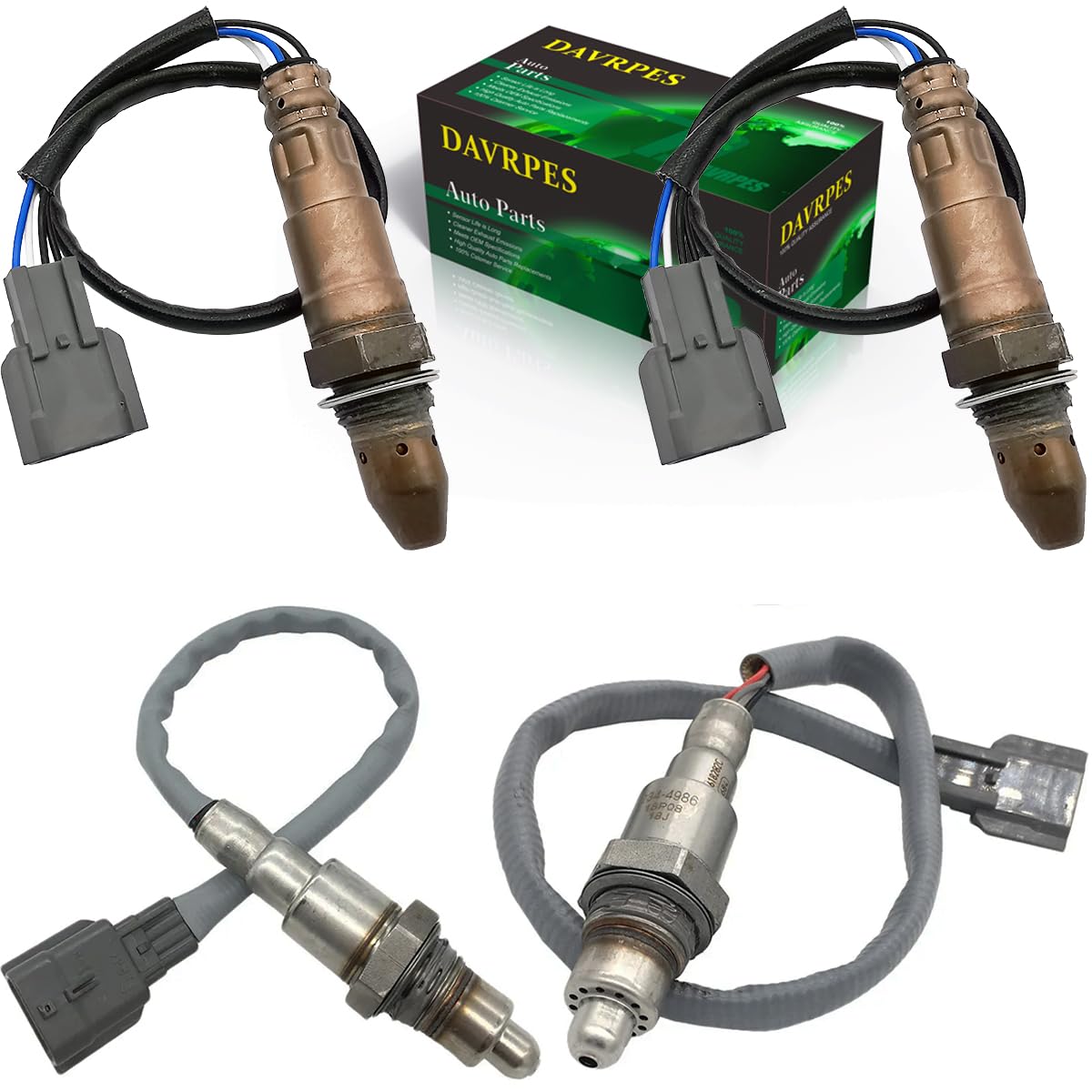
| Compatible vehicle | Infiniti QX60 3.5L V6 2015-2019 |
|---|---|
| Sensor types included | Heated upstream and downstream oxygen sensors |
| Wire count | 4 wires per sensor |
| Package quantity | 4 PCS (2 upstream + 2 downstream) |
This DAVRPES four-piece kit provides the upstream and downstream heated oxygen sensors needed to service a 3.5L V6 Infiniti QX60 from 2015 to 2019. It includes two upstream 234-9148 sensors and the downstream left and right 234-4985 and 234-4986 sensors, each with a four-wire connector and factory-style threaded mounting for direct replacement. In practice the sensors restore air/fuel ratio feedback to the engine control system, which helps clear oxygen-sensor fault codes, improves fuel trim, and can reduce rough idle or poor fuel economy caused by failed sensors. The wiring harness lengths are listed per position so reach and routing should match stock locations without major splicing. These are aftermarket replacements built to mimic OEM function and come as a matched set so you can replace all sensors at once during exhaust service. Limitations include the usual variability of aftermarket fit and longevity compared with factory parts and the need to confirm part numbers and connector fit before installation to avoid fitment issues.
Best for: Buyers seeking a balanced, practical solution to refresh all oxygen sensors on an Infiniti QX60 who prioritize getting a matched set for reliable engine air/fuel feedback and straightforward installation.
Less Ideal for: Drivers who require guaranteed factory-direct longevity or prefer dealer-sourced parts should consider OEM factory-replacement sensors instead.
- Complete four-piece kit covers both upstream and downstream sensor positions for a full service
- Heated, four-wire sensors designed to match factory-style electrical connections
- Wiring harness lengths provided for each sensor to simplify routing and installation
- Intended as direct-fit replacements for Infiniti QX60 3.5L V6 (2015–2019), reducing compatibility guesswork
- Aftermarket part quality and long-term durability can vary compared with factory-quality sensors
- Requires confirming exact part numbers and connector shape before purchase to ensure proper fit
Verdict A convenient matched four-pack of heated replacement O2 sensors aimed at Infiniti QX60 owners who want to replace all sensors at once with aftermarket, factory-style units.
Choosing the Right Infiniti QX60 Oxygen Sensor: Key Factors to Consider
Fitment and Thread Type
Correct physical fit is essential because the sensor must seat and seal in the exhaust bung without adapters. Thread pitch, mounting length, and connector orientation determine whether the sensor can be installed without trimming or reorienting the wiring. A sensor that appears compatible on paper but has a different thread engagement or probe length can cause exhaust leaks or damage the wiring harness. Verifying the exact OEM thread size and comparing it to the replacement prevents installation complications.
Fitment also affects placement relative to exhaust flow and heat sources. A sensor mounted too deep or too shallow can alter response characteristics and expose the sensing element to conditions outside its intended range. For the Infiniti QX60, matching these details reduces the risk of early failure and avoids additional mechanical work during replacement.
Connector and Wiring Compatibility
Electrical connector shape, pin count, and wire length must match the vehicle harness to avoid splicing or adapter use. Incorrect connectors can cause loose connections, corrosion points, or unintended signal loss that mimics sensor failure. Wire length matters for routing and avoiding heat exposure or stretching the harness.
Also consider whether the sensor requires an internal heater circuit and whether the replacement provides the same number of heater wires. Heater circuit compatibility affects warm-up time and diagnostic readiness. Choosing a sensor with matching wiring prevents electrical faults and ensures reliable communication with the engine control module.
Signal Accuracy and Response Time
The main function of the oxygen sensor is to provide a fast, accurate representation of exhaust oxygen content so the engine control module can adjust fuel delivery. Faster response times mean quicker correction of air-fuel ratio deviations, improving idle stability and transient performance. Signal accuracy affects long-term fuel trim and emissions performance; a drifting or noisy signal can trigger fault codes or lead to inefficient running.
Look for sensors designed to maintain consistent output over temperature cycles and long-term exposure. Specifications and manufacturer documentation that describe response characteristics and calibration stability are useful indicators of expected on-vehicle behavior.
Heater Performance and Warm-Up
Many oxygen sensors include an internal heater to bring the sensing element to operating temperature quickly. Good heater performance reduces time the engine runs open loop after a cold start, which improves emissions and drivability. A weak or nonfunctional heater can prolong warm-up and cause diagnostic trouble codes related to heater circuit failures.
Evaluate heater circuit reliability and time-to-temperature characteristics when selecting a replacement. Sensors with robust heater elements and proper power draw that match the vehicle design help ensure consistent performance across cold-weather starts and short trips.
Durability and Materials
Oxygen sensors are exposed to extreme temperatures and corrosive exhaust byproducts, so build quality and protective materials matter. Look for sensors with durable probe construction, corrosion-resistant housings, and protective coatings that limit fouling from particulates or oil residues. A sensor rated for high thermal stability will better withstand repeated heating cycles without degradation.
Durability also influences long-term signal stability. Sensors built with higher-grade elements and protective measures tend to drift less over time, reducing the chance of recurring fault codes and the need for premature replacement.
Placement: Upstream Vs Downstream
Understanding whether a sensor is intended for upstream (pre-catalyst) or downstream (post-catalyst) installation is critical because their functions differ. Upstream sensors are used for real-time air-fuel control and need faster response and greater accuracy. Downstream sensors primarily monitor catalyst efficiency and often have different expected signal patterns.
Selecting a sensor designed for the intended bank and position prevents erroneous diagnostics and ensures the engine control module receives the correct type of data. For example, a downstream sensor used upstream could produce misleading readings and affect engine operation. Always confirm whether the replacement is specified for the correct bank and location.
FAQ
What are common O2 sensor symptoms in an Infiniti QX60?
Common symptoms often include a persistent check engine light, rough idle, or a noticeable drop in fuel economy. You might also notice hesitation during acceleration or increased exhaust odor. These signs usually indicate the sensor is sending incorrect signals or warming too slowly, though other engine issues can produce similar symptoms.
How do I know if I need an oxygen sensor replacement or something else?
Start with a diagnostic scan for oxygen sensor codes and review live sensor data to check for slow or erratic response. If the sensor stays at a narrow voltage range or takes too long to switch after throttle changes, replacement is often appropriate. Also inspect wiring and connectors first since electrical faults can mimic sensor failure.
Can I install an oxygen sensor myself on an Infiniti QX60?
Many owners can install a sensor with basic hand tools and the correct socket, provided the replacement matches the vehicle connector and thread. Ensure the engine and exhaust are cool, and take care to avoid cross-threading. If the vehicle requires programming for sensor calibration or you are unsure about fitment, professional installation can avoid mistakes.
Should I replace upstream and downstream sensors at the same time?
It often depends on age and symptom history. Upstream sensors have a direct impact on fuel control and may show failure signs sooner, while downstream sensors monitor catalyst performance. If one sensor fails and the others are original or near the end of life, replacing multiple sensors can be sensible to restore consistent operation and avoid repeated labor.
How do diagnostic codes like P0135 relate to oxygen sensor issues?
Codes such as P0135 generally point to a problem with the sensor heater circuit or its wiring. They indicate the control module is not detecting the expected heater operation. While the code narrows the issue to heater function, it still makes sense to check wiring, fuses, and connectors before replacing the sensor itself.
How We Chose the Best Infiniti QX60 Oxygen Sensor
We focused on sensors that match Infiniti QX60 factory fitment, electrical connectors, and thread specifications to ensure straightforward installation and proper sealing. Signal accuracy and response time were primary technical filters because those affect fuel trim correction and emissions behavior. Durability under heat and exposure to exhaust gases was another key criterion, including materials, protective coatings, and expected service life. We also considered compatibility with common vehicle diagnostics, such as correct behavior for bank 1 sensor 1 and typical upstream and downstream placements. Ease of installation and availability of clear installation guidance were included to reduce installation errors. We excluded units that required vehicle-specific programming, extensive modifications, or adapters. Units with ambiguous fitment listings or inconsistent electrical pinouts were also removed from consideration.
Our full evaluation process is outlined in our review methodology.
Conclusion
When replacing an oxygen sensor on an Infiniti QX60, prioritize exact fitment, connector compatibility, and a sensor designed for the correct bank and position. Signal accuracy, heater performance, and durable construction are the technical attributes that most directly affect drivability, emissions, and long-term reliability.Assess the vehicle diagnostic data and wiring condition before swapping parts, and weigh the tradeoffs between ease of installation and long-term stability. Choosing a sensor that aligns with these factors will minimize repeat work and help restore efficient engine operation.
Explore More:
- Check out all Infiniti QX60 parts & accessories
- Explore Oxygen Sensors Maintenance & Repair Guides
- Explore Engine
- Browse all Auto Parts
