

Note: This article contains affiliate links. If you click on these links and make a purchase, I may earn a small commission at no extra cost to you. This helps support my research and content. Read my full affiliate disclosure here.
If your GMC Sierra 1500 is showing rough idle, reduced fuel economy, or an illuminated check engine light, the oxygen sensor is a likely suspect. Choosing the right oxygen sensor matters because the part directly affects fuel trim, emissions performance, and how accurately the ECU interprets combustion. The wrong sensor or poor fitment can leave you with recurring codes or drivability issues.This guide shortlists the top oxygen sensors for the Sierra 1500 and explains the criteria used to evaluate them, including fitment to the vehicle, sensor durability, and diagnostic accuracy. Below you will find the best options for common replacement needs and straightforward advice on what to prioritize for your truck.
Looking for other parts? See all GMC Sierra 1500 parts & accessories.
Top Picks at a Glance
| Best Overall The best all-around choice for most situations | A-Premium 4-Pack Heated O2 Oxygen Sensors (4-Piece) |  |
| Best Quality Built to a higher standard if you want something more solid | GM Genuine Parts Heated Oxygen Sensor (213-3866) |  |
| Best Value The sweet spot between price and what you get | Sangyue 4-Pack Oxygen Sensors (Upstream + Downstream) |  |
| Best Budget The cheapest option that still gets the job done reliably | HQPASFY Oxygen Sensor Kit (4-Pack) — Replacement for 2003–2005 5.3L GM V8 |  |
| Highest Rated A top-rated pick with lots of positive feedback | TRQ O2 Oxygen Sensor (OSA60394) – 4-Wire Heated |  |
| Most Popular A crowd favorite that many people choose with confidence | BOSCH 15284 Premium Fitment Oxygen Sensor |  |
| Best Seller A high-volume bestseller chosen again and again | RANSOTO Oxygen Sensor Set of 4 (Replacement for Select Chevy/GMC V8 Trucks 2008–2014) |  |
1. A-Premium 4-Pack Heated O2 Oxygen Sensors (4-Piece)

| Maximum Supply Voltage | 12 Volts |
|---|---|
| Measurement Accuracy | High |
| Mounting Type | Threaded Mount |
| Output Type | Analog |
| Specific Uses For Product | Real-time monitoring of oxygen content for ECU closed-loop control |
These A-Premium sensors are a cost-focused replacement set for vehicles that use several threaded, four-wire heated O2 sensors. Sold as a four-pack, they cover both upstream and downstream positions on the listed 5.3L GM models and plug into factory-style connectors for direct replacement. The sensors are stainless steel with a threaded mount and deliver an analog output for the engine control unit to manage closed-loop air-fuel control. In practice the set is useful for refreshing a full bank of sensors at once during exhaust work or when multiple failed sensors trigger persistent check-engine lights. Installation is straightforward for a competent DIYer using a sensor socket, and the heated element helps the sensors reach operating temperature quickly. Limitations: several buyers reported receiving four upstream-style plugs rather than the expected mix, so confirm connector gender before install, and long-term durability varies across reviews compared with genuine factory parts.
Best for: Buyers who want an affordable, all-in-one replacement to refresh every O2 sensor during exhaust or repair work and who are comfortable confirming connector types before installation.
Less Ideal for: Drivers seeking guaranteed factory-match connector sets or long-term OEM-level longevity should consider brand-specific sensors or sourcing individual upstream/downstream parts instead.
- Sold as a complete four-sensor kit for replacing all O2 sensors at once
- Heated four-wire design brings sensors to operating temperature faster
- Threaded stainless steel construction for corrosion resistance
- Direct-fit connector style intended for plug-and-play installation
- Some kits have been reported to contain four upstream-type connectors instead of a mix of upstream and downstream sensors
- Long-term reliability appears mixed versus factory sensors based on user reports
Verdict: A budget-friendly four-pack that lets you replace all O2 sensors at once, ideal for DIY exhaust repairs if you verify connector types before buying.
2. GM Genuine Parts Heated Oxygen Sensor (213-3866)

| Material | Zirconia Ceramic |
|---|---|
| Mounting Type | Flange Mount |
| Maximum Supply Voltage | 12 Volts (DC) |
| Measurement Accuracy | ±1% |
| Upper Temperature Rating | 1550 Degrees Fahrenheit |
This GM Genuine Parts heated oxygen sensor is a direct-fit replacement built to GM specifications for factory-quality fit and function. Installed in the exhaust stream, it measures oxygen content and feeds an electrical signal to the engine control module so the ECU can adjust air/fuel mixture and maintain emissions and fuel economy. The sensor is zirconia ceramic with a flange mount and a built-in heater for quicker warm-up and reliable readings at operating temperature. Because it is a GM-recommended replacement you should get plug-and-play compatibility with matching connectors and predictable performance on supported Sierra engines. Some units arrive with anti-seize pre-applied and minimal packaging, which speeds installation but may look used to some buyers. This is not a performance tuning sensor with adjustable output or faster response than high-end aftermarket options, but it delivers dependable factory-spec operation for returning a vehicle to correct emissions and drivability.
Best for: Drivers who prioritize restoring factory-level emissions control and reliable drivability on a Sierra rather than squeezing incremental performance gains.
Less Ideal for: Do not choose this if you are building a modified engine or a performance tune that needs faster-response aftermarket sensors with custom calibration options.
- Factory-quality design for direct fit and connector compatibility
- Heated element reduces warm-up time for accurate readings sooner
- Zirconia ceramic sensing element with tight measurement accuracy
- Manufactured to GM specifications for consistent emissions and fuel-economy correction
- Not designed for performance tuning or modified engines seeking faster response or custom calibration
Verdict: Pick this GM Genuine heated O2 sensor when you want a factory-fit replacement that restores correct air/fuel control and predictable drivability on your Sierra.
3. Sangyue 4-Pack Oxygen Sensors (Upstream + Downstream)

| Maximum Supply Voltage | 5 Volts |
|---|---|
| Measurement Accuracy | ±1% |
| Mounting Type | Flange Mount |
| Material Type | Aluminum Oxide, Stainless Steel |
This Sangyue 4-pack supplies upstream and downstream oxygen sensors intended as direct replacements for compatible GMC Sierra 1500 and related GM engines. They measure exhaust oxygen to help the engine computer adjust fuel trim and emissions; most buyers will install them when a check engine code or poor fuel economy points to a failed sensor. Notable features include a flange-mount design, a stated measurement accuracy of ±1%, and stainless steel/aluminum oxide construction intended to mirror factory production. Practical benefits are straightforward: you get four sensors for full-bank replacement, which simplifies troubleshooting and keeps emissions and fuel control functioning. Important limitations are mixed reliability reports and occasional fitment/thread differences versus factory sensors, so expect to verify thread size and connector fit before installation and be prepared to swap an individual unit if it proves defective. Use proper diagnostic steps to confirm sensor failure rather than replacing sensors reflexively.
Best for: Buyers who want a cost-effective full-bank replacement to restore proper fuel trim and emissions control on older GM V8 trucks and SUVs and who are comfortable verifying fit and performing simple installs.
Less Ideal for: Drivers who need guaranteed long-term OEM-level reliability or who prefer parts with explicit manufacturer vehicle-specific validation should consider higher-priced factory-quality options.
- Includes four sensors (upstream and downstream) to replace an entire bank at once
- Flange-mount design intended for factory-style installation
- Manufacturer-stated ±1% measurement accuracy for reasonable sensing performance
- Stainless steel and aluminum oxide construction aimed at corrosion resistance
- Some users reported heater circuit failures and inconsistent long-term reliability
- Thread diameter and connector fit can differ slightly from factory parts requiring verification
Verdict: A budget-friendly four-sensor kit that lets you replace an entire bank at once to quickly restore fuel control and emissions function on compatible GMC Sierra 1500 models.
4. HQPASFY Oxygen Sensor Kit (4-Pack) — Replacement for 2003–2005 5.3L GM V8

| Fitment | 2003–2005 5.3L GM V8 (selected models listed) |
|---|---|
| Material | Stainless Steel |
| Mounting Type | Flange Mount |
| Replaces Part Numbers | 234-4668, 15284, 21546, SG1857, 12583804, 213-3866 |
This HQPASFY kit supplies four oxygen sensors meant to replace the factory units on 2003–2005 5.3L GM V8 engines. Install them in the upstream and downstream positions to restore accurate air-fuel readings, clear check-engine lights, and recover drivability and fuel economy on older Silverados, Sierras, Tahoes, Suburbans, Avalanches, and Escalades. The sensors use a stainless steel, double laser-welded body and are described as corrosion resistant for longer life. Buyers report straightforward fit and improved operation after installation, though some owners experienced early failures or needed wiring changes on certain models. This is a value-oriented option that balances acceptable durability and direct-fit convenience against mixed long-term reliability in a few customer reports. Expect an affordable mid-range replacement that is suitable for routine maintenance or as a budget repair to get a well-used truck back to normal running condition.
Best for: DIY owners on a budget who need an affordable full set of oxygen sensors to address check-engine lights or fuel trim issues on 2003–2005 5.3L GM trucks and SUVs and who are comfortable with basic installation or minor wiring adjustments.
Less Ideal for: Drivers seeking an exact long-term OEM-equivalent or those unwilling to risk occasional early failures should consider higher-end branded sensors or professional-sourced replacements.
- Sold as a 4-piece kit to replace both upstream and downstream sensors on a V8, saving time and matching bank needs
- Stainless steel, double laser-welded body aims to resist corrosion and extend service life
- Multiple buyers report correct fit and restored engine performance and fuel economy after installation
- Some reviews report early failures or erratic readings on a portion of units
- May require wire cutting or splicing for certain GMC connectors instead of plug-and-play on all models
Verdict: If you need a low-cost full set to clear check-engine lights and restore running behavior on a 2003–2005 5.3L GM vehicle, this four-pack is a practical budget repair choice.
5. TRQ O2 Oxygen Sensor (OSA60394) – 4-Wire Heated

| Measurement Accuracy | High |
|---|---|
| Measuring Range | Lambda value 0.7 to 1.3 |
| Mounting Type | Flange Mount |
| Upper Temperature Rating | 1200 Degrees Fahrenheit |
| Material Type | Alloy Steel |
This TRQ four-wire heated oxygen sensor is a direct-replacement style part meant to replace a failed upstream or downstream O2 sensor on compatible GM trucks and SUVs. It measures exhaust oxygen (lambda 0.7 to 1.3) and outputs an electrical signal to the engine control system; the heated element helps it reach operating temperature quickly for reliable readings after cold starts. Installation is straightforward for DIYers with an O2 sensor socket and the pre-applied anti-seize and pre-assembled connector reduce fuss during fitment. In use it restores proper fuel trim feedback which can clear related check-engine codes and improve throttle response and fuel economy. Reported performance is mixed: many buyers get an exact OEM-style fit and long service, but some have reported early failures and connector-pin type mismatches, so confirm plug gender and harness compatibility before cutting or splicing. TRQ includes compatibility information and installation videos to help ensure a correct fit for GMC Sierra 1500 applications.
Best for: For owners prioritizing a near-OEM replacement that restores proper oxygen sensing and clears fuel-trim related check-engine codes, especially those comfortable doing a DIY install with basic tools.
Less Ideal for: Not a good choice for buyers who need guaranteed long-term OEM-level durability without any risk of early failure or those who cannot verify connector gender and fit before installation.
- Direct-fit four-wire heated design for faster warm-up and reliable sensor readings
- Measuring range suitable for typical gasoline engine air-fuel control (lambda 0.7 to 1.3)
- Pre-applied anti-seize and pre-assembled connector simplify installation for DIY repairs
- Manufacturer provides installation videos and a compatibility chart to reduce fitment errors
- Some users reported premature failures in long-term use, indicating variable longevity between units
Verdict: A practical direct-fit heated O2 sensor that restores factory-style oxygen feedback for GMC Sierra 1500 drivers who want a DIY-friendly replacement with quick warm-up performance.
6. BOSCH 15284 Premium Fitment Oxygen Sensor
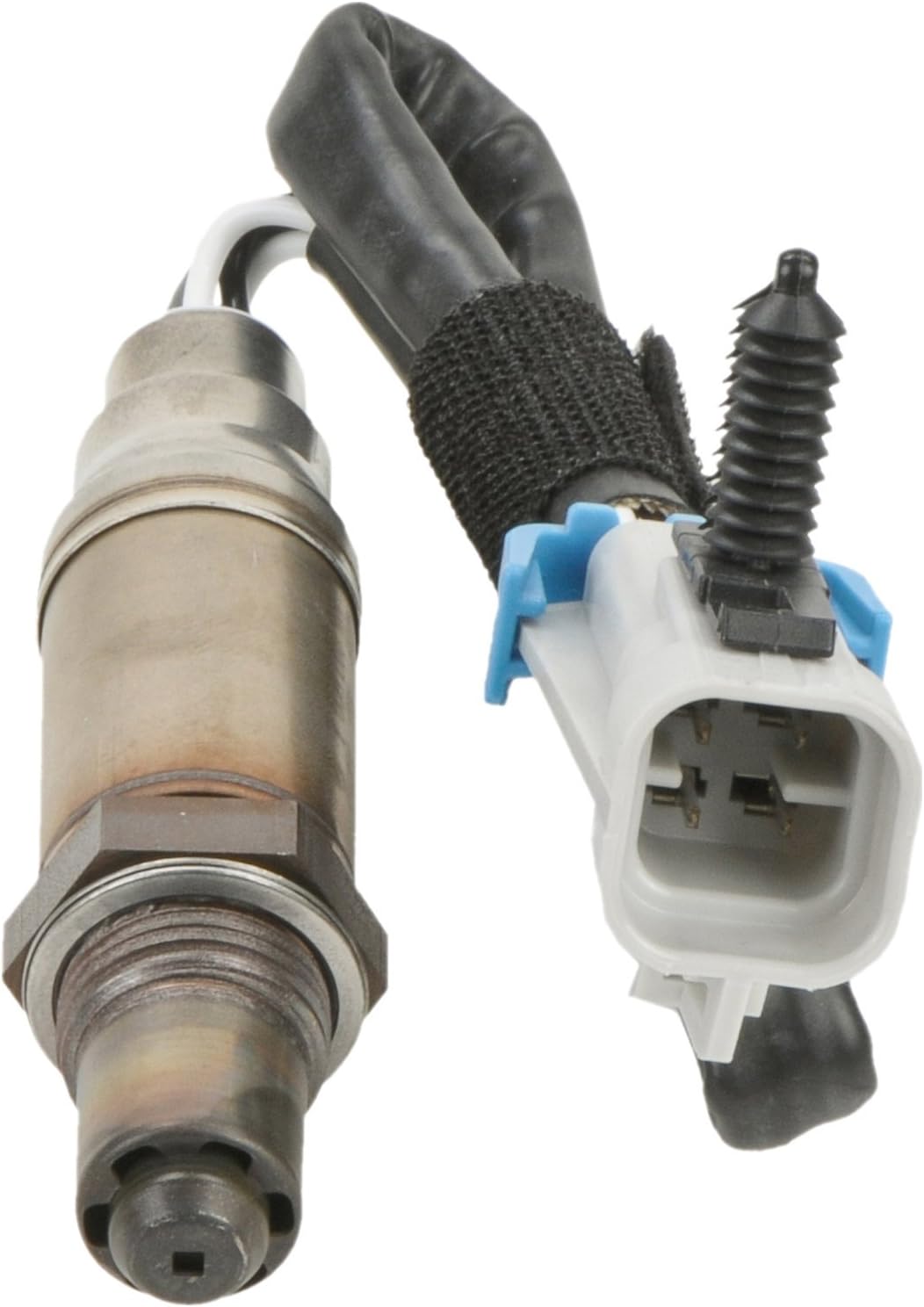
| Manufacturer | BOSCH |
|---|---|
| Material | Stainless Steel |
| Mounting Type | Flange Mount |
| Output Type | NPN |
| Response Time | 2 seconds |
This Bosch 15284 is a direct-fit oxygen sensor intended to replace a failing downstream unit on many early-2000s GM V8 trucks and SUVs. It installs like a factory part with pre-applied anti-seize on the threads and an OE-style connector, so swapping a bad sensor is straightforward for a DIYer or tech. Bosch uses a double laser-welded stainless steel body and a fast-acting heater so the sensor reaches operating temperature quickly and resists exhaust corrosion, which helps stabilize fuel trims and emissions readings. Users report it clears codes such as P0420 and restores normal running in affected Sierra/Tahoe/Avalanche applications. On the downside, some vehicles may still show a persistent CEL if the PCM expects a slightly different switching characteristic, and fit can vary when comparing to older original sensors because the body shape is larger in some cases. Expect reliable, factory-grade performance for downstream replacements on compatible GMC Sierra 1500 models when the part number matches.
Best for: Buyers who want a factory-quality downstream oxygen sensor replacement for a GMC Sierra 1500 and prioritize proven brand reliability and straightforward installation.
Less Ideal for: People needing an upstream/heated sensor variant or custom performance tuning solutions should look for a different part tailored to those applications.
- Direct-fit connector and pre-coated threads simplify installation
- Stainless steel, double laser-welded body for corrosion resistance
- Fast-acting heater brings sensor up to temperature quickly
- Factory-tested for functionality to help reduce early failures
- May trigger a persistent check engine light on some vehicles if PCM expects different switching behavior
Verdict: Choose the Bosch 15284 when you need a dependable, direct-fit downstream oxygen sensor replacement for a GMC Sierra 1500 that prioritizes factory-quality construction and easy installation.
7. RANSOTO Oxygen Sensor Set of 4 (Replacement for Select Chevy/GMC V8 Trucks 2008–2014)

| Compatible Vehicles | Select 2008–2014 Cadillac/Chevy/GMC full-size trucks and SUVs |
|---|---|
| Mounting Type | Flange Mount |
| Output Type | Push-Pull |
| Upper Temperature Rating | 200 Degrees Celsius |
This RANSOTO set includes four oxygen sensors intended to replace front and rear sensors on compatible 2008–2014 full-size GM trucks and SUVs. They are used to measure exhaust oxygen content so the engine computer can adjust fuel trim and keep emissions in check. The kit is designed as a plug-and-play flange-mount replacement and is made with rubber-coated wiring and a stated 200 C temperature rating. In real-world use expect straightforward installation for the right year and engine combinations and immediate resolution of oxygen-sensor-related fault codes for many buyers. Practical benefits include restoring proper fuel control and reducing emissions without programming. Limitations are variability in long-term durability reported by some users compared with factory-quality sensors and a mixed track record on lifespan; a minority of reviewers reported early failures. If you prioritize lower upfront cost and correct fitment, this kit works well, but cautious buyers who need maximum longevity may prefer a factory-quality sensor.
Best for: Careful owners who want a budget-friendly, direct-fit replacement to clear oxygen-sensor codes and restore fuel trim on their 2008–2014 full-size GM trucks while avoiding complex upgrades.
Less Ideal for: Owners seeking the longest possible factory-matching lifespan or who prefer paying extra for OEM-branded parts and extended durability should consider factory-quality replacements instead.
- Sold as a complete set of four to replace upstream and downstream sensors at once
- Plug-and-play flange-mount design intended for direct replacement on listed vehicles
- Restores oxygen sensing quickly to clear engine codes and improve fuel control
- Higher temperature rating and rubber-coated wiring aimed at heat and corrosion resistance
- Some buyers report premature failures and inconsistent longevity compared with factory sensors
- Not guaranteed to match factory calibration or lifetime performance
Verdict: A cost-conscious, plug-and-play four-sensor kit that gets oxygen sensing and fuel control back to normal on compatible 2008–2014 GM full-size trucks.
Choosing the Right GMC Sierra 1500 Oxygen Sensor: Key Factors to Consider
Fitment and Connector Compatibility
A correct physical fit and matching electrical connector are essential for a hassle-free replacement. The Sierra 1500 uses specific sensor lengths, thread sizes, and connector types depending on engine and exhaust routing. Selecting a sensor built to the factory mounting standard avoids the need for splicing or adapter harnesses, which can introduce corrosion points or intermittent faults.
Proper fitment also reduces the chance of exhaust leaks at the sensor bung. Even small leaks can skew oxygen readings and trigger diagnostic trouble codes. For fleet or heavy-use trucks, choosing a sensor with verified OEM-style fitment saves time during installation and helps ensure reliable long-term operation.
Sensor Type and Location
Oxygen sensors are commonly categorized as upstream (pre-catalytic converter) or downstream (post-catalytic converter). Each location serves a different role: upstream sensors drive fuel trim decisions while downstream sensors monitor catalytic converter efficiency. Picking the right type for the failed circuit is important because replacing a downstream sensor where an upstream one is required will not resolve fuel control issues.
On the Sierra 1500, understand which bank and position correspond to the fault code you have. Replacing the correct sensor avoids repeat diagnostics and unnecessary labor. If you need broader diagnostic capability, confirm whether the sensor provides the expected signal type for that location.
Signal Type and Response Speed
Oxygen sensors produce either a narrowband voltage signal or a wider-range output in the case of wideband units. Narrowband sensors switch voltage rapidly around stoichiometry and are what most OEM fuel systems expect. Response speed matters because quicker, stable readings enable the engine control module to correct fuel trim faster, reducing emissions and drivability hiccups.
If a sensor is slow to respond or has noisy output, you may see longer learning times, rough idle, or hesitation during transient throttle events. For vehicles that see towing or heavy loads, a sensor with reliable transient response helps maintain proper air-fuel ratios under changing engine loads.
Durability and Contaminant Resistance
Exhaust sensors are exposed to high temperatures and contaminants like oil, antifreeze, and sulfur compounds. Robust sensors use protective coatings and durable sensing elements to resist poisoning and premature failure. For Sierra 1500 owners who tow, operate in dusty or salty environments, or drive high-mileage trucks, a sensor with proven contaminant resistance reduces the odds of recurring failures.
Consider construction features such as corrosion-resistant hexes, high-temperature wiring insulation, and ceramic element protection. These qualities help the sensor survive thermal cycling and road exposure, translating into longer service intervals and fewer diagnostic returns.
Electrical Quality and Wiring
The sensor's wiring harness, connector terminals, and strain relief affect long-term reliability. Poorly sealed connectors allow moisture intrusion and corrosion, which can cause intermittent check engine lights or open circuits. Wiring length matters if the factory position requires routing around suspension or frame components; too-short leads can stress terminals, while excessively long wires are more vulnerable to abrasion.
Also check for features like heat-sleeved wires, molded terminals, and secure clips for routing. Reliable electrical construction reduces the likelihood of false codes and makes diagnosis simpler for technicians working on the Sierra 1500.
Ease of Installation and Sealing
A sensor that threads cleanly into the exhaust bung and seals properly reduces installation time and prevents exhaust leaks. Proper sealing is crucial because exhaust leaks near the sensor change local oxygen concentration and can trigger codes or poor fuel control. Sensors designed with standard thread pitch, integrated gaskets or crush washers, and accessible hex flats make removal and replacement easier.
Consider also whether the sensor's wiring orientation matches factory routing to avoid awkward bends or heat exposure. Sensors that require minimal modification let you complete the replacement quickly and minimize shop labor or DIY frustration.
Identifying Which Sensor Failed
Diagnosing which oxygen sensor needs replacement starts with the trouble code and location. Codes referencing bank and sensor numbers point to a specific upstream or downstream unit. For example, a code indicating bank 1 sensor 1 typically refers to the upstream sensor on the primary cylinder bank, which directly affects fuel trim.
Use live-data stream readings to confirm a failing sensor. An upstream sensor should fluctuate rapidly under closed-loop operation, while a downstream sensor should show a steadier signal if the catalytic converter is healthy. Consistent, unchanging voltage or a signal that never reaches expected ranges suggests sensor degradation rather than catalytic failure.
- Check codes to identify bank and sensor position.
- Monitor live oxygen sensor voltage or frequency for responsiveness.
- Compare upstream rapid switching to downstream stability to isolate faults.
Common Symptoms of a Failing Oxygen Sensor
Symptoms to watch for on the Sierra 1500 include rough idle, increased fuel consumption, intermittent stalling, and an illuminated check engine light. These drivability issues often correlate with a sensor that is slow, stuck, or producing noisy signals that mislead the engine control system.
Other signs include failed emissions tests or persistent short-term fuel trim corrections. Note that some symptoms overlap with ignition or fuel delivery problems, so it is important to confirm sensor output before replacing other components.
- Rough idle and hesitation under acceleration
- Reduced fuel economy over several tanks
- Check engine light with bank/sensor-specific codes
- Failed emissions tests or rough cold starts
Testing an Oxygen Sensor on the Sierra 1500
Basic testing starts with a scan tool to view the sensor's live data stream. For upstream sensors, confirm rapid switching voltage between approximately 0.1 and 0.9 volts under closed-loop. Downstream sensors should show a more stable voltage and less dramatic swings if the catalytic converter is functioning.
If you need hands-on testing, a multimeter can verify heater circuit continuity and sensor output ranges. The heater element is important for prompt sensor operation; an open heater circuit will keep the sensor from reaching operating temperature and can produce false failures.
- Use a scan tool to read live oxygen sensor voltage or lambda values.
- Check heater circuit resistance with a multimeter.
- Perform a wiggle test on the connector to reveal intermittent wiring faults.
Replacement and Installation Tips
When replacing a sensor, work on a cool exhaust and use the correct oxygen sensor socket or crowfoot wrench to avoid rounding hex flats. Apply anti-seize only where recommended and avoid contaminating the sensing tip. Ensure the replacement sensor's threaded length and connector orientation match factory routing to prevent stress on the wiring.
Tighten to the specified torque and inspect the exhaust bung for corrosion or damage. After installation, clear codes and perform a short test drive to confirm normal switching behavior and that no new codes appear.
- Use proper tools and avoid damaging the sensor hex.
- Verify connector polarity and routing before finalizing installation.
- Clear codes and monitor live data after replacement.
When to Replace Heater Versus Sensor Element
Some faults originate from the heater circuit while the sensing element remains functional. If diagnostics show an open or high-resistance heater but the sensor output otherwise responds, replacement of the entire sensor is usually preferred because integrated heaters are not serviceable separately.
Given the cost and labor of accessing certain sensor locations on the Sierra 1500, replacing the full sensor assembly reduces the chance of repeat trips. Always verify both heater and signal before deciding the scope of repair.
- Test heater resistance before assuming the sensing element is bad.
- Replace the full sensor assembly if heater or signal issues persist.
- Consider accessibility and labor time when planning repairs.
Impact of Exhaust and Engine Conditions on Sensor Life
Factors such as oil consumption, coolant leaks, and use of leaded fuel contaminants can shorten oxygen sensor life. Excessive oil or coolant in the combustion chamber deposits on the sensor tip and degrades response. For Sierra 1500s used in demanding conditions, regular inspections can catch early signs of sensor contamination.
Exhaust system leaks or modifications that change backpressure or temperature can also affect sensor operation. Maintain the exhaust system and address any engine issues that create abnormal combustion byproducts to extend sensor lifespan.
- Watch for signs of oil or coolant contamination on sensor tips.
- Repair exhaust leaks promptly to maintain accurate sensor readings.
- Address engine issues that increase contaminant exposure to sensors.
How We Chose the Best GMC Sierra 1500 Oxygen Sensor
We selected oxygen sensors that meet real-world needs for the GMC Sierra 1500 by applying practical, vehicle-specific filters. First, we verified direct fitment and connector compatibility to ensure the sensor mates correctly with the Sierra 1500 wiring harness and mounting locations. Second, we prioritized sensors built to withstand exhaust heat and contamination, focusing on construction quality, sensor element protection, and expected lifespan under heavy-duty use.Third, we evaluated sensors for diagnostic response and signal stability because accurate voltage or frequency output is critical for proper fuel trim corrections and reliable trouble code resolution. Fourth, we considered electrical robustness, including wiring length, terminal quality, and strain relief to avoid intermittent faults. Finally, we assessed ease of installation and whether the sensor provides a threaded fit and sealing that reduces exhaust leaks.Exclusions: we excluded universal-fit sensors that require splicing, sensors lacking documented fitment for this model, and cheap modules with poor durability indicators. The final list reflects sensors that balance fitment, longevity, diagnostics, and installation practicality for the Sierra 1500.
Our full evaluation process is outlined in our review methodology.
FAQ
How long do oxygen sensors typically last on a Sierra 1500?
Oxygen sensor life varies with driving conditions but they often last many tens of thousands of miles. Heavy-duty use, towing, or contamination can shorten life, so monitor performance and codes rather than relying on a fixed interval.
Can a bad O2 sensor cause a check engine light on my Sierra 1500?
Yes. A failing oxygen sensor commonly triggers diagnostic codes that illuminate the check engine light. Codes will usually identify the bank and sensor position to guide which unit to inspect or replace.
Is it necessary to replace the downstream sensor when the upstream sensor fails?
Not always. Upstream and downstream sensors have different roles, and a failed upstream sensor does not automatically require downstream replacement. However, if downstream readings indicate catalyst degradation or the sensor itself shows faults, replacing that unit may be warranted.
What does code P0135 mean for a Sierra 1500?
P0135 generally indicates an issue with the heater circuit in a front oxygen sensor. On the Sierra 1500 this often points to a heater open or short in the referenced bank and sensor. Confirm heater resistance and wiring before replacing the sensor.
Can I install an oxygen sensor myself on the Sierra 1500?
Many owners can perform the replacement with basic tools and an oxygen sensor socket, provided the sensor is accessible. Follow safety precautions, work on a cool exhaust, and verify connector compatibility and routing to avoid damage during installation.
Will a new oxygen sensor improve fuel economy immediately?
A properly functioning oxygen sensor allows the ECU to maintain correct air-fuel ratios, which can improve fuel economy. The improvement may be gradual as the engine control relearns fuel trims rather than an instant large change.
Final Verdict
Prioritize correct fitment, solid electrical connections, and a sensor type that matches the failed circuit when replacing an oxygen sensor on a GMC Sierra 1500. Balance durability and signal responsiveness based on typical use—towing and heavy loads favor robust, fast-responding sensors while low-mileage daily drivers can prioritize direct fit and ease of installation.When in doubt, confirm the fault code and live-data behavior before purchasing. Focus on the sensor that restores accurate readings and reliable heater operation to resolve drivability issues and keep emissions systems functioning properly.
Explore More:
- Check out all GMC Sierra 1500 parts & accessories
- Explore Oxygen Sensors Maintenance & Repair Guides
- Explore Engine
- Browse all Auto Parts
