

Note: This article contains affiliate links. If you click on these links and make a purchase, I may earn a small commission at no extra cost to you. This helps support my research and content. Read my full affiliate disclosure here.
Picking the right oil pump for a Volkswagen Golf matters because the pump controls oil flow, pressure stability, and engine lubrication under load. A poor fit or low-quality unit can lead to erratic oil pressure, increased wear, and costly engine repairs, while the right pump helps preserve bearing life and performance.This guide highlights six shortlisted Volkswagen Golf oil pump options selected for their flow characteristics, construction quality, and compatibility. Below we explain the evaluation factors and what to look for when choosing a replacement or upgrade, then present the top picks and practical notes on installation and maintenance.
Looking for other parts? See all Volkswagen Golf parts & accessories.
Top Picks at a Glance
| Best overall The best all-around choice for most situations | AULINK Oil Pump (fits VW 1.8L/2.0L EA888 engines) |  |
| Best quality Built to a higher standard if you want something more solid | A-Premium Standard Volume Oil Pump for Volkswagen 2.0L (fits Golf 1993–1999) |  |
| Best Value The sweet spot between price and what you get | A-Premium Oil Pump Compatible with Volkswagen 1.8L, 1.9L and 2.0L Engines |  |
| Best budget The cheapest option that still gets the job done reliably | AULINK M367 Oil Pump (fits VW Golf 1.8L/1.9L/2.0L) |  |
| Best Seller A high-volume bestseller chosen again and again | DNJ OP813A Oil Pump for 2.5L Volkswagen 20V L5 Engines |  |
1. AULINK Oil Pump (fits VW 1.8L/2.0L EA888 engines)

| Manufacturer | AULINK |
|---|---|
| Model | AUOPS245 |
| Applicable engines | 1.8L and 2.0L EA888 |
| Testing | 100% function and leakage tested |
This AULINK oil pump is designed as a direct replacement for Volkswagen 1.8L and 2.0L EA888 engines and installs the same way a factory pump does. For a Golf (MK6) with the 1.8L or 2.0L TSI engines, it supplies engine oil pressure and circulation like the original unit and includes necessary installation kits to simplify the swap. The listing notes production in TS16949-certified facilities and 100 percent functional and leak testing, which helps reduce concern about early failures. Fitment reports and user feedback indicate straightforward bolt-on fit and improved oil pressure after installation. Limitations to consider are that fitment is specific to certain model years and engine variants, so verify compatibility with your Golf before buying, and some buyers report minor dimensional differences on other VW models which could affect chain or tensioner alignment. Expect to follow standard replacement procedures and torque specs when installing to avoid leaks or premature wear.
Best for: A balanced all-round buyer who wants a cost-effective, factory-style replacement for a VW Golf TSI engine and values straightforward installation and proven fitment over premium-brand pricing.
Less Ideal for: Owners seeking an upgraded high-performance pump for modified engines or those who prefer an OEM dealer-sourced part with manufacturer-backed long-term support should consider other options.
- Direct-fit replacement for VW 1.8L and 2.0L EA888 engines commonly found in Golf models
- Manufactured in TS16949 facilities with function and leak testing reported
- Includes installation kits to simplify swapping the pump
- Multiple customer reports of improved oil pressure and straightforward bolt-on installation
- Fitment limited to specific model years and engine variants so verification is required before purchase
- Some users reported small dimensional or alignment differences on non-Golf VW models that could affect chain/tensioner fit
Verdict: AULINK delivers a tested, direct-fit replacement for Golf EA888 1.8L/2.0L engines that balances value and fitment but double-check year and engine compatibility before ordering.
2. A-Premium Standard Volume Oil Pump for Volkswagen 2.0L (fits Golf 1993–1999)

| Applicable engine | 2.0L L4 |
|---|---|
| Fitment years | 1993-1999 |
| Housing material | Aluminum |
| Volume type | Standard Volume |
This A-Premium oil pump replaces the factory oil pump on 2.0L Volkswagen Golf (1993–1999) engines and restores oil circulation and pressure for normal engine operation. It is an aluminum-housed, standard-volume, standard-pressure pump intended to mount using the vehicle's two factory mounting points and does not include a new O-ring. In practice this pump is used during engine rebuilds or when a worn pump is causing low pressure, and it provides the basic lubrication performance needed to protect bearings and cam train components under typical driving. The aluminum housing helps with heat dissipation and the unit references common OEM part numbers for fitment, which simplifies matching to the engine. Important limitations are that it is a standard-volume pump rather than a high-volume or high-pressure performance unit, and an O-ring is not supplied so a fresh seal should be sourced during installation. For owners seeking a direct factory-style replacement to return a Golf 2.0L to reliable service, this pump is a straightforward option; those chasing increased flow or track-level durability should consider performance-specific pumps instead.
Best for: Performance-oriented owners who want a reliable, factory-style replacement to restore normal oil pressure on a Volkswagen Golf 2.0L from the 1993–1999 era and prioritize dependable day-to-day engine protection.
Less Ideal for: Drivers planning engine builds that require increased oil flow, track use, or race-level lubrication should choose a dedicated high-volume or high-pressure pump instead.
- Fits Volkswagen 2.0L Golf engines from 1993–1999 using factory mounting points for straightforward replacement
- Aluminum housing offers good heat dissipation compared with cast-iron alternatives
- Matches common OEM reference numbers to simplify part selection and compatibility checks
- Standard-volume, standard-pressure design restores normal oil circulation for everyday driving
- Does not include an O-ring so a new seal must be purchased separately
- Not designed for high-volume or high-pressure performance applications
Verdict: A straightforward factory-style replacement that restores normal oil circulation on a Golf 2.0L but is not intended for performance high-flow applications.
3. A-Premium Oil Pump Compatible with Volkswagen 1.8L, 1.9L and 2.0L Engines

| Manufacturer Part Number | APOIP026 |
|---|---|
| OEM Part Number | 06A115105 / 06A115105A / 06A115105B / 06A115105D / M-367 |
| Oil Pump Volume Type | Standard Volume |
| Oil Pump Pressure Type | Standard Pressure |
| Pickup Tube and Screen Included | Yes |
This A-Premium oil pump is a direct replacement-style unit intended for front-mounted oil pump applications in Volkswagen Golf and related models with 1.8L, 1.9L and 2.0L engines. It includes the pickup tube and screen and is specified as standard volume and standard pressure, so it restores factory-style oil delivery for engines that use the referenced part numbers. Typical use is a timing-cover or front-pump service where the original pump is worn or leaking; installation follows OEM service procedures and the pump matches the common reference numbers listed for these engines. The practical benefits are straightforward: it covers many common Golf engine variants, comes with the pickup hardware, and aims to bring oil pressure back to factory levels without performance tuning. Limitations are that it is a standard-volume, standard-pressure unit so it will not increase flow for modified or high-performance builds, and buyers should confirm exact engine code and front-pump configuration before ordering to ensure fitment.
Best for: A practical optimizer looking for a reliable, cost-conscious replacement that restores factory oiling on common Golf 1.8L–2.0L engines and keeps maintenance simple.
Less Ideal for: Enthusiasts building high-output or heavily modified engines who need increased oil flow or higher pressure should choose a performance-oriented pump instead.
- Fits a wide range of Volkswagen 1.8L, 1.9L and 2.0L engine applications using a front-mounted pump
- Includes pickup tube and screen so fewer missing-parts issues at installation
- Matches factory-style volume and pressure for reliable engine oiling restoration
- Standard-volume and standard-pressure design is not suited for high-performance or heavily modified engines
Verdict: A practical, factory-spec replacement oil pump that restores reliable oiling for Volkswagen Golf 1.8L–2.0L engines at a value-focused price.
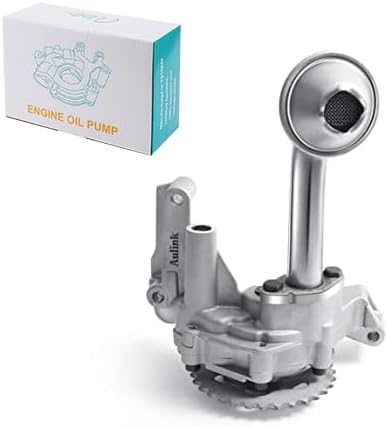
4. AULINK M367 Oil Pump (fits VW Golf 1.8L/1.9L/2.0L)
| Compatible engines | 1.8L, 1.9L, 2.0L |
|---|---|
| Fitment years | 1999–2005 (Golf) |
This AULINK M367 oil pump is a budget-minded replacement for the Volkswagen Golf 1.8L, 1.9L and 2.0L engines from roughly 1999–2005. It provides the basic function of circulating oil and maintaining engine oil pressure to lubricate internal components, and the listing notes manufacturing in TS16949-capable facilities with function and leakage testing. The pump ships with necessary installation kit items, which can simplify fitment for someone doing the job themselves. Buyers report straightforward installation when familiar with timing chain/tensioner handling, and several users found the unit matches factory form and function. However, customer feedback is mixed on longevity and pressure consistency; a small number report low oil pressure or pickup-tube fit issues requiring reuse of the OEM pickup. For a cost-focused repair or engine rebuild where keeping expenses down is the priority, this pump offers an accessible replacement, but expect to verify oil pressure after installation and be prepared to swap the pickup tube if it does not match your vehicle exactly.
Best for: Budget-conscious Volkswagen Golf owners who prioritize a low-cost, repairable replacement and are comfortable validating oil pressure and performing a hands-on installation.
Less Ideal for: Drivers seeking a guaranteed long-term OEM-equivalent solution or those unwilling to test oil pressure and potentially swap small parts after installation should consider higher-tier factory-quality options.
- Designed to fit VW Golf 1.8L/1.9L/2.0L engine applications listed, simplifying selection for compatible models
- Includes necessary installation kit components to reduce additional parts purchases
- Function and leakage tested in manufacturing, which helps catch gross defects before shipping
- Low-cost alternative to factory replacement that suits budget repairs
- Some buyers reported inconsistent oil pressure with certain units which required replacement
- Pickup tube length may not perfectly match every Golf variant and could require using the factory pickup
Verdict: A cost-focused replacement that can save money on a Golf oil-pump repair but requires post-installation pressure checks and occasional minor adjustments.
5. DNJ OP813A Oil Pump for 2.5L Volkswagen 20V L5 Engines

| Viscosity | 5W-30 sae_grade |
|---|---|
| Compatible with Vehicle Type | Car |
| Automotive Fit Type | Vehicle Specific Fit |
| Part Interchange Info | OPVW21L |
| Liquid Volume | 1 Liters |
This DNJ OP813A oil pump is a direct replacement designed to restore proper oil circulation in 2.5L Volkswagen L5 20V engines from 2008 to 2014. It installs in the engine to pump lubricant to critical bearings and cam components, supporting consistent oil pressure and helping prevent wear from inadequate lubrication. The listing highlights factory-quality construction and compatibility with vehicle-specific fitment, and the pump is marketed to improve engine longevity and maintain fuel efficiency by reducing friction. In practice the unit is used during engine overhauls or when diagnosing low oil pressure symptoms; it is a straightforward swap for owners or technicians familiar with Volkswagen engine service. Limitations include the need to verify exact engine code fitment before purchase and the normal precautions around installation torque and gasket sealing to avoid leaks. The product includes manufacturer part references and a limited warranty, which helps reassure buyers looking for a dependable replacement part.
Best for: Cautious mainstream buyers who prioritize reliability and factory-style replacement parts for routine engine maintenance or repair on Volkswagen Golf 2.5L models.
Less Ideal for: Buyers seeking a performance or high-flow aftermarket upgrade or those who need a universal multi-vehicle pump should look elsewhere.
- Vehicle-specific fit for 2008–2014 Volkswagen 2.5L L5 20V engines
- Designed to restore consistent oil circulation and maintain oil pressure
- Manufactured by an established engine-parts supplier with a limited warranty
- Construction intended to withstand engine pressure and temperature
- Fitment requires confirmation of exact engine code and part interchange to avoid incompatibility
- No installation hardware or detailed fitment instructions included in the product details
Verdict: A vehicle-specific replacement for Volkswagen 2.5L engines that prioritizes dependable, factory-style lubrication restoration over performance upgrades.
Choosing the Right Volkswagen Golf Oil Pump: Key Factors to Consider
Flow Rate and Pressure Characteristics
Flow rate and pressure determine whether an oil pump delivers enough lubricant at different engine speeds. A pump that meets the engine's required flow at idle and peak RPM helps maintain correct oil film thickness on bearings and valve train components.
Pressure stability matters because surges or drops can cause momentary loss of lubrication. Look for pumps with documented flow curves or pressure regulation designed for the Volkswagen Golf engine application. Excessively high pressure can also stress seals, so matched pressure relief settings and the ability to maintain target flow across RPM are important for balanced protection.
Compatibility and Fitment
A correct mechanical fit prevents leaks and ensures the pickup aligns with the oil pan and pickup tube. Differences in mounting bolt patterns, pickup placement, or mating surface geometry can require adapter plates or modification.
Confirm the pump matches the Volkswagen Golf engine variant and year to avoid fitment issues. Proper gasket and seal interfaces reduce leak risk and preserve oil pressure. Compatibility extends to clearance with the crank, timing cover, and associated components to avoid interference during operation.
Materials and Manufacturing Quality
Materials and machining tolerances affect pump longevity and performance. Pumps made from robust alloys with precision-machined gears or rotors will resist wear and maintain clearances that control flow rate over time.
Surface finishes, heat treatment, and bearing quality influence resistance to wear and the ability to handle contamination. Choose pumps that use durable materials and show attention to machining tolerances, as these characteristics reduce the chance of premature performance degradation.
Sealing, Gaskets, and Pressure Relief
Reliable seals and gasket interfaces prevent external leaks and maintain internal pressure. A proper gasket seal between the pump and engine block is essential to prevent air ingress and loss of priming during cold starts.
Integrated or correctly specified pressure relief valves protect the pump and engine from overpressure events. Also consider the availability of replacement gaskets and seal kits, which simplifies future maintenance and reduces downtime during installation.
Ease of Installation and Serviceability
Installation complexity affects labor time and cost, and it influences whether you can perform the work yourself or need professional help. Pumps that retain OEM mounting points and use standard fasteners tend to be easier to install.
Serviceability includes access to replacement parts, clarity of installation instructions, and whether common maintenance tasks like replacing seals or cleaning pickups can be done without removing unrelated components. Consider whether the pump requires special tools or calibration during installation.
Operating Noise and Vibration
Excessive noise or vibration from the oil pump can indicate internal clearances, cavitation, or improper mounting. Quieter operation usually signals smoother flow and better internal balance, which is less likely to cause wear on bearings or create ancillary complaints.
Assess claims or documentation about noise characteristics, and consider pumps designed to minimize cavitation and fluid turbulence. Proper installation, including secure mounting and correct gasket use, also reduces the risk of noise and vibration issues.
How We Chose the Best Volkswagen Golf Oil Pump
We focused on features and specifications that directly affect engine lubrication and long-term reliability for the Volkswagen Golf. Key evaluation criteria included measured flow rate at relevant RPM ranges, maximum pressure capacity and stability, materials and machining tolerances, lubrication pathways and pickup design, compatibility with Golf engine housings and mounting points, and the availability of proper gasket and seal interfaces.We prioritized pumps with solid construction and clear engineering documentation that support consistent oil delivery under normal and high-load conditions. Units that required extensive modification, lacked proper sealing interfaces, or did not match Golf mounting or pickup geometry were excluded. Also excluded were pumps without verifiable performance data or with unclear warranty and support. The final list emphasizes practical fitment, robust build, and the hydraulic characteristics that matter for engine protection.
Our full evaluation process is outlined in our review methodology.
FAQ
What are common symptoms of a failing Volkswagen Golf oil pump?
Common signs often include a drop in oil pressure on the gauge, increased engine noise such as ticking from valvetrain areas, and warning lights related to oil pressure. You may also notice reduced oil pressure under load or during cold starts. These symptoms vary depending on the severity and underlying cause.
Can I replace the oil pump myself or should I get professional installation?
Whether you can do it yourself depends on your mechanical skill and access to tools. Some Volkswagen Golf oil pumps are accessible with moderate mechanical experience, but accurate gasket installation, proper torquing, and pressure verification are important. If you lack experience with timing covers, oil pan removal, or pressure testing, professional installation reduces the risk of leaks or incorrect setup.
How important is choosing an OEM versus an aftermarket oil pump?
OEM pumps are built to the original specifications and can simplify fitment and sealing concerns. Quality aftermarket pumps can match or exceed OEM characteristics but may vary in materials and tolerances. The key is to verify documented flow and pressure performance, proper fitment for the Volkswagen Golf engine, and availability of proper gaskets and seals.
What should I check after installing a new oil pump?
After installation, check for oil leaks at the pump flange and gasket area, verify oil pressure at idle and under a moderate load, and listen for unusual noises. Allow the engine to reach operating temperature and recheck torque values if the service procedure recommends it. Performing a controlled run-in and monitoring pressure helps confirm correct installation.
How long do oil pumps usually last in a Volkswagen Golf?
Pump life depends on factors like oil maintenance, contamination, operating conditions, and manufacturing quality. With proper oil changes and no contamination, pumps often last many years, but degraded oil, debris, or lack of filtration maintenance can shorten service life. Regular monitoring of oil pressure helps catch issues before major damage occurs.
Conclusion
When choosing an oil pump for a Volkswagen Golf, prioritize pumps that demonstrate the right flow and pressure characteristics for your engine, solid materials and machining, and precise compatibility with the Golf mounting and pickup geometry. Balance the desire for higher flow against potential seal stress and ensure the chosen unit offers proper gasket sealing and a reliable pressure relief design.Consider installation complexity and serviceability when planning the replacement, and be prepared to verify oil pressure and inspect for leaks after fitting. Prioritizing these factors will help protect engine internals and provide dependable lubrication over time.
Explore More:
- Check out all Volkswagen Golf parts & accessories
- Explore Oil Pumps Maintenance & Repair Guides
- Explore Engine
- Browse all Auto Parts
