

Note: This article contains affiliate links. If you click on these links and make a purchase, I may earn a small commission at no extra cost to you. This helps support my research and content. Read my full affiliate disclosure here.
If you own a Ford Ranger, the oil pump plays a central role in keeping the engine lubricated and running smoothly. Choosing the right Ford Ranger oil pump matters because inadequate flow or premature failure can lead to increased wear, overheating, and costly repairs. This guide presents six shortlisted Ford Ranger oil pumps selected for reliability and construction quality. We evaluated each option using clear criteria such as flow performance and durability to help you find a pump that fits your maintenance and performance goals. Read on to see which features matter most and what to look for when assessing options.
Looking for other parts? See all Ford Ranger parts & accessories.
Top Picks at a Glance
| Best Reviewed A top-rated pick with lots of positive feedback | SCITOO Engine Oil Pump for Ford Ranger and Mazda B3000 3.0L V6 |  |
| Best Quality Built to a higher standard if you want something more solid | Garage-Pro Oil Pump Replacement for Ford Ranger and Mazda B2300/B2500 2.3L/2.5L |  |
| Best Budget The cheapest option that still gets the job done reliably | VIPCAR M128 Drive Shaft Oil Pump for Ford Cologne V6 (2.9/4.0L) |  |
| Most Sold A high-volume bestseller chosen again and again | A-Premium Standard Volume Oil Pump with Seal Ring for Ford Ranger / Mazda B2500 |  |
| Best Value for Money The sweet spot between price and what you get | Evan Fischer Oil Pump for Ford Ranger 4.0L (Replaces 4L2Z6600A) |  |
| Best Overall The best all-around choice for most situations | DNJ OP421 Engine Oil Pump |  |
1. SCITOO Engine Oil Pump for Ford Ranger and Mazda B3000 3.0L V6

| Engine compatibility | 3.0L V6 (listed Ford Ranger, Aerostar, Mazda B3000) |
|---|---|
| Housing material | Cast Iron |
| Volume type | Standard Volume |
| Pressure type | Standard Pressure |
| Mounting holes | 1 |
This SCITOO oil pump is a factory-replacement style unit intended to restore standard oil volume and pressure in 3.0L V6 engines used in select Ford Ranger, Aerostar, and Mazda B3000 models. It installs in place of the original pump to circulate engine oil, helping lubricate and cool internal components to reduce wear. The pump uses a cast iron housing and is offered as a standard-volume, standard-pressure unit; it ships without gaskets or O-rings so you should plan to reuse or replace sealing hardware during installation. Compatibility is listed by vehicle and OEM part numbers, which simplifies matching to older Ranger and Aerostar engines. Buyers should note this is a replacement part made to match factory function rather than an upgraded performance pump, and confirming fitment before purchase is important. The pump is a straightforward option for owners looking to return oil delivery to factory-spec levels without modifying the engine.
Best for: Reliability-focused buyers who prioritize restoring factory oil delivery and preserving engine life on older Ford Ranger or Mazda B3000 3.0L V6 vehicles.
Less Ideal for: Drivers seeking higher-performance or modified-engine oil delivery should choose a purpose-built high-flow or high-pressure pump instead.
- Direct-replacement compatibility with listed Ford Ranger, Aerostar, and Mazda B3000 3.0L V6 applications
- Cast iron housing for durability and heat resistance
- Standard-volume and standard-pressure design restores factory oil circulation
- Supplies clear OEM part numbers for straightforward fitment verification
- Does not include gasket or O-ring so additional seals may be required at installation
- Not an upgraded high-flow or high-pressure performance pump
Verdict A practical factory-replacement oil pump that restores standard oil circulation for 3.0L V6 Ranger and B3000 engines but does not upgrade flow or include installation seals.
2. Garage-Pro Oil Pump Replacement for Ford Ranger and Mazda B2300/B2500 2.3L/2.5L

| Fitment | 1995–2001 Ford Ranger; 1995–1997 Mazda B2300; 1998–2001 Mazda B2500 |
|---|---|
| Compatible Engines | 2.3L and 2.5L 4-cylinder, SOHC, 8 valves |
| Interchange Part | OP448 |
| Manufacturer | Garage-Pro |
This Garage-Pro oil pump is a direct-fit replacement intended for 1995–2001 Ford Ranger and compatible Mazda B2300/B2500 2.3L and 2.5L engines. It installs in place of the factory pump to restore engine oil pressure and flow, making it suitable for routine overhaul or repair after pump failure. The listing emphasizes factory-quality production standards and a one-year unlimited mileage warranty, which supports confidence for performance-focused owners who need reliable oil delivery under normal and spirited driving. Because it is sold individually and matches common interchange number OP448, it simplifies sourcing and installation for do-it-yourself mechanics and professional shops. Limitations include the usual risks of aftermarket replacements: fitment must be confirmed for the exact engine VIN and year, and the product description does not include detailed performance data or materials used, so long-term durability under extreme track use is uncertain. For street and towing duties the pump should restore proper lubrication, but those pushing engines hard may prefer a unit with published flow/pressure curves or a branded high-performance option.
Best for: Performance-oriented buyers who prioritize restoring or maintaining reliable oiling on older Ranger engines and want a direct-fit, factory-replacement style pump for street, towing, or light performance driving.
Less Ideal for: Owners seeking a documented high-performance or race-spec oil pump with published flow and pressure data should consider purpose-built performance units instead.
- Direct-fit replacement for 1995–2001 Ford Ranger and compatible Mazda B2300/B2500 engines
- Manufactured to ISO/TS production standards according to the brand, suggesting consistent build quality
- Comes with a one-year unlimited mileage warranty for added buyer protection
- Interchange part number OP448 simplifies matching to the correct application
- No published flow or pressure specifications for performance verification
- Materials and internal design details are not provided, leaving long-term extreme-use durability unclear
Verdict A practical, factory-replacement oil pump that restores proper lubrication for 1995–2001 Rangers but lacks published performance data for high‑stress applications.
3. VIPCAR M128 Drive Shaft Oil Pump for Ford Cologne V6 (2.9/4.0L)

| Engine compatibility | Ford Cologne V6 2.9L and 4.0L |
|---|---|
| Part type | Drive shaft driven standard oil pump (M128) |
| Manufacturer | Vipcar |
| OEM interchange | ZZM214100, 1F2214100, E9RY6600B, E6TZ6600A |
This VIPCAR M128 drive-shaft oil pump is a budget-focused replacement intended as a direct-fit unit for Ford Ranger vehicles equipped with the Cologne V6 2.9L or 4.0L engine. It installs in place of the factory pump and is used to restore engine oil pressure and circulation after a failed or worn pump. The listing highlights gear-and-gerotor manufacturing to meet factory-style tolerances and states the unit is factory-tested for pressure, flow, temperature, and durability. For a cost-conscious owner this pump offers a straightforward way to return oil pressure without sourcing a dealer part, and the product notes include installation tips that help prevent common fitting mistakes. Limitations to consider are that aftermarket quality can vary and one critical review reports premature failure, so careful inspection at installation and replacing seals and filter at the same time are sensible precautions. This pump is a practical option if you need an affordable replacement that claims factory-style performance, but buyers doing a full engine rebuild or seeking the longest-term reliability may prefer a higher-end or factory-sourced unit.
Best for: Budget-conscious Ford Ranger owners who need an affordable, direct-replacement oil pump to restore oil pressure quickly without sourcing dealer parts.
Less Ideal for: Drivers doing a full engine rebuild or those who prioritize maximum long-term reliability should consider higher-end or factory-sourced pumps instead.
- Direct-fit design for Ford Cologne V6 2.9L and 4.0L engines used in Ranger models
- Manufactured with gear and gerotor technology to meet factory-style tolerances
- Unit tested for pressure, flow and temperature to simulate real engine conditions
- Includes installation tips and recommended practices to aid proper fitment
- Aftermarket durability may be inconsistent based on reported premature failure
- Seller-installed seals or related components may need replacement to avoid leaks or damage
Verdict A cost-focused, direct-replacement oil pump for Ranger Cologne V6 engines that can restore oil pressure affordably but may not match the longevity of premium or factory-sourced units.
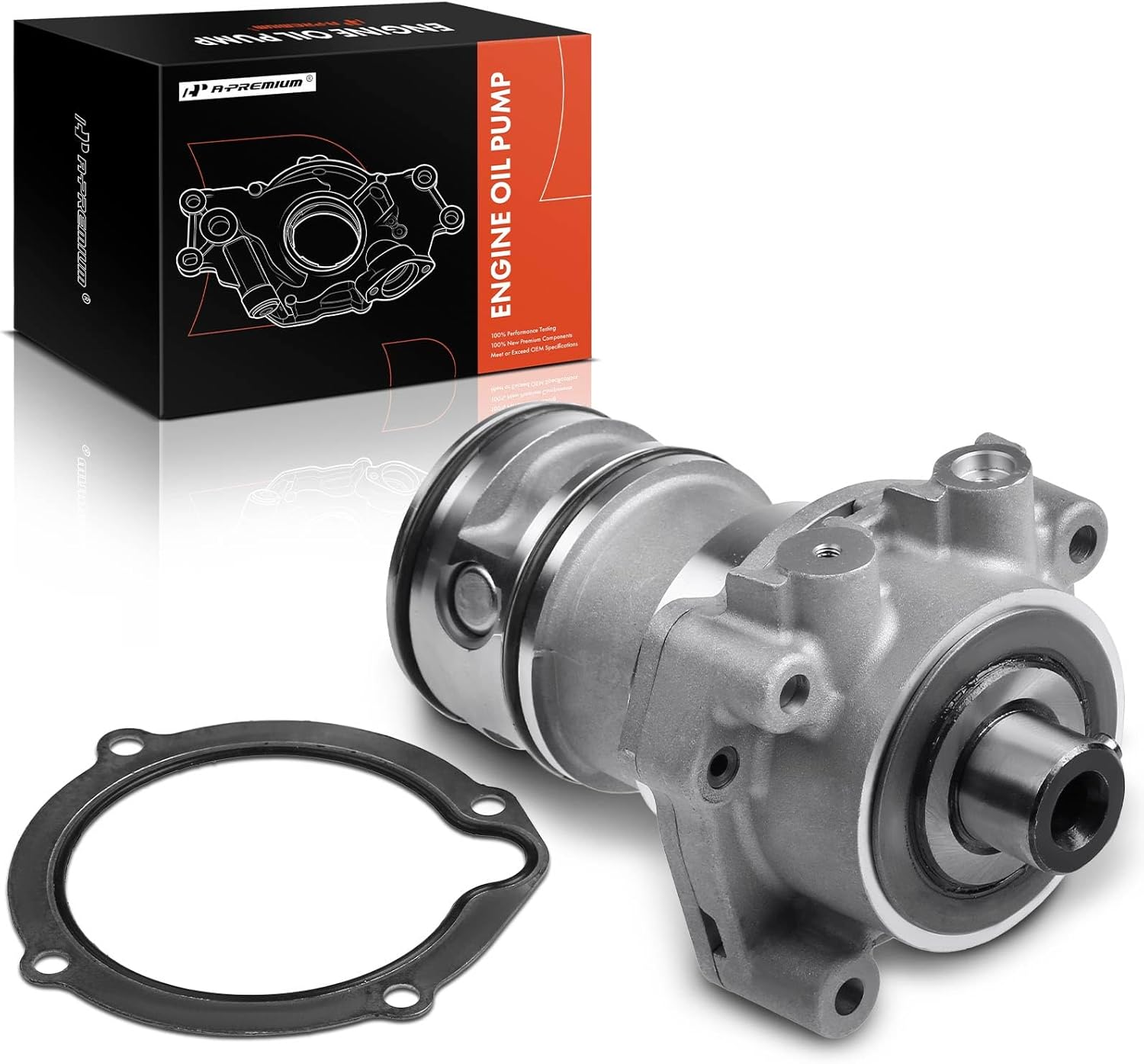
4. A-Premium Standard Volume Oil Pump with Seal Ring for Ford Ranger / Mazda B2500
| Compatible Engines | Ford Ranger 2.3L (1995-1997), Ford Ranger 2.5L (1998-2001), Mazda B2500 2.5L (1998-2001) |
|---|---|
| Housing Material | Cast Iron |
| Oil Pump Type | Standard Volume, Standard Pressure |
| Seal Included | Yes |
This A-Premium oil pump is a direct-fit replacement designed for Ford Ranger 2.3L (1995–1997) and 2.5L (1998–2001) engines and the Mazda B2500 2.5L (1998–2001). It circulates engine oil to lubricate and cool internal components, helping prevent wear and extend engine life. The pump uses a cast iron housing, is rated as standard volume and standard pressure, and ships with a seal ring and the four mounting holes needed for installation. For a typical DIY swap or shop replacement it offers familiar materials and function comparable to a factory-quality pump, and the included seal helps simplify reassembly. Limitations to note are that it is a standard-volume unit, so it does not increase oil flow for high-performance builds, and correct fitment verification is essential before purchase. A-Premium backs the part with a one-year unlimited-mileage guarantee, which aligns with conservative buyers who prioritize reliability and straightforward replacement parts.
Best for: Risk-averse mainstream buyers seeking a straightforward, factory-style replacement for routine maintenance or a timed repair will appreciate this pump for restoring original oil circulation and dependability.
Less Ideal for: Drivers planning engine upgrades, high-performance builds, or who need increased oil flow should choose a performance or high-volume pump instead.
- Direct-fit compatibility for specified Ford Ranger and Mazda B2500 four-cylinder engines
- Cast iron housing provides durable, proven construction for engine service
- Includes seal ring and required mounting holes to simplify replacement
- Standard-volume design delivers factory-style oil circulation appropriate for stock engines
- Not designed to increase oil flow or pressure for modified or high-performance engines
- Fitment must be confirmed against vehicle specifics to avoid mismatches
Verdict A practical, factory-style replacement oil pump for stock Ford Ranger and Mazda B2500 four-cylinder engines that prioritizes reliability over increased performance.
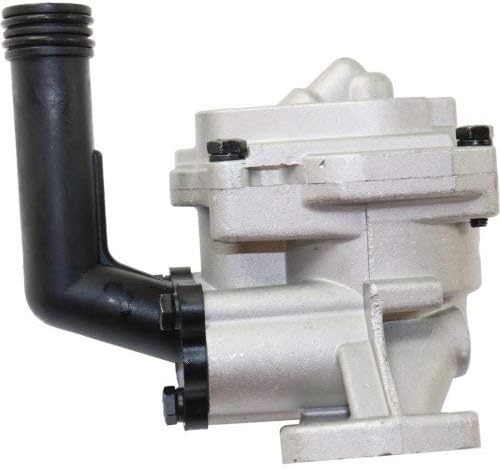
5. Evan Fischer Oil Pump for Ford Ranger 4.0L (Replaces 4L2Z6600A)
| Brand | Evan Fischer |
|---|---|
| Manufacturer Part Number | EVA6196131862 |
| OEM Part Number | 4L2Z6600A |
This Evan Fischer oil pump is offered as a factory-replacement style unit for the 4.0L Ford Ranger and is intended to replace part number 4L2Z6600A. It installs in the engine to circulate oil, restore pressure, and ensure proper lubrication of bearings and valvetrain components. Typical use is a midlife engine repair or rebuild when the original pump has worn or failed; expect standard mechanical installation where the oil pan and timing cover access are required. The listing highlights manufacturer part numbers and claims of production to common automotive standards. Practical benefits include a direct-fit design that simplifies swap-in replacement and an economical price point for value-focused repairs. Limitations to consider are the lack of detailed technical specs in the listing such as flow rate, pressure curve, or internal materials, and the product relies on correct fitment for the 4.0L Ranger rather than performance upgrades. Buyers should plan normal installation checks such as verifying clearances and testing oil pressure after install.
Best for: Practical optimizers who prioritize cost-effective repairs and want a direct-fit, ready-to-install replacement for a 4.0L Ford Ranger oil pump to get the vehicle back on the road quickly.
Less Ideal for: Owners seeking a high-performance or upgraded oil pump for racing, heavy-duty towing, or modified engines should consider performance-specific units instead.
- Direct-replacement fit intended for 4.0L Ford Ranger applications listed by part number
- Economical choice that targets budget-conscious repairs
- Sold by a brand that states parts are produced to common automotive production standards
- Comes with clear OEM part number cross-reference to simplify ordering
- Listing does not provide performance data like flow rate or pressure specifications
- No information about internal materials or manufacturing tolerances is provided
Verdict A budget-friendly, direct-replacement oil pump for the 4.0L Ford Ranger that focuses on restoring factory functionality rather than improving performance.
6. DNJ OP421 Engine Oil Pump

| Manufacturer | DNJ Engine Components |
|---|---|
| Model | OP421 |
| Exterior | Machined |
The DNJ OP421 is a direct-replacement oil pump intended to re-establish proper oil circulation and pressure in compatible Ford 2.9L–4.0L V6 engines. Installed in-line with the engine oiling system, it drives oil through galleries to lubricate bearings, camshafts, and valvetrain components, which helps reduce friction, heat, and wear. Notable features include a machined exterior and a construction aimed at handling typical engine pressures and temperatures. For practical use on a Ford Ranger that shares the specified V6 engine family, the pump delivers the core benefit of restoring reliable lubrication after a failed original pump, which can improve engine smoothness and potentially fuel efficiency by reducing internal drag. Limitations to consider are variation in long-term durability reported by some users and the need for correct fitment and professional installation to ensure proper timing and clearances. Buyers should also account for matching gaskets, bolts, and oil change after installation to avoid contamination and ensure optimal performance.
Best for: Balanced all-round buyers who want a reliable factory-replacement oil pump for routine engine repair and expect a competent aftermarket part that restores normal lubrication and engine operation.
Less Ideal for: Drivers seeking a performance-upgrade or hardened racing component should consider higher-spec or performance oil pumps instead.
- Machined exterior construction designed for standard engine operating pressures
- Replaces factory pump to restore oil circulation and lubrication
- Compatible with Ford 2.9L–4.0L V6 engine family covered in the fitment notes
- From a specialist engine-parts brand with a history in domestic engine components
- Some user reports of early failure suggest variable long-term reliability
- Requires correct fitment and professional installation to avoid installation-related issues
Verdict A practical factory-replacement oil pump that restores engine lubrication for Ford V6 applications but may show variable longevity depending on use and installation quality.
Choosing the Right Ford Ranger Oil Pump: Key Factors to Consider
Flow Capacity and Pressure Performance
Oil pumps must supply sufficient flow across the engine's operating range because inadequate flow at higher RPMs or under load increases friction and wear. Look for pumps with documented flow rates and pressure characteristics so you can match performance to how you drive. A pump that maintains steady pressure during warm-up and at operating temperature reduces the risk of oil starvation in critical bearings and cam components. Pressure regulation is equally important; a well-designed relief system prevents excessive pressure that can cause seal leaks or stress on oil galleries. Consider how the pump performs with your engine's oil viscosity and any performance modifications that raise demand.
Material Quality and Machining Tolerances
The materials used for gears, housing, and shaft bearings influence wear resistance and thermal stability. Pumps built from higher-grade metals and with precise machining tolerances typically run quieter and tolerate long service intervals. Tight tolerances reduce internal leakage and preserve volumetric efficiency, which translates to better flow for a given engine speed. Examine whether the manufacturer specifies hardness, coating treatments, or surface finishes for critical parts. These details correlate with resistance to scuffing and long-term dimensional stability under heat cycling.
Seal and Gasket Design
Effective sealing between the pump and engine prevents oil leakage and maintains required pressure. A robust gasket or seal design reduces the chance of external leaks that can lead to low oil levels and contamination of surrounding components. Materials that resist heat and oil exposure maintain a reliable seal over time without hardening or shrinking. Pay attention to flange interfaces, gasket surface area, and whether the pump uses integrated seals or requires separate gaskets. Proper sealing also affects ease of installation since a poorly designed seal can complicate alignment and torque procedures.
Shaft Support and Bearing Durability
The pump shaft transfers torque from the drive source to the internal gears, and its support structure determines how well the pump handles load and alignment. Robust bearings and secure shaft retention minimize wobble and wear that cause noise and loss of efficiency. A well-supported shaft also tolerates brief pressure spikes without deforming or accelerating component fatigue. Consider whether the design uses bushings, roller bearings, or reinforced housings, and whether these elements are serviceable. Durable internal support helps ensure consistent performance across many miles.
Compatibility and Ease of Installation
A pump that fits precisely with the Ford Ranger engine reduces installation time and the chance of errors. Compatibility includes correct mounting pattern, drive engagement, and clearance to nearby components. Pumps that mirror factory interfaces often simplify gasket alignment and torque sequences, which lowers the risk of leaks or misassembly. Also consider whether the unit requires additional parts, such as alignment dowels or updated seals, and whether installation can be performed with common tools. Ease of installation matters if you plan to do the job yourself or want to minimize shop labor time.
Reliability Indicators and Warranty Support
Longevity depends on design integrity and manufacturing quality control, so look for pumps backed by clear warranty terms and quality assurances. A reasonable warranty period signals confidence in the component and provides recourse if premature failures occur. Reliability indicators can include documented testing procedures, production tolerances, and positive service history among similar applications. Warranty coverage should be clear about what is and is not included to avoid surprises. Consider whether replacement parts or service support are readily available, since that affects long-term ownership practicality.
FAQ
What are common symptoms of a failing Ford Ranger oil pump?
Common signs often include low or fluctuating oil pressure, unusual engine noise such as increased ticking or whining, and warning lights on the dash. You may also notice higher operating temperatures or reduced oil flow to valve train areas. These symptoms usually warrant prompt diagnosis because they can indicate insufficient lubrication.
Can I replace the oil pump myself during routine engine work?
Many mechanically skilled owners can replace an oil pump with basic tools and a repair manual, since the job often aligns with other engine service tasks. It typically requires draining oil, removing related components, and careful gasket and torque work. If you are uncomfortable with alignment or sealing procedures, consider professional installation to avoid leaks or misassembly.
How does oil viscosity affect oil pump selection for a Ford Ranger?
Oil viscosity influences flow and pressure at different temperatures. Thicker oils may increase pressure and require a pump that can handle higher resistance, while thinner oils flow more readily. Choose a pump designed or tested with the oil viscosities you plan to use so it maintains appropriate pressure across operating conditions.
Are high pressure oil pumps necessary for everyday driving?
High pressure pumps are usually reserved for specific performance goals or engines with increased clearances. For normal driving and stock engine configurations, a pump that provides steady, factory-appropriate pressure and flow is typically sufficient. Using an overly aggressive pressure profile can stress seals and components unnecessarily.
What should I check after installing a new oil pump?
After installation, verify there are no external leaks, check oil pressure at idle and at operating speeds, and monitor for unusual noises. Confirm that oil levels are correct and recheck torque on accessible fasteners after a short break-in drive. Continued monitoring during the first few hundred miles helps catch any installation issues early.
How We Chose the Best Ford Ranger Oil Pump
We focused on components that directly affect lubrication performance and long-term engine health. Primary evaluation criteria included measured flow capacity at typical operating speeds, materials and machining tolerances, and the pump's resistance to wear under heat and pressure. We also weighed build quality factors such as housing strength, shaft support, and seal integrity that influence longevity. We considered compatibility with Ford Ranger engine families and installation practicality, such as fitment accuracy and ease of access during service. Reliability indicators like warranty coverage and manufacturing quality control were included to gauge expected service life. We excluded units intended for racing or extreme modifications that require other engine upgrades, and we did not include pumps lacking sufficient technical specifications or durability data. The result is a group of pumps that balance dependable oil delivery, build robustness, and practical installation characteristics for typical Ford Ranger owners.
Our full evaluation process is outlined in our review methodology.
Conclusion
Prioritize steady flow, durable materials, and reliable sealing when choosing a Ford Ranger oil pump. These factors directly affect engine longevity and day-to-day performance. Balance compatibility and ease of installation with build quality and documented flow characteristics to match your driving needs and maintenance plans. Remember that higher pressure or specialty pumps introduce tradeoffs in sealing and component stress. Focus on the pump attributes that address your driving conditions and maintenance preferences to get the best long-term results.
Explore More:
- Check out all Ford Ranger parts & accessories
- Explore Oil Pumps Maintenance & Repair Guides
- Explore Engine
- Browse all Auto Parts
