

Note: This article contains affiliate links. If you click on these links and make a purchase, I may earn a small commission at no extra cost to you. This helps support my research and content. Read my full affiliate disclosure here.
If you drive a 2003-2007 Honda Accord, a healthy oil pump is crucial to keep the engine lubricated and running reliably. Low pressure or intermittent flow can accelerate wear and lead to more expensive repairs, so choosing the right replacement matters for everyday drivability and long-term engine life. This guide covers the top shortlisted oil pumps suited to the 2003-2007 Accord's engine requirements and explains the technical criteria used to evaluate them. Expect clear guidance on flow performance, durability, sealing, and installation considerations to help you pick the best option for your use and maintenance skills.
Looking for other parts? See all Honda Accord parts & accessories.
Top Picks at a Glance
| Best Overall The best all-around choice for most situations | JC Whitney Engine Oil Pump (Standard Volume/Pressure) – Compatible with 2003–2007 Honda Accord and Select 3.0–3.5L Models |  |
| Best Quality Built to a higher standard if you want something more solid | YUXSOUQ Engine Oil Pump Assembly (15100-RAA-A02) |  |
| Best Value The sweet spot between price and what you get | Garage-Pro Replacement Oil Pump for 2003–2007 Honda Accord (direct fit) |  |
| Best Budget The cheapest option that still gets the job done reliably | REVO Engine Oil Pump Replacement for 3.0L–3.5L Honda/Acura V6 (15100RCAA02) |  |
| Highest Rated A top-rated pick with lots of positive feedback | VIPCAR M530 Replacement Oil Pump for 3.0/3.2/3.5L V6 Honda/Acura Engines |  |
| Most Popular A crowd favorite that many people choose with confidence | A-Premium Engine Oil Pump (Standard Volume, with Seal Ring) |  |
1. JC Whitney Engine Oil Pump (Standard Volume/Pressure) – Compatible with 2003–2007 Honda Accord and Select 3.0–3.5L Models

| Drive Type | Crankshaft |
|---|---|
| Housing Material | Aluminum |
| Oil Pump Type | Rotary |
| Oil Pump Pressure Type | Standard Pressure |
| Gasket or Seal Included | Yes |
This JC Whitney engine oil pump is a factory-style rotary unit sold as a standard volume and standard pressure replacement for 3.0L to 3.5L V6 engines used in mid-2000s Honda and Acura models. It installs at the crank drive and includes the pickup screen and necessary gasket or seal, so it covers the typical refresh job when the factory pump shows wear or low pressure. The aluminum housing and seven mounting holes match the original mounting pattern, which should make bolt-on fitment straightforward for shops and experienced DIYers. Because it is specified as standard volume and pressure, it is appropriate for returning an engine to stock operating characteristics rather than increasing flow for modified engines. Practical benefits include complete replacement hardware and a design that targets reliable oiling performance for aging pumps. Limitations are that this is not a performance or high-flow pump, so builders seeking increased pressure or capacity for high-horsepower or heavily modified engines will need a different unit.
Best for: Buyers who want a reliable, factory-style replacement to restore normal oil pressure and volume on a mid-2000s V6 Honda or Acura engine and prefer a straightforward bolt-on repair.
Less Ideal for: Enthusiasts building higher-output or heavily modified engines that require increased oil flow or pressure should choose a performance-oriented pump instead.
- Direct-fit replacement for 2003–2007 Honda Accord and compatible V6 models with the same mounting pattern
- Includes pickup screen and gasket/seal for a complete install
- Aluminum housing and crank-driven rotary design match factory-style construction
- Specifically built for standard volume and pressure to restore stock oiling behavior
- Not designed for increased flow or higher-than-stock oil pressure demands
- Limited to compatible mid-2000s 3.0–3.5L V6 applications only
Verdict: Choose this JC Whitney pump if you need a dependable, factory-style replacement to restore normal oiling on a 2003–2007 V6 Honda/Acura engine.
2. YUXSOUQ Engine Oil Pump Assembly (15100-RAA-A02)
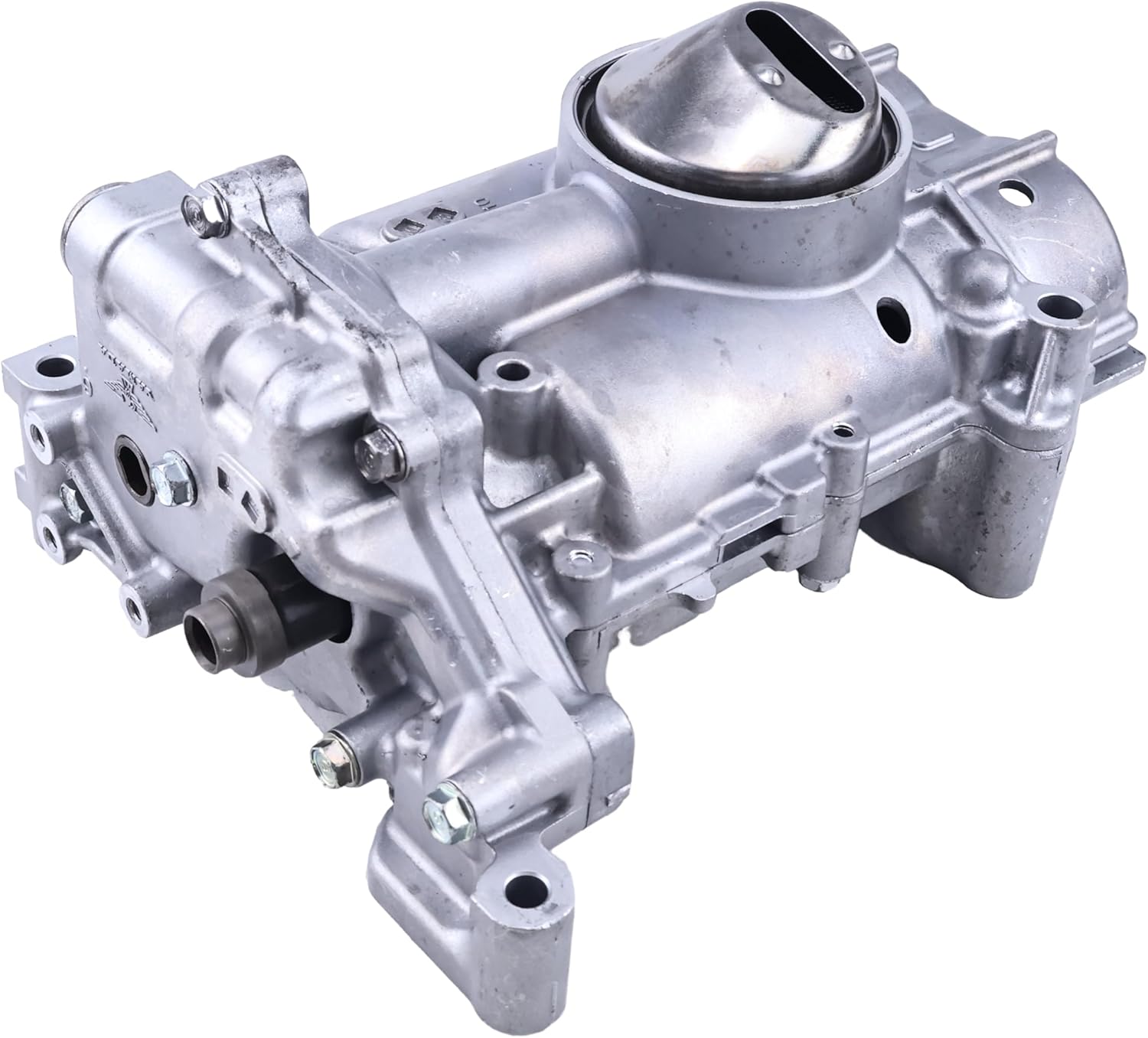
| Manufacturer Part Number | 15100-RAA-A02; 15100RAAA02 |
|---|---|
| Brand | YUXSOUQ |
| Model fit | Odyssey RB1 Accord CM CR-V CRV RD |
| Fitment years | 2003-2008 |
This YUXSOUQ oil pump is a direct-fit replacement for 2.4L Honda and Acura engines from roughly 2003 to 2008 and is intended to restore factory oil pressure and lubrication after a failed or worn pump. It installs in place of the original pump and is typically used during engine repair or rebuilds where maintaining correct oil flow is critical. The unit is machined and ships as a complete assembly, simplifying installation compared with sourcing separate components. For performance-focused owners the pump delivers the essential function of reliable oil delivery under normal and spirited driving and helps protect valvetrain and bearing life. Expect typical aftermarket trade-offs: the listing does not include detailed flow or pressure curves and there is no explicit performance upgrade claim over factory-spec pumps. Fitment is limited to the listed Honda and Acura 2.4L applications, so confirm engine code and year before purchasing.
Best for: Buyers who need a straightforward, performance-minded replacement to restore reliable oil pressure on 2.4L Honda or Acura engines and prioritize protecting the engine during spirited driving and longevity-focused maintenance.
Less Ideal for: Do not choose this if you need verified high-volume or high-pressure performance upgrades for race or heavily modified engines; look for purpose-built performance oil pumps instead.
- Direct-fit replacement for 2.4L Honda and Acura engines listed, simplifying installation
- Supplied as a complete machined assembly so no additional parts are required
- Restores oil pressure and circulation to protect bearings and valvetrain during normal and spirited driving
- No published flow rate or pressure specifications to evaluate performance differences from factory pumps
Verdict: A ready-to-install replacement oil pump that restores factory-style oil pressure for 2.4L Honda and Acura engines, ideal for performance-minded owners seeking reliable lubrication restoration.
3. Garage-Pro Replacement Oil Pump for 2003–2007 Honda Accord (direct fit)

| Manufacturer | Garage-Pro |
|---|---|
| Fitment | 2003–2007 Honda Accord and listed Acura/Honda V6 models |
| Interchange Part Number | OP263 |
| Warranty | 1-year unlimited mileage |
This Garage-Pro oil pump is a direct-fit replacement aimed at restoring proper oil pressure and flow on 3.0L and 3.5L Honda/Acura V6 engines from the 2003–2007 era. It installs in place of the factory pump and is typically used when the original pump shows wear, low pressure, or after engine work that disturbs the lubrication system. The part claims factory-style design and comes with a one-year unlimited mileage warranty, which adds confidence for budget-focused repairs. For technicians and DIYers the pump’s direct-swap fit simplifies installation and avoids modification. Expect practical longevity for everyday driving and normal service intervals, though the listing does not provide detailed material specs or test data, so performance under extreme or high-performance conditions is unknown. This unit is best suited as an affordable factory-quality replacement to get a worn engine back to proper lubrication without upgrading to performance-specific pumps.
Best for: Buyers who prioritize a practical, cost-effective repair that restores factory lubrication without extra modifications and want a straightforward direct-replacement part for routine maintenance or engine repair.
Less Ideal for: Drivers seeking a high-performance or heavy-duty oiling upgrade for racing, towing, or extensively modified engines should consider specialty pumps made for those demands.
- Direct-fit replacement for specified 2003–2007 Honda Accord and compatible Acura/Honda V6 applications
- Marketed to factory production standards and designed to match original function
- Includes a one-year unlimited mileage warranty for added peace of mind
- Manufacturer does not publish detailed materials or performance test data for comparison to higher-end pumps
Verdict: A straightforward, budget-conscious direct-fit replacement to restore proper oil pressure on 2003–2007 Honda Accord V6 engines.
4. REVO Engine Oil Pump Replacement for 3.0L–3.5L Honda/Acura V6 (15100RCAA02)
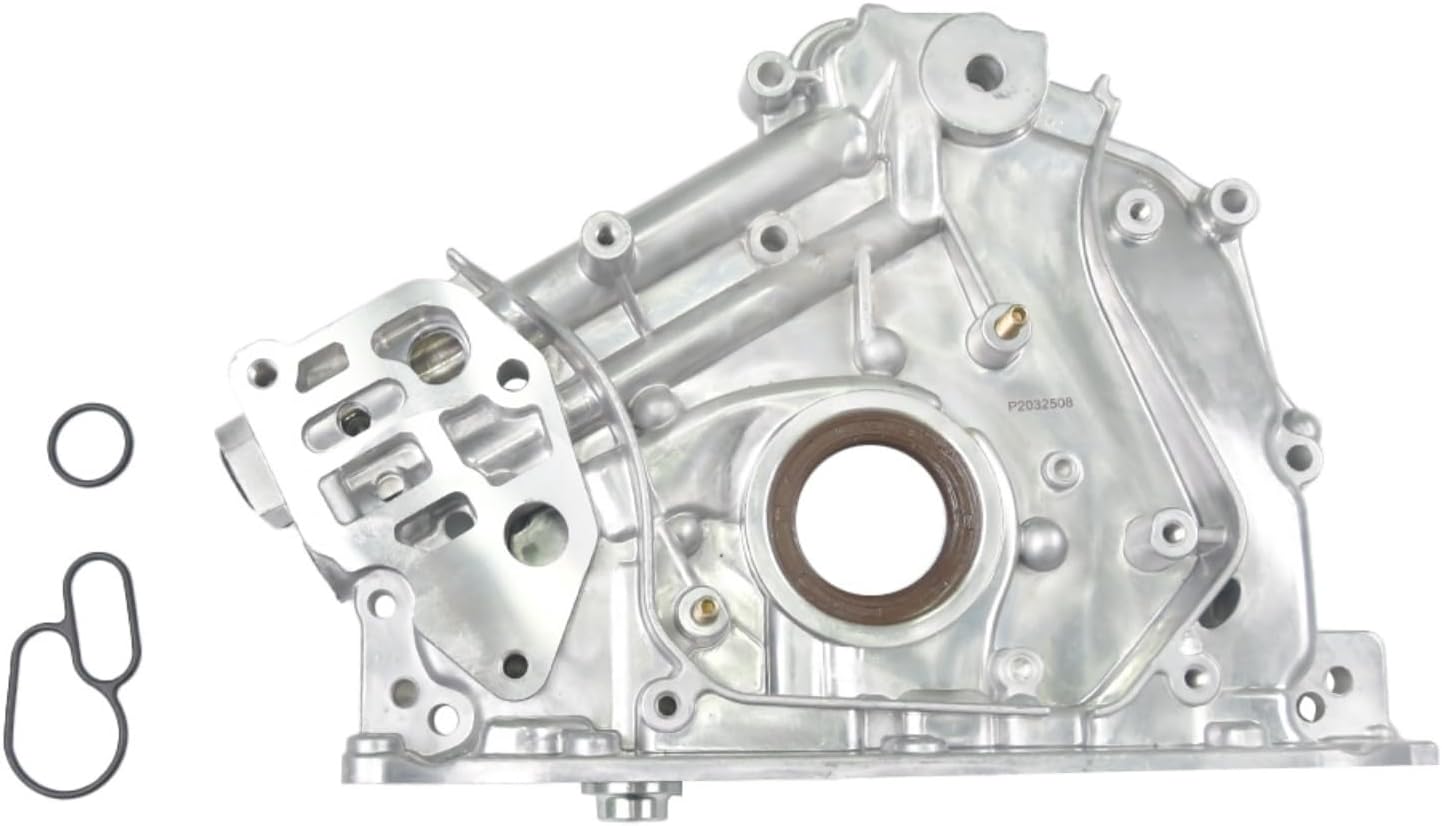
| Manufacturer Part Number | OL9003 |
|---|---|
| OEM Part Number | 15100RCAA02 |
| Brand | REVO |
| Exterior | Machined |
This REVO oil pump is a direct-fit aftermarket replacement for 3.0L to 3.5L SOHC Honda and Acura V6 engines that aims to restore proper oil pressure and engine lubrication on high-mileage units. It installs like a factory replacement with bolt holes and mating surfaces that line up to the block and timing components, so typical use is straightforward during an engine overhaul or oil pump swap. Key features include machined critical surfaces, multiple interchange part numbers for cross-reference, and a single-piece pump supplied with basic seals. In real-world use owners report returned factory-spec oil pressure and quiet operation after installation, making it useful for repairing leaks or low-pressure symptoms without the dealer cost. Limitations are mainly cosmetic and kit completeness: some cast flash on exterior housings may need light dressing and the included seals feel thinner than OEM, so many technicians fit OEM gaskets and O-rings for added confidence. Expect a reliable, budget-friendly replacement if you inspect and refresh seals before final assembly.
Best for: Buyers looking to repair oil pressure or leaks on aging 3.0L–3.5L SOHC Honda or Acura V6 engines who prioritize value and a direct-fit repair over buying dealer parts.
Less Ideal for: Those who want a factory-sourced part and complete OEM sealing hardware out of the box or who prefer fully finished castings as-delivered.
- Direct-fit compatibility with multiple 3.0L–3.5L SOHC Honda and Acura V6 engines so installation is straightforward
- Machined critical surfaces that support proper sealing and reliable oil pressure restoration
- Cost-effective alternative to factory parts, delivering similar performance for a lower price
- Exterior casting finish may have flash that requires light cleanup before installation
- Included seals feel thinner than OEM and many installers prefer to use factory gaskets or O-rings
Verdict: A budget-friendly, direct-fit replacement that restores oil pressure on 3.0L–3.5L SOHC Honda and Acura V6 engines when paired with refreshed OEM seals.
5. VIPCAR M530 Replacement Oil Pump for 3.0/3.2/3.5L V6 Honda/Acura Engines
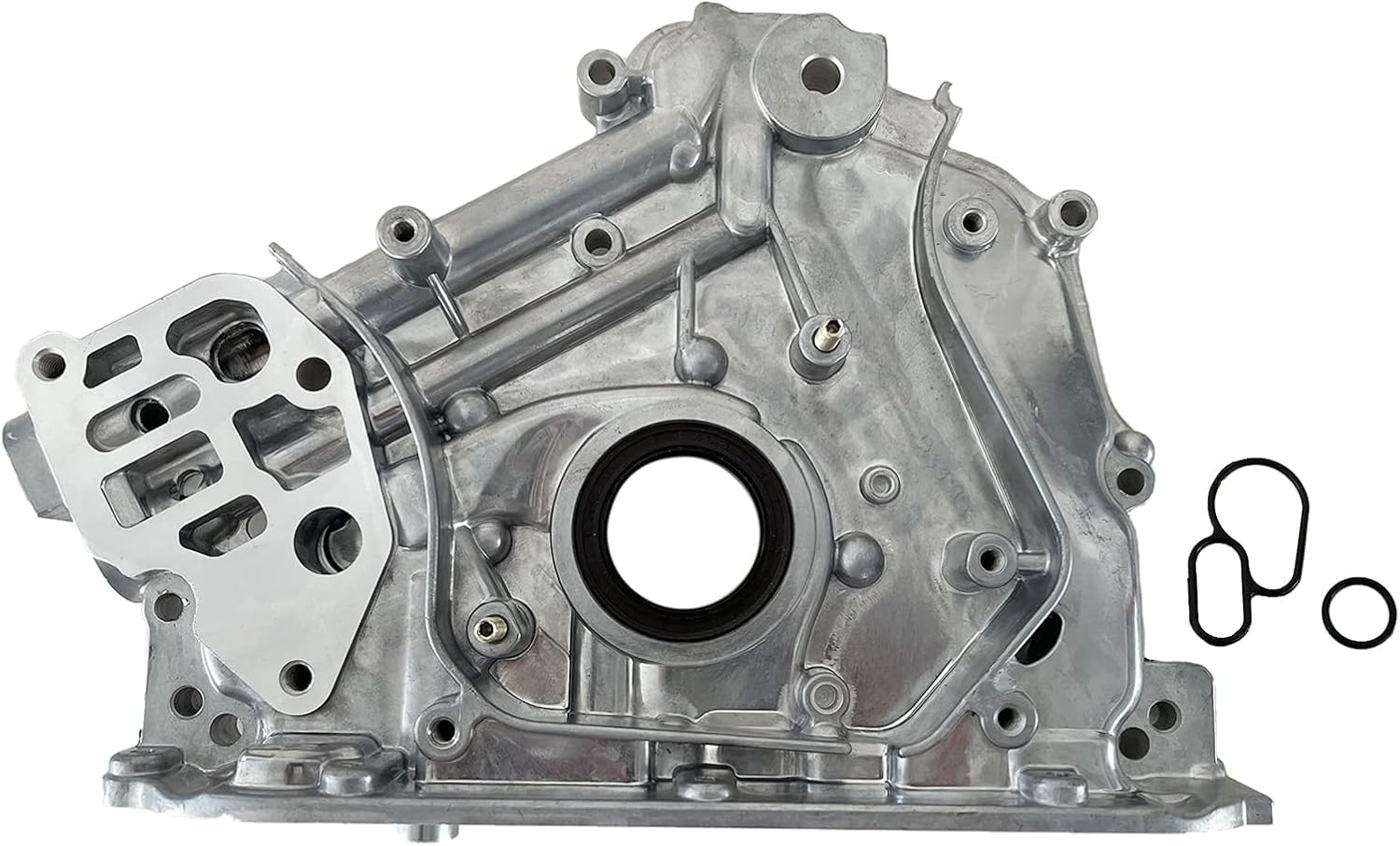
| Manufacturer | LOBAM MACHINERY |
|---|---|
| Brand | Vipcar |
| Manufacturer Part Number | 03028 |
| OEM Part Number | 15100-RCA-A02 15100-RCA-A03 |
This VIPCAR M530 oil pump is a crankshaft-driven, factory-style replacement designed for Honda and Acura 3.0/3.2/3.5L V6 SOHC engines used in mid-2000s Accords, Pilots, Odysseys, Ridgelines, and select Acuras. It installs where the original pump lives and is intended to restore correct oil pressure and flow after a failing or worn unit. Notable features include gear and gerotor machining to tight tolerances and factory-style testing for pressure, flow, and temperature durability. In practice that means the pump should deliver consistent oil pressure without adding excess load to the engine, and it is recommended to prime the pump and replace seals and the filter at installation. The pump is sold as a discontinued-manufacturer item from a specialist supplier with ISO/IATF production claims; that background and the listed testing suggest a focus on long-term reliability. Limitations are the need to verify the exact part choice against your engine variant before ordering and the typical installation care required to prevent leaks or misalignment during fitment.
Best for: Buyers who prioritize restoring dependable engine oil pressure with a factory-style replacement for mid-2000s Honda and Acura V6 SOHC engines and who plan to perform or supervise a careful pump installation.
Less Ideal for: Drivers looking for performance-modified pumps or universal fit parts; also not suited for those unwilling to confirm exact fitment before purchase.
- Engineered to match factory-style gear and gerotor tolerances for proper oil pressure and flow
- Factory-style testing reported for pressure, flow, temperature fatigue and corrosion resistance
- Direct-fit for specified 3.0/3.2/3.5L V6 SOHC Honda and Acura applications using M530 interchange numbers
- Includes installation guidance encouraging priming and seal/filter replacement for reliable startup
- Manufacturer is listed as discontinued which may affect long-term replacement availability
Verdict: A factory-style replacement oil pump engineered and tested to restore reliable oil pressure on 2003–2007 Honda and Acura 3.0/3.2/3.5L V6 SOHC engines.
6. A-Premium Engine Oil Pump (Standard Volume, with Seal Ring)

| Vehicle Fitment | Selected 2003–2007 Honda and Acura V6 models (see listing) |
|---|---|
| Housing Material | Aluminum |
| Oil Pump Type | Rotary |
| Volume Type | Standard Volume |
| Pressure Type | Standard Pressure |
This A-Premium oil pump is a direct-replacement rotary pump intended for V6 Honda and Acura engines from the 2003–2007 era. It circulates engine oil to maintain lubrication and cooling, and is supplied as a single unit with a preinstalled seal ring and seven mounting holes for straightforward installation. The aluminum housing and standard-volume, standard-pressure design mean it matches factory flow characteristics for engines that used the original standard pump. Practical benefits include full fitment coverage for common Accord, Odyssey, Pilot, Ridgeline, and Acura V6 variants and the included seal ring reduces parts hunting during an install. Real-world caveats are that build quality can vary; some buyers reported casting or seal issues that required rework or replacement, so inspect the pump and seals before installation and be prepared to swap seals if necessary. This pump is best for technicians and owners who want a cost-conscious factory-style replacement and who will verify compatibility with their engine code before fitting.
Best for: Buyers who prioritize finding a factory-style replacement that fits common 2003–2007 Honda/Acura V6 engines and want a straightforward repair option backed by user feedback.
Less Ideal for: If you need a performance or high-volume upgrade for modified engines or want a no-risk OEM-sourced part with guaranteed defect-free inspection, consider higher-end or dealer-sourced options instead.
- Direct-fit coverage for listed 2003–2007 Honda and Acura V6 applications
- Aluminum housing and rotary design that mirror factory-style pump performance
- Ships with a seal ring included to simplify installation
- Standard-volume and standard-pressure spec maintains expected oil flow for compatible engines
- Some reported quality control issues including casting defects or leaking seals requiring replacement
Verdict: A practical, factory-style replacement oil pump for 2003–2007 Honda and Acura V6 engines that balances fitment coverage and value for routine engine repairs.
Choosing the Right 2003-2007 Honda Accord Oil Pump: Key Factors to Consider
Flow Rate and Pressure Curve
Oil pump flow and the pressure curve determine how well the pump supplies lubricant under varying engine speeds and loads. For the 2003-2007 Accord, you want a pump that delivers adequate flow at idle to maintain lubrication of critical bearings and ramps up predictably with RPM. A pump with a flat or poorly matched curve can cause low pressure at idle or excessive pressure at high RPM, which stresses relief valves and seals.
Understanding the pump's pressure relief behavior matters because it affects how quickly oil reaches camshafts, lifters, and main bearings during hard driving or long highway runs. Prefer units that specify flow or pressure at multiple RPM points rather than a single nominal rating. That information helps predict real-world behavior and compatibility with the Accord's engine tolerances.
Material and Build Quality
Materials used for gears or rotors, housing, and fasteners directly affect longevity. Hardened steel gears or nitrided rotors resist wear better than softer alternatives, which matters when the pump runs continuously for thousands of hours. For the 2003-2007 Accord, corrosion-resistant finishes and tight machining tolerances help maintain volumetric efficiency and reduce internal leakage over time.
Poor casting or thin housings can warp or fail under thermal cycling, so evaluate build quality indicators like tight machining, consistent surface finishes, and robust fastener designs. These features reduce the chance of premature wear and maintain consistent pressure output through the pump's service life.
Sealing and Gasket Design
A reliable gasket and seal strategy prevents external leaks and ensures the pump maintains internal pressure. The 2003-2007 Accord's oil pump interface relies on a good gasket seat and properly sized sealing surfaces. Look for pumps that include high-quality gaskets or use modern multi-layer designs to handle thermal expansion and oil compatibility.
A poor sealing design can lead to oil loss, air ingress, and pressure fluctuations that mimic pump failure. Consider whether the replacement includes new seals, the type of gasket material used, and whether additional sealing steps are recommended during installation to avoid oil seepage after the first few heat cycles.
Compatibility With Engine Accessories and Timing Components
The oil pump must integrate cleanly with the Accord's existing timing and accessory layout without requiring modification. Some pumps sit close to timing components or the oil pickup tube, so correct clearances and mounting hardware are essential. Mismatched pumps can interfere with the oil pickup, timing chain tensioner, or timing cover, causing installation headaches or functional problems.
Confirm that the pump's mounting flanges, drive interface, and pickup alignment match the 2003-2007 Accord engine geometry. Pumps that require custom pickup repositioning or cover changes increase installation time and the risk of installation errors, so they are less desirable for most owners.
Serviceability and Installation Requirements
Installation complexity affects total ownership cost and the likelihood that the job will be done correctly. For many Accord owners, a pump that installs with standard tools, documented torque specs, and no additional machining is preferable. Documentation that clearly outlines gasket orientation, torque values, and prime procedures reduces the chance of air locks or leaks after assembly.
Also consider whether the pump requires special priming steps, new fasteners, or alignment fixtures. Units that come with necessary seals and clear instructions reduce the need for extra parts and trips to the shop, making post-install reliability easier to achieve.
Pressure Relief and Compatibility With Oil Viscosity
Oil viscosity affects internal clearances and resulting pressure, so the pump's relief characteristics should match the oil grades commonly used in the 2003-2007 Accord. A relief valve set too high can cause excessive pressure with thicker oils, while one set too low may not protect engine bearings under high load. Choose pumps with relief ranges that suit the owner's intended oil viscosity and driving style.
Also evaluate whether the pump maintains a stable pressure across temperature ranges. Pumps that are tuned for very thin oils or extreme viscosities can create issues with normal daily-use oils. Matching the pump's relief behavior to typical maintenance fluids reduces the risk of pressure-related wear.
Signs Your Accord's Oil Pump Might Be Failing
Recognizing early symptoms can prevent major engine damage. Typical indicators include a persistent low oil pressure warning, fluctuating oil pressure gauge readings, or an oil pressure light that comes on intermittently during idle or under load.
You may also notice unusual engine noises such as lifter tappings or increased valve train noise caused by inadequate lubrication. Small external oil leaks or evidence of oil pooled near the timing cover after a run can indicate seal or gasket deterioration associated with pump issues.
- Dash oil pressure warning or persistent low gauge readings
- Increased valve train noise or lifter tick
- Oil pooling around timing cover or oil pump gasket area
- Oil pressure drops at idle but recovers at higher RPM
Preparing for Oil Pump Replacement on a 2003-2007 Accord
Preparation reduces the chance of delays and installation errors. Before you begin, gather the correct gasket set, new fasteners if required, a clean oil pickup tube, and the specified torque values for the engine cover. Drain the oil and remove related components carefully to avoid contaminating the engine with debris.
Plan for adequate time to clean mating surfaces thoroughly and to prime the pump if recommended. If the job requires removal of the timing cover or chain tensioner, follow the service manual steps for timing alignment to prevent chain misalignment during reassembly.
- Obtain proper gasket set and torque specifications
- Prepare clean work area to avoid debris entering oil passages
- Have a priming method ready if the pump requires pre-lubrication
Selecting the Right Oil Viscosity and Its Effect on Pump Performance
Oil viscosity interacts with pump clearances and relief valve settings to determine delivered pressure. For a 2003-2007 Accord, selecting the manufacturer-recommended viscosity ensures predictable pressure behavior and reduces the risk of overloading the pump or starving the bearings.
If you routinely use different viscosities for seasonal reasons, confirm that the pump's pressure relief range and flow characteristics are compatible with those oils. Some pumps are tuned for specific viscosity ranges and may show different idle pressures when paired with thicker or thinner oils.
- Use manufacturer-recommended oil grades for predictable pressure
- Consider seasonal viscosity effects on idle pressure and startup lubrication
- Verify pump relief range matches common oil choices
Common Installation Mistakes and How to Avoid Them
Avoiding common pitfalls ensures long-term reliability after replacement. Common mistakes include improper gasket orientation, reusing old gaskets or fasteners, inadequate cleaning of mating surfaces, and failing to torque bolts to the specified values. Each of these can cause leaks or pressure instability.
Another frequent issue is not priming the pump when required, which can trap air and delay oil delivery on first start. Follow the recommended priming and break-in procedures, and inspect for leaks after the first few heat cycles to catch any issues early.
- Do not reuse old gaskets or omit new seals
- Clean all mating surfaces thoroughly before installation
- Follow torque specs and priming procedures precisely
When to Consult a Technician
Some symptoms or installation steps are better handled by a professional. If you see rapidly fluctuating oil pressure, unexplained metal debris in the oil, or a continual oil pressure warning after replacement, get a technician involved to diagnose underlying causes.
Complex tasks such as timing cover removal, pickup tube realignment, or troubleshooting internal engine wear are often outside routine DIY scope and benefit from shop diagnostics and pressure testing to confirm root causes.
- Seek professional help for fluctuating pressure or metal debris
- Get shop-level pressure testing if DIY troubleshooting is inconclusive
- Have a technician inspect timing components if cover removal occurred
Still looking for the perfect fit?
Select your Honda Accord configuration to see the most relevant Oil Pumps recommendations
How We Chose the Best 2003-2007 Honda Accord Oil Pump
Our selection process focused on technical fit, fluid dynamics, and durability attributes that matter specifically for 2003-2007 Honda Accord engines. We screened units for exact fitment to the Accord 2003 through 2007 engine block and mounting pattern, confirmed compatible pressure ranges for the engine's oil galleries, and prioritized pumps with documented flow curves or manufacturer pressure specifications. Durability checks emphasized hardened gear or rotor materials, corrosion-resistant finishes, and robust housings that tolerate continuous duty at highway and city conditions.We also evaluated sealing solutions, including gasket and cover gasket designs, to reduce leak risk and ensure consistent pressure readings after installation. Ease of service and installation clarity were considered next, favoring pumps with clear torque specifications and minimal additional machining or modifications. Units that required engine modification, had unclear pressure specs, or lacked reliable sealing methods were excluded. Final picks balance hydraulic performance, long-term reliability, and practical installability for most owners and independent shops working on 2003-2007 Honda Accords.
Our full evaluation process is outlined in our review methodology.
FAQ
How long does an oil pump typically last in a 2003-2007 Honda Accord?
Lifespan varies with maintenance and operating conditions, but many pumps last the life of the engine if oil change intervals are followed and no contamination occurs. Excessive wear, metal debris, or persistent overheating often shorten service life and indicate replacement is needed.
Can I drive my Accord if the oil pressure light comes on intermittently?
You should avoid driving while the oil pressure light is on. Intermittent warnings can indicate low pressure that risks bearing damage. If the light comes on, stop promptly and inspect oil level and pressure before continuing.
Is oil pump replacement a difficult DIY job on a 2003-2007 Accord?
Difficulty depends on your mechanical experience. Basic removal and replacement can be done with common tools, but jobs requiring timing cover removal, pickup tube alignment, or priming are more advanced. If you are unsure about timing steps, consult a technician.
What are common causes of oil pump failure in these Accords?
Common causes include contaminated oil with abrasive particles, neglected oil changes leading to sludge, metal fatigue of internal components, and seal or gasket deterioration. Addressing oil contamination and following service intervals reduces failure risk.
Will upgrading to a higher capacity oil pump increase engine life?
A pump with appropriate flow and pressure that matches the engine's needs can improve lubrication under specific conditions, but an oversized or improperly relief-set pump can create other issues. Focus on matching pressure behavior to oil viscosity and engine tolerances rather than simply increasing capacity.
Final Verdict
When replacing the oil pump in a 2003-2007 Honda Accord, prioritize pumps that match the engine's flow and pressure requirements, use durable internal materials, and include robust sealing solutions. Balance hydraulic performance against installation complexity and confirm the pump's relief behavior matches the oil grades you plan to use. By focusing on flow consistency, build quality, and correct installation procedures, you reduce the risk of repeat failures and protect the engine for many miles.
Explore More:
- Check out all Honda Accord parts & accessories
- Explore Oil Pumps Maintenance & Repair Guides
- Explore Engine
- Browse all Auto Parts
