
Note: This article contains affiliate links. If you click on these links and make a purchase, I may earn a small commission at no extra cost to you. This helps support my research and content. Read my full affiliate disclosure here.
If you drive a 1999-2004 Jeep Grand Cherokee, a properly fitting oil pan matters for engine protection and peace of mind. Oil pans that leak, dent, or trap debris can lead to low oil pressure and costly downstream damage, so choosing a durable replacement tailored to the WJ chassis reduces those risks. This guide covers seven shortlisted oil pans chosen for their fitment, construction, and sealing reliability for the 1999-2004 (WJ) Grand Cherokee. We explain the key criteria that separate a dependable oil pan from a temporary fix and outline what to expect during installation and service.
Looking for other parts? See all Jeep Grand Cherokee parts & accessories.
Top Picks at a Glance
| Best Overall The best all-around choice for most situations | PartsFlow Engine Oil Pan with Drain Plug for 1999–2006 Jeep 4.0L |  |
| Best Quality Built to a higher standard if you want something more solid | AISIN Engine Oil Pan for 4.7L V8 (fits 1999–2004 Jeep Grand Cherokee, 2002–2004 Dodge Ram 1500) |  |
| Best Value The sweet spot between price and what you get | TRQ Engine Oil Pan for 1999–2004 Jeep Grand Cherokee and 2002–2004 Dodge Ram 1500 (4.7L) |  |
| Best Budget The cheapest option that still gets the job done reliably | WEDOAUTO Engine Oil Pan for Jeep Grand Cherokee & Dodge Ram 4.7L V8 (1999–2004) |  |
| Highest Rated A top-rated pick with lots of positive feedback | A-Premium Engine Oil Pan with Drain Plug for 4.0L Jeep (1999–2006) |  |
| Most Popular A crowd favorite that many people choose with confidence | Spectra Premium CRP06C Engine Oil Pan (4.0L) for 1999–2004 Jeep Grand Cherokee |  |
| Best Seller A high-volume bestseller chosen again and again | Dorman 264-239 Engine Oil Pan (center) |  |
PartsFlow Engine Oil Pan with Drain Plug for 1999–2006 Jeep 4.0L

| Material | Steel |
|---|---|
| Drain plug | Included |
| Surface finish | Corrosion Resistance |
| Fitment | Jeep 4.0L 1999–2006 |
This PartsFlow oil pan is a direct-fit stamped steel replacement for Jeep 4.0L applications covering Grand Cherokee and Wrangler/TJ years listed, and includes a drain plug for easier oil changes. It installs the same way as a factory pan and is useful for repairing leaks, replacing damaged pans, or refreshing a neglected bottom end during an engine service. The steel construction and corrosion-resistant finish give a durable, workshop-ready feel, and multiple customer reports note straightforward fitment and clean appearance. The pan does not include a gasket and lacks internal baffling, so it is best for street-driven vehicles rather than aggressive off-road use where oil control under heavy articulation matters. Expect a simple bolt-on swap if your vehicle matches the stated fitment, but plan to buy a quality pan gasket and follow proper torque and sealing steps during installation.
Best for: Buyers who want a reliable, budget-conscious factory-style replacement to repair leaks or restore a stock undercarriage for everyday driving and routine maintenance.
Less Ideal for: Drivers who frequently off-road hard, run steep angles, or require internal baffling for sustained oil control should consider a baffled or heavy-duty performance pan instead.
- Direct-fit design for 1999–2006 Jeep 4.0L applications simplifies installation
- Stamped steel construction with corrosion-resistant finish for durability
- Includes drain plug to make oil changes easier
- Consistent customer reports of proper fit and value
- No gasket included so buyer must purchase a replacement seal separately
- No internal baffling which reduces suitability for heavy off-road or high-angle use
Verdict: A solid, affordable stamped-steel replacement oil pan that fits Jeep 4.0L models and makes a straightforward, factory-style repair for everyday drivers.
AISIN Engine Oil Pan for 4.7L V8 (fits 1999–2004 Jeep Grand Cherokee, 2002–2004 Dodge Ram 1500)

| Compatibility | Jeep Grand Cherokee 1999-2004, Dodge Ram 1500 2002-2004 – V8 4.7L |
|---|---|
| Material | Iron |
| Sump Type | Wet |
| Mounting Hole Quantity | 18 |
| Drain Thread Size | M14×1.5×12 |
This AISIN oil pan is a factory-style replacement for 4.7L V8 engines used on 1999–2004 Jeep Grand Cherokee and 2002–2004 Dodge Ram 1500. Made of iron with a wet sump configuration, it installs as a direct swap using the vehicle's existing mounting points and includes a drain plug with M14x1.5 threading. The pan's 18 mounting holes match factory patterns, which simplifies installation and reduces the chance of fitment issues when replacing a damaged or corroded pan. Iron construction prioritizes durability and resistance to impact from road debris compared with thinner stamped alternatives, although it is heavier. The included installation manual helps guide bolt torque and gasket seating. For buyers focused on performance, this pan provides dependable oil containment under normal driving and spirited use, but it does not include baffles or special baffling for aggressive track or extreme cornering, and its heavier mass adds modest rotational weight. If you need a basic, robust replacement that restores reliable oil control and serviceability, this delivers; if you need weight savings or specialized baffling, look for a dedicated performance pan instead.
Best for: Enthusiasts looking to replace a damaged or leaky pan with a durable, factory-quality unit that restores reliable oil containment and serviceability under spirited street use.
Less Ideal for: Drivers pursuing weight reduction or extended high-G track use who need baffled or performance-specific oil control should consider purpose-built performance pans instead.
- Direct-fit design with 18 mounting holes for straightforward installation
- Iron construction offers strong durability and impact resistance
- Includes drain plug with M14x1.5 thread for easy oil changes
- Comes with installation manual to assist correct gasket and bolt torque procedures
- No internal baffling or windage control aimed at aggressive track driving
- Heavier iron construction increases vehicle weight compared with aluminum or stamped pans
Verdict: Choose this AISIN iron oil pan when you want a rugged, factory-fit replacement that restores dependable oil control and easy serviceability for the 4.7L V8.
TRQ Engine Oil Pan for 1999–2004 Jeep Grand Cherokee and 2002–2004 Dodge Ram 1500 (4.7L)

| Material | Steel |
|---|---|
| Drain Thread Size | M14x1.5 |
| Oil Level Sensor Port | No |
| Drain Plug Included | Yes |
| Fitment | 1999-2004 Jeep Grand Cherokee 4.7L V8 |
This TRQ oil pan is a direct-fit stamped steel replacement designed for 4.7L V8 Jeep Grand Cherokee vehicles from 1999 through 2004. It installs like a factory-style pan and is intended for DIY or shop replacement when the original pan is damaged or leaking. Notable attributes include a machined exterior, a pre-threaded M14x1.5 drain, and an included drain plug, which simplifies fluid changes during installation. TRQ positions this as a direct-replacement part and provides installation videos to help speed a DIY swap. The pan does not include an oil level sensor port or a gasket, so you must reuse or buy a new gasket and any required sensors separately. User feedback is mostly positive for fit and value, though a minority report fitment or sealing issues that required resealing. If correct fitment is confirmed and proper sealing surfaces and gaskets are used, this pan provides a cost-effective way to restore a leak-free oil sump for the specified Jeep Grand Cherokee models.
Best for: Buyers who want a practical, cost-conscious replacement that restores function and is easy to install with step-by-step guidance; good for DIYers and shops prioritizing fit and value.
Less Ideal for: Do not choose this if you need a pan with an integrated oil level sensor or if you require an upgraded heavy-duty or baffled performance pan for racing or heavy-duty towing.
- Direct-fit replacement for 1999–2004 Jeep Grand Cherokee 4.7L V8 applications
- Machined exterior and pre-threaded M14x1.5 drain for straightforward oil changes
- Includes drain plug so you do not need to source that small part separately
- Manufacturer provides DIY installation videos to guide removal and fitment
- Does not include an oil level sensor port so sensors must be reused or purchased separately
- Gasket is not included requiring an additional purchase and careful sealing during installation
- Some users reported occasional fitment or sealing problems that required resealing
Verdict: A budget-friendly, direct-fit steel oil pan that restores a proper sump for 1999–2004 Jeep Grand Cherokee 4.7L engines while keeping installation straightforward for practical DIYers.
WEDOAUTO Engine Oil Pan for Jeep Grand Cherokee & Dodge Ram 4.7L V8 (1999–2004)

| Manufacturer | WEDOAUTO |
|---|---|
| Fits | Jeep Grand Cherokee 1999-2004 4.7L V8 |
| Manufacturer Part Number | WDE04700107-1 |
| OEM Part Number | 264-243, 53020678 |
This WEDOAUTO engine oil pan is a budget-focused replacement intended to restore the oil containment and drainage function on 4.7L V8 Jeep Grand Cherokee models from 1999 to 2004 and compatible Dodge Ram 1500s. It serves the core purpose of capturing and returning oil to the engine while helping with heat dissipation and keeping contaminants out. The listing notes matching OEM part numbers and says the pan has been test-fit to ensure proper fit and function, which simplifies swapping a damaged or leaking pan. The pan is made from standard materials for durability and the package includes a single pan ready for installation. There is no installation hardware or instructions included, so plan for a gasket, bolts, and professional or DIY experience. For buyers on a tight budget this offers a straightforward, lower-cost option to replace a leaking or damaged factory pan, but those wanting stamped markings about material thickness or integrated baffles may prefer higher-end aftermarket or factory-sourced pans.
Best for: Buyers replacing a leaking or damaged oil pan on a 1999–2004 Jeep Grand Cherokee who prioritize a low-cost, direct-fit replacement that simplifies repair.
Less Ideal for: People seeking a premium upgraded pan with documented heavier-gauge construction, integrated reinforcements, or those who want parts shipped with full installation kits.
- Direct-fit design matching multiple OEM part numbers for straightforward replacement
- Test-fit verified to match factory fit and function
- Simple single-piece pan that restores oil containment and drainage
- Affordable option for repairing leaks or replacing damaged pans
- No installation hardware or instructions included
- Material composition and thickness are not specified
Verdict: A budget-friendly, test-fit replacement oil pan that restores factory fit and function for 1999–2004 4.7L Jeep Grand Cherokee engines.
A-Premium Engine Oil Pan with Drain Plug for 4.0L Jeep (1999–2006)
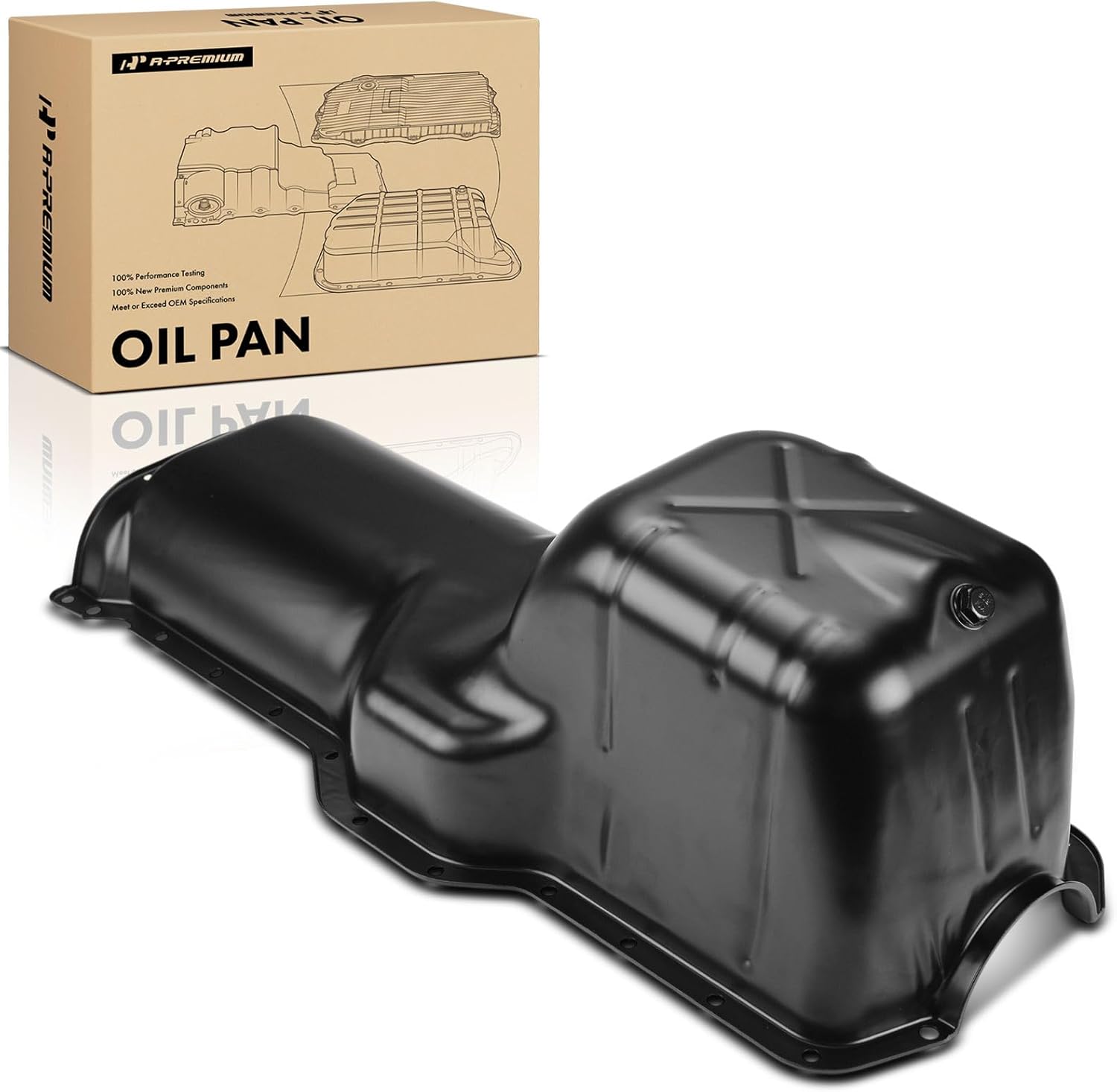
| Fitment | Jeep Grand Cherokee 1999-2004, TJ/Wrangler 2000-2006 4.0L |
|---|---|
| Material | Steel |
| Drain Plug | Included |
| Surface Finish | Corrosion Resistance |
This A-Premium steel oil pan is a direct replacement for 4.0L Jeep engines from late 1999 through 2006 and is intended to restore the engine's lubrication sump after a leak or damage. It installs in place of the factory pan and comes with a drain plug but no gasket, so you should plan to reuse the factory gasket or buy a new one. The steel construction and corrosion-resistant surface give it solid durability for daily driving and off-road use, and multiple buyers report accurate fitment with factory bolt patterns. Practical benefits include a ready-to-install sump that addresses oil loss and overheating caused by a damaged pan, and the included drain plug saves a separate purchase. Some customers have reported stamping defects around the seal lip, so careful inspection at installation is advisable. The product is backed by a one-year unlimited-mileage guarantee from the brand, which adds reassurance for reliability-focused repairs.
Best for: Buyers who need a dependable, factory-style replacement to stop oil leaks and restore the lubrication system on 4.0L Jeep engines and prioritize returning the vehicle to reliable daily or trail use.
Less Ideal for: People looking for an upgraded performance or high-capacity aftermarket sump or those who want a complete gasket-and-hardware replacement kit included.
- Vehicle-specific fit for 4.0L Jeep Grand Cherokee and TJ/Wrangler models
- Made from steel with a corrosion-resistant finish for long-term durability
- Includes drain plug so oil changes can be performed without an extra part
- Many buyers report good fit and appearance comparable to factory parts
- Gasket is not included so a separate gasket or reuse of the old one is required
- Some units have arrived with dents or imperfect stamping around the seal lip
Verdict: A practical, steel factory-style replacement oil pan for 4.0L Jeep engines that restores sealing and serviceability with an included drain plug.
Spectra Premium CRP06C Engine Oil Pan (4.0L) for 1999–2004 Jeep Grand Cherokee

| Brand | Spectra Premium |
|---|---|
| Item model number | CRP06C |
| OEM Part Number | 53010340; KCRP6C; 501201; 264239; 860; 103276; SPICRP06C; 53010340AB |
| Fitment | 1999-2004 Jeep Grand Cherokee 4.0L |
The Spectra Premium CRP06C is a direct-fit replacement oil pan designed for the 4.0L Jeep Grand Cherokee from 1999 to 2004. It installs like a factory-style pan and is intended for routine on-road use and conventional rebuilds. Spectra says each pan is washed, anti-corrosion sprayed inside and out, and finished with a powder coat that passed salt spray testing over 200 hours, which helps in climates where road salt is a concern. Multiple owners report accurate bolt pattern and good form fit, so it works well as a cost-effective replacement when your original pan is damaged or leaking. Be aware this particular unit lacks an internal baffle, so it is not optimized for extreme off-road angles or frequent steep climbs and descents. A few buyers have reported occasional packaging damage, and some installers prefer to replace the included drain plug with a heavier-duty unit. For typical street-driven Jeeps needing a reliable replacement pan, this one delivers solid fit and corrosion protection at a lower cost than dealer parts.
Best for: Buyers who prioritize verified fit and corrosion protection for a street-driven 1999–2004 4.0L Grand Cherokee and who want a budget-friendly factory-style replacement backed by multiple user reports.
Less Ideal for: Drivers planning heavy off-road use, rock crawling, or frequent steep-angle operation should choose a pan with internal baffling and reinforced features instead.
- Direct-fit design matching factory bolt pattern for straightforward installation
- Anti-corrosive interior and exterior spray plus powder coat tested for long-term corrosion resistance
- Washed and vehicle engine fit tested to meet expected performance of the original part
- Lower-cost alternative to dealer replacement while maintaining acceptable machining and finish
- No internal baffle, which reduces oil control at steep angles or aggressive off-road use
- Some reports of packaging damage on arrival that can leave dents
- Included drain plug is basic; many installers upgrade to a higher-quality plug
Verdict: A cost-effective, factory-style replacement oil pan that reliably restores fit and corrosion resistance for a street-driven 4.0L Grand Cherokee.
Dorman 264-239 Engine Oil Pan (center)

| Model | 264-239 |
|---|---|
| Manufacturer | Dorman Products |
| Position | Center |
| OEM Part Number | 103276; 264220; 3310044; 501201; CRP06C; ICRP06C; SK264239; 53010340; 53010340AB |
This Dorman engine oil pan is a full replacement designed to match the original pan for select Jeep Grand Cherokee and Wrangler/TJ model years. It arrives as a complete assembly including the drain plug and a corrosion-resistant coating, so it is ready to install after removing the old pan and gasket. Typical use is as a like-for-like repair when the original pan leaks or is damaged. Reviewers report reliable, OEM-like fit and straightforward installation; the machined exterior and finish also reduce the need for additional prep. One practical difference from some factory pans is the interior design; it does not include the same protective shelf found on certain OEM pans, so it is best for drivers whose engines are otherwise well maintained. Overall the pan offers a cost-effective, professionally engineered replacement that restores a sealed sump without the premium cost of a factory part, but buyers who expect identical internal geometry to every original part should inspect fitment and drainage details before purchase.
Best for: Buyers who want a dependable, straightforward replacement to stop oil leaks and restore factory fitment without paying for an OEM part; suited to owners who keep up with routine engine maintenance and want a low-risk repair option.
Less Ideal for: Not the best choice for someone rebuilding an engine after internal failure or for extreme off-road builds where extra internal protection or custom sump features are required.
- Direct replacement engineered to match factory fitment for listed Jeep years
- Complete assembly includes drain plug for a ready-to-install repair
- Durable coating to resist corrosion and extend service life
- Multiple customer reports of accurate fit and easy installation
- Internal geometry differs from some factory pans and lacks an internal protective shelf present on certain originals
Verdict: A trustworthy, ready-to-install replacement oil pan that restores factory fit and seals for 1999–2004 Jeep models without the cost of a factory part.
Choosing the Right 1999-2004 Jeep Grand Cherokee Oil Pan: Key Factors to Consider
Fitment and Chassis Compatibility
Correct fitment to the 1999-2004 (WJ) Grand Cherokee is the foundation of a successful oil pan replacement. Even small differences in flange position, bolt hole pattern, or sensor/drain port locations can prevent a proper seal or force modifications during installation. Confirming the pan matches the WJ bolt pattern and pickup clearance reduces the risk of leaks and oil starvation.
Fitment also determines whether associated parts like the oil pickup tube, windage tray, and drain plug thread into the pan without adapters. Choosing a pan explicitly listed for the WJ years minimizes surprises at install time and streamlines service intervals.
Material and Construction Quality
Material choice—typically stamped steel, stamped aluminum, or cast aluminum—affects dent resistance, corrosion behavior, and repairability. Stamped steel pans are often economical and repairable if slightly deformed, while cast aluminum can offer superior rigidity and heat dissipation but may be more brittle against impact.
Examine welds, seams, and the finish for signs of poor fabrication that could lead to stress cracks or accelerated corrosion. A flatter flange and even thickness across the sealing surface are positive signs that the pan will seal properly with a new gasket.
Sealing Surface and Gasket Compatibility
The sealing surface quality and the choice of gasket directly affect leak prevention. A pan with a machined or well-pressed flange and consistent bolt torque recommendations will help avoid uneven compression that causes oil seepage. Decide whether the pan uses a formed rubber gasket, cork-style gasket, or silicone/RTV sealant, and ensure that replacement gaskets are readily available.
Understanding 'oil pan gasket vs oil pan' implications means factoring in how the pan and gasket interact. Some pans require a specific gasket profile to account for flange geometry; using the wrong gasket increases the chance of an engine oil pan leak after installation.
Drain Plug and Sensor Port Location
Drain plug location affects service convenience and the likelihood of cross-threading or damage during oil changes. A well-placed drain plug that matches the factory thread size and orientation reduces the chance of stripped threads and makes routine maintenance faster. If the pan includes sensor ports, verify their thread type and position match the original equipment so sensors and wiring remain intact.
Pans that maintain factory drain and sensor positions also preserve ground clearance and avoid interference with aftermarket skid plates or steering components commonly found on Grand Cherokee vehicles.
Sump Geometry and Oil Pickup Clearance
Sump depth and shape determine where oil pools and whether the pickup tube will continue to draw oil reliably during acceleration, braking, and cornering. A pan that alters sump geometry without ensuring pickup clearance risks oil starvation under load. For the WJ chassis, maintain or improve pickup clearance and baffle design to keep oil available to the pump in real-world driving.
Baffles, trap doors, or internal partitions that reduce oil slosh are valuable for towing or spirited driving. Evaluate whether the pan's internal layout supports consistent oil pressure under the conditions you drive.
Repairability and Long-Term Service
Consider how easy it will be to repair or service the pan later. Stamped steel pans can often be hammered back into shape and welded if damaged, while cast aluminum is more difficult and sometimes requires replacement. Access to replacement drain plugs, gaskets, and mounting hardware matters for long-term ownership.
Also factor in resistance to corrosion if you drive in salted or humid environments. A finish or coating that prevents rust on steel pans extends service life and reduces the frequency of full replacements.
When To Replace the Oil Pan on a WJ Grand Cherokee
You should consider replacing the oil pan if there is visible damage, persistent leaking despite a fresh gasket, or a cracked sump that compromises oil containment. Minor dents that do not affect the sealing flange or contact the pickup may be serviceable, but deep impacts that distort bolt holes or the flange usually call for replacement.
Also replace the pan if previous repairs used poor sealing methods that continue to leak or if corrosion has eaten through the material. Addressing a compromised pan proactively helps avoid engine damage from low oil pressure.
- Visible cracks or perforations
- Oil puddling under parked vehicle after a clean install
- Distorted flange preventing even bolt torque
- Corrosion through the metal near drain or mounting areas
Installation Tips and Common Pitfalls
Use a proper torque sequence and specification for the WJ oil pan bolts to avoid warping the flange. Evenly tighten in a crisscross pattern to the vehicle-recommended torque values and recheck after the engine reaches operating temperature. If the pan or gasket manufacturer supplies a torque spec, verify it against factory guidance.
Clean both sealing surfaces thoroughly removing old gasket material and debris. Avoid excess RTV where the manufacturer advises against it, and replace any hard-to-access hardware like alignment dowels or studs that are corroded. Finally, inspect the oil pickup tube and screen while the pan is off to ensure no metal shavings or sludge are present.
- Follow crisscross bolt-tightening pattern
- Replace gasket and seals rather than reusing old ones
- Inspect pickup tube clearance and screen
- Hand-thread drain plug first to prevent cross-threading
Understanding Repair Vs Replacement Costs
Minor dents or small pinholes can sometimes be repaired at lower cost than replacement, but repairability depends on material. Stamped steel often accepts patching and welding, whereas cast or thin aluminum may be impractical to fix. Consider the labor time required to remove and reinstall the pan when comparing repair cost to replacement.
Also account for the likelihood of repeat failure. A repaired pan in a corroded vehicle may only offer a temporary fix, increasing total cost over time. For the WJ Grand Cherokee, weigh the upfront expense against the benefits of a new pan that restores sealing surfaces and pickup clearance.
- Factor in labor for removal and inspection
- Compare repair durability to replacement lifespan
- Include gasket and bolt replacements in cost estimates
Choosing Between OEM-Style and Upgraded Pans
An OEM-style pan aims to match original material, mounting, and drain positions for a direct fit and familiar service procedures. Upgraded pans may offer thicker material, improved baffles, or reinforced drain areas to resist damage. Decide whether you need the extra protection based on driving habits like off-road use or towing.
Upgraded pans can change weight, heat dissipation, and occasionally oil capacity. Confirm that enhancements do not interfere with pickup placement or installed accessories on the WJ. For many owners, an upgraded pan is worthwhile when ground clearance or durability is a frequent concern.
- OEM-style: direct fit, predictable service
- Upgraded: improved durability, potential changes to weight
- Verify pickup and sensor compatibility before choosing upgrades
Gasket Types and Sealing Best Practices
Gaskets range from molded rubber or silicone to composite and cork styles. Choose a gasket type compatible with the pan flange profile and one that can handle the engine oil and operating temperatures found in the WJ Grand Cherokee. Molded rubber or silicone gaskets often provide consistent sealing without the need for excess sealant.
When using liquid sealant, apply a continuous bead only where specified and allow proper curing time before filling the engine. Overuse of sealant or mixing gasket types can cause uneven compression and contribute to an engine oil pan leak down the road.
- Match gasket design to flange geometry
- Use recommended sealant sparingly and in specified locations
- Replace gasket hardware like bolts and washers if corroded
Maintaining Ground Clearance and Skid Plate Compatibility
The 1999-2004 Grand Cherokee often sees off-road or rough-road use, so consider how a new pan affects ground clearance. Some replacement pans sit lower due to deeper sumps or different shapes, which can increase susceptibility to damage from rocks and speed bumps.
If you retain a skid plate or other underbody protection, verify that the replacement pan does not conflict with mount points. Choosing a pan designed to work with typical WJ skid plates preserves both oil protection and off-road capability.
- Compare pan depth to factory profile
- Check clearance with skid plate mounts
- Prefer pans with reinforced lower edges if off-roading
Still looking for the perfect fit?
Select your Jeep Grand Cherokee configuration to see the most relevant Oil Pans recommendations
How We Chose the Best 1999-2004 Jeep Grand Cherokee Oil Pan
We prioritized oil pans that deliver correct fitment for the 1999-2004 Jeep Grand Cherokee WJ chassis and that use materials and manufacturing methods known to resist leaks and impact damage. Our evaluation emphasized sealing design, flange flatness, and compatibility with factory drain plug and baffle locations so the pan works with existing components and sensors. We also considered wall thickness and stamping or cast quality as indicators of dent resistance and long-term durability. Additional criteria included ease of installation, availability of replacement gaskets or seals, and whether the pan retains or improves engine oil capacity and sump geometry critical to oil pickup under real-world driving. We excluded pans that required extensive modification or welding, those lacking clear fitment documentation for the WJ years, and designs that relocated drain or sensor ports without clear guidance. In short, selections reflect fitment accuracy, sealing performance, mechanical robustness, and straightforward serviceability for the WJ Grand Cherokee.
Our full evaluation process is outlined in our review methodology.
FAQ
How can I tell if my Grand Cherokee oil pan is leaking or if it is the gasket?
A steady drip near the flange or along the mating surface usually indicates a gasket issue, while a concentrated stream or puddling from a single point suggests a cracked pan or damaged drain plug area. Cleaning the area and looking for fresh oil after running the engine can help locate the source.
Is it safe to drive with a small oil pan dent on a 1999-2004 Grand Cherokee?
Often minor dents that do not impact the flange or interfere with the pickup are safe short term, but you should inspect for oil pooling and monitor oil pressure. Deep dents that distort bolt holes or reduce pickup clearance require immediate attention to avoid oil starvation.
What torque should I use for oil pan bolts on the WJ Grand Cherokee?
Recommended torque values can vary by bolt size and pan design, so use the factory specification for the 1999-2004 Grand Cherokee when available. If a replacement pan provides its own torque spec, verify it aligns with factory guidance and tighten in a crisscross pattern to avoid flange distortion.
Can I replace the oil pan gasket without removing the pan on this vehicle?
In most cases you must remove the pan to properly replace the gasket and inspect the mating surfaces. Attempting to reseal from beneath without full removal risks trapped debris and an incomplete seal, which can lead to continued leaks.
How do I ensure the oil pickup tube will clear after installing a new pan?
With the pan removed, check the pickup tube's position relative to the new pan's sump shape and depth. Measure clearance and ensure the pickup screen is not touching the pan. Some replacement pans document pickup compatibility; if not, test fit before final sealing.
Are aftermarket pans worth it compared with OEM-style replacements for the WJ?
Aftermarket pans can offer improved durability or additional features, but value depends on build quality and whether the pan preserves pickup placement and sensor ports. Choose an aftermarket option only if fitment documentation and materials meet your use-case needs.
What should I expect in oil pan repair cost versus replacement?
Repair costs vary based on material and damage severity. Minor welding or patching of steel pans is often cheaper than full replacement, but labor for removal and reinstallation can make replacement a better long-term value in many cases.
Final Verdict
When replacing the oil pan on a 1999-2004 Jeep Grand Cherokee (WJ), prioritize correct fitment, a reliable sealing surface, and sump geometry that preserves pickup clearance. Balance material durability against repairability and consider how the pan affects ground clearance and maintenance access. By focusing on these tradeoffs you can choose a replacement that minimizes leak risk and supports long-term engine health.
Explore More:
- Check out all Jeep Grand Cherokee parts & accessories
- Explore Oil Pans Maintenance & Repair Guides
- Explore Engine
- Browse all Auto Parts
