

Note: This article contains affiliate links. If you click on these links and make a purchase, I may earn a small commission at no extra cost to you. This helps support my research and content. Read my full affiliate disclosure here.
If you drive a Jeep Wrangler Sahara you know the difference a clean engine oil system makes for longevity and performance. Picking the right oil filter affects engine protection during normal street use and off-road excursions, and prevents premature wear from contaminants and degraded oil.This guide covers the top five oil filters specifically suited to the Jeep Wrangler Sahara. We shortlisted options based on filtration efficiency, compatibility with the vehicle's oil flow and capacity, and durability under varied driving conditions. Below you will find practical guidance on fitment, common maintenance concerns, and the criteria we used to evaluate each option.
Looking for other parts? See all Jeep Wrangler parts & accessories.
Top Picks at a Glance
| Best Overall The best all-around choice for most situations | Bosch 3334 Premium Oil Filter with FILTECH Media |  |
| Best Quality Built to a higher standard if you want something more solid | K&N HP-7026 Cartridge Oil Filter |  |
| Best Budget The cheapest option that still gets the job done reliably | Purolator PurolatorONE PL36296 Cartridge Oil Filter |  |
| Highest Rated A top-rated pick with lots of positive feedback | Mopar 68191349AC Engine Oil Filter |  |
| Best Seller A high-volume bestseller chosen again and again | WIX WL10010 Premium Oil Filter (WL10010) |  |
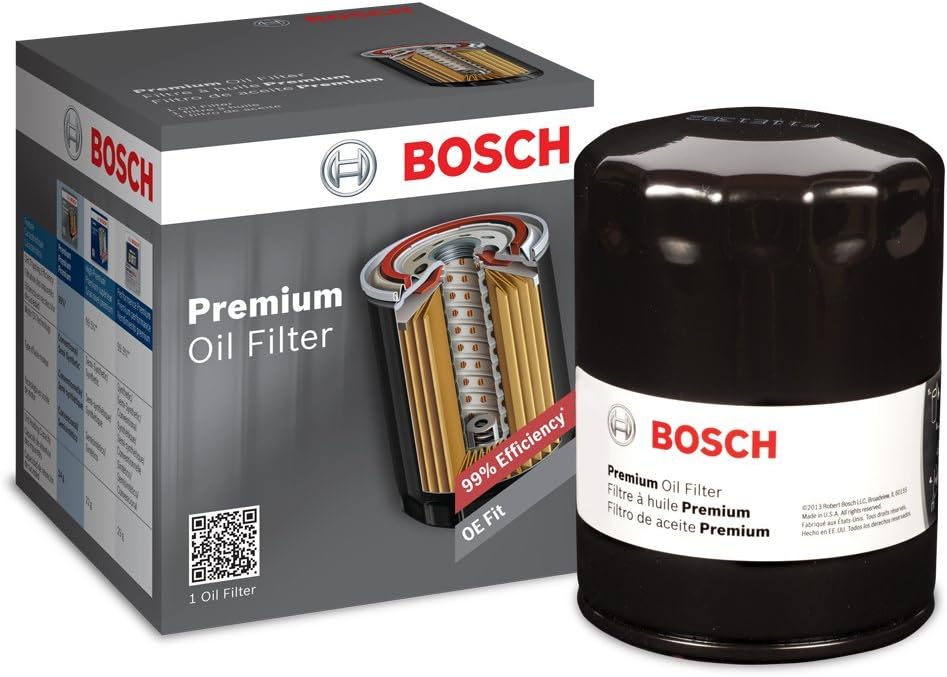
1. Bosch 3334 Premium Oil Filter with FILTECH Media
| Brand | Bosch |
|---|---|
| Thread Size | M22x1.5 |
| Product Grade | Performance Part |
| Automotive Fit Type | Vehicle Specific Fit |
The Bosch 3334 is a spin-on premium oil filter built around Bosch's FILTECH media to capture and hold fine particles (Bosch advertises up to 14 grams). It installs like a standard screw-on filter and is intended for routine oil changes on compatible engines. Notable features include a silicone anti-drain back valve that helps maintain oil in the engine at startup, a high-lubricity gasket for a tight, leak-resistant seal that still removes cleanly, and a spiral-wound metal center tube and robust steel base plate to resist warpage and improve durability. In practice this means strong filtration performance, consistent oil pressure after install, and low risk of leaks when torqued correctly. The filter is vehicle-specific fitment so you should verify it fits your Wrangler Sahara's engine before buying. Compared with extended-life or larger-capacity filters, this model prioritizes proven filtration and build quality over maximum dirt capacity or extended service intervals.
Best for: Buyers who want a reliable, factory-quality replacement filter focused on effective particle capture and consistent engine protection during regular oil changes.
Less Ideal for: If you run extended oil change intervals, heavy-duty towing cycles, or want maximum dirt capacity per service interval, consider a heavy-duty or extended-life filter designed for those demands.
- FILTECH media designed to trap and hold fine contaminants for better engine protection
- Silicone anti-drain back valve preserves oil at startup to reduce dry starts
- Sturdy steel base plate and spiral-wound center tube improve structural durability
- High-lubricity gasket gives a reliable, leak-resistant seal while easing removal
- Not marketed as an extended-capacity or extended-interval filter compared with some heavy-duty alternatives
Verdict: Choose the Bosch 3334 if you want a well-built, high-filtration replacement that prioritizes consistent engine protection for regular maintenance.
2. K&N HP-7026 Cartridge Oil Filter

| Material | Stainless Steel |
|---|---|
| Vehicle Service Type | All-Terrain-Vehicles |
| Outside Diameter | 1.97 Inches |
| Model | Oil Filter |
The K&N HP-7026 is a cartridge-style oil filter built for high flow and extended protection, aimed at drivers who push their engines or prefer longer oil-change intervals. It uses pleated synthetic-blend media to trap contaminants while maintaining strong oil flow, and the machined stainless-steel exterior and reinforced construction improve burst strength and durability. Installation is straightforward with included O-rings and a wrench-off removal feature for faster service. The filter is specified to support up to 20,000 miles between changes under certain conditions, which suits owners running full synthetic oil and looking to reduce maintenance frequency. On the downside, extended intervals depend on driving style and oil choice, and some users report fitment differences compared with other factory filters on rare applications. For performance-minded Jeep Wrangler Sahara owners this filter offers a balance of higher flow, solid build quality, and the potential for longer service intervals when paired with proper synthetic oil and monitoring.
Best for: Drivers who prioritize engine performance and longer service intervals and who use full synthetic oil and monitor oil condition regularly.
Less Ideal for: Owners who prefer strictly factory-recommended short service intervals or who want a drop-in match to every factory filter housing without verifying fitment.
- High flow design that reduces restriction for performance engines
- Pleated synthetic-blend media for effective contaminant capture
- Durable machined stainless-steel exterior and tested burst strength
- Includes O-rings and wrench-off removal for easier service
- Extended 20,000-mile interval is conditional and depends on oil type and driving conditions
Verdict: Choose this K&N cartridge filter if you want higher flow and a durable, performance-focused filter that supports extended synthetic-oil service intervals.
3. Purolator PurolatorONE PL36296 Cartridge Oil Filter

| Brand | Purolator |
|---|---|
| Product Grade | Performance Part |
| Vehicle Service Type | Car, Truck |
| Model | PL36296 |
The PurolatorONE PL36296 is a cartridge-style oil filter designed for direct replacement on compatible vehicles and built around a high-density synthetic blend media. It captures a high percentage of contaminants and is aimed at longer service intervals when paired with full synthetic oil, with Purolator advertising up to 15,000 miles of protection. The filter includes a PTFE-treated gasket for a leak-resistant seal and metal end caps for durability. Installation is straightforward for a cartridge unit and the design reduces metal waste compared with canister filters. In practice this filter is a solid value choice: it combines strong dirt-holding capacity and reliable fitment on many Chrysler, Dodge, Jeep, and Ram applications, and buyers report consistent quality and fit. Limitations to consider are that best performance depends on using synthetic oil and recommended change intervals; drivers who prefer the absolute top micron-level filtration or who routinely run very long intervals may opt for premium specialist filters instead.
Best for: Buyers who want a reliable, budget-friendly replacement filter that balances good filtration and longer synthetic-oil change intervals for routine driving and light towing.
Less Ideal for: Drivers seeking the absolute highest micron-level filtration or those who routinely run extreme extended oil change intervals should consider specialty premium filters instead.
- High-density synthetic blend media for strong dirt removal and extended filtration life
- PTFE-treated gasket designed to resist heat and provide a leak-proof seal
- Cartridge design reduces metal waste and uses recyclable materials
- Compatible fitment for many Chrysler, Dodge, Jeep, and Ram models including Wrangler applications
- Optimal extended protection requires use of full synthetic oil and adherence to recommended intervals
Verdict: A cost-conscious, reliable cartridge oil filter that gives Jeep Wrangler drivers strong dirt capture and extended protection when used with full synthetic oil.
4. Mopar 68191349AC Engine Oil Filter

| Brand | Mopar |
|---|---|
| Product Grade | Performance Part |
| Automotive Fit Type | Vehicle Specific Fit |
| OEM Part Number | 68191349AC |
| Manufacturer | Mopar |
This Mopar 68191349AC oil filter is a factory replacement designed to match the original fit and function on compatible Jeep engines. It installs like a standard spin-on filter and includes the correct O-ring for a proper seal, so it is used during routine oil changes to capture contaminants and protect the engine. The filter is marketed as a performance-grade Mopar part and customer feedback shows consistent fitment and dependable performance across multiple Jeep models. Practical benefits include exact-fit compatibility that reduces worry about leaks or incorrect thread size, and the familiarity of using a factory replacement part for service consistency. The main limitation is that this is a vehicle-specific part, so buyers must confirm it matches their Wrangler Sahara engine application before ordering; it does not list extended-life mileage ratings beyond typical service intervals. If you prioritize straightforward, reliable maintenance with a factory-quality filter, this Mopar unit covers the basics without extra features like high-mileage media or specialized synthetic-only designs.
Best for: Buyers who prioritize dependable, factory-spec replacements and want a hassle-free filter that fits exactly like the original during routine oil changes on their Jeep Sahara.
Less Ideal for: Drivers seeking a high-mileage or specialty filter with extended-change intervals or advanced synthetic-only media should consider aftermarket options designed for those goals.
- Factory-quality Mopar part — exact fit and factory replacement compatibility
- Includes correct O-ring for secure seal and straightforward installation
- Performance-grade construction intended for regular maintenance intervals
- Widely reviewed by Jeep owners reporting reliable fit and function
- Vehicle-specific fitment requires checking engine application before purchase
- No advertised extended-life or high-mileage filtration rating provided
Verdict: Choose this Mopar oil filter when you want a reliable, factory-quality replacement that fits and seals like the original for routine Jeep Sahara maintenance.
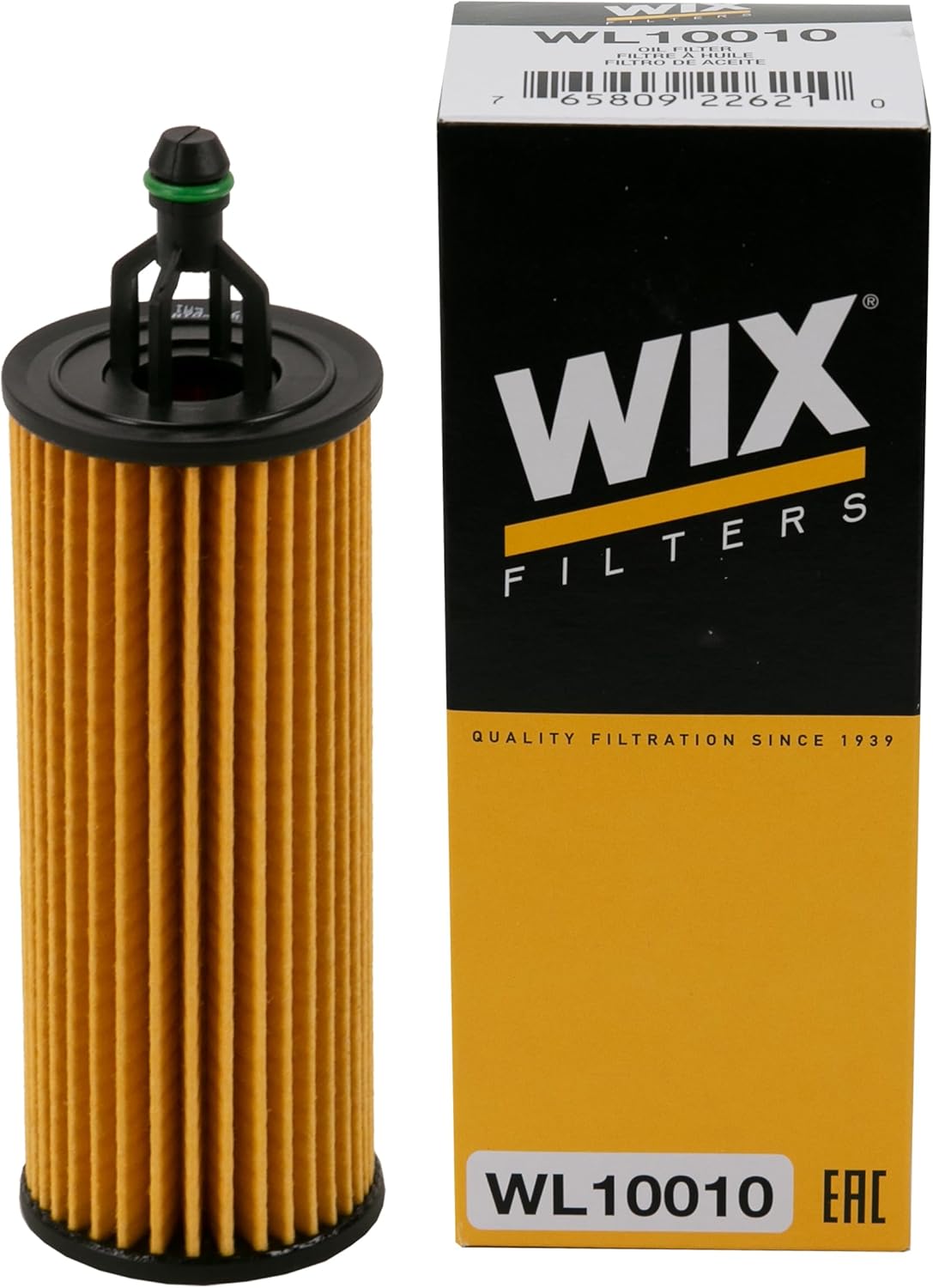
5. WIX WL10010 Premium Oil Filter (WL10010)
| Thread Size | M16 x 1.5 or NPT 3/4 |
|---|---|
| Outside Diameter | 50 Millimeters |
| Vehicle Service Type | Car, Sports Utility Vehicle, Truck |
| Model | WL10010 |
The WIX WL10010 is a cartridge-style premium oil filter built to provide strong engine protection in demanding conditions like stop-and-go driving, towing, and dusty roads. It uses a blended synthetic media that Wix says captures up to 99% of particles at 26 microns and a rigid center tube and silicone anti-drainback valve to maintain oil flow and reduce dry-start wear. Installation is straightforward thanks to the top-mounted cartridge design and precision sealing components that let you replace only the element without swapping the entire housing. The filter is sized and threaded to match vehicle-specific housings and is marketed for extended service intervals, compatible with synthetic and high-mileage oils. Trade-offs are minimal for routine owners but include the need to verify fitment for your Wrangler Sahara and to follow recommended change intervals since extended-life claims depend on driving conditions and oil choice.
Best for: Buyers who prioritize reliable, low-risk engine protection and want a ready-made replacement filter that performs well under heavy use or dusty driving without experimenting with unknown brands.
Less Ideal for: Drivers who prefer universal spin-on filters or those who do not want to confirm part compatibility through a parts finder should consider other options.
- High dirt-trapping efficiency with blended media rated to capture microscopic particles
- Designed for severe driving conditions such as towing and dusty environments
- Compatible with synthetic and high-mileage oils and advertised for extended service intervals
- Top-mounted cartridge and precision seals allow tool-free element replacement instead of changing the whole housing
- Fitment requires verification against vehicle part numbers because this is a vehicle-specific cartridge element
Verdict: Choose the WL10010 if you want a proven, high-efficiency replacement filter that prioritizes engine protection for demanding driving conditions.
Choosing the Right Jeep Wrangler Sahara Oil Filter: Key Factors to Consider
Filtration Efficiency
Filtration efficiency determines how well the oil filter removes particles that can cause engine wear. Look for published micron ratings and test data where available. A finer micron rating captures smaller particles but can reduce flow if the filter media is not designed to handle it. For the Wrangler Sahara, which may see dust from off-road use, a balance of fine filtration and dirt-holding capacity matters.
Higher-efficiency media like multi-layer synthetic blends trap more soot and varnish while maintaining flow. Consider filters that specify both average micron performance and dirt-holding capacity so you avoid premature restriction during longer service intervals.
Flow Rate and Bypass Valve
Flow rate is critical to maintain oil delivery to bearings and cam components, especially under load or during cold starts when oil is thicker. Filters should allow sufficient flow at the vehicle's operating oil pressure without creating excessive restriction.
A reliable bypass valve ensures oil reaches the engine even if the filter becomes clogged, but the valve must open at the correct pressure. For the Wrangler Sahara, choose filters with a proven bypass set point and a design that avoids unfiltered oil circulation under normal conditions.
Fitment and Seal Design
Correct thread size, gasket diameter, and overall canister height affect compatibility and sealing on the Wrangler Sahara's filter mounting. Poor fitment risks leaks, cross-threading, or a filter that interferes with surrounding components.
Seal materials must resist oil additives and heat cycles to prevent gasket shrinkage or hardening. Look for filters with precise machining on the mounting plate and robust gaskets to minimize the chance of an oil filter gasket leak during service or initial engine runs after an oil change.
Construction and Materials
The quality of the can, end caps, and media backing determines structural integrity under pressure and heat. Metal end caps, strong pleat support, and corrosion-resistant canisters help the filter last through vibration and long drain intervals.
Media type matters too: cellulose is common and economical, but synthetic or blended media generally offer better particle retention and higher dirt-holding capacity. For owners who drive off-road or use extended drains with synthetic oil, choosing filters with reinforced construction reduces the risk of collapse or bypass under stress.
Anti-Drainback and Ease of Service
An anti-drainback valve prevents oil from draining out of the filter when the engine is off, reducing dry starts and improving engine protection at the next startup. The valve should be compatible with the oil type you use; some materials perform better with synthetic oils.
Ease of removal and installation also matters for routine oil filter replacement. Filters with knurling, hex flats, or built-in removal points make service faster and reduce the chance of damage during replacement, which is useful when servicing the Wrangler Sahara in the field.
Compatibility with Oil Type and Service Interval
Different filters are optimized for conventional versus synthetic oils and for varying drain intervals. Confirm that the filter's media and gasket materials are rated for the drain interval you plan to use, whether that is a traditional interval or an extended synthetic service period.
Filters designed for extended intervals will specify higher dirt-holding capacity and stable seal materials. Matching filter capability to your chosen oil and interval helps avoid premature restriction or gasket degradation.
Why Filter Choice Matters for the Wrangler Sahara
The Jeep Wrangler Sahara experiences a wide range of driving conditions from daily commuting to off-road trails. Those environments introduce dust, moisture, and heavy engine loads that increase contaminant levels in the oil. A properly matched oil filter protects bearings, camshafts, and turbo components if fitted by ensuring consistent oil cleanliness.
Using a filter that maintains flow and resists collapse under vibration reduces the risk of damage during prolonged drives or towing. Selecting the right filter for the Wrangler Sahara preserves engine performance and reduces maintenance surprises.
- Protects engine components from abrasive particles
- Supports oil pressure and lubrication under load
- Reduces risk of premature wear in dusty or wet conditions
Match Filter Specs to Your Driving Habits
If you primarily drive on pavement and follow shorter oil-change intervals, a high-efficiency media with standard dirt capacity may be sufficient. However, if you off-road frequently or extend drain intervals with synthetic oil, prioritize filters with higher dirt-holding capacity and robust anti-drainback features.
Consider service accessibility too. If you perform oil changes yourself during trail trips, a filter that is easy to remove and reinstall will speed service and reduce the likelihood of installation mistakes.
- Short intervals and street use: prioritize filtration efficiency
- Off-road and extended intervals: prioritize dirt capacity and durability
Common Installation Tips for the Jeep Wrangler Sahara
Clean the mounting surface thoroughly and inspect the filter thread and sealing surface for damage. Lightly lubricate the new gasket with a dab of clean engine oil to ensure a proper seal and easier removal next time. Torque the filter to the vehicle-recommended spec or follow the hand-tight plus quarter-turn rule when a torque value is not available.
After installation, run the engine briefly and check for leaks around the gasket. Recheck the oil level and torque after a short drive. Proper installation reduces the chance of leaks and improves long-term reliability.
- Inspect and clean mounting surface before fitting a new filter
- Lubricate gasket lightly with clean engine oil
- Check for leaks after initial run and re-torque if necessary
Service Interval Strategies
Decide on oil change intervals based on your oil type and driving conditions. Frequent short trips and dusty off-road use generally call for more frequent changes. If you choose synthetic oil and longer intervals, pair it with a filter rated for extended service to avoid early restriction.
Keep records of change dates and mileage, and monitor oil condition when possible. Visual checks and oil analysis are helpful if you push service intervals beyond the manufacturer recommendation.
- Short, frequent changes for heavy dust or short-trip driving
- Extended intervals only with compatible synthetic oil and filter
Troubleshooting Common Filter Issues
A leaking filter gasket is often due to a damaged or improperly seated gasket, cross-threading, or overtightening. If you notice seepage after an oil change, shut the engine off, allow the system to settle, and inspect the filter seating. Replace the gasket and remount the filter correctly if needed.
Low oil pressure or warning lights after filter replacement can indicate a clogged filter, incorrect bypass valve function, or installation error. Verify oil level and inspect connections before driving extensively.
- Inspect gasket seating and mount threads when leaks occur
- Check oil level and pressure indicators after service
Still looking for the perfect fit?
Select your Jeep Wrangler configuration to see the most relevant Oil Filters recommendations
How We Chose the Best Jeep Wrangler Sahara Oil Filter
We focused on selection criteria that matter for the Jeep Wrangler Sahara's engine and typical use. Primary evaluation points included filtration efficiency, measured by micron rating and capacity to trap soot and particulates that accelerate wear. We also prioritized flow rate and bypass valve performance so oil pressure and lubrication are maintained under heavy load and during cold starts. Fitment and gasket design were checked against the Wrangler Sahara's filter mounting and thread size to avoid leaks and ensure easy installation.Durability and construction quality were assessed by considering canister strength, anti-drainback features, and seal materials that resist heat and oil additives. We considered compatibility with conventional and synthetic oils and how the filter stands up to extended drain intervals. Noise, ease of removal, and availability of replacement gaskets were secondary factors.Excluded from the list were filters that did not match the Wrangler Sahara's specified thread size or bypass requirements, and units lacking clear filtration data. We also avoided filters with construction warnings or inconsistent fit reports. The resulting shortlist balances protection, reliability, and practical serviceability for owners.
Our full evaluation process is outlined in our review methodology.
FAQ
How often should I replace the oil filter on my Jeep Wrangler Sahara?
It depends on your oil type and driving conditions. Many owners change the filter with every oil change, typically every 5,000 to 10,000 miles with conventional oil, while those using synthetic oil and extended intervals may go longer if the filter is rated for it. Heavy off-road use usually requires more frequent changes.
Can I use a higher-efficiency filter with longer drain intervals?
Often you can, but make sure the filter specifies sufficient dirt-holding capacity and compatible seal materials for extended service. Higher efficiency does not automatically mean suitability for extended drains if the media becomes restrictive quickly.
What causes an oil filter gasket leak after installation?
Common causes include a damaged or pinched gasket, cross-threading, debris on the mounting surface, or improper torque. Lightly oiling the gasket before installation and ensuring the mating surfaces are clean helps prevent leaks.
Is an anti-drainback valve necessary for the Wrangler Sahara?
An anti-drainback valve is beneficial because it prevents oil from draining out of the filter when the engine is off, reducing dry-start wear. It is especially useful if the vehicle is parked on slopes or if you use synthetic oil with longer service intervals.
Will a thicker synthetic oil affect filter choice?
Thicker oil can increase initial restriction, so choose a filter with adequate flow characteristics and a bypass valve set to appropriate pressure. Filters rated for synthetic oils usually use media and valves that accommodate different viscosities.
Final Verdict
Prioritize filtration efficiency, proper fitment, and construction quality when choosing an oil filter for your Jeep Wrangler Sahara. Match filter capabilities to your driving habits and planned service intervals to avoid premature restriction or seal issues. For owners who off-road or run extended synthetic intervals, emphasize dirt-holding capacity and robust seals; for mostly street-driven vehicles, focus on fine particle removal and consistent flow.Making a selection with those tradeoffs in mind will protect the engine and reduce maintenance headaches. Use the criteria above to pick the filter that best balances protection and serviceability for your Wrangler Sahara.
Explore More:
- Check out all Jeep Wrangler parts & accessories
- Explore Oil Filters Maintenance & Repair Guides
- Explore Engine
- Browse all Auto Parts
