

Note: This article contains affiliate links. If you click on these links and make a purchase, I may earn a small commission at no extra cost to you. This helps support my research and content. Read my full affiliate disclosure here.
If you own a Ford Ranger Raptor, the oil filter you choose directly affects engine longevity and performance under heavy loads and off-road use. A proper oil filter removes contaminants, preserves oil flow, and reduces wear during towing, high-rev operation, and dusty conditions common to Raptor driving.This guide covers the top shortlisted oil filters chosen specifically for the Ranger Raptor. We explain why each made the list and walk through the practical criteria used to evaluate filtration efficiency, construction quality, and serviceability so you can pick the right filter for your driving needs. Read on for a concise buying framework before the product recommendations.
Looking for other parts? See all Ford Ranger parts & accessories.
Top Picks at a Glance
| Best Overall The best all-around choice for most situations | TMLGB JB3Z9365A Oil Filter for Ford Ranger Raptor 2.0L Bi-Turbo (2018–2020) |  |
| Best Quality Built to a higher standard if you want something more solid | K&N Premium Oil Filter HP-7037 | 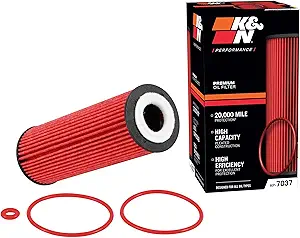 |
| Best Budget The cheapest option that still gets the job done reliably | Purolator L20195 Premium Engine Protection Spin-On Oil Filter |  |
| Highest Rated A top-rated pick with lots of positive feedback | Motorcraft FL2062A Engine Oil Filter |  |
| Most Popular A crowd favorite that many people choose with confidence | PurolatorONE PL20195 Advanced Engine Protection Spin-On Oil Filter |  |
1. TMLGB JB3Z9365A Oil Filter for Ford Ranger Raptor 2.0L Bi-Turbo (2018–2020)

| Compatible with Vehicle Type | Ford Ranger Raptor |
|---|---|
| Product Grade | Replacement Part |
| OEM Equivalent Part Number | Jb3g-9176-aa JB3Z9365A JB3G9176AA |
| Included Components | 1 X JB3Z9365A Oil Filter |
This TMLGB JB3Z9365A oil filter is a direct-fit replacement for the Ford Ranger Raptor 2.0L Bi-Turbo (2018–2020) designed to capture contaminants and protect the engine during routine oil changes. It installs like the factory filter and includes a new sealing gasket to help ensure a leak-free fit. The pleated paper media claims high dirt-holding capacity and a high-efficiency rating that targets common abrasives in oil, which should help preserve oil flow and engine longevity between services. Because it is vehicle-specific and matches the listed OEM part numbers, fitment and clearance are straightforward with no modifications required. Limitations are typical of paper-element filters: it is disposable rather than serviceable, and actual filtration performance depends on oil type and maintenance intervals. For balanced owners who want simple, reliable filtration that mirrors the factory item, this filter is a practical option.
Best for: Drivers who want a straightforward, factory-compatible replacement that balances reliable filtration and ease of installation for regular maintenance.
Less Ideal for: Owners looking for reusable or high-performance aftermarket filtration solutions tailored for extended track use or heavy-duty aftermarket builds should consider alternative designs.
- Direct-fit for Ranger Raptor 2.0L Bi-Turbo (2018–2020) for straightforward installation
- Includes a new sealing gasket to reduce risk of leaks after replacement
- Pleated filter media with high dirt-holding capacity for longer service life
- Matches listed OEM equivalent part numbers for reliable fit and alignment
- Uses disposable paper media so it must be replaced at service intervals rather than cleaned
Verdict: A simple, factory-matching replacement filter for Ranger Raptor owners who want reliable, no-fuss engine protection during routine oil changes.
2. K&N Premium Oil Filter HP-7037
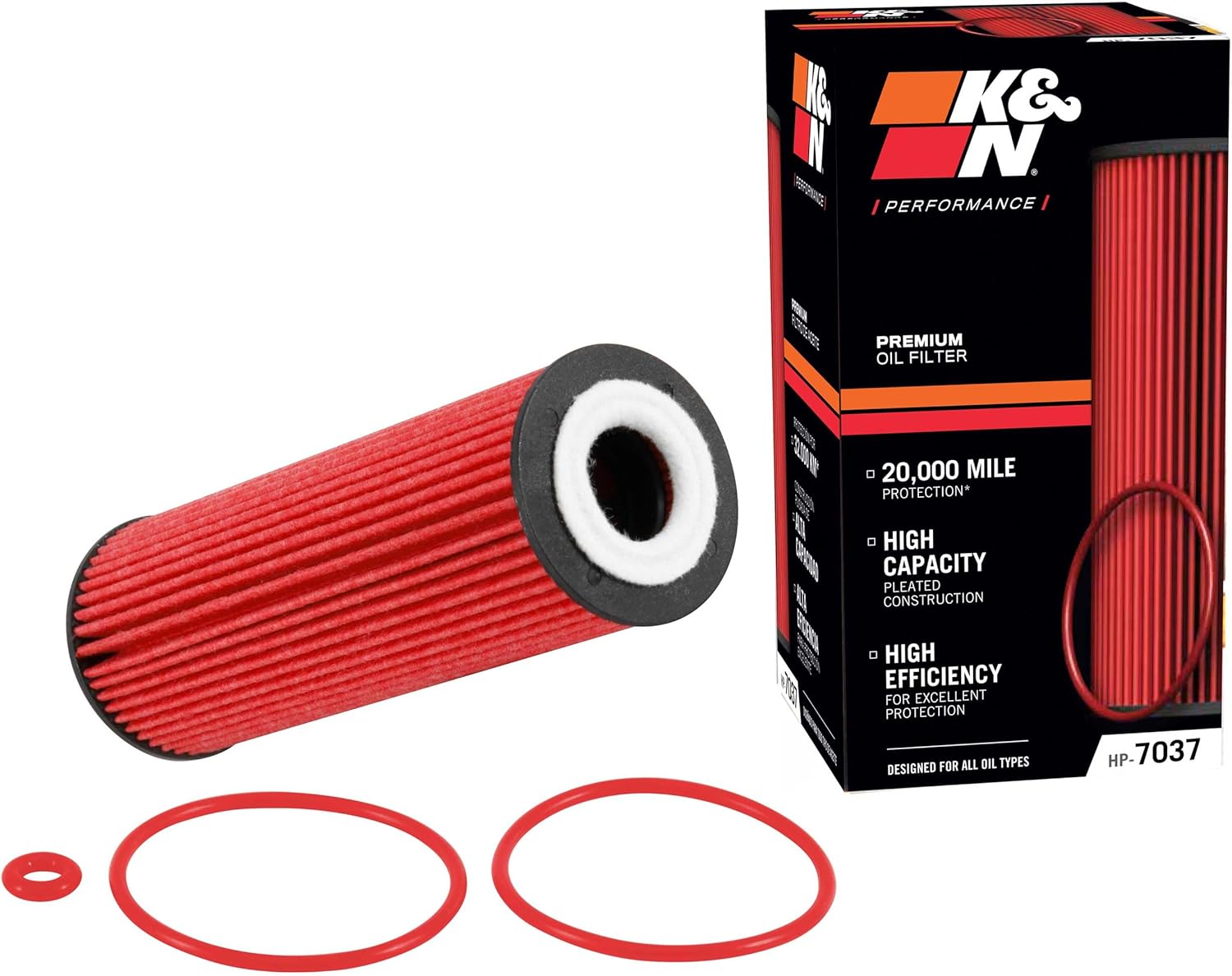
| Manufacturer Part Number | HP-7037 |
|---|---|
| Thread Size | M16 x 1.5 |
| Product Grade | Performance Part |
| Material Type | Resin |
The K&N Premium Oil Filter HP-7037 is a performance-grade spin-on filter built for higher flow and extended service intervals. It uses pleated synthetic-blend filtration media in a heavy-duty resin canister, offering strong contaminant capacity and burst strength for demanding driving. Installation and removal are straightforward thanks to the welded hex for wrench-off removal and a precision fit for quick service. The filter is compatible with synthetic, conventional, and blended oils, so it fits into typical maintenance routines for performance trucks. Practical benefits include higher oil flow under load and a construction that stands up to tougher conditions, which helps maintain oil pressure and engine protection during spirited driving or towing. Limitations are that extended 20,000-mile change intervals depend on vehicle, driving style, and oil used, so owners who push their engines hard should still monitor oil condition more frequently. This filter is best chosen when you want a durable, high-flow replacement that supports longer intervals compared with standard economy filters.
Best for: Owners seeking a performance-oriented replacement filter that supports higher flow and longer service intervals for spirited driving and heavier use.
Less Ideal for: Drivers who prefer strictly timed short-interval oil changes or who want filters specified by factory service schedules without extended-interval claims.
- High-capacity pleated synthetic-blend media for strong contaminant capture
- Designed for high flow rates to maintain oil delivery under load
- Heavy-duty canister with welded hex nut for easy wrench-off removal
- Compatible with synthetic, conventional, and blended motor oils
- Extended 20,000-mile interval is conditional and may be unsafe under severe or frequent high-load driving
Verdict: Choose this filter if you want a durable, high-flow performance replacement that supports longer service intervals for a tuned or hard-driven Ranger Raptor.
3. Purolator L20195 Premium Engine Protection Spin-On Oil Filter

| Manufacturer Part Number | L20195 |
|---|---|
| Unit Count | 1 Count |
| Thread Size | M22 x 1.5 |
| Compatible with Vehicle Type | Car, Truck |
| Material Type | Metal |
The Purolator L20195 is a straightforward spin-on oil filter designed for routine driving and conventional oil service intervals. It uses multi-fiber, high-density media to catch a large portion of road debris and offers claimed dirt removal power around 96.5 percent, plus a silicone anti-drainback valve to prevent dry starts. The filter includes a bypass valve for consistent oil flow under cold or clogged conditions and rugged internal components such as metal end caps and a reinforced center tube for durability during normal use. Installation is typical for a spin-on filter and it is sold as a single unit for vehicle-specific fitment. Expect reliable, factory-quality replacement performance for standard maintenance schedules, though it is positioned for conventional oil service rather than extended-interval synthetic use. This makes it a practical choice when you want dependable protection without premium features like very high-efficiency media or long-life synthetic-oriented ratings.
Best for: Buyers wanting an affordable, factory-quality replacement filter for regular maintenance on a daily-driven truck who prioritize reliable protection on a budget.
Less Ideal for: Customers looking for the highest-efficiency filtration or extended-interval filters for long synthetic oil change schedules should consider premium or long-life alternatives.
- Multi-fiber high-density media captures most road dirt for routine protection
- Silicone anti-drainback valve reduces risk of dry starts after shutdown
- Bypass valve ensures oil flow if the filter becomes restricted
- Durable metal end caps and center tube improve structural reliability
- Rated for standard service intervals and not marketed for extended synthetic oil change intervals
Verdict: A cost-conscious, factory-grade spin-on filter that gives dependable protection for routine Ford Ranger Raptor maintenance needs.
4. Motorcraft FL2062A Engine Oil Filter

| Brand | Motorcraft |
|---|---|
| Manufacturer part number | FL2062A |
| OEM part numbers | FL2062, FT4Z6731A |
The Motorcraft FL2062A is a direct-fit engine oil filter intended as a factory-quality replacement for compatible Ford engines. It installs like a standard spin-on filter and is typically changed during routine oil service to trap particles, sludge, and contaminants before they circulate through the engine. Notable features include OEM part-number compatibility and a gasket set for a reliable seal at the filter mount. In practice this filter provides consistent filtration and fitment, which reduces the chance of leaks or installation hassles compared with non-factory aftermarket options. The main limitation is that it is a single-use, disposable filter sized to specific Ford applications, so buyers must confirm part number fitment for their Ranger Raptor and replace it at recommended intervals rather than attempt service or cleaning. For owners prioritizing dependable, factory-aligned maintenance parts, this filter offers predictable performance and fit.
Best for: Buyers who prioritize reliable, factory-quality maintenance parts and want a direct-fit replacement that minimizes fitment issues during scheduled oil changes.
Less Ideal for: People looking for a reusable or high-performance aftermarket filter with extended service intervals or enhanced filtration beyond factory specifications should consider other options.
- Factory-compatible fit and part-number alignment for straightforward installation
- Includes gaskets to help ensure a secure seal at the filter mounting surface
- Consistent filtration performance that matches factory maintenance expectations
- Simple spin-on design makes routine oil changes quick and familiar
- Single-use disposable design requires regular replacement and offers no serviceability
Verdict: Choose the Motorcraft FL2062A when you want a dependable, factory-aligned replacement oil filter that ensures correct fit and predictable performance for routine maintenance.
5. PurolatorONE PL20195 Advanced Engine Protection Spin-On Oil Filter

| Thread Size | 3/4-16 |
|---|---|
| Product Grade | Performance Part |
| Compatible with Vehicle Type | Car, Truck |
| OEM Equivalent Part Number | PL20195 |
The PurolatorONE PL20195 is a spin-on engine oil filter built around high-density synthetic-blend media to trap a high percentage of contaminants and support extended oil change intervals. In use it functions like a heavier-duty replacement: the media and wear-resistant metal end caps hold up in towing, stop-and-go driving, and other demanding conditions while a silicone anti-drainback valve prevents dry starts after long sits. The PTFE-treated gasket helps form a reliable seal and the double-helix center tube promotes steady flow under load. For a Ranger Raptor that sees spirited driving, off-road dirt, or occasional towing, this filter gives confidence that particles are being captured and oil flow is maintained. The product is vehicle-specific fit dependent on exact application, so verify fitment before buying. It is not a performance-modification part but a durable factory-quality replacement aimed at protection and longer service intervals when paired with appropriate oil.
Best for: Drivers who prioritize engine protection and reassurance from well-tested components and rely on social proof and proven durability when choosing maintenance parts for a high-use vehicle.
Less Ideal for: Those looking for a performance-oriented filter tuned for increased flow at the expense of filtration, or buyers who need a universal or adjustable-fit solution across many different vehicles.
- High-density synthetic-blend media with up to 99% dirt removal power for effective contaminant capture
- Silicone anti-drainback valve prevents dry starts after long idle periods
- PTFE-treated gasket delivers a heat-resistant, leak-resistant seal
- Durable metal end caps and reinforced center tube for structural integrity under heavy-duty use
- Fitment must be confirmed for specific Ranger Raptor model years since one part number does not cover all variants
Verdict: Choose this PurolatorONE filter for factory-quality, extended protection when you want a dependable, well-reviewed replacement that prioritizes contaminant removal and engine longevity.
Choosing the Right Ford Ranger Raptor Oil Filter: Key Factors to Consider
Filtration Efficiency and Media Type
Filtration efficiency describes how well the filter captures particles of various sizes. Higher-efficiency media traps more contaminants, protecting bearings and cylinder walls from abrasive wear over time. For the Ranger Raptor, which often encounters dusty conditions and heavy-duty use, a filter with fine and multilayer media helps maintain oil cleanliness between service intervals.
Different media types perform differently under flow and temperature. Synthetic-blend or full-synthetic media typically provide consistent particle retention and longer life compared with basic cellulose. Consider media density and published micron ratings if available. A balance is necessary because overly restrictive media can reduce flow under extreme conditions, so look for filters that specify both efficiency and flow characteristics.
Bypass Valve and Anti-Drainback Design
A bypass valve prevents oil starvation if the element becomes dangerously restrictive or during cold starts when oil is thick. Filters intended for heavy use should have a reliable bypass that opens at a predictable pressure to maintain engine lubrication while a limited amount of unfiltered oil circulates.
Anti-drainback valves keep oil in the filter when the engine is off, reducing dry starts. This is especially valuable for the Raptor if you park on steep angles or after hard off-road runs. Check that the valve material tolerates the temperature and oil type you use, and ensure the design does not collapse or stick over repeated cycles.
Shell Strength and Corrosion Resistance
The filter housing must withstand under-hood temperatures, vibration, and the occasional impact or tool slip during servicing. A stronger shell resists denting and collapsing under pressure, which is more likely if you tow heavy loads or encounter deep mud that can clog the cooling system.
Corrosion-resistant finishes and well-formed seams prolong service life, reducing the chance of failure or leaks. For owners who use extended drain intervals or drive in coastal or winter climates, a durable shell and coating help prevent premature degradation.
Gasket and Thread Quality
A dependable gasket and precisely machined threads are essential to avoid oil leaks and ensure a secure fit. Poorly shaped or low-quality gaskets can deform, compress unevenly, or develop leaks after a few heat cycles, which is a critical concern for the Ranger Raptor given its wide temperature and load envelope.
Thread quality affects ease of installation and removal. Clean, accurately cut threads reduce cross-threading risk and help ensure a firm seal. Also consider whether the filter uses a replaceable sealing washer or integrated gasket, and check recommended torque or hand-tight guidelines for reliable installation.
Compatibility and Fitment for the Raptor
Correct fitment ensures the filter seals properly and the oil passages align with the engine's housing. Even small dimensional differences can cause leaks or clearance problems with suspension components or skid plates on the Raptor. Always match the filter to the Ranger Raptor configuration rather than assuming interchangeability.
Beyond match-by-fit, consider whether the filter's height and diameter affect access during routine maintenance. Some filters with deeper canisters or protruding tabs can be harder to reach when changing oil on a truck with larger wheels or protective underbody panels.
Service Interval and Maintenance Considerations
Your typical oil change frequency influences which filter is appropriate. If you extend drain intervals with synthetic oil, choose a filter rated for longer service life so media and gaskets remain effective for the full interval. Conversely, for frequent short-interval off-road use, a durable but lower-cost option that is easy to change may be preferable.
Also consider how easy the filter is to replace in the field. Features such as hex flats for a wrench or clear markings for hand-tightening can make roadside or trail-side maintenance less stressful. Regular inspection of gasket condition and checking for early signs of leakage helps avoid unexpected oil loss.
Understanding Oil Filter Media Options
Oil filter media ranges from traditional cellulose to blended and full-synthetic designs. Cellulose traps larger particles and is economical, but it can degrade faster and becomes restrictive sooner under heavy contamination. Synthetic media maintains structure better and offers tighter particle retention, which benefits engines operating in dusty or high-load climates.
When choosing for the Ranger Raptor, consider the typical environment you drive in. If you often encounter sand, mud, or heavy towing loads, media that balances high particle capture with sustained flow is preferable. Manufacturers sometimes publish particle-efficiency numbers at specific micron sizes; use those figures when available to compare performance objectively.
- Cellulose: lower cost, adequate for light-duty driving
- Blended: compromise between cost and performance
- Full-synthetic: best retention and longer life under harsh conditions
Common Oil Filter Failure Modes and How to Spot Them
Filters can fail by leaking at the gasket, collapsing internally, or allowing unfiltered bypass flow. Leaks often show as oil around the filter base after an oil change, or as a steady drip from the filter area. Collapse symptoms can include sudden oil pressure loss, especially under high rpm, or unusual engine noise.
Aging anti-drainback valves can stick and cause dry starts, while brittle gaskets can develop hairline splits. Inspect the filter area after your first few miles following a change to catch any early issues. Consistent visual checks and monitoring oil pressure and level are practical ways to detect problems early.
- Gasket leaks: visible oil at the filter base after installation
- Bypass operation under load: temporary loss of filtration during clogging
- Internal collapse: sudden oil pressure drops or unusual engine noise
Installing and Replacing the Oil Filter on a Ranger Raptor
Follow manufacturer torque or hand-tightening guidelines and replace the gasket when recommended. Before installing a new filter, lightly lubricate the gasket with fresh engine oil to help seat the seal and prevent tearing. Tighten to the specified level to avoid overtightening, which can damage the gasket or threads.
When removing the old filter, check for any metal particles or excessive sludge on the gasket seating surface. Dispose of the used oil and filter responsibly. If you perform changes off-road, bring the right tools, a drain pan, and replacement gasket or filter to avoid having to drive with a compromised seal.
- Lubricate new gasket with clean oil
- Tighten per torque spec or hand-tight plus quarter turn
- Inspect mounting surface for debris or damage before fitting
Choosing Filters for Extended Drain Intervals
If you extend oil change intervals using high-quality synthetic oil, select a filter specified for longer service periods. These filters typically use more robust media and improved adhesives to prevent bypass or media breakdown over time. Confirm manufacturer guidance on maximum recommended mileage for the filter when paired with extended-interval oil.
Remember that extended intervals increase the demands on the filter and gasket. Regular checks between services are still important, particularly after heavy use or exposure to dusty conditions. When in doubt, shorter intervals provide extra protection for high-stress driving common to the Ranger Raptor.
- Match filter life rating to oil change interval
- Look for media and adhesive ratings suitable for extended use
- Perform intermittent inspections during long intervals
Addressing Oil Filter Gasket Leaks and Related Issues
Gasket leaks are among the most common maintenance annoyances and can stem from improper installation, damaged gaskets, or mismatched thread engagement. If you see seepage after installation, check that the gasket did not fold and that the filter is tightened correctly. Replace the filter and gasket promptly if leaks persist.
Also inspect the mounting surface for burrs or old gasket material that can prevent a good seal. Using the correct filter designed for the Ranger Raptor minimizes the risk of gasket mismatch and uneven sealing. Routine attention to installation technique prevents many gasket-related problems.
- Ensure gasket seats evenly before tightening
- Clean mounting surface thoroughly
- Replace filter immediately if leakage continues after reinstallation
Still looking for the perfect fit?
Select your Ford Ranger configuration to see the most relevant Oil Filters recommendations
How We Chose the Best Ford Ranger Raptor Oil Filter
We focused on attributes that matter most for the Ford Ranger Raptor's operating profile: robust filtration for dusty or high-load conditions, reliable sealing to prevent leaks during off-road angles and vibration, and construction that tolerates extended drain intervals when using high-quality oil. Our process evaluated filter media efficiency ratings where available, bypass valve and anti-drainback designs, shell strength and corrosion resistance, and the quality and fit of gaskets and threads. We also considered serviceability factors like element design and ease of removal during routine oil changes.Excluded items included filters designed only for light-duty or passenger cruising use and products lacking clear specification on filtration performance or bypass behavior. We prioritized components with clear compatibility for the Ranger Raptor configuration and with documented build features that reduce the risk of gasket leaks and oil starvation. The final shortlist balances filtration efficiency, durability, and practical installation considerations for owners who drive aggressively, tow, or frequently encounter dusty environments.
Our full evaluation process is outlined in our review methodology.
FAQ
How often should I replace the oil filter on a Ford Ranger Raptor?
It depends on your oil type and driving conditions. For conventional oil, follow the vehicle's recommended interval. If you use high-quality synthetic oil and drive under normal conditions, you can often extend intervals but should still inspect the filter and seal regularly, especially after heavy off-road use.
Can I switch to a full-synthetic oil filter for better protection?
Full-synthetic media often offers improved particle retention and longer life compared with cellulose. That can be beneficial for a Raptor that sees dusty or high-load driving. Make sure the filter's flow characteristics and bypass valve behavior are suitable for the engine and oil type you use.
What causes an oil filter gasket leak after installation?
Common causes include a damaged or folded gasket, dirt on the mounting surface, over- or under-tightening, or a mismatched filter fit. Inspect the mounting flange, lubricate the new gasket lightly with oil, and tighten to the recommended specification to reduce leak risk.
Is a spin-on oil filter or cartridge filter better for the Ranger Raptor?
That depends on the engine configuration. Spin-on filters are convenient and widely used, while cartridge systems allow easier element changes without disposing of the entire canister. Choose the type specified for the Raptor's engine and prioritize quality media and sealing components regardless of format.
Will a different oil filter size affect engine performance?
Using the correct filter size is important for fit and flow. A physically larger or smaller filter not designed for the Ranger Raptor can cause clearance issues or improper sealing. Always select a filter that lists compatibility with the Ranger Raptor configuration to ensure proper operation.
Final Verdict
When picking an oil filter for your Ford Ranger Raptor, focus on filtration efficiency, reliable sealing, and a robust shell that tolerates off-road vibration and extreme conditions. Balance media performance with flow characteristics and choose a filter rated for your intended oil change interval.Prioritize fitment and gasket quality to avoid leaks, and inspect the installation after your first drive. By following these priorities you can protect the engine under the demanding use typical of the Raptor and make confident, practical choices when replacing the oil filter.
Explore More:
- Check out all Ford Ranger parts & accessories
- Explore Oil Filters Maintenance & Repair Guides
- Explore Engine
- Browse all Auto Parts
