

Note: This article contains affiliate links. If you click on these links and make a purchase, I may earn a small commission at no extra cost to you. This helps support my research and content. Read my full affiliate disclosure here.
Finding the right oil filter for a 2007-2011 Honda CR-V matters more than you might think. A proper filter keeps contaminants out of the oil, preserves engine components, and supports consistent oil pressure during normal driving and longer service intervals. Given the CR-V's engine tolerances and typical driving patterns, selecting a filter with the right sealing design and filtration performance reduces the risk of premature wear.This guide covers six shortlisted oil filters that match the 2007-2011 Honda CR-V fitment. We evaluated options for build quality, filtration media, sealing and gasket design, and compatibility with synthetic oil use. Read on to understand the tradeoffs and to identify which type of oil filter best suits your maintenance habits and driving conditions.
Looking for other parts? See all Honda CR-V parts & accessories.
Top Picks at a Glance
| Best Quality Built to a higher standard if you want something more solid | Acura (Honda) 15400-PLM-A02 Engine Oil Filter |  |
| Best Value The sweet spot between price and what you get | WIX 57356XP XP Oil Filter (built for synthetic oil) |  |
| Best Budget The cheapest option that still gets the job done reliably | Purolator L14610 Premium Engine Protection Spin-On Oil Filter |  |
| Highest Rated A top-rated pick with lots of positive feedback | Bosch 3323 Premium Spin-On Oil Filter with FILTECH Media |  |
| Most Popular A crowd favorite that many people choose with confidence | Purolator PL14610 PurolatorONE Advanced Engine Protection Spin-On Oil Filter |  |
| Best Seller A high-volume bestseller chosen again and again | K&N Select Spin-On Oil Filter SO-1010 |  |
1. Acura (Honda) 15400-PLM-A02 Engine Oil Filter

| Brand | Honda |
|---|---|
| Material | Metal housing; fibrous filter media |
| Thread Size | M14 x 1.5 |
| Model | 15400-PLM-A02 |
| Product Grade | Performance Part |
This is the factory-spec Honda/Acura 15400-PLM-A02 spin-on oil filter used as a direct replacement on supported models. It installs like a standard screw-on filter and uses fibrous filter media inside a painted metal housing with an M14 x 1.5 thread. In service it performs the basic job well: trapping particulates and protecting the engine between oil changes while matching the fit and sealing profile expected for Honda engines. Buyers will appreciate the consistent fit, durable metal canister, and lack of fitment surprises that sometimes come with aftermarket units. The filter is a straightforward maintenance part rather than a high‑performance upgrade, so it delivers reliability and OEM compatibility rather than extra capacity or specialized media. Note that it is a single filter element and does not include accessories like a crush washer for the drain plug, so plan to use the correct washer when servicing the vehicle.
Best for: Drivers who prioritize factory-fit reliability and want a direct replacement that installs and seals like the original on a 2007–2011 Honda CR-V.
Less Ideal for: Drivers seeking a performance upgrade with higher capacity or advanced filtration media should consider branded performance filters designed for extended service intervals instead.
- Genuine Honda/Acura part for reliable fit and sealing
- Metal housing with factory-quality fibrous filter media
- M14 x 1.5 thread matches factory oil filter mounting
- Consistent, trouble-free installation reported by owners
- Not a performance-enhancing filter — no increased capacity or specialty media
- Does not include drain plug crush washer or additional hardware
Verdict: Choose this genuine Honda oil filter when you want a factory-quality, no-surprises replacement that fits and performs like the original.
2. WIX 57356XP XP Oil Filter (built for synthetic oil)

| Thread Size | 20X1.5 MM |
|---|---|
| Outside Diameter | 2.9 Inches |
| Material | steel |
| Automotive Fit Type | Vehicle Specific Fit |
The WIX 57356XP is an XP-series oil filter engineered for longer service intervals and heavy-duty use with synthetic oils. It uses a synthetic-blended media with natural fibers and a silicone anti-drainback valve to keep the filter primed at shutdown and maintain filtration efficiency during cold starts. In real-world use this means better dirt-holding capacity and reduced contamination risk during extended oil change intervals, which is useful for drivers who put extra miles between services or tow occasionally. Installation is typical of a screw-on canister filter and the vehicle-specific fit reduces trial-and-error when replacing the factory unit. Reported issues in customer feedback include occasional debris in threads and rare dents from packaging, so inspect and clean threads before installation. If you run strict short-interval maintenance with conventional oil, the extended-capacity features are less critical, but for synthetic-oil users seeking longer life and stronger protection the 57356XP is a practical choice for the specified CR-V model years.
Best for: A buyer who prioritizes durable, longer-lasting filtration with synthetic oil and wants a filter that supports extended service intervals for a 2007–2011 CR-V.
Less Ideal for: Drivers who strictly follow short-interval conventional oil changes or prefer the lowest-cost standard filters may not need the added capacity and extended-life features.
- Built for synthetic oils and extended change intervals suitable for long drives or towing
- Synthetic-blended media with high filtration efficiency for improved contaminant capture
- Silicone anti-drainback valve that helps maintain oil in the filter for quicker lubrication at startup
- Vehicle-specific fit reduces installation hassles and ensures proper sealing
- Some units have arrived with small metal shavings or minor dents in the threads requiring inspection and cleaning before installation
Verdict: Choose the WIX 57356XP for the 2007–2011 CR-V when you want a synthetic-ready filter that extends service intervals and improves protection under demanding driving.
3. Purolator L14610 Premium Engine Protection Spin-On Oil Filter

| Thread Size | M16 x 1.5 |
|---|---|
| Material | fiber |
| Product Grade | Replacement Part |
| Vehicle Service Type | Car, Truck |
| Model | L14610 |
The Purolator L14610 is a spin‑on replacement oil filter built for routine driving and regular maintenance intervals. It uses Purolator’s multi‑fiber high‑density media to trap fine contaminants and includes a silicone anti‑drainback valve and bypass valve to protect against dry starts and maintain oil flow. In practice the filter installs like a standard screw‑on unit and is aimed at drivers who follow scheduled oil changes rather than extended oil change intervals. The rugged metal end caps and reinforced center tube give the canister good durability during handling and installation. Purolator rates the filter for up to 5,000 miles of protection with conventional oil and cites high dirt‑removal efficiency in lab tests. The main limitation is that it is a vehicle‑specific fitment part, so you must confirm the L14610 matches your model year and engine; it is not intended to extend service intervals beyond manufacturer recommendations. For routine maintenance on compatible Hondas this is a robust, easy‑to‑install factory‑quality replacement option.
Best for: Buyers who prioritize reliable, factory‑quality filtration for routine oil changes and want a durable, easy‑to‑install replacement for compatible vehicles.
Less Ideal for: Drivers planning to stretch oil change intervals with high‑mileage or full‑synthetic oil should consider filters specifically rated for extended service life.
- Multi‑fiber high‑density media for strong particle capture
- Silicone anti‑drainback valve reduces dry starts on short trips
- Bypass valve ensures oil flow if the filter clogs
- Sturdy construction with metal end caps and reinforced center tube
- Designed for routine 5,000‑mile intervals with conventional oil rather than extended‑interval service
Verdict: A durable, well‑built replacement filter that delivers reliable particle removal and protection for routine oil changes on compatible vehicles.
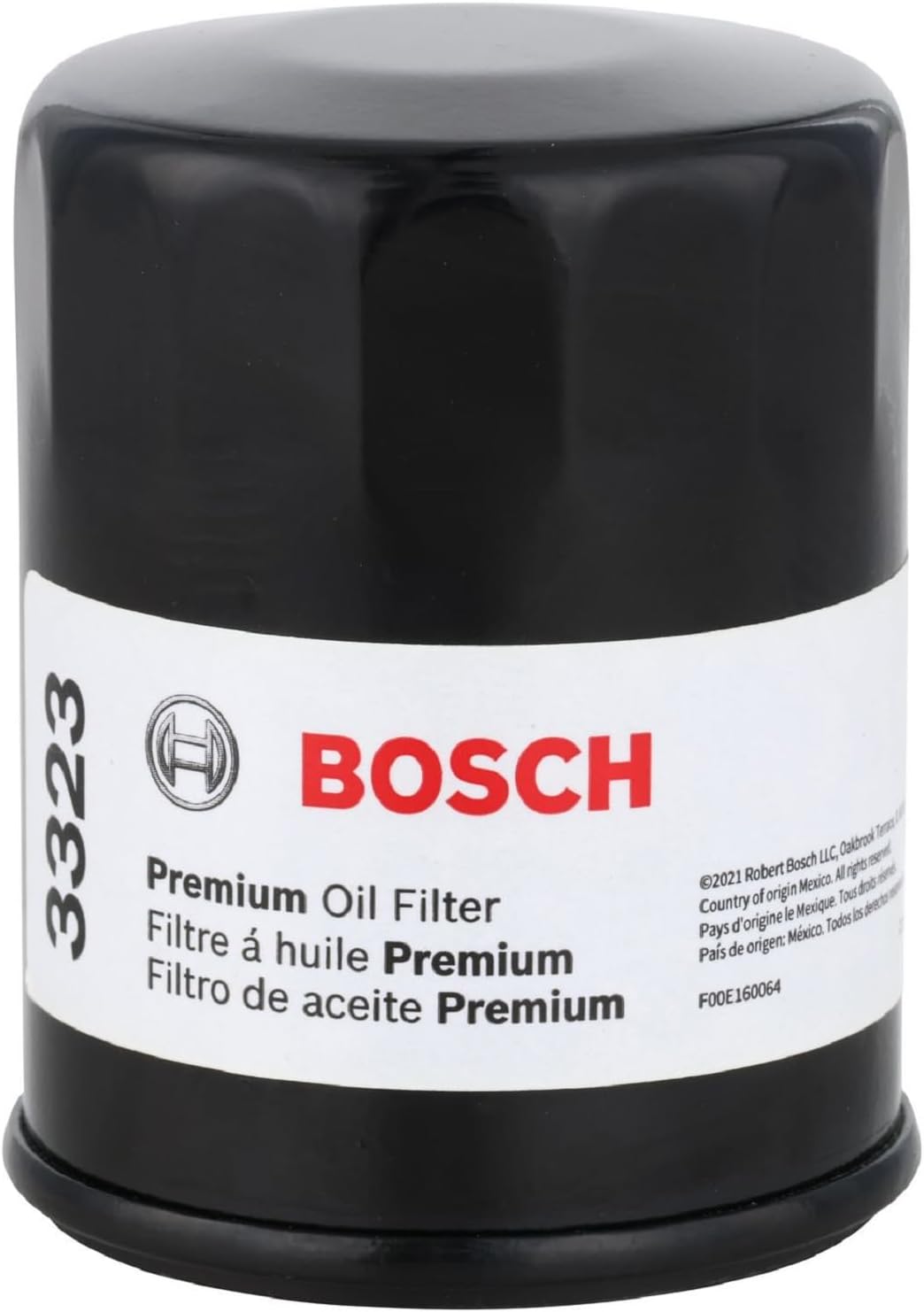
4. Bosch 3323 Premium Spin-On Oil Filter with FILTECH Media
| Thread Size | M20 x 1.50 |
|---|---|
| Outside Diameter | 68 Millimeters |
| Part Number | 3323 |
| Unit Count | 1.0 Count |
The Bosch 3323 is a spin-on replacement oil filter built around Bosch's FILTECH filtration media to catch and hold up to 14 grams of dirt and particles. For routine oil changes on a 2007–2011 Honda CR-V this filter provides factory-quality fit features such as a sturdy steel base plate and spiral-wound center tube that resist warpage and help prevent leaks. A silicone anti-drain back valve preserves oil pressure at startup and the high-lubricity gasket seals tightly while still allowing easy removal. In practice the filter installs like a standard replacement and is intended for owners who prioritize consistent protection between changes rather than maximum service intervals. The clear benefits are strong contaminant-holding capacity and OEM-style construction, while buyers should note this is a conventional replacement filter designed for regular change intervals rather than a long-life or performance-specific cartridge option.
Best for: A buyer who wants a dependable, factory-style replacement that emphasizes consistent engine protection for regular oil-change schedules on a 2007–2011 CR-V.
Less Ideal for: Drivers seeking specialized long‑life, high‑performance, or extended-interval filters should consider alternatives tailored for those goals.
- FILTECH media captures fine and coarse particles and holds up to 14 grams of debris
- Silicone anti-drain back valve helps maintain oil supply at cold starts
- Steel base plate and spiral-wound center tube reduce risk of warpage and leaks
- High-lubricity gasket gives a tight, leak-resistant seal while easing removal
- Not marketed as an extended-life or performance-specific filter for longer oil change intervals
Verdict: Choose the Bosch 3323 for dependable, factory-quality filtration that keeps contaminants out of your 2007–2011 CR-V’s engine on a regular oil-change schedule.
5. Purolator PL14610 PurolatorONE Advanced Engine Protection Spin-On Oil Filter

| Thread Size | M20x1.5 |
|---|---|
| Outside Diameter | 2.69 Inches |
| Number of Items | 1 |
| Model | PL14610 |
The Purolator PL14610 PurolatorONE is a spin-on oil filter built to trap fine contaminants and support longer service intervals when used with synthetic oil. It uses high-density synthetic-blend filter media and wear-resistant metal end caps to deliver up to 99% dirt removal and claimed protection as long as 15,000 miles under the right conditions. The unit includes a silicone anti-drainback valve to prevent dry starts and a PTFE-treated gasket for a reliable, heat-resistant seal. Installation is straightforward for DIYers and shops because the filter threads and dimensions match vehicle-specific fitments. Practical benefits include stronger contaminant capture than basic paper filters, improved protection during stop-and-go driving or towing, and robust construction that resists collapse. Limitations are that the long service interval depends on using quality full-synthetic oil and following manufacturer recommendations for your engine, and users should always verify exact fitment for their model year before purchase.
Best for: Buyers who prioritize proven performance and want a filter with strong contaminant removal and durable construction backed by many positive user reviews for routine and tougher driving conditions.
Less Ideal for: Drivers who prefer strictly factory-specified service intervals or want the lowest-cost disposable filters for very short oil-change cycles may prefer a basic replacement instead.
- High-density synthetic-blend media for fine particle capture
- Silicone anti-drainback valve to prevent dry starts
- PTFE-treated gasket for a heat-resistant, leak-proof seal
- Wear-resistant metal end caps and reinforced center tube for durability
- 15,000-mile protection claim requires use of full synthetic oil and may not suit all driving patterns
Verdict: Choose the Purolator PL14610 if you want a well-built, high-efficiency oil filter that reduces dry starts and offers extended protection when used with quality synthetic oil.
6. K&N Select Spin-On Oil Filter SO-1010

| Material | Synthetic Blend / Steel |
|---|---|
| Thread Size | M22 X 1.5 |
| Product Grade | Performance Part |
| Model | Oil Filter; Spin-On |
| Manufacturer | K&N Engineering, Inc. |
The K&N Select SO-1010 is a spin-on oil filter intended to protect your engine by trapping contaminants and supporting extended change intervals. It uses pleated synthetic-blend media rated 99% efficient for particles larger than 30 microns and is designed to work with conventional, synthetic and synthetic-blend oils. Typical use is a standard oil change where the filter screws onto the engine housing; users report easy installation, a machined exterior for durable handling, and a welded hex nut on the end that eases removal. K&N states the filter can support up to 20,000 miles of engine protection when service intervals recommended by manufacturers are followed. Practical benefits include strong filtration, broad oil compatibility, and a fit intended for specific Honda and similar applications. Limitations are that the long mileage claim depends on following manufacturer intervals and oil choice, and some buyers may prefer filters tested to different particle-size thresholds for extremely fine filtration.
Best for: Buyers who prioritize reliable, well-made replacement filters and want a product that balances strong filtration with compatibility across oil types for routine maintenance.
Less Ideal for: Drivers who routinely run ultra-extended oil intervals well beyond manufacturer recommendations or who require filtration rated for particles smaller than 30 microns should consider alternatives.
- High filtration efficiency rated to capture 99% of particles larger than 30 microns
- Designed for use with all oil types including full synthetic and blends
- Vehicle-specific fit aimed at direct replacement for compatible models
- Durable machined exterior and user-friendly features like a welded hex nut for easier removal
- Extended 20,000-mile protection claim requires adherence to proper service intervals and correct oil selection
Verdict: Choose the K&N SO-1010 if you want a durable, vehicle-specific replacement filter with strong, broadly compatible filtration for routine oil changes.
Choosing the Right 2007-2011 Honda CR-V Oil Filter: Key Factors to Consider
Filtration Efficiency and Micron Rating
Filtration efficiency determines how well an oil filter captures abrasive particles that cause engine wear. For the 2007-2011 Honda CR-V, look for filters that report micron ratings and capture percentages for particles in the 10 to 30 micron range. Higher-efficiency media can remove finer contaminants, but extremely dense media can restrict flow if not engineered properly.
A balance between fine filtration and sufficient flow is important because the CR-V's oil pump and clearances rely on stable oil pressure. Filters with multi-layer synthetic media typically sustain filtration performance over longer intervals and when used with synthetic oil, reducing the chance of recirculating harmful particles during extended drives.
Gasket Design and Sealing Reliability
A reliable gasket and sealing face prevent oil leaks and maintain consistent oil pressure. For this CR-V, the filter must seat cleanly against the filter mount and resist deformation from installation torque and thermal cycling. Look for filters with high-quality nitrile or fluoroelastomer gaskets that retain flexibility over time and are pre-lubricated for proper seating.
Poor gasket design is a common cause of oil filter gasket leak issues on older vehicles. A filter with a robust sealing surface and a consistent flange diameter reduces the risk of cross-threading or partial seating that can lead to leaks after cold starts or long highway runs.
Anti-Drainback Valve and Cold-Start Protection
An anti-drainback valve prevents oil from draining out of the filter when the engine is off, ensuring immediate oil flow at startup. This is particularly important for the 2007-2011 CR-V because oil starvation during cold starts concentrates wear on bearings and cam components. Filters with a durable anti-drainback valve reduce wear during those first critical seconds of engine operation.
Materials used for the valve matter; silicone valves tend to stay flexible in low temperatures better than cheaper nitrile valves. Also verify valve placement and design so it does not impede flow when the engine is running at operating temperature.
Compatibility With Synthetic Oil and Service Intervals
If you use synthetic oil or plan to extend oil change intervals, choose a filter rated for extended service. Synthetic oil tends to suspend smaller contaminants longer, so the filter media must withstand higher contaminant loads without collapsing or bypassing.
Filters marketed for synthetic use often have reinforced end caps and improved adhesives to hold media in place over extended miles. For the CR-V, match filter service recommendations to your chosen oil change interval to avoid clogged filters or premature bypass events.
Physical Fit and Torque-To-Seat Characteristics
Physical dimensions, thread pitch, and gasket thickness must match the CR-V's filter mount to ensure easy installation and correct torqueing. A poorly fitting filter can be hard to remove in the confined space under the hood or can bottom out before sealing properly, which risks oil leaks or stripped threads.
Consider how easily the filter can be hand-started and whether it requires a wrench for removal. Filters with consistent torque-to-seat behavior reduce the risk of over-tightening or under-tightening during routine oil filter replacement.
Build Quality and Corrosion Resistance
A solid shell, quality spot welds or seam seals, and corrosion-resistant coatings prolong filter life, especially in climates where road salt or humidity is a factor. The 2007-2011 CR-V often sees a range of environments, so a durable canister helps avoid deformation and maintains media compression.
Inspecting for rolled edges, consistent seam welds, and a protective finish can indicate better manufacturing processes. Filters built with attention to these details tend to hold up over heavier use and repetitive thermal cycles without leaking or collapsing.
Understanding Oil Filter Types and Which Work Best
Oil filters typically come as spin-on canisters or cartridge-style elements. For the 2007-2011 Honda CR-V, most compatible options will be spin-on canisters designed to match the factory mounting. Spin-on filters enclose the media and anti-drainback components inside a sealed shell, which simplifies installation during routine oil filter replacement.
Different media types exist within those housings, including cellulose, blended media, and full synthetic media. Full synthetic media usually offers better dirt-holding capacity and more consistent filtration when used with synthetic oils, while cellulose-based media can be adequate for shorter service intervals and lower-cost maintenance.
- Spin-on canister filters are common and easy to fit in the CR-V's engine bay.
- Synthetic media supports longer intervals and finer filtration.
- Cartridge-style systems are less common for this CR-V range and require a compatible housing.
How Filter Choice Affects Oil Pressure and Engine Performance
The right filter preserves stable oil pressure. Filters that are overly restrictive can cause pressure to spike or trigger bypass valves. Conversely, filters that allow too much bypass during heavy contamination can permit abrasive particles to circulate. For the CR-V, maintaining factory oil pressure characteristics is important for valve timing and bearing load management.
Selecting a filter with an appropriate flow profile minimizes the chance of pressure-related issues. Pay attention to recommended torque values and gasket seating to avoid mechanical problems after installation.
- Proper flow ensures oil reaches critical bearings promptly.
- Bypass behavior should only occur under extreme clogging, not during normal operation.
- Consistent filter flow helps maintain longevity of engine components.
Maintenance Intervals and When to Upgrade to a Higher-Grade Filter
Typical maintenance intervals for a 2007-2011 CR-V depend on oil type and driving conditions. If you follow shorter intervals of conventional oil changes, a standard filter with reliable basic filtration may be sufficient. If you run synthetic oil or extend intervals for highway driving, upgrading to a filter rated for extended service is advisable.
Consider upgrading when you experience frequent towing, dusty conditions, or a high proportion of short-trip driving. Those conditions increase contaminant load and thermal cycling, which stresses lower-grade filters faster.
- Short-interval drivers can use standard filters safely.
- Synthetic oil users should pick filters rated for extended miles.
- Severe-duty operation warrants higher-capacity media.
Signs of a Problem: Leaks, Poor Sealing, and Removal Issues
Common symptoms related to the oil filter include visible oil at the filter base, dampness on the engine block near the mount, or low oil pressure warnings that appear after an oil change. An improperly seated gasket or a damaged anti-drainback valve can manifest as oil pooling under the vehicle or a noticeable oil smell during warmup.
Difficulty removing the filter during service can indicate poor fit or a seized gasket. Using a filter with good build quality and the correct physical dimensions reduces the chance of stripping threads or encountering a stuck canister during routine maintenance.
- Check for oil at the base of the filter after the first run following a change.
- If pressure warnings appear, re-check filter seating and oil level immediately.
- Use proper tools and hand torque to avoid cross-threading or over-tightening.
Practical Tips for Changing the Oil Filter on a 2007-2011 CR-V
When changing the oil filter on this CR-V range, warm the engine briefly to reduce oil viscosity, which helps drain more oil from the filter. Always clean the filter mounting face and inspect the old gasket to ensure it did not stick to the housing. Lubricate the new gasket lightly with clean oil to help it seat properly.
Tighten the replacement filter to the recommended hand-tight plus quarter-turn approach unless a torque spec is provided. After installation, run the engine and check for leaks around the filter base, then re-check oil level once the engine is at operating temperature and on level ground.
- Warm engine briefly before draining oil for better drainage.
- Clean mounting surface and inspect for leftover gasket material.
- Lubricate and hand-tighten the new gasket; check for leaks after startup.
Still looking for the perfect fit?
Select your Honda CR-V configuration to see the most relevant Oil Filters recommendations
How We Chose the Best 2007-2011 Honda CR-V Oil Filter
We focused on attributes that directly affect engine protection and serviceability for the 2007-2011 Honda CR-V. Primary evaluation criteria included filtration efficiency at micron sizes relevant to engine wear, construction quality of the canister and anti-drainback valve, and the reliability of the gasket sealing surface to prevent leaks. We also considered compatibility with synthetic oils and extended drain intervals, ease of installation and removal under the CR-V's engine bay constraints, and manufacturer or aftermarket assurances about material quality and testing.Specific filters were excluded if they did not list explicit fitment for the 2007-2011 CR-V or if technical specifications lacked clear micron ratings or anti-drainback information. We favored filters with reinforced end caps, high-quality media (woven or multi-layer synthetic), and a proven sealing profile for the CR-V's filter housing. Final selections balanced filtration performance with practical concerns like torque-to-seat behavior, typical maintenance interval expectations, and reduced risk of gasket leaks.
Our full evaluation process is outlined in our review methodology.
FAQ
How often should I change the oil filter on a 2007-2011 Honda CR-V?
Frequency depends on oil type and driving conditions. With conventional oil, follow shorter intervals around manufacturer recommendations. If you use synthetic oil and drive mostly highway miles, you can typically extend intervals but should use a filter rated for extended service and inspect for signs of clogging more often.
Can I switch to a synthetic oil filter with synthetic oil?
Yes. Filters designed for synthetic use have media and adhesives suited to longer intervals and higher contaminant loads. Using a synthetic oil filter with synthetic oil helps maintain filtration performance over extended drain intervals, provided the filter lists compatibility with extended service.
What should I do if I notice oil leaking from the filter after installation?
Stop the engine and check the filter seating and gasket. Inspect for a double gasket or a torn gasket and ensure the filter is threaded correctly. If the gasket looks damaged or the leak persists after confirming proper seating and torque, replace the filter and re-test.
Is a spin-on oil filter the right type for this CR-V?
Most 2007-2011 Honda CR-V applications use spin-on canister filters. They are easy to install and service. Confirm the chosen filter matches the CR-V's thread and gasket dimensions to avoid fitment and sealing issues.
Will a higher-efficiency filter affect oil pressure warnings?
A properly designed high-efficiency filter should not trigger pressure warnings during normal operation. Problems arise if a filter is overly restrictive or becomes clogged early. Choose a filter with proven flow characteristics and a reliable bypass valve design to avoid pressure-related issues.
Final Verdict
Choosing the right oil filter for the 2007-2011 Honda CR-V comes down to balancing filtration performance, sealing reliability, and compatibility with your chosen oil and service interval. Prioritize filters with clear micron ratings, a durable anti-drainback valve, and gasket materials that resist deformation to reduce the risk of leaks and cold-start wear. For drivers using synthetic oil or extending service intervals, select filters rated for extended use and with reinforced construction.Weigh the tradeoffs between cost and long-term protection: higher-grade filters typically cost more but can better protect the engine and support longer drain intervals. Focus on proper fitment and installation technique to ensure reliable operation and avoid common issues like gasket leaks or removal problems.
Explore More:
- Check out all Honda CR-V parts & accessories
- Explore Oil Filters Maintenance & Repair Guides
- Explore Engine
- Browse all Auto Parts
