

Note: This article contains affiliate links. If you click on these links and make a purchase, I may earn a small commission at no extra cost to you. This helps support my research and content. Read my full affiliate disclosure here.
If you tow heavy loads, drive in hot climates, or push your GMC Sierra 1500 hard, the right oil cooler can protect your engine and maintain consistent oil temperatures. Selecting the proper GMC Sierra 1500 oil cooler matters because inadequate cooling leads to faster oil breakdown, higher wear rates, and a greater risk of overheating under stress. This guide presents five shortlisted options chosen for durability, fitment, and cooling performance specifically for the Sierra 1500.Each option was evaluated for real-world benefits like heat rejection, compatibility with stock and upgraded lines, and ease of installation. Read on to see the top picks and the criteria we used to narrow them down before you review the detailed product blocks below.
Looking for other parts? See all GMC Sierra 1500 parts & accessories.
Top Picks at a Glance
| Best Overall The best all-around choice for most situations | KarParts360 Transmission Oil Cooler for Silverado 1500 (1999–2013) |  |
| Best Quality Built to a higher standard if you want something more solid | Mishimoto MMTC-K2-14 Stacked-Plate Transmission Cooler Kit |  |
| Best Value The sweet spot between price and what you get | A-Premium Transmission Oil Cooler (APOC175) |  |
| Best Budget The cheapest option that still gets the job done reliably | TEKKOAUTO Transmission Oil Cooler Replacement 918-213 |  |
| Highest Rated A top-rated pick with lots of positive feedback | Mishimoto MMTC-GMT-99 Performance Transmission Cooler for 1999–2013 Chevrolet Silverado / GMC Sierra |  |
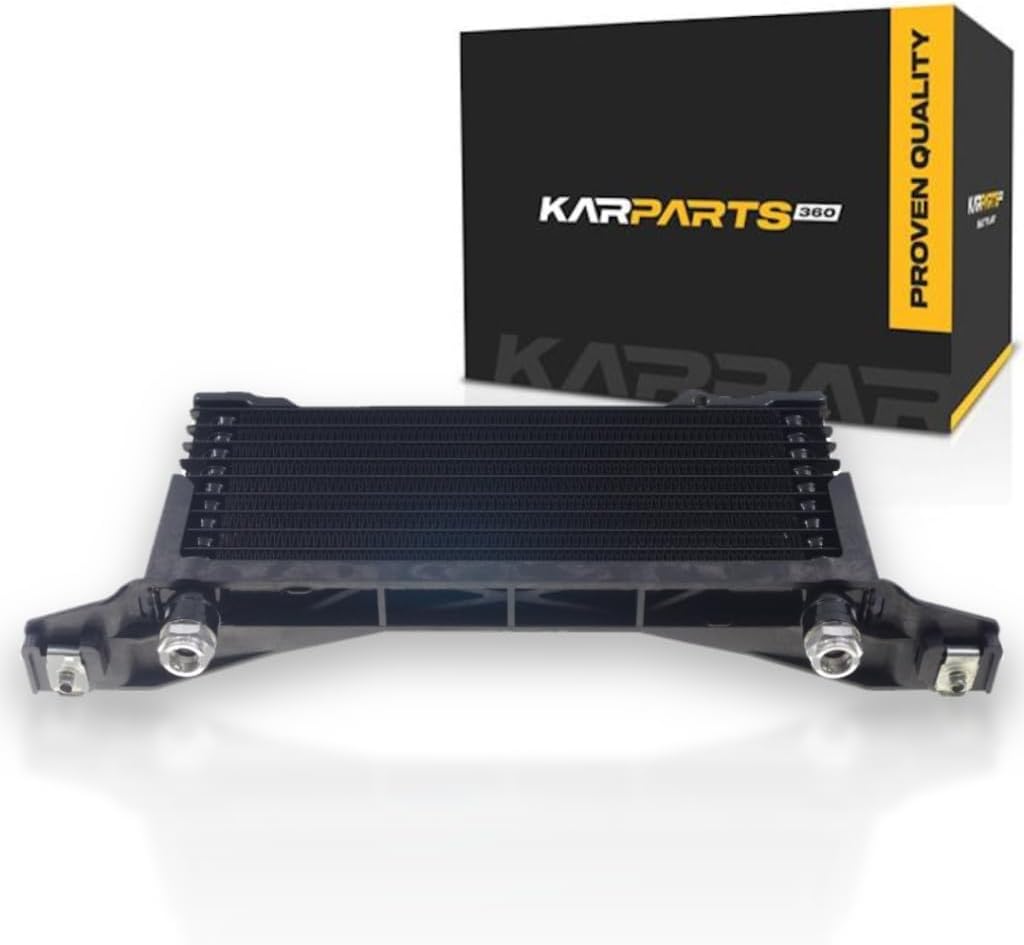
1. KarParts360 Transmission Oil Cooler for Silverado 1500 (1999–2013)
| Manufacturer Part Number | CLX-M0-USA-REPC311111-CL360A71 |
|---|---|
| OEM Part Number | 20880895 |
| Position | Front |
| Safety Rating | DOT Certified |
This KarParts360 transmission oil cooler is an aftermarket direct-replacement designed to fit Silverado 1500 trucks from 1999 through 2013. It installs in the front position and uses the factory-style fittings for a straightforward swap; the product is sold factory-sealed and meets DOT and SAE compliance. In use the cooler increases fluid cooling capacity compared with a failed or clogged original, which helps reduce transmission temperatures under towing or heavy-load driving. Several buyers report an exact fit and easy installation while others noted the unit is thicker than stock and has relatively soft cooling fins that can bend if exposed. The cooler is not marketed as a high-performance upgrade for extreme-duty applications but as a budget-friendly factory replacement that restores cooling and stops leaks when the original fails. If you need improved cooling beyond stock for frequent heavy towing you may prefer a larger or reinforced performance cooler, but for routine replacement this unit provides a practical, direct-fit solution.
Best for: Buyers seeking a straightforward, budget-conscious replacement to restore transmission cooling and stop leaks on a Silverado 1500 used for everyday driving and occasional towing.
Less Ideal for: Drivers who pull frequent heavy loads, run extended towing schedules, or need an upgraded heavy-duty cooler should look at reinforced or performance-focused coolers instead.
- Direct replacement for OEM 20880895 with factory-style fittings for easy install
- Meets DOT and SAE compliance standards
- Factory-sealed, new-in-box unit that restores cooling and stops leaks
- Works as intended for normal driving and light towing
- Cooling fins are relatively soft and can dent or bend if impacted
- Thicker profile than some stock units which may require minor fitment adjustments in tightly packaged front-end layouts
Verdict: A practical, direct-fit replacement that restores transmission cooling on 1999–2013 Silverado 1500s without being a heavy-duty performance upgrade.
2. Mishimoto MMTC-K2-14 Stacked-Plate Transmission Cooler Kit

| Fitment | 2014–2018 Chevrolet Silverado / GMC Sierra 1500 V8 |
|---|---|
| Core type | Stacked-plate |
| Fluid capacity increase | 0.65 quarts |
| Material | Aluminum |
| Included components | Brackets, adapter lines, high-pressure hoses |
The Mishimoto MMTC-K2-14 adds a stacked-plate auxiliary transmission cooler and full installation kit to reduce transmission fluid temperatures under load. It installs inline with the factory cooling system using the supplied CNC-machined brackets, aluminum adapter lines, and high-pressure hoses so fluid capacity and surface area increase by about 0.65 quarts. In real-world use the cooler consistently lowers operating temps during towing, stop-and-go traffic, and high-ambient conditions—users report drops of 30 to 60 degrees depending on setup. The stacked-plate core and aluminum construction resist corrosion and handle repeated heavy-duty use, and the kit includes hardware to delete the thermal bypass if you want continuous flow. Installation requires removing the front fascia and some mechanical experience; instructions in the box are minimal but Mishimoto provides online guidance. If you plan to add this after a transmission service, flush the existing lines and core first to avoid contamination. The kit is vehicle-specific, rugged, and focused on keeping transmission temperatures in a safer range during demanding duty.
Best for: Buyers focused on protecting their transmission during regular towing, hot-climate driving, or demanding use who prioritize measurable temperature reduction and durable hardware over a plug-and-play installation.
Less Ideal for: Casual drivers who never tow or who want a zero-effort, tool-free upgrade should consider simpler bolt-on options or consult a shop for installation assistance.
- Stacked-plate core increases heat dissipation and fluid capacity for lower operating temps
- Includes CNC-machined brackets and aluminum adapter lines for a robust, tidy install
- Durable aluminum construction suited to heavy towing, hot climates, and repeated use
- Kit supplies high-pressure hoses and hardware plus an option to delete the thermal bypass for continuous cooling
- Minimal printed instructions; installers will likely need to follow the manufacturer video or have moderate mechanical skill
Verdict: If you tow or run heavy duty cycles, this vehicle-specific stacked-plate kit is a durable way to cut transmission temperatures and extend transmission life.
3. A-Premium Transmission Oil Cooler (APOC175)

| Material | Aluminum |
|---|---|
| Flow Configuration | Crossflow |
| Core Height | 4.49 inch |
| Core Length | 10.98 inch |
| Core Thickness | 0.75 inch |
This aluminum transmission oil cooler replaces the factory unit on many Chevrolet, GMC, Cadillac and related platforms and is intended to increase cooling capacity for the transmission. It mounts in the factory location and uses a crossflow core to move fluid across a larger surface area, which helps lower fluid temperatures during towing or heavy-duty use. Buyers will notice a thicker core than some stock coolers and factory-style quick connect provisions that simplify installation on compatible vehicles. The unit is aluminum for good thermal transfer and carries reference numbers that match common GM part numbers, which makes vehicle matching straightforward. Expect a mostly bolt-in experience on many model years, though a few users report needing minor bracket or bolt changes for older trucks. A-Premium backs the cooler with a one-year unlimited-mileage guarantee, but fitment must be confirmed against your vehicle before purchase.
Best for: Buyers who prioritize reliable transmission cooling for towing or heavy use and want a mostly factory-style replacement that increases capacity without major modification.
Less Ideal for: If you need a universal cooler for multiple vehicle types or are unwilling to make small mounting adjustments, choose a purpose-built universal or vehicle-specific OEM part instead.
- Aluminum construction for efficient heat transfer and corrosion resistance
- Thicker crossflow core increases cooling capacity compared with some factory coolers
- Designed to use factory-style mounting and quick connect fittings for easier installation on compatible models
- Matches common GM reference numbers to simplify part identification
- May require minor bracket or bolt modifications on some older model years instead of a perfect direct fit
Verdict: A-Premium APOC175 gives a practical, higher-capacity, mostly bolt-in replacement for GM full-size trucks and SUVs that need better transmission cooling for towing and heavy use.
4. TEKKOAUTO Transmission Oil Cooler Replacement 918-213

| Manufacturer | TEKKOAUTO |
|---|---|
| Model | 918213 |
| Manufacturer Part Number | 918213 |
| Reference OEM Numbers | 20880895, 918-213, 4050111 |
This TEKKOAUTO transmission oil cooler is a direct-replacement unit intended to restore cooling performance on older Chevy and GMC trucks and large SUVs. It installs in place of the factory cooler and is typically used when the original cooler develops leaks, internal restriction, or reduced cooling efficiency. The part lists several OEM reference numbers and a long vehicle compatibility range, so it should fit Sierra 1500 models covered in the compatibility list without major modification. The machined exterior and replacement fitment make it a practical, budget-focused option that saves the cost of a dealer unit while maintaining the same basic cooling function. Expect straightforward bolt-on installation for experienced DIYers or a quick job for a local shop. Limitations are that this is a direct replacement rather than an upgraded high-capacity cooler, so heavy towing or severe-duty use may benefit from an aftermarket performance cooler instead.
Best for: Buyers looking to replace a failed transmission oil cooler on an older full-size truck who prioritize an affordable, factory-style replacement that plugs in without major modification.
Less Ideal for: Owners who frequently tow heavy loads or want upgraded cooling capacity should consider a larger aftermarket cooler designed for increased heat dissipation.
- Direct replacement with listed OEM reference numbers for easy compatibility checks
- Machined exterior construction for a factory-style appearance and fit
- Covers a wide range of Chevy and GMC full-size trucks and SUVs
- Lower-cost alternative to dealer or specialty performance coolers
- Not marketed as a higher-capacity or performance cooler for heavy towing
Verdict: A cost-conscious, direct-fit transmission oil cooler that restores factory-style cooling for older Sierra 1500s without the premium of dealer or performance units.
5. Mishimoto MMTC-GMT-99 Performance Transmission Cooler for 1999–2013 Chevrolet Silverado / GMC Sierra

| Fits | 1999–2013 Chevrolet Silverado / GMC Sierra (GMT800, GMT900) |
|---|---|
| Core increase | 521% larger volume than stock |
| Frontal area | 278% increase over stock |
| Fittings | -6ORB quick-disconnects (convertible to -6AN) |
This Mishimoto transmission cooler replaces the factory unit with a much larger stacked-plate core designed for heavy-duty use on 1999–2013 GMT800 and GMT900 Silverado and Sierra trucks. It increases core volume and frontal area to move heat away from transmission fluid more effectively, and internal and external fins improve airflow and fluid circulation. The cooler ships with precision-machined -6ORB quick-disconnects that accept stock lines or can be swapped to -6AN fittings, plus a relocation bracket for the ambient temp sensor and an adjustable mount for an easier install. In practical use owners report noticeably lower transmission temps while towing, off-road crawling, and in stop-and-go driving, which helps prolong transmission life. The cooler is larger than stock so it may require a bit more front clearance during installation and could be overkill for trucks that never tow, but for daily drivers used for towing or heavy work it delivers reliable, long-term cooling backed by a lifetime warranty.
Best for: Truck owners who prioritize long-term transmission reliability and frequently tow, haul, or operate in demanding conditions and want a bolt-in cooling upgrade that reduces operating temperatures.
Less Ideal for: Drivers who never tow or use their truck for heavy work and prefer to keep the factory cooling setup for simplicity and minimal under-hood changes.
- Massive stacked-plate core with 521% larger volume than stock for much better heat rejection
- 278% increase in frontal surface area improves cooling at low and high speeds
- Precision -6ORB quick-disconnects that accept stock lines or convert to -6AN fittings
- Includes sensor relocation bracket and adjustable mounting hardware for straightforward installation
- Aluminum construction and internal fins for durable, efficient heat transfer
- Larger size may require additional front clearance and minor adjustments during fitment
Verdict: Choose this Mishimoto cooler to dramatically lower transmission temperatures and protect your Sierra's transmission during towing and heavy use.
Choosing the Right GMC Sierra 1500 Oil Cooler: Key Factors to Consider
Cooling Capacity and Core Design
Cooling capacity determines how much heat the cooler can remove from the oil during operation. A larger or more efficient core provides greater surface area and improved flow paths, reducing oil temperature under sustained loads such as towing or repeated high-speed driving. Core construction type, whether stacked-plate, tube-and-fin, or brazed plate, affects how quickly heat transfers from oil to air and how resistant the core is to clogging from debris.
For the Sierra 1500, choose a cooler with a core size and internal flow pattern designed to handle the engine's oil flow rates at both idle and high RPM. Oversized cores can be beneficial for towing but may require additional mounting space and stronger brackets. Proper core design also contributes to pressure drop across the cooler, so consider the balance between cooling performance and maintaining adequate oil pressure.
Fitment and Compatibility
Correct fitment ensures the cooler mounts securely and connects to existing oil passages without extensive modification. Verify mounting bracket locations, inlet and outlet orientations, and whether the cooler is compatible with the Sierra 1500's stock oil lines or requires an adapter. Compatibility also covers transmission oil cooler integration if shared cooling paths are involved.
A cooler that matches factory mounting points reduces install time and avoids interference with steering, radiator, or intercooler components. Consider whether the vehicle has aftermarket accessories on the front bumper or grille area that might obstruct a larger cooler. Proper compatibility minimizes the risk of leaks and ensures predictable oil routing for maintenance.
Materials and Corrosion Resistance
Materials determine how well the oil cooler withstands road salts, moisture, and debris exposure. Aluminum cores and housings are common for their high thermal conductivity and light weight, but the quality of brazing and protective coatings affects lifespan. Stainless steel fittings and robust brazed joints resist leaks and warping from thermal cycling.
For trucks used in winter or coastal environments, prioritize corrosion-resistant finishes and reputable manufacturing processes. A durable cooler reduces the chance of failure due to corrosion and maintains consistent thermal performance over time, which is especially important for owners who tow frequently or rack up high mileage.
Line Connections and Adapter Needs
How the cooler connects to the engine oil system determines installation complexity and long-term reliability. Some kits use direct-fit quick-connects compatible with factory oil lines, while others require new hoses, adapters, or replacement fittings. Consider the quality and size of supplied hoses and clamps, and whether the kit includes adapters for the Sierra 1500's OEM plumbing.
Kits that minimize the number of fittings reduce leak points. If adapters are required, check for proper thread types and sealing methods. Owners who prefer simpler installs should favor a cooler that uses factory-style connections to avoid custom line fabrication.
Installation Complexity and Serviceability
Installation complexity affects how long the job takes and whether you can do it at home or need a shop. Factors include bracket hardware, whether the cooler fits in front of the radiator or behind the grille, and if it interferes with other components. Some units come as full kits with hoses, clamps, and mounting brackets while others are core-only and need additional parts.
Serviceability covers how easily the cooler can be inspected, cleaned, or replaced. Designs with replaceable cores or accessible mounting make future maintenance easier. Consider whether routine inspections can be done without removing adjacent components, as frequent checks are wise for trucks used in demanding conditions.
Pressure Drop and Oil Flow
Adding an oil cooler introduces additional flow resistance that can affect oil pressure and circulation. Excessive pressure drop can starve critical engine passages or cause the oil pump to work harder. Look for coolers engineered to handle the Sierra 1500's oil flow rate while keeping pressure loss minimal.
Manufacturers sometimes publish flow ratings or pressure-drop curves; when available, use those to match the cooler to the engine's normal operating range. A well-designed cooler balances thermal transfer with low resistance to avoid compromising oil delivery under all driving conditions.
When an Oil Cooler Is Worth Installing
An oil cooler becomes particularly valuable for Sierra 1500 owners who tow heavy trailers, drive in high ambient temperatures, or subject their engine to prolonged high-RPM operation. These conditions raise oil temperatures and accelerate viscosity breakdown, which reduces the oil's ability to protect bearings and other components.
If you frequently haul payloads near the truck's capacity or regularly tow in mountain or desert environments, upgrading to a higher-capacity cooler can lengthen service intervals and improve engine longevity. For more casual driving, a factory-rated cooler may suffice, but evaluating duty cycle helps you decide whether an aftermarket upgrade is justified.
- Towing or hauling heavy loads increases oil temperature under sustained stress
- High ambient heat or stop-and-go traffic increases thermal demands on oil
- Performance driving or extended high-speed use benefits from additional cooling
Signs Your Sierra 1500 Needs Cooler Service or Replacement
Early detection of cooler problems prevents engine damage and keeps oil systems functioning properly. Common indicators include drops in oil level without visible external leaks, unexplained overheating, or visible oil around cooler fittings. Some symptoms may overlap with other systems, so consider the cooler in a wider diagnostic approach.
If you notice any of the following persistent signs, inspect the cooler, lines, and connections promptly to identify leaks, wiring or sensor faults, or internal failures.
- Visible oil accumulation around the cooler or lines
- Coolant contamination of oil or oil in coolant (may indicate internal breach)
- Rising oil temperature under normal loads
- Unusual pressure fluctuations or low oil pressure warnings
Installation Options and Where to Mount the Cooler
Common mounting locations on the Sierra 1500 include in front of the radiator, behind the grille, or inside a lower bumper opening. Each position affects airflow, protection from debris, and ease of routing lines. Front-of-radiator mounts get the best airflow but can be exposed to road debris; behind-grille mounts are more protected but may see slightly reduced airflow.
Consider how bumper-mounted accessories, sensors, or factory crash structures might influence your choice. Also think about line routing to avoid sharp bends, heat sources, and interference with steering or suspension components. Proper mounting ensures consistent cooling and reduces the chance of accidental damage.
- Front radiator mounts maximize airflow and cooling
- Behind-grille mounts offer more protection from debris
- Lower bumper mounts can be easier to access for maintenance
Maintaining Your Oil Cooler System
Routine inspections of hoses, clamps, and fittings help catch small issues before they escalate. Look for chafing, cracked hoses, or loose clamps and replace suspect parts promptly. Cleaning fins and cores from accumulated dirt and bugs restores airflow and improves cooling efficiency.
If the system uses an adapter or aftermarket lines, recheck torque on fittings after the first few hundred miles. During scheduled oil changes, glance at cooler connections for signs of seepage or corrosion. Regular maintenance keeps the cooler operating reliably over the long term.
- Inspect hoses and fittings at every oil change
- Clean debris from fins to maintain airflow
- Retorque fittings after initial installation
Towing Considerations for the Sierra 1500
Towing places the most sustained thermal demand on the engine oil. If you use your Sierra 1500 frequently for towing, prioritize coolers with higher thermal mass and proven flow characteristics that suit long-duration loads. Also account for the aerodynamic effects of a loaded trailer, which can reduce natural airflow around the cooler.
Plan for routine checks before and after towing trips, and consider additional measures like higher-capacity oil or more frequent oil changes if you tow frequently. A properly matched cooler reduces the risk of oil breakdown and helps maintain consistent engine performance under towing loads.
- Choose coolers rated for sustained heat rejection
- Inspect cooler and lines after long towing trips
- Consider oil change intervals based on towing frequency
Common Installation Pitfalls and How to Avoid Them
New installers often underestimate line routing complexity or the space required for a larger cooler. Avoid tight bends and ensure hose lengths are sufficient without creating loops that can snag on road debris. Using appropriate clamps and proper sealing methods reduces the risk of leaks.
Another frequent mistake is neglecting to check for interference with sensors, wiring harnesses, or structural components. Dry-fit the cooler and lines before finalizing mounts and ensure there is clearance for engine movement and suspension travel. Taking time during mock-up saves time and trouble later.
- Mock-fit components to confirm clearances
- Use correct clamp types and sizes for high-pressure oil lines
- Avoid routing hoses near hot exhaust components
How We Chose the Best GMC Sierra 1500 Oil Cooler
We focused on selection criteria that matter for OEM-replacement and upgrade oil coolers on the GMC Sierra 1500. Cooling capacity and thermal efficiency were primary considerations because effective heat rejection extends oil life and stabilizes engine temps under towing or high-load driving. Fitment and compatibility were next, examining mounting points, inlet and outlet orientations, and whether the kit supports factory oil lines or requires adapters. Durability and corrosion resistance were assessed through material choices and construction methods such as brazed cores or heavy-gauge housings. Serviceability was also factored in, including whether the cooler allows line routing for easier maintenance and if replacement cores are available.We excluded options designed for different vehicle families or universal units that need extensive modification, keeping the list strictly within parts suitable for the GMC Sierra 1500. Additional filters eliminated products with known fitment complaints or inadequate cooling ratings for towing. Final choices balanced thermal performance, installation clarity, and long-term reliability.
Our full evaluation process is outlined in our review methodology.
FAQ
How do I tell if my oil cooler is leaking?
Visible oil around the cooler housing or on nearby components is the clearest sign. You may also find oil in the coolant or notice unexplained oil loss. Inspect fittings and lines for wet spots and check for signs of cross-contamination between oil and coolant.
Can I install an oil cooler myself on a Sierra 1500?
Many owners can install a cooler with basic mechanical skills and common tools if the kit is a direct-fit unit. Kits that require adapter fittings or custom line routing may be better handled by a shop. Allow time for careful routing and leak checks.
Does adding an oil cooler affect oil pressure?
A properly sized cooler introduces some flow resistance, but a well-designed unit maintains acceptable pressure for normal operation. Excessive pressure drop is possible with undersized or poorly designed coolers, so choose one that matches the engine's flow characteristics.
How often should I inspect my oil cooler and lines?
Check cooler connections and hoses at every scheduled oil change and after heavy towing trips. Regular visual inspections help catch chafing, loose clamps, or seepage before they become serious issues.
Is a separate transmission oil cooler necessary when adding an engine oil cooler?
They serve different systems, and adding an engine oil cooler does not replace the need for a transmission cooler if you tow heavily. Evaluate transmission temperatures separately and install a transmission cooler if towing causes elevated transmission operating temperatures.
Will a larger cooler require changes to my Sierra 1500's bumper or grille?
A larger cooler may need different mounting locations or minor trimming depending on bumper design and aftermarket accessories. Choose a cooler that fits common mounting points or be prepared for modest modifications to achieve proper airflow and clearance.
Final Verdict
Prioritize cooling capacity, proper fitment, and durable materials when selecting an oil cooler for your GMC Sierra 1500. Balance thermal performance against installation complexity and potential pressure drop to ensure the cooler supports your driving habits, especially if you tow frequently or operate in hot conditions. Choose a unit that offers reliable connections and straightforward serviceability so you can maintain consistent oil temperatures and protect the engine over time.
Explore More:
- Check out all GMC Sierra 1500 parts & accessories
- Explore Oil Coolers Maintenance & Repair Guides
- Explore Cooling System
- Browse all Auto Parts
