

Note: This article contains affiliate links. If you click on these links and make a purchase, I may earn a small commission at no extra cost to you. This helps support my research and content. Read my full affiliate disclosure here.
If you drive an Acura RDX, the condition of your oil cooler lines matters more than you might think. Worn or leaking lines can reduce cooling efficiency, allow contamination, and lead to premature engine wear. This guide collects the top shortlisted options for Acura RDX oil cooler lines that meet common service needs. You will find only products selected for fitment, material quality, and ease of installation. We evaluated flexibility, corrosion resistance, and connection integrity to identify robust choices for routine service or targeted repairs. Read on for the factors we used to pick these top options and what to expect during installation.
Looking for other parts? See all Acura RDX parts & accessories.
Top Picks at a Glance
| Best Overall The best all-around choice for most situations | Byredio 3/8 in Transmission Oil Cooler Hose — 10 ft High-Pressure Rubber Line |  |
| Best Quality Built to a higher standard if you want something more solid | Hayden Automotive Engine Oil Cooler Hose, 12 ft |  |
| Best Value The sweet spot between price and what you get | EVIL ENERGY 1/2" Transmission Oil Cooler Hose, 5 ft (CPE) |  |
| Best Budget The cheapest option that still gets the job done reliably | CHOIMOON 5/16 in. (8 mm) Transmission/Oil Cooler Hose — 10 ft, 300 PSI |  |
| Highest Rated A top-rated pick with lots of positive feedback | EVIL ENERGY 3/8" Transmission Oil Cooler Hose, 5 ft, SAE J1532 |  |
| Most Popular A crowd favorite that many people choose with confidence | A-Premium Automatic Transmission Oil Cooler for Acura RDX (2013–2018) |  |
| Best Seller A high-volume bestseller chosen again and again | Four Seasons Transmission Cooler Hose 53015 (4.5 ft) |  |
1. Byredio 3/8 in Transmission Oil Cooler Hose — 10 ft High-Pressure Rubber Line

| Inner Diameter | 3/8 inch (9.5 mm) |
|---|---|
| Length | 10 Feet |
| Working Pressure | 300 PSI |
| Burst Pressure | 1800 PSI |
| Temperature Range | -40ºF to 302ºF |
This 3/8-inch transmission oil cooler hose from Byredio is a long, flexible replacement line intended to run between an oil cooler and transmission or to re-route oil lines when installing a cooler on an Acura RDX. Constructed with NBR inner rubber, braided polyester reinforcement, and a CPE outer layer, it resists fuel permeation, aging, and heat while remaining flexible; the 51 mm minimum bend radius helps when routing tight runs in the engine bay. The hose is rated for a 300 psi working pressure and a 1800 psi burst pressure and is specified to handle temperatures from -40 to 302°F, so it covers typical automatic transmission and power steering cooling conditions. Practical benefits include versatile fluid compatibility and a full 10-foot length that lets you cut custom runs for different RDX model years and cooler placements. Limitations are that it is a generic straight hose without preformed ends or OE-style fittings, so additional clamps, fittings, and careful routing are required for a leak-free install on an RDX and professional crimped fittings may be preferable for long-term durability.
Best for: Balanced all-round owners installing or rerouting an oil cooler on an Acura RDX who want a versatile, high-temperature replacement line they can trim and fit themselves.
Less Ideal for: Buyers who prefer a direct factory-style replacement with molded ends or a plug-and-play kit for a specific Acura RDX year and trim should look for vehicle-specific assemblies instead.
- High temperature range suitable for transmission and oil cooler service
- Braided reinforcement and sturdy wall thickness for high working and burst pressure
- Compatible with multiple fluids including ATF, oil, hydraulic fluids, and gasoline
- Full 10 ft length allows cutting custom runs and accommodates different RDX cooler layouts
- No preformed ends or vehicle-specific fittings supplied so additional adapters and clamps are needed
- Generic hose requires careful routing and proper fittings to match Acura RDX connectors for a reliable long-term seal
Verdict: A long, high-temperature, braided 3/8-inch hose that gives RDX owners a durable, flexible option for custom oil cooler or transmission line routing.
2. Hayden Automotive Engine Oil Cooler Hose, 12 ft

| Material Type | Rubber |
|---|---|
| Item Length | 144 Inches |
| Outside Diameter | 0.5 Inches |
| Maximum Pressure | 150 Pound per Square Inch |
The Hayden Automotive engine oil cooler hose is a 12-foot, double cross-braided rubber line intended for routing oil between an engine and an external cooler. In practice it is cut to length and used with clamps or fittings to build custom oil cooler runs on vehicles. The braided construction keeps the hose from collapsing under vacuum and helps it hold shape when routed around tight bends, while the thick rubber gives a durable feel that resists abrasion and heat soak in the engine bay. Its 150 PSI maximum pressure rating covers normal oil system pressures and the long 12-foot length provides plenty of material for routing and making both supply and return lines. Because the tubing fits snugly over barbed fittings, installation can require heating or lubrication to slide it on, and it may need firm clamps rather than crimp-style fittings. For an Acura RDX build this hose is useful when you need a robust, universal oil line for an aftermarket cooler, but expect to cut, finish, and clamp the ends to suit factory fittings and clearances.
Best for: Performance-oriented owners looking to add or upgrade an external oil cooler on an Acura RDX who prioritize durable, build-it-yourself components for higher-heat or higher-duty use.
Less Ideal for: Buyers who want a direct-fit, vehicle-specific replacement line or a pre-terminated hose assembly ready to plug into factory fittings without modification.
- Double cross-braided design resists collapse and maintains shape under pressure
- Long 12-foot length provides flexibility to route and cut custom supply and return lines
- Thick rubber construction feels durable and resists abrasion in engine bay use
- Can be very snug on barbed fittings and may require heating or lubrication for installation
- Not vehicle-specific so ends must be trimmed and fitted for factory-style connections
Verdict: A long, double-braided rubber hose that gives performance-focused builders a durable, flexible oil line for aftermarket cooler installations on the Acura RDX.
3. EVIL ENERGY 1/2" Transmission Oil Cooler Hose, 5 ft (CPE)

| Material | Chlorinated Polyethylene (CPE) |
|---|---|
| Specification | SAE J1532 |
| Working Pressure | 250psi |
| Burst Pressure | 1000psi |
| Temperature Range | -40°F to 257°F |
This 1/2-inch EVIL ENERGY transmission oil cooler hose is a flexible replacement line intended to connect an oil cooler to a transmission or cooler unit. Made from chlorinated polyethylene, it meets SAE J1532 parameters and is rated for 250psi working pressure with a 1000psi burst pressure and a temperature range down to -40°F up to 257°F. In practice it cuts and routes easily for retrofit or repair work, seals on barbed fittings, and resists heat and oil exposure better than generic fuel hose. The 5-foot length provides enough slack for many routing needs and the nominal wall and bend radius help prevent kinking on typical runs. Limitations are that this is a universal replacement hose rather than a vehicle-specific OE line, so fittings, clamps, and routing must be adapted for the Acura RDX application; also long-term aging under high heat and OEM-accurate fitment depend on installation quality and proper clamp selection.
Best for: Practical optimizers looking for a cost-effective, serviceable replacement hose to rebuild or upgrade an Acura RDX oil cooler loop with sensible performance for daily driving and light towing.
Less Ideal for: Drivers seeking a direct factory-style hose assembly with vehicle-matched fittings and brackets should consider a purpose-built replacement instead of a universal hose.
- Specifically manufactured to SAE J1532 for oil cooler service, so it matches common transmission cooler requirements.
- Good temperature and pressure ratings for standard transmission cooling use.
- Flexible but reasonably stiff wall construction reduces kinking during routing.
- Available in a 5 ft length suitable for many retrofit runs between cooler and transmission.
- Clear size markings and clean-cut ends make sizing and installation straightforward.
- Not a vehicle-specific OEM hose so additional fittings or clamps may be required for proper RDX routing.
- Sold as hose only without fittings or mounting hardware.
Verdict: A budget-friendly, SAE-rated transmission cooler hose that gives practical, heat- and oil-resistant performance for rebuilding an Acura RDX oil cooler line.
4. CHOIMOON 5/16 in. (8 mm) Transmission/Oil Cooler Hose — 10 ft, 300 PSI

| Size | 5/16 10FT |
|---|---|
| Material | Synthetic Rubber |
| Maximum Pressure | 300 Pound per Square Inch |
| Temperature Range | -40°F to 302°F |
This CHOIMOON 5/16 transmission/oil cooler hose is a flexible synthetic rubber line supplied in a 10-foot length for routing and repairing oil cooler or transmission cooler circuits. It is built to SAE-style J1532-style service with a braided polyester reinforcement layer and a working pressure rating of 300 PSI and a stated temperature range from -40F to 302F, which makes it usable for hot engine bay locations. In practice the hose is easy to route and bend without kinking, so it works well for aftermarket oil cooler installs or replacing short runs on an Acura RDX where a 5/16 ID line is required. Buyers should plan to use proper clamps and heat where needed to ease installation onto fittings because the material is soft and snug fit can be tight. The hose is a practical, low-cost replacement option but it is a single-ply construction intended for moderate-duty service rather than heavy continuous high-pressure applications.
Best for: Budget-conscious DIY owners installing or repairing an oil/transmission cooler line on an Acura RDX who prioritize low cost and easy routing for typical street use.
Less Ideal for: Do not choose this hose if you need a heavy-duty factory-quality replacement for sustained high-pressure performance or for motorsport use on an Acura RDX.
- Flexible and bendable for tight routing and sharp curves without kinking
- Wide chemical compatibility listed for transmission fluid, oil, hydraulic fluid, and fuel
- 300 PSI working pressure rating with high burst margin for typical oil cooler use
- Long 10-foot length covers routing needs and allows cutting to size
- Single-ply construction is softer and thinner than heavier-duty braided hoses
- May require heating and strong clamps for a secure seal on some fittings
Verdict: A low-cost, flexible 5/16 transmission/oil cooler hose that covers routing needs for Acura RDX oil cooler installs where budget and ease of use matter.
5. EVIL ENERGY 3/8" Transmission Oil Cooler Hose, 5 ft, SAE J1532

| Material Type | Chlorinated Polyethylene (Cpe) |
|---|---|
| Specification | SAE J1532 |
| Working Pressure | 250psi |
| Burst Pressure | 1000psi |
| Temperature Range | -40°F to 257°F |
This EVIL ENERGY 3/8" transmission oil cooler hose is a flexible replacement line intended to connect an oil cooler to a transmission or cooler loop. Made from chlorinated polyethylene (CPE) and built to SAE J1532, it is rated for a 250 psi working pressure and a 1000 psi burst pressure, so it suits typical passenger-car cooler circuits. The hose tolerates a wide temperature range from -40°F to 257°F and resists oil and heat, which helps maintain service life under everyday driving and light towing. Its 85.5 mm minimum bend radius lets you route the line in tight engine bays without kinking if installed with reasonable radii. Trade-offs are that this is a raw hose without fittings or preformed ends, so installation requires clamps or fittings and some trimming for a proper fit, and the generic fit means you must verify connectors for a Scion xB application. For reliability-focused buyers who want a durable, factory-quality replacement hose, this is a straightforward, well-specified option when paired with the correct fittings and careful installation.
Best for: Reliability-focused DIY owners who prioritize a durable, factory-spec replacement hose for oil cooler circuits and are comfortable adding fittings and making precise installations.
Less Ideal for: Buyers seeking a complete plug-and-play assembly with factory-matched fittings or a vehicle-specific preformed line should consider purpose-made kits instead.
- Constructed from CPE for good oil and heat resistance.
- SAE J1532 specification with 250 psi working and 1000 psi burst pressure.
- Wide operating temperature range for durability in varied climates.
- 5-foot length provides flexibility for routing and replacements.
- Sold as bare hose without fittings or preformed ends, requiring additional clamps or connectors.
- Generic hose requires checking connector compatibility for Scion xB applications.
Verdict: A heavy-duty, SAE-rated 3/8" oil cooler hose built for reliable, heat- and oil-resistant service when fitted correctly.
6. A-Premium Automatic Transmission Oil Cooler for Acura RDX (2013–2018)
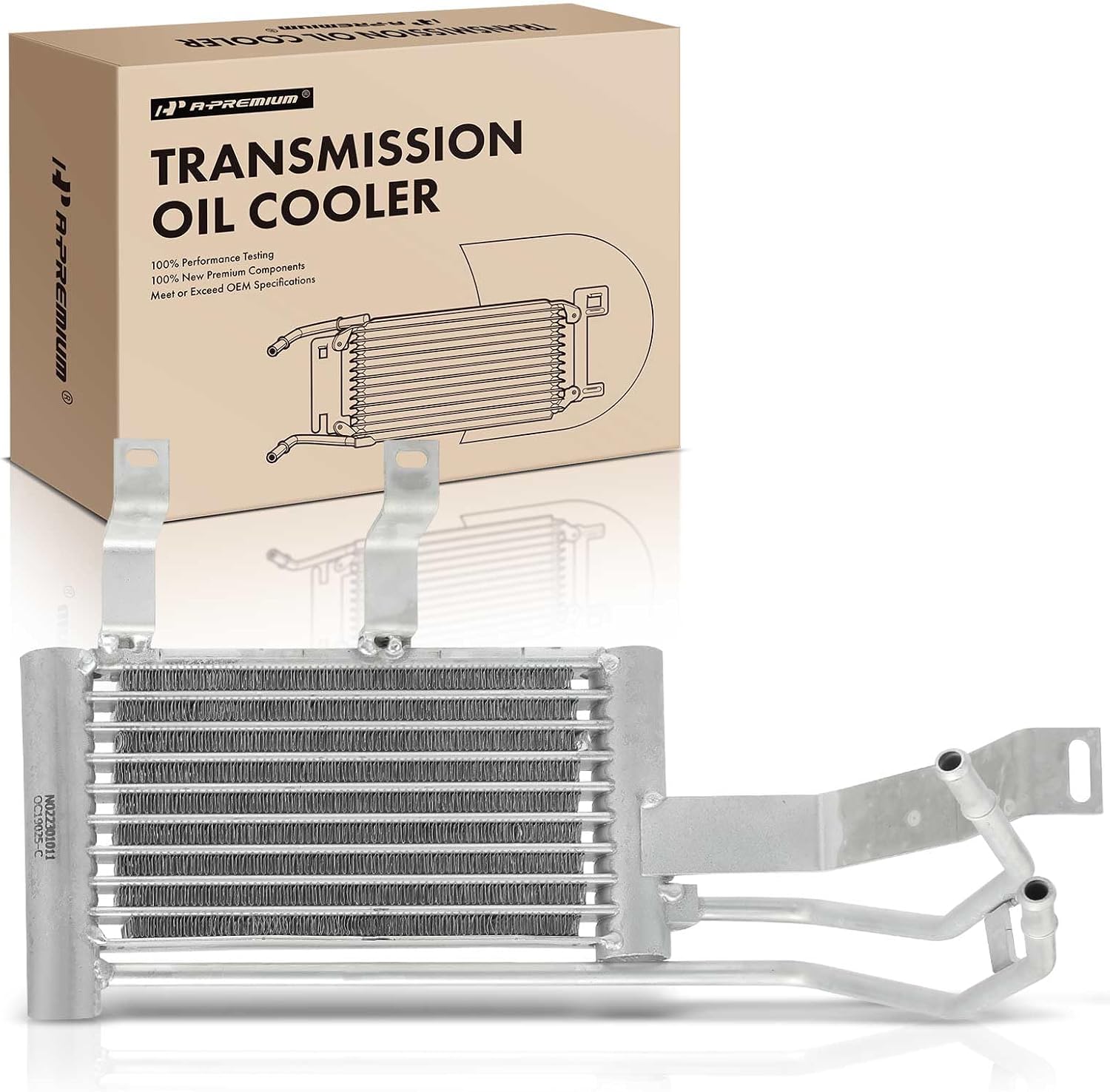
| Compatible Vehicles | Acura RDX 2013-2018 V6 3.5L |
|---|---|
| Material | Aluminum |
| Reference Numbers | 19025, AC4050107, 25500R8B003 |
| Manufacturer Part Number | APOC257 |
This transmission oil cooler is a direct-fit replacement designed for Acura RDX 2013–2018 V6 3.5L SUVs and installs in place of the factory cooler to help reduce transmission oil temperature. Made from aluminum, it connects to the vehicle's transmission cooling lines and circulates oil through its finned core to dissipate heat that otherwise accelerates wear and degrades lubrication. Typical use is a like-for-like replacement during transmission service or when the original cooler is damaged or leaking. Notable features include vehicle-specific reference numbers for fitment and a compact profile that fits the stock mounting area. Practical benefits are improved thermal control under towing, heavy city driving, or hot-weather operation and straightforward swap-in installation for owners wanting a quick repair. Limitations include the absence of supplied gaskets or seals so reuse or separate purchase of fittings may be required and the product carries a one-year warranty which is helpful but short relative to longer-term OEM coverage.
Best for: Convenience-driven owners who want a straightforward, vehicle-specific replacement to restore transmission cooling with minimal troubleshooting or modification.
Less Ideal for: Drivers seeking a heavy-duty aftermarket cooler for frequent towing, track use, or significantly increased cooling capacity should consider purpose-built performance coolers instead.
- Vehicle-specific fit for Acura RDX 2013–2018 V6 3.5L for easier installation
- Aluminum construction for efficient heat dissipation and corrosion resistance
- Compact dimensions that match stock mounting locations for direct replacement
- Does not include gaskets or seals so additional parts may be needed for proper installation
- Warranty is limited to one year of unlimited mileage
Verdict: A direct-fit aluminum transmission oil cooler that restores factory-style cooling for Acura RDX 2013–2018 with minimal fuss.
7. Four Seasons Transmission Cooler Hose 53015 (4.5 ft)

| Material Type | Nitrile, Synthetic |
|---|---|
| Item Length | 4.5 Feet |
| Outside Diameter | 0.34 Inches |
| Included Components | Funnel |
This Four Seasons transmission cooler hose is a 4.5 foot nitrile replacement line designed for use in automatic transmission cooling circuits. It is supplied as a length of black synthetic rubber hose commonly used to route ATF between the transmission and radiator-mounted cooler or an auxiliary cooler. Typical use is cutting to length and attaching with clamps to existing fittings or aftermarket fittings when replacing a leaking or deteriorated line. The nitrile material and nominal wall thickness make it resistant to ATF and heat compared with generic vacuum hose, and the included funnel helps with filling or routing during installation. Several owners report the inner diameter can be snug on some factory fittings, so fitting may require lubrication and some persuasion or choosing a slightly larger hose size if recommended for the specific vehicle. This hose is a straightforward, economical replacement that performs the basic task of carrying transmission fluid to an oil cooler, but correct fitment and careful clamping are needed for a leak-free installation on the Acura RDX cooling connections.
Best for: Risk-averse mainstream owners looking for a straightforward, factory-quality replacement part to restore a leaking or aged transmission oil cooler line on an Acura RDX and who prefer a conservative fix over aftermarket performance upgrades.
Less Ideal for: Do not choose this if you need a vehicle-specific preassembled line with factory-style fittings or if you prefer a plug-and-play OEM-style hose assembly for the Acura RDX.
- Made from nitrile synthetic rubber suitable for ATF exposure
- Supplied as a continuous 4.5 foot length so you can cut to fit in varied routing
- Nominal wall thickness and outside diameter compatible with standard transmission hose clamps
- Includes a funnel to ease filling or routing during installation
- Positive owner feedback on durability and leak repair success
- Inner diameter sizing can be tight on some factory fittings requiring extra effort to install
- Sold as generic hose length so vehicle-specific end fittings are not included
Verdict: A simple, durable nitrile replacement hose length that lets Acura RDX owners restore transmission oil cooling lines without buying a full assembled line.
Choosing the Right Acura RDX Oil Cooler Lines: Key Factors to Consider
Material and Construction
The material of the oil cooler lines directly affects durability and leak resistance. Lines made from braided stainless steel or multi-layer reinforced rubber handle heat cycles and oil exposure better than basic rubber. Robust construction reduces the risk of seepage at bends and under pressure.
Pay attention to the quality of crimps, ferrules, and hose ends because these are common failure points. Reinforced layers and heat-resistant inner liners help prevent swelling and degradation from hot oil. Choosing proven materials lowers the chance of repeated replacements and minimizes maintenance interruptions.
Fitment and Compatibility
Correct fitment is essential for a smooth installation and leak-free performance. Lines must match the Acura RDX's factory routing, bends, and attachment points to avoid undue stress or kinking. Mismatched lengths or connector types can lead to improper sealing and premature failure.
Verify that any replacement line lists explicit compatibility with your vehicle year and engine variant. Where possible, select kits that replicate factory angles and include the correct fittings so you do not have to modify existing mount points or hose clamps.
Connector and Fitting Quality
Fittings are the interface between the oil cooler lines and engine components, so their integrity matters a great deal. Look for corrosion-resistant fittings and precise sealing surfaces that match factory specifications. Poorly machined or soft fittings increase the risk of leaks and loss of oil pressure.
Consider whether the kit includes new seals, O-rings, or crush washers, since reusing worn seals often causes leaks. Durable fittings also simplify future maintenance by allowing secure repeated connections without deformation.
Resistance to Heat and Chemicals
Oil cooler lines operate in a high-heat environment and are exposed to engine oil and road contaminants. Materials and finishes that resist heat-related hardening, cracking, or chemical attack will last longer and maintain a better seal. Heat-resistant liners and outer sheaths protect against radiant engine heat.
Assess whether the product specifies resistance to common automotive fluids and elevated temperatures. Protective sleeving or heat shields can be beneficial in sections that pass close to the engine or exhaust components.
Included Hardware and Installation Ease
Kits that include the necessary clamps, seals, and fittings reduce installation time and the chance of missing components. Clear instructions or labeled parts prevent errors during replace procedures and help ensure a consistent, leak-free result. Availability of replacement hardware can simplify future repairs.
Also consider the complexity of the install. Lines designed with OEM-like routing and connectors typically reduce the need for specialty tools or modifications. For DIY installers, straightforward instructions and included hardware are especially valuable.
Long-Term Serviceability
Think about how easy it will be to inspect, maintain, and replace the lines over time. Designs that allow for visual inspection of the hose condition and accessible fittings make routine checks simpler. Modular fittings and standard clamp types ease repairs without extensive disassembly.
Prioritizing serviceability helps reduce labor time and unexpected downtime. It also makes it more feasible to address minor issues, such as small leaks or clamp tightening, before they escalate into more serious problems.
How We Chose the Best Acura RDX Oil Cooler Lines
We started by defining performance and reliability criteria that matter for Acura RDX oil cooler lines. Key evaluation points included material construction and resistance to heat and oil, OEM-equivalent fitment dimensions and connector compatibility, resistance to corrosion and abrasion, included hardware and sealing components, and clear installation guidance. We prioritized lines that used proven materials such as braided stainless steel or high-grade rubber compounds with reinforced layers for long-term durability. Fitment verification against Acura RDX service specifications was required, including correct hose lengths, bends, and fitting types. We also assessed the presence of replacement kits that include clamps, gaskets, or fittings, and considered the clarity of repair or install instructions for DIY or professional installers. Items that lacked documented fitment data, used ambiguous materials, or had no clear sealing hardware were excluded. The final list focuses on options that balance longevity, leak resistance, and straightforward replaceability for the Acura RDX.
Our full evaluation process is outlined in our review methodology.
FAQ
How do I know if my Acura RDX oil cooler lines are leaking?
Common signs include visible oil around the connection points, oil spots under the vehicle after parking, or a drop in oil level between checks. You might also notice a burn or oil smell if oil contacts hot engine components. A visual inspection of hose connections and fittings is a good first step; small leaks often appear as oil residue or wetness near clamps or fittings.
Can I replace oil cooler lines myself on an Acura RDX?
Many owners with moderate mechanical skills can replace oil cooler lines, provided they have the right tools and follow proper procedures. It requires draining some oil, supporting components for access, and ensuring all fittings and seals are correctly tightened. If you are unsure about routing, torque specs, or sealing surfaces, consider consulting a professional to avoid leaks or damage.
What causes oil cooler line failures on an Acura RDX?
Failures often stem from age-related degradation, exposure to heat cycles, abrasion from nearby components, or corrosion of fittings. Repeated flexing and pressure changes can also weaken hose layers or crimps. External damage from road debris or improper installation that stresses the line are additional common causes.
Should I replace seals and fittings when changing oil cooler lines?
It is usually advisable to replace seals, O-rings, and crush washers during a line replacement. New seals help ensure a proper seal at the fittings and reduce the chance of post-installation leaks. Reusing old seals can compromise the connection even if the new line appears to fit correctly.
How long do engine oil cooler lines typically last?
Lifespan varies with material quality, driving conditions, and exposure to heat and contaminants. Well-made lines with corrosion-resistant fittings often last several years longer than basic rubber hoses. Regular inspections for wear, cracking, and leaks can help you replace them proactively before failure occurs.
What should I check after installing new oil cooler lines?
After installation, verify that all fittings are torqued to specification and that clamps are secure. Refill and check oil level, then run the engine to operating temperature while inspecting for leaks. Re-check fittings and oil level after a short test drive to confirm there are no slow leaks or seepage.
Conclusion
When choosing Acura RDX oil cooler lines, prioritize correct fitment and durable materials that withstand heat and oil exposure. Pay close attention to the quality of fittings and whether necessary seals and hardware are included, since these factors determine leak resistance and long-term reliability. Balance ease of installation and serviceability with material performance. Regular inspections and timely replacement of compromised lines or seals will help protect the engine and maintain the oil cooling system's effectiveness.
Explore More:
- Check out all Acura RDX parts & accessories
- Explore Oil Cooler Lines Maintenance & Repair Guides
- Explore Cooling System
- Browse all Auto Parts
