

Note: This article contains affiliate links. If you click on these links and make a purchase, I may earn a small commission at no extra cost to you. This helps support my research and content. Read my full affiliate disclosure here.
If you own a 2019-2026 Chevrolet Silverado 1500 and want to cut down on intake carbon buildup, an oil catch can is one of the most effective preventative upgrades you can add. These systems trap oily vapors and condensation from the crankcase ventilation before they reach the intake tract, which helps preserve intake valves, sensors, and turbocharger components when equipped.This guide covers the six shortlisted oil catch cans selected for Silverado 1500 owners, explains the practical benefits and tradeoffs, and outlines what to expect during installation and maintenance. We evaluated each catch can against fitment, filtration efficiency, ease of install, durability, and serviceability so you can pick the right kit for your truck. Read on for the key factors that matter and answers to common owner questions before you install a unit on your Silverado 1500.
Looking for other parts? See all Chevrolet Silverado 1500 parts & accessories.
Top Picks at a Glance
| Best Quality Built to a higher standard if you want something more solid | J&L Oil Separator Co. 3.0 Oil Separator (Driver Side) |  |
| Best Value The sweet spot between price and what you get | RULLINE 350ml Aluminum Baffled Oil Catch Can — Vehicle-Specific Fit |  |
| Best Budget The cheapest option that still gets the job done reliably | FIWARY 350ml Universal Baffled Aluminum Oil Catch Can |  |
| Highest Rated A top-rated pick with lots of positive feedback | Mishimoto Baffled Oil Catch Can Kit for Chevrolet/GMC 1500 5.3L/6.2L (2019+) |  |
| Most Popular A crowd favorite that many people choose with confidence | EVIL ENERGY Baffled Oil Catch Can Kit with Breather Filter (300ml) |  |
| Best Seller A high-volume bestseller chosen again and again | K&N Air Oil Separator (Catch Can) for 2019–2023 Silverado/Tahoe/Suburban/Yukon, 81-0804 |  |
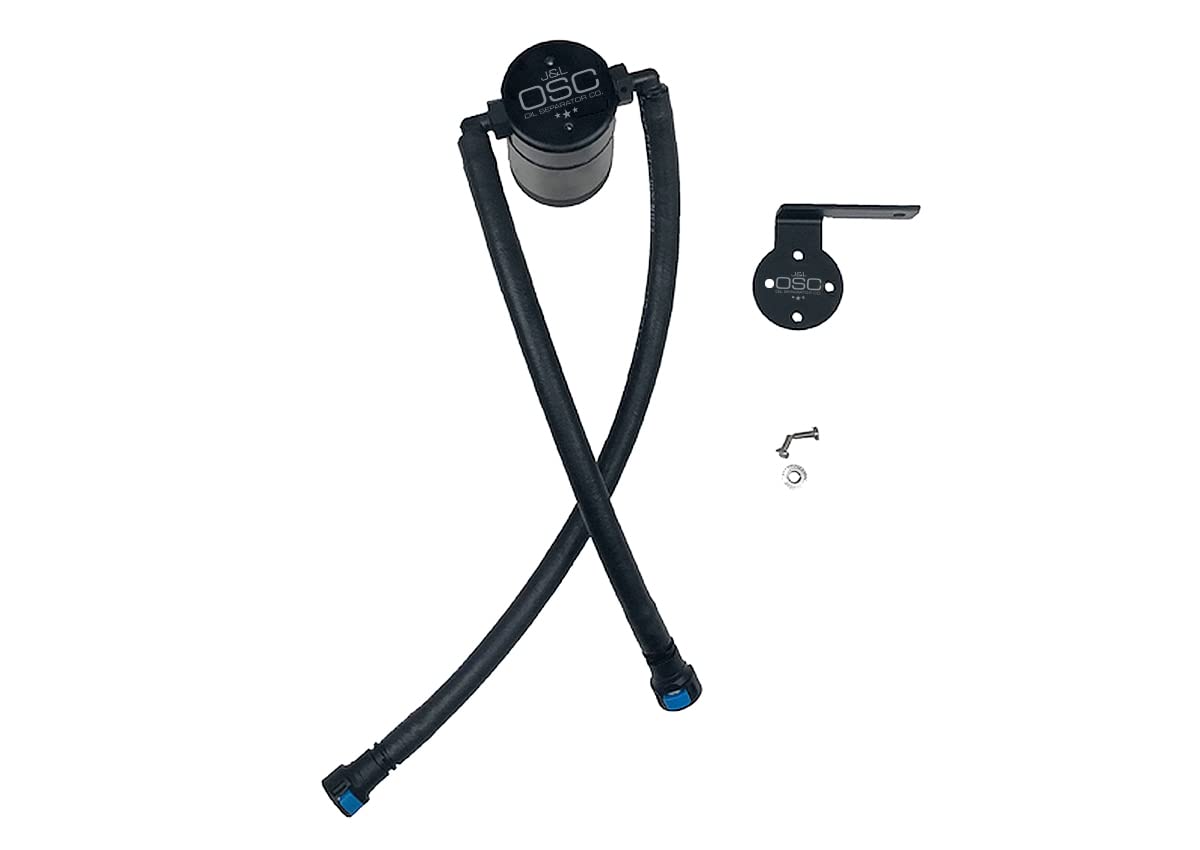
1. J&L Oil Separator Co. 3.0 Oil Separator (Driver Side)
| Compatible vehicles | 2019–2026 Silverado/Sierra 1500 5.3L & 6.2L; 2021–2026 Tahoe/Suburban/Yukon |
|---|---|
| Capacity | 3 oz |
| Material Type | Metal |
| Mounting Type | Plug Mount |
| Upper Temperature Rating | 135 Degrees Celsius |
The J&L 3.0 oil separator is a billet-aluminum catch can built for direct fitment on 2019–2026 Chevrolet Silverado and GMC Sierra 1500 5.3L and 6.2L engines and certain full-size GM SUVs. It installs with factory-style quick-connect PCV fittings and a simple plug-and-play bracket so most owners can fit it with basic hand tools. Internally it uses a metal baffle/screen to condense oil vapors into liquid that drains into the removable 3 oz cup, which you check and empty periodically. The solid metal construction resists cracking in extreme temperatures and looks more durable than plastic alternatives. Important limitations are the small stock capacity and the unit is not CARB exempt, so it is not legal for use in California; some installation notes for the 6.2L vary from the video, so plan for small routing adjustments. For drivers chasing cleaner intake surfaces, reduced valve deposits, and more consistent throttle response, the design and factory-style fittings make this an easy, reliable upgrade.
Best for: Drivers who want a durable, factory-style catch can to keep intake runners and valves cleaner and who prioritize a direct-fit, easy-install solution to improve drivability and long-term engine cleanliness.
Less Ideal for: Drivers in states that require CARB-compliant parts or those who need a large-capacity or multiside system without frequent maintenance.
- Solid billet aluminum construction for higher durability than plastic cans
- Plug-and-play fit with factory-style quick connect PCV fittings for straightforward installation
- Removable 3 oz cup and knurled base make inspection and draining simple
- Designed to reduce oily vapors entering the intake, helping keep intake and valves cleaner
- Only a 3 ounce capacity without extension, requiring regular checks on some engines
Verdict: Choose this J&L 3.0 oil separator if you want a robust, plug-and-play billet catch can that keeps intake systems cleaner and installs like a factory replacement.
2. RULLINE 350ml Aluminum Baffled Oil Catch Can — Vehicle-Specific Fit

| Capacity | 350000 microliters |
|---|---|
| Material Type | Aluminum |
| Fit Type | Vehicle Specific |
| Fuel Type | Gasoline |
This RULLINE catch can installs in the driver-side bay for compatible 5.3L and 6.2L gasoline trucks and SUVs and is intended to trap oil and moisture from the PCV/CCV stream before it reaches the intake. Its 350ml baffled reservoir and dipstick make it easy to monitor and empty, and the all-aluminum, fully TIG-welded body promises corrosion resistance and durable service under the hood. Fittings use O-ring gaskets to reduce leak risk and the can works as a sealed collection tank rather than an open breather. Expect routine use to be simple: mount the can, connect the PCV lines, and check the level periodically. Be aware the unit is vehicle-specific and some customers report fitment tightness near coolant or filler components and occasional need for adapter fittings or different hose than supplied. Installation may take a little extra time if you need to source a small elbow or change hose routing to avoid interference.
Best for: Buyers who want a durable, factory-quality catch can that keeps intake passages cleaner and are willing to spend a little extra time on a precise, vehicle-specific installation.
Less Ideal for: Drivers who prefer a completely plug-and-play universal kit with guaranteed clearance in every underhood layout or who do not want to source any additional fittings or hoses.
- Vehicle-specific fit for 5.3L and 6.2L gasoline trucks and SUVs
- 350ml baffled reservoir with dipstick for easy monitoring and draining
- All-aluminum, fully TIG-welded construction resists corrosion and adds durability
- O-ring sealed fittings reduce chance of oil leaks and allow sealed operation
- Some models report tight fitment around underhood components and may require rerouting or small fittings to install properly
Verdict: A rugged, vehicle-specific 350ml aluminum catch can that reliably traps PCV oil and moisture for Silverado/Sierra 5.3L and 6.2L applications while offering easy level checks via dipstick.
3. FIWARY 350ml Universal Baffled Aluminum Oil Catch Can

| Capacity | 350 ml |
|---|---|
| Material Type | Aluminum |
| Fit Type | Universal |
| Fuel Type | Gasoline, Diesel, LPG |
This FIWARY oil catch can is a compact, baffled aluminum separator intended to intercept oil and blow-by vapors before they re-enter the intake. It installs in the PCV/vent line and is typically used on vehicles to reduce carbon buildup and keep intake passages cleaner between major services. The 350ml capacity is large enough for routine street driving, and the reinforced hoses and aluminum body promise durability compared with thin plastic alternatives. Its universal fit and advertised compatibility with 2019 to 2022 Silverado/Sierra 1500 5.3L and 6.2L models make installation straightforward for common driver-side locations, though final fit may require routing or mounting adjustments. The unit is simple to service since the canister is removable for draining and cleaning, but the product is a universal aftermarket part rather than a vehicle-specific factory replacement so expect to spend time checking clearances and hose lengths during install. Overall it offers a budget-friendly way to help reduce oil contamination in the intake on daily-driven Silverados.
Best for: Buyers looking for an affordable, durable catch can to reduce intake oil and carbon buildup on daily-driven Silverado 1500s who prioritize a practical maintenance upgrade over a factory-specific part.
Less Ideal for: Those seeking a factory-matched, bolt-in replacement with guaranteed fitment or buyers who do not want to perform any minor installation modifications.
- Aluminum construction for better durability and heat resistance than plastic cans
- 350 ml baffled reservoir captures oil vapors and allows draining without removal
- Reinforced hoses reduce risk of cracking or leaks compared with generic hose
- Universal fit with advertised direct driver-side placement for common Silverado 1500 engines
- Universal design may require trimming, additional brackets, or hose routing to fit perfectly
- Not a vehicle-specific factory-quality replacement so fit and finish can vary
Verdict: A budget-friendly, aluminum 350ml baffled catch can that provides a practical way to reduce oil vapor re-entry for Silverado 1500 drivers willing to do minor fitment work.
4. Mishimoto Baffled Oil Catch Can Kit for Chevrolet/GMC 1500 5.3L/6.2L (2019+)

| Fitment | 2019+ Chevrolet/GMC 1500 5.3L/6.2L |
|---|---|
| Included components | Baffled Oil Catch Can Kit |
| Model Number | MMBCC-T1-19 |
| Warranty | Mishimoto Lifetime Warranty |
This Mishimoto catch can kit is a direct-fit solution for 2019+ Chevrolet/GMC 1500 trucks with the 5.3L or 6.2L V8, built to trap oil, fuel, and water vapors before they reach the intake. It bolts in with factory-style mounting hardware and installs in under an hour, making it an easy add-on during scheduled maintenance. Inside the can, baffles and air turbulators separate liquids from crankcase gases and a sintered bronze filter captures fine carbon particles so cleaner air returns to the intake. The result is reduced valve and intake contamination, less oil dilution, and preserved combustion quality over time. The can is serviceable and drains when you change oil, so upkeep is straightforward. On the downside the aluminum can requires careful tightening during reassembly to avoid cross-threading or difficult removal, and it adds another maintenance checkpoint. For owners prioritizing long-term engine reliability this kit provides a practical preventive measure against intake carbon and oil-related wear.
Best for: Owners who prioritize long-term engine reliability and want a preventive, vehicle-specific solution to reduce intake valve and oil contamination without complex installation.
Less Ideal for: Drivers who want a completely maintenance-free setup or who rarely perform routine service may prefer solutions that do not require periodic draining or inspection.
- Direct-fit design for 2019+ Chevrolet/GMC 1500 5.3L and 6.2L V8 engines simplifies installation
- Internal baffles and turbulators separate oil, fuel, and water for effective capture
- Sintered bronze filter removes fine carbon particles before air returns to intake
- Serviceable can that drains during oil changes for low-effort maintenance
- Backed by Mishimoto lifetime warranty
- Requires periodic draining and inspection, adding another routine maintenance task
- Can be tricky to reattach if over-tightened, risking difficult removal
Verdict: A reliable, vehicle-specific catch can that prevents intake contamination and protects engine longevity with straightforward installation and serviceability.
5. EVIL ENERGY Baffled Oil Catch Can Kit with Breather Filter (300ml)

| Capacity | 300 Milliliters |
|---|---|
| Fit Type | Universal |
| Fuel Type | Gasoline |
| Manufacturer | Speedwow Tuning |
This EVIL ENERGY kit is a compact baffled oil catch can designed to separate oil and moisture from crankcase ventilation before it reaches the intake. It installs inline between PCV hoses or as a vent with the included breather filter, and the kit comes with hose, fittings, dipstick, and stainless steel wool for internal baffling. For everyday use on a Silverado 1500, it gives a simple way to limit intake-valve gunk and oil buildup, especially on higher-mileage or forced-induction trucks prone to blow-by. The aluminum can and included hoses look well made and many users report easy installation using the supplied bracket, though some buyers needed longer hose or replaced the supplied clamps. Expect regular draining in cold-weather use where condensation collects, and confirm fitment and routing in the Silverado engine bay before purchasing since universal kits sometimes require additional hose or different fittings. Overall it is a value-oriented option if you want a compact catch can with a breather choice and basic mounting hardware.
Best for: A cautious Silverado owner who values real-world user feedback and wants an affordable, compact catch can to reduce intake oil contamination without a full custom kit.
Less Ideal for: Drivers who want a vehicle-specific, bolt-in solution with guaranteed fitment or those unwilling to modify hose routing or swap clamps and fittings.
- Baffled aluminum can and stainless steel wool help separate oil and moisture from crankcase vapors.
- Includes breather filter option so it can be used as a vent or inline with PCV hoses.
- Compact 300ml capacity fits tight engine bays and is easy to mount.
- Kit includes dipstick and fittings so basic installation needs are covered.
- Universal hose size may be too short for some engine bays and buyers often need to source longer hose or different clamps.
Verdict: A budget-friendly, compact baffled catch can that gives Silverado owners a practical way to cut intake oil contamination while accepting minor hose or clamp adjustments.
6. K&N Air Oil Separator (Catch Can) for 2019–2023 Silverado/Tahoe/Suburban/Yukon, 81-0804

| Model | 81-0804 |
|---|---|
| Reservoir capacity | 6 oz. |
| Fitment years listed | 2019-2023 |
| Exterior | Machined |
The K&N Air Oil Separator is a purpose-built catch can that replaces the factory PCV line to trap oil and condensate before it reaches the intake. It mounts in the engine bay using the supplied bracket and factory-style hose fittings, so installation is a straightforward 30-minute DIY with common hand tools. The unit uses a 6-ounce reservoir that is easy to check and empty without tools and comes with OEM-style hoses and hardware for a tidy, factory-looking installation. In use it reduces oil accumulation in the intake tract and can help prevent power loss and detonation related to blowby, which is especially useful on higher-mileage or boosted engines. The machined exterior and included fittings give it durable, long-lasting feel. Note that it is vehicle-specific and not CARB-legal for sale in California on pollution-controlled vehicles, and you should follow the fitment guidance so routing and venting remain correct for your engine calibration.
Best for: Buyers who prioritize protecting engine internals and preserving performance with a near-factory installation that is simple to fit and maintain.
Less Ideal for: Drivers who need California-compliant parts or those seeking a universal or multi-vehicle catch can that fits many different engines without vehicle-specific routing guidance.
- Vehicle-specific design with factory-style hose connections for straightforward installation
- High-capacity 6-ounce reservoir that is tool-free to check and empty
- Includes mounting bracket, hoses, fittings, and hardware for a complete kit
- Machined exterior and robust components for durable, long-term use
- Not legal for sale or use in California on pollution-controlled motor vehicles
Verdict: A ready-to-install, vehicle-specific catch can that gives risk-averse owners a durable, OEM-style way to keep oil out of the intake and protect engine performance.
Choosing the Right 2019-2026 Chevrolet Silverado 1500 Oil Catch Can: Key Factors to Consider
Fitment and Engine Compatibility
Correct fitment is essential because the 2019-2026 Chevrolet Silverado 1500 engine bay has limited space and specific PCV and intake hose routing. A catch can that uses factory connection points or well-designed adapter hoses reduces the need for trimming or rerouting lines and minimizes interference with other components like vacuum lines, emission fittings, and under-hood sensors.
Choosing a catch can designed or proven for the Silverado 1500 helps ensure the mounting brackets align with available factory holes or common aftermarket mounting locations. Poorly fitting cans can lead to stressed hoses, chafing, or routing that alters crankcase ventilation behavior. For turbocharged or higher-output Silverado engines, confirm the can handles the higher blow-by volumes common to those setups.
Separation Efficiency and Filter Media
Separation efficiency determines how much oil and moisture the catch can removes from the crankcase vapors before they reach the intake. Effective designs combine internal baffles, coalescing media, or multi-stage chambers to condense and capture droplets. The better the separation, the less oily residue will coat the intake tract, throttle body, and valves, which preserves sensor performance and combustion consistency over time.
Look for units with clear descriptions of their internal filtration approach and expected capture performance. High-efficiency media may require more frequent inspection if it restricts flow, so balance separation capability with serviceability for Silverado 1500 duty cycles and driving habits.
Capacity and Drain Method
Catch can capacity impacts how often you will need to service the unit. A larger reservoir allows longer intervals between drains, which is helpful for Silverado owners who drive long distances or operate in heavy-duty conditions. However, capacity must be balanced with fitment constraints under the hood.
Drain methods vary from threaded plug drains to quick-release petcocks or removable bowls. Threaded drains are simple and leak-resistant when tightened, while quick-drain valves speed routine maintenance. Consider whether you want to inspect the contents frequently; a clear sight window or transparent bowl can simplify monitoring without disassembly.
Materials, Corrosion Resistance, and Build Quality
Materials and construction quality affect long-term performance in varying climates and road conditions. Aluminum or stainless steel bodies resist corrosion better than untreated steel and usually withstand vibration and heat from engine bays. Anodized finishes and durable seals will extend the life of the catch can and prevent leaks.
Pay attention to hose connection fittings, clamps, and bracket strength. Lightweight materials are acceptable, but components must resist flexing and do not loosen with repeated engine cycles. Robust build quality reduces the chance of oil seepage, loose fittings, or rapid wear when installed on a working Silverado 1500.
Installation Complexity and Tools Required
Installation time and required tools are practical concerns. Some kits offer vehicle-specific brackets and pre-bent hoses that reduce installation time to about an hour, while universal kits may require measuring, cutting hoses, and fabricating mounts. Consider whether you will install the can yourself or have a technician do the work.
Clear instructions, labeled hoses, and included mounting hardware lower the risk of incorrect installation. Also evaluate whether the kit requires temporary removal of intake components or other parts that complicate the process. For owners who prefer minimal downtime, prioritize kits that are explicitly compatible with Silverado 1500 under-hood layouts.
Maintenance Accessibility and Service Frequency
Routine maintenance affects the real ownership cost and willingness to keep the system functioning. A catch can that is easy to access for draining and cleaning encourages regular service and better long-term results. Location matters — a can tucked behind other components may be secure but hard to service.
Factor in expected service intervals based on engine condition and driving style. Trucks with heavier towing, diesel or high-mileage gasoline engines, or performance modifications may accumulate more oil in the can and require more frequent checks. Consider whether the kit includes features such as sight windows, quick drains, or removable internal components to streamline cleaning.
Why Silverado 1500 Owners Add an Oil Catch Can
Owners install oil catch cans to intercept blow-by vapors before they deposit oil and carbon in the intake tract. For the Silverado 1500, this can be particularly valuable if the truck sees towing, frequent heavy loads, or extended highway idling, all of which can increase crankcase pressure and the volume of oil-laden vapors recirculated into the intake.
By removing oil and moisture from the PCV flow, catch cans reduce the rate at which intake valves and throttle bodies foul. This preserves engine efficiency and reduces the need for more invasive services to clean intake components.
- Helps reduce intake valve and throttle buildup
- Can protect turbocharger components on turbocharged variants
- Lowers frequency of intake cleaning and sensor fouling
PCV System Basics and How a Catch Can Integrates
The Silverado 1500 uses a positive crankcase ventilation system to route crankcase vapors back into the intake for combustion. A catch can sits in-line with those PCV hoses to capture oil droplets and condensate while letting mostly dry gases continue to the intake.
Proper integration preserves required vacuum signals and ensures there are no restrictions that would affect crankcase ventilation. Successful installations keep factory routing behavior while adding the separation stage between the crankcase outlet and intake inlet.
- Installed in series with factory PCV hoses
- Must preserve vacuum balance to avoid pressure changes
- Requires secure, leak-free hose connections
Installation Tips for the 2019-2026 Silverado 1500
Plan the mounting location before starting: choose an accessible spot that keeps hoses away from hot exhaust components and sharp edges. Use included brackets or factory mounting points where possible to reduce vibration and movement.
When routing hoses, avoid tight bends and kinks. Use supplied clamps and double-check all connections under light engine vacuum and during a short test drive. Confirm there are no leaks and that the hoses remain clear of moving parts.
- Select an accessible mounting location away from heat
- Use proper clamps and avoid hose kinks
- Test for leaks and secure all brackets before finishing
What to Expect From Catch Can Maintenance
Maintenance typically involves periodic draining and inspection of the captured oil. Frequency depends on engine condition and usage; trucks used for towing or heavy loads may require more frequent attention. Inspect the can every oil change interval at minimum.
Cleaning internal baffles and replacing any serviceable media keeps separation performance consistent. Use simple hand tools for drains and cleanings, and verify seals and fittings are intact after service to prevent leaks.
- Inspect at least every oil change or more often for heavy-duty use
- Drain or clean the can when liquid accumulation approaches recommended limits
- Check seals and hose connections after each service
Common Mistakes to Avoid During Fitment
Do not place the catch can where it will be subject to direct road spray or where a loose connection could drip onto electrical components. A secure, shielded location reduces corrosion and keeps the assembly reliable.
Avoid overly long or restrictive hose runs. Excessive hose length increases the chance of sagging and contamination, while too-small diameter hoses can alter crankcase ventilation and produce unintended pressure changes.
- Avoid mounting near high heat or direct spray
- Do not use undersized hoses or overly long runs
- Ensure brackets isolate vibration and do not stress fittings
When a Catch Can Is Most Beneficial on the Silverado 1500
Catch cans offer the greatest value for Silverado 1500 owners who frequently tow, haul heavy payloads, run long idling periods, or operate in dusty conditions. These usage patterns increase blow-by and the amount of oil vapor that would otherwise enter the intake.
They are also useful on turbocharged variants where oil in the intake can accelerate turbine fouling and reduce longevity. For daily drivers with gentle commuting patterns, benefits still exist but service intervals may be infrequent.
- High-value for trucks used in towing and heavy loads
- Recommended for turbocharged engines to protect the turbo
- Helpful for high-mileage engines showing increased blow-by
Still looking for the perfect fit?
Select your Chevrolet Silverado 1500 configuration to see the most relevant Oil Catch Cans recommendations
How We Chose the Best 2019-2026 Chevrolet Silverado 1500 Oil Catch Can
We selected the six oil catch cans based on criteria that matter for 2019-2026 Chevrolet Silverado 1500 owners and their common powertrain setups. Primary evaluation points included exact fit and hose routing compatibility with Silverado 1500 engine bays, filtration and separation efficiency to limit oil vapor passage into the intake, and the catch can's capacity and drain method for realistic service intervals.Durability and materials were reviewed with emphasis on corrosion resistance and vibration tolerance for truck use. Ease of installation and clarity of instructions were weighted heavily because many owners perform the fitment themselves or with modest shop time. Serviceability was another core filter, including how easy it is to access, clean, and drain the can during regular maintenance.We excluded universal, one-size-fits-all units without documented routing or fitment guidance for the Silverado 1500, and we did not consider kits that require extensive engine modification beyond common bolt-on hoses and brackets. The final choices balance proper fit, efficient separation, straightforward installation, and long-term reliability for Silverado 1500 applications.
Our full evaluation process is outlined in our review methodology.
FAQ
How often should I drain the catch can on my Silverado 1500?
Drain frequency depends on driving conditions and engine health. Many owners check the can at every oil change, but trucks used for towing or heavy loads may require checks and drains every few thousand miles. Inspect the reservoir visually and drain when liquid reaches the recommended level.
Will installing a catch can affect engine vacuum or cause issues with the PCV system?
A properly designed and installed catch can preserves the PCV flow and vacuum balance. Problems arise when hoses are undersized or routing creates restrictions. Use the recommended hose diameters and keep runs short and free of kinks to avoid affecting ventilation.
Can an oil catch can help on turbocharged Silverado 1500 engines?
Yes. On turbocharged variants, an oil catch can reduce the amount of oil that reaches the compressor and turbine, which helps limit build-up and preserves turbo efficiency. It does not eliminate the need for regular service but can extend component life.
Is it difficult to install an oil catch can on the 2019-2026 Silverado 1500?
Difficulty varies by kit. Vehicle-specific kits with brackets and pre-formed hoses can be installed with basic hand tools in an hour or two. Universal kits that require custom routing or fabrication are more complex. Follow instructions carefully and verify all connections.
What should I look for in catch can maintenance?
Regularly check for accumulated liquid, inspect seals and hose fittings for leaks, and clean internal baffles if serviceable. Ensure drains operate correctly and re-torque any mounting hardware. Keeping the can accessible will make routine maintenance quicker.
Will a catch can void any vehicle warranties?
Warranty effects can vary. Installing a catch can is a modification, and warranty impacts depend on local laws and the specifics of warranty coverage. Keep installation reversible and document that the system does not alter emissions hardware to reduce potential disputes.
Final Verdict
For the 2019-2026 Chevrolet Silverado 1500, choose a catch can that balances fitment and separation efficiency with easy maintenance. Prioritize units that provide reliable mounting options, durable materials, and a practical drain method to match your driving habits.Weigh the tradeoffs between capture efficiency and service frequency: higher-efficiency media may require more hands-on maintenance while larger reservoirs reduce how often you drain. Focus on compatibility with the Silverado 1500 engine bay and your typical usage to select a solution that protects intake components and reduces long-term maintenance needs.
Explore More:
- Check out all Chevrolet Silverado 1500 parts & accessories
- Explore Oil Catch Cans Maintenance & Repair Guides
- Explore Engine
- Browse all Auto Parts
