

Note: This article contains affiliate links. If you click on these links and make a purchase, I may earn a small commission at no extra cost to you. This helps support my research and content. Read my full affiliate disclosure here.
If you own a 2018-present Jeep Wrangler and want to keep the intake tract and turbocharger running cleaner, an oil catch can is a practical upgrade. These devices trap oil vapors and blow-by before they can condense in the intake, which reduces carbon build-up, preserves compressor wheel health on turbo models, and helps the PCV system breathe more reliably. This guide covers our shortlisted options for the JL and JLU generations of the Wrangler, explains why each made the list, and walks through the key factors you should weigh. We evaluate fitment, filtration method, and ease of installation so you can pick the best solution for daily driving or light off-road use. Read on for installation notes and maintenance tips before the product summaries.
Looking for other parts? See all Jeep Wrangler parts & accessories.
Top Picks at a Glance
| Best Overall The best all-around choice for most situations | J&L Oil Separator 3.0 for 2018–2025 Wrangler JL 2.0L Driver Side |  |
| Best Quality Built to a higher standard if you want something more solid | Mishimoto Baffled Oil Catch Can Kit for 2018+ Jeep Wrangler JL 2.0L |  |
| Best Budget The cheapest option that still gets the job done reliably | EVIL ENERGY 300ml Baffled Oil Catch Can with NBR Hose Kit |  |
| Highest Rated A top-rated pick with lots of positive feedback | J&L 3.0 Oil Separator for 3.6L Wrangler JL and Gladiator (Driver Side) |  |
| Best Seller A high-volume bestseller chosen again and again | EVIL ENERGY 300ml Baffled Oil Catch Can with Breather Filter and 5 ft NBR Hose Kit |  |
1. J&L Oil Separator 3.0 for 2018–2025 Wrangler JL 2.0L Driver Side
| Brand | J&L |
|---|---|
| Model | Oil Separators |
| Item model number | 3070D-B |
| Exterior | Machined |
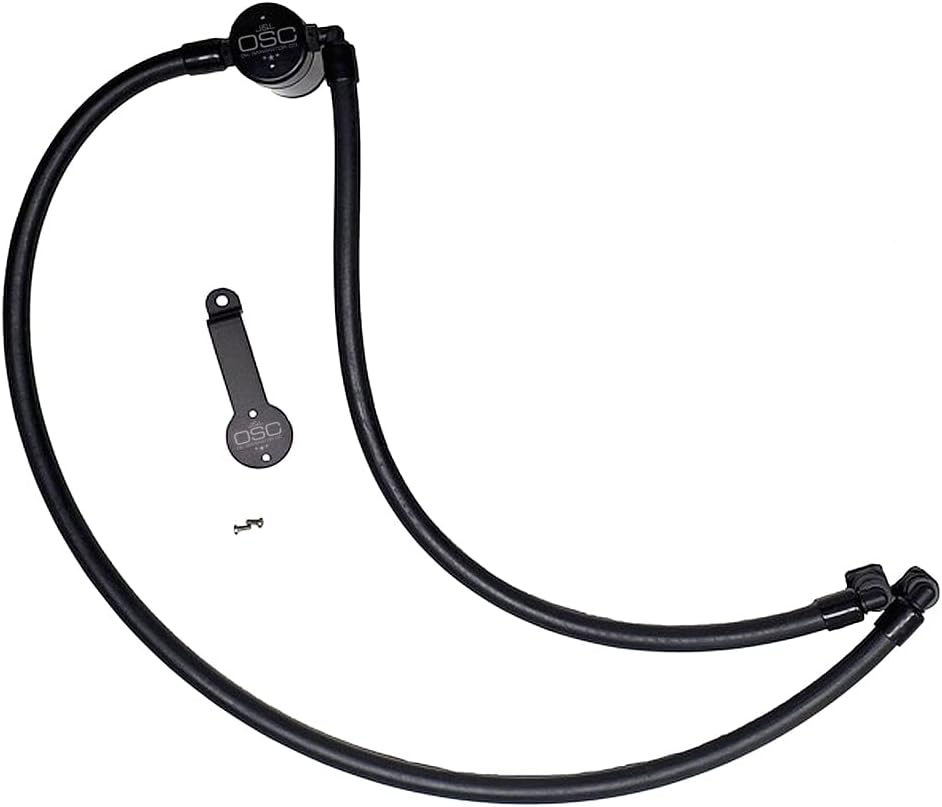
This J&L oil separator installs on the PCV (driver) side of 2.0L JL Wranglers to trap oil and vapor before they reach intake components. It uses a fine stainless mesh filter and a knurled, serviceable reservoir that holds roughly 3 ounces, with an optional extension to increase drain interval. Installation is straightforward for mechanically comfortable owners and it can use factory hoses for a clean, factory-like install; J&L also provides brackets and hardware on many kits. In daily driving and highway cruising where engine RPMs stay under about 2,000, this catch can captures noticeable oil condensate and reduces valve and intake deposits. Practical limitations include the small reservoir that requires periodic checking and potential fitment interference with some JL factory-installed relay boxes, which may need minor bracket or hose adjustments. The can is simple to service but is most effective on the PCV side and may not capture blow-by routed through the CCV at high RPM or sustained boost conditions.
Best for: Buyers who want a practical, factory-style oil separator to reduce valve and intake deposits during regular daily driving and highway use while keeping installation and maintenance straightforward.
Less Ideal for: Drivers who frequently operate the 2.0L Wrangler at high RPMs or under sustained boost and need CCV-side filtration or a larger-capacity system for heavy track or towing use.
- Designed for 2018–2025 JL 2.0L application for direct fit intent
- Serviceable stainless mesh filter that traps fine oil vapor
- Removable knurled reservoir and optional extension for easier draining
- Uses existing hoses or supplied hardware for a neat, factory-style install
- Small reservoir capacity requires regular inspection and more frequent draining
Verdict: A compact, serviceable catch can engineered for daily-driven 2.0L JL Wranglers that reduces intake oil contamination with a near-factory fit and finish.
2. Mishimoto Baffled Oil Catch Can Kit for 2018+ Jeep Wrangler JL 2.0L

| Compatible with Vehicle Type | 2018+ Jeep Wrangler JL 2.0L |
|---|---|
| Material Type | Aluminum |
| Included Components | Mounting bracket, 7.5 oz catch can, fittings, hoses, clamps |
| Filter | 50-micron bronze filter |
| Fit Type | Vehicle Specific |
This Mishimoto kit installs as a direct-fit catch can for the 2018+ Jeep Wrangler JL 2.0L to capture oil, fuel, and water vapor before they enter the intake. The 7.5 oz anodized 6061 aluminum can is baffled and uses an internal air diverter plus a 50-micron bronze filter to condense and separate contaminants; serviceable internals and included mounting bracket, hoses, fittings, and clamps make maintenance straightforward. In practice it reduces the oil-rich blow-by that causes carbon buildup on intake valves in direct-injected engines and lets you drain or recycle the collected fluid at oil changes. Installation is user-friendly and typically takes under an hour, but some buyers report the can collects little on certain 2.0L setups and a few have seen intermittent PCV codes that may require minor tweaks. The kit carries Mishimoto lifetime coverage and is built to a high standard, but results will vary by driving pattern and engine condition, so expect the biggest benefits on engines that produce measurable blow-by.
Best for: Drivers focused on protecting a direct-injected 2.0L Jeep JL from intake valve contamination and willing to perform periodic checks and maintenance to prevent carbon buildup.
Less Ideal for: Those who prefer a zero-maintenance solution or whose driving habits produce negligible blow-by may not see measurable benefit from adding a catch can.
- Direct-fit, vehicle-specific design for 2018+ Jeep Wrangler JL 2.0L for straightforward installation
- Baffled, serviceable 7.5 oz aluminum can with 50-micron bronze filter improves oil separation
- Includes application-specific bracket, hoses, fittings, and clamps for a complete kit
- Anodized 6061 aluminum construction and lifetime coverage indicate durable, long-term build quality
- Relatively small 7.5 oz capacity may need frequent checks on heavily driven or high-blow-by engines
- Some users report little to no condensation collected on certain 2.0L engines, so effectiveness can vary
Verdict: A ready-to-install, high-quality baffled catch can that helps prevent intake-valve carbon buildup on 2018+ Jeep Wrangler JL 2.0L engines when you plan to maintain it regularly.
3. EVIL ENERGY 300ml Baffled Oil Catch Can with NBR Hose Kit

| Capacity | 300 Milliliters |
|---|---|
| Hose length | 5 ft |
| Hose ID | 3/8" |
| Port thread | M16*1.5 |
| Fuel Type | Gasoline |
This EVIL ENERGY 300ml baffled catch can is a compact, universal kit aimed at reducing oil and moisture recirculation through the intake. The aluminum can uses a removable baffle plus supplied steel wool to condense and hold oil vapor, and the threaded M16 ports and included NBR hose make it usable in typical PCV or breather configurations. For 2018-plus Jeep Wrangler owners the can's small footprint helps with tight engine bays and the 300ml capacity means less frequent emptying while still being easy to mount. The kit's durable-feeling fittings and clamps report secure seals in real installs, though some users needed extra hose length or different diameter hose to cleanly route to factory PCV locations. It will lower intake gunk and help preserve throttle bodies and valves, especially on higher-mileage or off-road Wranglers that see heavy idling. Note that moisture can accumulate in cold climates, so more frequent checks are advised to avoid freezing or blockages, and a second unit may be required for multi-bank engines or split plumbing layouts.
Best for: Wrangler owners looking for an affordable, well-built catch can to reduce intake contamination and extend engine cleanliness without spending on premium kits.
Less Ideal for: Drivers who need a model-specific plug-and-play solution with exact factory-fit hoses and brackets or anyone unwilling to modify routing or buy extra hose for a neat install.
- Baffled internal design with steel wool to effectively trap oil and moisture
- Solid aluminum construction and threaded M16*1.5 fittings for a secure seal
- Compact 300ml capacity fits tight engine bays and reduces service frequency
- Includes 5 ft of heat- and wear-resistant NBR hose and basic hardware for installation
- Included hose diameter and length may not match factory PCV routing on some vehicles, requiring additional hose or adapters
- Small O-rings and some bracket components can be fiddly during installation
Verdict: A budget-friendly, compact baffled catch can that delivers solid oil separation and install flexibility for 2018-plus Jeep Wranglers when you want effective protection without a high-end price.
4. J&L 3.0 Oil Separator for 3.6L Wrangler JL and Gladiator (Driver Side)

| Fitment | 2018-2026 Wrangler JL 3.6L; 2020-2026 Gladiator 3.6L |
|---|---|
| Capacity | 3 oz |
| Construction | Billet aluminum |
| PCV fittings | OEM-style quick connect |
This J&L 3.0 oil separator is a vehicle-specific catch can built to replace the factory PCV routing on 3.6L Wrangler JL and Gladiator engines. Milled from solid billet aluminum, it installs using OEM-style quick-connect PCV fittings and a provided bracket, so installation is typically a 10 to 20 minute plug-and-play job. The separator’s internal filter media collects fine oil vapors and drains into a knurled, O-ring sealed 3 oz reservoir that you remove to empty. In use it noticeably reduces oil contamination reaching the intake and exhaust, which can help keep sensors and the intake tract cleaner over time. The main practical downsides are the modest 3 oz capacity, which means more frequent emptying on high-mileage or hard-driven vehicles, and the threaded reservoir in tight engine bays can be awkward to remove for draining. Fitment is limited to the driver side for specified model years so choose the correct mounting location during purchase.
Best for: Buyers who prioritize long-term engine reliability and want a robust, vehicle-matched separator that installs like a factory part to reduce oil contamination of the intake and exhaust systems.
Less Ideal for: If you prefer a maintenance-free, high-capacity solution or need remote drain capability, this compact 3 oz unit may require too much hands-on service for your tastes.
- Vehicle-specific fit and OEM-style quick connect PCV fittings for near-factory installation
- Solid billet-aluminum construction for durability and a professional appearance
- Knurled, removable reservoir with O-ring seal to contain and drain collected oil
- Internal filter design that captures fine vapors before they reach the intake
- Small 3 oz reservoir requires frequent emptying under heavy use and can be awkward to remove in tight spaces
Verdict: Choose this J&L 3.0 separator if you want a durable, plug-and-play, vehicle-specific catch can that helps keep a 3.6L Wrangler JL or Gladiator intake and sensors cleaner for long-term reliability.
5. EVIL ENERGY 300ml Baffled Oil Catch Can with Breather Filter and 5 ft NBR Hose Kit

| Capacity | 300ML |
|---|---|
| Hose length | 5 ft (1.5 m) |
| Hose ID | 3/8" |
| Thread size | M16×1.5 |
This EVIL ENERGY catch can is a compact, billet-style 300ml unit that separates oil and water vapor from crankcase ventilation before they reach the intake. It can be installed with the breather filter as an open vent on pre-PCV setups or used inline between PCV hoses as a sealed catch can. The removable baffle and included stainless steel wool allow you to increase internal baffling for better oil trapping, and the kit ships with a 5 ft NBR hose that resists heat and wear. For a Wrangler owner looking to reduce intake valve and intake-port gunk this model is easy to fit into tight engine bays and comes with mounting hardware and O-ring seals. Common caveats are the small 300ml capacity that will require regular draining on high-blow-by engines and some reviewers reported inconsistent accessory quality such as weak hose clamps or occasional missing parts, so inspect the kit on arrival and plan for an extra length of hose on certain Wrangler routing. Cleaning frequency can also increase in cold climates due to moisture accumulation.
Best for: Jeep Wrangler owners who prioritize reducing intake carbon and keeping the intake tract cleaner without major modification and who prefer a simple, compact, user-serviceable catch can solution.
Less Ideal for: Drivers planning heavy-duty, high-blow-by builds or who want a large-capacity or vehicle-specific, bolt-on solution should consider larger or Wrangler-specific kits designed for less frequent maintenance.
- Baffled, removable internals and stainless wool improve oil separation.
- Includes heat- and wear-resistant 5 ft NBR hose with 3/8" ID for straightforward routing.
- Compact 300ml size fits tight engine bays and includes mounting bracket and O-rings.
- Option to use with or without breather filter to match PCV or pre-PCV setups.
- Relatively small 300ml capacity means more frequent emptying under heavy use.
- Some buyers report low-quality hose clamps and occasional missing small parts in the kit.
Verdict: A compact, affordable baffled catch can that fits tight engine bays and gives Wrangler owners a practical way to cut intake oil contamination when they are willing to maintain it regularly.
Choosing the Right 2018-Present Jeep Wrangler Oil Catch Can: Key Factors to Consider
Fitment and Mounting
Fitment is the first practical constraint for the 2018-present Jeep Wrangler because available engine bay space and accessory bracket locations differ between the JL and JLU generations. A catch can that claims universal fit may require relocating hoses, trimming heat shields, or fabricating brackets, which adds time and potential vehicle-specific issues. Look for kits that include generation-specific mounting hardware or offer multiple bracket positions that match the Wrangler's engine bay geometry. Consider clearance to steering linkages, intake tubing, and the battery. If you have a turbocharged variant, check proximity to the turbo and intercooler plumbing so hoses route without kinking or excessive bends.
Filtration and Separation Efficiency
How well a catch can separates oil from crankcase vapors determines its effectiveness in reducing intake deposits. Designs that combine baffling, mesh packing, or coalescing media capture droplets more reliably than a single-chamber unit. For Jeep Wrangler use, higher separation efficiency helps limit carbon buildup on intake manifolds and intercooler cores, particularly in forced-induction engines where oily vapors can foul turbo compressor and turbine components. Evaluate any stated micron or percentage capture figures, and prefer multi-stage designs that create turbulence and surface area for condensation. Keep in mind that increased separation should not come at the cost of excessive restriction to the PCV flow path.
Hose Routing and Compatibility with PCV System
A catch can must interface cleanly with the Wrangler's PCV and intake plumbing. Hose length, diameter, and connection style can affect performance and installation complexity. For JL and JLU models, check whether the kit uses push-fit, barbed, or AN-style fittings and whether adapters are included for factory hose sizes. Proper routing reduces the chance of oil pooling in low points of the hose and prevents vacuum leaks. Avoid tight bends that can hamper condensate drainage back to the can. If you plan to connect to turbo inlet plumbing or an intercooler feed on turbo models, ensure the hose and clamp ratings match the system pressure and heat exposure.
Drain Method and Maintenance Accessibility
Maintenance frequency for a catch can depends on driving style and engine condition, so the drain method matters for long-term ownership. Twist-off or removable-bottle designs simplify emptying but may require tools or a clean workspace to avoid spills. Valve or petcock drains allow quick dumping without removing the canister, which is convenient for routine checks. Consider where the catch can mounts relative to the ground and wheel wells. A can that is hard to reach will be skipped more often, reducing long-term effectiveness. Also evaluate whether the design allows inspection of collected fluids without disconnecting hoses.
Material Durability and Corrosion Resistance
Under-hood environments in Wranglers are exposed to moisture, road salt, and debris from off-road use. Materials that resist corrosion and maintain sealing surfaces over time reduce leaks and maintenance headaches. Aluminum and stainless-steel housings are common because they combine light weight with durability, and durable anodized or powder-coated finishes add extra protection. Check the quality of included fittings, clamps, and brackets. Plastic components can be acceptable when high-temperature and chemical-resistant, but metal hardware tends to last longer under repeated service and exposure.
Airflow Impact and PCV Function
A catch can should not significantly restrict the designed flow of the PCV system. Excessive restriction can change crankcase pressures and negatively affect engine seals, throttle response, or idle stability. For Jeep Wranglers, maintaining correct ventilation is especially important given the variety of engines and potential aftermarket modifications. Look for cans with internal paths sized to maintain free flow or those that explicitly state low-restriction design. Some units include bypass or check-valve behavior for pressure spikes, which can protect against over-pressurization while still capturing condensates during normal operation.
Why Wrangler Owners Add an Oil Catch Can
Wrangler owners add a catch can to reduce the long-term buildup of oil and sludge inside the intake tract and intercooler system. Over time, oily vapors from the crankcase ventilation condense on intake surfaces, which can impede airflow, reduce turbo efficiency on forced-induction engines, and contribute to rough idling or higher EGR carbon levels.
Beyond engine cleanliness, many Jeep owners who use their vehicles off-road or tow find that a catch can helps maintain consistent engine behavior by preventing sticky carbon deposits that are difficult to remove without disassembly.
- Reduces oil contamination of the intake and intercooler
- Helps preserve turbo compressor cleanliness on turbo models
- Can extend time between intake cleanings
Generation Notes: JL and JLU Install Considerations
The 2018-present Wrangler spans multiple generations that owners commonly search for by chassis code. The JL and JLU generation introduced some layout and accessory changes compared with earlier JL and JLU-style arrangements, so pay attention to bracket locations, battery placement, and factory hose routing when planning an install.
If you are moving a kit between JL and JLU vehicles, confirm whether it lists compatible brackets or offers adjustable mounting. Small differences in the engine cover and intake resonator can change where a catch can will fit best.
- Verify bracket positions against your engine bay before purchasing
- Check if the kit lists JL and JLU compatibility or provides universal mounting options
- Plan hose routing to avoid interference with steering and suspension components
Installation Tips for a Clean, Leak-Free Setup
Plan the routing before you cut or disconnect any factory hoses. Lay out hose lengths so the can mounts in an accessible spot and hoses run without sharp bends. Use new clamps sized to the hose and fittings rather than reusing old clamps, and torque them to a snug but not crushing fit.
Label the PCV and intake connections if you are uncertain which is which on your engine. On turbo models, route hoses away from hot exhaust components and consider thermal shielding where needed. After installation, start the engine and check for vacuum leaks and any unusual idle behavior before driving.
- Use generation-specific or adjustable brackets for a secure mount
- Replace clamps and use hose rated for engine bay temperatures
- Check for vacuum leaks and proper PCV operation after install
Routine Maintenance and What to Expect
Catch can service intervals depend on driving habits. Short trips and heavy idling tend to produce more condensate, while spirited driving can generate more blow-by. Inspect the can monthly during the first few months after installation to determine how quickly it fills.
Empty the can before it reaches capacity to avoid overflow back into the intake. Record how much fluid you remove and the interval so you can establish a maintenance schedule. Clean any internal mesh or packing as recommended by the manufacturer to maintain separation efficiency.
- Check fluid level monthly at first, then adjust interval based on accumulation
- Empty before full to prevent reintroduction of oil into the intake
- Clean or replace internal media per manufacturer guidance
Common Installation Mistakes and How to Avoid Them
One common mistake is mounting the catch can where it is inaccessible or too close to moving components. That makes routine draining difficult and increases the chance of damage from off-road debris. Choose a visible, protected location that still allows you to reach drain fittings comfortably.
Another frequent issue is using undersized hoses or poor-quality clamps that can leak or collapse under vacuum. Match hose diameter to the factory PCV lines and use clamps rated for under-hood temperatures. Finally, avoid routing hoses over sharp edges; use protective loom or clips to prevent wear.
- Avoid hard-to-reach mounting points
- Use correct hose diameter and quality clamps
- Protect hoses from chafing and heat exposure
Still looking for the perfect fit?
Select your Jeep Wrangler configuration to see the most relevant Oil Catch Cans recommendations
How We Chose the Best 2018-Present Jeep Wrangler Oil Catch Can
We focused on criteria that matter specifically for the 2018-present Jeep Wrangler lineup, including both naturally aspirated and turbocharged variants where applicable. Primary evaluation factors included fitment and mounting options tailored to the JL and JLU chassis layouts, because tight engine bays and accessory brackets vary by generation. Filtration and separation performance was next, with preference given to catch cans that use multi-stage baffling or coalescing media to maximize oil capture while minimizing airflow restriction. Ease of installation and availability of a vehicle-specific catch can kit were important for owners who want a straightforward bolt-in without custom hoses or brackets. Drain method and maintenance access were evaluated to ensure owners can service the system during routine oil changes without disassembling nearby components. Finally, materials and corrosion resistance were considered since under-hood exposure and off-road moisture are common for Wrangler owners. We excluded universal, generic designs that required extensive modification or did not provide clear mounting solutions for JL and JLU layouts. The resulting picks prioritize practical fit, proven separation approaches, and owner-friendly serviceability.
Our full evaluation process is outlined in our review methodology.
FAQ
How often should I drain a catch can on a Jeep Wrangler?
Frequency depends on driving style and engine condition. Check the can monthly after installation; many owners find a drain interval between 1,000 and 5,000 miles. Heavy idling or short-trip use will require more frequent drains.
Will adding a catch can affect my Wrangler's PCV system operation?
A properly designed catch can should not interfere with PCV function. Ensure the can has adequate internal flow and is connected with correct hose diameter. Avoid excessive restriction that could alter crankcase pressures.
Can I install a catch can myself on a JL and JLU Wrangler?
Many owners can perform the installation with basic hand tools and a few hours. Vehicle-specific kits with brackets and fittings are easiest. If you are unsure about hose routing or vacuum testing, professional installation avoids mistakes.
Does a catch can help turbocharged Wrangler engines?
Yes. For turbo models, a catch can reduces oily vapors reaching the compressor and intercooler, which helps preserve turbo efficiency and cleanliness. Proper routing and heat protection are especially important near the turbo.
What should I do if the catch can fills very quickly?
Rapid filling can indicate excessive blow-by or oil consumption. Inspect engine health and oil consumption rates, and ensure hoses are routed correctly without low spots where fluid can collect. Consult a mechanic if large volumes of oil accumulate quickly.
Final Verdict
For 2018-present Jeep Wrangler owners, the right oil catch can balances effective oil separation with straightforward fitment and easy servicing. Prioritize kits that provide generation-appropriate mounting options for the JL and JLU layout, multi-stage separation to limit intake deposits, and an accessible drain system you will actually maintain. Weigh the tradeoffs between maximum capture efficiency and potential flow restriction, and choose a solution that preserves PCV operation while matching your driving style. With a correctly sized and installed catch can, you can reduce intake contamination and help maintain engine and turbo performance over time.
Explore More:
- Check out all Jeep Wrangler parts & accessories
- Explore Oil Catch Cans Maintenance & Repair Guides
- Explore Engine
- Browse all Auto Parts
