

Note: This article contains affiliate links. If you click on these links and make a purchase, I may earn a small commission at no extra cost to you. This helps support my research and content. Read my full affiliate disclosure here.
If your Nissan Versa is showing rough idle, stalling, or reduced fuel economy, the mass air flow sensor is a common component to check. Choosing the right Nissan Versa mass air flow sensor matters because a correct unit restores accurate airflow measurement, which affects fuel delivery, emissions, and throttle response. This guide covers the top shortlisted options specifically for the Versa and explains the features and specs that matter for fitment, reliability, and diagnostics. Read on to see which sensors made our list and why they were selected.
Looking for other parts? See all Nissan Versa parts & accessories.
Top Picks at a Glance
| Best overall The best all-around choice for most situations | Hitachi MAF0031 Mass Air Flow Sensor |  |
| Best quality Built to a higher standard if you want something more solid | DOSKJOK Mass Air Flow Sensor (MAF) Compatible with Nissan Versa |  |
| Best Value The sweet spot between price and what you get | AdvanEX Mass Air Flow Sensor AF10141 Compatible with Nissan/Infiniti Models |  |
| Best budget The cheapest option that still gets the job done reliably | UNITHUB Mass Air Flow Sensor 2451117 (Replacement) |  |
| Highest Rated A top-rated pick with lots of positive feedback | Ameetaa Mass Air Flow Sensor 22680-7S000 Compatible Replacement |  |
| Most popular A crowd favorite that many people choose with confidence | YZHIDIANF Mass Air Flow Sensor 22680-7S000 (Replacement) |  |
| Best Seller A high-volume bestseller chosen again and again | TSSLIIN Mass Air Flow Sensor (Fits Nissan Versa) |  |
1. Hitachi MAF0031 Mass Air Flow Sensor

| Maximum Supply Voltage | 12 Volts |
|---|---|
| Mounting Type | Flange Mount |
| Output Type | Digital |
| Manufacturer Part Number | MAF0031 |
The Hitachi MAF0031 is a direct-fit mass air flow sensor that measures the volume and properties of air entering the engine and provides a digital output the ECU uses to set fuel and idle. Typical use is as a factory-replacement part when a failing MAF causes rough idle, poor acceleration, limp mode, or diagnostic codes such as P0101. Hitachi states the unit is precision manufactured, calibrated per application, and 100% airflow tested; it includes a contaminant bypass port and protected circuitry to improve longevity. In practice this means straightforward bolt-in installation and immediate drivability improvements on Nissan engines when the old sensor is degraded. Some users report durable, OEM-grade performance and cleared fault codes, while a minority report fitment or early failure issues, so correct vehicle matching and inspection on arrival are important. Expect factory-like operation when it matches your Nissan model, but occasional quality-control exceptions mean you should verify function after install.
Best for: Balanced buyers who want a factory-quality replacement to restore Nissan drivability and eliminate airflow-related engine faults without aftermarket tuning or modification.
Less Ideal for: Drivers seeking a performance-tuned MAF for increased airflow or modified engines should consider aftermarket performance sensors instead.
- Direct factory-replacement fitment for compatible Nissan applications
- Calibrated and 100% airflow tested for accurate readings out of the box
- Protected circuitry and contaminant bypass port to improve reliability
- Digital output and OEM-style construction restore drivability and clear flow-related fault codes
- Some reports of receiving incorrect or used units indicate occasional quality-control or fulfillment errors
- A few users reported early failure on certain vehicles, so longevity may vary
Verdict: A solid OEM-grade MAF that reinstates factory airflow accuracy on compatible Nissan models, provided you confirm correct fitment and inspect the part at install.
2. DOSKJOK Mass Air Flow Sensor (MAF) Compatible with Nissan Versa
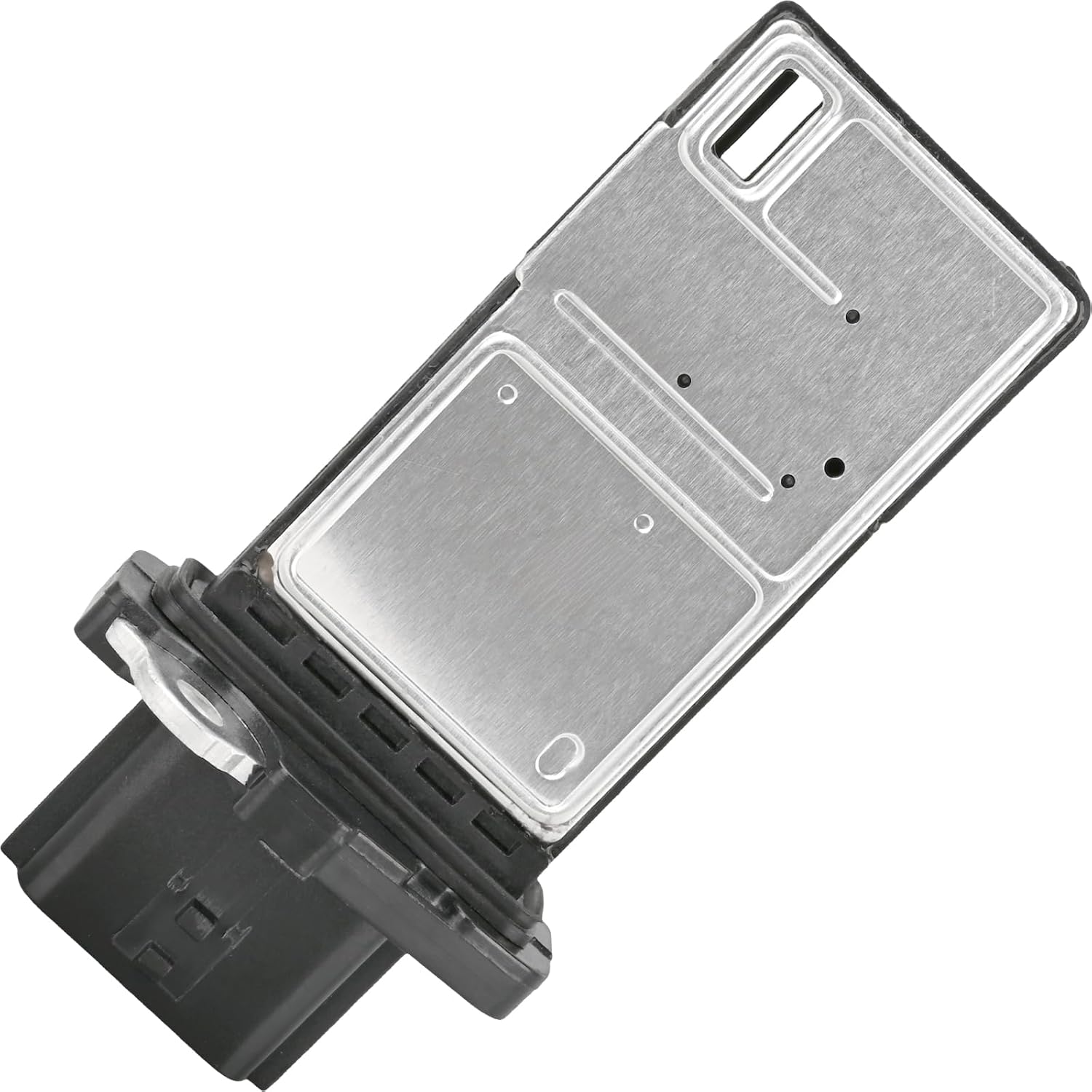
| Manufacturer | DOSKJOK |
|---|---|
| ASIN | B0FDG69CFR |
| Date First Available | June 17, 2025 |
This DOSKJOK mass air flow sensor is a direct replacement part intended to measure incoming air and feed that data to the engine control system, helping restore correct fuel delivery and engine response on compatible Nissan Versa models. It is marketed as plug-and-play for straightforward installation and claims improved sensitivity, fast response, and low air resistance to help stabilize idling and reduce stalling. In practical terms, a functioning MAF like this will make throttle response crisper and can improve fuel economy after replacing a failed or dirty original sensor. The unit is compact and comes with multiple product images to confirm fitment. Limitations to keep in mind are that fitment must be confirmed against your Versa model year and connector type before purchase, and third-party sensors can vary from factory-quality calibrations so expect possible differences in long-term durability and sensor drift compared with a factory replacement. For a performance-oriented buyer focused on restoring engine response, this offers a focused, low-cost way to address MAF-related drivability issues on the Versa.
Best for: Performance-oriented buyers who prioritize restoring precise engine response and smoother idling on a Nissan Versa and are comfortable fitting an aftermarket replacement to regain drivability.
Less Ideal for: Buyers seeking a guaranteed factory-match part or those unwilling to double-check exact year and connector compatibility should consider an OEM factory-quality sensor instead.
- Plug-and-play design simplifies installation for routine MAF replacement
- Manufacturer states improved sensitivity and fast response for better throttle control
- Low air resistance design aimed at maintaining accurate airflow readings
- Multiple product images help verify connector and housing match before buying
- Aftermarket calibration may differ from factory-quality sensors which can affect long-term consistency
- Fitment requires careful year and connector verification to avoid installation issues
Verdict: A cost-effective aftermarket MAF that aims to restore Versa drivability and throttle response, but confirm fitment and accept potential differences from a factory-quality sensor.
3. AdvanEX Mass Air Flow Sensor AF10141 Compatible with Nissan/Infiniti Models

| Measurement Accuracy | ±1.5% |
|---|---|
| Mounting Type | Flange Mount |
| Upper Temperature Rating | 250 Degrees Fahrenheit |
| Material Type | Metal, Polymer, Ceramic |
This AdvanEX AF10141 MAF sensor is a budget-focused, direct-replacement unit for many Nissan and Infiniti engines including the Versa and other common models. It measures intake air and sends that signal to the engine computer so fuel delivery and idle control work correctly. The unit advertises ±1.5% measurement accuracy, flange mounting, and a design using metal, polymer, and ceramic components. For a practical DIY replacement it is easy to swap in and typically restores a Check Engine Light caused by a failing MAF, and many owners report straightforward fitment and quick symptom resolution. The practical benefits are lower cost and ready availability compared with factory parts. Limitations are variable long-term reliability based on user reports and occasional electrical or calibration differences versus factory sensors, which can mean intermittent drivability or a persistent code if the intake or air filter is dirty or other downstream parts are at fault. Budget buyers should test-fit and clear codes after installation and verify the problem is truly the MAF before replacing other components.
Best for: Practical optimizers looking to fix a MAF-related check engine light or drivability issue on a Nissan Versa without paying factory-part prices and willing to validate fitment and clear codes after install.
Less Ideal for: Buyers wanting guaranteed factory-spec longevity or those unwilling to troubleshoot related intake or exhaust causes should consider a factory-quality replacement or dealer part instead.
- Direct-replacement design for many Nissan and Infiniti engines, simplifying installation
- Advertised ±1.5% measurement accuracy for consistent air measurement
- Uses mixed metal, polymer, and ceramic construction intended for durability
- Lower-cost alternative to factory sensors for practical repair budgets
- Mixed user reports on long-term reliability and occasional sensor voltage/calibration issues
- May not resolve drivability if other intake or exhaust components are the root cause
Verdict: A cost-effective, direct-replacement MAF sensor that restores function for common Nissan/Infiniti fitments while keeping repair costs low.
4. UNITHUB Mass Air Flow Sensor 2451117 (Replacement)

| Maximum Supply Voltage | 14 Volts |
|---|---|
| Measurement Accuracy | ±1.5% |
| Measuring Range | 0.1 – 100 g/s |
| Response Time | 15 Milliseconds |
This UNITHUB mass air flow (MAF) sensor replaces the factory unit to measure incoming air and feed that data to the engine control system on a Nissan Versa. It installs in the intake flange and uses a digital output with a 15 ms response time and claimed ±1.5% accuracy, so it will rapidly update the ECU during acceleration and idle changes. Typical use is a direct replacement when a failing MAF causes rough idle, poor fuel economy, or a check engine light. The practical benefits are straightforward: it can clear MAF-related faults, help restore smoother running and improved fuel metering, and its compact flange-mount design keeps installation simple for DIYers or a mechanic. Being an aftermarket budget option, buyers should be aware this is not a factory-brand part so long-term durability and fitment can vary versus an OEM sensor and careful compatibility verification with the Versa is recommended before purchase.
Best for: Budget-conscious buyers seeking a low-cost replacement MAF to fix drivability issues and restore fuel economy on a Nissan Versa without paying for a factory-brand part.
Less Ideal for: Drivers wanting a long-term factory-quality replacement or those who prefer dealer-sourced factory parts should consider OEM sensors instead.
- Digital output and 15 ms response supports quick ECU updates during throttle changes
- Claims ±1.5% measurement accuracy across a 0.1–100 g/s range useful for typical Versa airflow rates
- Flange-mount design intended for straightforward replacement of the factory sensor
- Compact, lightweight unit that is easy to handle during DIY installation
- Aftermarket part so long-term reliability and exact fit can differ from factory-quality sensors
- Fitment requires careful verification against Nissan Versa compatibility and OEM numbers before installation
Verdict: A low-cost aftermarket MAF that can quickly restore proper airflow readings on a Nissan Versa but may not match OEM longevity or guaranteed fitment.
5. Ameetaa Mass Air Flow Sensor 22680-7S000 Compatible Replacement

| Measurement Accuracy | Less than 2% |
|---|---|
| Response Time | 15 Milliseconds |
| Mounting Type | Flange Mount |
| Specific Uses For Product | Air Flow Sensor |
This Ameetaa mass air flow (MAF) sensor is an aftermarket replacement that measures air volume and density and sends the signal to the engine control unit to restore proper fueling and idle behavior. Installation is straightforward for a competent DIYer or technician and typically involves swapping the sensor in the air intake housing, clearing any stored codes, and verifying smooth idle and drivability. Notable features listed include a fast 15 ms response time and measurement accuracy under 2 percent, which should translate to responsive readings and stable fuel trims when the sensor is functioning correctly. The sensor is plastic/aluminum construction and comes as a single unit intended to replace part numbers such as 22680-7S000 and AF10141. Practical benefits include low cost compared with dealer parts and many user reports of resolving check engine light and rough-running issues after replacement. Important limitations are variable reliability across aftermarket batches and occasional returns for defects, so expect to verify proper operation after install and keep the original sensor until satisfied.
Best for: Reliability-focused buyers who prioritize restoring proper engine operation affordably and who prefer a straightforward replacement they can install or verify with a trusted mechanic.
Less Ideal for: Buyers who require guaranteed long-term factory-level durability or want an OEM-sourced MAF with manufacturer-backed warranty should consider factory-quality replacements instead.
- Fast reported response time (15 ms) for timely airflow readings
- Measurement accuracy listed as less than 2 percent for consistent ECU input
- Low-cost aftermarket option compared with dealer replacement parts
- Direct replacement for common Nissan MAF part numbers to simplify fitment checks
- Aftermarket quality can vary and some units have been reported defective
- Plastic construction may be less durable than higher-end OEM-metal variants
Verdict: An inexpensive aftermarket MAF sensor option that can quickly restore drivability and clear airflow-related check engine codes when it matches the vehicle's required part number.
6. YZHIDIANF Mass Air Flow Sensor 22680-7S000 (Replacement)

| Maximum Supply Voltage | 12 Volts |
|---|---|
| Response Time | 0.1 seconds |
| Mounting Type | Flange Mount |
| Output Type | electrical signal |
| Upper Temperature Rating | 180 Degrees Celsius |
This YZHIDIANF Mass Air Flow (MAF) sensor is an aftermarket replacement intended to restore proper air-measurement feedback to the engine control module. It installs in place of the factory sensor and outputs an electrical signal that the ECU uses to adjust fuel delivery and ignition timing. Typical use is like-for-like replacement when a failing MAF causes hard starting, rough idle, stalling, poor acceleration, or high fuel consumption. Notable features called out by the manufacturer include flange mounting for direct fit, a quick 0.1 second response time, and design claimed to match factory fit and function. Practical benefits are straightforward: easy installation without special tools and compatibility with many Nissan applications listed by the seller, so it can be a quick DIY repair to clear MAF-related drivability issues. Limitations shown in real-world feedback include inconsistent reliability for some buyers and occasional premature failures, so results can vary between units and vehicles. If a precise factory-quality lifetime is essential, some owners report better long-term durability with OEM replacements.
Best for: Convenience-driven buyers who want a quick, do-it-yourself replacement to get a Nissan back on the road without dealer service and prioritize immediate fit and ease of installation.
Less Ideal for: Buyers seeking a long-term factory-spec part or who prefer dealer-installed OEM components for guaranteed durability should consider factory replacements instead.
- Direct flange-mount replacement designed to fit factory mounting points
- Fast electrical response time (0.1 second) for timely airflow readings
- Marketed for plug-and-play installation without special tools
- Covers many Nissan fitments listed by the seller, simplifying selection
- Mixed long-term reliability reports from users with some units failing early
- Aftermarket unit may not match OEM durability in every vehicle
Verdict: A convenient, easy-to-install aftermarket MAF sensor for Nissan applications that can fix drivability problems quickly but may show variable long-term reliability compared with factory parts.
7. TSSLIIN Mass Air Flow Sensor (Fits Nissan Versa)

| Position | Front Inner |
|---|---|
| Terminal Quantity | 5 |
| Mounting Type | Bolt-on |
| Housing Material | Metal |
This TSSLIIN mass air flow sensor is a direct-fit replacement that measures intake airflow and sends that data to the engine control unit to restore proper air-fuel balance on a Nissan Versa. It installs in the intake tract between the air filter and throttle body and is intended for quick DIY swaps without wiring changes. The unit features a 5-pin electrical connector, bolt-on mounting, and a metal housing for a factory-like fit. The seller states precise real-time monitoring, self-diagnostic alert capability for common MAF codes, and an anti-carbon platinum coating intended to reduce residue buildup, which should extend service intervals versus older sensors. In practice this means it can clear MAF-related drivability faults, reduce rough idle and poor fuel economy, and get dash codes to extinguish once the control unit adapts. Important limitations are that resolution depends on correct vehicle fitment and proper installation and that replacing a sensor will not fix unrelated engine issues, so diagnostics should confirm a faulty MAF before swapping parts.
Best for: A risk-averse mainstream buyer who wants a straightforward, factory-style replacement to restore normal operation and eliminate MAF-related dash codes on a Nissan Versa without modifying the vehicle.
Less Ideal for: Drivers who need a performance or aftermarket tuning sensor or who have not confirmed the MAF as the root cause of drivability issues should look elsewhere or complete diagnostics first.
- Direct-replacement fitment for compatible Nissan models which simplifies installation
- Bolt-on mounting and standard 5-pin connector for a quick DIY swap
- Metal housing and connector design provide a factory-quality fit and secure connection
- Anti-carbon/platinum coating aimed at reducing residue buildup and extending service life
- Claims about precise ±1% accuracy and fuel savings are manufacturer-provided and not independently verified here
- Will not resolve engine or fuel-system problems that mimic MAF faults
Verdict: A practical, drop-in MAF replacement for Nissan Versa owners seeking a low-risk repair to restore proper airflow sensing and dash-code resolution.
Choosing the Right Nissan Versa Mass Air Flow Sensor: Key Factors to Consider
Fitment and Electrical Compatibility
Correct fitment is the first priority because even a physically compatible sensor can fail if the connector or signal characteristics differ. Verify the sensor matches the Versa's harness connector, mounting pattern, and airflow orientation, since installation errors can cause air leaks or false readings.
Electrical compatibility matters because the vehicle's engine control module expects specific voltage and frequency characteristics. A mismatched sensor can trigger diagnostic codes or unstable idle even if it physically fits. Confirming part numbers and wiring pinouts reduces the risk of installation issues and ensures the sensor communicates reliably with onboard diagnostics.
Signal Accuracy and Diagnostic Performance
The sensor's ability to report accurate airflow values affects fuel trim, idle quality, and emissions. Sensors that produce stable, linear signals under different engine loads help the engine control module make correct fueling decisions.
Diagnostic performance is tied to signal clarity. A sensor that reduces false positives for codes such as P0100 or other MAF-related alerts simplifies troubleshooting. Look for sensors that provide predictable readings across temperature and humidity ranges to avoid intermittent drivability problems.
Contamination Resistance and Serviceability
MAF sensors sit in the intake stream and are exposed to dust, oil, and deposits from the air filter. A design that resists contamination or is easier to clean will typically last longer between services. Consider whether the housing and sensing element are accessible for mass airflow sensor cleaning and whether the unit tolerates common cleaning procedures.
Serviceability also includes whether the part requires special tools for removal and reinstallation. Sensors that can be cleaned and reinstalled without risk of damage reduce lifetime maintenance costs and downtime.
Thermal and Vibration Durability
Under-hood components face wide temperature swings and constant vibration. A robust sensor uses materials and mounting features that resist heat-related drift and mechanical fatigue. Thermal stability ensures readings remain accurate after repeated hot and cold cycles.
Vibration-resistant designs help prevent connector fatigue and wiring issues that can generate intermittent faults. Prioritizing sensors tested for automotive thermal and vibration profiles reduces the likelihood of early failure in everyday driving.
Installation Clarity and Fitment Documentation
Clear installation instructions and accurate fitment documentation reduce the chance of mistakes during replacement. Documentation should cover connector orientation, torque specs for mounting bolts, and any required relearn or diagnostic steps after install.
Good documentation also notes whether the vehicle's ECU requires a reset or adaptive relearn to accept the new sensor. This helps you plan the install and post-install checks so the car runs correctly after replacement.
Warranty and Support
A reasonable warranty and accessible technical support indicate a manufacturer stands behind their product. Warranty coverage can provide peace of mind if a sensor fails prematurely and can simplify getting a replacement.
Support resources such as installation guides, diagnostic tips, and customer service responsiveness are valuable when addressing issues like MAF sensor symptoms or when performing a MAF sensor diagnostic. Prioritizing suppliers with solid support helps resolve problems faster.
How We Chose the Best Nissan Versa Mass Air Flow Sensor
To build this list we focused on criteria that directly affect real-world drivability and long-term reliability for the Nissan Versa. Primary filters included direct fitment for applicable model years and engine variants, verified electrical and connector compatibility, and manufacturer quality assurance such as OEM-equivalent materials and tolerances. We also evaluated reported diagnostic performance, including how accurately the sensor reports airflow to avoid false trouble codes and to aid troubleshooting. Durability factors covered resistance to contamination and tolerance to heat cycles, which influence service life. Finally, we looked at ease of installation and whether common service procedures like mass airflow sensor cleaning or diagnostic checks are straightforward. We excluded units lacking clear fitment data, sensors without documented electrical specs, and products with consistent reliability concerns in field reports. The remaining picks were chosen for their balance of fitment accuracy, diagnostic clarity, and expected longevity for Nissan Versa owners.
Our full evaluation process is outlined in our review methodology.
FAQ
What are common MAF sensor symptoms on a Nissan Versa?
Common signs include rough idle, hesitation during acceleration, reduced fuel economy, and intermittent stalling. You may also see an illuminated check engine light with related diagnostic codes. Symptoms usually vary by severity and may appear under specific conditions such as cold starts or heavy acceleration.
How do I test a Nissan Versa mass air flow sensor?
Testing often starts with a diagnostic scan to check for stored trouble codes like P0100 and live airflow readings. A basic test can compare reported airflow values at different engine speeds to expected ranges. More advanced checks use a multimeter or oscilloscope to verify voltage or frequency signals according to the vehicle service manual. Always follow safety procedures and reference the Nissan-specific test specifications.
Can cleaning the mass airflow sensor fix drivability issues?
Cleaning can help if the sensor is contaminated with dirt, oil, or deposits that affect the sensing element. Use a cleaner designed for mass airflow sensors and follow recommended procedures to avoid damage. Cleaning is a useful diagnostic step, but persistent or worsening symptoms may indicate the sensor needs replacement or there are other intake system issues.
Will replacing the MAF sensor clear a P0100 code on a Nissan Versa?
Replacing a faulty sensor can resolve a P0100 code when the underlying cause is the sensor itself. However, the code can also result from wiring problems, connector issues, intake leaks, or a clogged air filter. After replacement, performing a diagnostic scan and verifying live airflow data helps confirm that the code will not return.
How difficult is Nissan Versa MAF sensor install for a DIYer?
Installation is often straightforward for mechanically inclined DIYers because many sensors are accessible in the intake tract. Typical steps include disconnecting the electrical connector, removing mounting bolts, and swapping the unit. Some installations require specific torque settings or an ECU relearn procedure, so consult the vehicle service information and prepare basic hand tools.
How long do mass air flow sensors usually last?
Sensor lifespan varies with driving conditions and maintenance, but many last several years under normal use. Exposure to heavy contamination, oil-soaked filters, or rough environments can shorten service life. Regular air filter maintenance and periodic inspection help extend sensor longevity.
Conclusion
When choosing a Nissan Versa mass air flow sensor, prioritize fitment and electrical compatibility so the sensor communicates correctly with the vehicle controls. Balance signal accuracy and contamination resistance to reduce the chance of drivability issues and repeated replacements.Also weigh installation clarity and manufacturer support. Addressing these tradeoffs helps you select a sensor that delivers reliable airflow measurement and smoother engine performance over time.
Explore More:
- Check out all Nissan Versa parts & accessories
- Explore Mass Air Flow Sensors Maintenance & Repair Guides
- Explore Engine
- Browse all Auto Parts
