

Note: This article contains affiliate links. If you click on these links and make a purchase, I may earn a small commission at no extra cost to you. This helps support my research and content. Read my full affiliate disclosure here.
If your 1999-2006 GMC Sierra 1500 is showing rough idle, poor throttle response, or check engine codes tied to air metering, the mass air flow sensor is a common culprit. Choosing the right 1999-2006 GMC Sierra 1500 mass air flow sensor matters because the wrong unit can produce incorrect intake air readings and lead to persistent drivability issues.This guide presents seven shortlisted mass air flow sensors chosen for fitment, electrical signal consistency, and long-term reliability. We evaluate each option on compatibility with the Sierra 1500 wiring and intake geometry, signal accuracy under load, and ease of installation. Read on to find which sensor characteristics matter most for your truck and which tradeoffs to expect before you swap the part.
Looking for other parts? See all GMC Sierra 1500 parts & accessories.
Top Picks at a Glance
| Best Overall The best all-around choice for most situations | BDFHYK Mass Air Flow Sensor (MAF) Compatible with Silverado/Tahoe/Yukon Series |  |
| Best Quality Built to a higher standard if you want something more solid | Delphi AF10043 Mass Air Flow Sensor |  |
| Best Value The sweet spot between price and what you get | WENBIAO Mass Air Flow Sensor (replaces 25168491 / AF10043 / 25318411) |  |
| Best Budget The cheapest option that still gets the job done reliably | Trolling MAN AF10043 Mass Air Flow Sensor |  |
| Highest Rated A top-rated pick with lots of positive feedback | AdvanEX Mass Air Flow Sensor (replacement for select 1999–2007 GM V8 applications) |  |
| Most Popular A crowd favorite that many people choose with confidence | FAERSI Mass Air Flow Sensor (Delphi AF10043 Compatible) |  |
| Best Seller A high-volume bestseller chosen again and again | JTSAUTO Mass Air Flow (MAF) Sensor 25318411 Compatible with 1999–2006 GM 5.3L/4.8L/4.3L/6.0L Engines |  |
1. BDFHYK Mass Air Flow Sensor (MAF) Compatible with Silverado/Tahoe/Yukon Series

| Brand | BDFHYK |
|---|---|
| Mounting Type | Flange Mount |
| Output Type | Analog |
| Manufacturer Part Number | IS01772BK |
| OEM Part Number | 25168491 |
This BDFHYK Mass Air Flow Sensor is a bolt-in replacement intended to restore proper air measurement for the engine control unit on compatible GM trucks and SUVs. It uses a precision sensing element and analog output to report airflow so the ECU can rebalance fuel delivery, which helps clear check engine lights, smooth idle, and recover drivability. Installation is straightforward for a DIYer with basic hand tools because the part mounts by flange and plugs into the factory connector. The listing emphasizes factory-style fit, fast response, and quality testing, though some buyers report mixed long-term reliability versus higher-cost options. Practical benefits include low weight, easy replacement, and the ability to quickly diagnose MAF-related issues without expensive diagnostics. Limitations are that longevity can vary and an intermittent or poorly calibrated unit may not match a higher-priced calibrated sensor, so expect occasional variation in lifespan compared with premium branded parts.
Best for: Buyers who want an affordable, factory-style replacement to clear MAF-related drivability issues and prefer a straightforward DIY install to get their truck running normally again.
Less Ideal for: If you need a long-term, high-end calibrated performance sensor for tuning or heavy-duty use, consider a premium or OE-grade option instead.
- Direct-replacement design for listed GM truck and SUV applications
- Precision-manufactured sensing element for responsive airflow readings
- Simple flange-mount installation and plug-in electrical connector
- Lightweight and easy to handle during DIY replacement
- Reported variability in long-term reliability compared with higher-cost branded sensors
Verdict: A budget-friendly, bolt-in MAF replacement that restores normal idle and drivability for compatible 1999–2006 GMC Sierra 1500 applications without requiring professional installation.
2. Delphi AF10043 Mass Air Flow Sensor

| Maximum Supply Voltage | 12 Volts |
|---|---|
| Measurement Accuracy | ±2% |
| Mounting Type | Flange Mount |
| Output Type | Analog, Digital (Push Button) |
| Upper Temperature Rating | 392 Degrees Fahrenheit |
The Delphi AF10043 is a direct-replacement MAF sensor intended to restore correct air measurement so the ECU can manage fuel delivery and ignition timing. It installs like a factory part and is typically used as a bolt-in replacement when you have P0101 codes, rough idle, hesitation, or lean fuel trim faults. Notable features include flange mounting, dual analog/digital output options, and a claimed measurement accuracy of plus or minus 2 percent, which helps stabilize fuel trims and improve throttle response. Real-world benefits reported by owners include quick symptom resolution, improved idle smoothness, and restored drivability with no complex relearn required in many cases. Some users report occasional early failures, so while fit and initial performance track factory behavior, longevity can vary. Expect straightforward installation and OEM-style fitment, but consider monitoring fuel trims after replacement to confirm long-term stability.
Best for: Drivers who want a performance-minded, factory-quality replacement that restores correct air measurement and smooths idle and throttle response on a 1999–2006 Sierra 1500.
Less Ideal for: People looking for an upgraded high-flow or modified-engine sensor for major performance builds should consider dedicated aftermarket performance MAFs instead.
- Factory-style fit and connector for straightforward bolt-in replacement
- Measurement accuracy of ±2% helps keep fuel trims and air-fuel ratio stable
- Flange mount and OEM part-number cross-references simplify fitment for covered vehicles
- Reported to resolve rough idle and acceleration hesitation quickly after install
- Some users report premature failures, so durability can be inconsistent
Verdict: Choose the Delphi AF10043 when you need a factory-style replacement that quickly restores proper air measurement and drivability on a 1999–2006 Sierra 1500.
3. WENBIAO Mass Air Flow Sensor (replaces 25168491 / AF10043 / 25318411)

| Material | Aluminum |
|---|---|
| Maximum Supply Voltage | 12 Volts (DC) |
| Mounting Type | Flange Mount |
| Output Type | Analog |
This WENBIAO mass air flow sensor is a direct-replacement MAF for a range of GM trucks and SUVs and is intended to restore correct air-mass readings when a factory unit fails or becomes contaminated. Installation is straightforward for anyone comfortable accessing the intake elbow and unplugging a single electrical connector, and the part uses an aluminum housing and flange mount matching the original mounting points. In everyday use it clears common MAF-related trouble codes and can stabilize idle, improve throttle response, and reduce stalling when the OEM sensor is faulty. Several buyers report simple plug-and-play fitment and quick symptom resolution, though some vehicles require an ECU relearn or code reset after installation. Build quality appears reasonable for an aftermarket unit but there are mixed reports about long-term durability and occasional fitment or calibration differences on older models. If you replace the air filter and clean the airbox before fitting and follow relearn steps, this sensor offers a pragmatic way to get a Sierra back to running normally without an expensive dealer part.
Best for: Sierra owners who want an affordable, practical replacement that gets a problematic MAF back to working condition without dealership parts and who are comfortable doing a straightforward DIY swap or having a local shop install it.
Less Ideal for: Drivers seeking an OEM-branded long-term part or those unwilling to perform or pay for an ECU relearn procedure after installation.
- Direct-replacement design matches factory mounting and common GM part numbers
- Aluminum housing and flange mount for solid physical fit
- Plug-and-play installation for mechanically inclined DIYers
- Addresses common MAF fault codes and can restore idle and throttle response
- Some users report intermittent fitment or calibration differences versus factory sensor
- May require ECU relearn or code clearing after installation
Verdict: A cost-effective, direct-fit replacement that restores air-mass readings and drivetrain drivability for 1999–2006 GMC Sierra engines when the original MAF fails.
4. Trolling MAN AF10043 Mass Air Flow Sensor
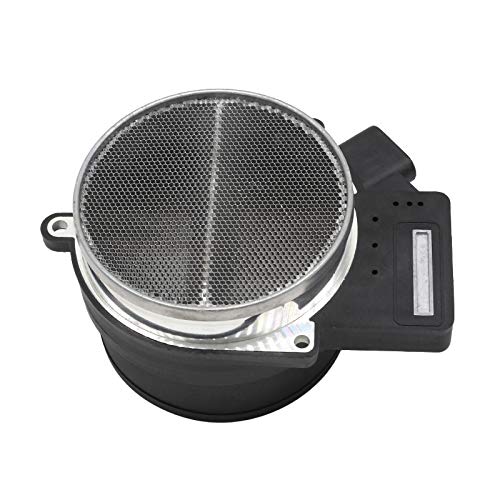
| Measurement Accuracy | ±3% |
|---|---|
| Measuring Range | 5300 – 6000 cc |
| Output Type | Analog |
| Material Type | Metal |
This Trolling MAN AF10043 is a budget-focused replacement mass air flow sensor intended to restore proper air metering on older GM V8 trucks and SUVs. It installs in place of the factory unit and provides an analog output with a stated measurement accuracy of ±3% and a measuring range suited to 5.3–6.0L engines. Typical use is a simple swap when check-engine codes, rough idle, or drivability issues point to a failed MAF. The metal construction and OEM cross-reference numbers indicate it aims to match factory fit and connector locations, and the seller notes online installation videos for guidance. Practical benefits are low cost, straightforward installation, and compatibility with many 1999–2007 GM models. Limitations are typical of economy aftermarket parts: the product is not branded as an OEM component and long-term durability is uncertain compared with higher-end replacements, and you should verify exact engine VIN and connector type before ordering to avoid returns.
Best for: Buyers looking for an affordable, direct-replacement MAF to fix drivability issues on older GM V8 trucks who prioritize getting the vehicle back on the road quickly and cheaply.
Less Ideal for: Those who prefer guaranteed long-term durability or warranty-backed factory-quality replacements should consider higher-end or OEM-sourced sensors instead.
- Compatible with many GM V8 models from 1999–2007 according to fitment listing
- Analog output with stated ±3% measurement accuracy
- Metal construction for basic durability
- Low-cost option that simplifies replacing a failed MAF
- Aftermarket unit with unknown long-term reliability compared with factory-quality parts
- Fitment requires careful VIN/engine verification to ensure correct match
Verdict: A cost-effective direct-replacement MAF that gets older GMC Sierra 1500 V8 trucks back to normal airflow readings without a big investment.
5. AdvanEX Mass Air Flow Sensor (replacement for select 1999–2007 GM V8 applications)

| Maximum Supply Voltage | 12 Volts |
|---|---|
| Measurement Accuracy | ±3% |
| Mounting Type | Flange Mount |
| Output Type | Digital |
| Upper Temperature Rating | 125 Degrees Celsius |
This AdvanEX mass air flow sensor is built as a direct replacement for a range of late 1990s–2000s GM V8 vehicles and installs in place of the factory unit to feed the engine control module accurate air-mass information. Typical use is straightforward: remove the old MAF, swap in this unit, clear any stored codes and verify idle and drivability. Notable features from the listing include digital output, flange mounting, a stated measurement accuracy of plus or minus 3 percent, and a 12 volt supply rating. In practice that means it can clear P0101-style codes, improve idle quality and help a vehicle pass emissions checks when the original sensor has failed. Buyers should note this is an aftermarket replacement rather than a factory part and a minority of reports cite early failures, so longevity may vary by vehicle and installation. For a reliability-focused buyer it represents an affordable way to restore proper airflow sensing, but expect to test and confirm operation after installation and keep warranty/return options in mind.
Best for: Buyers who need an affordable, ready-to-install replacement to stop check-engine codes and restore proper idle and emissions performance on covered 1999–2006 GMC Sierra 1500 V8 trucks and similar GM vehicles.
Less Ideal for: Those seeking a factory-brand sensor with extended proven longevity or a lifetime-supported OE part should consider branded dealer or premium aftermarket options instead.
- Designed as a direct replacement for many 1999–2007 GM V8 applications for straightforward fit and installation
- Digital output with flange-mount design mirrors factory installation method
- Manufacturer-stated ±3% measurement accuracy for reasonably precise airflow readings
- Multiple customer reports of clearing check-engine codes and restoring driveability
- Some customers report premature failures, indicating inconsistent long-term reliability
Verdict: A cost-effective, direct-fit digital MAF that will usually restore proper air metering and clear codes on 1999–2006 GMC Sierra 1500 V8 trucks, making it a practical reliability-focused replacement when the original unit fails.
6. FAERSI Mass Air Flow Sensor (Delphi AF10043 Compatible)

| Model | Delphi AF10043 MAF Sensor |
|---|---|
| Maximum Supply Voltage | 12 Volts |
| Mounting Type | Flange Mount |
| Output Type | Digital |
| Response Time | 0.03 seconds |
This FAERSI mass air flow sensor is a direct-replacement style unit meant to restore proper airflow measurement on affected 1999–2006 GM trucks and SUVs. It installs into the factory air inlet using the flange mount and provides a digital output with a listed 30 ms response time, so it can clear flow-related fault codes and return idle and drivability to normal once any stored errors are reset. The unit claims OEM-equivalent fit and durability and is lightweight aluminum and plastic construction. In real-world use expect an easy swap for owners who can access the intake tract and follow the ECU reset steps; several buyers report improved idle, smoother throttle response, and better fuel economy after installation. Not every vehicle will be fixed by swapping the MAF if underlying intake or sensor-connector issues exist, and a minority of users reported immediate failure or persistent codes, so keep diagnostic steps and returns in mind if problems continue after fitting.
Best for: Buyers who want an affordable direct-replacement MAF to restore normal running on a 1999–2006 GMC Sierra 1500 and prioritize vehicles with matching part numbers and community-tested fitment.
Less Ideal for: Drivers who prefer dealer-origin factory parts or need a guaranteed long-term OEM-backed solution should consider dealer or higher-end aftermarket options instead.
- Designed to replace common GM part numbers for direct fit on many 1999–2006 GM V8 trucks and SUVs
- Digital output with a fast 0.03 second response time for quick sensor feedback to the ECU
- Meets claimed factory-spec standards and uses aluminum/plastic construction for durability
- Many user reports of easy installation and restored idle, throttle response, and fuel economy
- Some units have been reported to fail out of the box or trigger codes immediately, indicating variable quality control
Verdict: A budget-friendly direct-replacement MAF that restores drivability on 1999–2006 GMC Sierra 1500s when the part numbers match and basic intake diagnostics are performed.
7. JTSAUTO Mass Air Flow (MAF) Sensor 25318411 Compatible with 1999–2006 GM 5.3L/4.8L/4.3L/6.0L Engines

| Brand | JTSAUTO |
|---|---|
| Output Type | Analog |
| Material | Upgrade Plastic |
| Manufacturer Part Number | J-AM15904068 |
This JTSAUTO MAF sensor is a direct-fit replacement meant for late 1990s to mid-2000s GM V6 and V8 engines and installs like a factory part. It measures incoming air mass and provides an analog signal to the engine control unit so fuel delivery and idle behavior stay correct after replacement. Buyers report straightforward plug-and-play installation on compatible Sierra and related models and quick resolution of check-engine lights tied to a failed MAF. The unit is described as precision-engineered with factory-grade components and lists many OEM part numbers it replaces, which helps ensure correct electrical and mechanical fitment. Practical benefits include restoring drivability, improving idle stability, and avoiding diagnostic headaches from air-measurement errors. Limitations are typical for aftermarket MAFs: longevity can vary by operating conditions and a minority of reviews report early failure, so expect to verify part compatibility and inspect connectors and housing during install.
Best for: Buyers who want a straightforward, vehicle-matched replacement to restore proper air-mass readings and eliminate MAF-related drivability issues without custom tuning or modification.
Less Ideal for: Do not choose this if you want a performance or modified-application sensor or need a long-term lifetime warranty; owners needing extended durability guarantees should consider higher-end or dealer-sourced options.
- Vehicle-specific design and listed replacement part numbers improve fitment on covered GM engines
- Analog output that matches factory signal type for straightforward ECU compatibility
- Many user reports of plug-and-play installation and quick resolution of check-engine lights
- Some buyers reported early failures, so durability may vary between units
Verdict: A practical, vehicle-specific replacement MAF that restores proper air-mass input and typically plugs in without fuss for late 1990s–2006 GM trucks and SUVs.
Choosing the Right 1999-2006 GMC Sierra 1500 Mass Air Flow Sensor: Key Factors to Consider
Electrical Signal Accuracy
Accurate voltage or frequency output from the mass air flow sensor is essential because the engine control module relies on that signal to calculate fuel delivery. Small deviations can shift fuel trims and cause running rich or lean, so prioritize sensors with stable, documented signal characteristics that match the Sierra 1500's expected range.
Signal stability under transient conditions matters too. During rapid throttle changes or load shifts common with towing or hauling, a sensor that lags or produces noisy readings will translate into hesitation, stumble, or surging. Look for designs that minimize electrical noise and include internal shielding or conditioning where possible.
Fitment And Connector Compatibility
Fitment to the factory intake tube and alignment with the OEM mounting points ensures the sensor measures intake air correctly and seals against unmetered air. Physical mismatch may cause leaks or improper airflow paths that introduce measurement error. Confirm the sensor's flange and screw locations match the Sierra 1500 intake housing for the 1999-2006 range.
Equally important is connector compatibility. The sensor must mate cleanly with the truck's wiring harness without cutting or splicing. Matching pinouts and connector type prevents wiring faults and simplifies installation, reducing the risk of introducing diagnostic trouble codes immediately after replacement.
Contamination Resistance And Serviceability
The intake tract collects oil vapor and road grime that can foul the sensing element. Sensors with protective internal geometry, screens, or coatings resist contamination and extend service life. Consider whether the sensor design allows for safe cleaning of the sensing area without damaging delicate components.
Easier-to-service sensors reduce long-term ownership cost because routine cleaning can restore function in cases of mild buildup. However, some sensors are sealed and require replacement if contaminated. Know which type you are buying and plan maintenance accordingly to avoid repeat failures.
Thermal And Vibration Durability
Under-hood temperatures and vibration are significant stressors for electronic sensors. The Sierra 1500 is often used in heavy-duty conditions, so choose sensors specified for stable operation across the expected temperature range and with construction that minimizes mechanical fatigue. Robust housing, secure mounting features, and strain-relieved wiring improve long-term reliability.
Sensors that lack thermal stability can drift over time, producing intermittent symptoms that are hard to diagnose. Prioritizing units with clear durability design elements reduces the likelihood of repeat replacements.
Diagnostic Feedback And Compatibility With Codes
A replacement sensor should allow clear diagnostic interpretation. It should produce predictable voltage or frequency values so you can use live data to confirm proper function. That is especially useful when diagnosing codes like P0100 related to mass air flow circuit or when monitoring fuel trims after installation.
Make sure the sensor's output behavior aligns with the Sierra 1500's expected responses, so that scan tool readings and freeze frame data are meaningful. Predictable outputs shorten troubleshooting time and prevent misdiagnosis of other systems.
Installation Ease And Hardware
Installation impacts whether you can complete a reliable repair at home or need professional help. Sensors that include compatible mounting hardware, gaskets, or a plug-and-play connector reduce installation time and mistakes. Clear instructions or wiring diagrams are also valuable for owners who test signals or perform a bench check before final installation.
Consider whether the sensor requires additional seals or torque specifications to prevent intake leaks. The less modification required to achieve a correct, sealed installation, the lower the chance of introducing new faults.
Common Symptoms Of A Failing MAF Sensor On The Sierra 1500
Mass air flow sensor symptoms on the 1999-2006 Sierra 1500 typically include rough idle, poor throttle response, and reduced fuel economy. These symptoms appear because the engine control module receives incorrect air measurement and adjusts fuel delivery inappropriately.
Other signs include check engine lamp illumination and stored codes related to air metering. Intermittent surging under light throttle or hesitation on acceleration can also point to a degrading sensor, especially if symptoms vary with temperature or after long highway runs.
- Rough or fluctuating idle speed
- Hesitation or stumble on acceleration
- Reduced fuel efficiency
- Check engine light with air metering codes
How To Diagnose MAF Issues In A 1999-2006 Sierra 1500
Begin with a proper scan tool to read live data and identify codes such as mass air flow circuit faults. Observe the sensor's output at idle and during throttle blips; the voltage or frequency should change smoothly with airflow. Look for erratic readings that jump or drop suddenly.
A visual inspection of the intake tract and connector is a good early step. Check for vacuum leaks, damaged wiring, or a loose connector that can mimic sensor failure. Combining live-data observation with basic checks narrows down whether the MAF sensor itself, wiring, or another intake component is responsible.
- Read and record live MAF output at idle and during throttle
- Inspect intake for leaks and wiring for damage
- Compare recorded values with expected smooth transitions
When To Clean Versus Replace The Sensor
Cleaning the sensing element can restore performance when contamination is limited to light buildup from oil or dirt. Use a dedicated mass airflow sensor cleaner and follow safe procedures to avoid damaging the sensing film. If readings do not stabilize after careful cleaning and reinstallation, replacement is the appropriate next step.
Severely contaminated, physically damaged, or electrically unstable sensors should be replaced rather than cleaned. Also replace sensors that show inconsistent output after cleaning or that trigger intermittent electrical circuit codes.
- Light buildup: attempt controlled cleaning
- Persistent or erratic readings after cleaning: replace
- Physical damage or electrical faults: replace
Bench Testing And Live Data Checks
Bench testing allows you to verify connector pin voltages and sensor output against the truck's specifications before full installation. With a multimeter or oscilloscope you can confirm reference voltage presence, ground continuity, and the output signal behavior under simulated airflow changes if you have an airflow bench or can replicate conditions safely.
Live-data checks with a scan tool while performing controlled throttle inputs on the truck are often the quickest confirmation method. Monitor the MAF reading alongside short-term fuel trims; large discrepancies indicate a measurement problem rather than purely a fueling issue.
- Check reference voltage and ground at the connector
- Monitor MAF output live while varying throttle
- Compare MAF readings with fuel trim responses
Installation Tips Specific To The 1999-2006 Sierra 1500
When installing a replacement mass air flow sensor, ensure the sensor flange mates flush with the intake tube and that the mounting screws are torqued to prevent intake leaks. Confirm connector pin alignment before pressing the plug fully into place to avoid bent terminals.
Avoid introducing contaminants during installation. If the intake or airbox is oily or dirty, clean those surfaces first to reduce the chance of immediate recontamination. After installation, clear any pending codes and perform a quick road test monitoring live data to confirm stable sensor output.
- Verify flange sealing and screw torque to prevent leaks
- Clean surrounding intake surfaces before fitting sensor
- Clear codes and monitor live data during road test
Still looking for the perfect fit?
Select your GMC Sierra 1500 configuration to see the most relevant Mass Air Flow Sensors recommendations
How We Chose the Best 1999-2006 GMC Sierra 1500 Mass Air Flow Sensor
We focused selection on criteria that directly affect diagnostic clarity and everyday drivability for the 1999-2006 GMC Sierra 1500. Primary evaluation points included electrical signal accuracy under realistic engine loads, mechanical fitment to the factory intake housing, and connector and harness compatibility to avoid splicing. We also prioritized sensors with corrosion-resistant housings and stable sensing elements to reduce the chance of premature failure in varied weather conditions.Durability under heat and vibration was assessed conceptually, since the Sierra 1500 operates under heavy-duty use; units designed with reinforced mounting and sealed electronics ranked higher. We considered reported longevity and common failure modes, giving weight to designs that reduce contamination of the sensing element and allow straightforward cleaning when applicable. Ease of installation and clear wiring pinouts were included so owners can limit garage time and avoid extra modifications.Excluded from consideration were units that required significant intake modification, non-matching electrical connectors, or ambiguous specification data that prevented confident fitment claims. We did not include aftermarket offerings with no durability information or those that lacked clear signal output specifications relevant to the Sierra 1500.Overall, selections reflect a balance of fitment reliability, signal fidelity, and long-term serviceability specific to the 1999-2006 GMC Sierra 1500 platform.
Our full evaluation process is outlined in our review methodology.
FAQ
What are the typical codes related to a bad mass air flow sensor on a Sierra 1500?
Codes related to mass airflow issues often include circuit or range/performance faults. These codes usually indicate either the sensor output is out of expected range or there is a circuit fault in the wiring. A scan tool will show the specific code and freeze frame data to help pinpoint the issue.
Can I clean the MAF sensor myself or should I replace it?
You can clean the sensor yourself if the contamination is light and limited to surface deposits. Use a purpose-made mass airflow sensor cleaner and follow careful handling to avoid damaging the sensing element. Replace the sensor if cleaning does not restore stable readings or if there is physical or electrical damage.
How long does a mass air flow sensor typically last in the Sierra 1500?
Lifespan varies with operating conditions, intake contamination, and exposure to moisture. Many sensors last several years, but those on trucks exposed to heavy oil vapor or dusty conditions may fail sooner. Regular inspection and cleaning when appropriate can extend service life.
Will a faulty MAF sensor affect fuel economy on my Sierra 1500?
Yes. Incorrect air measurement leads the engine control system to run rich or lean, which directly impacts fuel economy. Restoring accurate MAF readings usually improves fuel trim and can return fuel consumption closer to expected levels.
Is it safe to drive with a failing mass air flow sensor?
Driving short distances with a marginal sensor is possible, but you may experience rough idle, reduced power, and lower fuel efficiency. If the sensor is causing erratic operation or safety concerns such as unexpected stalling, avoid driving until it is addressed.
How can I confirm a replacement sensor is functioning correctly after install?
Use a scan tool to monitor the MAF output and short-term fuel trims after installation. The sensor output should respond smoothly to throttle inputs, and fuel trims should settle within normal ranges. A brief road test with live-data monitoring will confirm stable operation.
Final Verdict
For the 1999-2006 GMC Sierra 1500, prioritize a mass air flow sensor that offers accurate, stable output and straightforward fitment to the factory intake and connector. Tradeoffs typically involve sealed units that require replacement versus serviceable designs that can be cleaned; weigh the value of serviceability against expected exposure to contaminants.Focus first on matching electrical compatibility and flange fit, then consider contamination resistance and thermal durability. Choosing a sensor with predictable diagnostic behavior will speed troubleshooting and restore reliable drivability for the Sierra 1500.
Explore More:
- Check out all GMC Sierra 1500 parts & accessories
- Explore Mass Air Flow Sensors Maintenance & Repair Guides
- Explore Engine
- Browse all Auto Parts
