

Note: This article contains affiliate links. If you click on these links and make a purchase, I may earn a small commission at no extra cost to you. This helps support my research and content. Read my full affiliate disclosure here.
When a Honda Pilot lower control arm wears out it can affect steering feel, wheel alignment, and ride comfort. Choosing the right replacement matters because the control arm is a structural part that determines suspension geometry and how forces transfer through the wheel assembly. In this guide we shortlisted the top options for the Honda Pilot and evaluated them for fit, durability, and installation practicality.Below you will find the top picks and clear reasons why each type made the list, followed by practical buying factors to help you choose the right lower control arm for your needs.
Looking for other parts? See all Honda Pilot parts & accessories.
Top Picks at a Glance


1. Detroit Axle Front Right Lower Control Arm with Ball Joint for 2009–2015 Honda Pilot

| Fit Type | Vehicle Specific Fit |
|---|---|
| Auto Part Position | Front Right Lower |
| Manufacturer | Detroit Axle |
| Manufacturer Part Number | K621551 |
This Detroit Axle front right lower control arm arrives as a ready-to-install passenger-side assembly with a pressed-in ball joint so you can replace a worn lower arm without pressing parts separately. It is made as a vehicle-specific fit for 2009–2015 Honda Pilot, so installation is typically a bolt-on swap that restores steering geometry and eliminates clunks or uneven tire wear. Detroit Axle highlights fatigue and impact testing and the listing notes a long warranty, which supports a reliability-first buyer looking for a durable factory-replacement style part. In practice expect straightforward installation for a DIY mechanic or shop and the benefit of a complete assembly that removes the need to source a separate ball joint. Limitations to consider are that fit and ball-joint tolerances can vary by production batch, so verify fit for your exact model year and options, and longevity depends on driving conditions and alignment after installation.
Best for: Reliability-focused buyers who prioritize a factory-replacement style part that minimizes downtime and delivers a straightforward, durable repair for a Honda Pilot.
Less Ideal for: Buyers wanting a performance-tuned or adjustable control arm for cornering or lowered suspension should look at aftermarket performance options instead.
- Vehicle-specific fit for 2009–2015 Honda Pilot which simplifies installation
- Comes as a complete lower control arm with ball joint so no separate pressing is required
- Manufacturer states parts undergo impact, wear, and fatigue testing to support durability
- Common replacement in direct-fit form that restores steering feel and reduces clunking noises
- Ball joint and arm are a single assembly so if only one component fails you must replace the entire arm
- Fitment can vary slightly between production batches requiring verification before installation
Verdict A durable, ready-to-install passenger-side lower control arm built for restoring reliable steering and ride on 2009–2015 Honda Pilot models.
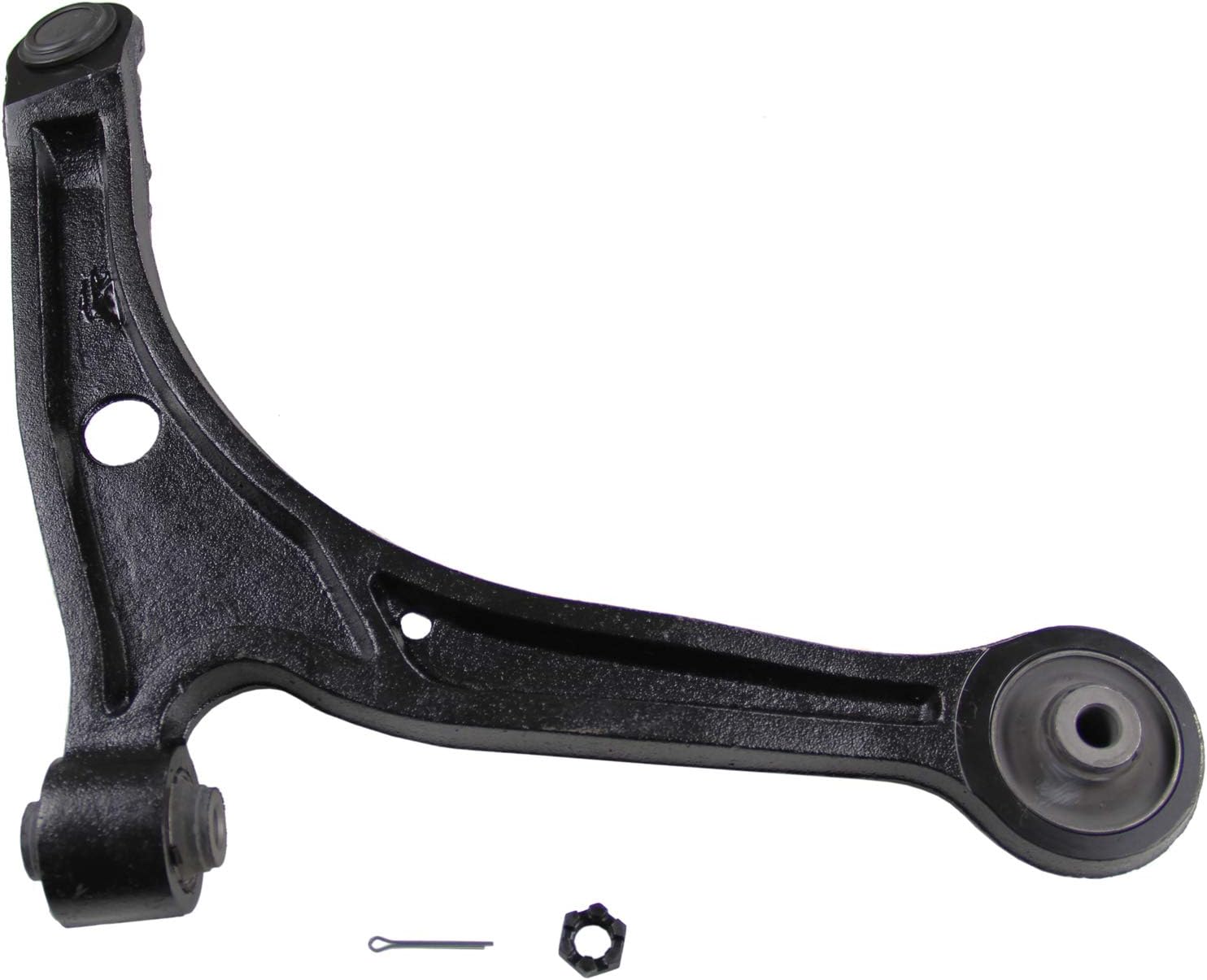
2. MOOG RK621349 Front Left Lower Control Arm with Ball Joint for Honda Pilot
| Fit Type | Vehicle Specific Fit |
|---|---|
| Auto Part Position | Front Left Lower |
| Material | Alloy Steel, Iron |
| Manufacturer | MOOG Chassis Products |
This MOOG lower control arm is a vehicle-specific, front left assembly designed to replace the factory unit on Honda Pilot models. It arrives as an installation-ready assembly with a pre-installed, sealed ball joint so you can swap it in without pressing in components. MOOG highlights heat-treated construction and corrosion-resistant coatings intended to match or exceed factory strength and resist salt and road grime, which helps the part last longer in winter climates. For convenience-focused buyers the precise engineering and direct-fit design simplify alignment and reduce time in the garage compared with rebuilding separate components. Common real-world benefits include restored steering feel, reduced wandering, and removal of clunks that happen with worn suspension links. A downside is isolated reports of early bushing failure, so inspect bushings on delivery and after initial miles. Expect a professional or experienced DIY installer to have the easiest time with the replacement and alignment.
Best for: Buyers who prioritize convenience and a fast, reliable repair for a Honda Pilot—people who want a ready-to-install, factory-replacement style part to get their vehicle back on the road with minimal fuss.
Less Ideal for: This is not the best choice for owners seeking a performance-tuned suspension or custom geometry changes; use aftermarket performance arms if you plan lowered ride height or racing modifications.
- Direct-fit, vehicle-specific design for Honda Pilot that simplifies installation and alignment
- Pre-installed sealed ball joint for maintenance-free operation out of the box
- Heat-treated construction and coated components aimed at improved structural strength and corrosion resistance
- Designed to restore steering precision and reduce suspension noise and tire wear
- Some user reports of premature rubber bushing failure on initial miles
Verdict A convenient, installation-ready replacement that restores Honda Pilot steering and suspension function while emphasizing factory-quality strength and corrosion protection.
3. TRQ Front Lower Control Arm with Ball Joint 2‑Piece Set

| Fit Type | Vehicle Specific Fit |
|---|---|
| Auto Part Position | Front Lower |
| Quantity | 2 Piece |
| Exterior | Machined |
This TRQ kit replaces both front lower control arms and includes ball joints preinstalled for a straightforward swap on compatible Honda/Acura SUVs. It is intended for owners tackling suspension repairs who want a factory-replacement style part without fabricating or pressing in joints. TRQ highlights machined construction and preassembled components to speed installation and help maintain steering precision and even tire wear. The set is commonly used to remove looseness, steering wander, or vibration caused by worn arms and ball joints, and TRQ provides DIY videos to guide installation. Most users report an OEM-like fit and improved ride stability after installation, though a minority report premature noise or joint failure on high-mileage vehicles. Expect a solid improvement in front-end tightness and handling when installed correctly, but plan on aligning the vehicle afterward and inspect related fasteners for corrosion before reuse.
Best for: Performance-oriented buyers seeking a factory-quality replacement to restore steering response and front-end control on a Honda Pilot and who prefer direct-fit parts to retain handling characteristics.
Less Ideal for: Owners looking for heavy-duty off-road upgrades or custom suspension modifications should consider performance arms with reinforced designs instead.
- Preassembled ball joints save time and eliminate separate pressing operations
- Vehicle-specific direct-fit design aimed at plug-and-play installation
- Machined exterior and robust construction intended to restore steering stability
- Includes both driver and passenger lower arms so both sides match
- Some users have reported premature squeaks or ball-joint failures on high-mileage applications
- Fit or installation may require replacing seized fasteners or new hardware in older vehicles
Verdict A practical, factory-replacement lower control arm set that restores steering precision on Honda Pilot models while simplifying installation with preinstalled ball joints.
4. Aeagle Front Lower Control Arm Kit with Ball Joints (Left & Right)

| Fit Type | Vehicle Specific Fit |
|---|---|
| Auto Part Position | Front Lower |
| Orientation | Drivers Side |
| Exterior | Electrophoretic Coating |
This Aeagle kit supplies both left and right front lower control arms with pre-assembled ball joints intended as direct replacements for the specified vehicles. Installed on the front lower suspension, the arms restore steering stability, reduce road feedback, and address worn bushings and ball joints that cause clunking or pull. The parts are finished with an electrophoretic coating to help resist corrosion and the seller reports factory-style fitment for the listed model years. For a budget option you get complete front-side replacement in one package, which is convenient for DIYers or quick shop jobs. Expect adequate durability for everyday driving but be aware these are aftermarket parts so long-term performance may vary compared with higher-end factory-quality components; alignment after installation is necessary. The kit includes both driver and passenger arms and arrives preassembled, which speeds up installation but offers less opportunity to change individual components separately.
Best for: Practical, budget-conscious buyers who prioritize a low-cost, complete front lower control arm replacement and want a straightforward part they or a local shop can install quickly.
Less Ideal for: Buyers seeking a lifetime-long factory-quality part or those restoring a vehicle to showroom condition should consider higher-end OEM-style replacements or upgraded performance control arms.
- Includes both left and right front lower control arms with pre-assembled ball joints for a complete front-side replacement.
- Surface electrophoretic coating improves corrosion resistance compared with raw metal parts.
- Sold as a vehicle-specific fit which simplifies ordering for the listed model years.
- Pre-assembled ball joints reduce installation time and make the swap more straightforward for DIY mechanics.
- Aftermarket construction means long-term durability and exact match to factory tolerances can vary versus higher-end factory-quality parts.
Verdict A cost-effective complete front lower control arm kit that makes a practical, budget-friendly repair for the listed Honda Pilot model years.
5. AUQDD Front Suspension Control Arm Kit for 2009–2015 Honda Pilot (front lower arms, tie rod ends, sway bar links)

| Fitment | 2009-2015 Honda Pilot (YF3/YF4) |
|---|---|
| Kit contents | 2 lower control arms w/ ball joints, 2 outer tie rod ends, 2 inner tie rod ends, 2 sway bar end links, 2 rack boots |
| Manufacturer | AUQDD |
This AUQDD suspension kit bundles the parts needed to refresh the Pilot's front-end steering and suspension: two lower control arms with ball joints, outer and inner tie rod ends, sway bar end links, and rack-and-pinion boots. It is intended as a factory-replacement style repair when worn bushings, play in ball joints, or failing tie rods are producing clunking, looseness, or wandering steering. The included control arms retain ball joints for direct swap-in installation and the kit approach reduces parts matching and multiple orders. In real-world use the kit simplifies a common front-end overhaul and can restore tighter steering and more predictable suspension travel. Expect to need alignment after installation and professional installation if you lack tools or experience. The kit does not include struts, ball joint press hardware, or detailed installation instructions beyond standard fitment notes, so plan for shop time and alignment costs when budgeting the repair.
Best for: Buyers who prioritize reducing risk and simplifying repairs by replacing multiple linked front-end components at once to restore factory-quality steering feel and predictable handling.
Less Ideal for: Not ideal for someone looking for a single-part quick fix, a DIYer without suspension tools, or a buyer who only needs cosmetic components or struts rather than lower-end suspension parts.
- Comprehensive kit covers lower control arms, inner and outer tie rod ends, sway bar end links and rack boots for one front axle.
- Parts include ball-joint-equipped control arms for straightforward wheel-side replacement.
- Sold as a matched set to avoid sourcing individual components and reduce compatibility guesswork.
- Designed for direct fit to 2009–2015 Honda Pilot YF3/YF4 when vehicle selection confirms fit.
- Does not include struts, installation hardware like press tools, or detailed step-by-step instructions.
- Requires wheel alignment after installation which adds cost and time.
Verdict A practical, risk-reducing front suspension kit for 2009–2015 Honda Pilot owners who want a matched set of lower control arms and related steering components to restore handling and steering precision.
6. TRQ Front Right Lower Control Arm with Ball Joint for 2009–2015 Honda Pilot

| Fitment | 2009–2015 Honda Pilot Front Right Lower |
|---|---|
| Material | Aluminum |
| Ball Joint Mounting Type | Machined |
| Greaseable | No |
| Bushings Included | Yes |
This TRQ front right lower control arm is a direct-fit replacement for 2009–2015 Honda Pilot front passenger-side applications. It ships with the ball joint and bushings preinstalled, which shortens installation time for DIYers and shops and reduces the need to press components on and off. The aluminum construction and machined ball-joint mount aim to deliver a factory-quality feel while resisting corrosion better than raw steel. TRQ highlights pre-assembled parts and installation videos, so expect an easier swap-in and less downtime compared with sourcing separate components. Limitations include a non-greasable ball joint and no adjustability, so long-term service requires full unit replacement if the joint fails rather than simple re-greasing, and durability will depend on driving conditions. Fitment is vehicle-specific for the Pilot range listed, so verify the year and side before ordering.
Best for: Practical optimizers who want a reliable, ready-to-install factory-replacement control arm for routine repairs on a Honda Pilot and prefer minimizing shop labor and parts sourcing hassles.
Less Ideal for: Owners seeking serviceable or upgradeable suspension components or those who need adjustable arms for performance alignment should consider other options.
- Direct-fit design for 2009–2015 Honda Pilot front passenger-side to simplify installation
- Preassembled ball joint and bushings reduce installation time and need for special press tools
- Aluminum construction with machined ball-joint mount for a factory-like fit and improved corrosion resistance
- Includes manufacturer reference numbers and extensive fitment documentation to confirm compatibility
- Ball joint is not greaseable, so service requires replacing the whole control arm if the joint develops play
- Not adjustable, so alignment corrections may require additional shop time or parts
Verdict A practical, ready-to-install aluminum replacement that restores factory fit for 2009–2015 Honda Pilot owners at a strong value, but the non-greasable, non-adjustable ball joint means future service requires swapping the entire arm.
7. Detroit Axle Front Lower Control Arms with Ball Joints (Pair) for 2009–2015 Honda Pilot

| Fitment | 2009–2015 Honda Pilot |
|---|---|
| Includes | 2x Front Lower Control Arms with Ball Joints |
| Material | Alloy Steel |
| Auto Part Position | Front Lower |
This Detroit Axle kit provides two front lower control arms with preinstalled ball joints intended to replace worn factory components on 2009–2015 Honda Pilot vehicles. Designed as direct-fit replacements, the arms install in the front lower suspension to restore steering geometry and ride stability after bushing or ball joint wear. The parts are made from alloy steel with a reinforced structure to resist impact and corrosion, and the ball joints arrive assembled which streamlines installation and reduces shop time. Buyers report solid fitment and improved handling compared with heavily worn originals, and the set is backed by manufacturer durability testing. Limitations to consider are that aftermarket fitment can vary by vehicle and some users have reported isolated quality or warranty-handling issues, so professional installation and post-install alignment are recommended. This kit is practical for routine suspension refreshes but expect standard shop labor for removal, installation, and alignment to get the full benefit.
Best for: Balanced buyers who want a reliable, ready-to-install suspension refresh for a Honda Pilot and prioritize a combination of fit, durability, and value.
Less Ideal for: Drivers seeking factory-brand parts with manufacturer dealer support or those wanting a premium performance upgrade beyond stock replacement specifications should consider other options.
- Direct-fit replacement for 2009–2015 Honda Pilotfront lower arms reduces modification or fabrication
- Arms ship with ball joints preinstalled to simplify installation and save labor time
- Alloy steel construction and reinforced design for improved resistance to wear and impact
- Designed and tested for suspension durability to meet fit, form, and function expectations
- Some buyers report isolated quality or warranty-service problems that required returns or replacements
- Heavy item packaging can be subject to shipping damage if not packed securely
Verdict A practical, direct-fit control arm pair for 2009–2015 Honda Pilot owners who want a cost-effective, ready-to-install replacement to restore handling and steering stability.
Choosing the Right Honda Pilot Lower Control Arm: Key Factors to Consider
Fitment and Alignment Accuracy
Exact fitment matters because the lower control arm locates the wheel relative to the chassis and affects toe, camber, and caster angles. A part that matches factory attachment points and dimensions reduces the need for compensating adjustments and helps preserve predictable steering response.
If a control arm does not seat correctly or shifts mounting geometry, you may see uneven tire wear and handling quirks. Prioritize arms that list specific vehicle-year fitment and include precise mounting hardware to ensure the suspension geometry remains within factory tolerances.
Bushing Type and Durability
Bushings are the interface between the arm and the chassis and they determine compliance, noise levels, and how road inputs transfer to the cabin. Rubber bushings provide quieter, more compliant behavior but will eventually degrade; polyurethane options offer firmer handling and longer life but may transmit more vibration and noise.
Consider the tradeoff between comfort and longevity. Inspecting bushing design and material can help you predict maintenance intervals and how the steering will feel after replacement.
Material and Corrosion Protection
Lower control arms take loads from braking, cornering, and potholes, so construction material influences strength and fatigue life. Stamped steel arms are common and cost-effective, while forged or cast components can offer higher strength for heavy-duty use.
Coatings and corrosion-resistant finishes extend service life in wet climates or where road salt is used. Choosing an arm with appropriate material and protective finish reduces the risk of premature failure due to rust or metal fatigue.
Mounting Hardware and Included Components
Some replacement arms come with bolts, nuts, and alignment sleeves while others require reuse of old hardware. Having correct-grade fasteners and any required sleeves included simplifies installation and helps ensure a safe, secure assembly.
Missing or mismatched hardware can lead to improper torqueing or slippage at attachment points. When evaluating options, check whether the kit provides everything needed for a complete, reliable installation.
Installation Complexity and Serviceability
Difficulty of installation varies with design and whether bushings are pre-installed or need pressing in. Arms that arrive ready-to-install reduce shop time and typically mean lower labor for professional installation. DIYers should also consider whether special tools are required, such as a ball-joint press or torque angle tools.
Serviceability also includes future maintenance: arms that permit bushing or ball-joint replacement without replacing the entire arm can be more economical over time.
Noise and Vibration Characteristics
Worn control arms or degraded bushings often create clunks, squeaks, or vibration that can compromise comfort and perceived safety. The design of the arm and the bushing material both influence how much road and suspension noise reaches the cabin.
If reducing noise is a priority, look for arms engineered with vibration-damping features or bushings specified for comfort. Be aware that firmer performance-oriented components may increase transmitted noise even while improving handling precision.
FAQ
What are common symptoms of a worn Honda Pilot lower control arm?
Common signs often include clunking or knocking noises over bumps, uneven tire wear, and loose or wandering steering feel. You may also notice vibration at certain speeds. These symptoms usually indicate worn bushings or ball joints that reduce the arm's ability to locate the wheel correctly.
Can I replace the lower control arm myself?
Many owners can replace a lower control arm with basic mechanical skills and the right tools, especially if bushings and ball joints are pre-installed. Some jobs require a ball-joint press or torque tools and an alignment afterward, so factor in tool access and comfort with suspension work before attempting DIY replacement.
How will new lower control arm bushings affect ride quality?
New bushings restore original compliance and reduce play at the mounting points, which typically improves steering precision and reduces noise. Firmer aftermarket bushings can enhance handling but may increase transmitted vibration and cabin noise compared with softer, factory-style bushings.
Do I need an alignment after replacing a lower control arm?
An alignment is usually recommended because replacing the arm can change toe and camber settings. Even when the new part is an exact fit, suspension attachment points can shift slightly during installation, and an alignment ensures even tire wear and predictable handling.
How long should a lower control arm last?
Service life depends on driving conditions, climate, and bushing material. Under normal driving, arms with quality bushings often last many years, but exposure to road salt, rough terrain, or heavy loads can shorten lifespan. Regular inspections help catch wear early before it affects safety.
What causes lower control arm noise and how is it diagnosed?
Noise often comes from worn bushings, loose mounting hardware, or a failing ball joint. Diagnosis typically involves a visual inspection for play, checking for torn bushings, and lifting the vehicle to test for movement at the ball joint and mounting points. Road tests that replicate the sound can also help pinpoint the source.
How We Chose the Best Honda Pilot Lower Control Arm
We prioritized parts that meet factory fitment and maintain correct suspension geometry for the Honda Pilot. Key evaluation criteria included material quality and construction, bushing type and resilience, mounting accuracy and included hardware, and corrosion protection for longevity. We also considered how straightforward installation is for the typical DIYer and whether the part supports correct alignment specifications without additional modifications.We excluded components that required major suspension modification, universal or non-vehicle-specific designs, or parts that lacked clear technical specs on mounting points and bushings. Our selection focuses on options that restore intended handling characteristics and reduce symptoms commonly associated with worn control arms.
Our full evaluation process is outlined in our review methodology.
Conclusion
When choosing a Honda Pilot lower control arm, prioritize correct fitment and alignment accuracy to preserve steering geometry and reduce uneven tire wear. Next, weigh bushing material and construction against your goals for ride comfort, noise levels, and longevity.Consider installation complexity and whether the kit includes necessary hardware to simplify fitting. Balancing durability, noise control, and serviceability will help you pick an option that restores handling and minimizes repeat maintenance.
Explore More:
- Check out all Honda Pilot parts & accessories
- Explore Lower Control Arms Maintenance & Repair Guides
- Explore Suspension & Steering
- Browse all Auto Parts
