

Note: This article contains affiliate links. If you click on these links and make a purchase, I may earn a small commission at no extra cost to you. This helps support my research and content. Read my full affiliate disclosure here.
If your Subaru Forester XT is showing reduced throttle response, rough idle, or hesitation under boost, the intake manifold can often be the root cause. Choosing the right Subaru Forester XT intake manifold matters because it directly affects airflow, vacuum integrity, and the ability of the turbo system to maintain boost. A correct-fit, durable manifold reduces the chance of leaks, simplifies installation, and helps the engine run more predictably.This guide shortlists seven top options that suit the Forester XT and walks through the key criteria used to evaluate them, including sealing reliability, port design, and long-term serviceability. Read on to see which manifold characteristics matter most and what tradeoffs to expect when you replace or upgrade the intake manifold.
Looking for other parts? See all Subaru Forester parts & accessories.
Top Picks at a Glance
| Best Overall The best all-around choice for most situations | IAG Performance 3mm Phenolic Intake Manifold Spacers (pair) |  |
| Best Quality Built to a higher standard if you want something more solid | IAG Performance V3 Top Feed TGV Housings (Billet Aluminum, Black) |  |
| Best Value The sweet spot between price and what you get | IAG 8mm Phenolic Intake Manifold Spacer (pair) |  |
| Best Budget The cheapest option that still gets the job done reliably | Subaru Air Intake Duct (Throttle Body to Intercooler) 14459AA660 — Genuine |  |
| Highest Rated A top-rated pick with lots of positive feedback | Subaru Air Intake Hose 14460AA290 (Genuine) |  |
| Most Popular A crowd favorite that many people choose with confidence | Subaru Turbo Intake Air Duct Hose 14459AA361 |  |
| Best Seller A high-volume bestseller chosen again and again | IAG Performance 76mm Big Bore Throttle Body Adapter for Subaru STI Intake Manifolds |  |
1. IAG Performance 3mm Phenolic Intake Manifold Spacers (pair)
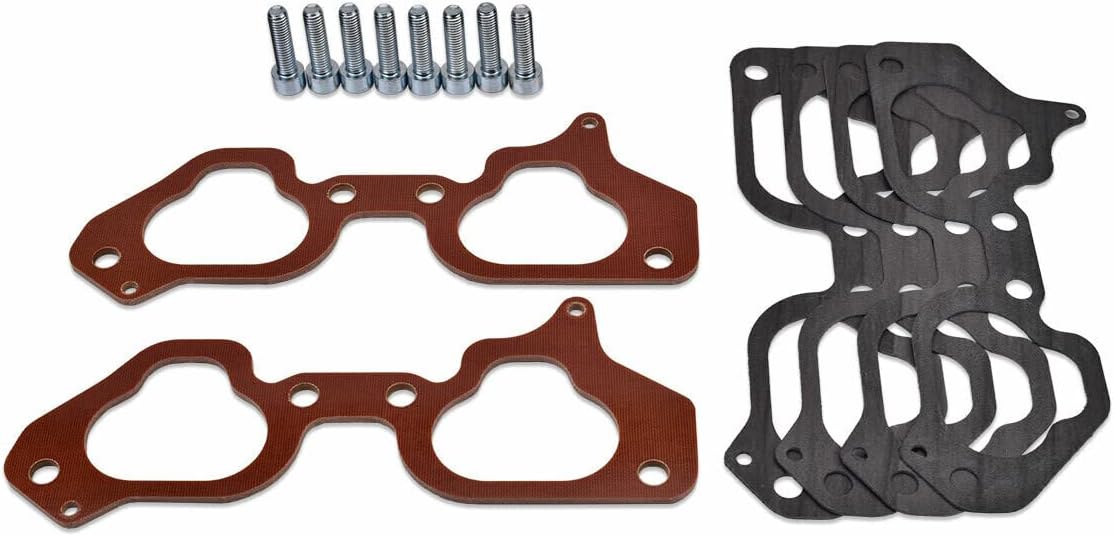
| Material | Phenolic |
|---|---|
| Thickness | 3mm |
| Includes | (2) spacers, (4) nitrile gaskets, (8) M8x30mm screws |
| Fitment note | Hardware fits IAG V2 top-feed TGVs only |
These 3mm phenolic spacers are a simple, bolt-on way to lower and stabilize intake air temperatures on Subaru 2.0L and 2.5L engines. CNC machined from a single piece of phenolic, the pair installs between the cylinder head and top-feed TGV-style intake manifold to provide thermal insulation compared with a steel gasket. IAG includes four nitrile gaskets and the M8x30mm hardware needed for their V2 top-feed TGVs, so installation is straightforward for a mechanically competent DIYer and does not require manifold modification. The spacer thickness is chosen to avoid the clearance problems that larger spacers can introduce while still offering measurable IAT benefits that can translate to safer timing and modest power gains with the existing tune. Limitations: this kit only ships with hardware for IAG V2 top-feed TGVs and you will need different fasteners for other variants, and spacers are a modest power upgrade rather than a replacement for tuning or larger intake modifications.
Best for: A practical Subaru owner who wants a low-risk, reversible parts change to lower intake temperatures and squeeze modest performance gains without major engine work.
Less Ideal for: Drivers seeking large horsepower gains, those who prefer bolt-on parts that include universal hardware for multiple intake versions, or owners unwilling to source alternate fasteners if not using IAG V2 TGVs.
- Reduces intake air temperature by thermally isolating the intake from the head
- CNC machined from single-piece phenolic for consistent fit and finish
- Includes nitrile gaskets and M8x30mm hardware for IAG V2 top-feed TGVs
- 3mm thickness minimizes clearance issues while still providing insulation
- Hardware is only compatible with IAG V2 top-feed TGVs and other variants require separate fasteners
Verdict: If you want a compact, DIY-friendly way to reduce intake air temps on a Subaru 2.0L/2.5L engine, these CNC phenolic 3mm spacers are an effective, low-risk upgrade.
2. IAG Performance V3 Top Feed TGV Housings (Billet Aluminum, Black)

| Fitment | Forester XT 2009-2013 (also fits WRX/STI/Legacy GT per listing) |
|---|---|
| Material | 6061 aircraft grade aluminum |
| Includes | 2 TGV housings, hardware bag, 4 injection molded housing adapters |
| Made in | USA |
The IAG V3 Top Feed TGV Housings swap into the factory intake manifold to free up flow through the tumble generator passages and provide room for larger top-feed turbo inlets. Machined from 6061 aluminum and available anodized black, they are a bolt-on upgrade that keeps the factory emissions actuators and does not require a tune when installed by themselves. In practical use they give measurable airflow improvement and extra clearance for larger injectors and inlet plumbing, making them useful on staged Forester XT builds that keep many stock components. Installation reuses OEM emissions parts and includes adapter pieces and hardware. Limitations are that they are a component-level upgrade rather than a full manifold replacement so peak gains depend on the rest of the intake and turbo system, and some fuel-line setups that need TGV motor removal are incompatible. Also, if you combine these with other power mods you should plan for professional calibration to realize full benefits.
Best for: Enthusiasts building a performance Forester XT who want a focused airflow improvement and room for larger turbos without replacing the entire intake manifold.
Less Ideal for: Drivers seeking a full intake manifold upgrade, a plug-and-play horsepower overhaul, or those unwilling to pursue calibration after additional modifications.
- CNC machined 6061 billet aluminum construction for durability and fit
- Maintains compatibility with factory emissions components so no tune is required when installed alone
- Provides increased airflow and extra clearance for larger top-feed turbo inlets
- Includes adapters and hardware for integration with the stock manifold
- Not a complete intake manifold so maximum power gains depend on other supporting modifications
Verdict: A durable, emissions-compatible TGV housing upgrade that opens airflow and provides top-feed turbo clearance ideal for performance Forester XT builds.
3. IAG 8mm Phenolic Intake Manifold Spacer (pair)

| Thickness | 8mm |
|---|---|
| Material | Phenolic |
| Includes | 4 nitrile gaskets and longer stainless spring pins |
This 8mm phenolic spacer from IAG is a simple, bolt-on component meant to lower intake air temperatures by thermally isolating the intake tract from engine heat and to provide a modest raise to the intake manifold for custom plumbing. It is CNC machined from a single piece of phenolic and comes with four nitrile gaskets and longer stainless spring pins to help with alignment when reassembling. Typical use is on turbocharged Subaru 2.0L and 2.5L engines where cooler intake air or slight manifold clearance is desired without major modifications. The included gaskets are designed to stay intact on removal, which reduces mess compared with layered paper gaskets, and the thicker pins accommodate the spacer thickness. Limitations are that it is a modest performance accessory rather than a power-producing part by itself and clearance issues can arise when raising the manifold, so fitment should be confirmed for your specific intake and turbo plumbing. Hardware is supplied for IAG V2 top-feed TGVs only; other top-feed variants require separate hardware.
Best for: Buyers who want a practical, low-effort way to reduce intake air temps and gain a little manifold clearance for custom piping on Subaru 2.0L/2.5L turbo setups.
Less Ideal for: People looking for a direct power upgrade or those unwilling to verify clearance and fitment with their existing intake plumbing should consider other modifications.
- Phenolic construction reduces heat transfer into the intake tract for lower intake air temperatures
- CNC machined from one piece for consistent fit and finish
- Includes four nitrile gaskets that resist sticking and simplify reassembly
- Longer stainless spring pins aid alignment with thicker spacer installed
- Provides only a modest performance benefit by itself and is not a substitute for other forced-induction upgrades
- Hardware in the kit fits IAG V2 top-feed TGVs only; additional hardware may be needed for other configurations
Verdict: A straightforward, factory-quality phenolic spacer that lowers intake air temperatures and adds clearance for custom Subaru intake plumbing.
4. Subaru Air Intake Duct (Throttle Body to Intercooler) 14459AA660 — Genuine

| Brand Name | Subaru |
|---|---|
| Model Number | 14459AA660 |
| Included Components | Genuine Subaru Parts – Duct Ay Air Int (14459AA660) |
| Product Grade | Replacement Part |
This genuine Subaru intake duct connects the throttle body to the intercooler on turbocharged models and is sold as a direct replacement part. It is typically used when the original duct is cracked, leaking, or removed during turbo or intake work; installation is straightforward for anyone comfortable with basic engine-bay tasks. As an OEM part it matches factory fit and mounting points, which simplifies reassembly and reduces the need for modification. The vehicle-specific fit minimizes air leaks and preserves the factory airflow path, helping maintain turbo response and boost consistency. Limitations are that it only fits the listed turbo applications and does not upgrade airflow or performance beyond factory behavior, so buyers seeking performance gains should look at aftermarket intake piping or intercooler plumbing. For budget repairs this part restores factory function without extra fitment hassles.
Best for: Buyers looking for an affordable, no-fuss factory replacement to restore a leaking or damaged intake duct on a turbo Subaru and who prioritize correct fit and OEM reliability over performance upgrades.
Less Ideal for: Shoppers seeking increased airflow or power gains for performance builds should consider aftermarket intake or piping designed for higher flow instead of this factory replacement duct.
- Genuine Subaru part ensures factory-quality fit and mounting alignment
- Vehicle-specific design reduces installation adjustments and potential air leaks
- Direct replacement preserves original airflow path and turbo response
- Sold as a single complete duct for straightforward swap when replacing a damaged unit
- Fits only turbocharged Subaru applications listed and offers no performance improvement over factory duct
Verdict: If you need an inexpensive, factory-fit replacement to restore proper turbo intake plumbing on a Subaru, this genuine Subaru duct is the straightforward fix.
5. Subaru Air Intake Hose 14460AA290 (Genuine)

| Manufacturer | Subaru |
|---|---|
| Model | 14460AA290 |
| Manufacturer Part Number | 14460AA290 |
| OEM Part Number | 14460-AA290 |
This is the factory-quality Subaru air intake hose (part 14460AA290) used on turbocharged Forester, Impreza, Legacy, Outback, and WRX models from the late 2000s and early 2010s. It connects the intake manifold and turbo plumbing and is a direct-fit replacement that restores proper airflow routing and seal integrity without modification. As a genuine OEM part it matches factory fit and material, which helps preserve engine performance and avoids vacuum leaks that can cause rough idle or boost issues. Installation is straightforward for anyone comfortable with basic engine-bay work and typically requires only common hand tools and clamps. The main limitation is that this is a direct replacement rather than an upgraded performance part, so it does not increase flow or reduce intake restrictions compared with aftermarket performance intakes. For owners prioritizing long-term dependability and correct fitment on a turbo Forester, this part brings a worry-free, factory-correct repair.
Best for: Owners who want a reliable, factory-correct replacement for a turbo Subaru intake hose to maintain original performance and avoid downtime.
Less Ideal for: Enthusiasts looking to increase airflow or extract additional horsepower should consider performance-oriented aftermarket intake components instead.
- Genuine Subaru part ensuring factory fit and compatibility
- Restores proper sealing and airflow to prevent boost or vacuum issues
- Direct-fit replacement that installs with basic hand tools
- Manufactured to the same specifications as the original component
- No performance improvements over the stock hose since it is a direct replacement
Verdict: Choose this genuine Subaru intake hose when you need a dependable, factory-fit replacement to keep a turbo Forester running as intended.
6. Subaru Turbo Intake Air Duct Hose 14459AA361

| Manufacturer | Subaru |
|---|---|
| Model | Duct Ay Air Intake |
| Manufacturer Part Number | 14459AA361 |
| OEM Part Number | 14459-AA361 |
This is a factory Subaru turbo intake air duct hose designed as a direct replacement for the original part. It installs where the turbocharged intake plumbing needs a sealed, routed duct to deliver air from the airbox or turbo inlet. As an OEM part it matches factory fit and connection points so installation is straightforward and typically requires no modification or special tools. The part maintains the original airflow path and materials, which helps preserve throttle response and boost behavior compared with generic aftermarket pieces. Because it is a genuine Subaru component, buyers get the benefit of factory-quality fitment and expected durability for the specified Forester XT, WRX, and Legacy GT turbo models. The main limitation is that this is a direct replacement duct only and does not offer performance gains or altered flow characteristics; anyone seeking increased airflow or tuning should look at performance intake options instead.
Best for: Buyers who prioritize correct fitment and low risk when replacing a worn or damaged turbo intake duct on a Subaru turbo model and who want a part that installs like the original.
Less Ideal for: Drivers looking for aftermarket performance intake upgrades, custom fitment, or measurable airflow gains should consider performance intake components instead.
- Genuine Subaru part ensures factory-accurate fit and attachment points
- Direct replacement that installs without modification on listed turbo models
- Preserves original airflow path and factory boost response
- Durable factory-grade materials suited to OEM service intervals
- Does not increase airflow or offer performance improvements
Verdict: Choose this genuine Subaru intake duct when you want a risk-free, factory-fit replacement that restores original turbo intake function.
7. IAG Performance 76mm Big Bore Throttle Body Adapter for Subaru STI Intake Manifolds

| Bore size | 76mm |
|---|---|
| Material | 6061 aluminum |
| Fitment note | Fits 2004-21 STI, 2006-07 WRX, 2004-08 Forester XT |
| Installation method | Rivet-transfer of OEM throttle motor |
This IAG Performance Big Bore adapter enlarges the throttle opening to 76mm—about 25 percent larger than stock—to improve airflow into Subaru turbo intake manifolds. It is machined from 6061 aluminum with an O-ring sealing surface and ships with the hardware needed to bolt between the intake and the factory throttle body. Installation is aimed at simplicity for a typical shop or competent DIYer: you remove the motor assembly from your OEM throttle body by drilling out rivets, then transfer that motor to the new adapter using the supplied rivets and plug in the factory electrical connector. In practice this means fewer steps than full throttle body swaps and no spring or complex reassembly. The larger bore can help support higher power or reduce restriction on upgraded intakes, but you should confirm your throttle body is the riveted style and check fitment for Forester XT manifolds and your tuner before buying. Finish options include anodized black or natural silver. Note that this is an adapter plate rather than a complete throttle assembly so it relies on your existing throttle motor and linkage.
Best for: Buyers wanting a straightforward, factory-friendly way to increase intake airflow on a Subaru Forester XT who prefer minimal mechanical complexity and compatibility with existing throttle components.
Less Ideal for: Drivers who want a complete plug-and-play electronic throttle replacement or those unwilling to verify throttle motor style and consult a tuner should consider other solutions.
- Significant increase in bore size (76mm) for improved airflow potential
- Machined 6061 aluminum construction with O-ring sealing for a solid seal
- Designed for a simple rivet-transfer installation using the factory throttle motor and connector
- Includes necessary hardware and choice of anodized black or natural silver finish
- Requires transferring the OEM throttle motor and confirming riveted throttle body style which adds a prerequisite check
Verdict: If you want a simple, factory-compatible way to increase intake airflow on a Forester XT without replacing the throttle motor, this 76mm IAG adapter delivers the airflow gain with minimal disassembly.
Choosing the Right Subaru Forester XT Intake Manifold: Key Factors to Consider
Fitment And Flange Accuracy
Accurate fitment is crucial for the Subaru Forester XT because the turbocharged intake path relies on tight seals at the head and turbo interfaces. Even small misalignments can cause vacuum leaks, erratic idle, or reduced forced-induction efficiency. When the flange faces are not flat or the bolt holes are slightly off, you risk needing shims or gasket modifications that add labor and potential failure points.
Check that bolt patterns, sensor boss locations, and vacuum port placements match the Forester XT layout. Proper fitment reduces installation time and the chance of post-install troubleshooting related to leaks or poor throttle response.
Sealing Materials And Gasket Compatibility
The intake manifold gasket and sealing surfaces are the first defense against intake manifold leak and vacuum loss. For a turbocharged Forester XT, gaskets must tolerate repeated heat cycles, oil and coolant exposure where applicable, and higher-than-atmospheric pressures in sections exposed to boost.
Choose manifolds that specify compatible gasket materials or include high-quality replacement gaskets. Consider whether the design uses integrated seals, composite gaskets, or metal-reinforced solutions; each has different longevity and sealing characteristics under boost and heat.
Port Design And Internal Flow
Port geometry influences throttle response and peak power potential. A manifold with smoother internal surfaces and well-contoured runners can reduce turbulence and improve flow distribution to each cylinder, which matters for maintaining consistent cylinder filling under boost in the Forester XT.
While extreme port reshaping is typically a performance modification, many replacement manifolds offer refined runner shapes or larger plenums that can yield more consistent boost delivery without extensive tuning. Consider port finish and whether the manifold is tuned toward low-end response or higher-rpm flow.
Material Durability And Heat Management
Intake manifolds face thermal stress from the engine bay environment and, on turbo engines, exposure to pressurized air that can carry heat. Materials like cast aluminum tend to handle heat and vibration better than some plastics, but can transfer more heat into the intake charge if not properly insulated.
Assess whether the manifold includes heat shields, thermal coatings, or provisions for insulation. Durable construction reduces the chance of cracking, warpage, or fastener failure over time, which is especially important for a vehicle used in regular spirited driving.
Serviceability And Access To Ports
Ease of service matters when routine maintenance or sensor replacement is needed. The Forester XT layout can complicate access to vacuum lines, PCV ports, or sensor bosses depending on the manifold design. A manifold that leaves critical ports accessible or provides clear routing for vacuum lines simplifies future repairs and reduces labor costs.
Also consider whether the manifold allows straightforward torque access to mounting bolts and includes clear torque specifications for fasteners. Poor access can lead to improper tightening and subsequent leaks.
Compatibility With Tuning And Related Upgrades
If you plan intake manifold performance upgrade work or additional forced-induction tuning on the Forester XT, ensure the manifold supports those goals. Some manifolds are designed for stock sensors and boost levels, while others have provisions for larger throttle bodies, boost reference ports, or improved plenum volume that harmonize with upgraded turbo components.
Confirm that the manifold will not obstruct intercooler piping, wastegate plumbing, or boost control lines. Compatibility reduces the chance of needing adapter flanges or custom fabrication during later upgrades.
Common Symptoms Of Intake Manifold Problems On The Forester XT
Understanding the typical signs of a failing intake manifold helps you decide whether repair or replacement is needed. Common symptoms include fluctuating idle, loss of boost pressure, poor throttle response, and unusual hissing or whistle noises from the engine bay. These symptoms often point to intake manifold leak or gasket failure rather than unrelated systems.
- Rough idle or stalling when cold
- Loss of boost or reduced turbo response under load
- Hissing sounds indicating vacuum leaks
- Check engine light codes related to MAF, MAP, or intake air discrepancies
Diagnostic Steps Before Replacement
Before installing a new intake manifold, run targeted diagnostics to confirm the manifold is the source of the problem. Start with a visual inspection for obvious cracks, warped flanges, or degraded gasket material. Use controlled vacuum or boost testing and a smoke test to locate leaks in ports, gasket faces, and vacuum lines.
If tests point to a manifold gasket or small cracks, verify torque specs for mounting bolts and re-torque in the correct sequence before replacing parts. Also inspect connected components like vacuum hoses, PCV lines, and sensor fittings; issues in those areas can mimic manifold symptoms.
- Perform a smoke test to pinpoint vacuum leaks
- Inspect gasket faces and bolt holes for corrosion or warpage
- Check vacuum hoses and sensor fittings for brittle material or loose clamps
Installation Tips Specific To The Forester XT
When installing a replacement manifold on the Forester XT, follow a clean-surface protocol: clean the head flange, remove old gasket residue, and verify bolt threads before assembly. Use the manufacturer-recommended intake manifold torque specs and tightening sequence to avoid warping the flange or creating uneven sealing pressure.
Consider replacing mating gaskets and any fasteners that show wear. Route vacuum lines exactly as the original layout to prevent chafing or kinks. If a replacement requires slight repositioning of ancillary parts, confirm there is adequate clearance for boost and vacuum plumbing after installation.
- Clean mating surfaces thoroughly before assembly
- Follow the specified torque specs and bolt sequence
- Replace gaskets and degraded fasteners during installation
When To Consider A Performance Upgrade
A performance-oriented intake manifold can offer benefits if you are planning broader turbo system upgrades. Look for manifolds with increased plenum volume or smoother runner transitions that help with high-rpm flow. However, such upgrades often require calibration changes to the engine management system to achieve predictable results and avoid drivability issues.
For most owners aiming to restore reliable operation, a direct-fit replacement that emphasizes sealing and durability is the safer choice. Performance upgrades are most appropriate when matched to supporting modifications like larger intercoolers, upgraded turbo components, and tuned boost control.
- Performance manifolds often need ECU recalibration
- Match manifold upgrades to supporting turbo system modifications
- Direct-fit replacements favor reliability over peak power
Routine Maintenance To Prolong Manifold Life
Regular inspection of gaskets, clamps, and vacuum lines extends manifold life. Keep the intake tract clean by addressing excessive oil or carbon accumulation through proper PCV system maintenance and occasional intake manifold cleaning if accessible. Monitor vacuum and boost pressures during regular service intervals so you can spot trends before failures occur.
If you notice small leaks, address them promptly; minor vacuum leaks can worsen quickly under thermal cycling and lead to larger gasket failure.
- Inspect vacuum hoses and clamps during oil changes
- Monitor boost and vacuum readings for gradual declines
- Address small leaks before they become larger problems
Still looking for the perfect fit?
Select your Subaru Forester configuration to see the most relevant Intake Manifolds recommendations
How We Chose the Best Subaru Forester XT Intake Manifold
We evaluated candidates using criteria that reflect the Forester XT's turbocharged engine and common service needs. Primary evaluation points included fitment accuracy and flange machining to ensure a leak-free interface with the cylinder head and turbo plumbing; sealing materials and gasket compatibility to reduce the chance of vacuum or boost leaks under repeated thermal cycles; and port shape and internal finish to assess potential airflow benefits and turbulence reduction. We also weighed durability under heat and vibration by considering construction materials and reinforcements, plus ease of installation including bolt access and whether replacement requires removal of ancillary components.Additional filters removed options that lacked direct fitment to the Forester XT configuration or that required major custom fabrication. We excluded manifolds with unclear gasket or torque specification documentation and those without clear provision for the vehicle's vacuum and sensor ports. Final selections balanced real-world serviceability against potential performance gains while prioritizing components that minimize the risk of boost or vacuum loss.
Our full evaluation process is outlined in our review methodology.
FAQ
What are the most common intake manifold symptoms on a Forester XT?
Owners often notice rough idle, loss of boost, hissing noises, or check-engine lights tied to intake pressure sensors. These signs usually indicate a leak, gasket failure, or cracked runner rather than unrelated systems.
Can I repair a small intake manifold crack or should I replace it?
Minor hairline cracks can sometimes be repaired depending on location and material, but repairs may not withstand turbocharged pressures long term. Replacement is usually the more reliable solution for the Forester XT if the crack is on a sealing surface or a pressurized section.
How important are torque specs when installing an intake manifold?
Very important. Using the correct intake manifold torque specs and tightening sequence prevents flange warpage and uneven sealing that can lead to vacuum leaks. If torque access is tight, use a calibrated torque wrench and follow the documented pattern.
Will cleaning the intake manifold fix performance issues?
Cleaning can help if carbon buildup or oil contamination is restricting flow or blocking ports. However, cleaning will not fix warped flanges, cracked runners, or failing gaskets; those issues require repair or replacement.
How do I diagnose an intake manifold vacuum leak on my Forester XT?
Common diagnostics include a smoke test to reveal leak locations, listening for hissing while the engine is running, and monitoring boost and vacuum readings for inconsistencies. Start with visible hose connections and gasket faces, then progress to pressurized tests if needed.
Are aftermarket intake manifolds worth it for daily-driven Forester XTs?
For a daily-driven Forester XT focused on reliability, a direct-fit replacement that emphasizes sealing and serviceability is usually the better choice. Aftermarket performance-focused manifolds are best when combined with supporting upgrades and tuning.
Final Verdict
Prioritize sealing reliability, flange fitment, and documented torque procedures when choosing an intake manifold for the Subaru Forester XT. Those attributes have the greatest impact on drivability, boost retention, and long-term durability. If you plan further turbo upgrades, select a manifold that supports larger throttle bodies or added boost reference ports and be prepared to recalibrate the engine management system.Ultimately, choose the option that matches your goals: a direct-fit replacement for dependable daily use, or a performance-oriented manifold only when it is part of a coordinated upgrade plan with tuning and supporting hardware.
Explore More:
- Check out all Subaru Forester parts & accessories
- Explore Intake Manifolds Maintenance & Repair Guides
- Explore Engine
- Browse all Auto Parts
