

Note: This article contains affiliate links. If you click on these links and make a purchase, I may earn a small commission at no extra cost to you. This helps support my research and content. Read my full affiliate disclosure here.
Picking the right Chevrolet Camaro intake manifold matters because it directly affects engine breathing, throttle response, and long-term reliability. A correct manifold improves airflow distribution and helps avoid common running issues that can lead to rough idle or reduced power. This guide covers our shortlisted intake manifolds for the Camaro, chosen for their proven fit and performance characteristics. We evaluated each option on fitment, airflow, sealing, and ease of installation to help you find the best match for your goals and driving style.
Looking for other parts? See all Chevrolet Camaro parts & accessories.
Top Picks at a Glance
| Best overall The best all-around choice for most situations | Edelbrock Performer Intake Manifold (Model 2701) |  |
| Best quality Built to a higher standard if you want something more solid | Edelbrock Performer RPM Intake Manifold (7161) |  |
| Best Value The sweet spot between price and what you get | Dokili 300-130 Dual Plane Aluminum Intake Manifold for GM LS1/LS2/LS6 5.7L–6.0L |  |
| Best budget The cheapest option that still gets the job done reliably | NEWZQ Aluminum Performer Intake Manifold for Chevy Small Block (2701) |  |
| Highest Rated A top-rated pick with lots of positive feedback | Dokili Single-Plane Aluminum Intake Manifold for GM LS Engines |  |
| Most popular A crowd favorite that many people choose with confidence | GM Genuine Parts Intake Manifold (25200449) |  |
| Best Seller A high-volume bestseller chosen again and again | GM Genuine Parts 12639087 Intake Manifold Assembly |  |
1. Edelbrock Performer Intake Manifold (Model 2701)

| Flange Type | Square Bore |
|---|---|
| Fuel Type | Gasoline |
| RPM Range | Idle to 5,500 RPM |
| Material | Aluminum |
The Edelbrock Performer 2701 is a dual-plane aluminum intake manifold engineered to boost midrange torque and horsepower for Chevy small-block installs on Camaro restorations and mild builds. It is intended for use with a single square-bore carburetor and works across the idle to 5,500 RPM band, making it useful for street-driven Camaros that need stronger low- to mid-range response without radical cam or head work. Notable features include a satin aluminum finish and factory-style flange spacing for straightforward installation onto standard-deck Chevrolet small-block cylinder heads. Buyers will appreciate the noticeable torque improvement in everyday driving and the durable, well-machined casting. Limitations are that it is carburetor-only so it will not suit fuel-injected conversions, and some users report minor finish imperfections and the need for specific gaskets or light port-matching on certain heads. Installation may require external fuel pump solutions on older blocks with incompatible cam-driven pumps.
Best for: Balanced all-round Camaro builders seeking a reliable, street-friendly upgrade that prioritizes drivability and midrange power for daily or weekend use.
Less Ideal for: Enthusiasts planning full race builds, modern EFI conversions, or those who need peak high-RPM horsepower should consider more specialized intake solutions.
- Dual-plane design tuned for improved low- to mid-range torque on street engines
- Cast aluminum construction offers good durability with a factory-style satin finish
- Compatible with square-bore single carburetor setups common to classic Camaro builds
- Designed for stock standard-deck small-block Chevrolet heads for simpler fitment
- Not compatible with electronic fuel injection or multi-carb setups
- May require head port-matching or aftermarket gaskets for perfect sealing on some heads
Verdict: A practical, street-oriented intake that gives Camaro small-block engines stronger midrange performance while keeping installation and drivability straightforward.
2. Edelbrock Performer RPM Intake Manifold (7161)

| Material | Aluminum |
|---|---|
| Carburetor Quantity | Single |
| Operating RPM Range | 1,500 to 6,500 RPM |
| Style | Dual plane |
The Edelbrock Performer RPM 7161 is a dual-plane, high-rise intake manifold engineered for performance street engines that rev up to about 6,500 RPM. It replaces the factory intake on compatible small-block Chevrolet V8s and is used with a single carburetor to improve top-end power while keeping usable throttle response for street driving. Notable features include larger plenums and runners that pair well with high-lift camshafts, free-flowing exhausts, and other high-output modifications. Constructed in aluminum with a satin finish, it accepts late-model accessories like the water neck, alternator, air-conditioning, and HEI ignition components for easier installation on updated engines. It does not provide provisions for exhaust heated chokes and is not intended for emissions-equipped vehicles, so it is best for performance builds rather than stock restorations. For Camaro owners seeking a robust, factory-replacement-style manifold that favors high RPM power, this is a proven option; those who need emissions compliance or low-RPM focused torque should look elsewhere.
Best for: Performance-oriented Camaro owners who prioritize higher RPM horsepower and plan moderate to extensive engine upgrades, including higher-lift cams and freer-flowing exhausts.
Less Ideal for: Buyers who need an emissions-compliant manifold, want maximum low-end torque for daily driven restorations, or prefer multi-vehicle compatibility.
- Dual-plane, high-rise design improves top-end horsepower while maintaining streetable throttle response
- Larger plenums and runners match high-lift cams and freer-flowing exhaust for performance builds
- Accepts late-model accessories such as water neck, alternator, A/C and HEI for simpler installation on updated small-blocks
- Not compatible with emissions-equipped systems or exhaust-heated choke setups
- Focused on high-RPM power rather than maximizing low-end torque
Verdict: Choose the Edelbrock 7161 if you want a factory-style aluminum intake that favors high-RPM power on a performance-tuned Camaro; skip it if you need emissions compliance or low-end grunt.
3. Dokili 300-130 Dual Plane Aluminum Intake Manifold for GM LS1/LS2/LS6 5.7L–6.0L

| Intake Material | Aluminum |
|---|---|
| Manifold Type | Dual Plane |
| RPM range | 1,500 to 6,500 RPM |
| Position | Upper |
| Gasket or Seal Included | Yes |
This Dokili 300-130 is a budget-focused dual-plane intake manifold for Chevy LS small-block V8s used in late 1990s–2000s Camaros and related GM cars. Built from cast aluminum, it installs in the upper position and comes with mounting hardware and Viton O-rings so you can swap it onto a carbureted LS application or use it in a carb swap project. The dual-plane runner layout and stated 1,500–6,500 RPM power band prioritize stronger low-end and mid-range torque, which improves throttle response in daily driving and cruising compared with single-plane race intakes. Practical benefits include factory-like fit and finish for the price, included seals and bolts, and compatibility with common LS1/LS2/LS6 setups. Limitations are that its peak high-RPM horsepower is lower than a single-plane performance intake and a few users noted O-ring fitment issues that may require minor adjustment during installation. For a practical builder needing streetable power on a budget, it covers the essentials without expensive branding or exotic features.
Best for: Practical optimizers looking to extract usable low- and mid-range power from an LS swap or rebuild without overspending; ideal for street-driven Camaros where daily drivability matters more than peak RPM power.
Less Ideal for: Enthusiasts building a high-RPM race engine or buyers seeking a show-quality branded manifold should look at single-plane or premium options instead.
- Cast aluminum construction offers a durable, factory-style appearance at a low cost
- Dual-plane design improves low- and mid-range torque and throttle response for street driving
- Includes mounting bolts, washers and Viton O-rings so most hardware is ready for install
- Compatible with common LS1/LS2/LS6 V8 carbureted swap applications
- Less high-RPM horsepower potential than single-plane race intakes
- Some customers reported loose or undersized O-rings that may need attention during installation
Verdict: A cost-conscious dual-plane aluminum intake that delivers improved low- and mid-range performance for Camaro LS street builds.
4. NEWZQ Aluminum Performer Intake Manifold for Chevy Small Block (2701)

| Manufacturer | NEWZQ |
|---|---|
| Material Type | Aluminum |
| Replacement for | Chevy Small Block 1955-1986 |
| Manufacturer Part Number | 2701 2701-1 |
This aluminum performer intake manifold is a straightforward factory-replacement style unit for Chevrolet small block V8s (fits classic 1955–1986 small block applications). It installs in place of the stock manifold to restore proper intake routing and mounting for carbureted or compatible throttle-body setups on classic Camaros running the Chevy small block. The cast aluminum construction and natural finish keep weight down compared with cast-iron originals while retaining the same mounting points and basic geometry, so it is suitable for street rebuilds and mild performance builds. Buyers will appreciate the clear fitment focus and simple, no-frills approach that makes it easy to swap during an engine refresh. Limitations are that this is a basic replacement rather than a high-rise performance manifold, so it will not deliver significant horsepower gains for heavily modified engines and may require matching gaskets and linkage adjustments during installation.
Best for: Budget-conscious Camaro owners rebuilding or refreshing a classic small block who prioritize a reliable, affordable factory-style replacement over performance upgrades.
Less Ideal for: Enthusiasts building high-horsepower or race-oriented Camaro engines who need a performance manifold tuned for airflow and power curves.
- Direct replacement fitment for Chevy small block 1955–1986 applications
- Aluminum construction reduces weight compared with older cast-iron manifolds
- Simple, factory-style design that eases installation during rebuilds
- Natural finish allows for easy finishing or painting if desired
- Not a high-rise or performance-oriented design so gains are limited on modified engines
- Does not include aftermarket tuning or carburetor hardware which may be needed for optimal performance
Verdict: A practical, low-cost aluminum replacement for classic Chevy small block Camaros that favors reliability and fit over performance gains.
5. Dokili Single-Plane Aluminum Intake Manifold for GM LS Engines

| Fitment | GM LS1 LS2 LS6 V8 5.7L and 6.0L engines |
|---|---|
| Flange | 4150 square bore |
| Construction | Cast aluminum |
This Dokili single-plane intake manifold replaces the factory-style plenum with a high-rise design aimed at improving high-RPM power on GM LS V8 engines. It bolts to the standard 4150 square-bore flange, so it is typically used in carb or throttle-body conversions, naturally aspirated builds, and boosted or nitrous-assisted setups. The cast-aluminum construction and machined surfaces give a factory-quality fit and heat-dissipation benefits, while included mounting hardware and Viton O-rings simplify installation. Expect a power band biased toward 2,500 to 7,500 RPM, making it a good match for cammed or high-revving engines. Limitations include the single-plane character that reduces low-end torque compared with dual-plane intakes and the potential need for minor fitment trimming or attention to O-ring seating noted by installers. For reliability-focused builders the unit provides a durable, serviceable platform, but tuning and accessory selection should match the intake's high-RPM orientation.
Best for: A reliability-focused buyer building a Camaro for robust, high-RPM performance who prioritizes durable, serviceable components over maximizing low-end drivability.
Less Ideal for: Drivers seeking strong low-end torque and daily drivability or those unwilling to tune the engine for a high-RPM power band should consider a different intake approach.
- High-rise single-plane design optimized for broad power from 2,500 to 7,500 RPM
- Cast aluminum construction with precision-machined surfaces for durable, factory-quality fit
- Includes mounting bolts and Viton O-rings to streamline installation
- 4150 square-bore flange allows straightforward use with common carburetors or throttle bodies
- Single-plane layout sacrifices low-end torque compared with dual-plane intakes
- Some users reported O-ring fitment issues requiring minor adjustment during installation
Verdict: A budget-friendly, durable single-plane intake that reliably boosts high-RPM power for LS-based Camaro builds while requiring tuning and sacrifice of low-end torque.
6. GM Genuine Parts Intake Manifold (25200449)

| Manufacturer | ACDelco |
|---|---|
| Brand | GM GENUINE PARTS |
| Model | 25200449 |
| Exterior | Machined |
This GM Genuine Parts intake manifold is a direct-replacement unit made to factory specifications for compatible GM engines. It evenly distributes the combustion mixture or air to each intake port, so it is used when a failing manifold causes rough idle, increased oil consumption, or related PCV and turbocharger issues. As a genuine GM part it promises fit, form, and function equivalent to the original component and arrives machined and ready for installation. Buyers benefit from predictable fitment and the assurance of a part validated by the manufacturer, which reduces diagnostic time and follow-up surprises after repair. Several owners report the manifold solves check-valve failures that otherwise damage PCV and associated hoses. Limitations include the need to replace related components that may have been damaged by a failing manifold and the possibility of difficult access during installation on some engines, which can add labor time and cost compared with simpler service items.
Best for: A convenience-driven buyer who wants a drop-in, factory-validated replacement to fix drivability and oil-consumption problems without hunting for aftermarket alternatives.
Less Ideal for: Drivers seeking upgraded performance modifications or lighter aftermarket manifolds should look elsewhere, and those unwilling to tackle or pay for moderate installation labor should consider professional installation.
- Factory-quality fit and finish for direct replacement on supported GM engines
- Machined exterior and built to GM specifications for consistent performance
- Designed to restore correct air/fuel distribution and resolve manifold-related drivability issues
- Included gasket in package for easier installation
- May require replacement of ancillary parts (PCV, hoses, tubes) if they were damaged prior to installation
- Installation can be time-consuming on some engines due to limited access and removal of surrounding components
Verdict: Choose this intake manifold when you want a factory-quality, direct-replacement part to reliably fix manifold-related drivability and PCV issues.
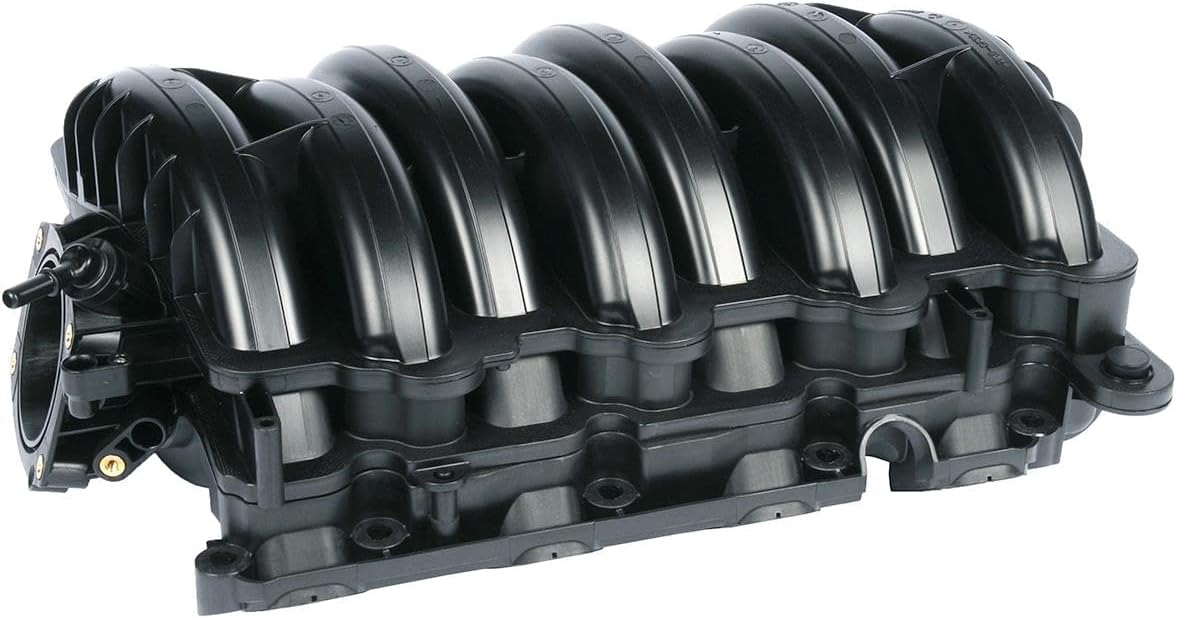
7. GM Genuine Parts 12639087 Intake Manifold Assembly
| OEM Part Number | 12639087 |
|---|---|
| Model | Intake Manifold Assembly |
| Exterior | Machined |
This GM Genuine Parts intake manifold is a direct-fit replacement engineered to the same standards used by General Motors and intended to restore proper air delivery and sealing on compatible engines. It is typically used when a cracked, warped, or leaking intake manifold causes vacuum leaks, rough idle, reduced power, or coolant intrusion. Notable features include factory-spec design and manufacturing, machined exterior surfaces for reliable sealing, and GM validation that aligns fit, form, and function with the original component. In practice the part simplifies installation compared with aftermarket universal options because it matches mounting points and passages, which reduces the need for modifications. The main practical benefit is peace of mind from using a part backed by the vehicle maker that should return the engine to expected drivability and emissions performance. The product is a direct replacement rather than a performance upgrade, so buyers seeking power gains or modified flow characteristics will need a different component.
Best for: Reliability-focused owners who prioritize restoring factory performance and longevity with a vehicle-maker validated replacement rather than aftermarket modifications.
Less Ideal for: Buyers seeking increased horsepower or custom intake flow tuning should consider performance-oriented aftermarket manifolds instead.
- Factory-quality design and manufacturing validated by General Motors
- Direct-fit replacement that matches factory mounting points and passages
- Machined exterior surfaces to help ensure reliable sealing and fit
- Restores factory drivability, emissions behavior, and sealing where originals fail
- Not designed for performance gains or increased airflow compared with aftermarket performance manifolds
- Requires correct fitment checking to ensure compatibility with specific Saturn Vue engine variants
Verdict: A factory-validated intake manifold that restores original fit and drivability for GM-compatible engines.
Choosing the Right Chevrolet Camaro Intake Manifold: Key Factors to Consider
Fitment And Compatibility
Fitment is the first thing to confirm because even well-designed manifolds will cause problems if bolt patterns, port alignment, or sensor locations do not match the Camaro's engine. Verify that the manifold aligns with intake ports, EGR or PCV connections, vacuum lines, and throttle-body bolt patterns for your specific Camaro engine variant. Poor fitment can lead to vacuum leaks, installation delays, and the need for aftermarket adapters. Choosing a manifold specified for your engine reduces fabrication work and avoids compromises that can hurt drivability.
Airflow Design And Port Shape
Airflow characteristics determine how efficiently the engine breathes across the rev range. Look for manifolds with smooth, consistent runners and port shapes that match or carefully transition from the cylinder head ports to reduce turbulence and improve volumetric efficiency. Runner length and plenum volume influence where power peaks occur. Longer runners often aid low- to mid-range torque while shorter, straighter runners tend to favor high-rpm power. Match the airflow design to your typical driving scenario for the best results.
Material And Thermal Stability
Manifold materials affect heat soak, weight, and long-term durability. Cast aluminum is common for strength and thermal conductivity, while composite materials can reduce heat transfer to incoming air and are often lighter. Consider how the material handles thermal cycling and whether coatings or insulation are applied. Manifolds that resist warping and maintain sealing surfaces under heat are less likely to develop leaks or require replacement gaskets frequently.
Sealing And Gasket Interface
A reliable seal between the manifold and head is essential to prevent vacuum leaks and coolant or oil cross-contamination where applicable. Check the design of the gasket interface, whether it uses integrated seals, o-ring grooves, or standard flat gaskets, and how easy those gaskets are to source and replace. Proper sealing affects idle quality, fuel metering, and emissions systems. If a manifold requires nonstandard gaskets or complex torque sequences, factor that into installation planning.
Installability And Hardware Considerations
Ease of installation can save time and reduce the chance of errors. Consider whether the manifold uses stock bolt patterns and torque specs, and whether it includes necessary mounting hardware and dowels for alignment. Also assess access to vacuum ports, sensor bosses, and the throttle body during installation. Manifolds that require removal of ancillary components or extensive disassembly will raise labor time and complexity.
Maintainability And Service Access
Think about routine maintenance tasks such as cleaning carbon buildup, replacing the intake manifold gasket, or diagnosing vacuum leaks. A design that allows straightforward access to bolts and sensors makes these tasks less time-consuming. Manifolds that facilitate inspection and cleaning help extend engine life and make it easier to address symptoms like rough idle or poor throttle response when they occur.
How We Chose the Best Chevrolet Camaro Intake Manifold
We evaluated available intake manifolds for the Chevrolet Camaro by focusing on real-world fit and performance factors that matter to owners. Our process prioritized precise fitment to the vehicle's intake ports and mounting points to minimize installation issues and ensure reliable sealing under typical driving conditions. We assessed airflow characteristics and port design to determine how well each manifold supports throttle response and midrange power, using manufacturer specifications and engineering features as indicators. Durability and materials were reviewed to judge resistance to heat and warping, and we looked at compatibility with stock mounting hardware, vacuum ports, and sensors to reduce the need for additional modifications. We also considered ease of maintenance such as accessibility for gasket replacement and cleaning. Exclusions: we excluded manifolds that lacked clear fitment data for the Chevrolet Camaro, products with known material defects, or options intended only for motorsport race builds that require custom fabrication.
Our full evaluation process is outlined in our review methodology.
FAQ
How do I know if my Camaro needs an intake manifold replacement?
Common signs include rough idle, loss of power, persistent vacuum leaks, or coolant contamination if the manifold carries coolant passages. You may also notice check-engine lights related to airflow or misfires. Diagnosis usually starts with a visual inspection for cracks or warped flanges and vacuum leak testing.
Can I clean an intake manifold instead of replacing it?
Cleaning is often useful for removing carbon buildup and restoring airflow, especially on models with significant intake deposits. However, cleaning will not fix warped flanges, cracked runners, or damaged mounting surfaces. Evaluate whether the underlying sealing surfaces and material integrity remain sound before deciding to clean.
What causes intake manifold vacuum leaks and how are they diagnosed?
Vacuum leaks commonly stem from failed gaskets, warped flanges, loose bolts, or cracked manifold material. Diagnosis typically uses a smoke test or spray test around joints while the engine is running to locate the leak. Listening for hissing sounds and checking for irregular idle or lean codes also helps pinpoint leaks.
Do intake manifold torque specs matter during installation?
Yes, correct torque sequence and values ensure even clamping pressure and proper sealing. Under- or over-torquing can distort the flange, promote leaks, or damage bolts. Follow the vehicle-specific torque specs and sequence for the Camaro engine to avoid sealing issues.
Will a performance-oriented intake manifold noticeably change drivability?
A manifold designed for performance can change throttle response and the engine's powerband depending on its runner length and plenum design. Some designs favor low-end torque while others aid high-rpm power. Expect tradeoffs between peak output and day-to-day drivability depending on the design goals.
How expensive is addressing intake manifold problems?
Costs vary widely depending on whether the issue needs a gasket replacement, cleaning, or a full manifold swap. Simpler fixes like replacing gaskets or tightening mounting hardware are typically less involved, while replacing a warped or cracked manifold requires more labor and parts. Consider the extent of damage and accessibility when estimating time and cost.
Conclusion
When choosing an intake manifold for a Chevrolet Camaro, prioritize correct fitment, reliable sealing, and an airflow design that matches your driving goals. Material and thermal stability are important for long-term durability, while ease of installation and maintenance will reduce future headaches. Balance the tradeoffs between runner geometry and plenum volume depending on whether you want better low-end torque or higher-rpm breathing. Confirm torque specs and gasket type before installation to ensure a leak-free result and dependable performance.
Explore More:
- Check out all Chevrolet Camaro parts & accessories
- Explore Intake Manifolds Maintenance & Repair Guides
- Explore Engine
- Browse all Auto Parts
