

Note: This article contains affiliate links. If you click on these links and make a purchase, I may earn a small commission at no extra cost to you. This helps support my research and content. Read my full affiliate disclosure here.
A properly chosen set of front wheel spacers can change the handling and looks of your Chevrolet S-10 without altering suspension geometry. For many S-10 owners, spacers are a practical way to correct offset, achieve a flush wheel fitment, or create a wider track for improved stability during cornering. This guide covers our shortlisted front wheel spacers selected for fitment, construction, and on-vehicle safety considerations.Below you will find the top picks for front wheel spacers for the S-10 plus clear guidance on sizes, installation basics, and long-term maintenance to help you pick the right option for your truck.
Top Picks at a Glance
| Best Overall The best all-around choice for most situations | Customadeonly 1" Hubcentric Wheel Spacers 5×4.75 (70.3mm) — 4-Pack, Forged 6061-T6 |  |
| Best Quality Built to a higher standard if you want something more solid | Titan Wheel Accessories 1/2" 5×4.75 Dual-Drilled Wheel Spacers (Pair) |  |
| Best Value The sweet spot between price and what you get | HHCSOP 1.5" 5×4.75 Wheel Spacers with 70.5mm Bore and M12x1.5 Studs |  |
| Best Budget The cheapest option that still gets the job done reliably | ECCPP 1" 5×4.75 Wheel Spacers, 2-Pack |  |
| Highest Rated A top-rated pick with lots of positive feedback | Orion Motor Tech 2" 5×4.75 Wheel Spacers with M12x1.5 Studs, Set of 4 |  |
| Most Popular A crowd favorite that many people choose with confidence | SCITOO 2-Pack 5×120 Hubcentric 20mm Wheel Spacers (70.3mm Bore, 12×1.5 Studs) |  |
1. Customadeonly 1" Hubcentric Wheel Spacers 5×4.75 (70.3mm) — 4-Pack, Forged 6061-T6

| Bolt pattern | 5×4.75 (5×120.7) |
|---|---|
| Center bore | 70.3mm |
| Thickness | 25mm (1 inch) |
| Material | 6061-T6 aluminum |
These Customadeonly wheel spacers move the wheel out by 1 inch and are built as a four-piece kit for vehicles with a 5×4.75 bolt pattern and a 70.3mm hub bore. They are CNC-machined from 6061-T6 aluminum and use heat-treated class 10.9 studs, which keeps the assembly light while maintaining strength for everyday driving and occasional spirited use. The hubcentric design and tight bore tolerance are intended to reduce vibration when properly fitted to a clean hub, and the anodized finish helps resist corrosion. Installation is straightforward for anyone comfortable removing the wheel and torquing lug hardware, though you may need to trim long factory studs or lightly clean/sand an oversized hub for the best fit. These spacers are practical for widening track, improving stance, or clearing brake and suspension components, but they add an extra component between wheel and hub and require correct torque and periodic checks. They are not a performance axle upgrade and should be used within the vehicle's normal load and driving limits.
Best for: Buyers who want a reliable, factory-compatible spacer to widen track or improve wheel fitment on a daily-driven S-10 while keeping strength and low weight in mind.
Less Ideal for: Drivers seeking a heavy-duty offset for extreme load carrying, racing-spec wheel modifications, or those unwilling to perform basic hub prep and periodic hardware checks.
- Forged 6061-T6 aluminum construction for a strong yet lightweight spacer.
- CNC-machined hubcentric bore (70.3mm) for precise fitment and reduced vibration.
- Includes heat-treated class 10.9 M12x1.5 studs for durable wheel mounting.
- Anodized finish improves corrosion resistance and appearance.
- May require trimming long factory studs or light sanding of the hub bore to achieve a snug fit.
Verdict: A precision-machined, forged aluminum 1-inch spacer that gives S-10 owners a durable, low-vibration way to widen track and correct wheel fitment.
2. Titan Wheel Accessories 1/2" 5×4.75 Dual-Drilled Wheel Spacers (Pair)

| Bolt pattern | 5×4.75 (dual-drilled) |
|---|---|
| Thickness | 1/2" (12mm) |
| Hub bore | 78.1mm |
These Titan 1/2-inch wheel spacers are designed to widen the stance and provide extra clearance for aftermarket wheels on vehicles using a 5×4.75 (5×4.5) bolt pattern. They are hub-centric with a 78.1mm bore and come as a pair of flat spacers that require additional lug studs or lugs for installation. In practice they push the wheel outward by 12mm, giving a more aggressive look and helping to avoid tire or caliper interference when fitting wider wheels or tires. The package notes recommend professional installation, torque checks after initial driving, and avoiding impact guns to protect the fasteners. Practical benefits include improved track width stability and the ability to fit different wheel offsets without modifying the wheel or hub. Limitations are that these are aftermarket adapters so they need correct studs and careful installation to avoid contact issues, and using power tools voids the warranty which adds an extra step at install time.
Best for: Drivers wanting a relatively modest track-width increase to fit wider wheels or avoid rubbing on a Chevrolet S-10, and who prioritize a clean hub-centric fit and a performance-oriented stance.
Less Ideal for: If you want a plug-and-play solution without modifying fasteners or scheduling a professional install, or if you plan heavy-duty offroad use that demands thicker spacers and heavy-load-rated adapters.
- Increases track width and wheel clearance for a more aggressive stance and to prevent tire or caliper rub
- Hub-centric design with 78.1mm bore helps center the wheel on the hub for smoother fitment
- Dual-drilled 5×4.75 pattern accommodates common S-10/GM bolt patterns without re-drilling
- Half-inch thickness (12mm) provides a noticeable offset change while keeping suspension geometry largely unaffected
- Requires additional lug studs or lugs and professional installation to ensure safe fitment
- Manufacturer recommends no impact tools and a recheck after 25 miles which adds installation steps
Verdict: A compact, hub-centric 12mm spacer that gives S-10 drivers a safe way to widen stance and clear larger wheels when professionally installed.
3. HHCSOP 1.5" 5×4.75 Wheel Spacers with 70.5mm Bore and M12x1.5 Studs

| Thickness | 1.5 inches |
|---|---|
| Bolt pattern | 5×4.75 (5×120.65mm) |
| Hub bore | 70.5mm |
| Thread pitch | M12x1.5 |
These HHCSOP wheel spacers push your wheels outward by 1.5 inches to increase track width and create extra clearance for larger tires or suspension modifications. Sold as a pair, each spacer is CNC machined from 6061-T6 forged aluminum, anodized for corrosion resistance, and fitted with 10.9 grade studs for secure fastening. Typical uses include improving stance, accommodating wider traction tires, and creating room for lift or lowering changes on compatible Chevy and GM models. The 70.5mm hub bore helps center the spacer on compatible hubs and the M12x1.5 thread pitch matches common lug configurations. Practical benefits are improved lateral stability and simpler installation compared with custom wheel swaps. Important limitations: fitment varies by hub and model year so front-hub compatibility issues are noted for some S-10/Blazer 2WD fronts and certain Camaro/Firebird fronts, and excess stud length may require trimming. Buyers should verify hub height and clearance before installing to avoid rubbing or interference.
Best for: Buyers looking to reliably widen track and gain tire or suspension clearance on older GM trucks and classic models who prioritize a durable, machined spacer over cosmetic-only options.
Less Ideal for: Drivers who need guaranteed fit across multiple vehicle models without measurement or those unwilling to modify studs or hubs should consider vehicle-specific adapters or professional fitment solutions instead.
- CNC machined 6061-T6 forged aluminum construction for strength and consistent fit
- Anodized surface improves corrosion resistance for long-term use
- Includes 10.9 grade studs for high-strength wheel retention
- 70.5mm hub bore centers the spacer to reduce vibration risk
- 1.5-inch thickness provides noticeable track widening and tire clearance
- Manufacturer notes some vehicle-specific front hub fitment issues requiring compatibility checks and possible trimming of stud length
Verdict: A robust, CNC-machined 1.5-inch spacer built to give older GM trucks and classics extra clearance and improved stance when you verify front-hub compatibility.
4. ECCPP 1" 5×4.75 Wheel Spacers, 2-Pack

| Bolt pattern | 5×4.75 |
|---|---|
| Thickness | 1 inch |
| Stud thread | 12×1.5 |
| Center bore | 87.1mm |
These ECCPP 1-inch wheel spacers push the wheel out an extra inch to give Chevrolet S-10 trucks a wider stance and improved cornering stability. Installed between the hub and wheel, the machined 6061-T6 billet aluminum spacers bolt to the factory studs and accept the wheel with the included open-ended lug nuts. The CNC machining and anodized finish help with fit and corrosion resistance, and the product advises a 70 to 80 ft·lbs torque to minimize vibration. For an owner on a budget this is a straightforward way to achieve a more aggressive look, a slightly wider track, and modest handling gains without changing wheels or suspension. Limitations: they require checking stud thread pitch and stud length, and some vehicles may need additional lug hardware or stud trimming for a safe installation. These are simple, lightweight spacers best suited to mild visual and handling tweaks rather than heavy-duty or track use.
Best for: S-10 owners looking for an inexpensive, bolt-on way to widen the front track and achieve a more aggressive stance while gaining modest on-road stability.
Less Ideal for: Drivers seeking heavy-duty track components, large wheel offsets, or those unwilling to verify stud threads, center bore, and clearance before installation.
- Made from forged 6061-T6 billet aluminum for strength and light weight
- CNC precision machining and anodized finish improve fit and corrosion resistance
- Includes open-ended lug nuts for attaching wheels to the spacers
- Simple bolt-on installation that widens track by one inch for improved stability
- May require additional lug hardware or trimming of factory studs for correct fit
- Designed for modest visual and handling changes rather than heavy-duty performance
Verdict: A budget-friendly, CNC-machined 1-inch spacer that gives Chevrolet S-10 trucks a wider stance and modest handling benefits without swapping wheels.
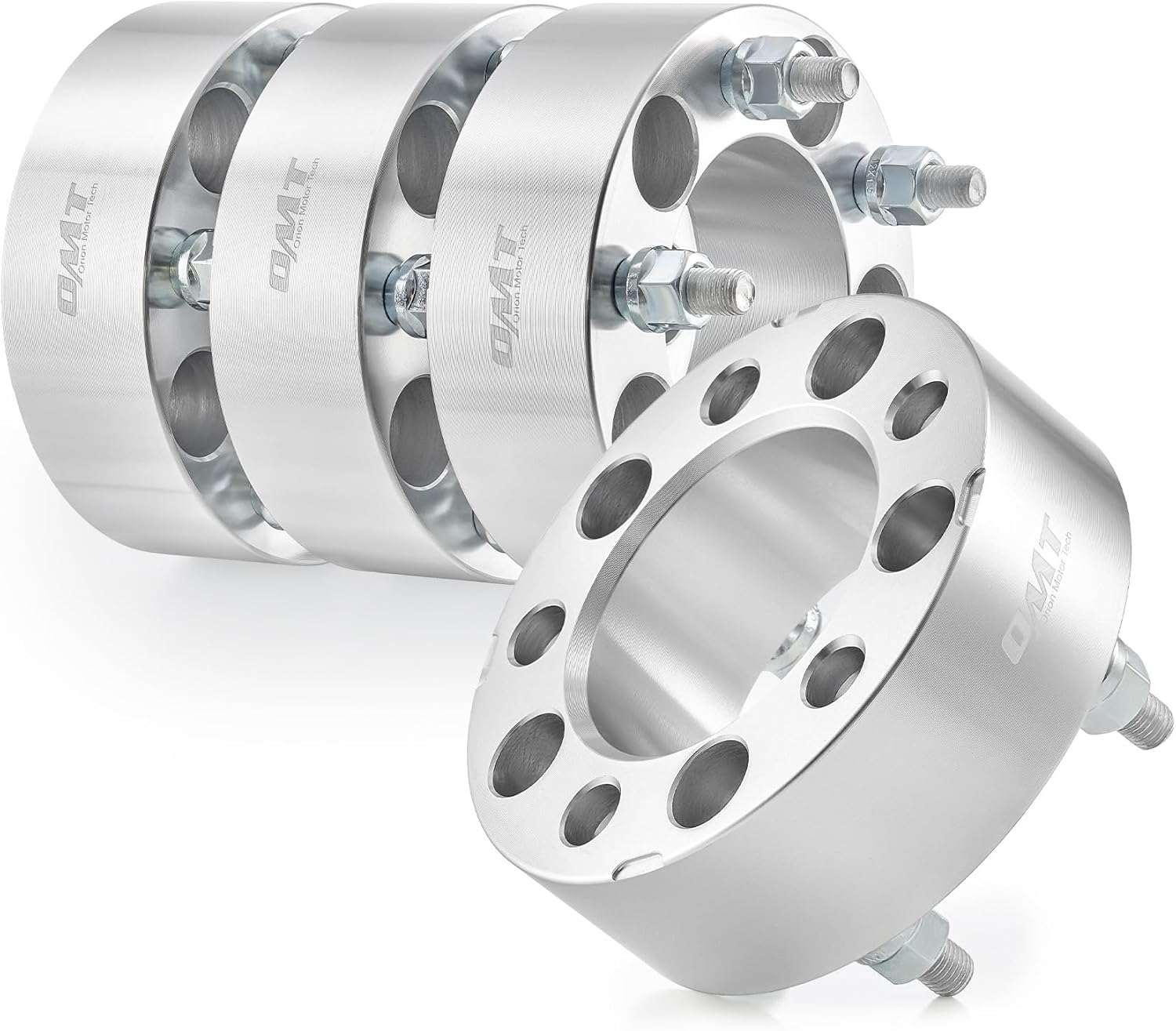
5. Orion Motor Tech 2" 5×4.75 Wheel Spacers with M12x1.5 Studs, Set of 4
| Bolt pattern | 5×4.75 |
|---|---|
| Spacer thickness | 2 inches |
| Stud size | M12x1.5 |
| Center bore | 87.1mm |
These Orion Motor Tech spacers add 2 inches of track width using fully machined, 60 degree tapered hubs and 20 heat-treated M12x1.5 studs for a secure connection to your wheels. Made from T6 aircraft-grade aluminum, they are lightweight yet durable, and zinc-coated studs resist corrosion and wear. Typical use is to push wheels outward for a wider stance, improved cornering stability, and to clear calipers or aftermarket wheels on vehicles with a 5×4.75 bolt pattern. Installation is straightforward for a competent DIYer or shop: the tapered center bores locate on the hub and the included studs and hardware replace factory lug studs. Practical benefits include better lateral grip and a more planted look without changing suspension geometry. Important limitations are the need to confirm vehicle-specific fitment and that adding spacers changes wheel load and may require longer lug nuts or attention to hub-centric alignment; they are not a substitute for suspension or alignment work.
Best for: Drivers who prioritize reliable, factory-quality upgrades to improve handling and wheel clearance on vehicles with a 5×4.75 bolt pattern and want a durable, serviceable spacer kit.
Less Ideal for: Those seeking a permanent suspension modification or who are unwilling to confirm fitment, update fasteners, or have a shop perform installation and a post-install alignment.
- Solid T6 aircraft-grade aluminum construction for strength with low added weight.
- Comes with heat-treated, zinc-coated M12x1.5 studs for corrosion resistance and durability.
- 60 degree tapered center bores for hub-centric alignment and secure seating.
- 2-inch spacer width meaningfully increases track for improved cornering and wheel clearance.
- Requires verification of exact vehicle fitment and may need longer wheel fasteners or accessories.
Verdict: If you need a dependable, hub-centric 2-inch spacer to widen track and clear wheels on a 5×4.75 Chevy S-10 setup, this machined T6 aluminum kit is a solid, reliability-focused choice.
6. SCITOO 2-Pack 5×120 Hubcentric 20mm Wheel Spacers (70.3mm Bore, 12×1.5 Studs)

| Thickness | 20mm |
|---|---|
| Bolt pattern | 5×120 |
| Center bore | 70.3mm |
| Thread pitch | 12×1.5 |
These SCITOO 20mm wheel spacers move the wheel hub outward to widen track width and reduce the gap between tire and fender. Sold as a pair, they are hubcentric with a 70.3mm center bore and use 12×1.5 studs sized for 5×120 bolt patterns. Typical use is to give an S-10 a slightly wider stance for improved cornering stability and a more aggressive fitment while maintaining proper centering. The spacers are forged from aircraft-grade aluminum and include hardened, heat-treated studs for strength, which helps with durability compared with cast alternatives. They are model-specific in pattern and designed for bolt-on installation, though the listing warns to verify hardware compatibility and to use proper torque procedures or a professional installer. Limitations to note are that spacers alter wheel offset and load on wheel bearings and studs, so they are best for modest offsets like 20mm; larger offsets or improper installation can increase wear. The kit includes only two spacers so four-wheel applications require purchasing an additional set.
Best for: Buyers who want a conservative, factory-minded improvement in stance and cornering for their S-10 and who prioritize products with proven build quality and clear compatibility information.
Less Ideal for: Drivers seeking large offsets for extreme stance, full-vehicle lift or heavy towing modifications should look at other hub solutions or professional custom work.
- Hubcentric design with 70.3mm bore for better wheel centering
- Forged aircraft-grade aluminum construction for a good strength-to-weight ratio
- Includes hardened, heat-treated ISO/DIN 10.9 studs for improved durability
- Model-specific 5×120 bolt pattern that fits specified applications
- Sold as a 2-piece kit so fronts or rears only unless you buy an extra set
- Widening track adds load to bearings and wheel studs which may increase long-term wear
Verdict: A solid, forged 20mm hubcentric spacer that gives Chevrolet S-10 owners a modest, reliable track-width increase with durable studs and clear fitment.
Choosing the Right Chevrolet S-10 Front Wheel Spacers: Key Factors to Consider
Bolt Pattern and Hub Bore Compatibility
Correct bolt pattern and hub bore match is the foundation of safe spacer use. The spacer must align precisely with the S-10's wheel studs and hub flange so that the wheel sits centered and the load transfers through the hub bore rather than solely through the lug nuts.
If the hub bore is too large the spacer should be hubcentric with a centered lip to prevent runout. Conversely, a spacer that relies only on lug centering increases the risk of vibration and uneven lug stress. Confirming exact dimensions before purchase avoids poor fitment and potential wheel wobble.
Spacer Thickness and Its Effects
Thickness determines how far the wheel sits outboard and directly affects scrub radius, steering feel, and wheel bearing loads. Small increments such as 5 mm produce subtle stance changes without large geometry shifts, while thicker spacers change track width more dramatically and can increase leverage on bearings and hubs.
Think of thickness as a tradeoff between desired appearance or clearance and mechanical load. For the S-10, choose the minimum thickness that achieves your clearance or visual goal and verify that wheel-to-fender and steering-to-tire clearances remain within safe limits.
Material and Manufacturing Quality
Spacer material and machining quality determine long-term strength and resistance to fatigue. High-quality forged or billet aluminum spacers with T6 heat treatment hold tolerances better than inexpensive cast or poorly machined alternatives. Look for clear material specifications and evidence of CNC machining for consistent bolt hole patterns and hub bores.
Corrosion-resistant finishes such as anodizing or protective coatings help maintain clamping surfaces and prevent seizure over time. Inferior materials or sloppy machining increase the chance of stress risers and should be avoided for front-axle applications where steering forces are concentrated.
Hubcentric Versus Lugcentric Design
Hubcentric spacers have a center lip that matches the hub bore so the hub carries the wheel load. This design minimizes runout and the risk of vibration. Lugcentric spacers center the wheel on the lug studs and rely on the lug nuts to keep everything aligned, which can work but is less reliable for precise centering.
For front-wheel spacers on a vehicle where steering smoothness matters, hubcentric spacers are generally preferable. If a lugcentric option is the only fit, ensure tight tolerances and consider additional measures to check runout after installation.
Mounting Hardware and Installation Kit Contents
The quality and completeness of the hardware supplied affects ease of installation and future serviceability. Good kits include extended studs or wheel bolts with correct thread engagement, and may supply hardened washers or lock hardware to maintain clamp preload. Check whether the kit includes components rated to the same strength as the stock fasteners.
An installation kit that clearly lists torque specs and provides compatible studs reduces guesswork. If studs are reused, inspect them for wear and replace if they show deformation or corrosion. Proper hardware is essential for maintaining clamping force and safety.
Serviceability and Long-Term Maintenance
Consider how the spacer will behave over time and whether routine service is straightforward. Reusable designs with replaceable studs simplify future wheel or brake work. Also consider whether the spacer finish resists corrosion in road salt or humid environments to avoid seizure at the hub interface.
Plan for periodic torque checks and wheel runout inspections after installation. A spacer that allows easy removal for brake service and does not trap debris behind the wheel improves long-term ownership and safety.
Understanding Fitment Requirements for the S-10
Fitment is not one-size-fits-all. The S-10 requires spacers that precisely match its wheel stud pattern and hub geometry. Before buying, measure or confirm the vehicle-specific bolt pattern and hub bore dimensions to ensure compatibility.
When evaluating fitment, consider how the spacer affects brake caliper clearance, inner fender clearance, and wheel offset. Minor changes to offset can create interference with suspension components or increase tire wear if not accounted for.
- Verify stud thread size and pitch before ordering hardware.
- Confirm hub bore diameter and opt for hubcentric spacers when possible.
- Check for adequate brake caliper and inner wheel well clearance.
Common Spacer Thicknesses and Practical Uses
Thickness options typically range from thin adapters of 3 to 5 mm up to larger spacers exceeding 25 mm. Thinner spacers are ideal for minor offset correction and cosmetic flushness, while thicker spacers are used for aggressive stance or to clear wide tires.
For front-axle use, incremental changes are safer; increasing thickness in small steps helps you evaluate effects on steering and bearing load without committing to extreme geometry changes.
- 3-5 mm: minor offset correction and fitment tuning
- 8-15 mm: noticeable stance change, possible bearing load increase
- 20+ mm: substantial track widening, verify hub and stud load ratings
Installation Basics and Torque Practices
Proper installation is critical to safe operation. Use a calibrated torque wrench and follow the vehicle torque sequence when tightening spacer hardware and wheel fasteners. Re-torque after an initial short driving period to confirm clamp retention.
If an installation kit includes extended studs, ensure correct thread engagement length and use thread locker only if specified. Inspect studs and nuts for damage and replace any compromised components before final assembly.
- Tighten in a star pattern for even clamp load
- Re-torque wheels after 50-100 miles to verify preload
- Check for any signs of wheel runout or steering vibration after installation
Addressing Potential Vibration and Steering Changes
Vibration after spacer installation often stems from poor centering or uneven lug torque. A hubcentric spacer minimizes runout by centering the wheel on the hub. After fitting, measure runout where possible and recheck torque values.
Thicker spacers change scrub radius and can alter steering feedback. Small changes are typically manageable, but larger offsets may require alignment and careful road testing to confirm predictable steering behavior.
- Use a dial indicator to check lateral runout if available
- Have alignment checked if you change effective offset significantly
- Monitor wheel bearing temperatures after initial installation runs
Corrosion Protection and Environmental Considerations
Exposure to road salt and moisture can accelerate corrosion at the hub-spacer interface, which complicates future removal and may degrade clamping surfaces. Choose spacers with protective finishes and plan for periodic cleaning during routine maintenance.
Sealing contact faces and applying anti-seize where appropriate during installation can reduce seizure risk, but follow manufacturer guidance to avoid affecting torque readings.
- Prefer anodized or coated aluminum for corrosion resistance
- Inspect spacer faces annually in harsh climates
- Use appropriate anti-seize sparingly and only where recommended
When to Consult a Technician
If you encounter unexpected vibration, unusual noises, or noticeable handling changes after installing spacers, consult an experienced technician. They can verify runout, bearing preload, and whether the spacer thickness has pushed components beyond safe operating limits.
Also seek professional help if you need custom thicknesses or if brake, steering, or suspension clearance appears marginal. A pro can provide measurements and recommend whether alternative offset wheels or corrective suspension adjustments are a better solution.
- Consult a technician for persistent vibration or bearing heat
- Get professional alignment after significant offset changes
- Ask a pro about load limits if using very thick spacers
Still looking for the perfect fit?
Select your Chevrolet S-10 configuration to see the most relevant Wheel Spacers recommendations
How We Chose the Best Chevrolet S-10 Front Wheel Spacers
We focused on criteria that matter specifically when fitting front wheel spacers to a Chevrolet S-10. Core evaluation factors included precise bolt pattern and hub bore compatibility, spacer thickness options and effect on scrub radius, manufacturing material and strength (aluminum alloy grades and heat treatment), and mounting method including hubcentric versus lug-centric designs. We also weighed included hardware quality, such as whether a spacer kit had extended studs or installation washers, and whether torque specifications and serviceability were supported by clear manufacturer guidance.We prioritized parts with verifiable machining tolerances and clear fitment data for the S-10 bolt pattern. Exclusions included any spacer products lacking specified hub bore dimensions, unclear bolt pattern listings, or kits without long-term corrosion protection. We did not consider spacers intended only for rear axle use or multi-vehicle blanket-fit items that did not list S-10 compatibility. The final shortlist balances structural integrity, practical thickness increments, and installation practicality for owners who maintain safe wheel mounting and correct torque practice.
Our full evaluation process is outlined in our review methodology.
FAQ
Will front wheel spacers fit my Chevrolet S-10 without adapter modifications?
They can if you choose spacers that match the S-10's bolt pattern and hub bore. Confirm the exact bolt pattern and hub dimensions before purchasing. Some kits require extended studs or specific hardware to work correctly.
Do spacers change steering or suspension geometry on the S-10?
Yes. Spacers shift the wheel outboard which changes scrub radius and can alter steering feel. Small thicknesses usually have minimal impact, but larger spacers may necessitate alignment and road testing to ensure safe handling.
Are hubcentric spacers necessary for the S-10 front axle?
Hubcentric spacers are recommended because they center the wheel on the hub and reduce the risk of runout and vibration. Lugcentric spacers can work but typically require tighter machining tolerances and careful torque practice.
How often should I re-torque wheel fasteners after installing spacers?
Re-torque the wheel fasteners and spacer hardware after the first 50 to 100 miles, then check periodically during routine service. Environmental conditions and driving style can affect how quickly fasteners settle, so inspect more frequently if you drive in harsh conditions.
Can front spacers cause wheel bearing or hub damage on the S-10?
They can increase loads on bearings and hubs if thickness is excessive. Choosing the minimal thickness needed and using properly rated hardware reduces risk. Monitor bearings for heat and noise following installation.
Is special hardware required for thicker front spacers?
Often thicker spacers require extended studs or longer wheel bolts to maintain correct thread engagement. Ensure any replacement studs meet strength specifications and that thread engagement is sufficient to safely clamp the wheel.
Final Verdict
When selecting front wheel spacers for your Chevrolet S-10, prioritize exact fitment, correct thickness, and high-quality manufacturing. Small, hubcentric spacers typically give the best balance of improved stance and minimal impact on steering and bearing loads. Plan for proper hardware, careful installation, and routine inspection after fitting.Your final choice should reflect the tradeoff between the aesthetic or clearance goals and the mechanical consequences for the front axle. Favor spacers with clear fitment data and robust finishes to maintain safety and serviceability over time.
