

Note: This article contains affiliate links. If you click on these links and make a purchase, I may earn a small commission at no extra cost to you. This helps support my research and content. Read my full affiliate disclosure here.
Choosing the right flywheel for your Pontiac Grand Prix affects clutch feel, drivetrain vibration, and long-term durability. The wrong unit can cause chatter, shuddering, or premature clutch wear, while the right one restores smooth engagement and consistent performance. This guide presents the seven shortlisted flywheels that meet our fitment and quality filters and explains the important factors to consider when replacing or upgrading the flywheel. Read on to understand why these options made the list and what to check before you buy.
Looking for other parts? See all Pontiac Grand Prix parts & accessories.
Top Picks at a Glance
| Best Overall The best all-around choice for most situations | Sawyer Auto Clutch Flywheel for 1988–1990 Pontiac Grand Prix |  |
| Best Quality Built to a higher standard if you want something more solid | Fidanza Aluminum Billet Flywheel with Replaceable Friction Plate |  |
| Best Value The sweet spot between price and what you get | GM Genuine Parts 55587031 Engine Flywheel |  |
| Best budget The cheapest option that still gets the job done reliably | SACHS Clutch Flywheel NFW1006 |  |
| Highest Rated A top-rated pick with lots of positive feedback | Sawyer Auto Replacement Flywheel for 1968–1973 Pontiac Grand Prix |  |
| Most Popular A crowd favorite that many people choose with confidence | Sawyer Auto Replacement Flywheel for 1988-1993 Pontiac Grand Prix |  |
| Best Seller A high-volume bestseller chosen again and again | LuK LFW131 Replacement Flywheel |  |
1. Sawyer Auto Clutch Flywheel for 1988–1990 Pontiac Grand Prix

| Manufacturer | Sawyer Auto |
|---|---|
| Manufacturer Part Number | PG-1122745 |
| OEM Part Number | automotive-manual-transmission-flywheel-products |
| Teeth | 142 |
This Sawyer Auto clutch flywheel is a direct-fit replacement designed to swap into 1988–1990 Pontiac Grand Prix manual transmissions. It replaces the factory unit with the stated 142-tooth ring gear and a 12-inch outer diameter, and the listing emphasizes modern tooling and road testing to ensure consistency. In use it performs the basic functions of a flywheel: providing inertia for smooth engine idle, engaging with the starter via the ring gear, and presenting a flat mounting surface for the clutch assembly. The practical benefits are straightforward: a part built to the same specifications as the original that should simplify installation and restore normal clutch engagement without custom work. Limitations to consider are that this is a single replacement component with no clutch disc or pressure plate included and the listing does not provide detailed material or heat-treatment data, so longevity beyond typical service intervals depends on driving conditions and installation quality.
Best for: Balanced, practical buyers who want a straightforward, factory-style replacement to restore clutch operation on a late-1980s Pontiac Grand Prix without modifying the driveline.
Less Ideal for: Drivers seeking a performance or lightweight flywheel for racing or aggressive driving should consider specialty performance units instead of this factory-style replacement.
- Direct-fit replacement made to factory specifications for easy installation
- Designed with modern tooling and road-tested for consistent quality
- Includes correct 142-tooth ring gear and 12-inch outer diameter for starter engagement
- No material composition or heat-treatment details provided to assess long-term durability
- Sold as the flywheel only with no clutch disc or pressure plate included
Verdict: A ready-to-install, factory-spec replacement flywheel that restores clutch function for 1988–1990 Pontiac Grand Prix manual-transmission cars.
2. Fidanza Aluminum Billet Flywheel with Replaceable Friction Plate

| Material | 6061-T6 billet aluminum |
|---|---|
| Friction plate | Bolt-on replaceable |
| Fasteners | Military spec |
This Fidanza flywheel is machined from high-grade 6061-T6 billet aluminum and built for performance-focused drivetrains. It replaces the factory flywheel to reduce rotating mass, which helps the engine rev more freely and can improve throttle response and acceleration on a Pontiac Grand Prix. The unit uses military-spec fasteners for strength and includes a bolt-on replaceable friction plate so the friction surface can be serviced without replacing the whole assembly. In real-world use it suits spirited street driving or track applications where quicker engine response matters, and the lighter construction contributes to measurable drivability gains. Buyers should note the lighter flywheel can make low-speed smoothness and idle stability slightly more challenging compared with heavier factory units, and proper installation with correct fasteners is important. Overall this is a durable, serviceable upgrade for owners wanting a high-quality performance flywheel.
Best for: Performance-oriented owners seeking a high-quality, serviceable upgrade to improve throttle response and acceleration on a Pontiac Grand Prix who prioritize track-ready drivability and reduced rotating mass.
Less Ideal for: Owners who prioritize effortless low-speed drivability, smooth city commuting, or who prefer maintenance-free factory-style components should consider a heavier factory-quality replacement instead.
- Machined from 6061-T6 billet aluminum for strength and reduced rotating mass
- Bolt-on replaceable friction plate allows servicing without full replacement
- Uses military-spec fasteners for reliable clamping and durability
- Designed to improve engine throttle response and acceleration by lowering inertia
- Lighter flywheel construction can reduce low-speed smoothness and increase clutch engagement sensitivity
- May require precise installation and torque procedures to ensure fit and safety
Verdict: A durable, serviceable billet aluminum flywheel that reduces rotating mass to sharpen throttle response and acceleration.
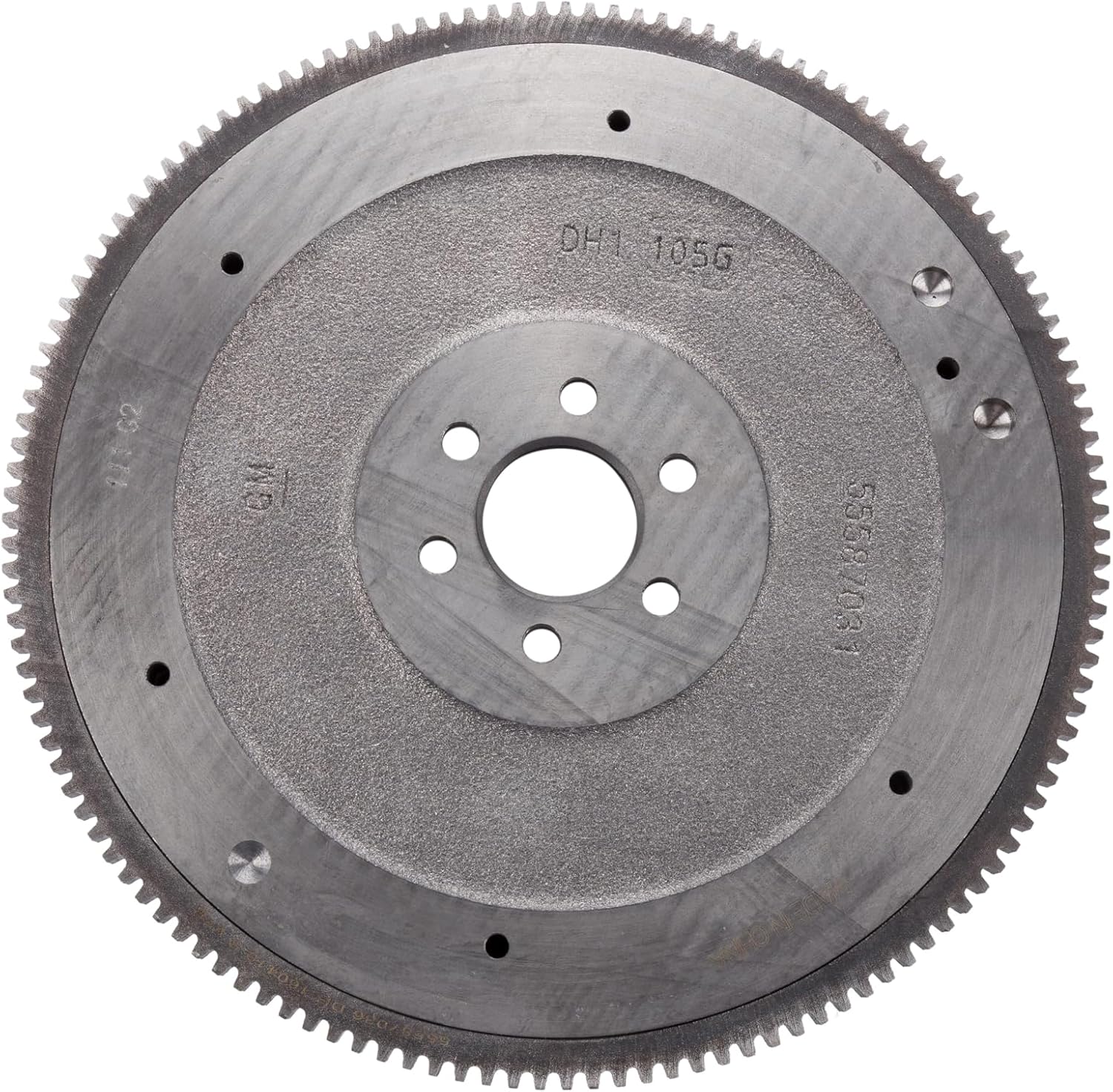
3. GM Genuine Parts 55587031 Engine Flywheel
| Fit Type | Vehicle Specific Fit |
|---|---|
| Manufacturer | ACDelco |
| OEM Part Number | 55587031 |
This GM Genuine Parts flywheel is a factory-quality replacement intended as a direct-fit clutch flywheel for compatible GM applications. It is used when rebuilding the clutch or replacing a worn or damaged flywheel and is machined to GM production standards for fit, form, and function. In real-world use it provides the expected surface finish and bolt pattern to accept the stock pressure plate and clutch assembly, so it simplifies installation and reduces the need for additional machining. The part is backed by GM validation and produced by ACDelco, which helps ensure consistent tolerances. Limitations are its vehicle-specific fit requirement and the fact it is a straight replacement rather than a performance or lightweight option, so it does not improve engine responsiveness or reduce rotating mass. Buyers should also confirm exact fitment for their Pontiac Grand Prix year and engine before ordering.
Best for: Practical optimizers looking to restore factory operation on a Pontiac Grand Prix without extra modifications, prioritizing proper fit and reliable long-term function.
Less Ideal for: Drivers seeking a performance upgrade, lighter rotating mass, or altered clutch characteristics should consider aftermarket performance flywheels instead.
- Factory-validated fit and machining for straightforward replacement
- Matches GM specifications for fit, form, and function
- From a recognized OEM brand which helps ensure consistent tolerances
- Vehicle-specific direct replacement only, not a performance or lightweight flywheel option
- Does not change clutch feel or improve engine response compared with stock
Verdict: A straightforward, factory-quality replacement flywheel that restores stock fit and function for the Pontiac Grand Prix but is not a performance upgrade.
4. SACHS Clutch Flywheel NFW1006

| Manufacturer | Sachs |
|---|---|
| Model | Clutch Fly Wheel |
| Manufacturer Part Number | NFW1006 |
This SACHS clutch flywheel is a straightforward replacement flywheel intended to restore clutch engagement on compatible vehicles. Installed in place of a worn unit, it provides the mass and friction surface needed for the clutch assembly to operate normally and is painted for corrosion resistance. Typical use is during clutch replacement or drivetrain repairs where the flywheel shows wear, heat spots, or runout. The product is a factory-quality aftermarket option from a recognized driveline supplier and has customer feedback confirming fit and function on older models. Because it is a single-piece replacement it keeps installation simple but does not include friction discs, pilot bearings, or hardware, so expect to transfer or buy those separately. The painted finish helps resist corrosion but may not match OEM surface treatments used for high-performance or heavy-duty applications. For routine street repairs on a Grand Prix this flywheel provides a budget-friendly, serviceable option but is not aimed at performance upgrades or lightened applications.
Best for: Budget-conscious owners seeking a cost-effective, factory-style replacement flywheel for routine clutch repairs on a Pontiac Grand Prix.
Less Ideal for: Drivers looking for a performance, lightweight, or upgraded flywheel for racing or high-rev applications should consider specialty performance options instead.
- Factory-quality aftermarket replacement from a known driveline brand
- Painted finish reduces surface corrosion before installation
- Direct replacement design simplifies installation for standard clutch jobs
- Does not include clutch disc, pressure plate, pilot bearing, or mounting hardware
- Painted surface may differ from factory treatments used on performance flywheels
Verdict: A practical, wallet-friendly factory-style replacement flywheel for routine clutch repairs on a Pontiac Grand Prix, not a performance upgrade.
5. Sawyer Auto Replacement Flywheel for 1968–1973 Pontiac Grand Prix

| Manufacturer | Sawyer Auto |
|---|---|
| Manufacturer Part Number | PG-1571024 |
| Construction | Heat-treated steel |
| Fitment | 1968-1973 Pontiac Grand Prix |
| Ring Gear | Formed ring gear included |
This Sawyer Auto flywheel is a direct replacement intended for 1968–1973 Pontiac Grand Prix models, built from heat-treated steel with machined mating surfaces and a formed ring gear. It restores the flywheel's primary functions: provide rotational weight for the crank, engage the starter, and interface with the clutch assembly. Typical use is during clutch service or when the original flywheel shows scoring, cracked surfaces, or worn ring gear teeth. The machined surfaces aim to give good contact with the clutch and reduce the need for heavy resurfacing, while the formed ring gear simplifies starter engagement. As a reliability-focused option, the unit emphasizes durable construction and straightforward fitment to original specifications. Limitations are that it is a like-for-like replacement rather than a performance or lightweight upgrade, and buyers should confirm surface finish and runout at installation since installation quality affects vibration and clutch life.
Best for: Reliability-focused owners who prioritize a dependable, direct-fit replacement to restore clutch and starter function during routine service or repair.
Less Ideal for: Buyers seeking performance upgrades, reduced rotating mass, or specialty flywheels for racing should consider purpose-built alternatives.
- Direct-fit design matched to 1968–1973 Pontiac Grand Prix for simpler installation
- Heat-treated steel construction aimed at long-term durability
- Machined mating surfaces for better contact with the clutch friction surface
- Formed ring gear included to restore reliable starter engagement
- Not a performance or lightweight flywheel so it will not improve throttle response or reduce rotational mass
- Surface finish and runout are not detailed and should be checked at installation
Verdict: A durable, factory-style replacement flywheel that restores clutch and starter engagement for 1968–1973 Pontiac Grand Prix owners focused on reliability.
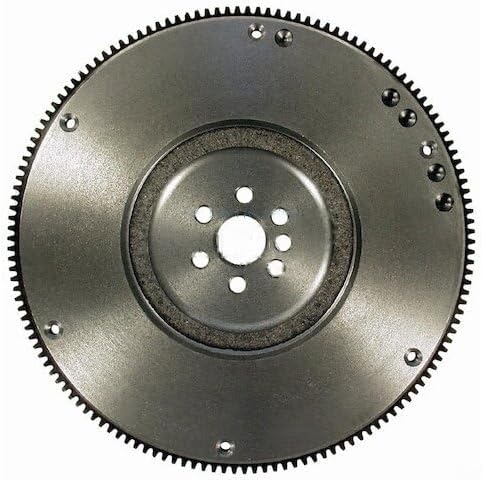
6. Sawyer Auto Replacement Flywheel for 1988-1993 Pontiac Grand Prix
| Manufacturer | Sawyer Auto |
|---|---|
| Manufacturer Part Number | PG-725415 |
| Fits Vehicles | 1988-1993 Pontiac Grand Prix |
| Construction | Cast metal with machined contact surface |
This Sawyer Auto flywheel is a direct-fit replacement designed specifically for 1988–1993 Pontiac Grand Prix models and matches clutch flywheel casting number 14018712 where applicable. It is made from cast metal with a machined contact surface to align with factory mounting points and transmit engine torque to the transmission clutch assembly. Typical use is as a service replacement when the original flywheel shows wear, cracking, or surface irregularities that affect clutch engagement. The machined surface and matching bolt pattern simplify installation for a mechanic following factory torque specs and runout checks. Because it is a straightforward replacement part, it restores intended clutch engagement without modification. Limitations include the need to verify the casting number and bolt pattern before purchase and the usual requirement to inspect and possibly replace related components like the clutch and pilot bearing during installation.
Best for: Convenience-driven owners who want a ready-to-install, factory-style replacement to get a Grand Prix back on the road quickly without custom fitting or machining.
Less Ideal for: Drivers seeking performance upgrades or lightweight aftermarket flywheels should consider performance-oriented alternatives rather than a direct replacement unit.
- Direct-fit design made to match factory mounting points for 1988–1993 Pontiac Grand Prix
- Machined contact surface for consistent clutch engagement
- Constructed from cast metal for durability under drivetrain loads
- Requires verification of casting number and bolt pattern to ensure correct fit
- Sold as the flywheel only so related wear items may need separate purchase
Verdict: A direct-fit, factory-style replacement flywheel for 1988–1993 Pontiac Grand Prix owners who want a straightforward service swap to restore proper clutch engagement.
7. LuK LFW131 Replacement Flywheel

| Brand | LUK |
|---|---|
| Model Number | LFW131 |
| Material Type | Metal |
| Fit Type | Vehicle Specific Fit |
| Manufacturer Warranty Description | 12 Months/12,000 Miles |
The LuK LFW131 is a replacement solid flywheel intended to restore clutch function when performing a clutch job. It is sold as a vehicle-specific, bolt-in unit and LuK states each flywheel is functionally tested to meet factory performance specifications. Typical use is replacing a worn or resurfaced flywheel during a clutch service to ensure correct clearances and heat-absorption capability. Notable features include premium friction surfaces, factory-level balancing, and a design that avoids the risks of over-machining a resurfaced part. In practice that translates to reliable engagement, consistent clutch life, and fewer fitment surprises when the correct application is selected. Limitations are fitment sensitivity and the need to confirm correct build, year and engine match before ordering since users have reported mismatches with non-compatible engines. There is also the usual requirement to replace or match other clutch components to realize the stated benefits.
Best for: Risk-averse mainstream buyers who prioritize factory-quality replacements and want a tested, bolt-in flywheel when performing a clutch job on their Pontiac Grand Prix.
Less Ideal for: Drivers who prefer performance or lightened aftermarket flywheels for racing or modified engines should look at purpose-built performance options instead.
- Factory-quality, functionally tested to meet OEM performance expectations
- Balanced, bolt-in solid flywheel designed for direct replacement in specified applications
- Premium friction surface and heat-absorption to support clutch longevity
- Reduces risks associated with resurfacing an old flywheel
- Requires exact vehicle and engine match so ordering mistakes can lead to fitment problems
- Not a universal or multi-vehicle item so returns are possible if fitment is misidentified
Verdict: Choose the LuK LFW131 to get a factory-quality, functionally tested replacement flywheel that minimizes clutch installation risk when the correct Pontiac Grand Prix application is selected.
Choosing the Right Pontiac Grand Prix Flywheel: Key Factors to Consider
Fitment and Bolt Pattern
Accurate fitment is the primary concern when selecting a flywheel for a specific vehicle. The bolt pattern, pilot bore, and crank flange dimensions must match the Pontiac Grand Prix exactly to avoid installation complications. A flywheel that does not seat flush can cause starter engagement problems, uneven clutch contact, and accelerated wear.
Confirming correct fitment reduces the risk of damaging the crank or starter and simplifies installation. Look for clear OEM-equivalent specifications and any notes about machining or shoulder tolerances that affect how the flywheel aligns with the transmission input shaft.
Material and Construction
The material and overall construction determine the flywheel's heat tolerance, rigidity, and service life. Solid machined steel flywheels generally offer high strength and consistent performance under repeated clutch engagement. Some designs use nodular iron or multi-piece assemblies, each with different heat dissipation and stiffness characteristics.
Consider whether your driving or towing habits demand a heavy-duty material. A more robust construction can resist warping under high heat but may add rotational mass, affecting engine responsiveness. Match material choice to how the vehicle is used and to the intended clutch type.
Weight and Inertia
Flywheel weight directly influences engine response and clutch engagement smoothness. Heavier flywheels increase rotational inertia, which can smooth low-speed drivability and reduce stalling during clutch release. Lighter flywheels improve throttle response and rev acceleration but can make clutch engagement feel abrupt.
Choose a weight that aligns with your driving priorities. If you prioritize smooth stop-and-go driving, a higher-inertia option may be preferable. For performance-oriented driving, a lighter unit may give quicker revving characteristics but may require more clutch finesse.
Surface Finish and Resurfacing Needs
The mating surface finish affects clutch contact, break-in behavior, and the potential need for resurfacing during installation. A properly machined, flat surface reduces hot spots and uneven wear on the clutch facing. Some flywheels arrive ready to install, while others may benefit from light resurfacing to meet runout and flatness specs.
If resurfacing is needed, confirm the material and thickness allow safe machining without compromising strength. Poor surface finish can accelerate friction material glazing and lead to slipping or chatter.
Balancing and Runout Tolerances
Dynamic balance and minimal runout are crucial to avoid driveline vibration and premature bearing wear. Imbalanced flywheels transmit oscillations through the crank and transmission, which can manifest as seat-of-the-pants vibration or clutch judder during engagement.
Inspect or request balance specifications and maximum runout values when possible. Higher-precision balancing reduces NVH and promotes longer life for the clutch, pilot bearing, and transmission input shaft.
Compatibility With Clutch and Starter Components
A flywheel must work harmoniously with the clutch assembly and starter. Variations in ring gear profiles, pilot bearing bore, and surface treatment can affect how the starter meshes and how the clutch engages. Some flywheels are designed specifically for certain clutch thicknesses or pressure plate types.
Verify that the flywheel supports the clutch kit you plan to use and that starter engagement geometry is maintained. Mismatches can lead to starter grinding, poor engagement, or the need for additional machining during installation.
How We Chose the Best Pontiac Grand Prix Flywheel
We evaluated candidate flywheels for the Pontiac Grand Prix using several practical, vehicle-specific criteria. First, we confirmed precise fitment to the Grand Prix crank and starter to avoid installation issues. Second, we examined material and construction, focusing on full-machined steel or appropriate dual-mass designs where applicable, to assess durability and heat resistance. Third, we reviewed balancing and runout tolerances, since excessive imbalance or warpage leads to vibration and premature component wear. Fourth, we considered compatibility with common clutch types and starter engagement profiles to ensure smooth operation. Fifth, we checked surface finish and machining quality relevant to clutch contact and potential resurfacing. We excluded units lacking clear fitment data or those intended only for different engine or transmission combinations. The resulting list emphasizes accurate fit, robust construction, and specifications that matter for real-world driving and repair scenarios.
Our full evaluation process is outlined in our review methodology.
FAQ
How do I know if my Pontiac Grand Prix flywheel needs replacement?
Common signs include clutch slippage, persistent vibration through the transmission, unusual noise during engagement, or a burning smell after repeated clutch use. Visual inspection can reveal scored surfaces, excessive glazing, warping, or missing teeth on the ring gear. Often a combination of symptom and inspection leads to the decision to replace the flywheel.
Can I resurface a worn flywheel instead of replacing it?
Resurfacing is often possible if the flywheel has enough thickness and the damage is limited to surface irregularities. Resurfacing corrects hot spots and minor scoring but is not suitable for severe cracks, significant heat damage, or compromised structural integrity. Always check minimum thickness specifications before machining.
Is a dual-mass flywheel necessary for any Pontiac Grand Prix models?
Some engines and drivetrains use dual-mass designs to reduce vibration and improve comfort. Whether it is necessary depends on the specific engine and transmission combination installed in the vehicle. Dual-mass units trade complexity and potential service considerations for better NVH control in many street-driven applications.
Will a different flywheel weight affect daily driving?
Yes. A heavier flywheel increases rotational inertia and tends to smooth low-speed operation, which can make clutch engagement easier in traffic. A lighter flywheel reduces inertia for quicker throttle response and faster engine spin-up, but it can make the clutch engagement feel more abrupt. Choose weight based on your driving priorities.
What should I check during flywheel installation?
Confirm bolt torque sequences and use properly rated fasteners. Inspect the pilot bearing and starter engagement surface, verify runout after installation, and follow the recommended torque values for crank bolts. Also ensure the mating surface is clean and free of grease to avoid slippage.
How can I diagnose flywheel noise or vibration?
Start by isolating whether the vibration occurs during engine idle, clutch engagement, or while driving. A persistent vibration that changes with engine speed often indicates imbalance or runout. Noise during engagement may point to surface damage or incorrect pilot bearing fit. A methodical inspection and test drive under controlled conditions usually reveal the likely source.
Conclusion
When selecting a flywheel for a Pontiac Grand Prix, prioritize correct fitment and construction quality first, since these directly affect drivability and longevity. Balance weight and material choices against how you drive: smoother, street-oriented setups often favor higher inertia and robust surfaces, while performance-focused choices lean toward lighter units. Always verify surface condition and runout, and ensure compatibility with clutch and starter components to avoid installation surprises.Taking a systematic approach to the factors above helps you pick a flywheel that restores smooth engagement, minimizes vibration, and supports reliable operation over time.
Explore More:
- Check out all Pontiac Grand Prix parts & accessories
- Explore Flywheels Maintenance & Repair Guides
- Explore Transmission & Drivetrain
- Browse all Auto Parts
