

Note: This article contains affiliate links. If you click on these links and make a purchase, I may earn a small commission at no extra cost to you. This helps support my research and content. Read my full affiliate disclosure here.
Swapping a failing flywheel is one of the fastest ways to restore smooth clutch operation and cut driveline vibration in a Chevrolet S-10. Whether you are addressing chatter, ringing, or poor engagement, selecting the right flywheel affects pedal feel, noise, and long-term durability. This guide covers five top flywheels shortlisted for the S-10 and explains the practical tradeoffs between materials, resurfacing options, and installation considerations. We evaluate fitment and durability alongside serviceability and how each choice influences vibration, heat tolerance, and clutch life. Read on to understand which flywheels suit different repair strategies and driving needs.
Top Picks at a Glance
| Best Overall The best all-around choice for most situations | EFT Stage 2 Clutch Kit with Heavy-Duty Flywheel for 1996–2001 Chevy S-10 / GMC Sonoma 2.2L |  |
| Best Quality Built to a higher standard if you want something more solid | GM Genuine Parts 55587031 Clutch Flywheel |  |
| Best Budget The cheapest option that still gets the job done reliably | Marketplace Auto Parts Flywheel for 1994–2003 Chevrolet S10 2.2L |  |
| Highest Rated A top-rated pick with lots of positive feedback | ClutchMaxPRO Complete Clutch Kit with Nodular Flywheel for 1996–2001 Chevy S-10 / GMC Sonoma / Isuzu Hombre |  |
| Most Popular A crowd favorite that many people choose with confidence | ClutchMaxPRO Stage 1 Clutch Kit with Nodular Flywheel for Chevy S-10 / GMC Sonoma / Isuzu Hombre (2.2L) |  |
1. EFT Stage 2 Clutch Kit with Heavy-Duty Flywheel for 1996–2001 Chevy S-10 / GMC Sonoma 2.2L

| Vehicle fitment | 1996–2001 Chevrolet S-10, GMC Sonoma, Isuzu Hombre 2.2L |
|---|---|
| Clutch disc | Stage 2 carbonized sprung disc, 9" 26 spline |
| Flywheel | Heavy-duty nodular cast flywheel (15 lbs) |
| Included components | Pressure plate, throwout bearing, pilot bearing, alignment tool, installation guide |
This EFT Stage 2 clutch kit packages a heavy-duty nodular cast flywheel with a Stage 2 carbonized sprung disc, pressure plate, throwout and pilot bearings, alignment tool, and installation guide for bolt-on replacement in 2.2L S-10/Sonoma/Hombre trucks. It is intended for drivers who want a noticeable step up from stock clutch capacity while preserving street drivability: the carbonized friction and induction-hardened diaphragm are designed for higher burst strength and better heat tolerance, and the sprung center helps smooth engagement. The included heavy flywheel improves heat dissipation and balances drivetrain feel for towing or mild performance mods. Installation follows factory fitment so no modifications are required, and the kit ships with the common service items needed for a clutch job. Limitations are that this is a performance-oriented Stage 2 setup rather than an aggressive racing unit, so extremely high-power builds may need a stronger unit, and buyers should confirm spline count and compatibility with their transmission before purchase.
Best for: Drivers who want a durable, street-friendly clutch upgrade that increases torque capacity and heat tolerance for towing, hauling, or mild engine modifications while keeping everyday drivability.
Less Ideal for: People building high-horsepower race cars or those seeking a very aggressive race clutch with harsh engagement should consider more specialized performance kits.
- Complete kit includes flywheel, pressure plate, carbonized sprung disc, throwout and pilot bearings, and alignment tool for a full clutch service.
- Direct factory-fit replacement for 1996–2001 2.2L S-10, Sonoma, and Hombre so no modifications are needed.
- Carbonized friction material and heat-treated components raise burst strength and fade resistance under heavier loads.
- Heavy-duty nodular cast flywheel improves heat dissipation and provides balanced engagement for towing and street performance.
- Designed as a Stage 2 upgrade; it may not be sufficient for high-horsepower race applications.
- Fitment requires confirming 26-spline disc and transmission compatibility before ordering.
Verdict: Choose this kit when you want a bolt-on, Stage 2 clutch and heavy flywheel that boosts torque capacity and heat resistance for a balanced street and light-duty performance upgrade.
2. GM Genuine Parts 55587031 Clutch Flywheel
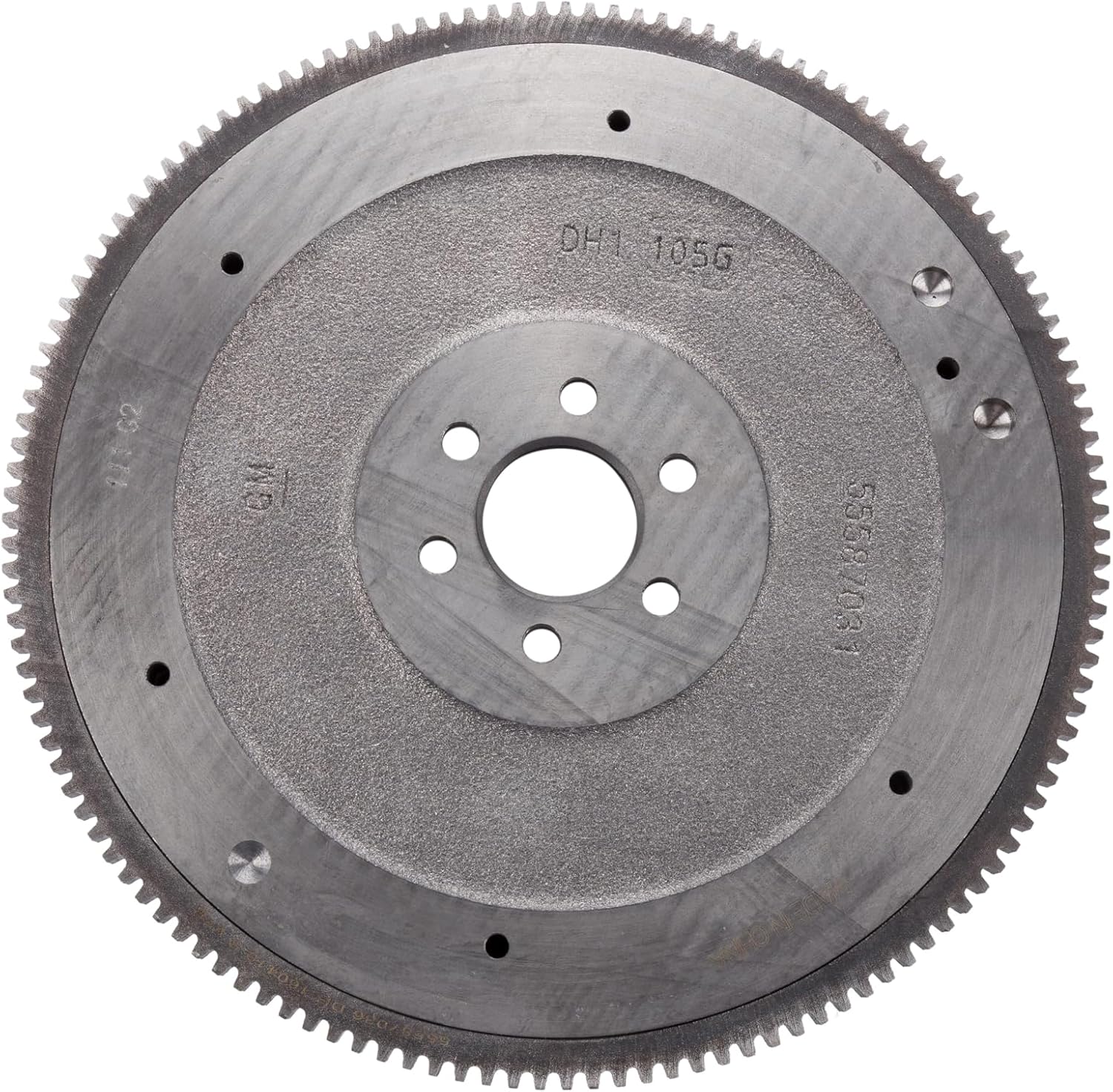
| Brand | GM Genuine Parts |
|---|---|
| Fit Type | Vehicle Specific Fit |
| Vehicle Service Type | Passenger Car |
| Manufacturer | ACDelco |
This GM Genuine Parts clutch flywheel is a direct replacement aimed at restoring correct clutch engagement and rotational mass for compatible Chevrolet S-10 applications. It is manufactured to GM specifications so the bolt pattern, pilot bore, and balance match factory expectations, which simplifies installation when replacing a worn or damaged flywheel. In practice it provides predictable engagement feel and maintains the vehicle's original drivability and engine braking characteristics rather than altering inertia for performance gains. The construction and balance also reduce the likelihood of vibration after installation when matched to the correct clutch and pressure plate. Limitations for a performance-minded buyer are clear: this part is intended as a factory-spec replacement, not a lightened or upgraded performance flywheel, so it will not significantly reduce rotating mass or improve throttle response. If you want a direct-fit, reliable replacement that preserves factory behavior, this part delivers; if your goal is aggressive weight reduction or racing-specific characteristics you should consider aftermarket performance flywheels instead.
Best for: Buyers who need a reliable, factory-equivalent replacement to restore stock clutch feel and drivability on their S-10 and prioritize proven fitment and longevity over performance modifications.
Less Ideal for: Drivers building a performance or race-focused S-10 who want reduced rotating mass or a flywheel tuned for quicker throttle response should look at aftermarket performance units.
- Engineered to GM factory specifications for proper fit and function
- Vehicle-specific fit simplifies installation and alignment with existing clutch components
- Balanced construction reduces post-installation vibration and harshness
- Not designed as a lightweight or performance flywheel so it does not reduce rotating mass
Verdict: Choose this GM Genuine Parts flywheel when you want a direct-fit, factory-quality replacement that restores original clutch feel and reliability.
3. Marketplace Auto Parts Flywheel for 1994–2003 Chevrolet S10 2.2L

| Compatible vehicle | 1994–2003 Chevy S10 2.2L 4-Cylinder |
|---|---|
| Quality | OE Quality Flywheel |
| Item model number | W0173-P495572 |
This flywheel is a straightforward, budget-focused replacement for the 2.2L four-cylinder Chevrolet S10 (1994–2003). It is sold as an OE-quality unit intended to restore proper clutch engagement and crankshaft mating after a clutch job or when an original flywheel is damaged. Installation follows the same procedure as the factory part and it is typically used during clutch replacement or engine work that requires flywheel removal. The product emphasizes compatibility with the specified S10 model years and keeps things simple rather than adding performance extras like lightening or dual-mass features. Practical benefits include a direct fit that reduces modification time and cost, and the factory-quality claim suggests acceptable durability for everyday driving. Limitations are that it is a basic replacement part with no performance tuning benefits and buyers wanting upgraded balance, reduced rotational mass, or specialty materials will need a different, more expensive option.
Best for: A buyer replacing a worn or damaged flywheel who prioritizes a low-cost, no-frills part that restores factory operation on a 1994–2003 S10 2.2L.
Less Ideal for: Enthusiasts seeking performance flywheels, weight reduction, or specialty materials should look at performance-focused aftermarket options.
- Direct-fit design for 1994–2003 Chevy S10 2.2L saves installation time
- Marketed as factory-quality to match stock clutch engagement and durability
- Simple replacement option that keeps repair costs low
- Not designed for performance enhancement or reduced rotational mass
Verdict: If you need an affordable, direct-fit replacement to get a 1994–2003 S10 2.2L back to factory clutch operation, this flywheel is a practical buy.
4. ClutchMaxPRO Complete Clutch Kit with Nodular Flywheel for 1996–2001 Chevy S-10 / GMC Sonoma / Isuzu Hombre

| Compatible vehicles | 1996–2001 Chevy S-10, 1996–2001 GMC Sonoma, 1996–2000 Isuzu Hombre (2.2L OHV 4cyl) |
|---|---|
| Includes | Nodular HD flywheel, HD pressure plate, OEM-style clutch disc, CSC slave cylinder, pilot bearing, alignment tool |
| Manufacturer | ClutchMax |
| Date first available | September 21, 2020 |
This ClutchMaxPRO kit supplies everything needed to replace the clutch and flywheel on 2.2L S-10, Sonoma, and Hombre trucks. It pairs a nodular HD flywheel with a heavy-duty pressure plate and an OEM-style HD clutch disc sized to the vehicle, and it includes a concentric slave cylinder, pilot bearing, alignment tool, and installation guide so a shop can complete the job without sourcing extra parts. The nodular flywheel and upgraded pressure plate are positioned to deliver durable engagement under daily driving and light towing, while the included slave cylinder updates the hydraulic actuation for smoother disengagement. Expect factory-style pedal feel with a slightly firmer engagement than a basic replacement due to the performance-oriented components. This kit is aimed at straightforward drivetrain restoration rather than high-performance racing, so it balances longevity and drivability but will not provide race-level grip or extreme heat resistance. Fitment is limited to the specified 1996–2001 2.2L OHV applications, so verify year and engine before ordering.
Best for: Buyers who prioritize a durable, factory‑quality drivetrain repair and want a single kit that replaces the flywheel and clutch components for reliable day‑to‑day driving.
Less Ideal for: Drivers seeking a motorsport or high‑heat competition clutch solution or those needing fitment for vehicles outside the listed 2.2L 1996–2001 scope should look elsewhere.
- Complete kit includes nodular flywheel, pressure plate, clutch disc, slave cylinder, pilot bearing and alignment tool
- Nodular HD flywheel and performance pressure plate designed for improved durability over basic replacements
- Includes replacement concentric slave cylinder for a full hydraulic refresh and easier installation
- Not intended for heavy-duty racing or extreme high-heat applications
Verdict: A full replacement clutch and nodular flywheel kit that restores factory‑quality engagement and durability for daily-driven 2.2L S-10/Sonoma/Hombre trucks.
5. ClutchMaxPRO Stage 1 Clutch Kit with Nodular Flywheel for Chevy S-10 / GMC Sonoma / Isuzu Hombre (2.2L)

| Vehicle application | 1996–2001 Chevrolet S-10, 1996–2001 GMC Sonoma, 1996–2000 Isuzu Hombre (2.2L) |
|---|---|
| Horsepower rating | 240 HP |
| Torque capacity | 285 lb-ft |
| Disc type | Stage 1 woven organic |
| Includes | Nodular flywheel, pressure plate, CSC, pilot bearing, alignment tool |
This ClutchMaxPRO Stage 1 kit replaces the entire clutch assembly and includes a nodular heavy-duty flywheel, performance pressure plate, a woven organic stage 1 friction disc, concentric slave cylinder with integrated throw-out bearing, pilot bearing, and alignment tool. It is intended as a direct-fit replacement for the 2.2L 1996–2001 S-10/Sonoma and 1996–2000 Hombre and is sized for daily driving plus light performance use. The woven organic disc and HD pressure plate deliver firmer engagement than a worn factory unit while keeping drivability acceptable for street use; the kit is rated to about 240 hp and 285 lb-ft so it handles modest power upgrades and light towing. Including the concentric slave cylinder simplifies installation and restores clutch hydraulics without sourcing separate parts. Expect a slightly firmer pedal feel and a break-in period for the friction material. This is a performance-oriented replacement rather than a heavy-track unit, so drivers seeking aggressive race engagement or very high torque capacity should choose a higher-stage kit instead.
Best for: Buyers who want a reliable, performance-oriented factory-replacement clutch for a small Chevy/GMC/Isuzu truck and value proven components and restored drivability after clutch failure.
Less Ideal for: Drivers building a high-power or race-focused setup that needs an aggressive, high-clamp ceramic or multi-plate clutch should look for a higher-stage competition kit.
- Complete kit includes flywheel, pressure plate, friction disc, concentric slave cylinder and installation tools so no additional parts are usually needed
- Woven organic stage 1 disc and HD pressure plate provide firmer engagement and improved clamp load for better power transfer than a worn factory clutch
- Rated for roughly 240 HP and 285 lb-ft, suitable for everyday driving with mild performance upgrades or light towing
- Nodular heavy-duty flywheel offers improved durability over basic cast replacements
- Includes concentric slave cylinder to restore hydraulic operation and simplify installation
- Not intended for aggressive track use or high-torque racing applications
Verdict: A complete, ready-to-install Stage 1 clutch kit that restores drivability and handles modest power upgrades for 2.2L S-10/Sonoma/Hombre trucks.
Choosing the Right Chevrolet S-10 Flywheel: Key Factors to Consider
Fitment and Bolt Pattern
Correct fitment is the first and most important factor for a Chevrolet S-10 flywheel. The flywheel must match the crank flange bolt pattern and center pilot dimensions to ensure the starter ring gear engages properly and the clutch disc centers correctly. Mismatched fitment can cause starter engagement issues, uneven clutch wear, or catastrophic failure during installation.
When evaluating fitment, confirm the flywheel face thickness and ring gear location so the clutch pressure plate and throwout bearing operate within their intended ranges. Also check whether the flywheel is supplied with new mounting bolts and whether those bolts have specified torque values. Proper torque and thread engagement prevent loosening and reduce the risk of crank flange damage.
Material and Construction
Flywheels are typically made from cast iron, nodular iron, or machined steel; each material influences heat capacity, wear resistance, and weight. Heavier cast-iron flywheels store more rotational energy, smoothing low-speed drivability, while lighter machined steel units reduce rotational inertia for quicker engine response. For everyday driving of the Chevrolet S-10, material choice affects how heat builds under clutch slipping and how quickly the friction surface wears.
Construction also includes whether the flywheel is single-piece or multi-piece and whether it has provisions for balancing. Choose a construction that aligns with your driving habits and whether you plan to resurface the face rather than replace the entire unit.
Surface Finish and Resurfacing Options
The condition and finish of the friction surface determine initial clutch bite and long-term engagement. A properly machined or ground surface provides even contact with the clutch disc and reduces the likelihood of hotspots. For Chevrolet S-10 owners, the ability to resurface the flywheel is valuable during clutch replacement because it can save time and cost when the ring gear and surface are otherwise serviceable.
However, not all flywheels are suitable for multiple resurfacings; thin faces or units with specific heat-treated coatings may have limited service life. Understand the recommended minimum thickness and the acceptable number of resurfacings so you do not weaken the flywheel or alter balance.
Weight and Rotational Inertia
Flywheel weight directly affects engine response and low-speed drivability. A heavier flywheel increases rotational inertia, helping smooth out low RPM torque dips and making clutch engagement more forgiving—useful for towing or stop-and-go driving typical for many S-10 owners. Conversely, a lighter flywheel reduces inertia and improves throttle response and acceleration feel, but can make low-speed creeping and clutch modulation trickier.
Decide based on how you use the vehicle: if you frequently tow, haul, or want easier clutch modulation, favor higher inertia; if you prefer sharper throttle response and quick revving, consider lighter options compatible with the S-10.
NVH and Vibration Characteristics
Vibration and noise symptoms often trace back to the flywheel. Imbalances, heat-induced warping, or uneven wear create noticeable vibration through the clutch, pedal, and even the chassis. For the Chevrolet S-10, reducing NVH means selecting a flywheel designed to stay dimensionally stable under load and one that can be reliably balanced during installation.
Look for manufacturing tolerances and balancing procedures that address both static and dynamic balance. Also consider whether the flywheel design dampens vibration or if additional measures such as clutch dampers are recommended to maintain smooth operation.
Serviceability and Installation
Installation complexity and ongoing serviceability should influence your choice. Some flywheels arrive pre-balanced and ready to install, while others require timed balancing or match-mating to the crank. Availability of clear torque specs, mounting hardware, and whether the ring gear is replaceable affects how straightforward the job will be.
Consider whether you will resurface the flywheel during a clutch job and whether local shops can handle that for the specific flywheel material. If you plan to perform the installation yourself, ensure the design allows reasonable access to mounting bolts and that required alignment tools are standard for the S-10.
When To Replace Your S-10 Flywheel
Recognizing replacement timing helps avoid collateral damage to the clutch and transmission. Typical indicators include persistent chatter during engagement, grinding or growling noises on engine start, visible scoring or heat spots on the friction face, and unexplained clutch slippage under load. If vibration persists after replacing the clutch disc, the flywheel is a likely culprit.
A thorough inspection during clutch service should include checking runout with a dial indicator, measuring face thickness against factory minimums, and inspecting the ring gear teeth and bolt threads. Replace the flywheel if runout exceeds recommended tolerances or if heat damage and cracks are present.
- Listen for growling on starter engagement and harsh engagement noises
- Watch for clutch slippage or inconsistent engagement under acceleration
- Inspect for heat marks, cracks, and uneven wear
- Measure runout and thickness to confirm serviceability
Resurfacing Versus Full Replacement
Resurfacing a flywheel can restore a flat, smooth contact surface and is often less expensive and faster than replacing the entire unit. For Chevrolet S-10 flywheels, resurfacing is appropriate when the face has minor scoring or glazing but remains above the minimum thickness and the ring gear and bolt holes are in good condition.
Full replacement is recommended if the flywheel has deep cracks, excessive heat loading that altered metallurgical properties, or if past resurfacings have reduced thickness near the service limit. Always follow thickness and material guidelines when deciding between resurfacing and replacement.
- Resurface for light scoring, glazing, or minor hotspots
- Replace if the face is cracked, warped beyond tolerance, or too thin
- Confirm ring gear condition before deciding to resurface
Diagnosing Flywheel Noise and Vibration
Diagnosing the source of noise or vibration requires isolating the flywheel from other drivetrain components. Start with a static inspection for visible damage. Then perform a runout check and observe clutch engagement while the vehicle is securely lifted. Distinguish between noise generated by the starter ring gear and vibration caused by imbalance or wear.
Many vibrations are most noticeable at specific RPM ranges. Recording when the vibration occurs—idle, clutch engagement, or while accelerating—helps narrow the cause. If the noise varies with engine speed but not with wheel speed, the issue often lies upstream with the flywheel or clutch assembly.
- Use a dial indicator to check runout at the friction surface
- Isolate engine speed versus wheel speed to locate source
- Inspect starter ring gear for tooth damage and contact patterns
- Check clutch disc and pressure plate for uneven wear
Installation Tips for Smoother Outcomes
Proper installation reduces the chance of post-service vibration and premature wear. Always clean mating surfaces, apply thread locker or specified lubricants per torque specifications, and tighten bolts in a cross pattern to the manufacturer recommended torque. If balancing is required, ensure the flywheel and clutch assembly are matched and balanced as a unit.
When reinstalling the starter and transmission, verify alignment and pilot bearing condition. If you are uncertain about torque values or balancing procedures, consult a repair manual specific to the S-10 or seek a qualified technician to avoid installation-related failures.
- Follow torque sequence and specifications for mounting bolts
- Match-balance the flywheel and clutch assembly when needed
- Clean and inspect all mating surfaces before reassembly
- Replace damaged bolts and check pilot bearing condition
Material Choices and Their Practical Effects
Understanding material differences helps you match the flywheel to your driving needs. Heavier iron units offer smoother idle and easier clutch modulation, which can be beneficial for daily driving and light towing. Lighter steel flywheels improve throttle response and acceleration but can make low-speed operation less forgiving.
Also consider heat treatment and coating options. Some surfaces are treated for improved wear resistance and can tolerate occasional slipping better, which could extend service life in heavy-use scenarios. Choose based on how much heat your application will see and whether you value drivability or performance responsiveness more.
- Iron flywheels: more inertia, smoother engagement
- Steel flywheels: reduced inertia, sharper response
- Heat-treated faces: better wear resistance under slip
How We Chose the Best Chevrolet S-10 Flywheel
We prioritized criteria that matter for Chevrolet S-10 owners facing clutch or driveline issues. Primary evaluation points included exact fitment to S-10 crank and starter alignment, material and construction type, and whether the flywheel design supports resurfacing or requires replacement. Heat resistance and friction surface durability were assessed to estimate longevity under repeated clutch engagements. We also evaluated serviceability factors such as bolt pattern accessibility, the need for balancing, and compatibility with common clutch assemblies used on the S-10. NVH performance, specifically how each option affects vibration and noise symptoms, was another core criterion. Finally, we considered installation complexity and typical maintenance requirements.Excluded from the shortlist were flywheels that do not match S-10 crank flange specifications, units requiring major drivetrain modification, or options that lack clear documentation for resurfacing or bolt torque specs. The result is a focused group of flywheels that balance reliable fitment, serviceability, and performance for the Chevrolet S-10.
Our full evaluation process is outlined in our review methodology.
FAQ
What are common flywheel symptoms on a Chevrolet S-10?
Common symptoms include clutch chatter during engagement, a growling or ringing noise at starter engagement, noticeable vibration through the pedal or chassis, and clutch slippage under load. These often appear alongside visible heat spots or scoring on the friction surface.
Can I resurface an S-10 flywheel or should I replace it?
You can resurface the flywheel if it is above the minimum thickness, has only light scoring, and the ring gear and bolt holes are sound. Replace the flywheel if it is cracked, warped beyond tolerance, or has been resurfaced to the point of reduced structural integrity.
How does flywheel weight affect driving the S-10?
Heavier flywheels increase rotational inertia, which smooths low-speed driving and makes clutch engagement more forgiving for towing and everyday use. Lighter flywheels improve engine response and acceleration but can make clutch modulation at low speeds more challenging.
Will a damaged ring gear always require replacing the flywheel?
Not always. Minor ring gear tooth damage can sometimes be addressed by replacing just the ring gear if the flywheel face and bolt holes remain in good condition. Severe tooth damage or concurrent face defects usually justify replacing the entire flywheel.
How do I check flywheel runout on my S-10?
Mount a dial indicator to a secure point and rotate the crank while measuring runout at the friction surface. Compare readings to the vehicle's tolerance. Excessive runout indicates warping or misalignment and typically means the flywheel should be resurfaced or replaced.
Does flywheel resurfacing affect clutch life?
Proper resurfacing restores a flat contact surface and can extend clutch life by providing even engagement. However, excessive material removal or improper resurfacing can alter balance and thickness, negatively affecting clutch performance and longevity.
Final Verdict
For Chevrolet S-10 owners, the right flywheel balances fitment, material properties, and serviceability against how the truck is driven. Prioritize exact crank bolt pattern match and adequate face thickness first, then weigh inertia and NVH tradeoffs to align with towing, daily driving, or performance preferences. When in doubt, choose the option that preserves serviceability and allows resurfacing within safe limits, and ensure correct installation and balancing to avoid vibration issues. That approach will deliver the most reliable clutch feel and longest service life for your S-10.
