

Note: This article contains affiliate links. If you click on these links and make a purchase, I may earn a small commission at no extra cost to you. This helps support my research and content. Read my full affiliate disclosure here.
If your 1998-2011 Ford Ranger is showing vibration, chatter, or slipping under load, the flywheel can be a primary culprit. The right flywheel restores clutch engagement, reduces driveline vibration, and helps the transmission operate smoothly under everyday driving and towing.This guide covers our top six flywheel options for the 1998-2011 Ranger, shortlisted for compatibility and construction quality. We evaluate each option for fitment, material and balancing, and how they affect clutch life and drivability. Read on to understand what matters when choosing a flywheel and which features match your intended use.
Looking for other parts? See all Ford Ranger parts & accessories.
Top Picks at a Glance
| Best Overall The best all-around choice for most situations | LuK Clutch Kit with Flywheel and Slave Cylinder for 2001–2011 Ford Ranger 2.3L |  |
| Best Quality Built to a higher standard if you want something more solid | Ford Genuine Flywheel Assembly (3C3Z-6375-AA) |  |
| Best Value The sweet spot between price and what you get | Sawyer Auto Replacement Flywheel for 2001–2011 Ford Ranger |  |
| Best Budget The cheapest option that still gets the job done reliably | A-Premium Clutch Flywheel for 4.0L V6 Ford Ranger/Explorer & Mazda B4000 (Solid, 8-Bolt, 138T) |  |
| Highest Rated A top-rated pick with lots of positive feedback | LuK LFW137 Replacement Flywheel |  |
| Most Popular A crowd favorite that many people choose with confidence | EFORTISSIMO Racing HD Clutch Kit with Flywheel for 4.0L V6 (2001–2011) |  |
1. LuK Clutch Kit with Flywheel and Slave Cylinder for 2001–2011 Ford Ranger 2.3L

| Vehicle fitment | 2001–2011 Ford Ranger 2.3L DOHC 4cyl |
|---|---|
| Includes | Flywheel, pressure plate, clutch disc, release bearing, pilot bearing, alignment tool |
| Clutch disc | 9-1/8" , 23 spline |
| Flywheel type | LuK OEM grade LFW160 |
This LuK clutch kit bundles a factory-grade flywheel with a self-adjusting pressure plate, matching clutch disc (9-1/8", 23 spline), release and pilot bearings, alignment tool, and installation guide so you have everything needed for a full drivetrain clutch service. It is intended as a direct replacement for 2001–2011 Ford Ranger 2.3L engines, so installation integrates with the factory drivetrain without modifications. Notable features include a carbonized friction surface on the flywheel for better heat resistance, an induction-hardened diaphragm for durability, and CNC-machined castings for consistent fit. In use it should restore smooth engagement, reduce drivetrain vibration, and handle normal torque fluctuations for daily driving or light towing. The kit’s comprehensive parts set simplifies a one-stop rebuild but requires proper installation and break-in; expect a professional or experienced DIY install for best results. This is a practical option for owners seeking a long-lasting, factory-quality replacement rather than a performance-oriented or race setup.
Best for: Buyers who want a reliable, factory-quality full clutch replacement for routine driving and occasional light towing, and who value having all necessary parts in one kit for a straightforward service.
Less Ideal for: Drivers seeking race-oriented weight reduction, aggressive engagement characteristics, or custom performance clutch packages should consider specialty options instead.
- Complete kit includes flywheel, self-adjusting pressure plate, clutch disc, release and pilot bearings, alignment tool, and guide for a single-sourced rebuild.
- Factory-grade LuK components with carbonized friction surface and induction-hardened diaphragm improve heat resistance and durability.
- Designed for direct fit to 2001–2011 Ford Ranger 2.3L so no drivetrain modifications are required.
- CNC-machined castings and heavy-duty sprung center promote consistent engagement and longer service life.
- Not intended for high-performance or racing applications where lighter or specialized flywheels are preferred.
Verdict: Choose this LuK kit when you want a complete, factory-quality clutch and flywheel replacement that restores smooth, durable engagement on a 2001–2011 Ford Ranger 2.3L.
2. Ford Genuine Flywheel Assembly (3C3Z-6375-AA)

| OEM Equivalent Part Number | 3C3Z-6375-AA |
|---|---|
| Compatible with Vehicle Type | Passenger Car |
| Material Type | Alloy Steel |
| Included Components | FLYWHEEL ASY |
This Ford genuine flywheel assembly is a direct-fit replacement intended to restore factory clutch engagement and rotational inertia in vehicles specified by the part number. It installs in place of the original flywheel and is used whenever the clutch is serviced or the flywheel is worn, warped, or damaged. Made from alloy steel and supplied as a complete assembly, the unit offers factory-spec balance and tooth profile for reliable starter engagement. Buyers will appreciate the exact-fit design that simplifies installation and reduces the need for machining or modifications. Because it is a manufacturer part, it matches original mounting points and should preserve the vehicle’s intended driveline behavior and pedal feel. Limitations include the fact that this is a stock replacement rather than a performance-oriented or lightweight aftermarket flywheel, so drivers seeking quicker revving or reduced rotational mass for racing will need a different product. Fitment is vehicle-specific so confirm the part number before ordering.
Best for: Buyers who prioritize maintaining factory drivability and long-term reliability when replacing a worn flywheel for routine clutch service on the specified Ford Ranger model years.
Less Ideal for: Drivers focused on track use, faster revving response, or weight reduction should consider aftermarket performance flywheels instead.
- Factory-compatible fit reduces installation issues and preserves original driveline geometry
- Alloy steel construction provides durable, long-lasting service life
- Complete assembly includes necessary flywheel components so no additional machining is typically required
- Not designed as a lightweight or high-performance racing flywheel
Verdict: Choose this genuine Ford flywheel if you want a direct-fit, factory-quality replacement to preserve original clutch feel and driveline behavior.
3. Sawyer Auto Replacement Flywheel for 2001–2011 Ford Ranger

| Compatibility | 2001-2011 Ford Ranger |
|---|---|
| Construction | Machined steel |
| Manufacturer Part Number | PG-628588 |
This Sawyer Auto replacement flywheel supplies the crankshaft-mounted surface that the clutch assembly clamps to and includes the starter ring gear interface for normal operation. It is made from machined steel to mirror original form and is intended as a direct replacement for 2001–2011 Ford Ranger applications, matching OEM bolt patterns and mounting locations for straightforward installation. In real-world use it restores a worn or warped flywheel surface so the clutch can engage smoothly and reduces vibration caused by scoring or heat damage. The machined finish should allow good contact with clutch friction material, and the direct-fit design simplifies swapping the old unit for a like-for-like repair. Limitations are typical for budget replacement parts: the listing does not include detailed hardness or balancing specs, so professional inspection and balancing at installation may be advisable for high-mileage or performance-oriented use.
Best for: Buyers seeking a straightforward, cost-effective factory-style replacement to return a Ranger to reliable clutch operation after flywheel wear.
Less Ideal for: Do not choose this if you need a performance-balanced or upgraded lightweight flywheel for racing or heavily modified engines.
- Direct-fit design matching factory bolt pattern for easy installation on listed Ranger years
- Machined steel construction intended to match original specifications for proper clutch mating
- Restores clutch mating surface and starter ring gear engagement after wear or warpage
- No published specifications for hardness, balance, or runout provided in the listing
- Not marketed with performance balancing or upgraded materials for high-stress applications
Verdict: A simple, direct-fit machined-steel replacement that gets a worn Ranger flywheel back to factory-style operation.
4. A-Premium Clutch Flywheel for 4.0L V6 Ford Ranger/Explorer & Mazda B4000 (Solid, 8-Bolt, 138T)

| Material | Gray Iron |
|---|---|
| Bolt Holes | 8 |
| Number of Teeth | 138 |
| Type | Solid Flywheel |
| Fitment | 4.0L V6 manual-transmission Ranger/Explorer/Mazda B4000 |
This A-Premium solid flywheel is a direct replacement option for 4.0L V6 manual transmissions in select Ford Ranger and Explorer model years and the Mazda B4000. Built from gray iron with 8 bolt holes and 138 teeth, it is intended to swap into the factory clutch setup without modification. In use it serves the basic tasks of transferring engine torque to the transmission while providing a stable friction surface for the clutch disc. The solid design and factory-style specifications make installation straightforward for a mechanic familiar with flywheel replacement, and the heavier gray iron construction helps damp vibration compared with very light aftermarket units. Practical benefits include simple compatibility with factory clutch components and a one-year unlimited-mileage guarantee from the brand. Limitations are that it is a solid flywheel rather than a dual-mass unit, so drivers expecting extra drivetrain vibration isolation or high-performance weight savings may prefer other options. Also it is a single-application replacement, so confirm exact model year and transmission before ordering.
Best for: Buyers needing a reliable, budget-friendly replacement flywheel for everyday driving or light towing on specified 4.0L V6 manual-transmission trucks and SUVs who prioritize correct fit and straightforward installation.
Less Ideal for: Drivers seeking reduced drivetrain vibration from a dual-mass design or those building high-performance engines where a lightweight or balanced flywheel is required.
- Factory-style fitment for specified 4.0L V6 manual applications
- Durable gray iron construction suitable for routine driving and towing
- Solid 138-tooth design provides a stable friction surface for standard clutches
- Straightforward swap-in replacement that uses existing clutch components
- Includes a one-year unlimited-mileage guarantee from the brand
- Solid flywheel design does not provide the extra vibration isolation of a dual-mass unit
Verdict: A cost-conscious, factory-style solid flywheel replacement that gives reliable fit and function for 4.0L V6 manual Ford Ranger and Explorer vehicles.
5. LuK LFW137 Replacement Flywheel
| Brand | LUK |
|---|---|
| Fit Type | Vehicle Specific Fit |
| Material | Metal |
| Model | LFW137 |
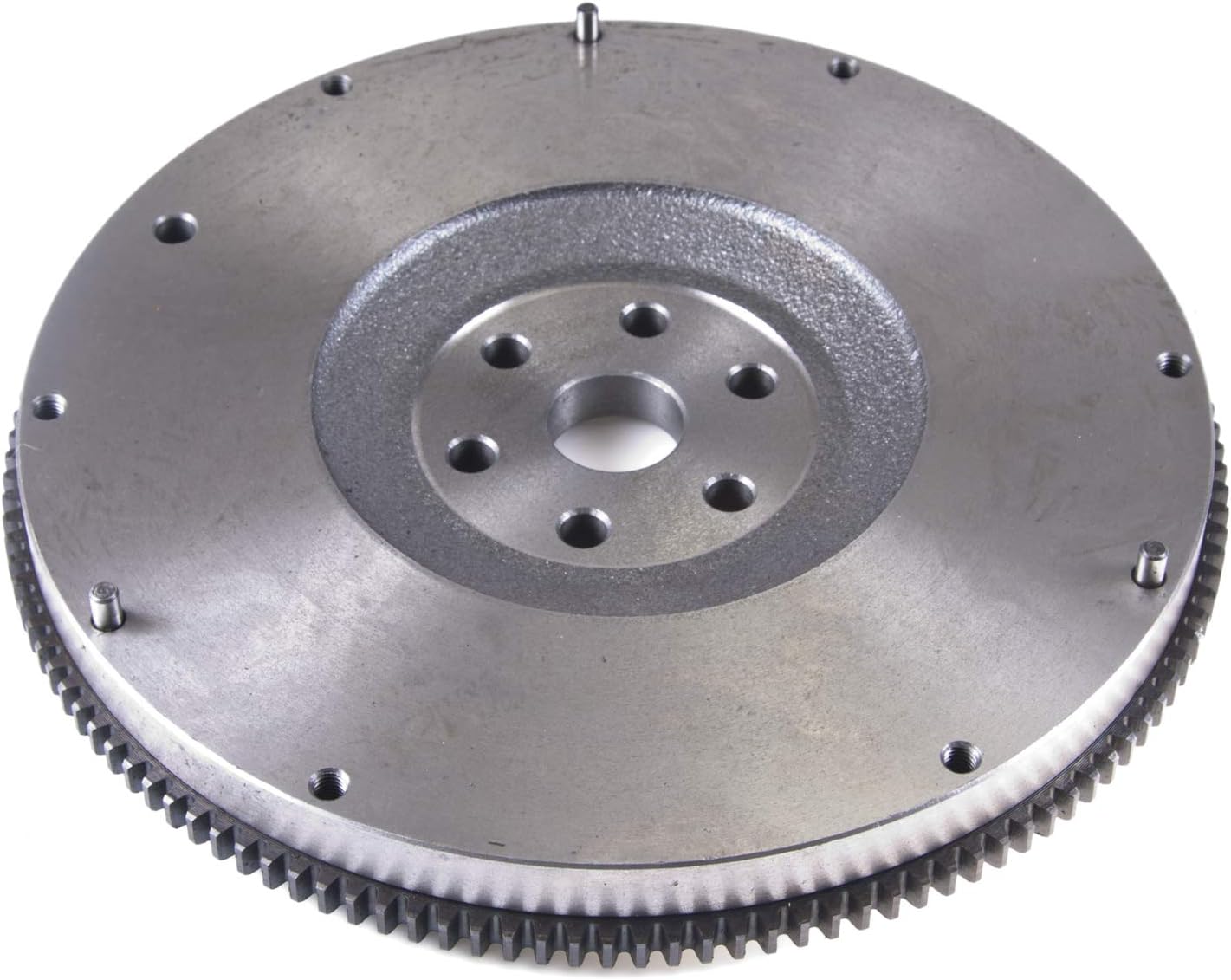
The LuK LFW137 is a solid, vehicle-specific replacement flywheel designed for clutch repairs where a new, factory-quality flywheel is preferred over resurfacing. It installs as a bolt-in replacement and is functionally tested to LuK and OEM performance targets, making it useful when fitting a new clutch or RepSet. The flywheel uses premium-grade materials and balanced construction to improve heat absorption and help preserve clutch life under normal driving and towing conditions. LuK also offers solid flywheel options for higher torque capacity compared with some original parts. The main limitation is that fitment is vehicle-specific so you must confirm year and build before ordering, and this part is a single-component replacement rather than a full clutch kit, so you may need additional parts for a complete clutch job. For reliability-focused repairs on 1998-2011 Ford Ranger models, this flywheel provides a dependable factory-quality replacement option.
Best for: Buyers prioritizing a reliable, factory-quality replacement who want a tested flywheel to restore clutch performance without risky resurfacing.
Less Ideal for: DIYers seeking a full clutch overhaul in one purchase should consider complete clutch kits instead, and those needing multi-vehicle universal fitment should look elsewhere.
- Functionally tested to meet factory performance specifications
- Balanced, premium-grade construction for improved heat absorption
- Designed as a direct bolt-in replacement for hassle-free installation
- Available in solid options with increased torque capacity
- Vehicle-specific fit requires verifying correct build and year before purchase
Verdict: Choose the LuK LFW137 when you need a factory-quality, tested replacement flywheel to reliably restore clutch performance on your Ranger.
6. EFORTISSIMO Racing HD Clutch Kit with Flywheel for 4.0L V6 (2001–2011)

| Manufacturer | EFORTISSIMO |
|---|---|
| Vehicle Fit | 2001–2011 Ford Ranger 4.0L SOHC V6 |
| Clutch Disc | 9-7/8" 23 spline |
| Manufacturer Part Number | GE92343XG-TTC3 |
This EFORTISSIMO Racing HD clutch kit combines a heavy-duty nodular pressure plate, 9-7/8" 23-spline clutch disc, HD flywheel, throwout and pilot bearings, alignment tool, and a basic installation guide into a single replacement package. It is intended as a one-step upgrade from factory clutch for 2001–2011 Ford Ranger 4.0L SOHC V6 and compatible vehicles, offering higher clamp load, hardened components, and design features aimed at reducing drivetrain vibration and improving engagement. In everyday use it should provide a firmer, more consistent pedal feel and better torque handling than a worn stock unit, making it suitable for drivers who tow lightly or want improved drivability after extended service life. The kit claims full fitment and includes the small parts needed for installation, which helps simplify DIY swaps or shop installs. Limitations include potential increased pedal effort compared with a soft stock disc and the absence of vehicle-specific installation instructions beyond a basic guide; professional installation is recommended if you are not experienced with clutch replacement.
Best for: Buyers who want a tested, heavier-duty replacement to restore clutch performance and handle occasional towing or light modifications while preferring a full kit that simplifies installation choices.
Less Ideal for: Drivers who prioritize the lightest possible pedal effort or who need a performance clutch tuned for heavy track use should consider other specialized options.
- Complete kit includes pressure plate, clutch disc, flywheel, throwout and pilot bearings, alignment tool and guide
- HD nodular pressure plate and induction-hardened components built to resist wear and handle higher clamp loads
- Designed to reduce drivetrain vibration and deliver a smoother, more consistent pedal feel
- Packaged for direct fitment to the listed 4.0L V6 applications, reducing chances of wrong-part purchases
- May increase pedal effort compared with a soft factory disc, which can be noticeable in city driving
Verdict: A complete, heavier-duty clutch-and-flywheel package that restores engagement and torque capacity for 4.0L V6 Rangers while simplifying the replacement process.
Choosing the Right 1998-2011 Ford Ranger Flywheel: Key Factors to Consider
Fitment and Bolt Pattern Compatibility
Correct fitment is foundational for the 1998-2011 Ford Ranger because an incorrect bolt pattern, pilot bearing bore, or ring gear alignment will prevent installation or cause rapid failure. Confirming that the flywheel matches the Ranger crank flange, bolt count, and pilot bore ensures the clutch disc centers properly and the starter ring gear meshes without binding.
Poor fitment can lead to uneven clutch contact, premature bearing wear, and vibration. For owners who change the transmission or clutch type, verify any differences in crank pilot size or flywheel thickness so the clutch throwout and release points remain within spec.
Material and Heat Treatment
Flywheels come in several steel and cast-iron constructions; the material and heat treatment determine how the surface resists cracking, glazing, and warping under heat cycles common during clutch slips. For a 1998-2011 Ranger that may tow or face stop-and-go traffic, a flywheel with proper heat treatment will maintain a flat friction surface longer.
Higher-grade steel with proper tempering reduces the chance of hot spots and extends service life. Material choice also affects weight and thermal conductivity, which in turn influences pedal feel and how quickly the flywheel cools between heavy use.
Balancing and Runout
Even small balance issues translate directly to driveline vibration in a light pickup like the Ranger. Shop-balanced flywheels reduce rotational imbalance and minimize noise and vibration transmitted through the transmission and driveline.
Runout tolerance is equally important. High runout will produce chatter and accelerate wear on the pilot bearing and release mechanism. Choosing a flywheel specified to tight balancing and runout tolerances helps maintain smooth idle and consistent engagement.
Surface Finish and Resurfacing Capability
A consistent, flat surface finish ensures even clutch disc contact. Some flywheels are supplied with a finish intended for immediate use, while others are sold serviceable and meant to be resurfaced during clutch replacement. For the Ranger, resurfacing compatibility matters because it lets a technician restore an old flywheel rather than replace it when the thickness and material allow.
If resurfacing is an option, verify manufacturer limits for minimum thickness. A flywheel that can be resurfaced once or twice may offer a lower lifecycle cost, but excessive machining can change clutch geometry and affect engagement.
Weight and Driveability Effects
Flywheel mass affects engine braking, clutch feel, and how quickly the engine revs. Heavier units increase rotational inertia, smoothing low-speed operation and reducing stalling risk when maneuvering or towing, but they slow throttle response. Lighter units quicken throttle response and can make shifting feel sharper but may worsen low-speed drivability if you frequently move at crawl speeds or tow.
Consider how you use your Ranger. Daily drivers and tow-focused owners often prefer a stock or slightly heavier feel, while owners modifying for quicker response may choose lighter options with an understanding of the tradeoffs.
Installation and Serviceability
Ease of installation affects labor time and accuracy of reassembly. Features like clear ring gear seating, pilot bearing access, and matching dowel hole locations reduce installation errors. Some flywheels are pre-balanced and pre-drilled for specific pilot bearings, simplifying replacement.
Serviceability also includes whether the flywheel allows clutch resurfacing, how it interfaces with the starter, and whether special tools or alignment procedures are required. A unit that simplifies installation reduces the chance of misalignment and future drivability issues.
Understanding Flywheel Types for the Ranger
Flywheels for the 1998-2011 Ranger are typically single-mass designs in stock applications, but there are variations in material and manufacturing that affect performance and longevity. Understanding the structural differences helps you pick an option that matches driving conditions without introducing unnecessary complexity.
- Single-mass steel or cast iron is common for daily use and towing.
- Some aftermarket units offer lighter machined designs for improved throttle response.
- Check if the unit is finished for immediate use or requires resurfacing during clutch service.
When to Resurface or Replace the Flywheel
Flywheel resurfacing is a common repair during clutch replacement, but it is only appropriate when the flywheel meets minimum thickness and is not cracked or severely hot-spotted. For the Ranger, inspection should include checking for heat-induced discoloration, surface scoring, and runout before deciding to machine the surface.
Resurfacing restores flatness and removes minor glazing, but excessive machining can reduce thermal mass and change clutch engagement. If the surface has deep grooves, cracks, or the flywheel is below thickness tolerance, replacement is the safer choice.
- Measure runout with a dial indicator to detect warpage.
- Confirm minimum thickness spec before machining.
- Look for hairline cracks or ring gear damage that mandates replacement.
Common Symptoms Pointing to Flywheel Problems
Several drivability issues on a Ranger often trace back to the flywheel rather than the clutch disc or release hardware. Vibration during acceleration or at idle, persistent chatter when engaging the clutch, and a burning smell during heavy clutch use are common indicators of surface or balance problems.
Diagnosing begins with test drives to reproduce symptoms, visual inspection after removing the transmission, and measurement of surface condition and runout. Addressing the flywheel as part of clutch service can eliminate repeat problems after clutch replacement.
- Vibration or shaking during idle or acceleration.
- Chatter or judder when engaging the clutch.
- Burning odor during heavy clutch slipping.
Installation Tips for Long-Term Reliability
Proper installation is crucial to avoid premature failure. Use a torque wrench and follow the factory torque sequence for crank and flywheel bolts. Apply thread locker or follow the specified thread treatment and replace hardware if bolts show stretch or damage.
Center the clutch disc with an alignment tool before torquing the pressure plate, and double-check pilot bearing condition and seating. After installation, verify engagement travel and test for abnormal vibration before final road use.
- Follow torque sequence and specified torque values.
- Use an alignment tool to center the clutch disc.
- Inspect or replace the pilot bearing when servicing the flywheel.
Still looking for the perfect fit?
Select your Ford Ranger configuration to see the most relevant Flywheels recommendations
How We Chose the Best 1998-2011 Ford Ranger Flywheel
Our selection focused on components that deliver reliable fit and predictable clutch behavior for the 1998-2011 Ford Ranger. We applied concrete filters to narrow the field and highlight practical options for owners and technicians.Evaluation criteria included fitment accuracy to the Ranger 1998-2011 bolt pattern and crank specifications, material and heat-treatment quality that affect wear and thermal resistance, and balancing tolerance to minimize vibration after installation. We also considered surface finish and whether the unit is designed for resurfacing during clutch jobs, as well as friction compatibility with common clutch facings used on this vehicle. Durability factors such as resistance to warping and provision for ring gear integrity were examined, along with replacement ease and how the part impacts installation time.Excluded items included flywheels intended solely for other vehicle platforms, prototype or one-off racing-only units that sacrifice drivability, and parts without documented fitment for the 1998-2011 Ranger. The end result emphasizes practical, serviceable flywheels that suit street, towing, and light-duty performance use while keeping installation and lifecycle considerations top of mind.
Our full evaluation process is outlined in our review methodology.
FAQ
What are the first signs that my Ranger's flywheel is failing?
First signs often include vibration at idle or under load, clutch chatter during engagement, or a burning smell after heavy use. These symptoms usually appear before catastrophic failure and warrant removing the transmission for inspection.
Can I resurface my Ranger flywheel or must I replace it?
You can resurface the flywheel if it is within minimum thickness, free of cracks, and does not have excessive ring gear or surface damage. Use runout measurements and thickness specs to decide; replacement is necessary if limits are exceeded.
How does flywheel weight affect drivability on a Ranger?
Heavier flywheels increase inertia which smooths low-speed operation and reduces stalling when towing, while lighter flywheels improve throttle response and engine revving. Choose weight based on whether you prioritize towing/low-speed control or sharper acceleration.
Is flywheel noise always a sign of failure?
Not always. Some noise can come from starter engagement or nearby drivetrain components. However, persistent tonal noise, grinding, or vibration linked to engine speed often indicates flywheel imbalance, worn ring gear, or surface issues requiring inspection.
Should I replace the pilot bearing when changing the flywheel?
It is usually a good idea to inspect and often replace the pilot bearing during a flywheel or clutch service. A worn pilot bearing can cause misalignment and accelerate wear on the clutch and flywheel surfaces.
How do I check flywheel runout on my Ranger?
Support the crankshaft per service manual procedures and use a dial indicator at the friction surface to measure runout while rotating the crank. Compare readings to factory tolerances; excessive runout indicates warpage or improper mounting. Use proper supporting fixtures to avoid false readings.
Final Verdict
When choosing a flywheel for a 1998-2011 Ford Ranger, prioritize correct fitment, material quality, and balancing to address the symptoms you are experiencing. Consider whether resurfacing is viable or if replacement better protects clutch life, and match flywheel weight to how you use the truck.Balancing the competing needs of drivability, towing stability, and longevity will guide the right choice. Focus on parts that offer documented fitment and serviceability so you can install and maintain the flywheel without introducing vibration or alignment problems.
Explore More:
- Check out all Ford Ranger parts & accessories
- Explore Flywheels Maintenance & Repair Guides
- Explore Transmission & Drivetrain
- Browse all Auto Parts
