

Note: This article contains affiliate links. If you click on these links and make a purchase, I may earn a small commission at no extra cost to you. This helps support my research and content. Read my full affiliate disclosure here.
If you drive a 1997-2004 Dodge Dakota with a manual transmission, the flywheel plays a central role in clutch engagement, idle smoothness, and driveline vibration. Choosing the right flywheel affects how the clutch feels, how long the transmission components last, and whether you see persistent vibration or noise after a clutch job. This guide lists the top shortlisted flywheels suited to the 1997-2004 Dakota and explains the fitment and material considerations that matter.Each option was evaluated against serviceability, durability, and compatibility with common Dakota clutch setups. The following picks are the best candidates to restore smooth engagement and minimize drivetrain vibration. Read on for what to check before you buy and how to decide which flywheel type fits your needs.
Looking for other parts? See all Dodge Dakota parts & accessories.
Top Picks at a Glance
| Best Overall The best all-around choice for most situations | ClutchMaxPRO Stage 5 Clutch Kit with Nodular HD Flywheel (fits Dodge Dakota/Ram 1500) |  |
| Best Quality Built to a higher standard if you want something more solid | LuK RepSet Complete Clutch Kit with Flywheel for Dodge Dakota and Mitsubishi Raider |  |
| Best Budget The cheapest option that still gets the job done reliably | Sawyer Auto Replacement Flywheel for 1994–1999 Dodge Dakota |  |
| Highest Rated A top-rated pick with lots of positive feedback | LuK LFW137 Replacement Flywheel |  |
| Most Popular A crowd favorite that many people choose with confidence | LuK LFW103 Replacement Flywheel |  |
1. ClutchMaxPRO Stage 5 Clutch Kit with Nodular HD Flywheel (fits Dodge Dakota/Ram 1500)

| Compatible models | Dodge Dakota and Ram 1500 (listed years/engines) |
|---|---|
| Disc type | Stage 5 ceramic 6-puck rigid disc |
| Flywheel type | Nodular heavy-duty flywheel |
| Torque capacity | 398 HP / 467 lb-ft |
| Included components | Flywheel, pressure plate, disc, throw-out bearing, pilot bearing, alignment tool |
This ClutchMaxPRO Stage 5 kit replaces the factory 11" clutch with a 12" high-capacity assembly and is built for off-road, towing, and higher-power street use on supported Dodge Dakota and Ram 1500 engines. It includes a nodular heavy-duty flywheel, performance pressure plate, a stage 5 ceramic 6-puck rigid disc, high-temp throw-out and pilot bearings, and an alignment tool so you get a full install-ready package. The larger 12" diameter and ceramic puck design raise torque capacity to handle near 400 horsepower and heavier loads, which helps reduce slip during aggressive launches or when towing. Expect a firmer engagement and more noise and vibration at low speeds compared with stock, so daily city driving will feel less refined. Installation requires replacing the entire clutch set and cannot reuse existing components, and the puck-style disc will wear more abruptly than an organic full-face disc if driven harshly. For buyers wanting a durable, higher-capacity clutch that works for mixed use of trail, towing, and spirited driving, this kit delivers clear performance gains in a single package.
Best for: Buyers who want a single-package upgrade that increases clutch load capacity for mixed use—towing, occasional track or off-road use, and stronger street performance—without sourcing separate components.
Less Ideal for: Drivers who prioritize quiet, smooth daily commuting or those who prefer a progressive engagement for stop-and-go city traffic should consider a milder organic replacement instead.
- Complete kit includes flywheel, pressure plate, ceramic 6-puck disc, throw-out and pilot bearings for a one-stop replacement.
- 12" nodular heavy-duty flywheel and stage 5 disc raise torque and heat capacity for towing, off-road, and higher-horsepower use.
- Includes alignment tool and installation guide to simplify fitting and reduce missing-part delays.
- Puck-style ceramic disc gives a harsher engagement with more noise and vibration compared to stock organic discs.
Verdict: If you need a robust, all-in-one clutch upgrade that boosts load capacity for towing and higher-power driving on supported Dakotas and Ram 1500s, this Stage 5 kit is a practical choice.
2. LuK RepSet Complete Clutch Kit with Flywheel for Dodge Dakota and Mitsubishi Raider

| Clutch disc size | 11-7/8" |
|---|---|
| Spline count | 10 spline |
| Included items | Flywheel, pressure plate, clutch disc, release bearing, pilot bearing, alignment tool |
| Manufacturer | EFORTISSIMO / LuK RepSet |
This LuK RepSet supplies everything needed to replace a worn clutch and flywheel on compatible Dodge Dakota and Mitsubishi Raider manual-transmission trucks. The kit pairs a nodular LuK flywheel with a matched pressure plate and 11-7/8" 10-spline clutch disc, plus release and pilot bearings, alignment tool, and installation guide for a direct-fit replacement. In real-world use the precision-balanced flywheel and quality friction materials aim to reduce vibration, improve heat resistance, and deliver smoother engagement during daily driving and towing. Because the components are manufactured to factory-quality tolerances, installation is straightforward for a professional or competent DIY mechanic using the guide and included alignment tool. The kit is focused on durability and consistent shifting under load, but it is a standard replacement setup rather than an aggressive performance or lightweight racing flywheel, so it will favor longevity and drivability over quicker rev response or weight savings.
Best for: Buyers who want a durable, factory-quality replacement clutch and flywheel that restores smooth engagement and reliable torque transfer for everyday driving and towing.
Less Ideal for: Drivers seeking aggressive performance upgrades, significant weight reduction, or race-oriented clutch characteristics should look at purpose-built performance kits instead.
- Complete kit includes flywheel, pressure plate, clutch disc, release and pilot bearings, alignment tool, and installation guide
- Precision-balanced nodular flywheel and matched components reduce vibration and improve heat resistance
- Manufactured to factory-quality tolerances for straightforward fitment and reliable shifting
- Durable friction materials and heat-treated parts designed for towing and higher-load daily use
- Designed as a heavy-duty factory-style replacement rather than a lightweight performance flywheel
- Limited to the specified Dodge Dakota and Mitsubishi Raider manual-transmission applications
Verdict: Choose this LuK complete kit when you want a robust, factory-quality clutch and balanced flywheel that restores reliable daily-driving and towing performance for the specified Dakota/Raider models.
3. Sawyer Auto Replacement Flywheel for 1994–1999 Dodge Dakota

| Compatible years | 1994-1999 |
|---|---|
| Manufacturer | Sawyer Auto |
| Manufacturer Part Number | PG-724813 |
This Sawyer Auto flywheel is a direct-replacement clutch flywheel intended to reconnect the engine output to the transmission on 1994–1999 Dodge Dakota trucks. It is used during clutch overhauls or when the original flywheel surface is worn or damaged; installation follows the same mounting pattern as the factory part so it fits without modification. The listing states the part is made from forged or cast metal and includes the ring gear connection, which should restore proper mating with the clutch pressure plate and disc. As a budget-focused aftermarket option, it provides a straightforward way to get a working flywheel without paying for a factory-brand unit. Buyers should expect a basic, no-frills component and verify surface finish and balance at install time because lower-priced replacements can vary in machining tolerances compared with higher-end options.
Best for: Buyers who need an affordable, direct-fit replacement flywheel to complete a clutch job on an older Dodge Dakota and who prioritize getting the vehicle back in service without a premium-name part.
Less Ideal for: Those seeking a performance-enhanced, precision-machined, or premium-balanced flywheel for spirited driving or high-power upgrades should consider higher-end alternatives.
- Direct-fit design matched to the original mounting pattern for 1994–1999 Dodge Dakota
- Constructed from forged or cast metal to provide required strength for clutch engagement
- Simple, no-frills replacement suitable for routine clutch rebuilds
- Lower-cost aftermarket manufacturing may have variable machining finish or balance compared with higher-end replacements
Verdict: A practical, wallet-friendly direct-replacement flywheel to restore clutch function on 1994–1999 Dodge Dakota trucks.
4. LuK LFW137 Replacement Flywheel
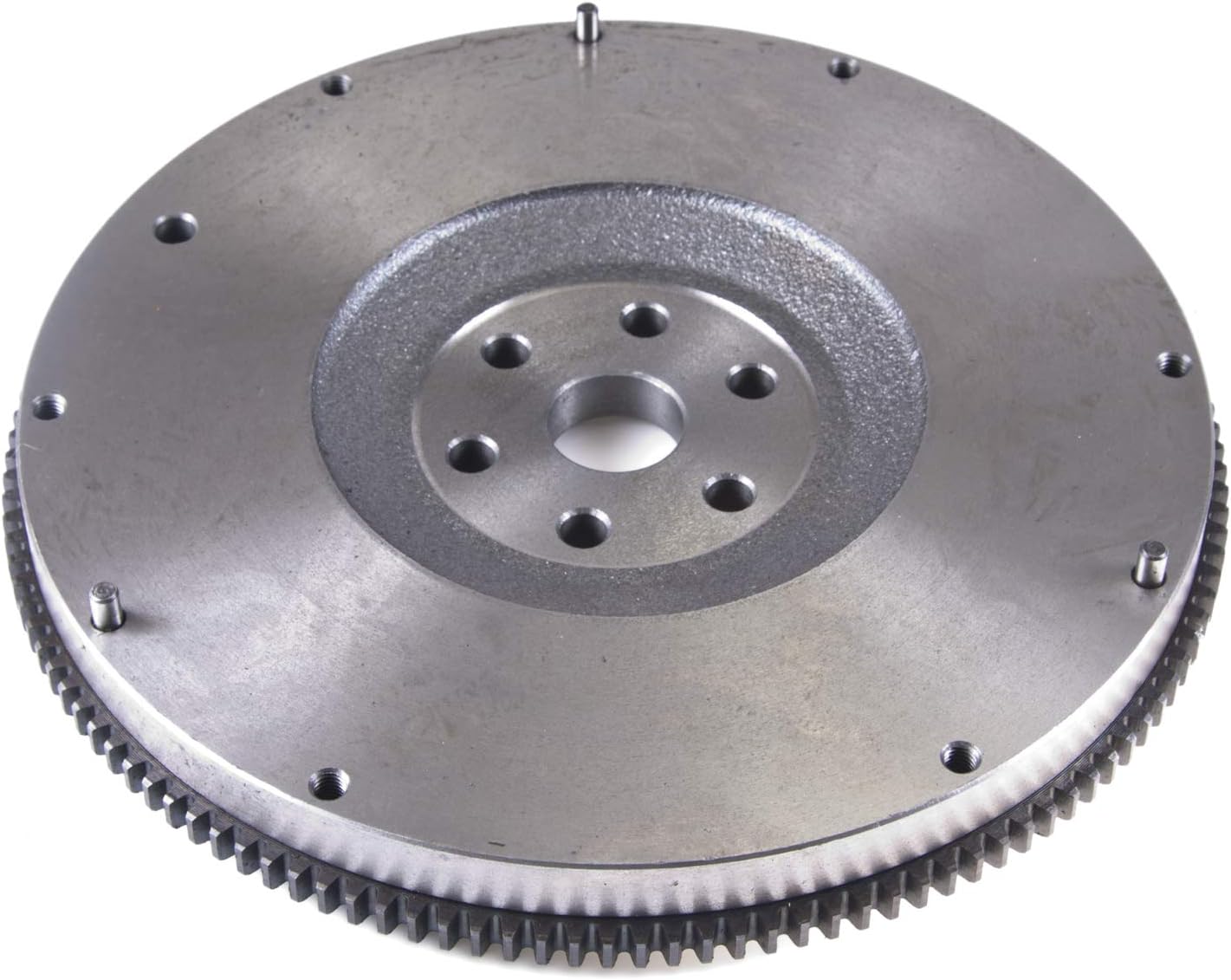
| Material | Metal |
|---|---|
| Brand | LUK |
| Fit Type | Vehicle Specific Fit |
| Vehicle Service Type | ATV, Passenger Car, SUV, Truck, Van |
| Model | LFW137 |
The LuK LFW137 is a direct-fit replacement flywheel intended for clutch service where a new flywheel is preferred over resurfacing. It is functionally tested to meet factory performance specifications and is made from premium-grade metals to provide consistent friction surface and heat absorption. Installers will use this when replacing the clutch assembly to avoid clearance and interference issues that can arise with resurfaced parts. The part is designed as a bolt-in unit for vehicle-specific applications and is suitable for pairing with LuK RepSet clutch kits for a straightforward one-step ordering process. Practical benefits include restored clutch engagement characteristics, improved heat dissipation compared with badly machined resurfaced units, and the reassurance of a part built to the original supplier standard. Limitations are that fitment is vehicle-specific so buyers must verify correct build, year and model, and the product description does not list exact vehicle compatibility or torque capacity on the detail page so installers should confirm fit and specs before purchase.
Best for: Buyers who prioritize long-term clutch reliability and want a factory-quality replacement flywheel when performing a full clutch job on a vehicle from the specified model years.
Less Ideal for: Shoppers who need a universal or multi-vehicle part or those looking for detailed spec sheets on the product page without contacting the manufacturer or installer.
- Functionally tested to meet factory performance specifications
- Premium-grade material and balanced construction for reliable heat absorption
- Designed as a bolt-in, vehicle-specific replacement for easier installation
- Pairs with LuK RepSet clutch kits for matched component fit
- Product page does not list detailed vehicle fitment or torque specifications
Verdict: Choose the LuK LFW137 when you want a factory-quality, functionally tested replacement flywheel to restore clutch performance and avoid the risks of resurfacing.
5. LuK LFW103 Replacement Flywheel

| Fit Type | Vehicle Specific Fit |
|---|---|
| Compatible with Vehicle Type | ATV, Passenger Car, SUV, Truck, Van |
| Part Interchange Info | LFW103 |
| Manufacturer Warranty Description | 12 Months/12,000 Miles |
The LuK LFW103 is a direct-fit replacement flywheel intended for clutch service on compatible vehicles in the specified application range. It is sold as the main component only and is intended to be installed when replacing the clutch rather than resurfacing the old unit. LuK states each flywheel is functionally tested to match factory performance specs and uses premium-grade friction surfaces and materials to improve heat absorption and durability. That makes it useful for technicians and DIYers who want a bolt-in component that preserves clutch life and reduces risk of fitment or clearance issues common with machined units. The unit is relatively heavy and shipped as a single part, so expect a shop or an assistant for handling and installation. While LuK emphasizes OEM-level performance and backs the part with a limited warranty, buyers must verify the exact build, year, and model for fitment before ordering since this is a vehicle-specific part and not a universal solution.
Best for: Buyers who prioritize a tested, factory-quality replacement when overhauling the clutch and who value social proof of a reputable brand and documented performance.
Less Ideal for: If you need a complete clutch kit, a universal aftermarket option, or are unsure of exact vehicle build details, consider buying a matched kit or consulting a specialist instead.
- Functionally tested to meet factory performance specifications
- Premium friction surfaces and good heat-absorption capacity to support clutch life
- Bolt-in, vehicle-specific fit reduces risk of clearance or interference issues
- Sold as main component only so additional clutch parts must be purchased separately
- Requires careful verification of build and model for correct fitment
Verdict: Choose the LuK LFW103 when you want a factory-quality, functionally tested replacement flywheel to protect a new clutch and avoid the risks of resurfacing.
Choosing the Right 1997-2004 Dodge Dakota Flywheel: Key Factors to Consider
Material and Construction
Flywheels are commonly made from cast iron, nodular iron, or billet steel. Material choice affects heat dissipation, wear resistance, and how the flywheel responds to repeated clutch slip. For a Dakota, a heavier cast unit can smooth engagement and dampen low-speed vibrations, while lighter or billet options can change pedal feel and acceleration responsiveness.
Construction quality matters for long-term durability. Check for forged or heat-treated components and how the ring gear is secured. Poor machining or soft materials lead to rapid wear and may require earlier resurfacing or replacement. When choosing, weigh the tradeoff between longevity and the driving characteristics you prefer.
Weight and Moment of Inertia
The flywheel's mass determines its ability to store rotational energy and impacts clutch engagement characteristics. Heavier flywheels tend to make takeoffs smoother and reduce stalling tendency at low RPM, which can be helpful for city driving in the Dakota. Lighter flywheels reduce rotational inertia and can make the engine rev quicker, but they can also make idle and low-speed control more abrupt.
Consider your driving style and whether you tow or haul with the Dakota. If you often operate with heavy loads or want easier low-speed power, a higher-mass flywheel may be appropriate. For performance-focused street use where throttle response matters more than smoothness, a lighter option could be preferable.
Surface Finish and Need for Resurfacing
A properly machined and finished friction surface is essential for clutch life and consistent engagement. Rough or uneven surfaces can cause chatter, premature disc wear, and inconsistent bite. Many replacement flywheels are sold ready-to-install, but some require resurfacing to meet clutch manufacturer tolerances.
If the flywheel requires resurfacing, factor in the additional labor and the importance of matching the surface finish to the clutch disc type. For the Dakota, a correctly finished surface reduces the chances of vibration that often presents as shudder during engagement.
Fitment and Bolt Pattern
Correct fitment is non-negotiable. The flywheel must match the Dakota's crank bolt pattern, pilot-bore diameter, and ring gear alignment for reliable installation. Even small discrepancies in bore diameter or alignment can cause pilot bearing misalignment, premature wear, or installation difficulty.
Confirm the part's listed fitment for 1997-2004 Dakota transmissions and engine variants when applicable. Ensure the ring gear and starter mating surface are compatible with the truck's starter arrangement to avoid rework during installation.
Compatibility With Clutch Type
Different flywheels pair better with specific clutch discs and pressure plates. Organic-faced discs, ceramic or sintered materials, and heavy-duty clutch kits each have surface and heat-handling requirements. For example, high-friction clutch discs generate more heat and benefit from flywheels with superior thermal mass or cooling characteristics.
When replacing the flywheel on a Dakota, match the flywheel choice to the clutch kit you plan to use. Mismatched pairings can produce noise, accelerated wear, or inconsistent engagement. Check whether the flywheel is specified for use with stock-style discs or for performance/sintered materials.
Balance and Runout Tolerance
Flywheel balance directly affects driveline vibration and bearing life. Unbalanced or poorly machined units can transmit vibration into the transmission and cabin, often noticeable as a shake at certain RPM ranges. Runout tolerance at the mounting face and the friction surface should be within manufacturer limits to prevent clutch judder.
Ask for or verify balance specifications and manufacturing tolerances where possible. If tolerances are not documented, plan to have the flywheel checked during installation. Correct balance and low runout reduce the risk of persistent vibration or premature component failures in the Dakota.
Common Flywheel Symptoms On a Dakota
Recognizing flywheel-related symptoms helps narrow whether the flywheel itself is the issue or if the clutch assembly or pilot bearing is at fault. Typical indicators on the 1997-2004 Dakota include clutch chatter during engagement, a noticeable vibration through the pedal or floor at certain RPM ranges, and a grinding or rattling noise on startup if the ring gear is damaged.
Intermittent engagement or slipping under load can also point to a compromised friction surface or heat-related glazing. Diagnosing early saves time because some symptoms are reversible with resurfacing or flywheel replacement, while others indicate deeper drivetrain wear.
- Clutch chatter when letting out the pedal
- Vibration at idle or specific RPM ranges
- Burnt smell after heavy clutch use
- Grinding when engaging starter or during cranking
When To Resurface Versus Replace
Resurfacing can restore a flywheel with minor scoring or glazing, provided the unit is within thickness and runout specifications. For the Dakota, measure thickness against OEM limits and inspect for heat cracks or warpage before committing to resurfacing. If the surface is within spec and the crank alignment is correct, resurfacing can be a cost-effective option.
Replace the flywheel if there are deep cracks, excessive heat checking, or if the unit has been machined beyond safe thickness. Also replace if balance is unknown or if the ring gear is damaged and cannot be reliably repaired. Replacement is often the safer route when clutch components are upgraded to higher-performance materials.
- Resurface for light scoring or glazing within thickness spec
- Replace for cracks, severe heat damage, or excessive machining
- Consider replacement when upgrading clutch materials
Installation and Service Tips for Dakota Owners
Follow torque sequences and specified torque values for crank and flywheel bolts to prevent fretting and to maintain proper balance. Use new fasteners if the manufacturer specifies single-use bolts and apply the correct thread locker or torque method. Proper torque ensures even clamping and helps avoid runout.
Check the pilot bearing and rear main seal when the flywheel is accessible. Replace any worn pilot bearings to prevent misalignment and inspect the starter engagement area for ring gear wear. After installation, verify clutch free play and perform a road test to confirm that vibration and engagement feel are resolved.
- Use proper torque specs and sequences
- Replace pilot bearing and inspect rear main seal
- Check starter-to-ring-gear engagement
- Confirm clutch free play after installation
Choices for Towing and Heavy Use
If you use your Dakota for towing or heavy hauling, prioritize flywheels with higher thermal mass and robust construction. These characteristics help manage repeated clutch slips during heavy starts and reduce the likelihood of glazing under load. A heavier, well-machined flywheel aids in smooth launches when carrying payloads.
Also consider surface hardness and whether the flywheel pairs well with heavy-duty clutch discs. Increased heat capacity and stronger attachment methods for the ring gear prevent premature failures during demanding use.
- Higher mass for smoother launches under load
- Improved heat tolerance to avoid glazing
- Compatibility with heavy-duty clutch discs
Balancing Performance and Daily Driveability
A performance-minded driver may favor a lighter flywheel to gain quicker rev response, but this can make low-speed control more difficult in stop-and-go traffic. For everyday driving in a Dakota, balance the desire for throttle response with the need for smooth clutch engagement and low RPM drivability.
If you want a sportier feel without sacrificing daily comfort, look for flywheels engineered to reduce inertial loss while maintaining adequate mass to dampen driveline vibration.
- Lighter units improve throttle response
- Heavier units smooth low-speed operation
- Choose based on driving environment and priorities
Still looking for the perfect fit?
Select your Dodge Dakota configuration to see the most relevant Flywheels recommendations
How We Chose the Best 1997-2004 Dodge Dakota Flywheel
We focused on criteria that matter specifically for the 1997-2004 Dodge Dakota manual transmission setups and typical owner needs. Primary evaluation factors included material and construction because cast, nodular iron, or billet steel choices change thermal resistance and wear characteristics. We assessed compatibility and correct bolt pattern and pilot-bore sizing to ensure direct fitment for the Dakota year range and common transmissions. Weight and balance were examined since mass affects engagement feel and low-speed drivability. Surface finish and machining tolerances were included because they influence clutch life and the need for additional resurfacing.We also considered serviceability factors such as whether the unit is ready-to-install or requires resurfacing, and whether it supports stock or upgraded clutch discs. Durability indicators such as heat treatment and ring gear integration were part of the selection filters. Exclusions: we removed any units that lacked clear Dakota fitment information, used ambiguous construction details, or were specifically designed for automatic-transmission flexplates. The result is a short list of flywheels that meet fitment, durability, and serviceability expectations for the 1997-2004 Dodge Dakota.
Our full evaluation process is outlined in our review methodology.
FAQ
How can I tell if my Dakota's flywheel needs replacing?
Look for persistent clutch chatter, slipping under load, visible cracks or heat checking on the friction surface, and excessive vibration. If resurfacing limits are exceeded or there is structural damage, replacement is necessary.
Can I resurface a flywheel during a clutch job on my Dakota?
Often yes, if the flywheel is within thickness and runout specifications and shows only light scoring or glazing. Always measure and inspect for cracks or heat damage before deciding to resurface.
Does flywheel weight affect towing performance with a Dakota?
Yes. Heavier flywheels increase rotational inertia, which smooths engagement and helps when launching with heavy loads. Lighter flywheels improve throttle response but can make towing launches more abrupt.
Should I replace the pilot bearing when servicing the flywheel?
Usually it is a good practice to inspect and replace the pilot bearing if there is any sign of wear or roughness. A failing pilot bearing can cause misalignment and accelerate clutch and transmission wear.
Will resurfacing a flywheel fix vibration issues in my Dakota?
Resurfacing can correct minor surface irregularities that cause chatter or shudder. However, if vibration is due to imbalance, excessive runout, or worn drivetrain components, resurfacing alone may not resolve the issue.
How important is correct bolt torque when installing a flywheel?
Very important. Correct torque and sequence ensure even clamping, maintain balance, and prevent fretting or bolt failure. Improper torque can lead to runout and vibration problems.
Final Verdict
Prioritize correct fitment, construction quality, and surface condition when choosing a flywheel for a 1997-2004 Dodge Dakota. Decide between heavier units for smoother, load-friendly engagement and lighter units for improved throttle response. Always verify machining tolerances and balance, and consider resurfacing only when the part is within safe limits.In short, match the flywheel to your driving demands and clutch material. Focus on durable construction, correct fitment, and proper installation practice to achieve reliable engagement and minimize vibration in your Dakota.
Explore More:
- Check out all Dodge Dakota parts & accessories
- Explore Flywheels Maintenance & Repair Guides
- Explore Transmission & Drivetrain
- Browse all Auto Parts
