

Note: This article contains affiliate links. If you click on these links and make a purchase, I may earn a small commission at no extra cost to you. This helps support my research and content. Read my full affiliate disclosure here.
If your Cruze is showing rough idle, check-engine lights, or fuel smell, a failing EVAP purge valve is a common cause and an affordable repair. Choosing the right Chevrolet Cruze EVAP purge valve matters because correct fitment and reliable operation affect emissions, drivability, and engine start behavior. This guide highlights seven shortlisted options that meet common fitment specs and performance expectations.Below you will find the top picks and what to look for; we evaluated each option for mechanical fit and expected durability to help you narrow choices quickly.
Looking for other parts? See all Chevrolet Cruze parts & accessories.
Top Picks at a Glance
| Best Overall The best all-around choice for most situations | RLP Vapor Canister Purge Valve Solenoid (replaces 55573017) |  |
| Best Quality Built to a higher standard if you want something more solid | BlueStars Canister Purge Valve (214-2317) — Replacement for Chevrolet Cruze/Sonic 1.8L |  |
| Best Value The sweet spot between price and what you get | AnyDuck Canister Purge Valve Solenoid 214-2317 for Chevrolet Cruze and Chevy Sonic 1.8L |  |
| Best Budget The cheapest option that still gets the job done reliably | NOTISH EVAP Vapor Canister Purge Valve Solenoid (replaces 55573017) |  |
| Highest Rated A top-rated pick with lots of positive feedback | AnyDuck Canister Purge Valve Solenoid (55573017) |  |
| Most Popular A crowd favorite that many people choose with confidence | Mormonea Canister Purge Valve Solenoid (55573017 / 911-409) |  |
| Best Seller A high-volume bestseller chosen again and again | Mirthcos 55573017 Vapor Canister Purge Valve Solenoid |  |
RLP Vapor Canister Purge Valve Solenoid (replaces 55573017)

| Material | Acrylonitrile Butadiene Styrene (ABS) |
|---|---|
| Inlet Connection Type | Barb |
| Outlet Connection Type | Barb |
| Number of Ports | 1 |
| Specification Met | OE |
This RLP vapor canister purge valve is a direct replacement for the factory purge valve on 1.4L Chevrolet Cruze models and controls the flow of fuel vapors from the charcoal canister to the intake manifold. It installs as a plug-and-play unit and is typically used to clear EVAP-related drivability issues such as hard starts after refueling, P0496 codes, or rough running. The valve is molded from ABS plastic and uses standard barb inlet and outlet fittings, which makes hose connections straightforward for DIY or shop installation. In practice the part restores proper venting and often allows check-engine codes to be cleared once the vehicle runs and readiness monitors reset. Some buyers report long service life and easy fitment while others experienced premature failure, so durability can vary. The unit replaces common part numbers for Cruze applications and comes with a 12-month replacement promise from the seller. Expect an affordable, easy-to-install factory-style fix for EVAP faults on the Cruze 1.4L, but be aware intermittent longevity reports mean follow-up diagnostics may be needed if symptoms return.
Best for: Buyers who want a balanced, cost-effective factory-style replacement to fix EVAP faults on a Chevrolet Cruze 1.4L without needing advanced tuning or modification.
Less Ideal for: Anyone seeking a heavy-duty or long-term aftermarket upgrade beyond factory-spec performance should consider higher-end or OEM-sourced alternatives.
- Direct fit for 1.4L Cruze applications, designed for plug-and-play replacement.
- Addresses common EVAP symptoms including P0496, hard starts after refueling, and rough running.
- Uses standard barb inlet/outlet for simple hose connections and straightforward installation.
- Replaces multiple OE part numbers, simplifying parts selection for Cruze repairs.
- Constructed from ABS plastic which some users report can be brittle and may fail earlier than OEM units.
- Mixed longevity reports mean occasional premature replacement and potential repeat diagnostics.
Verdict: A budget-friendly, plug-and-play purge valve that reliably fixes common EVAP issues on the Cruze 1.4L for most owners, though durability can be variable.
BlueStars Canister Purge Valve (214-2317) — Replacement for Chevrolet Cruze/Sonic 1.8L
| Material | Acrylonitrile Butadiene Styrene, Plastic |
|---|---|
| Inlet Connection Type | Flare |
| Outlet Connection Type | Barb |
| Part Number | 214-2317 |
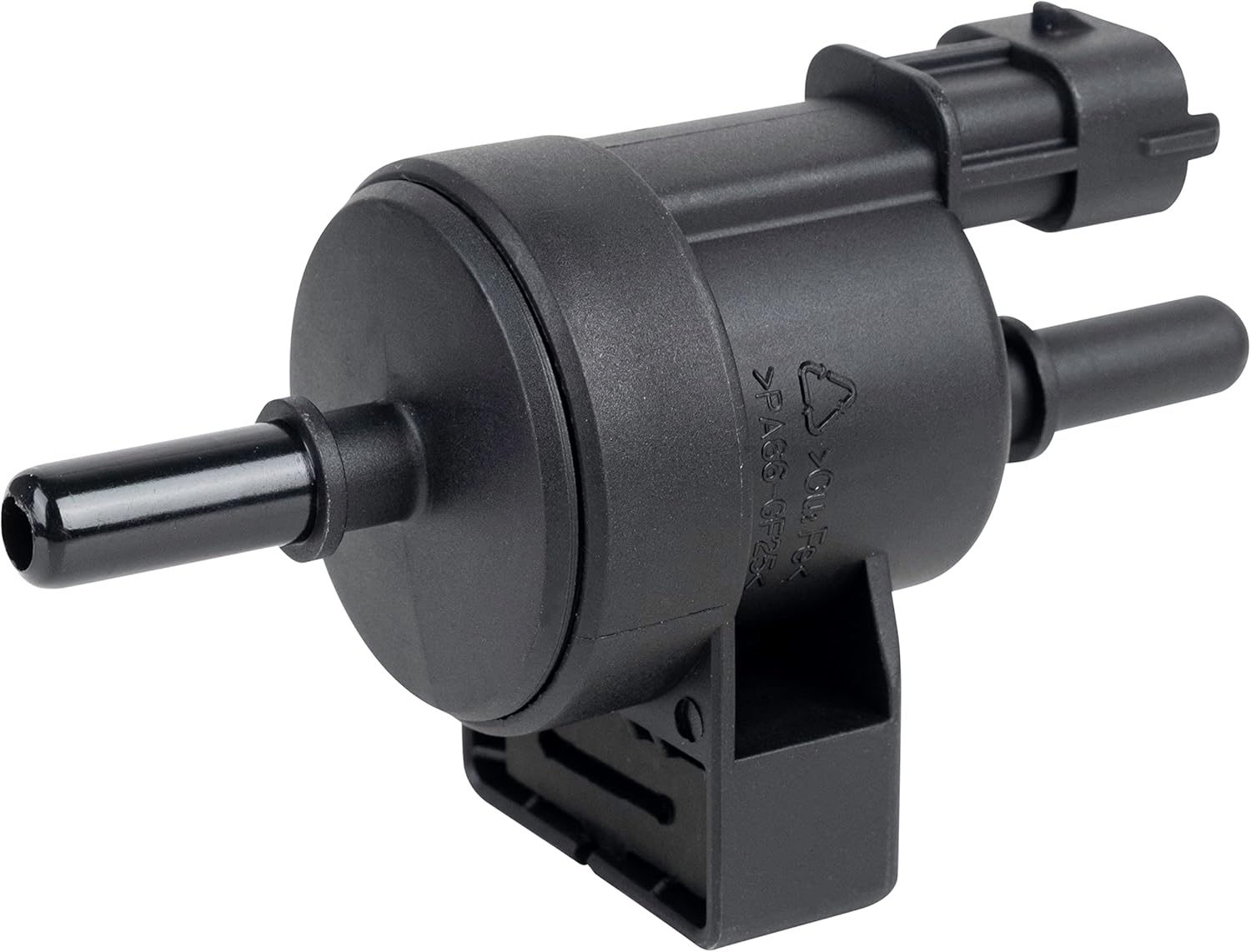
This BlueStars purge valve is a direct-fit replacement for the 214-2317/55567453-style units used on 1.8L Chevrolet Cruze and Sonic engines. It controls the flow of fuel vapors from the EVAP canister into the intake manifold so the engine can burn them instead of releasing them to the atmosphere. Typical use is a DIY swap when you have symptoms like rough idle, hard starts after refueling, reduced fuel economy, or a P0442/P0496-related check engine light. The valve is built from ABS plastic and metal, includes flare and barb connection points for vacuum lines, and is intended to match the factory form and function so installation is straightforward with basic hand tools. Practical benefits include restoring drivability and emissions performance while avoiding dealer labor charges. Limitations are typical for aftermarket parts: long-term durability can vary compared with factory-brand parts and fit depends on the exact engine variant and mounting bracket, so verify the part number before ordering.
Best for: Performance-oriented DIYers who prioritize getting the EVAP system functioning like new to restore engine response and fuel economy, and who prefer a direct-fit, quick-install replacement over dealer service.
Less Ideal for: Buyers looking for an OEM-branded part with manufacturer provenance or those who prefer professional garage-installed components for warranty tracking should consider alternatives.
- Direct-fit design intended for 1.8L Chevy Cruze and Sonic engines for easy replacement
- Restores EVAP purge function to address rough idle, hard starts, and related check engine codes
- Made from ABS plastic and metal to balance cost and corrosion resistance
- Aftermarket durability may differ from factory-brand parts over very long mileage
- Lifetime protection claim requires following seller procedures to resolve defects
Verdict: A cost-effective direct-fit purge valve aimed at performance-focused DIYers who need to clear EVAP faults and restore drivability on 1.8L Cruze/Sonic engines.
AnyDuck Canister Purge Valve Solenoid 214-2317 for Chevrolet Cruze and Chevy Sonic 1.8L

| Number of Ports | 2 |
|---|---|
| Outlet Connection Type | NPT |
| Valve Type | Purge Valve Solenoid |
| Brand Name | AnyDuck |
This AnyDuck purge valve solenoid is a direct replacement for the factory unit used on 2011-2015 Chevrolet Cruze, 2016 Cruze Limited, and 2012-2018 Chevy Sonic with the 1.8L engine. It controls vapor flow from the charcoal canister to the intake and is typically used to clear EVAP-related check engine codes, resolve fueling and fill issues, and stop fuel vapor leaks. The part ships as a single two-port solenoid with NPT outlet connections and installs in minutes without programming on most vehicles that use the referenced part numbers. Practical benefits include a simple snap-in fit, improved chances of clearing codes like P0441/P0455, and cost savings compared with dealer pricing. Reviewers report easy DIY installation and restored driving smoothness, though a small number experienced early failures, so occasional quality variability should be expected. If EVAP problems stem from multiple components, replacing the solenoid alone may not fix every symptom.
Best for: Practical optimizers who want a low-cost, DIY-friendly replacement to fix EVAP issues on 1.8L Cruze/Sonic cars and avoid dealer markups while restoring normal operation.
Less Ideal for: Buyers who prioritize guaranteed long-term durability or prefer manufacturer-sourced parts for warranty-backed peace of mind should consider factory replacement options instead.
- Direct-fit replacement for specified Chevrolet Cruze and Chevy Sonic 1.8L models
- Simple installation that typically requires no programming
- Addresses common EVAP codes and fuel fill/idle issues when the solenoid is the root cause
- Lower cost compared with dealer-sourced parts
- Some buyers report early failures, indicating variable long-term reliability
- Does not fix EVAP problems caused by other components in the system
Verdict: A budget-friendly, direct-fit purge valve solenoid for Cruze/Sonic 1.8L owners who want an easy DIY fix for common EVAP issues.
NOTISH EVAP Vapor Canister Purge Valve Solenoid (replaces 55573017)

| Compatible Engines | 1.4 Liter L4 |
|---|---|
| Replaces Part Numbers | 55573017, PV704, CP781, CP870, 911-409 |
| Inlet Connection Type | Compression |
| Outlet Connection Type | NPT |
| Number of Ports | 1 |
This NOTISH EVAP vapor canister purge valve is a direct-replacement solenoid intended for Chevrolet Cruze models with the 1.4L L4 engine. It controls vapor flow from the charcoal canister to the intake manifold and is used to restore proper evaporative emissions operation when a failed valve triggers a check engine light or hard starting after refueling. The unit claims plug-and-play fitment for the Cruze and lists several OEM part numbers it replaces, which makes it straightforward to swap in without modifications. Practical benefits include a compact, industry-standard connection layout and simple install that can get a Cruze back to EPA-compliant operation quickly. Limitations to consider are build longevity and consistency; while many buyers report trouble-free replacements, some reviews note short service life on a minority of units, so long-term durability may vary. Also the listing lacks detailed materials and testing data, so this is best treated as a budget replacement rather than a high-end performance part.
Best for: Budget-conscious Chevrolet Cruze owners who prioritize a low-cost, quick repair to clear EVAP-related check engine lights and restore normal refueling behavior.
Less Ideal for: Drivers seeking a long-term premium or heavy-duty emissions component or those who prefer parts with extensive third-party testing and documented longevity.
- Direct-replacement design that matches common Cruze 1.4L purge valve part numbers for straightforward installation
- Compact, plug-and-play connector and port layout suitable for typical under-hood replacement
- Affordable option that restores EVAP control and can clear emissions-related drivability issues
- Inconsistent long-term durability reported by some users
- Manufacturer materials and testing details are not provided in the listing
Verdict: A low-cost, plug-and-play replacement for the Cruze 1.4L that gets EVAP function back quickly but may not match premium part longevity.
AnyDuck Canister Purge Valve Solenoid (55573017)
| Part Number | 55573017 |
|---|---|
| Compatible Engine | 1.4L L4 |
| Fitment Years | 2012-2016 (Cruze) |
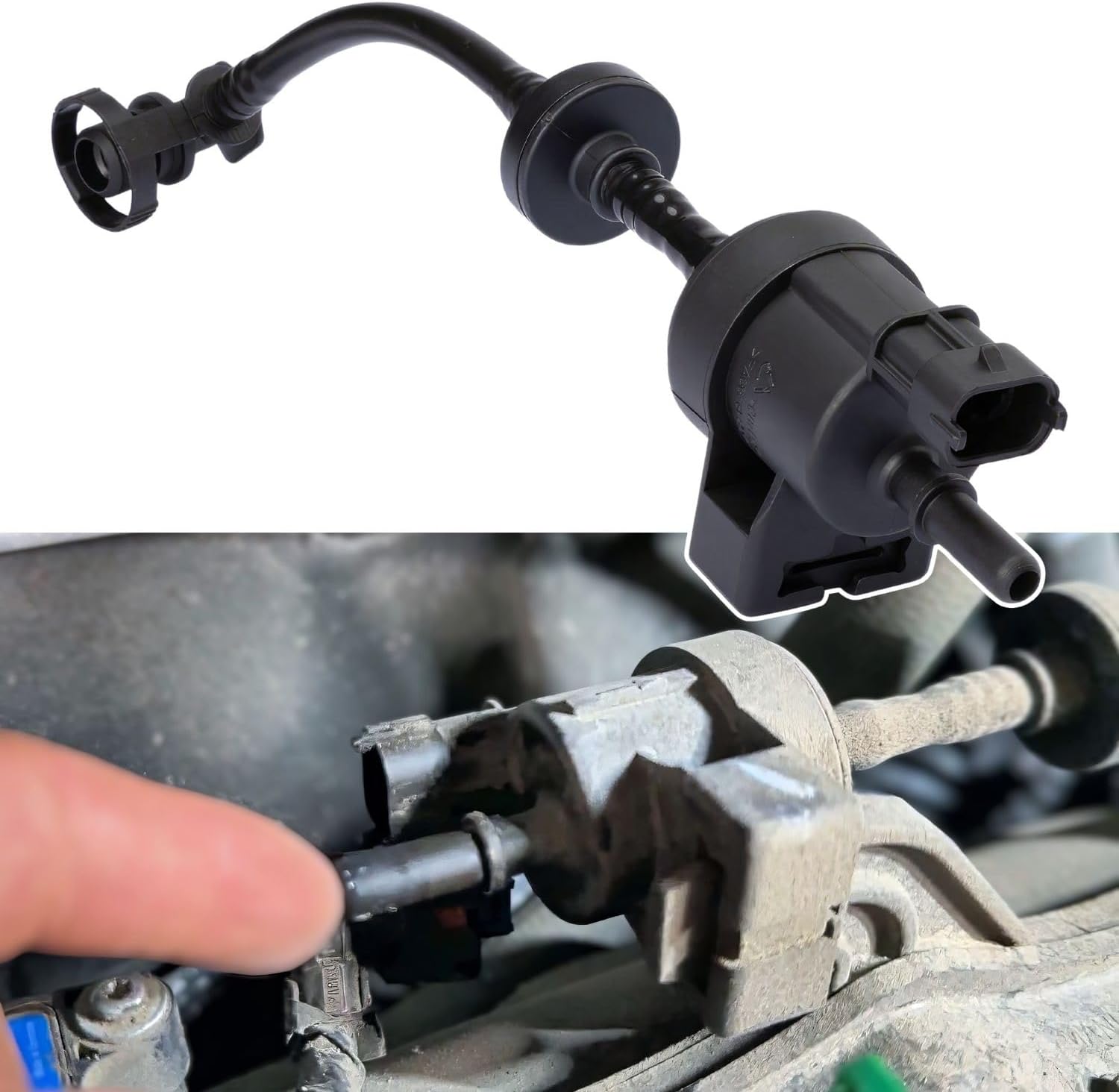
This purge valve solenoid replaces the factory unit and controls when stored fuel vapors are routed from the charcoal canister into the engine for combustion. On a Chevrolet Cruze 1.4L it installs as a like-for-like replacement and is used when diagnostic codes like P0441 or P0455 appear, when the vehicle stalls after refueling, or when fuel odor and poor fuel economy point to a faulty EVAP circuit. The listing cites multiple OEM part numbers and users report easy fitment and immediate resolution of check engine light and drivability complaints. Benefits include straightforward plug-and-play installation, elimination of vapor leaks that cause fueling and idling problems, and restoring proper EVAP function without extra programming. Limitations are typical of aftermarket components: long-term durability can vary compared with factory parts and a small number of users reported fitment or performance failures, so confirm symptoms before replacing other EVAP components first.
Best for: Reliability-focused buyers who prioritize restoring factory-level EVAP function on a Chevrolet Cruze 1.4L and want a practical repair that fixes fueling and idle issues quickly.
Less Ideal for: Shoppers seeking guaranteed long-term OEM-equivalent lifespan from an aftermarket supplier or those who prefer dealer-installed replacements and full OEM support.
- Direct replacement for multiple OEM part numbers referenced for Cruze applications
- Plug-and-play electrical connector and hose ports for easier installation
- Addresses common EVAP symptoms such as check engine light, poor fuel economy, and stalling after refueling
- Aftermarket build quality may vary so long-term longevity is not guaranteed
- Not a universal part beyond the specified fitment so confirm correct OEM number before buying
Verdict: A practical, easy-to-install replacement purge valve for Chevy Cruze 1.4L owners that reliably clears common EVAP faults, with the usual caveat about variable aftermarket longevity.
Mormonea Canister Purge Valve Solenoid (55573017 / 911-409)

| Brand | Mormonea |
|---|---|
| Number of Ports | 2 |
| Inlet Connection Type | Flare or Compression |
| Outlet Connection Type | Flare or Compression |
This Mormonea canister purge valve is a direct-replacement aftermarket solenoid intended for the Chevrolet Cruze 1.4L (model years listed for fitment). It controls the flow of fuel vapors from the charcoal canister to the intake so the engine can burn them rather than releasing them to atmosphere. Typical use is a straight swap when a failing valve triggers a Check Engine Light with EVAP-related codes or causes rough idle and poor restart behavior after refueling. The part claims OEM-style fit and two hose ports with standard flare or compression connections, so installation is usually simple and can be done with basic hand tools in the engine bay. Buyers will appreciate the straightforward compatibility with common Cruze part numbers and the prospect of resolving CELs tied to purge valve faults. Limitations to note are variable long-term durability compared with factory parts and mixed user feedback on intermittent failures, so expect to verify electrical connector seating and hose seals during installation and follow up if symptoms return.
Best for: Practical, convenience-driven buyers who want a quick, do-it-yourself fix to clear EVAP codes and get a Chevrolet Cruze 1.4L back to normal operation without dealer visits.
Less Ideal for: Drivers seeking factory-original components with guaranteed long-term durability or those who prefer dealer-installed parts and certified replacements.
- Direct replacement for common Cruze 1.4L purge valve part numbers for straightforward fitment
- Two standard inlet/outlet hose connections that simplify installation
- Addresses EVAP-related symptoms like CEL P0496, rough idle after refueling, and poor fuel vapor routing
- Aftermarket construction may not match factory longevity in all cases
- Some buyers report intermittent failures requiring reseating or replacement
Verdict: A cost-effective, easy-to-install aftermarket purge valve for Cruze 1.4L owners who prioritize convenience, though long-term durability may vary.
Mirthcos 55573017 Vapor Canister Purge Valve Solenoid

| Brand | Mirthcos |
|---|---|
| Material | Metal, Plastic |
| Number of Ports | 2 |
| Inlet Connection Size | 0.24 Inches |
This Mirthcos purge valve is a simple direct-replacement solenoid aimed at resolving EVAP purge issues on Chevrolet Cruze 1.4L models. It installs in place of the factory unit and is used to control venting from the charcoal canister into the intake manifold so the evaporative emissions system can purge correctly. Notable features include factory-style inlet and outlet ports and a two-port configuration that matches the original plumbing, which makes swap-in installation straightforward for a technician or experienced DIYer. Buyers report it stops refuel-related stalling and clears purge-related drivability faults when matched to the correct engine. Limitations to watch for are fitment specificity and occasional electrical/connectivity problems reported by some users, so confirm your Cruze is the 1.4L application before ordering and be prepared to bench-test the electrical connector during installation. For a risk-averse buyer this part offers a budget-friendly, near-factory replacement when used on the correct Cruze engine, but verify engine code and connector condition prior to fitment.
Best for: Risk-averse mainstream buyers who want a budget-conscious, near-factory replacement to fix EVAP purge faults on a Chevrolet Cruze 1.4L and prefer parts that closely mirror the original design.
Less Ideal for: Drivers who need a universal solution for multiple engine sizes or those unwilling to verify engine compatibility and test electrical connections before installation.
- Designed as a direct factory-style replacement for the 1.4L Cruze purge valve plumbing
- Two-port configuration matches original connections for straightforward installation
- Multiple customer reports of resolving refuel-related stalling and EVAP faults
- Compact, replaceable solenoid body simplifies swapping out a failed valve
- Fitment limited to specific 1.4L Cruze engines and will not work for other displacements
- Some units have reported internal electrical/connector issues that can leave codes present
- Manufacturer parts support and long-term durability beyond initial repairs are mixed in reviews
Verdict: A budget-friendly, near-factory replacement purge valve that works well for Chevrolet Cruze 1.4L owners if fitment and connector function are confirmed before installation.
Choosing the Right Chevrolet Cruze EVAP Purge Valve: Key Factors to Consider
Fitment and Connector Compatibility
Correct physical fit and matching electrical connectors are fundamental when replacing an EVAP purge valve. If the mounting tabs, bolt pattern, or vacuum ports do not align, installation can be difficult or require adapters, which can lead to leaks or poor operation.
Ensuring the replacement part uses the same type of electrical plug avoids wiring changes and ensures reliable signal transmission from the engine control module. Confirming port sizes and hose orientation reduces the chance of routing issues that can affect vapor flow or create kinks in the vacuum lines.
Valve Flow Characteristics
The purge valve must allow the correct volume of fuel vapor to pass when commanded and seal tightly when closed. Flow characteristics influence how the engine control module meters vapor purge during purge events, which affects idle quality and emissions control.
A valve that is too restrictive can limit purge effectiveness, while one that leaks can introduce uncontrolled vapor and cause drivability problems. Look for parts with specifications or design notes on internal orifice size or valve stroke that match the vehicle's original equipment expectations.
Material Quality and Corrosion Resistance
EVAP components operate in a harsh under-hood environment with exposure to heat, fuel vapors, and road contaminants. Materials that resist corrosion and fuel permeation help ensure long service life and consistent sealing performance.
Plastics that tolerate heat and chemical exposure, durable elastomer seals, and corrosion-resistant metal fittings all reduce the risk of premature failure. Components with better material specs typically retain sealing integrity over many heat and cool cycles.
Electrical Actuator Reliability
The purge valve is an electrically actuated solenoid that must respond quickly and consistently to control signals. Reliable coil windings, proper insulation, and a robust connector reduce the risk of intermittent operation or burnout.
Electrical reliability affects diagnostic trouble codes and system readiness. A valve that maintains consistent resistance and response across temperature extremes helps the vehicle meet emissions readiness checks and avoids intermittent drivability symptoms.
Serviceability and Installation Ease
Ease of installation matters, especially for DIYers or technicians working quickly. Features such as simple clip-in connectors, clearly labeled ports, and accessible mounting points save time and lower the chance of installation errors.
Parts designed for straightforward hose and connector engagement reduce the need to disturb surrounding components. Good serviceability also means replacement is less likely to damage adjacent vacuum lines or require additional parts.
Sealing and Leak Resistance
A reliable seal between the purge valve and the EVAP lines prevents vapor leaks that can trigger emissions codes or create fuel odor. Seal design, choice of elastomer, and proper mating surfaces all contribute to leak resistance.
Effective sealing minimizes the need for repeated interventions and supports stable system pressure during purge events. Verify that the replacement uses compatible sealing materials to maintain vacuum integrity over time.
How the EVAP Purge Valve Works on a Chevrolet Cruze
The EVAP purge valve on a Chevrolet Cruze is a small solenoid-controlled valve that regulates vapor flow from the charcoal canister to the intake manifold. When the engine control module (ECM) determines conditions are right, it energizes the valve to allow stored fuel vapors to be drawn into the engine and burned. That controlled flow helps reduce evaporative emissions and keeps the fuel system pressurized correctly.
Understanding this basic role helps explain why symptoms can affect drivability, fuel economy, and emissions readiness. Because the purge valve is a simple on/off or variable-flow device depending on the valve design, failure modes are typically electrical (stuck open or closed, coil failure) or mechanical (leaking, blocked, or sticking).
- Controlled by the ECM via a 12 V signal
- Allows vapor transfer from the charcoal canister to the intake
- Can be normally closed and pulsed open, or modulated for flow control
- Common failure modes: electrical coil failure, internal sticking, and external leaks
Common Symptoms and Diagnostic Trouble Codes to Watch For
Knowing the typical symptoms on a Cruze helps prioritize inspection. A faulty purge valve often triggers an illuminated check engine light with codes related to EVAP system performance. You may notice rough idle, hard starting after refueling, a strong fuel odor, poor fuel economy, or failed emissions readiness checks.
Scan tool codes that commonly point to the purge valve include EVAP flow/pressure errors or control circuit faults. While codes alone do not guarantee the valve is the failed component, they provide a clear starting point for targeted testing on your Chevrolet Cruze.
- Rough idle or surging under light load
- Check engine light with EVAP-related codes (e.g., flow or control circuit faults)
- Fuel smell from the engine bay or inside the cabin
- Hard starts after refueling or difficulty passing emissions smoke/pressure tests
Step-by-step Testing and Diagnosis for Cruze Owners
Start diagnosis with a live-data scan and freeze-frame data to identify when codes set. Observe purge valve commanded duty cycle and measured flow or pressure values while the engine is at operating temperature. Next, confirm the valve receives the correct electrical signal from the ECM and that the harness and ground are intact.
Physical checks include inspecting vacuum lines for cracks, ensuring hose clamps are secure, and looking for signs of fuel or vapor leaks around the valve and charcoal canister. Use basic tools and a few targeted tests before replacing parts to avoid unnecessary expense.
- Step 1: Use an OBD-II scanner to read EVAP codes and monitor purge duty cycle and related PIDs.
- Step 2: Visually inspect vacuum hoses, canister connections, and valve mounting for damage or leaks.
- Step 3: Backprobe the valve connector with a multimeter to confirm the presence of a switched 12 V signal and a reliable ground when commanded.
- Step 4: Apply a direct 12 V source briefly to the valve bench-side to confirm the solenoid actuates and changes flow state, taking care to follow safety precautions.
- Step 5: Perform a smoke or pressure test on the EVAP system to identify external leaks that can mimic valve failure.
Replacing the EVAP Purge Valve on a Chevrolet Cruze: Practical Tips
If testing indicates the purge valve is faulty, replacement on a Cruze is a straightforward repair for a competent DIYer. Locate the valve—typically mounted near the charcoal canister or intake manifold—then relieve system pressure and disconnect the negative battery terminal before starting. Carefully note orientation of vacuum hoses and the electrical connector to ensure correct reassembly.
When removing the old valve, avoid stretching or damaging the rubber vacuum lines. If hoses are brittle or show signs of wear, replace them at the same time. After installing the new valve and reconnecting the battery, clear any stored codes and perform a readiness or drive cycle to confirm the repair.
- Relieve fuel system vapor pressure and disconnect the battery before disconnecting electrical connectors.
- Mark or photograph hose routing to ensure correct reinstallation.
- Replace brittle vacuum hoses and use new clamps if needed.
- Clear codes after installation and confirm with a short drive cycle or a scan tool smoke test.
Electrical Troubleshooting and Common Wiring Issues
Electrical faults are a frequent cause of apparent purge valve failure. On a Chevrolet Cruze, intermittent wiring problems, corroded pins, or poor grounds can prevent the ECM from actuating the valve even when the valve itself is functional. Use the vehicle wiring diagram to identify the purge valve circuit and test for continuity, voltage when commanded, and stable ground.
If you find voltage but the valve does not respond, bench testing the component with a regulated 12 V source can determine if the solenoid coil has failed. Conversely, if the valve actuates but you still see EVAP flow codes, re-examine hoses and check valves for leaks or blockages upstream or downstream of the component.
- Backprobe connector to check for 12 V signal when the ECM commands purge
- Measure coil resistance to see if it falls within the expected range
- Inspect connector pins for corrosion and apply dielectric grease after repair
- Address any intermittent open circuits caused by rubbing or chafed wires
Maintenance, Longevity, and when to Consider Replacement
Regular inspection of EVAP components during routine service can prevent unexpected failures. Keep vacuum hoses and fittings flexible and free of oil, dirt, and debris. The purge valve itself has no scheduled service interval, but signs of age such as sticking, slow response, or external leaks indicate replacement is prudent.
For Chevrolet Cruze owners, planning EVAP purge valve replacement proactively when diagnosing related drivability issues or during comprehensive EVAP system service saves time. If you are performing an EVAP purge valve replacement, use this opportunity to inspect adjacent components like the canister vent valve and hoses so the entire system is in good condition.
- Inspect hoses and fittings at each oil change for cracks or softening
- Address fuel odor or poor idle promptly to avoid collateral damage
- When replacing the purge solenoid valve, check the canister and vent valve for contamination
- Document repairs and code history to track recurring EVAP issues
How We Chose the Best Chevrolet Cruze EVAP Purge Valve
We focused on parts that match the specific fitment requirements for the Chevrolet Cruze to reduce installation issues and ensure proper vacuum routing. Key evaluation criteria included correct electrical connector and mounting geometry, valve flow and sealing design that affect purge responsiveness, materials and corrosion resistance for long-term durability, ease of installation including hose and connector compatibility, consistent actuator response to support idle stability, and serviceability such as replaceable connectors or simple mounting.We excluded items that lacked clear fitment data, universal or adjustable units that require modification, or parts with insufficient specifications on electrical or vacuum interfaces. The final list favors components with documented compatibility, robust materials, and design features that minimize common failure modes for this vehicle application.
Our full evaluation process is outlined in our review methodology.
FAQ
What symptoms suggest the EVAP purge valve on a Chevrolet Cruze is failing?
Common signs include a check-engine light with EVAP-related codes, rough or fluctuating idle, fuel odor near the vehicle, and occasional difficulty starting. These symptoms often appear when the valve is stuck open or does not seal properly, allowing uncontrolled vapor flow.
Can I replace the EVAP purge valve myself on a Chevrolet Cruze?
Many owners can perform a replacement with basic tools if the valve is accessible and the matching connector and hoses are available. Take care to depressurize and cool the engine, note hose routing, and confirm electrical connector compatibility to avoid installation errors.
How do I confirm the new purge valve will fit my Cruze before buying?
Check the part's stated vehicle fitment details against your Cruze model year and engine code, and compare connector type, mounting points, and vacuum port sizes. Photos and specification sheets help verify that the replacement matches the original valve's physical and electrical interfaces.
Will a failing purge valve cause my car to fail an emissions test?
A defective purge valve can contribute to EVAP system errors and prevent readiness monitors from completing, which may lead to a failed emissions inspection. Repairing or replacing a faulty valve often clears related codes and helps restore proper system operation.
How long does an EVAP purge valve typically last?
Service life varies with operating conditions, but many purge valves last several years under normal use. Exposure to heat cycles, fuel vapors, and contamination can accelerate wear, so durability depends on materials and environmental factors rather than a fixed lifespan.
Final Verdict
Focus first on parts that match the Chevrolet Cruze's fitment, connector style, and vacuum port layout to minimize installation issues. Prioritize valves with reliable electrical actuation, robust sealing materials, and documented resistance to heat and fuel exposure.Weigh the tradeoffs between ease of installation and long-term durability. Choosing a replacement that aligns with the vehicle's original interfaces and uses corrosion-resistant materials will reduce the chance of repeat service and keep the EVAP system functioning properly.
Explore More:
- Check out all Chevrolet Cruze parts & accessories
- Explore Engine
- Browse all Auto Parts
