

Note: This article contains affiliate links. If you click on these links and make a purchase, I may earn a small commission at no extra cost to you. This helps support my research and content. Read my full affiliate disclosure here.
If your 2010-2014 Subaru Outback is showing vibration, clunking, or persistent drivetrain noise, replacing the driveshaft or its wearable components can restore smooth power delivery and driving confidence. The driveshaft is a critical link between the transmission and the wheels that must be correctly sized, balanced, and assembled to avoid added vibration or premature wear.This guide presents the top shortlisted driveshaft options for the 2010-2014 Outback, selected for reliability, fitment, and longevity. We evaluate each option on fitment accuracy, component quality, and likely service life so you can choose the right approach for driveability and durability. Read on for practical guidance and the criteria we used to choose these picks.
Looking for other parts? See all Subaru Outback parts & accessories.
Top Picks at a Glance
| Best Overall The best all-around choice for most situations | SCITOO Rear Driveshaft Assembly for Subaru Outback 2010–2014 |  |
| Best Quality Built to a higher standard if you want something more solid | Rlimerance Rear Driveshaft for Subaru Outback (2010–2014) |  |
| Best Value The sweet spot between price and what you get | ECCPP Rear Drive Shaft Propeller Shaft Assembly for Subaru Outback 2010–2012 |  |
| Best Budget The cheapest option that still gets the job done reliably | MOTORHOT Rear Drive Shaft Prop Shaft for Subaru Outback 2010–2012 2.5L CVT |  |
| Highest Rated A top-rated pick with lots of positive feedback | A-Premium Rear Drive Shaft Assembly for Subaru Outback 2010–2014 3.6L |  |
| Most Popular A crowd favorite that many people choose with confidence | A-Premium 62.5" Rear Driveshaft Assembly for Subaru Outback 2010–2012 2.5L CVT |  |
1. SCITOO Rear Driveshaft Assembly for Subaru Outback 2010–2014
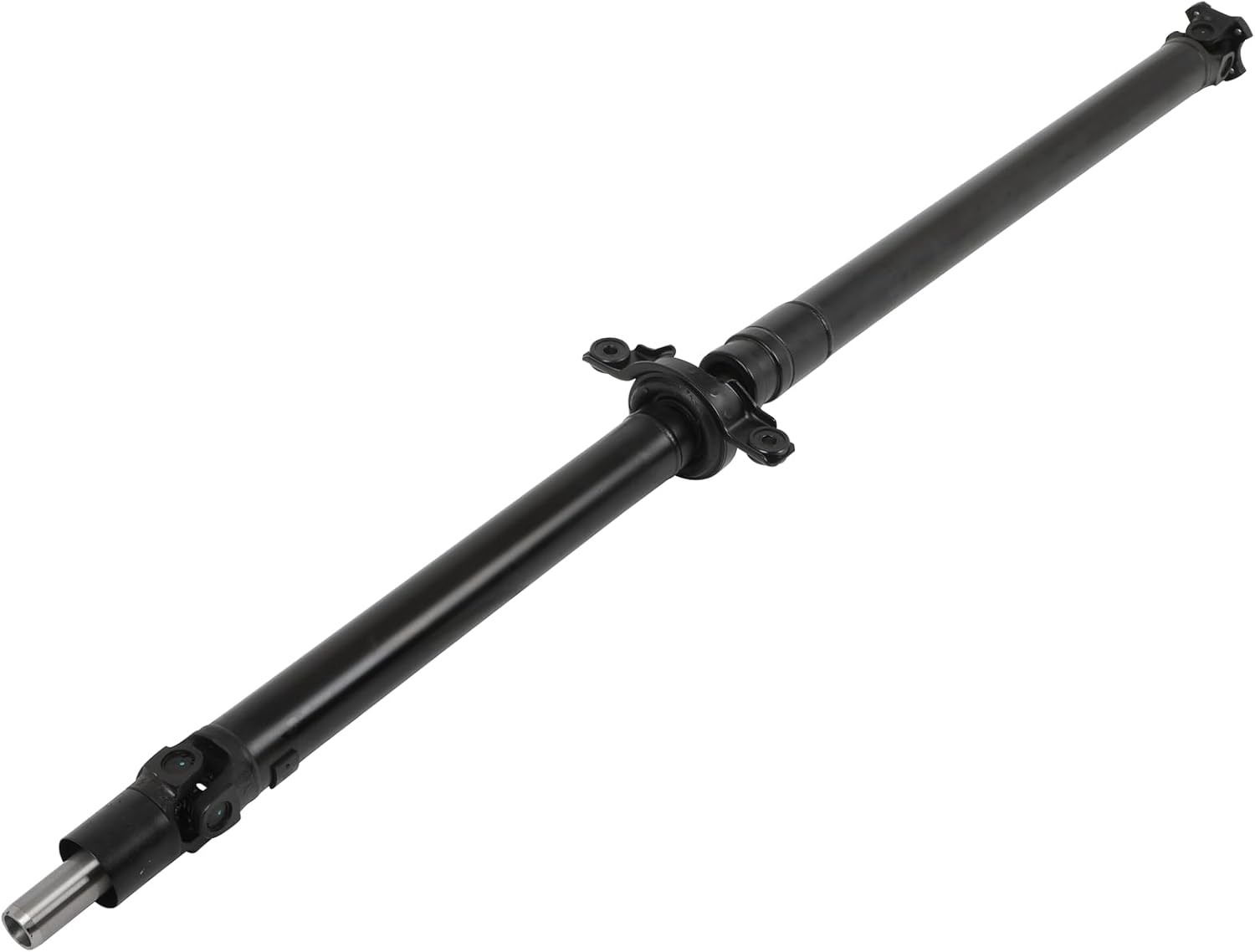
| Position | Rear |
|---|---|
| Material | Steel |
| Total Length | 68.5" |
| Shaft Diameter | 2.5" |
| Shaft Wall Thickness | 0.065" |
This SCITOO rear driveshaft is a direct-fit replacement for 2010–2014 Subaru Outback 2.5L and 3.6L AWD models, delivering the basic function of transferring torque from the transmission to the rear differential. It is built from steel with a painted exterior and a one-piece assembly meant to match OEM fitment and installation points, so most DIYers and independent shops can swap it in without major modifications. The listing calls out precision manufacture to reduce vibration and road noise and advertises sturdiness and extended service life, which matters if the original shaft showed play or imbalance. Because it is a full assembly, you avoid sourcing separate joints or centering components. The main limitations are that this is an aftermarket unit rather than a factory-branded part and buyers should confirm the exact OEM part numbers listed before ordering to ensure fit; heavy-duty or performance upgrades are not claimed so drivers seeking race or towing upgrades should consider reinforced options instead.
Best for: A buyer who wants a cost-effective, ready-to-install replacement that restores normal driveline smoothness on a regularly driven 2010–2014 Outback without chasing performance upgrades.
Less Ideal for: Not a great choice for someone building a high-performance or heavy-towing Outback who needs upgraded strength, custom balancing, or specialty materials.
- Direct-fit design tailored for 2010–2014 Outback rear installation
- Made from steel with painted exterior for basic corrosion resistance
- Sold as a complete assembly so joints and center support are included
- Designed to reduce vibration and road noise compared with a worn shaft
- Aftermarket brand rather than factory-branded OEM replacement
- Not marketed as a heavy-duty or performance driveshaft for high-load use
Verdict: A straightforward, steel direct-fit rear driveshaft that restores factory-style driveline performance on 2010–2014 Subaru Outbacks.
2. Rlimerance Rear Driveshaft for Subaru Outback (2010–2014)

| Vehicle fitment | Subaru Outback 2010-2014 |
|---|---|
| Position | Rear driveshaft |
| Includes | 1 Rear Drive Shaft |
| Exterior | Polished |
| Manufacturer | Rlimerance |
This Rlimerance rear driveshaft is a direct replacement intended for Subaru Outback models from 2010 through 2014. It replaces the factory rear driveshaft to restore smooth, consistent transfer of torque from the transmission to the rear wheels; typical use is during drivetrain repair after failure or when replacing a worn shaft to remove vibration. The listing highlights precision fitment and a corrosion-resistant coating, which should help longevity in wet or salted-road environments. Installation is described as straightforward since the shaft is built to match factory attachment points, so a professional install or a mechanically experienced DIYer can complete the swap without vehicle modification. Practical benefits include returned NVH characteristics and predictable power delivery under load. Limitations are that fitment is strictly for specified Outback years and the listing does not include detailed balance specs or materials beyond a generic high-strength claim, so buyers seeking a verified high-performance balanced shaft for racing should verify specifications with the seller before purchase.
Best for: Buyers wanting to restore or maintain smooth rear-drive performance on a 2010–2014 Subaru Outback with a focus on road driving and reliable everyday behavior.
Less Ideal for: Drivers building a competition or high-horsepower modified Outback who need verified balancing, proprietary alloys, or custom performance shafts.
- Direct replacement engineered to match factory attachment points for straightforward installation
- Corrosion-resistant polished exterior coating helps resist rust in harsh climates
- Designed to restore smooth torque transfer and reduce drivetrain vibration after shaft wear
- No explicit balance or material grade data provided for track or high-performance builds
Verdict: A straightforward factory-fit rear driveshaft replacement that restores smooth torque delivery and corrosion resistance for 2010–2014 Subaru Outback owners focused on reliable road performance.
3. ECCPP Rear Drive Shaft Propeller Shaft Assembly for Subaru Outback 2010–2012

| Vehicle fitment | Subaru Outback 2010–2012 2.5L H4, automatic CVT |
|---|---|
| Position | Rear side |
| Material | Steel |
| Reference part numbers | 27111AJ11A/B/C, 936-927, 65-7031 |
This ECCPP rear drive shaft is a direct-fit replacement designed for the Subaru Outback 2.5L (H4) with automatic CVT for model years 2010 through 2012. It swaps in for the factory rear propeller shaft and preserves the original length and mounting points so installation uses existing hardware. Made from steel with a coated and polished exterior, the assembly matches the original equipment dimensions the manufacturer lists, which helps restore driveline alignment and reduce vibration after a failed or worn unit. Typical use is a direct replacement following center-support or bearing failure or after a collision-damaged shaft; it is sold as a full assembled unit so you do not need to source U-joints separately. Note that this unit is limited to the specified engine and transmission configuration and does not cover other powertrains or manual transmissions, and fitment must be confirmed against the listed reference part numbers before purchase. The product aims to give a budget-conscious but practical repair option that keeps the vehicle functioning like stock when properly installed.
Best for: Buyers who need a cost-effective, practical replacement that restores driveline function to factory-style performance on a 2010–2012 Outback 2.5L CVT and prefer a ready-to-install assembled unit.
Less Ideal for: Those looking for a universal shaft, a performance-upgraded aftermarket driveshaft, or fitment for different engines or manual transmissions should look elsewhere.
- Direct-fit assembled replacement built to original equipment dimensions for straightforward swap-in installation
- Steel construction with coated and polished finish resists corrosion and handles driveline loads
- Sold as a complete shaft assembly so U-joints and couplings are included, reducing parts sourcing and install time
- Compatible only with the 2.5L H4 engine and automatic CVT configuration for 2010–2012 Outback models
- Limited customer review sample on record which makes long-term reliability less documented
Verdict: A budget-friendly, ready-to-install rear driveshaft that restores factory-style fit and function for 2010–2012 Subaru Outback 2.5L CVT owners.
4. MOTORHOT Rear Drive Shaft Prop Shaft for Subaru Outback 2010–2012 2.5L CVT

| Vehicle fitment | Subaru Outback 2010-2012 H4 2.5L, rear side, automatic CVT |
|---|---|
| Material | Steel |
| Manufacturer | MOTORHOT |
| Item model number | MT-Driveshaft-050 |
This MOTORHOT rear driveshaft is a bolt‑in replacement for the rear side of 2010–2012 Subaru Outback 2.5L models with automatic CVT. It is made from steel and advertised as precision balanced and robustly constructed, so it is intended to restore smooth power transfer and reduce driveline vibration after the original shaft wears out. Typical use is straightforward: remove the failed rear prop shaft and fit this unit with the factory mounting points and U-joints or flange connections. The painted finish helps resist corrosion and the manufacturer part number and listed OE cross references simplify fit confirmation. Expect a solid, no-frills replacement that focuses on durability rather than performance upgrades. Limitations are that this is a direct replacement only for the specified Outback years and configuration and it does not appear to include installation hardware or upgraded CV components, so professional installation or reuse of factory fasteners may be required.
Best for: Buyers replacing a worn or failed rear driveshaft on a 2010–2012 Subaru Outback 2.5L with CVT who want a straightforward, durable factory-style replacement on a tight budget.
Less Ideal for: Drivers seeking a performance upgrade, universal fitment, or a driveshaft that includes upgraded joints or installation hardware should look elsewhere.
- Made from steel for strength and durability
- Precision balanced design to reduce vibration and improve smoothness
- Painted exterior to resist corrosion
- Direct-fit construction with listed manufacturer part numbers and OE cross references
- Designed only for the specified rear side Outback CVT application and not a universal or upgraded performance shaft
Verdict: A budget-focused, factory-style rear driveshaft replacement that restores smooth, durable operation for 2010–2012 Outback 2.5L CVT owners.
5. A-Premium Rear Drive Shaft Assembly for Subaru Outback 2010–2014 3.6L

| Position | Rear |
|---|---|
| Compatible Vehicles | Subaru Outback 2010-2014 H6 3.6L AWD Automatic |
| Shaft Material | Steel |
| Spline Count | 24 (two teeth missing) |
This A-Premium rear driveshaft is a complete prop shaft intended as a direct replacement for Subaru Outback 2010–2014 H6 3.6L AWD automatic cars. It transfers torque from the transmission to the rear differential and is used to replace a worn or damaged shaft to eliminate vibrations, clunking, or driveline play. The unit is steel construction with corrosion-resistant treatments and vibration-damping features the brand highlights to improve driving stability and reduce maintenance. It ships as a fully assembled rear shaft sized to the vehicle reference numbers listed, so installation is typically bolt-on for technicians familiar with driveshaft work. Practical benefits include restoring smooth power delivery, reduced vibration compared with failing joints, and a one-year unlimited-mileage guarantee for peace of mind. Limitations are that buyers must ensure spline count and length exactly match their original part and professional installation is recommended because alignment and fastening matter for NVH and safety.
Best for: Buyers seeking a dependable, vehicle-specific replacement to restore driveline smoothness and eliminate vibration who prioritize long-term reliability over aftermarket customization.
Less Ideal for: Anyone wanting a performance-upgraded or lightweight driveshaft for tuning purposes or those planning DIY installation without driveshaft alignment experience.
- Built as a complete rear driveshaft for direct replacement to simplify fitment
- Steel construction with corrosion-resistant treatment for durability
- Designed features for vibration damping to improve ride smoothness
- Comes with a one-year unlimited-mileage guarantee for added confidence
- Requires verification of spline count and exact length to ensure correct fit before installation
Verdict: A direct-fit steel rear driveshaft built to restore reliable, vibration-free power delivery for 2010–2014 Outback 3.6L owners focused on long-term dependability.
6. A-Premium 62.5" Rear Driveshaft Assembly for Subaru Outback 2010–2012 2.5L CVT

| Position | Rear |
|---|---|
| Shaft Material | Steel |
| Shaft Length | 62.5 inch |
| Fits Models | Subaru Outback 2010-2012 2.5L CVT |
| Manufacturer Part Number | APDS0460 |
This rear driveshaft from A-Premium replaces the factory prop shaft on 2010–2012 Subaru Outback 2.5L cars with the automatic CVT and is intended as a direct-fit replacement. Constructed from steel with painted exterior protection, the 62.5-inch assembly includes factory-style joints and is built to damp vibration and restore drivetrain stability after a worn or damaged shaft is removed. Installation is typical for a rear driveshaft swap and should be straightforward for a professional shop or a competent DIYer with the right tools. Notable features include corrosion-resistant materials, emphasis on vibration damping, and a stated one-year unlimited-mileage guarantee. Limitations are that this exact unit only fits the H4 2.5L with CVT and will not work with other engines or transmissions, and buyers should verify reference numbers against their vehicle before ordering. Expect improved driving smoothness and a factory-replacement feel when the original shaft is the source of noise or vibration, but plan for professional alignment and torque checks during installation.
Best for: Buyers who want a factory-style replacement driveshaft for a 2010–2012 Subaru Outback 2.5L CVT and value documented fitment and proven user feedback when minimizing risk.
Less Ideal for: Drivers with non-2.5L engines, manual transmissions, or modified drivetrains should look for a driveshaft specifically made for their configuration.
- Direct-fit replacement for 2010–2012 Outback 2.5L CVT to simplify installation
- Steel construction with painted finish for durability and corrosion resistance
- Designed to reduce vibration and restore driving stability
- Includes manufacturer reference numbers for easy verification of fitment
- Compatible only with H4 2.5L automatic CVT configuration, not universal across other powertrains
Verdict: If you need a straightforward, factory-style rear driveshaft replacement for a 2010–2012 Outback 2.5L with CVT, this A-Premium assembly is a risk-conscious, proven-fit option.
Choosing the Right 2010-2014 Subaru Outback Driveshaft: Key Factors to Consider
Fitment and Length
Correct fitment is the single most important factor for a driveshaft on the 2010-2014 Subaru Outback. Driveshafts must match the vehicle's specified length, spline count, and flange pattern so the shaft seats properly at both the transmission and differential ends. An incorrect length can cause bind, accelerated wear on seals and bearings, and driveability problems.
When evaluating options, look for driveshafts or assemblies that are explicitly specified for the 2010-2014 Outback or that offer adjustable or vehicle-specific configurations. If the replacement requires a custom modification, factor in the additional installation labor and the potential for creating imbalance if the modification is not performed by a qualified technician.
Joint Type and Quality
The type and quality of the coupling at each end—be it universal joints, constant velocity joints, or flange assemblies—influence smoothness and durability. Subaru AWD systems impose axial and torsional loads that demand joints with appropriate clearance, lubricant retention, and contact geometry.
Prefer assemblies that use high-quality U-joints with proper grease fittings or sealed CV joints designed for drivetrain use. Lower-quality joints often lead to accelerated wear, play in the driveline, and the symptoms of vibration or clunking that owners notice during acceleration or directional changes.
Balance and Runout
Torsional balance and minimal runout are essential to prevent vibration. Even small imbalances in a rotating driveshaft become pronounced at highway speeds and can transfer through the vehicle as steering-wheel or seat vibration. Professional dynamic balancing during or after assembly reduces these risks.
When comparing options, check whether the manufacturer or rebuilder performs dynamic balancing to automotive standards and whether balancing weights or procedures are documented. Shafts that are not balanced to the vehicle's requirements can cause recurring drivetrain noise and shorten the life of other components like carrier bearings and seals.
Materials and Corrosion Protection
Material selection and surface protection affect both strength and longevity. Driveshafts are typically formed from tubular steel or, in higher-end applications, aluminum or composite materials. For the Subaru Outback, durable steel tubing with proper wall thickness is common and cost-effective.
Surface treatments such as galvanizing, e-coating, or powder coating help resist road salt and moisture, which is especially important for vehicles used in winter climates. Pay attention to weld quality at joints and splines, as poor welds can crack under cyclic load and introduce safety risks.
Serviceability and Replacement Parts
Consider how easily you can service or replace wearable components over time. Driveshaft maintenance can include replacing U-joints, carrier bearings, flange kits, or center support bearings. Options that allow component-level repairs rather than full-shaft replacement can be more economical and reduce labor time.
Verify the availability of replacement components for the driveshaft you choose and whether the design uses common, readily sourced parts. This matters if you plan to keep the Outback in service for many years or if routine maintenance access is limited.
NVH Performance and Durability
Noise, vibration, and harshness performance is a practical buying factor for daily driving comfort and perceived build quality. A well-constructed driveshaft minimizes NVH by maintaining alignment, using the correct joint geometry, and reducing resonance through proper balancing.
Durability relates to how components handle heat, contamination, and cyclic stresses. Consider choices that emphasize sealed joints, quality lubrication, and robust bearings to minimize the chance of premature failure leading to vibration or loss of drive.
Common Driveshaft Symptoms and What They Mean
Knowing typical driveshaft symptoms helps you diagnose whether the shaft, its joints, or ancillary components are the likely cause. On a 2010-2014 Subaru Outback, common warning signs include a rhythmic vibration at speed, a clunk when shifting from park to drive or during acceleration, and unusual drivetrain noise that changes with engine RPM.
A vibration that intensifies with vehicle speed but lessens with engine RPM changes usually points to a rotating imbalance. Clunking during gear changes often indicates loose splines, worn U-joints, or failing carrier bearings. Intermittent noise that varies with steering angle suggests joint wear that allows binding under different suspension or driveline angles.
- Vibration that grows with speed: likely imbalance or bent shaft
- Clunk when shifting or engaging drive: possible loose splines or worn joints
- Noise that changes with throttle: check joints and coupling points
- Vibration only under load: could indicate worn U-joints or center support issues
When To Repair Versus Replace the Driveshaft
Deciding between repair and full replacement depends on the extent of damage, availability of replacement components, and long-term reliability goals. If the issue is limited to replaceable parts such as U-joints or a worn center bearing, servicing those components can restore function while keeping costs lower than a full-shaft replacement.
However, if the shaft is bent, heavily corroded, has cracked welds, or has been previously altered without proper balancing, a complete replacement is often the safer choice. A new or professionally rebuilt shaft reduces the risk of recurring vibration and typically comes with documented balancing, which is critical for lasting NVH improvements.
- Repair if wear is limited to joints or bearings and shaft is straight
- Replace if shaft is bent, cracked, or if previous repairs altered balance
- Factor in long-term reliability when choosing between repair and replace
Installation Tips for a Smooth Outcome
Proper installation reduces the chance of vibration and premature wear. Use the correct torque values for flange bolts and ensure splines are clean and lightly lubricated where required. Replace flange bolts and nuts if they show evidence of stretching or damage.
During installation, have the driveshaft dynamically balanced if the assembly has been modified or if replacements were fitted from multiple suppliers. Inspect and, if necessary, replace related components such as transmission output seals, carrier bearings, and mounting hardware to avoid rework.
- Clean mating surfaces and inspect seals before final assembly
- Torque bolts to factory specifications and use appropriate thread lockers if specified
- Consider dynamic balancing after installation when combining parts
Maintenance Practices to Extend Driveshaft Life
Regular inspection and timely replacement of wearable items extend the life of the driveshaft. Schedule visual checks for rust, dents, or play in joints during routine services. Grease fittings, if present, should be serviced at recommended intervals to preserve joint life.
For Outbacks used in corrosive environments, periodic cleaning and touch-up of protective coatings helps prevent accelerated degradation. Addressing small issues early, such as slight play in a U-joint, reduces the likelihood of secondary damage to splines, seals, and bearings.
- Inspect joints and bearings at regular service intervals
- Lubricate greaseable joints per manufacturer recommendations
- Protect exposed metal surfaces from corrosion in winter climates
Choosing Between OEM-Style and Rebuilt Assemblies
OEM-style replacement shafts match original dimensions and hardware, which simplifies installation and fitment assurance. Rebuilt assemblies can offer value when they are remanufactured to strict tolerances, use new wear components, and undergo full dynamic balancing.
When considering rebuilt options, confirm that critical components like U-joints, carrier bearings, and balancing procedures meet or exceed original specifications. Rebuilt shafts that skip professional balancing or reuse worn parts may save upfront cost but risk recurring NVH issues.
- OEM-style when fitment certainty and original specs matter
- Rebuilt when remanufacturing standards and balancing are documented
- Verify component-level warranties or serviceability for rebuilt units
Still looking for the perfect fit?
Select your Subaru Outback configuration to see the most relevant Driveshafts recommendations
How We Chose the Best 2010-2014 Subaru Outback Driveshaft
We focused on criteria that matter specifically for driveshafts on the 2010-2014 Subaru Outback and applied systematic filters to narrow the field. First, fitment accuracy was a primary filter: shafts had to match the Outback's length, splines, and flange pattern for the years 2010 through 2014 or be offered with vehicle-specific fit options. Build quality was next, including materials, joint type, and welding or balancing methods that affect long-term durability and NVH. We prioritized options that used robust U-joints or constant velocity joints suitable for Subaru AWD torque loads and that offered corrosion-resistant finishes.Torsional balance and dynamic balancing procedures were weighed heavily because an improperly balanced driveshaft amplifies vibration and accelerates wear. Ease of installation and availability of replacement components such as carrier bearings, center supports, and flange hardware were also considered. Finally, we excluded any options lacking clear fitment data for the specified model years or those that relied on inferior hardware or unknown balancing processes. The resulting selections reflect a balance between correct fitment, component quality, and expected service life.
Our full evaluation process is outlined in our review methodology.
FAQ
What causes a driveshaft vibration in a 2010-2014 Subaru Outback?
Vibration commonly stems from imbalance, a bent shaft, or worn joints and bearings. Road damage, a failed carrier bearing, or worn U-joints can all introduce rotational imbalance that becomes more pronounced at higher speeds.
Can I replace just the U-joint instead of the whole driveshaft?
Often you can replace worn U-joints if the shaft is straight and splines are in good condition. If the shaft shows bending, cracked welds, or has been modified previously, full replacement is usually the safer option.
How important is balancing after driveshaft work?
Balancing is critical. Even small mass distribution errors create significant vibration at highway speeds. Professional dynamic balancing reduces NVH and helps protect related components like bearings and seals.
Are driveshaft noises different from transmission or differential noises?
Yes. Driveshaft noises often correlate with vehicle speed and can present as rhythmic vibration or clunking, while transmission or differential noises may vary with engine RPM and load. Diagnostics should isolate rotating components to pinpoint the source.
How long does a repaired or replaced driveshaft typically last?
Service life depends on component quality and installation. A properly rebuilt or new shaft with quality joints and correct balancing can last many years, while substandard repairs or repeated contamination can significantly shorten lifespan.
Should I replace related parts when installing a new driveshaft?
It is advisable to inspect and often replace related wear items such as carrier bearings, flange hardware, and seals during installation. New or serviceable ancillary parts reduce the chance of early failure and simplify troubleshooting later.
Final Verdict
For the 2010-2014 Subaru Outback, prioritize fitment accuracy, balance, and quality joint components when selecting a driveshaft. Properly matched length and spline engagement, combined with professional dynamic balancing and robust joint design, yield the best outcome for reducing vibration and improving drivetrain longevity.Weigh repair versus replacement based on the shaft condition: repair when wear is limited to replaceable joints and bearings, replace when the shaft is bent, corroded, or previously altered. Focusing on these tradeoffs will help you choose a solution that delivers reliable performance and minimizes the chance of recurring issues.
Explore More:
- Check out all Subaru Outback parts & accessories
- Explore Driveshafts Maintenance & Repair Guides
- Explore Transmission & Drivetrain
- Browse all Auto Parts
