

Note: This article contains affiliate links. If you click on these links and make a purchase, I may earn a small commission at no extra cost to you. This helps support my research and content. Read my full affiliate disclosure here.
If you drive a Mitsubishi Lancer with a manual transmission, the clutch kit you choose has a direct effect on drivability and longevity. A properly matched clutch kit restores consistent engagement, reduces pedal effort, and helps prevent driveline wear. This guide lists seven shortlisted clutch kits that meet common expectations for fit and function in the Lancer.We evaluated each option for build quality, completeness of included components, and fitment accuracy to ensure straightforward installation and reliable performance. Read on to see which clutch kit features matter most and how the shortlisted picks address typical concerns.
Looking for other parts? See all Mitsubishi Lancer parts & accessories.
Top Picks at a Glance


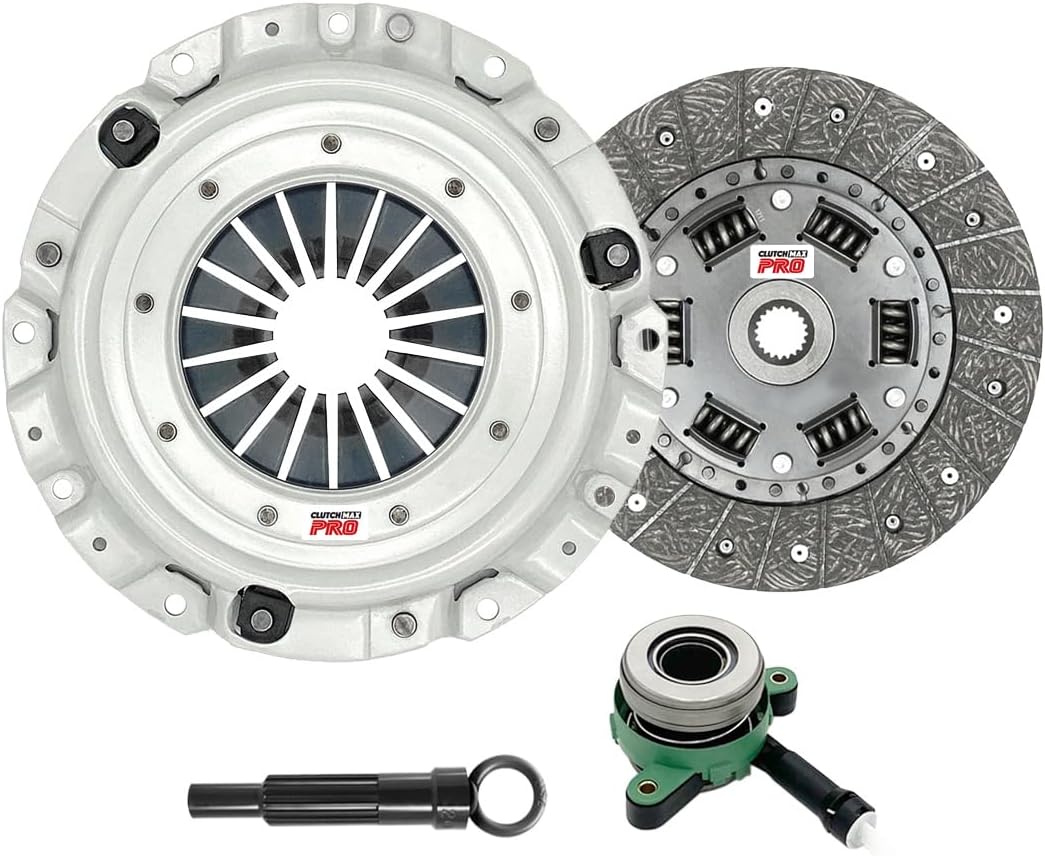
ClutchMaxPRO Heavy Duty Clutch Kit with Slave Cylinder (fits Mitsubishi Lancer/Outlander Sport/RVR)
| Manufacturer | ClutchMax |
|---|---|
| Model | Lancer, Outlander Sport, RVR |
| Manufacturer Part Number | CP05012HDWS-CK |
| Item Weight | 15.92 pounds |
This ClutchMaxPRO heavy duty clutch kit supplies everything needed to replace the clutch on compatible Mitsubishi Lancer, Outlander Sport and RVR models. The kit is typically used as a full replacement during a transmission removal or clutch service and includes a performance HD pressure plate, OEM-style clutch disc, internal concentric slave cylinder bearing unit, alignment tool and installation guide. In real-world use it delivers a firmer, more responsive pedal feel compared with worn factory units and reviewers report good fit and durability after thousands of miles. The included slave cylinder removes the need to source a separate part and simplifies installation for a mechanic or competent DIYer. Limitations to consider are that the kit is aimed at street and light-performance use rather than race duty and you should follow a proper break-in procedure for longevity; professional installation is recommended if you lack transmission experience.
Best for: Balanced owners who want a durable, ready-to-install clutch replacement that improves engagement and reliability without moving to extreme performance parts.
Less Ideal for: Drivers building high-power or track-focused Mitsubishis who need competition-grade clutches or multi-plate setups should look at purpose-built performance options instead.
- Complete kit includes pressure plate, clutch disc, concentric slave cylinder and alignment tool for a one-stop replacement
- Designed as a heavy-duty/performance-oriented pressure plate for firmer, more responsive engagement
- Matches factory fitment for specified Mitsubishi 2.0L and 2.4L engines so installation uses standard procedures
- Positive owner reports of long service life and consistent performance over high-mileage use
- Not intended for high-horsepower racing applications where multi-plate or competition clutches are required
Verdict: A complete, heavy-duty clutch kit that gives Lancer-family cars a firmer, reliable replacement with everything needed for installation.
ClutchMaxPRO Performance Stage 2 Clutch Kit with Chromoly Flywheel

| Horsepower rating | 297 HP |
|---|---|
| Torque capacity | 283 lb-ft |
| Flywheel type | Chromoly lightweight |
| Disc material | Carbon Kevlar composite |
| Included components | Flywheel, pressure plate, disc, concentric slave cylinder, alignment tool |
This Stage 2 kit from ClutchMaxPRO supplies a complete clutch replacement aimed at drivers who want stronger engagement and reduced rotating mass. It combines a chromoly lightweight flywheel, a heavy-duty pressure plate, and a Stage 2 carbon-kevlar friction disc sized for the factory transmission spline, plus an internal concentric slave cylinder and alignment tool for installation. The lighter flywheel lowers inertia for quicker engine rev response and easier rev-matching, while the carbon-kevlar disc balances grip and drivability for daily use and occasional track runs. The included slave cylinder removes the need to source separate hydraulic parts when replacing the clutch. Expect firmer pedal feel compared with stock and a clutch that tolerates moderate power upgrades up to the stated capacity. Limitations are a firmer engagement that can be less smooth in stop-and-go traffic and the kit is engineered specifically for the listed Mitsubishi models and engines, so fitment must be confirmed before purchase.
Best for: Performance-oriented owners who prioritize quicker engine response and stronger clutch holding for spirited street driving and occasional track sessions.
Less Ideal for: Drivers who prioritize ultimate smoothness in daily stop-and-go commuting or those who need a direct-fit, no-change driving feel should consider a milder replacement.
- Complete kit includes chromoly lightweight flywheel, pressure plate, clutch disc, concentric slave cylinder and alignment tool for a one-stop install.
- Lightweight chromoly flywheel reduces rotational mass for quicker throttle response and easier rev-matching.
- Stage 2 carbon-kevlar disc offers increased holding capacity suitable for spirited street driving and moderate track use.
- Firmer pedal engagement compared with factory clutch, which may feel abrupt to drivers used to OEM smoothness.
- Designed specifically for the listed Mitsubishi models and engine families so requires correct fitment selection before ordering.
Verdict: A performance-focused, one-package clutch kit with a lightweight chromoly flywheel that sharpens throttle response and increases holding capacity for modified Mitsubishi Lancer setups.
EFORTISSIMO EFT Stage 2 Complete Clutch Kit with Concentric Slave Cylinder

| Vehicle application | 2002-2003 Mitsubishi Lancer ES LS OZ Rally 2.0L 5-speed |
|---|---|
| Disc size and spline | 215mm, 20 spline |
| Included components | Pressure plate, Stage 2 carbon sprung disc, concentric slave cylinder, alignment tool |
| Manufacturer | EFORTISSIMO |
This EFT Stage 2 clutch kit replaces the factory clutch on 2002–2003 Mitsubishi Lancer ES/LS/OZ Rally (2.0L, 5-speed) with a higher-capacity, track-capable assembly that remains usable on the street. The kit includes a heavy-duty pressure plate with an induction-hardened single diaphragm, a carbonized sprung friction disc rated for higher burst strength and heat tolerance, and a concentric slave cylinder with release bearing for simplified hydraulic actuation. Included alignment tool and installation guide make fitting straightforward for a competent mechanic. The result is firmer clamp load and more consistent engagement under higher power or repeated spirited driving, while the sprung hub helps soften shock to the transmission. Expect improved durability and heat resistance compared with stock units, but the firmer engagement and stronger diaphragm mean a slightly heavier pedal feel that may be less comfortable for frequent stop-and-go city driving. This kit is presented as a direct, no-modification replacement and focuses on practical performance gains without exotic components.
Best for: Practical optimizers who want a durable, higher-capacity clutch that improves track and spirited street performance without chasing race-only parts.
Less Ideal for: Drivers who prioritize ultra-smooth, lightweight pedal feel for daily stop-and-go city commuting or who need fitment for other vehicle models should look elsewhere.
- Complete kit includes pressure plate, stage 2 carbon sprung disc, concentric slave cylinder, alignment tool, and installation guide
- Carbonized friction material and heat-treated springs increase burst strength and heat tolerance for repeated spirited driving
- Designed as a direct factory-replacement so no modifications are required for fitment
- Firmer engagement and increased pedal effort compared with stock which can be tiring in heavy traffic
- Limited to 2002–2003 Mitsubishi Lancer 2.0L 5-speed so not applicable to other models or gearboxes
Verdict: A practical Stage 2, direct-fit clutch kit that raises power capacity and durability for Lancer owners who want real-world performance gains without major modifications.
EFORTISSIMO EFT Heavy-Duty Clutch Kit for 2008–2015 Mitsubishi Lancer Evolution X (5-speed)

| Vehicle fitment | 2008-2015 Mitsubishi Lancer Evolution X GSR 5-speed |
|---|---|
| Clutch disc | 240mm, 23 splines |
| Kit includes | Pressure plate, clutch disc, release bearing, alignment tool |
| Manufacturer | EFORTISSIMO |
This EFT heavy-duty clutch kit is a complete, budget-focused replacement for the 5-speed Mitsubishi Lancer Evolution X. It includes a pull-type pressure plate, a 240mm 23-spline clutch disc, release bearing, alignment tool, and a basic installation guide so you can perform a straightforward swap. The kit is engineered to increase torque capacity and durability over a worn factory clutch, making it a practical choice for lightly modified street cars or owners who want a long-lasting factory-style clutch without a big price premium. Testing claims cover clamp load, spline tolerance, and vibration dampening which should translate to reliable engagement and reduced chatter in normal driving. Limitations are that this is positioned as an entry-level heavy-duty option rather than a motorsport clutch, so drivers seeking aggressive engagement, extreme power handling, or lightweight race components should look at higher-spec alternatives. Fitment is specific to the Evo X 5-speed application and installation may require standard clutch tools and some mechanical experience.
Best for: Budget-conscious Lancer Evolution X owners who want a durable, factory-style upgrade that improves clutch longevity and drivability without a large investment.
Less Ideal for: Enthusiasts building a high-power or track-oriented Evo X who need a performance clutch with aggressive engagement and higher torque capacity.
- Complete kit includes pressure plate, disc, release bearing, alignment tool and guide for a single purchase replacement
- Designed to match vehicle-specific performance characteristics for direct fit to Evo X 5-speed
- Built and tested for improved torque capacity and vibration dampening compared with a worn stock unit
- Budget-focused option that balances durability and cost for lightly modified street cars
- Not intended for high-horsepower or track-focused builds where aggressive engagement and lightweight components are required
- Documentation is basic so professional installation or mechanical familiarity may be needed for correct setup
Verdict: A cost-effective, complete clutch kit for Evo X owners who want a durable factory-style replacement without stepping up to race-spec hardware.
A-Premium Transmission Clutch Kit with Machined Flywheel for Mitsubishi Lancer 2.0L

| Compatible Vehicles | Mitsubishi Lancer 2002-2003 L4 2.0L (Naturally Aspirated) |
|---|---|
| Clutch Disc Spline Quantity | 20 |
| Flywheel Type | Solid |
| Bolt Holes | 6 |
| Number of Teeth | 110 |
This A-Premium clutch kit supplies everything needed to replace a worn clutch on compatible Mitsubishi Lancer 2.0L naturally aspirated models, with a machined solid flywheel, pressure plate, clutch disc, and a clutch slave cylinder included. It is designed for a direct replacement installation where the disc spline count and bolt pattern match the vehicle, so typical use is a full transmission drop or clutch service when the old clutch shows slipping, chatter, or is worn out. Notable features are the solid machined flywheel for consistent engagement, a 20-spline clutch disc, and a pressure plate built to factory-style fitment. The practical benefit is a single-purchase kit that minimizes parts sourcing and should restore clutch feel and engagement when installed correctly. Limitations are that the kit is vehicle-specific to certain 2002–2003 Lancer 2.0L fitments only and a solid flywheel may transmit more vibration and generate slightly different idle/engagement characteristics than a dual-mass design, so professional installation and proper break-in are recommended.
Best for: A reliability-focused buyer who prioritizes restoring factory-like clutch operation with a single, ready-to-install kit and wants to minimize follow-up parts sourcing during a clutch service.
Less Ideal for: Drivers looking for vibration-absorbing dual-mass flywheel characteristics or those who need a multi-model universal solution should consider other options.
- Complete kit includes pressure plate, clutch disc, flywheel, and clutch slave cylinder for a single replacement solution
- Machined solid flywheel provides uniform mating surface for predictable engagement
- 20-spline disc and matching bolt pattern simplify fitment when vehicle compatibility is confirmed
- Fitment is limited to specific 2002–2003 Mitsubishi Lancer 2.0L applications and will not suit other models
- Solid flywheel can increase vibration and transfer more noise compared with dual-mass designs
Verdict: A convenient, reliability-minded complete clutch kit for the specified 2002–2003 Mitsubishi Lancer 2.0L that replaces all major clutch components but uses a solid flywheel that may increase vibration.
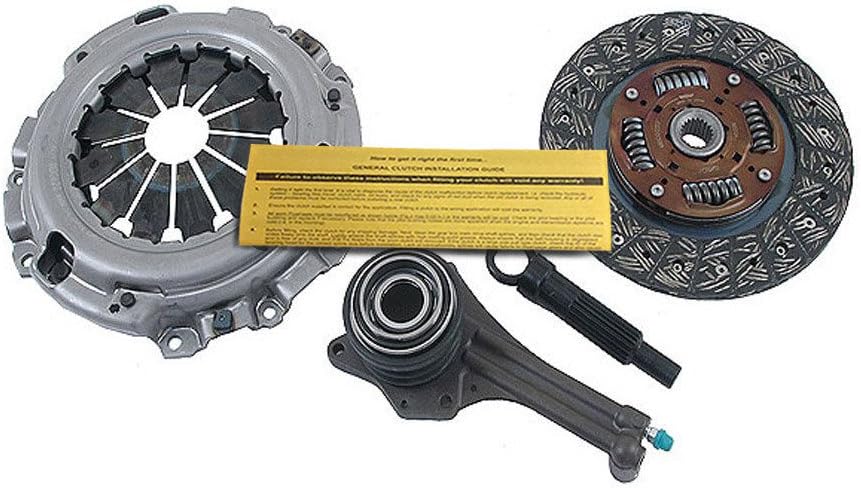
EFORTISSIMO Racing Premium Clutch Kit with Slave Cylinder for 2002–2003 Mitsubishi Lancer 2.0L
| Brand | EFORTISSIMO Racing |
|---|---|
| Compatible Vehicle | 2002-2003 Mitsubishi Lancer 2.0L |
| Kit Type | Complete clutch set with slave cylinder |
| ASIN | B06XZG9JJN |
This EFORTISSIMO Racing premium clutch kit supplies the core components needed to replace a worn clutch on 2002–2003 Mitsubishi Lancer 2.0L models, including a matching slave cylinder for a coordinated hydraulic fit. Installation is typical of complete clutch sets: remove the transmission, replace the pressure plate, clutch disc, throwout bearing and slave cylinder, then bleed the hydraulic system. The kit is aimed at routine maintenance or DIY clutch replacement and promises a factory-style replacement feel. Practical benefits include having all primary parts in one package and a slave cylinder matched to the kit which simplifies sourcing and reduces mismatch risk. Limitations to expect are variable part quality compared with higher-end OEM suppliers and the possibility of a defective individual component, which would require return or replacement. Fitment is specific to the listed Lancer years and engine, so confirm compatibility before ordering.
Best for: Buyers who prioritize convenience and want a single-package replacement to minimize parts hunting and downtime during a clutch job on a 2002–2003 Mitsubishi Lancer 2.0L.
Less Ideal for: Drivers seeking the longest-life, performance-oriented clutch or professional shops preferring premium-brand components should consider higher-end options.
- Complete set includes clutch disc, pressure plate, throwout bearing and slave cylinder for a coordinated replacement
- Sold as a single kit which simplifies parts sourcing and reduces installation guesswork
- Targets direct replacement fit for 2002–2003 Mitsubishi Lancer 2.0L which helps ensure compatibility if matched to vehicle
- Quality control appears inconsistent based on some user reports, so inspect components on arrival
- May not match the long-term durability of higher-end or factory-quality clutch kits
Verdict: A convenient all-in-one replacement clutch kit for 2002–2003 Lancer 2.0L buyers who want to simplify a DIY or maintenance swap, but expect variable component quality.
XTD Stage 3 Clutch and Pro-Lite Flywheel Kit for Mitsubishi Lancer Evolution 4–6

| Compatible models | Mitsubishi Lancer Evolution 4, 5, 6 |
|---|---|
| Disc type | 6-puck MIBA copper-ceramic |
| Flywheel material | Chromium-molybdenum steel (forged) |
| Includes | Pressure plate, disc, throwout bearing, alignment tool, installation guide |
This XTD Stage 3 kit replaces the factory clutch and flywheel on Mitsubishi Lancer Evolution 4, 5, and 6 with a six-puck copper-ceramic disc, a high-clamp pressure plate, and an 11 lb chromoly pro-lite flywheel. It is used to improve clutch holding capacity and reduce rotational mass for quicker engine response, making it suited to spirited street driving and moderate performance upgrades. Notable features include a MIBA copper-ceramic friction disc with multiple high-coefficient pads for faster engagement, a heat-treated ductile iron pressure plate rated to hold substantially more torque than stock, and a lightened forged chromoly flywheel to sharpen acceleration. The kit includes a throwout bearing and alignment tool to simplify installation. Expect firmer engagement, improved durability under higher loads, and better throttle response compared with a stock replacement. In exchange this kit uses a puck-style disc that can be slightly harsher at initial engagement than organic discs and may transmit more vibration during low-speed driving, so NVH and daily comfort are modestly affected.
Best for: A risk-averse mainstream buyer seeking a stronger, factory-quality replacement for an Evo IV–VI that improves clutch holding and response while remaining suitable for street use.
Less Ideal for: Drivers who prioritize the smoothest possible daily driving feel or who plan extreme track or drag use that requires a full race-spec setup should consider other specialty options.
- High-coefficient MIBA copper-ceramic disc provides stronger grip and increased torque capacity compared with typical organic discs
- Heat-treated ductile iron pressure plate designed for higher clamp force and improved durability
- Lightweight forged chrome-moly flywheel reduces rotational inertia for quicker throttle response and acceleration
- Kit includes throwout bearing and alignment tool to streamline installation
- Puck-style ceramic disc can produce firmer, less smooth engagement and more vibration at low speeds
- More aggressive friction material may increase driveline noise and reduce comfort for strictly daily-driven cars
Verdict: A durable, higher-holding clutch kit with a lightened chromoly flywheel that sharpens response for Evo 4–6 drivers who want stronger, street-usable performance without moving to full race hardware.
Choosing the Right Mitsubishi Lancer Clutch Kit: Key Factors to Consider
Fitment and Compatibility
Exact fitment to the Mitsubishi Lancer transmission is essential because mismatched spline counts, disc diameters, or pressure plate bolt patterns will prevent proper installation. Confirming vehicle year and transmission variant ensures the kit aligns with the flywheel interface and spline engagement.
A correctly compatible kit reduces installation time and avoids extra machining or part swaps. When fitment is verified, you can expect predictable pedal travel and clutch engagement behavior that matches factory geometry.
Clutch Disc Material and Friction Type
The friction material on the clutch disc affects engagement smoothness, heat tolerance, and wear life. Organic facings tend to provide quieter, more forgiving engagement suited to daily driving, while ceramic or metallic blends offer higher torque capacity but can produce harsher engagement that affects drivability.
Choose a friction type that balances your driving style and the Lancer's power output. Material selection also influences maintenance intervals and how the clutch behaves under repeated heavy use.
Pressure Plate Design and Clamping Force
Pressure plate construction determines clamping force and how evenly pressure is applied across the disc. A well-engineered pressure plate provides consistent clamp that prevents slipping under load while maintaining manageable pedal effort.
Higher clamping force can increase torque capacity but may raise pedal stiffness. Consider the tradeoff between holding ability and comfort when selecting a kit for daily driving versus more spirited use.
Included Components and Completeness
A full clutch kit should include the clutch disc, pressure plate, and release bearing at minimum. Some kits also include pilot bearings, alignment tools, or fasteners which simplify installation and reduce the need to source extra parts.
Purchasing a complete kit lowers the risk of missing small but critical parts during replacement. Verify the kit contents against the repair procedure for the Mitsubishi Lancer to ensure nothing essential is omitted.
Durability and Warranty
Durability is influenced by materials and manufacturing quality. Look for evidence of heat treatment, balanced assemblies, and serviceable components that can withstand repeated engagement cycles. A reasonable warranty indicates manufacturer confidence and can provide recourse if premature failure occurs.
Consider how driving conditions such as frequent city traffic or towing will affect wear life, and choose a kit whose durability aligns with expected usage.
Installation Considerations
Ease of installation can save labor time and reduce the chance of installation errors. Features that help installers include clear fitment guides, included alignment tools, and compatible bolt patterns with the Lancer flywheel. Properly balanced assemblies and pre-set clutch geometry also reduce troubleshooting during installation.
If you plan to do the work yourself, verify that the kit includes necessary alignment aids and that the procedures match the Lancer's service manual. For professional installers, kits that minimize extra machine work are preferable.
Which Clutch Kit Suits Your Mitsubishi Lancer Driving Needs
The right Mitsubishi Lancer clutch kit depends on how you use the car day to day. Stock replacements are tuned for smooth engagement, long life, and predictable street manners. If you use the Lancer for spirited driving, towing, or occasional track days, a higher-clamping pressure or performance-oriented friction material can deliver stronger engagement and reduced slip. For light urban commuting, aim for a kit that prioritizes comfort and low pedal effort.
Consider your typical driving conditions and any modifications to the Lancer. Engine power increases, forced induction, or altered gearing change the torque the clutch must handle. Matching clutch capacity to actual torque and usage avoids premature wear and drivability problems. The primary keyword Mitsubishi Lancer clutch kit should guide searches, but focus on the kit characteristics that suit your driving style rather than marketing labels alone.
- Daily driver: prioritize smooth engagement and longevity.
- Enthusiast driving: choose higher clamping force and more aggressive friction.
- Modified engines: uprate clutch capacity to handle increased torque.
- Towing or heavy loads: select kits rated for higher torque and thermal stability.
Common Clutch Kit Symptoms to Watch For
Recognizing early signs of a failing clutch kit can prevent damage to the flywheel and related parts. Typical clutch kit symptoms include slipping under load, a spongy or overly stiff clutch pedal, noise during engagement or release, shuddering on takeoff, and difficulty shifting gears. These signs often point to a worn clutch disc, weak pressure plate springs, or a failing release bearing.
Not all symptoms mean the entire kit must be replaced immediately, but persistent problems usually indicate the need for a clutch kit replacement. Addressing issues early can keep repair scope smaller and replacement parts more affordable.
- Slipping when accelerating uphill or under load.
- Chatter or shudder when releasing the clutch.
- High bite point or difficulty finding neutral.
- Noise when the clutch is disengaged or engaged.
What Comes in a Clutch Kit and How Each Component Matters
A typical clutch kit contains a friction disc, a pressure plate, and a release mechanism such as a throwout bearing. Many kits also include alignment tools, pilot bearings or bushings, and hardware needed for installation. Understanding each component helps you decide whether a full kit is required or if targeted parts will suffice.
The friction disc determines how torque is transferred and how the clutch engages. Material choice affects heat tolerance and drivability. The pressure plate supplies clamping force; its design influences pedal effort and resistance to fade. The release bearing affects smooth actuation and noise levels. When a flywheel is worn or heat-damaged, resurfacing or replacement may be necessary, which ties into the common question of clutch kit vs flywheel when planning repairs.
- Friction disc: engagement feel and torque capacity.
- Pressure plate: clamping force and pedal effort trade-offs.
- Release/throwout bearing: reduces noise and wear during operation.
- Pilot bearing/bushing and alignment tool: ensure correct assembly and concentricity.
How to Plan for Installation and Realistic Cost Expectations
Preparing for a clutch swap on a Mitsubishi Lancer means accounting for parts, labor, and any ancillary work. A clear plan reduces surprises at the shop. If you are comparing quotes, ask whether the installer includes flywheel inspection or resurfacing in the price and whether alignment or pilot bearing replacement is part of the job. Those items can affect final outcomes and longevity.
Many owners ask about clutch kit installation labor cost when budgeting. Labor varies with transmission type and regional rates, and additional time may be needed if transmission mounts, axles, or the flywheel require extra attention. For those with mechanical experience, some choose to install the kit themselves, but be realistic about the complexity and the need for correct torque specs and alignment to avoid premature failure. If you intend to perform the work, review a factory service manual and prepare proper tooling before starting.
- Confirm whether the flywheel will be inspected or resurfaced as part of the job.
- Ask shops for a breakdown of parts and labor to compare estimates.
- If DIY, ensure access to alignment tools, a torque wrench, and a safe lift or jack setup.
DIY Vs Professional Replacement: Practical Pros and Cons
Deciding between a DIY clutch swap and a professional install depends on your skills, tools, and tolerance for downtime. A DIY approach can save on labor but requires a well-equipped garage, the ability to safely remove and support the transmission, and knowledge of torque sequences and safety procedures. A professional technician brings experience, diagnostic capability, and warranty coverage in many shops.
For owners who opt to do the job themselves, follow step-by-step service procedures and double-check alignment and torque values. If you prefer to leave it to a shop, get a written estimate that clarifies whether related components are included. Consider the trade-offs between immediate cost and the longer-term peace of mind that comes with an experienced installer's work.
- DIY pros: lower direct cost, learning opportunity, control over parts used.
- DIY cons: time-consuming, requires specialized tools, risk of improper installation.
- Professional pros: speed, expertise, often includes warranty.
- Professional cons: higher upfront cost and potential markup on parts.
Break-in, Maintenance, and Prolonging Clutch Life
After installing a new Mitsubishi Lancer clutch kit, proper break-in and ongoing driving habits extend service life. A conservative break-in period typically involves avoiding full-throttle launches and heavy loads for the first several hundred miles while allowing the friction material and pressure plate to mate correctly. Smooth clutch engagement, gentle upshifts, and avoiding riding the pedal will reduce wear over time.
Routine maintenance is minimal but important. Keep the clutch hydraulic system in good condition by checking fluid levels and inspecting for leaks. Address any unusual noise or shifting difficulty promptly. With attentive use and timely attention to symptoms, a well-matched clutch kit can deliver consistent performance for many miles.
- Break-in tip: avoid aggressive launches and give the clutch time to seat over the first 300 to 500 miles.
- Maintenance tip: monitor hydraulic fluid and inspect seals and lines periodically.
- Driving tip: avoid resting the foot on the clutch pedal and minimize slipping under heavy load.
Budgeting and Replacement Timing for Your Lancer
Clutch kit price varies with the type of kit and included components. Basic replacement kits intended for stock performance will cost less than heavy-duty or performance-oriented options designed for increased torque capacity. When planning a service, factor in potential additional costs such as flywheel machining or replacement and any worn ancillary parts discovered during disassembly.
Deciding when to replace the clutch is often based on mileage and symptoms rather than a strict interval. Many drivers replace the clutch when they experience slipping, difficulty shifting, or when the pedal feel changes noticeably. If you are already dropping the transmission for another repair, proactive replacement of the clutch kit can be cost effective and saves later labor duplication.
- Consider upgrading components proactively if the Lancer has performance modifications.
- Replace related wear items at the same time to avoid repeat labor.
- Use symptom progression and inspection to time replacement rather than relying solely on mileage.
How We Chose the Best Mitsubishi Lancer Clutch Kit
We focused on selection filters that matter specifically to Mitsubishi Lancer owners who need a replacement clutch kit. Primary evaluation criteria included material and friction disc construction, correct spline and diameter fitment for Lancer transmissions, the inclusion of essential components such as pressure plate, clutch disc, and release bearing, and the manufacturer's stated compatibility with Lancer manual-transmission configurations.We also considered clutch disc type and torque capacity to match typical Lancer engine output, ease of installation including whether alignment tools are included, and documented durability or warranty coverage. We excluded kits that lacked clear fitment information for the Mitsubishi Lancer, kits missing core components, or those intended only for race use without suitable street drivability. The result is a list of seven kits that meet practical fitment and usability standards for this vehicle.
Our full evaluation process is outlined in our review methodology.
FAQ
How do I know when a Mitsubishi Lancer clutch kit replacement is needed?
Common signs include slipping under load, difficulty engaging gears, a spongy or unusually stiff clutch pedal, and noise during engagement. These symptoms often point to clutch wear or component failure, but a proper inspection of the disc, pressure plate, and release bearing confirms the cause.
Can I install a clutch kit for manual transmission in my Lancer myself?
Installing a clutch kit typically requires removing the transmission, which involves moderate to advanced mechanical skills and specific tools such as an alignment tool and transmission jack. If you have a well-equipped workspace and experience, it can be a DIY job; otherwise professional installation is usually recommended.
What are the main clutch kit components I should check during replacement?
A standard kit includes the clutch disc, pressure plate, and release bearing. Some kits add a pilot bearing or alignment tool. Inspect the condition of the flywheel mating surface as well, since machining or resurfacing may be needed for proper contact and longevity.
How do clutch kit symptoms differ from flywheel problems?
Clutch kit symptoms such as slipping or uneven engagement usually originate from the disc or pressure plate surfaces, while a warped or damaged flywheel often causes chatter, vibration, or uneven engagement even with a new clutch. Diagnosing both components is important before final installation.
Will replacing the clutch kit affect pedal feel or driving performance?
Yes, a new kit can restore original pedal travel and engagement firmness. Different friction materials and pressure plate designs will alter pedal effort and engagement sharpness, so choose a kit that matches your comfort and performance expectations.
Are there additional labor considerations when planning clutch kit installation?
Labor time can vary based on vehicle condition, whether the flywheel needs resurfacing, and accessibility of the transmission. Allow for inspection of related components such as the pilot bearing and release mechanism, as replacing these during the job can prevent future issues and avoid repeat labor.
Final Verdict
Prioritize fitment accuracy, material selection, and kit completeness when choosing a clutch kit for a Mitsubishi Lancer. Balance torque capacity and pedal effort to match your driving style and the vehicle's typical load conditions.Be realistic about installation complexity and inspect the flywheel and related components during service. Picking a kit that aligns with these criteria will help restore reliable engagement and reduce the chance of early wear.
Explore More:
- Check out all Mitsubishi Lancer parts & accessories
- Explore Clutch Kits Maintenance & Repair Guides
- Explore Transmission & Drivetrain
- Browse all Auto Parts
