

Note: This article contains affiliate links. If you click on these links and make a purchase, I may earn a small commission at no extra cost to you. This helps support my research and content. Read my full affiliate disclosure here.
If you own a Toyota Corolla, selecting the right cabin air filter makes a measurable difference in cabin air quality and comfort. A proper filter reduces pollen, dust, and road pollutants that can circulate through the HVAC system, and it helps maintain airflow for reliable heating and cooling.This guide presents seven shortlisted options that suit Corolla owners, based on filtration performance, fit reliability, and ease of installation. Below we explain the evaluation criteria and what to expect when you inspect or replace the filter, then jump into the top picks and practical notes.
Looking for other parts? See all Toyota Corolla parts & accessories.
Top Picks at a Glance
| Best Overall The best all-around choice for most situations | Bosch 6055C HEPA Cabin Air Filter |  |
| Best Quality Built to a higher standard if you want something more solid | Premium Guard PureFlow HEPA Cabin Air Filter (PC99237HX) |  |
| Best Value The sweet spot between price and what you get | Capume Cabin Air Filter JM040 (replacement for Toyota/Lexus cabin filter) |  |
| Best Budget The cheapest option that still gets the job done reliably | Puroma Cabin Air Filter with Activated Carbon (replacement for CP157/CF12157) |  |
| Highest Rated A top-rated pick with lots of positive feedback | EPAuto CP157 Cabin Air Filter (Carbon) |  |
| Most Popular A crowd favorite that many people choose with confidence | FRAM Fresh Breeze Cabin Air Filter with Arm & Hammer Baking Soda (CF10285) |  |
| Best Seller A high-volume bestseller chosen again and again | Puroma Cabin Air Filter with Activated Carbon (CP285 / CF10285) |  |
Bosch 6055C HEPA Cabin Air Filter

| Model | 6055C |
|---|---|
| Filtration efficiency | 99.97% at 0.3 microns |
| Media | Melt-blown electrostatic + static cotton layer |
The Bosch 6055C is a HEPA-style cabin air filter made to replace the factory unit in compatible Toyota Corolla vehicles. It uses a melt-blown electrostatic layer plus an extra static cotton layer to capture fine particles down to 0.3 microns at HEPA-level efficiency, which helps reduce pollen, dust, and other airborne particulates entering the cabin. Structural ribs keep the filter from collapsing so airflow remains consistent through its service life. Installation is straightforward and follows the same simple cabin filter swap process used on Corollas, so owners can change it themselves in minutes. The filter does not include an added chemical odor neutralizer, so it focuses on particulate removal rather than gas or odor adsorption. Buyers should plan routine replacement per manufacturer guidance because electrostatic media can lose trapping capacity over time. For a balanced buyer who wants strong particulate filtration and a reliable, factory-quality replacement for a Corolla, this Bosch filter delivers effective air cleaning with easy DIY service.
Best for: Balanced all-round buyers who prioritize overall air quality and a factory-quality replacement without specialty odor control, and who prefer an easy DIY maintenance item for their Corolla.
Less Ideal for: Users who need active removal of odors, exhaust gases, or chemical vapors should choose a filter with activated carbon or specialized gas adsorption features instead.
- HEPA-grade filtration rated to capture 99.97% of 0.3 micron particles for noticeably cleaner cabin air
- Multi-layer media (melt-blown electrostatic plus cotton layer) increases particle capacity compared with basic paper filters
- Structural ribs maintain shape and airflow for reliable performance over the life of the filter
- Simple, OEM-compatible fit and easy DIY installation for Toyota Corolla owners
- Does not include activated carbon or specific odor/gas adsorption capabilities
- Electrostatic media performance will decline with time and requires periodic replacement
Verdict: For Toyota Corolla owners seeking top-tier particulate filtration and a straightforward DIY replacement, the Bosch 6055C offers HEPA-level performance in a factory-compatible package.
Premium Guard PureFlow HEPA Cabin Air Filter (PC99237HX)

| Material Type | Hepa |
|---|---|
| Compatible Device | Air Conditioner |
| Model Info | PC99237HX |
| Brand Name | Premium Guard |
The Premium Guard PureFlow HEPA cabin air filter replaces the factory cabin filter to deliver much finer particulate capture and odor control than a basic paper element. It uses a multi-layer design with a true HEPA layer to trap microscopic particles and an activated charcoal layer plus baking soda to absorb gases and bad smells. Installation is a simple, toolbox-free replacement that typically takes only minutes during routine maintenance. In practice this filter noticeably improves perceived air quality and can reduce allergy symptoms, and several users report improved vent airflow after swapping a clogged filter. Because the HEPA and carbon layers are denser than a plain paper filter, you may see a small reduction in fan power or slightly increased blower noise on the highest settings. Also, a few buyers have reported fitment gaps on some vehicles, so double-check orientation and seating in the housing when installing. For a performance-minded buyer who prioritizes filtration efficiency and a fresher cabin, this filter offers strong benefits over standard replacements.
Best for: Performance-oriented drivers focused on cabin air quality and filtration efficiency who want a high-performance replacement to reduce allergens and odors during daily driving and spirited commutes.
Less Ideal for: Drivers who prioritize maximum cabin airflow or have vehicles with tight filter housings that require precise OEM-sized parts should consider a factory-quality replacement instead.
- True HEPA layer captures very small particles for better allergy and pollutant control
- Activated charcoal plus baking soda reduces odors and traps gaseous pollutants
- Multi-layer construction can restore HVAC performance by replacing clogged stock filters
- Easy, tool-free installation for fast DIY service
- Compatible list includes Toyota Corolla Cross and other Toyota models for straightforward fitment checks
- Denser filtration can slightly reduce airflow or increase blower effort at high fan speeds
- Some units have reported minor fitment gaps requiring careful seating during installation
- Contains no specifications for service life beyond general replacement recommendations
Verdict: A high-filtration HEPA cabin filter that prioritizes clean, odor-free air for performance-minded drivers, with a minor risk of reduced airflow or fitment quirks.
Capume Cabin Air Filter JM040 (replacement for Toyota/Lexus cabin filter)
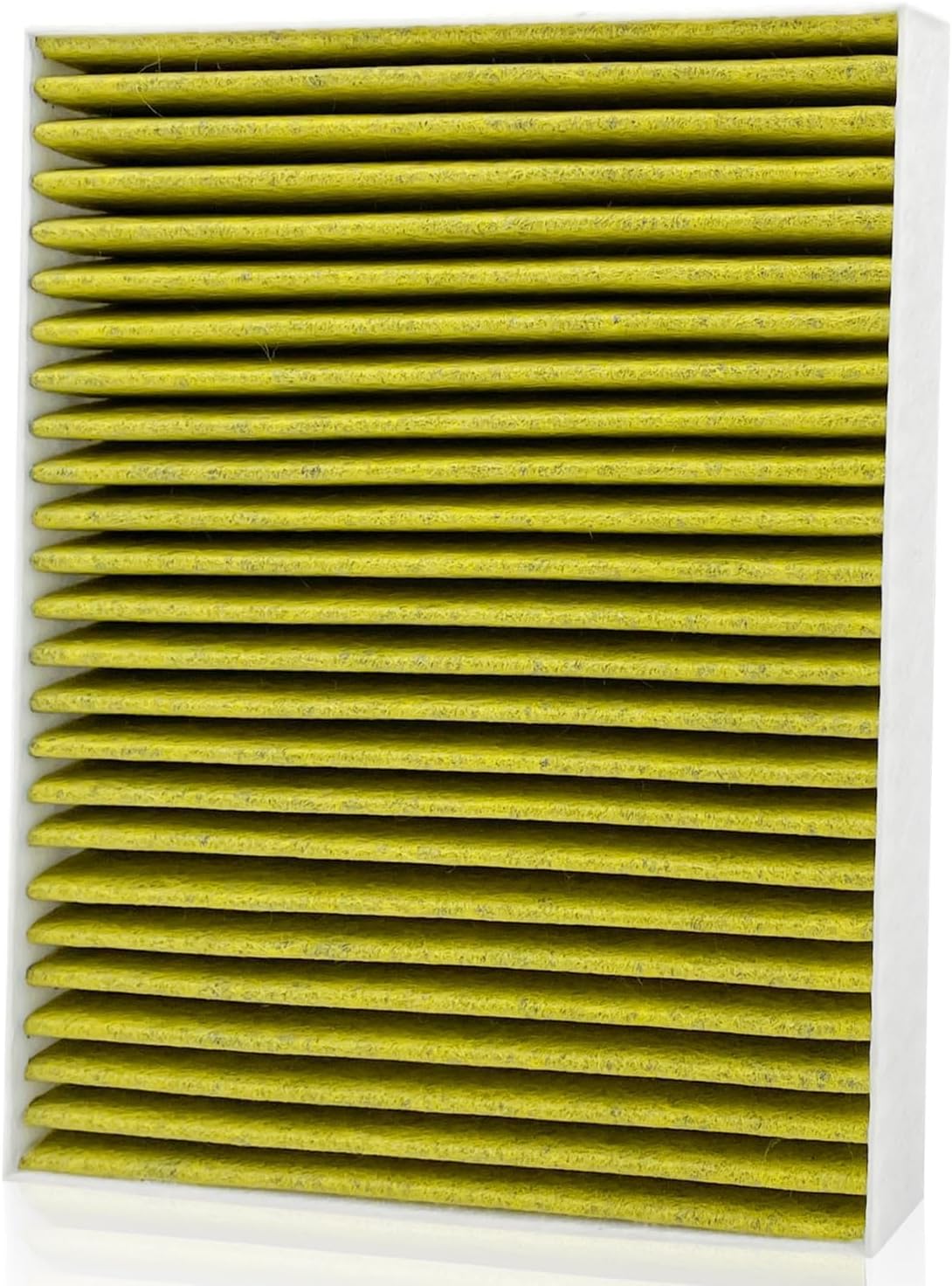
| Model | CP040 |
|---|---|
| Manufacturer | NAPODA Direct |
| Replacement part numbers | Lists multiple Toyota part numbers including 87139-0E040 and 87139-58010 |
| Recommended replacement | 12 months or 12,000 miles |
The Capume JM040 is a direct-replacement cabin air filter intended for Toyota and Lexus passenger compartments, using a multi-layer design that combines melt-blown nonwoven, HEPA-style layers and nutshell activated carbon to reduce dust, pollen and odors. It installs the same way as a factory replacement and is sized to fit the Corolla and compatible Toyota models listed by Capume, so typical use is a simple swap at the glovebox or access panel during routine maintenance. Notable features include a high-capacity filtration stack with activated carbon and baking soda for odor control and a recommended service interval of about 12 months or 12,000 miles. Practical benefits are improved in-cabin air quality and a sturdier construction compared with some factory filters, according to user reports, plus easy DIY installation. Limitations are that the listing does not provide a measured filtration rating like MERV or particle micron size and the filter lacks a printed airflow arrow which can confuse first-time installers about orientation.
Best for: Practical optimizers who want a cost-effective, better-than-stock cabin filter that is easy to install themselves and improves daily in-cabin air quality without overpaying for premium specialty filters.
Less Ideal for: Buyers who require certified filtration metrics or who prefer branded OEM filters for vehicle service records should consider alternatives; those seeking filters with explicit lab-rated particle capture may look elsewhere.
- Multi-layer HEPA-style media plus activated carbon for dust, pollen and odor reduction
- Higher build stiffness than many factory filters for easier handling and installation
- Designed to match factory replacement form factor for Toyota/Corolla fitment
- Recommended 12-month/12,000-mile replacement interval provides clear maintenance guidance
- No published MERV or micron filtration rating to quantify particle capture
- No printed airflow direction on the filter which can make orientation less obvious for some users
Verdict: A practical, sturdily built Toyota-compatible cabin filter that improves cabin air and value compared with many stock replacements, but it lacks a published filtration rating.
Puroma Cabin Air Filter with Activated Carbon (replacement for CP157/CF12157)

| Compatible models | Toyota Corolla (2019-2025) listed |
|---|---|
| Replacement part | CP157 / CF12157 |
| Installation time | About 10 minutes |
This Puroma cabin air filter is a direct-fit replacement that installs quickly and brings activated-carbon odor reduction to Corolla cabins. Designed to match the CP157/CF12157 fitment, it slides into the factory filter housing and the clear airflow arrow makes orientation straightforward for a typical DIY change. The filter uses a close-meshed non-woven layer plus an activated carbon layer to trap dust, pollen, and many common odors, which helps the Corolla HVAC deliver fresher-smelling air and keeps ventilation passages cleaner. Owners report simple 10-minute installs and noticeably improved cabin freshness compared with very basic replacements. Because the media is denser than some factory filters, there may be a small reduction in airflow on low blower settings, so drivers sensitive to maximum HVAC output should be aware. For routine maintenance the Puroma offers a low-cost way to refresh filtration more often than dealer service intervals allow.
Best for: Budget-conscious Toyota Corolla owners who prefer doing easy DIY maintenance and want improved cabin odor control without paying dealer prices.
Less Ideal for: Drivers who need the highest certified filtration performance for severe allergy or pollution conditions should consider higher-grade or tested specialty filters instead.
- Activated carbon layer helps reduce common outside odors and improves in-cabin air freshness.
- Close-meshed non-woven media captures dust and pollen that would otherwise reach the cabin.
- Designed to match CP157/CF12157 fitment for an easy DIY swap in compatible vehicles.
- Denser media may slightly reduce airflow at low fan speeds compared with some factory filters.
- Not marketed with measured filtration ratings so exact particle removal performance is unspecified.
Verdict: A low-cost, easy-to-install carbon cabin filter that refreshes Corolla cabin air and is ideal for drivers who prioritize value and frequent DIY maintenance.
EPAuto CP157 Cabin Air Filter (Carbon)

| Compatible models | Toyota Corolla 2019-2025 |
|---|---|
| Filter type | Activated carbon cabin air filter |
| Recommended replacement | 12 months or 12,000 miles |
| Manufacturer | EPAuto |
The EPAuto CP157 is a carbon cabin air filter intended to keep pollen, dust, and odors out of a Toyota Corolla’s HVAC system while maintaining airflow. It installs in the glovebox filter housing and is user-serviceable for a quick DIY swap. Notable features include an activated carbon layer to reduce odors and a framed design that aligns with factory filter slots for an OEM-like fit. In practical use it delivers cleaner cabin airflow and can make the A/C feel fresher after installation, and many owners report easy, tool-free replacement. The filter is recommended for routine replacement roughly every 12 months or 12,000 miles to preserve HVAC performance. Limitations: the material can feel slightly thinner than some factory filters so it may require more frequent replacement in very dusty climates, and its performance depends on selecting the exact Corolla model years listed for compatibility.
Best for: Reliability-focused buyers who prioritize consistent cabin air quality and easy, regular maintenance for their Corolla will appreciate this filter as a cost-effective replacement.
Less Ideal for: Drivers who want the thickest possible filtration media or extended-life specialty filters for extreme dust or pollution environments should consider higher-end or heavy-duty alternatives.
- Activated carbon layer reduces cabin odors and volatile compounds.
- Framed design fits the Corolla glovebox filter housing for straightforward installation.
- Marketed as compatible with Corolla model years listed, simplifying selection for owners.
- Material may be thinner than some factory filters which could shorten service life in dirty conditions.
- Not a model-specific OEM part so absolute fit and finish can vary by submodel or production run.
Verdict: A practical, easy-to-install carbon cabin filter that improves smell and basic air cleanliness for compatible Toyota Corolla models, with economy-minded durability rather than heavy-duty longevity.
FRAM Fresh Breeze Cabin Air Filter with Arm & Hammer Baking Soda (CF10285)

| Model | CF10285 |
|---|---|
| Manufacturer | FRAM |
| Vehicle fitment note | Fits listed Toyota Corolla model years per product description |
| Filtration features | Carbon plus Arm & Hammer baking soda embedded |
The FRAM Fresh Breeze CF10285 is a direct-replacement cabin air filter designed to improve in-cabin air quality for compatible Toyota Corolla model years listed by the manufacturer. It installs behind the glove box and is intended for quick DIY swaps, typically taking under 15 minutes. The filter combines pleated media with carbon and Arm & Hammer baking soda embedded into the material, which helps neutralize odors while trapping pollen, road dust, smoke and other common irritants. That combination makes the cabin smell fresher and can reduce particulates reaching passengers during allergy season or smoky conditions. Practical benefits include an easy, tool-light installation, broad fitment for many Corolla years, and a thicker, sturdy construction users report as a good fit. Limitations are that the product documentation and some user reports note the filter may not have a clear airflow arrow marked, which can cause a brief orientation check during installation, and baking-soda odor control is not a substitute for advanced HEPA-level filtration for users with severe sensitivities.
Best for: Convenience-driven buyers who want a quick, do-it-yourself cabin air improvement for their Toyota Corolla and prioritize easy installation and odor control over medical-grade filtration.
Less Ideal for: Drivers who need true HEPA-level particle removal for severe allergies or those who prefer filters with explicit installation markings and documentation should consider alternatives.
- Direct-fit replacement for many Toyota Corolla model years listed by the manufacturer
- Embedded carbon and Arm & Hammer baking soda help neutralize odors as air passes through
- Easy to install behind the glove box with minimal tools or time required
- Sturdy, pleated media captures common particulates like pollen, dust and smoke
- Not marketed as HEPA-grade filtration so it may not meet needs of users requiring medical-grade particulate removal
- Some units lack a clearly marked airflow direction which can add a small step to installation
Verdict: A user-friendly, odor-reducing cabin filter that fits many Toyota Corolla models and is ideal for owners who want a fast DIY installation and fresher-smelling cabin air.
Puroma Cabin Air Filter with Activated Carbon (CP285 / CF10285)

| Item model number | CP285, CF10285 |
|---|---|
| Manufacturer Part Number | TCF285S |
| Compatible vehicle | Toyota Corolla (listed years within product compatibility) |
The Puroma cabin air filter is a direct-replacement style filter that installs in the Corolla's cabin filter housing to trap dust, pollen, and odors before they reach the passenger compartment. It uses a multi-layer non-woven media combined with an activated carbon layer to reduce smells and capture fine particulates, and the unit includes an airflow arrow to simplify orientation during installation. Typical use is seasonal replacement or maintenance at intervals recommended by driving conditions to keep HVAC airflow and in-cabin air quality steady. In practice the filter fits Corolla applications in the compatibility list and reviews report easy, tool-free installs and noticeably fresher cabin air. Because it emphasizes odor adsorption, expect slightly thicker media that may modestly reduce peak airflow compared with thin, high-flow filters. Fit and finish are generally good but one review noted occasional size mismatch on a Corolla variant, so verify fit before installation.
Best for: A risk-averse mainstream buyer who prioritizes reliable, factory-quality replacement parts and wants improved cabin air odor control and particulate filtration without experimentation.
Less Ideal for: Drivers chasing maximum HVAC airflow or peak filtration efficiency for allergy-sensitive users should consider specialty high-flow or HEPA-type cabin filters instead.
- Activated carbon layer for odor reduction
- Multi-layer non-woven media captures dust and pollen
- Easy to install with airflow direction marking
- Widely reported to fit Toyota Corolla models in the compatible list
- Denser media can modestly reduce HVAC airflow compared with high-flow filters
- Some users reported fitment differences on specific Corolla variants requiring verification
Verdict: A practical, easy-to-install activated-carbon cabin filter suited to Corolla owners seeking better smell control and dependable replacement performance.
Choosing the Right Toyota Corolla Cabin Air Filter: Key Factors to Consider
Filtration Efficiency
How well a filter captures particles directly affects cabin air quality and occupant comfort. Look for filters that specify capture rates for pollen, dust, and fine particulates so you can anticipate reduced allergen exposure.
Higher-efficiency media will trap smaller particles but can increase airflow resistance. Consider the balance between particle capture and maintaining sufficient airflow so the HVAC system can operate without strain.
Fitment and Dimensions
A correct physical fit prevents air bypass, which would negate filtration benefits. Verify the filter's dimensions and edge seal design match the Toyota Corolla filter housing to ensure a snug, gap-free installation.
Filters that require trimming or adapters add complexity and increase the chance of leaks. Filters designed specifically with the Corolla's housing in mind typically offer better sealing and easier placement.
Material Durability and Moisture Resistance
Cabin filters are exposed to humidity and occasional moisture from condensation. Durable filter media and a moisture-resistant frame or seal help the element maintain integrity and prevent sagging or disintegration over time.
Materials that resist mold and degradation extend the usable life of the filter and reduce the chance of odors or microbial growth in the HVAC system during wet seasons.
Airflow Restriction
All filters introduce some resistance to airflow. Excessive restriction can reduce HVAC efficiency and put extra load on the blower motor. Choose a filter with rated airflow performance that balances particle capture with minimal impact on system airflow.
If you frequently use the defroster or HVAC at high fan settings, prioritize options that maintain good airflow while still providing effective filtration.
Ease of Installation
A straightforward installation reduces the chance of incorrect placement and makes routine replacement more likely. Features like clear orientation arrows, molded frames, and simple access fitments matter for a quick service.
Consider how accessible the filter compartment is on the Corolla and whether the filter design allows one-person replacement without special tools.
Service Life and Maintenance Interval
Filter longevity affects maintenance frequency and long-term value. Understand the recommended replacement interval under typical driving conditions and whether the media is rated for extended life in dusty or urban environments.
Longer service life can be beneficial, but only if the filter maintains performance throughout that period. Evaluate expected lifespan alongside filtration efficiency to decide what suits your driving patterns.
When to Replace the Cabin Air Filter on a Toyota Corolla
Most Toyota Corolla owners benefit from a regular replacement schedule rather than waiting for obvious problems. Common maintenance guidance suggests checking the cabin filter around every 12,000 to 15,000 miles or once a year, but actual timing depends on driving conditions and local air quality. If you drive frequently in heavy traffic, dusty roads, or areas with high pollen counts, you may need to replace the filter more often.
Watch for symptoms that indicate the filter is clogged. Reduced airflow from the vents, unusual odors when the HVAC runs, increased dust buildup on the dash and interior surfaces, and diminished defogging performance are all signs to inspect the filter and consider replacement.
- Reduced fan airflow at normal blower settings
- Musty or stale smell when AC or heat is on
- More dust settling on interior surfaces
- Longer time to defog windows
OEM Cabin Filter Vs Aftermarket Options for Corolla Owners
Deciding between an OEM cabin filter and an aftermarket alternative comes down to priorities like filtration performance, material quality, and cost. OEM parts are designed to match Toyota specifications exactly, which often simplifies fitment and preserves original airflow characteristics. Aftermarket filters can offer comparable or enhanced filtration media, including activated carbon or higher MERV-rated layers, but quality varies by supplier.
When evaluating aftermarket options, focus on claimed filtration efficiency, media construction, and any certifications or test data the manufacturer provides. Choose filters that do not significantly restrict airflow while still capturing pollen, dust, and finer particulates. Proper sealing and correct dimensions are essential to prevent bypass where unfiltered air could enter the cabin.
- OEM: predictable fit and original airflow balance
- Aftermarket: potential for specialty media such as activated carbon or finer particulate capture
- Confirm exact fitment and sealing regardless of source
How to Change a Toyota Corolla Cabin Air Filter (Overview)
Changing the Toyota Corolla cabin air filter is a straightforward task that many owners can complete with basic tools. Start by locating the filter housing, which is commonly found behind the glove box or under the cowl near the windshield depending on model year and trim. Consult the vehicle owner manual for the exact location for your specific Corolla year.
General steps include removing the glove box or opening the access panel, taking out the old filter while noting airflow direction, cleaning the filter housing of loose debris, and installing the new filter with the correct orientation. Reassemble the components and run the HVAC fan to confirm normal airflow and absence of abnormal noises.
- Confirm the cabin air filter location for your Corolla year and trim
- Note the airflow arrow on the old filter before removal
- Clean loose debris from the housing before installing the new filter
Seasonal Considerations and Allergy Management
If you or passengers suffer from seasonal allergies, treating the cabin filter as part of your allergy mitigation strategy can make a noticeable difference. Filters labeled for pollen capture or those with activated carbon layers help reduce pollen and some odors entering the cabin. During spring and fall pollen peaks, consider inspecting the filter more frequently and replacing it if performance appears diminished.
In wet climates watch for moisture intrusion into the filter housing. A damp filter can develop mold or a musty smell, in which case immediate replacement and housing drying are recommended. Regular attention before heavy pollen seasons and after extended dusty driving ensures better cabin air quality.
- Inspect before pollen seasons if allergies are a concern
- Consider filters with activated carbon for odor reduction
- Replace immediately if filter becomes wet or moldy
Understanding Cabin Air Filter Size and Fit for the Corolla
Correct filter size and shape are critical for effective filtration and proper sealing. While size specifications can vary by Corolla year and equipment level, the right filter will sit flush in the housing without bending or gaps. Using an incorrect size can cause air bypass or make installation difficult.
When buying a replacement, verify the part fits your Corolla year and configuration. Many suppliers list compatible years and trim levels; cross-check the measurements if you are unsure. If the filter has an orientation arrow, align it to match the vehicle's airflow direction to maintain function and prevent air leaks.
- Confirm filter dimensions match your Corolla year and trim
- Ensure a snug fit with no gaps around the housing
- Align the airflow arrow with the vehicle's airflow direction
Common Installation Mistakes and Troubleshooting
Even a simple cabin filter change can cause issues if done incorrectly. Common mistakes include installing the filter backward, forcing an oversized filter into the housing, failing to fully reseal access panels, or not removing accumulated debris from the housing. These errors can reduce airflow, leave unfiltered air entering the cabin, or create unwanted noises.
If you notice continued poor airflow or persistent odors after replacing the filter, double-check the filter orientation and housing seal. Inspect the intake area for leaves or debris and clean the housing. If the blower motor makes unusual sounds, verify no loose parts were left behind during reassembly.
- Do not install the filter backward; confirm the airflow arrow
- Avoid forcing an incorrect-size filter into the housing
- Clean the housing and intake to prevent residual odors or obstructions
Tips for a Smooth Cabin Air Filter Replacement Experience
Plan the service during mild weather so you can run the HVAC system briefly after installation to confirm normal operation. Keep basic supplies on hand: a flashlight, a small vacuum or brush for cleaning the housing, and disposable gloves if handling a very dirty filter. Dispose of the old filter responsibly and note the replacement date and mileage for future maintenance.
If you prefer professional service, many shops offer cabin filter replacement as a quick service item. Whether DIY or professional, maintaining a regular replacement log helps optimize cabin air quality and HVAC performance over the life of your Toyota Corolla.
- Run the HVAC briefly after installation to check airflow
- Record the replacement date and mileage for maintenance tracking
- Bring a vacuum or brush to remove loose debris from the filter housing
How We Chose the Best Toyota Corolla Cabin Air Filter
We evaluated candidate cabin air filters for Toyota Corolla by focusing on five concrete factors that matter to owners. First, filtration efficiency for pollen, dust, and common urban particulates was prioritized to address allergy and air-quality concerns. Second, fitment accuracy and dimensional consistency were assessed to ensure the filter fits the Corolla filter housing without modification. Third, material durability and resistance to moisture were considered so filters remain effective across seasons. Fourth, airflow restriction was reviewed to balance filtration with HVAC system performance and prevent undue strain on the blower. Fifth, installation ease and clear orientation markings were weighed so owners can replace the element with minimal fuss.We excluded products that lack clear specifications for particle capture or that require significant trimming or adapters to fit the vehicle. Filters intended only for heavy-duty industrial use or for vehicles other than the Toyota Corolla were not considered. The resulting list favors filters with documented filtration ratings, reliable dimensions, and practical installation features suitable for routine replacement intervals.
Our full evaluation process is outlined in our review methodology.
FAQ
How often should I replace the Toyota Corolla cabin air filter?
Replacement frequency often depends on driving conditions. In typical urban or light suburban use, replacing the filter every 12 months or at the manufacturer's recommended interval is common. If you drive in dusty areas or see reduced airflow, consider replacing it more frequently.
What are common signs that the cabin filter needs replacement?
Typical symptoms include reduced HVAC airflow, increased dust or pollen inside the cabin, and a musty or stale odor from the vents. These indicators usually signal that the filter is clogged or saturated and should be inspected or replaced.
Can I use a high-efficiency filter without affecting HVAC performance?
High-efficiency filters can improve particle capture but may introduce more airflow resistance. Choose a filter that balances efficiency with airflow specifications suitable for the vehicle. Selecting media rated for both good filtration and acceptable airflow helps avoid negative impacts on HVAC performance.
Where is the cabin air filter located on the Toyota Corolla?
The cabin air filter in a Toyota Corolla is located in the HVAC intake area, typically behind the glove box or under an access panel near the passenger compartment. Accessibility can vary by model year, but it is generally designed for owner inspection and replacement.
Is it better to use an OEM cabin filter or an aftermarket option?
Both OEM and reputable aftermarket filters can perform well. OEM parts are made to the vehicle builder's specifications, while quality aftermarket filters may offer comparable filtration or additional features. Evaluate filtration ratings, fit accuracy, and material quality rather than assuming one source is always superior.
Final Verdict
When choosing a cabin air filter for a Toyota Corolla, prioritize filtration effectiveness, correct fit, and reasonable airflow performance. Those three dimensions determine how well the filter improves air quality without hindering HVAC operation.Also weigh material durability, moisture resistance, and ease of installation based on your typical driving environment. Matching filter life expectations to your maintenance habits will help you maintain a healthier, more comfortable cabin with minimal fuss.
Explore More:
- Check out all Toyota Corolla parts & accessories
- Explore Cabin Air Filters Maintenance & Repair Guides
- Explore HVAC
- Browse all Auto Parts
