

Note: This article contains affiliate links. If you click on these links and make a purchase, I may earn a small commission at no extra cost to you. This helps support my research and content. Read my full affiliate disclosure here.
If you own a 2018-present Jeep Wrangler you know its open-cabin nature can let more dust and pollen inside than many other SUVs. Choosing the right cabin air filter makes a tangible difference in interior air quality, HVAC performance, and allergy control. This guide covers the top shortlisted cabin air filters for JL and JLU generation Wranglers and explains the practical reasons each type made the list. We evaluated options for filtration efficiency, fit and installation ease, compatibility with the Wrangler HVAC housing, and durability under road-dust conditions. Read on to see the best choices and quick tips for replacing the filter yourself or confirming fitment before installation.
Looking for other parts? See all Jeep Wrangler parts & accessories.
Top Picks at a Glance
| Best Overall The best all-around choice for most situations | PHILTOP CF12450 Cabin Air Filter with Activated Carbon |  |
| Best Quality Built to a higher standard if you want something more solid | K&N Lifetime Washable Cabin Air Filter VF2064 | 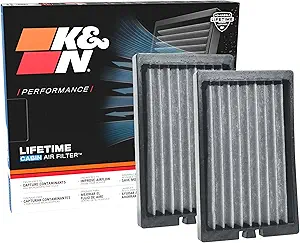 |
| Best Value The sweet spot between price and what you get | AirTechnik CF12450 Activated Carbon Cabin Air Filter |  |
| Best Budget The cheapest option that still gets the job done reliably | Femota MERV 13 Cabin Air Filter with Activated Carbon (CF12450) for Jeep Wrangler/Gladiator |  |
| Highest Rated A top-rated pick with lots of positive feedback | SPEARHEAD Breathe Easy BE-450 Activated Carbon Cabin Air Filter |  |
| Most Popular A crowd favorite that many people choose with confidence | Carory CF450 Cabin Air Filter (activated carbon) for Jeep Wrangler & Gladiator Gas/Hybrid 2018–2025 |  |
| Best Seller A high-volume bestseller chosen again and again | Forccord 2-Pack HEPA Activated Carbon Cabin Air Filter (compatible with 2018–2026 Jeep Wrangler & 2020–2026 Gladiator) |  |
1. PHILTOP CF12450 Cabin Air Filter with Activated Carbon

| Model | CF12450 |
|---|---|
| Vehicle fitment | Jeep Wrangler 2018-2026; Gladiator 2020-2025 |
| Filtration claim | Up to 99.9% for 0.1–0.3 micron particles |
| Layers | Five-layer construction |
| Washable | No |
This PHILTOP CF12450 cabin air filter is a direct replacement-style unit for compatible Jeep Wrangler and Gladiator model years and is intended to trap fine particles and control odors inside the cabin. It uses a five-layer construction including activated carbon and an electrostatic long-fiber layer to capture particles down to 0.1–0.3 microns while keeping airflow for the HVAC system. In practice that means cleaner cabin air and less strain on the heater and A/C compared with a clogged or missing filter. Installation is a routine in-cabin swap during scheduled maintenance and the brand recommends annual replacement or sooner in dusty or polluted conditions. Limitations to note are that the filter is single-use and not washable or reusable, and performance claims depend on correct fit and timely replacement. For drivers who want solid filtration and odor control without specialty materials, this offers a sensible balance of filtration efficiency and HVAC friendliness for the specified Jeep models.
Best for: A practical Jeep owner who wants effective particle and odor control without aftermarket complexity and values a filter that supports HVAC efficiency through normal driving and maintenance routines.
Less Ideal for: Not a good choice for buyers seeking a reusable or washable filter or those who need specialty high-performance filtration beyond standard activated carbon and multi-layer media.
- Five-layer construction with activated carbon for particle and odor reduction
- Electrostatic long-fiber layer increases dust-holding capacity while maintaining airflow
- Made to fit specified 2018–2026 Jeep Wrangler and Gladiator cabin filter locations
- Simple cabin-side installation for routine yearly replacement
- Not washable or reusable, so it must be replaced on schedule
Verdict: A practical, multi-layer activated-carbon cabin filter that delivers strong particle and odor reduction while keeping HVAC airflow healthy for 2018–2026 Jeep Wrangler and compatible Gladiator models.
2. K&N Lifetime Washable Cabin Air Filter VF2064

| Part Number | VF2064 |
|---|---|
| Material | Cotton |
| Included Components | Cabin Air Filter(2) |
| Warranty Description | 1,000,000 Miles/10 Year |
This K&N washable cabin air filter replaces disposable passenger-compartment filters with a cotton-based, pretreated element built to be cleaned and reused for the life of the vehicle. It installs in minutes in the factory cabin filter housing and is intended to increase airflow through the HVAC system while helping control odors thanks to a treated media. The washable design means you clean the filter with low-pressure water instead of buying replacements, which can save money over several years and reduce landfill waste. Fitment reports show a precise fit for Jeep Wrangler and Gladiator applications and users note noticeably stronger vent airflow after installation. Keep in mind reusable filters need periodic cleaning to maintain performance and particulate capture will differ from some dense disposable filters, so you may see more airflow at the cost of slightly different filtration characteristics. Also check the package contents on arrival since some buyers reported missing parts in rare cases.
Best for: Drivers who prioritize HVAC performance and long-term value and want a reusable cabin filter that improves airflow and reduces recurring parts purchases.
Less Ideal for: Drivers who prefer the highest-efficiency disposable filters for maximum particulate capture or those who do not want to perform occasional cleaning and upkeep.
- Washable and reusable design reduces long-term replacement costs
- Higher airflow compared with many disposable cabin filters, improving vent performance
- Pre-treated media helps control odors for a fresher cabin
- Easy drop-in installation that fits factory filter housing
- Requires periodic cleaning and maintenance to retain filtration performance
- Filtration density differs from some disposable filters, which may affect particle capture
Verdict: Choose this filter if you want a durable, washable cabin filter that boosts airflow and cuts replacement costs over the life of your Wrangler.
3. AirTechnik CF12450 Activated Carbon Cabin Air Filter

| Fits vehicles | Jeep Wrangler 2018-2025; Gladiator 2020-2025 |
|---|---|
| Filtration | 3 Stage: particulate, activated carbon, reinforcement |
| Replacement interval | Recommend every 12 months |
| Manufacturer part number | 12450-C |
The AirTechnik CF12450 is a direct-fit cabin air filter built for Jeep Wrangler (2018–2025) and Gladiator (2020–2025) applications that combines particulate media with an activated carbon layer. It installs in minutes using the vehicle's factory filter housing and is intended to be replaced roughly every 12 months. The three-stage construction traps road dust and larger particles while the carbon layer helps reduce odors and certain gases, so you should notice fresher cabin air after installation. Buyers report the piece fits snugly and feels factory-quality, though the firmer edges can make sliding it into tight housings slightly more difficult than a more flexible aftermarket unit. This is a straightforward, no-frills option for routine maintenance that prioritizes filtration and odor control over specialty features like washable media or extended-life designs.
Best for: Drivers who prioritize straightforward, factory-style maintenance and want reliable dust filtration plus odor control with an easy DIY replacement cycle.
Less Ideal for: People seeking reusable or extended-life cabin filters or those who need a highly collapsible/ultra-flexible filter for tight or modified housings should consider other options.
- Three-stage filtration combining particulate layer and activated carbon for dust and odor reduction
- Direct-fit design for 2018–2025 Jeep Wrangler and 2020–2025 Gladiator for easy replacement
- Factory-quality fit and materials reported by purchasers
- Includes installation instructions for quick DIY changes
- Stiffer construction can make insertion into tight housings harder than more flexible filters
Verdict: A simple, factory-fit activated carbon cabin filter that delivers effective dust and odor reduction for routine maintenance on 2018–present Jeep Wranglers.
4. Femota MERV 13 Cabin Air Filter with Activated Carbon (CF12450) for Jeep Wrangler/Gladiator

| Compatible vehicles | Jeep Wrangler (2018-2024) and Gladiator (2020-2023) gasoline/hybrid only |
|---|---|
| Filter rating | MERV 13 |
| Layers | Four-layer construction with activated carbon |
| Test method | ASHRAE52.2:2017 cited |
This Femota cabin air filter is a direct-fit replacement sized to match the factory unit for compatible Jeep Wrangler and Gladiator gasoline and hybrid models. It uses four filtration layers including MERV 13 media and an activated carbon layer to capture fine dust, pollen, and many odors, so the cabin air feels cleaner and HVAC vents stay freer of debris. Installation is straightforward since the filter comes in the same shape and has airflow-direction markings for correct orientation. Test data cited by the manufacturer shows high arrestance under ASHRAE test methods, which supports its performance claims. For budget-focused buyers it offers a strong balance of filtration efficiency and value compared with dealer parts. Limitations: it is not compatible with diesel-engine variants and like any high-efficiency filter it will need regular replacement to avoid reduced airflow if allowed to load up.
Best for: Drivers who want a cost-effective, higher-than-stock level of filtration for their Wrangler/Gladiator and prioritize clean cabin air without paying dealer prices.
Less Ideal for: People who need a filter specified for diesel-engine Wranglers or who prefer filters with specialized features not listed here such as pollen-only or washable designs.
- MERV 13 media captures fine particles for noticeably cleaner cabin air.
- Activated carbon layer reduces common odors and some gases.
- Exact-size replacement with airflow markings for easy, correct installation.
- Manufacturer cites ASHRAE-tested arrestance for measurable filtration performance.
- Widely reported by users to match factory fit and function at a lower cost than dealer filters.
- Not compatible with diesel-engine Jeep models as stated by the manufacturer.
Verdict: A budget-friendly, MERV 13 activated-carbon cabin filter that delivers factory-fit filtration and better odor control for gas and hybrid Jeep Wrangler and Gladiator owners.
5. SPEARHEAD Breathe Easy BE-450 Activated Carbon Cabin Air Filter

| Compatible Vehicles | 2018-2025 Wrangler, 2020-2025 Gladiator |
|---|---|
| Filter Type | Activated Carbon |
| Air Filter Construction | Pleated |
| Unit Count | 1 |
The SPEARHEAD Breathe Easy BE-450 is a pleated, activated-carbon cabin filter intended as a direct replacement for 2018–2025 Wrangler and 2020–2025 Gladiator installations. It combines dense electrostatic media with real coconut shell activated carbon to trap dust, pollen and road debris while adsorbing odors and fumes before they enter the cabin. Installation is straightforward and user-friendly for this vehicle group, typically requiring no tools and only a few minutes. SPEARHEAD claims up to 25% longer life versus standard filters, which aligns with the heavier media and thicker construction seen on the unit. Real-world buyer reports show improved vent smells and OEM-like airflow, though a small number of users needed to trim a slight size variance during fitment. For reliability-focused Wrangler owners this filter offers stronger filtration and odor control than basic stock replacements, but expect a slightly bulkier media that may require a careful fit check during installation.
Best for: Wrangler owners who prioritize dependable cabin air quality and odor control and want a durable, longer-lasting replacement they can install themselves.
Less Ideal for: Drivers who prefer the absolute exact factory geometry without any risk of adjustment or those who change cabin filters very frequently for cosmetic reasons.
- Activated coconut shell carbon layer reduces odors, fumes, and gases before they reach the cabin
- Dense electrostatic pleated media captures fine particulates like pollen and road dust
- Designed as a direct fit for 2018–2025 Wrangler and 2020–2025 Gladiator for easy DIY replacement
- Thicker, heavier construction intended to extend service life up to roughly 15,000 miles
- Occasional minor size variance has required light trimming for a snug cover fit on some vehicles
Verdict: A robust, longer-lasting activated-carbon cabin filter that improves odor control and particle capture for 2018–2025 Wrangler owners who want reliable, DIY-friendly replacements.
6. Carory CF450 Cabin Air Filter (activated carbon) for Jeep Wrangler & Gladiator Gas/Hybrid 2018–2025

| Compatible vehicles | Jeep Wrangler 2018–2025 (gas & 4xe hybrid), Gladiator 2020–2025 (gas) |
|---|---|
| Material type | Paper with activated carbon |
| Unit count | 1 |
| Manufacturer part number | CF450 |
| Included components | Filter |
This Carory CF450 is a straightforward aftermarket cabin air filter that replaces the factory unit for Jeep Wrangler (2018–2025 gas and 4xe hybrid) and Gladiator (2020–2025 gas). It installs in the glove-box/filter housing in minutes and uses pleated paper media with an activated carbon layer aimed at cutting odors, VOCs, and common road contaminants. In normal use it restores fresh airflow and helps keep HVAC vents from smelling stale, with multiple buyers reporting an easy, correct fit. The filter’s construction looks comparable to factory replacements and does not appear to noticeably restrict airflow. Limitations to expect are typical for paper/carbon filters: longevity depends on local driving and pollution levels and the carbon layer reduces but does not eliminate strong exhaust or industrial smells. One shoppers reported an orientation manufacturing error that was resolved with a replacement, so occasional quality-control variance is possible. For routine cabin maintenance this filter is a practical, affordable option that balances fit, odor control, and simple DIY replacement.
Best for: Jeep owners who want an affordable, easy-to-install cabin filter that improves in-cabin air freshness and odor control while matching factory fitment for the listed Wrangler and Gladiator model years.
Less Ideal for: Drivers seeking a long-life washable filter or high-efficiency HEPA-level filtration should consider specialty alternatives rather than this paper/carbon replacement.
- Designed to fit specified 2018–2025 Wrangler (gas and 4xe hybrid) and 2020–2025 Gladiator (gas) models
- Activated carbon layer to reduce odors, VOCs, and common pollutants
- Pleated paper media restores clean airflow without noticeable restriction
- Easy, tool-free installation that most owners can do in minutes
- Carbon layer helps reduce but will not completely remove strong exhaust or industrial odors
Verdict: A budget-friendly, factory-fit activated-carbon cabin filter that quickly refreshes cabin air and is easy for owners to install themselves.
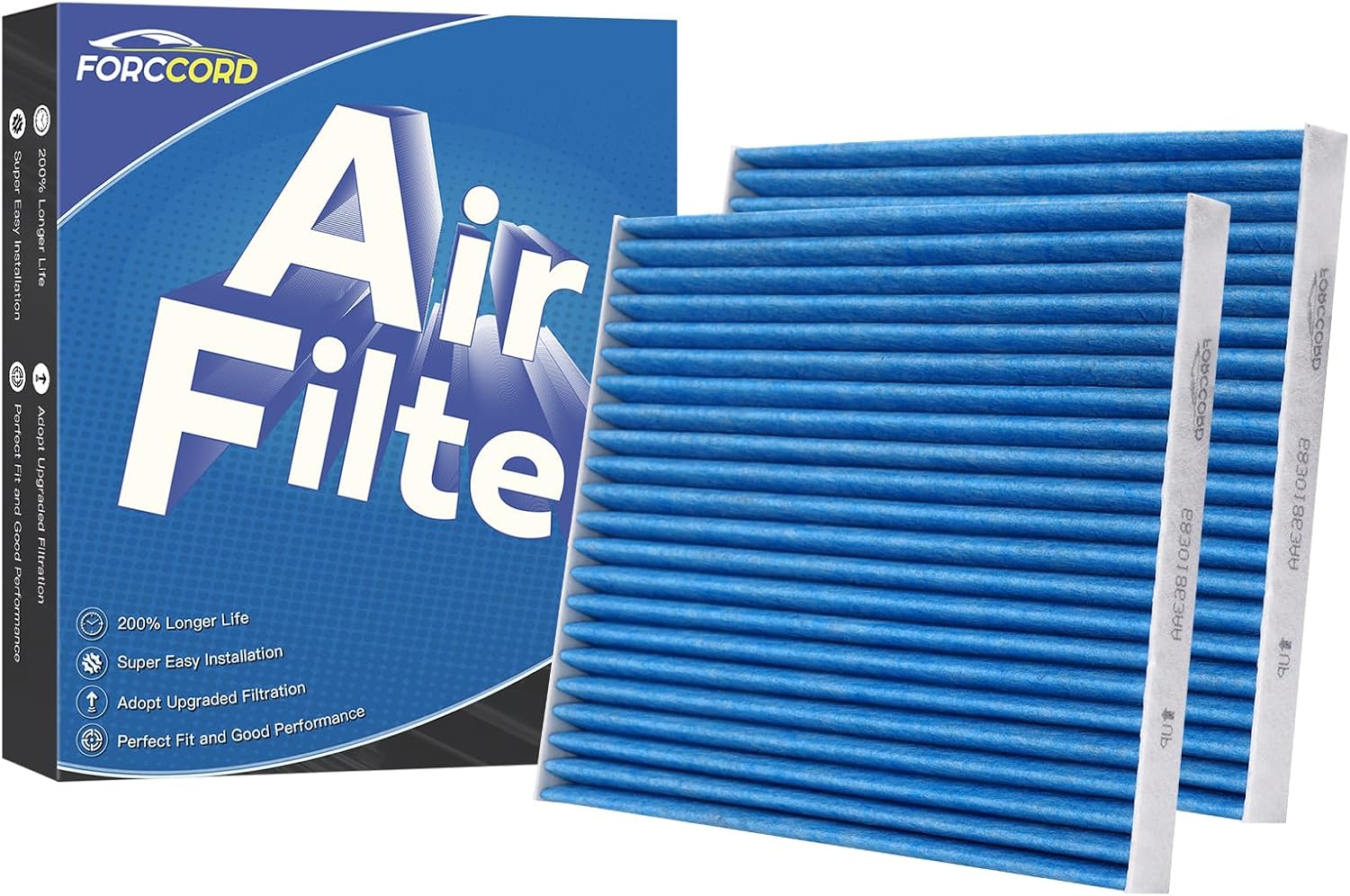
7. Forccord 2-Pack HEPA Activated Carbon Cabin Air Filter (compatible with 2018–2026 Jeep Wrangler & 2020–2026 Gladiator)
| Compatible Vehicles | Jeep Gladiator 2020-2026 V6 3.6L; Wrangler 2018-2026 L4 2.0L/V6 3.6L/V8 6.4L |
|---|---|
| Unit Count | 2 |
| Material Type | Blue silk filter cloth, melt blown cloth, HEPA filter |
| Air Filter Construction | Pleated |
| Engineered Life | Up to 20,000 miles (seller claim) |
These Forccord cabin filters replace the factory passenger compartment filter on supported Wrangler and Gladiator models. Each pack contains two pleated filters built from a multi-layer construction that combines blue silk filter cloth, melt-blown layers and activated carbon to trap dust, pollen and many odors; the listing claims HEPA-level capture and extended life up to about 20,000 miles. Installation is simple for anyone comfortable accessing the cabin filter slot and the filters are rigid enough to seat reliably in the housing. In practice buyers report improved airflow and noticeably fresher cabin air after swapping old filters. The product comes as a two-count set so you get a spare for the next service interval. Limitations include seller claims on 99.9 percent removal and exact HEPA certification that are not independently verified here, and fit can be a tight squeeze on some vehicles so patience is needed during installation. For cautious buyers this is a value-focused, higher-filtration alternative to standard replacements that leans toward fresher-smelling cabin air and longer intervals between changes.
Best for: Buyers who prioritize cleaner cabin air and low-maintenance replacements for 2018–present Wrangler/2020–present Gladiator models and want a straightforward, value-oriented upgrade to standard filters.
Less Ideal for: Drivers who require factory-certified HEPA certification or who prefer to source parts directly from the vehicle manufacturer should consider alternatives or dealer parts.
- Multi-layer construction with activated carbon for odor reduction and finer particle capture
- Sold as a two-pack so you have a spare or a second service interval covered
- Pleated, rigid design that installs snugly and restores airflow in many reported cases
- Manufacturer claims of "HEPA" and 99.9% removal are marketing statements and not independently certified in the listing
Verdict: A budget-friendly two-pack that boosts cabin filtration and odor control for 2018–present Wrangler and 2020–present Gladiator owners who want a reliable, longer-life replacement.
Choosing the Right 2018-Present Jeep Wrangler Cabin Air Filter: Key Factors to Consider
Filtration Efficiency and Particle Size
Higher filtration efficiency matters because it determines how well the filter captures pollen, dust, and fine particulates that enter the cabin during off-road or dusty-road driving. Filters rated by MERV or those that specify PM2.5 capture give a clearer expectation of particle removal performance. For Wrangler owners who are sensitive to allergens, choose a filter that balances high particle capture with sufficient airflow. Extremely dense media can restrict airflow and reduce HVAC performance, so evaluate published efficiency numbers alongside recommended replacement intervals to maintain heater and AC performance.
Fitment and Seal in the HVAC Housing
A correct physical fit and a tight seal are crucial to prevent unfiltered air from bypassing the element and entering the cabin. The 2018-present Wrangler HVAC housing has generation-specific dimensions across JL and JLU chassis details, so a filter that matches the housing profile and seat points will perform as intended. Poorly sized filters or those with thin or incomplete seals can allow dust and pollen to slip around the edges. Inspect the filter frame, gasket material, and any alignment tabs to ensure the element seats cleanly in the intake trap.
Material Type and Odor Control
Filter media ranges from standard pleated synthetic to activated carbon or layered constructions that trap odors, volatile organic compounds, and exhaust particulates. For Wrangler owners who use the vehicle for longer trips or in urban areas with noticeable odors, a carbon layer can reduce smells and improve perceived air quality. Keep in mind that adding odor-control media may slightly increase airflow resistance. Balance odor reduction needs against HVAC performance, especially if you often run the blower on low settings.
Durability and Dust-Loading Capacity
Wranglers are frequently exposed to heavy dust when off-roading, so a filter's dust-loading capacity determines how long it can perform before needing replacement. Filters with deeper pleats or higher media surface area will generally last longer under dusty conditions. Durability also includes the frame integrity and resistance to collapse when clogged. A rigid frame maintains sealing even as media loads with dust, which is important for maintaining filtration efficiency between service intervals.
Ease of Installation and Service Interval
Many owners will replace the cabin pollen filter themselves, so a filter designed for straightforward installation reduces time and the chance of incorrect fitment. Look for filters with clear orientation markings and frames that align with the Wrangler's retention features. Service interval recommendations vary by media type and driving conditions. Under light urban driving, filters may last longer; under dusty or off-road use, plan on more frequent replacement. Consider how simple it is to access and replace the filter when deciding which option to buy.
Compatibility With HVAC Performance
A filter must not only fit but also allow the HVAC system to maintain proper airflow for defogging and cabin heating or cooling. Filters that create excessive resistance can reduce fan effectiveness and slow cabin temperature changes. Assess manufacturer guidance about pressure drop or recommended blower settings after installation. For Wrangler owners who rely on rapid defrosting in wet or cold conditions, choose filters that preserve the system's airflow while still providing the filtration performance you need.
Why Cabin Filters Matter in the Wrangler
The Wrangler's tendency to drive in dusty or rural environments makes cabin filtration more than an occasional convenience. A functioning filter reduces visible dust on surfaces, limits pollen buildup that affects allergy sufferers, and helps keep HVAC components cleaner over time.
Even if you do not frequently go off-road, urban contaminants and road dust still enter the intake stream. Replacing the cabin filter at the recommended interval helps preserve blower motor health and maintain consistent airflow for comfort and safety.
- Protects interior air quality from pollen and road dust
- Reduces particulate buildup on HVAC components
- Improves comfort for allergy-prone occupants
JL and JLU Generation Fit Notes
The 2018-present Wrangler primarily covers the JL and JLU generation, but owner searches often include references to earlier chassis codes like JL and JLU. If you own a Jeep Wrangler in this range, confirm the generation code on your vehicle prior to purchasing a filter to ensure correct dimensions and retention features.
Measure the filter cavity or consult the owner manual to verify the filter size and orientation. Many replacement elements list compatible chassis codes and years; use those fitment statements to avoid ordering an incorrectly sized element.
- Confirm generation code (JL and JLU) before buying
- Check filter cavity dimensions and any alignment tabs
- Look for orientation arrows or stickers on the filter frame
When to Replace the Cabin Pollen Filter
Replacement intervals depend on driving conditions. For mostly highway and city driving, a replacement every 12,000 to 15,000 miles is a common guideline. For frequent off-road use or dusty roads, inspect and often replace the filter every 6,000 to 10,000 miles.
Also replace the filter if you notice cabin air filter symptoms such as reduced HVAC airflow, persistent musty odors, or increased dust on the dashboard. Regular inspection during routine maintenance will catch heavy loading before it harms blower performance.
- Typical urban interval: 12,000 to 15,000 miles
- Dusty/off-road interval: 6,000 to 10,000 miles
- Replace sooner if you notice airflow loss or odors
DIY Replacement Tips
Replacing the filter in a 2018-present Wrangler is usually accessible with basic tools and a short bit of time. Start by locating the cabin air filter housing, which is often behind the glove box or a dedicated access panel depending on the model year and trim.
Keep the old filter visible so you can match orientation and capture any loosened debris. Clean the housing cavity gently with a vacuum or a soft brush before seating the new filter. Ensure the frame gasket seats fully and the filter is aligned with any retention tabs to avoid air bypass.
- Locate the housing and remove access panel or glove box
- Note filter orientation and discard trapped debris carefully
- Vacuum housing, install new filter, and verify sealed fit
Activated Carbon and Odor Control Considerations
Activated carbon layers reduce odors from road and exhaust gases, which can be particularly noticeable in closed-cabin city driving. If odor control is a priority, select a filter with a dedicated carbon layer or an additional odor-control media.
Bear in mind that carbon layers can slightly increase pressure drop. If you frequently use low blower speeds for quiet operation, pick a carbon-equipped filter that balances odor adsorption with acceptable airflow for the Wrangler's HVAC system.
- Carbon media reduces odors and some gaseous contaminants
- May increase airflow resistance slightly
- Choose carbon options that specify pressure-drop or airflow characteristics
Sizing, Orientation, and Labels
Verify cabin air filter size and the correct orientation before purchasing. Most filters have arrows indicating airflow direction and labels that help with installation. For the Wrangler, a mismatched size or reversed orientation can allow debris into the HVAC or reduce filtration effectiveness.
If a filter lists multiple chassis codes, cross-check those codes against your Jeep Wrangler year and model to ensure true compatibility rather than a generic fit claim.
- Check size markings and airflow arrows on the filter
- Match listed chassis codes to your vehicle's generation
- Avoid filters that require modification to fit
Maintaining HVAC Performance After Replacement
After installing a new filter, run the blower at various speeds to confirm airflow feels consistent and that defogging performance returns to expected levels. Reduced airflow after installation can indicate a misfit or an overly restrictive media choice.
If the cabin still smells or the blower struggles, recheck the seating and seals. Regular filter changes are one of the easiest ways to keep the Wrangler's HVAC system performing reliably and to protect components from accelerated wear.
- Test blower speeds and defogging after install
- Recheck seals if airflow seems reduced
- Regular changes prolong blower motor life and HVAC efficiency
Still looking for the perfect fit?
Select your Jeep Wrangler configuration to see the most relevant Cabin Air Filters recommendations
How We Chose the Best 2018-Present Jeep Wrangler Cabin Air Filter
We prioritized criteria that matter most to Jeep Wrangler owners who want reliable interior air quality and straightforward maintenance. Primary evaluation factors included filtration efficiency for pollen and fine particulate matter, measured by MERV ratings or equivalent test data where available; physical fit and sealing in the Wrangler HVAC housing to avoid bypassed air; and installation accessibility to ensure owners can complete a cabin air filter replacement without specialized tools. We also weighed media durability and dust-loading capacity to reflect off-road and dusty-drive conditions common to Wrangler use, plus the filter material type such as pleated synthetic, activated carbon, or dual-layer combinations that offer odor control. Longevity and maintenance intervals were considered so filters that require less frequent service scored higher for typical Jeep duty cycles. Excluded items included filters specified only for other vehicle models or generation-incompatible housings. We did not factor brand recognition alone; instead, fitment data, stated filtration performance, construction quality, and ease-of-install verification were the decisive dimensions.
Our full evaluation process is outlined in our review methodology.
FAQ
How often should I replace the cabin air filter in my 2018-present Jeep Wrangler?
It depends on driving conditions. For mostly city and highway driving, every 12,000 to 15,000 miles is common. For frequent off-road or dusty use, inspect and replace every 6,000 to 10,000 miles.
What are common cabin air filter symptoms I should watch for?
Common signs include noticeably reduced HVAC airflow, a persistent musty or vehicle-exhaust smell inside the cabin, and increased dust settling on interior surfaces. Any of these indicate the filter may be clogged or compromised.
Where is the cabin air filter located on a 2018-present Wrangler?
Location varies by trim and generation detail but the filter is typically accessed behind the glove box or a small access panel near the passenger footwell. Consult the owner manual or inspect the lower dash access points to find the housing.
Can I replace the cabin pollen filter myself?
Yes. Many Wrangler owners replace the filter with basic hand tools. The task generally involves removing an access panel or glove box, noting filter orientation, cleaning the cavity, and installing the new element with the correct airflow direction.
Does an activated carbon filter affect HVAC airflow?
Activated carbon adds odor-control media which can slightly increase airflow resistance compared with standard pleated filters. In most cases the difference is minor, but if you frequently use low blower speeds, choose a carbon option that specifies low pressure drop.
How do I verify the correct cabin air filter size for my Wrangler?
Confirm the generation code and year for your vehicle, then measure the filter cavity or consult the owner manual. Cross-reference those dimensions with the filter's listed size and any chassis code compatibility statements to ensure a proper fit.
Final Verdict
For 2018-present Jeep Wrangler owners, prioritize filters that combine effective particulate capture with reliable fit and low airflow restriction. Balance filtration efficiency and odor control against the Wrangler's need for consistent blower performance, especially if you use the vehicle off-road or in dusty conditions. Regular inspection and timely replacement will preserve cabin air quality and HVAC function. Choose an option that matches your generation code and offers a secure seal, and you will maintain cleaner air and reliable system performance without unnecessary tradeoffs.
Explore More:
- Check out all Jeep Wrangler parts & accessories
- Explore Cabin Air Filters Maintenance & Repair Guides
- Explore HVAC
- Browse all Auto Parts
