

Note: This article contains affiliate links. If you click on these links and make a purchase, I may earn a small commission at no extra cost to you. This helps support my research and content. Read my full affiliate disclosure here.
If you own an Acura RDX, choosing the right brake pads affects safety, pedal feel, and how often you need service. The wrong pads can increase rotor wear, produce excessive noise, or alter stopping distances in everyday driving.This guide shortlists seven top options for Acura RDX brake pads based on braking performance, durability, and noise control. Below we explain the criteria used to pick these pads and what to look for when deciding which option fits your driving style and maintenance goals.
Looking for other parts? See all Acura RDX parts & accessories.
Top Picks at a Glance
| Best Overall The best all-around choice for most situations | Bendix Premium SBC1521 Ceramic Rear Brake Pads |  |
| Best Quality Built to a higher standard if you want something more solid | Detroit Axle Rear Brake Kit — Drilled & Slotted Rotors with Ceramic Pads |  |
| Best Value The sweet spot between price and what you get | PowerStop Z17 Rear Ceramic Brake Pads with Hardware (17-1086) |  |
| Best Budget The cheapest option that still gets the job done reliably | Bosch Blue BE1086H Ceramic Rear Disc Brake Pad Set |  |
| Highest Rated A top-rated pick with lots of positive feedback | BOSCH QuietCast Premium Ceramic Rear Brake Pad Set (BC536) |  |
| Most Popular A crowd favorite that many people choose with confidence | Bendix Premium Ceramic Rear Brake Pads (SBC1878) |  |
| Best Seller A high-volume bestseller chosen again and again | Bosch QuietCast BC1086 Premium Ceramic Rear Brake Pad Set |  |
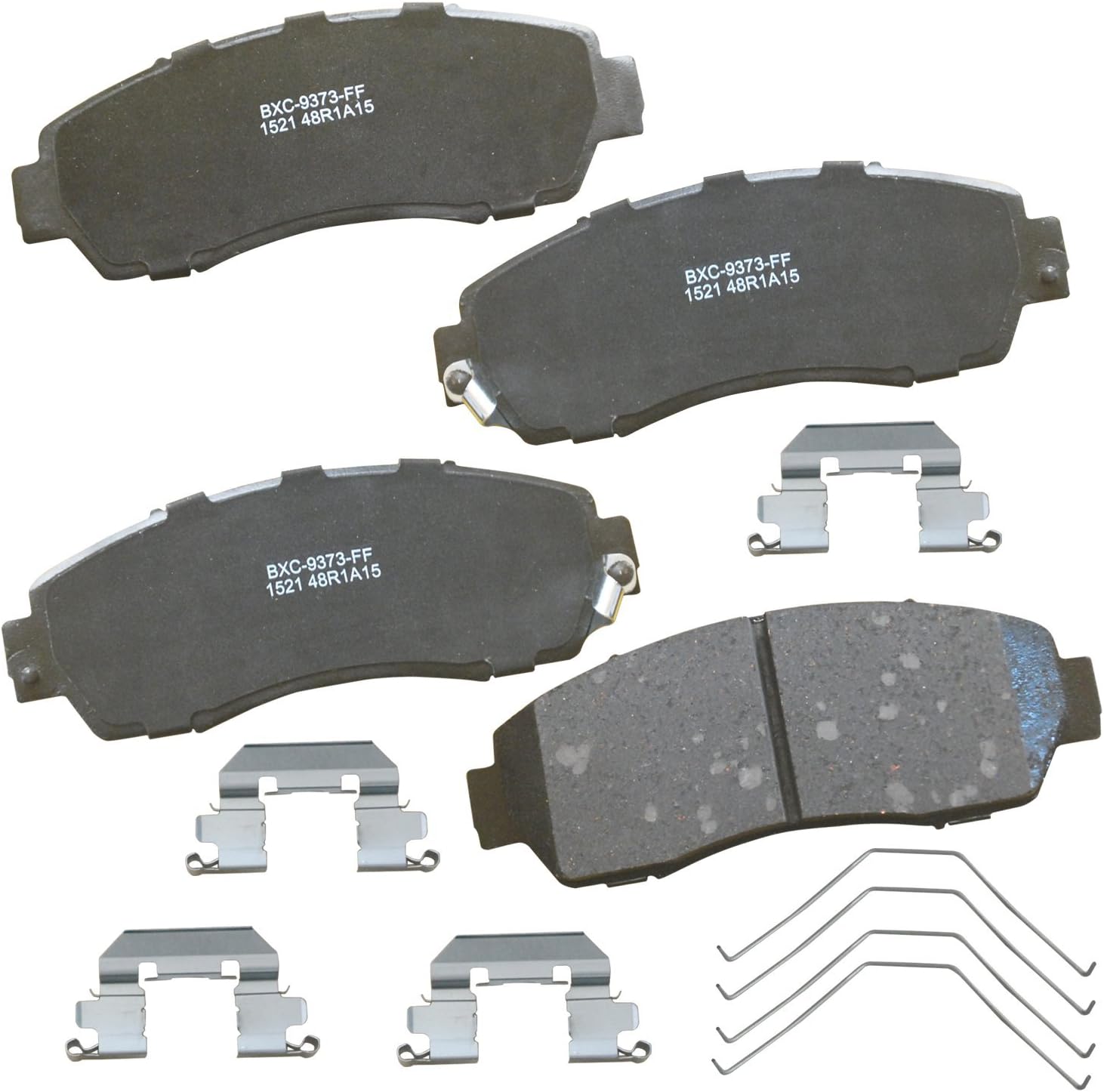
Bendix Premium SBC1521 Ceramic Rear Brake Pads
| Material | Ceramic |
|---|---|
| Auto Part Position | Rear |
| Specification Met | OEM |
| Automotive Fit Type | Vehicle Specific Fit |
These Bendix Premium ceramic rear brake pads are designed to replace the factory pads on compatible Acura RDX models and deliver quieter, smoother daily braking. They install like a direct replacement and include shims and painted backing plates to help reduce vibration and squeal. In use they provide confident, progressive bite for commuting and family driving with reduced dust compared with semi-metallic alternatives. Bendix advertises durable, corrosion-resistant construction and industry testing that supports consistent stopping performance and reduced brake fade under normal driving. One limitation is these are focused on comfort and low noise rather than track-level heat tolerance, so drivers who push heavy loads or aggressive driving may notice earlier fade compared with high-performance compounds. Also the listing does not include brake grease, so plan to supply lubricant for hardware during installation. For a balanced buyer seeking a quiet, OEM-style replacement for an Acura RDX, these pads deliver reliable everyday performance and tidy operation.
Best for: A balanced all-round buyer who wants a quiet, low-dust, factory-quality replacement for routine daily driving on an Acura RDX and values dependable, maintenance‑friendly parts.
Less Ideal for: Drivers who regularly tow heavy loads, do aggressive or track driving, or need a high-temperature performance compound should consider a performance-oriented pad instead.
- Vehicle-specific fit for seamless rear-pad replacement on compatible Acura RDX models
- Ceramic compound reduces dust and tends to run quieter than semi-metallic pads
- Painted backing plates and included shims help minimize vibration and noise
- Engineered to match factory fit, form, and function for straightforward installation
- Not formulated for track or heavy towing use where high-temperature fade resistance is critical
- Brake grease is not included with the pads, so lubricant must be provided separately
Verdict: A quiet, low-dust, factory-style ceramic rear replacement for Acura RDX owners who want reliable everyday braking rather than track-level performance.
Detroit Axle Rear Brake Kit — Drilled & Slotted Rotors with Ceramic Pads

| Fitment | Acura RDX 2010–2012 (FWD) rear |
|---|---|
| Rotors | Drilled and slotted |
| Pads | Ceramic brake pads |
| Kit contents | 2 rotors, 2 pads, brake cleaner, brake fluid |
This Detroit Axle rear brake kit supplies two drilled-and-slotted rotors, two ceramic rear pads, a 10 oz brake cleaner, and a 12 oz brake fluid bottle intended for 2010–2012 Acura RDX (FWD). The rotors are machined with cross-drilled holes and slots to help dissipate heat and clear gases under heavy braking, which benefits repeated spirited stops or towing-like loads. Ceramic pads are quieter and produce less dust than metallic compounds, so the kit is a practical upgrade if you want cleaner wheels and reduced noise during daily driving and spirited runs. The package aims to be a drop-in replacement with parts built to meet or exceed factory fitment and the included fluids and cleaner simplify a DIY job. Important limitations are that drilled rotors can be slightly more prone to cracking under extreme track use than solid blanks, and ceramic pads trade some initial bite and fade resistance compared with high-performance metallic racing pads. For performance-minded drivers who still want everyday civility, this kit balances cooling, noise control, and ease of installation.
Best for: A performance-oriented buyer who wants improved cooling and quieter, low-dust braking on a 2010–2012 Acura RDX while keeping the car daily-driveable and easy to service.
Less Ideal for: Drivers who plan frequent aggressive track sessions or need maximum fade resistance should consider heavy-duty or track-focused metallic brake options instead.
- Complete kit includes rotors, ceramic pads, brake cleaner and brake fluid for a single rear axle service
- Drilled and slotted rotor design aids heat dissipation and helps maintain braking performance during repeated stops
- Ceramic pads run quietly and generate less brake dust than typical metallic pads
- Parts are manufactured to match factory fitment for straightforward installation
- Drilled rotors can be less durable than solid designs under extreme track or high-heat abuse
- Ceramic pads may offer less initial bite and fade resistance than high-performance metallic compounds
Verdict: A balanced performance upgrade for 2010–2012 Acura RDX owners seeking better cooling, quieter operation, and lower dust without sacrificing everyday drivability.
PowerStop Z17 Rear Ceramic Brake Pads with Hardware (17-1086)

| Material | Ceramic |
|---|---|
| Auto Part Position | Rear |
| Specification Met | OEM |
| Automotive Fit Type | Vehicle Specific Fit |
The PowerStop Z17 rear ceramic brake pad set is a bolt-on replacement aimed at daily drivers who want quiet, low-dust braking without stepping up to aggressive sport compounds. For the Acura RDX, these pads provide consistent, confident stopping in commuting and light highway use. The Z17 ceramic formula is chamfered and slotted and comes pre-scored for faster break-in, while included stainless-steel installation hardware and brake lube simplify installation. In practice you can expect noticeably less wheel dust and reduced brake squeal compared with many entry-level pads, and reviewers report near-factory feel and reliable performance over typical mileages. Limitations: ceramic compounds favor comfort over track-level bite, so they will not match high-temperature fade resistance of performance pads, and longevity depends on driving style. Also this set covers the rear only, so front pad replacement or matched rotor condition should be considered when servicing the braking system.
Best for: Buyers who prioritize practical, cost-conscious upgrades and want quieter, cleaner braking for everyday driving in their Acura RDX.
Less Ideal for: Drivers who need aggressive track-capable braking or who want a one-stop kit covering both front and rear service should consider other options.
- Vehicle-specific fit for Acura RDX rear application simplifies installation
- Low-dust ceramic formula helps keep wheels cleaner
- Includes stainless-steel hardware and brake lube for a full rear pad replacement
- Chamfered, slotted and thermally scorched surface for faster break-in and quiet operation
- Formulated for daily driving so not suited for high-heat track use
- Rear pad set only; fronts must be purchased separately if needed
Verdict: A practical, quiet rear ceramic pad set that upgrades factory-style braking on the Acura RDX while keeping dust and noise to a minimum.
Bosch Blue BE1086H Ceramic Rear Disc Brake Pad Set

| Brand | Bosch |
|---|---|
| Material | Ceramic |
| Auto Part Position | Rear |
| Specification Met | OEM |
These Bosch Blue ceramic rear brake pads deliver quiet, predictable stopping for everyday driving on compatible Acura RDX models. They use platform-specific ceramic friction that resists fade and produces less dust than many semi-metallic pads, while OE-style slots, chamfers, and multi-layer shims help reduce noise and vibration. The pads arrive ready to install with a hardware kit and synthetic lubricant to ease sliding contact points, plus a rust-inhibitive coating on the backing plates to slow corrosion. Installation is straightforward for a DIYer with basic tools and the precision manufacturing helps ensure a proper fit when matched to the correct model year. Limitations include strict vehicle-specific fitment—several reviews note fitment and missing hardware issues—so verify the exact RDX year and brake configuration before buying and double-check the package contents on arrival.
Best for: Budget-conscious owners who prioritize a quiet, low-dust, OEM-like replacement for routine driving on an Acura RDX and prefer an affordable, ready-to-install option.
Less Ideal for: Drivers who need aggressive track-capable pads, extreme fade resistance, or who cannot confirm exact RDX fitment should consider higher-performance or model-specific alternatives.
- Ceramic friction formulated for everyday stopping with reduced brake dust
- OE-style slots, chamfers, and multi-layer shims for quieter, smoother engagement
- Rust-inhibitive coating on backing plates to limit corrosion over time
- Supplied with lubricant and hardware for one axle to simplify installation
- Fitment is vehicle-specific and some buyers reported receiving incorrect or missing hardware
- Not intended for heavy track or performance use where high-temperature fade resistance is critical
Verdict: A cost-conscious, quiet ceramic rear pad that matches factory-style features for everyday Acura RDX driving but check exact fitment and package contents before installation.
BOSCH QuietCast Premium Ceramic Rear Brake Pad Set (BC536)

| Brand | Bosch |
|---|---|
| Material | Ceramic |
| Auto Part Position | Rear |
| Specification Met | OEM |
| Manufacturer | Bosch Automotive |
These Bosch QuietCast rear pads deliver the quiet, consistent stopping performance you expect when replacing worn rear pads on an Acura RDX. Designed as a vehicle-specific fit, the set includes pads for one axle plus lubricant and where applicable a hardware kit so installation on an RDX is straightforward for a DIYer or technician. The ceramic friction material and Bosch Molded Shim Technology reduce noise and dust compared with many semi-metallic options, while powder-coated backing plates resist rust for longer service life in wet climates. Bosch also uses slots and chamfers to improve initial bedding and reduce vibration. Limitations are typical of ceramic pads: they prioritize quiet operation and low dust over maximum fade resistance under repeated hard stops, so drivers who frequently tow or perform spirited driving may see higher temperatures affect aggressive stopping. Fitment depends on specific RDX model years and trim, so confirm exact compatibility before purchase.
Best for: Reliability-minded owners wanting a factory-quality, quiet rear brake pad replacement for routine street driving on an Acura RDX, prioritizing low dust and long service life.
Less Ideal for: Drivers who frequently tow heavy loads, carry heavy cargo, or do repeated aggressive driving on an Acura RDX should consider a higher-temperature performance pad instead.
- Vehicle-specific fit designed to match factory fit and function for compatible RDX rear calipers
- QuietCast ceramic compound offers low noise and reduced brake dust compared with many alternatives
- Powder-coated backing plates and pre-attached multilayer shims improve corrosion resistance and long-term durability
- Includes pads for one axle plus synthetic lubricant and hardware where applicable for easier installation
- Ceramic formulation is less resistant to high-temperature fade than some performance or heavy-duty pads
- Compatibility varies by RDX model year and trim so incorrect selection can lead to fitment issues
Verdict: A reliable, quiet ceramic rear pad set that matches factory fit and favors low dust and long life for everyday Acura RDX driving.
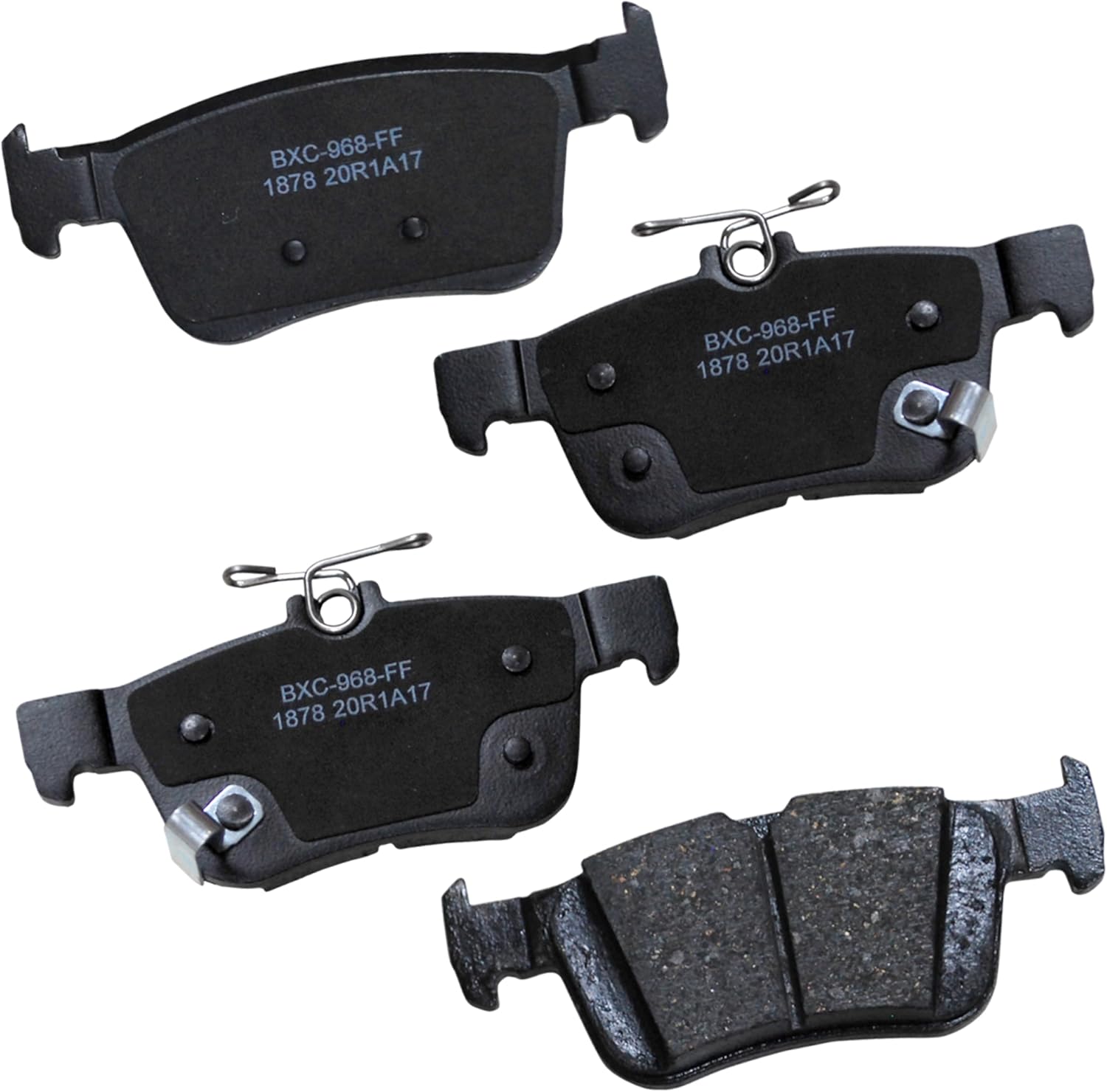
Bendix Premium Ceramic Rear Brake Pads (SBC1878)
| Material | Ceramic |
|---|---|
| Auto Part Position | Rear |
| Specification Met | OEM |
| Vehicle Application | Acura RDX 2019-2020 |
These Bendix Premium ceramic rear brake pads are a direct-fit replacement engineered to match factory braking feel for the Acura RDX (2019–2020). They install like stock parts and are intended for routine street use rather than track duty. The ceramic formulation reduces dust and noise compared with many semi‑metallic pads, and the machined exterior plus included hardware helps simplify installation. In everyday driving you can expect consistent stopping power and less brake dust on wheels, which is useful for owners who prefer low-maintenance upkeep. They are described as meeting OEM specifications and have broad aftermarket fit coverage, so they are a convenient swap when the rear pads wear out. Limitations: ceramic pads typically generate less initial bite under heavy load and can wear faster under repeated high-heat braking, so they are not the best choice for towing or aggressive driving. Also this listing is for rear pads only, so front pads or rotors are a separate purchase.
Best for: Convenience-driven buyers who want a quiet, low-dust, factory-style rear pad replacement that is easy to install and maintain for daily driving.
Less Ideal for: Drivers who frequently tow, carry heavy loads, or do spirited/high‑heat driving should choose a performance or semi‑metallic pad designed for sustained high temperatures.
- Factory-replacement fit for compatible vehicles simplifies installation
- Ceramic compound minimizes brake dust and reduces in-service noise
- Includes machined surface and hardware to aid a straightforward swap
- Engineered to meet OEM fit, form, and function for everyday driving
- Not optimized for repeated high-temperature or heavy-duty braking
- Only rear pads included; fronts and rotors sold separately
Verdict: A convenient, low-dust rear brake pad replacement that matches factory fit and is well suited to daily driving on the Acura RDX but not for heavy-duty or high‑heat use.
Bosch QuietCast BC1086 Premium Ceramic Rear Brake Pad Set

| Material | Ceramic |
|---|---|
| Auto Part Position | Rear |
| Specification Met | OEM |
| Manufacturer | Bosch Automotive |
The Bosch QuietCast BC1086 is a rear ceramic brake pad set built to replace factory rear pads on compatible Acura RDX models. It is typically used as a direct-fit replacement during routine brake service and includes pre-attached multilayer rubber-core shims, chamfers, and slots to reduce noise and help with bedding-in. The ceramic friction material aims to deliver stable stopping power with low dust and quiet operation, while powder-coated backing plates resist corrosion for longer life. Bosch supplies hardware and lubricant where applicable to simplify installation for DIYers or technicians. Limitations to keep in mind are fitment variability by trim and year, so verify RDX compatibility before buying, and some kits may be missing a specific shim for rare caliper setups which could require reusing the original shim. For drivers who prioritize a quiet, low-dust pad that matches factory braking behavior, this is a practical rear replacement for the Acura RDX.
Best for: Risk-averse mainstream buyers who want a factory-quality, quiet rear pad replacement for their Acura RDX and value proven brand reputation and predictable braking behavior.
Less Ideal for: Drivers seeking high-performance or heavy-duty braking upgrades for aggressive driving should consider performance-oriented pads instead of this comfort-focused ceramic set.
- Vehicle-specific fit for compatible Acura RDX rear brakes makes installation straightforward
- Ceramic friction formulation provides quiet stops with reduced brake dust
- Pre-attached multilayer rubber-core shims and chamfers reduce noise and improve fit
- Powder-coated backing plates resist corrosion to extend pad life
- Includes hardware and synthetic lubricant where available to simplify installation
- Fit can vary by trim or year so correct application check is required
- Some kits have reported a missing large retainer shim for certain caliper designs
Verdict: A conservative, factory-quality rear replacement for Acura RDX owners who want quiet, low-dust braking with reliable fit and OEM-style performance.
Choosing the Right Acura RDX Brake Pads: Key Factors to Consider
Material Composition
Brake pad material directly shapes stopping feel, wear rate, and noise. Organic pads often deliver quiet operation but may wear faster and handle heat less effectively. Semi-metallic formulations typically offer stronger initial bite and better heat management but can be louder and accelerate rotor wear.
Ceramic-style pads usually aim to combine low noise with stable friction and modest rotor wear, making them a common choice for daily-driven vehicles. Consider which tradeoffs matter most: quieter operation and gentler rotor wear, or higher friction and greater heat tolerance for more demanding driving.
Fitment And Backing Plate Quality
Correct fitment ensures even contact and consistent braking force. Poorly fitting pads can rock or shift, causing uneven wear, noise, or reduced braking efficiency. A robust backing plate resists warping and helps maintain pad alignment under load.
When assessing options, look for pads designed to match the Acura RDX caliper geometry and mounting features. Well-manufactured backing plates and secure attachment methods reduce the risk of movement and extend pad life.
Stopping Power And Initial Bite
Stopping power determines how quickly the vehicle slows under a given pedal input. Initial bite affects the feel at the moment the brakes engage and can range from very firm to more progressive and modulated.
Drivers who prioritize confident, short stops should seek pads with a strong, consistent friction coefficient across typical operating temperatures. If you prefer a smoother, more predictable modulation for everyday commuting, pads with a gentler initial bite may be preferable.
Wear Rate And Longevity
How quickly pads wear affects maintenance intervals and long-term cost of ownership. Higher-friction compounds can deliver excellent stopping power but often shorten pad life, while lower-abrasion materials extend service intervals but may sacrifice some performance.
Consider your annual mileage and driving style when weighing longevity against performance. Pads that balance reasonable wear with consistent friction tend to offer the best overall ownership experience for typical Acura RDX use.
Noise, Vibration, And Harshness (NVH)
Noise and vibration are common concerns with replacement pads. Some compounds generate squeal or groan during light braking, while others remain quiet but may transfer more vibration to the pedal or steering.
Look for features that reduce NVH, such as chamfered edges, shims, and consistent friction formulas. If quiet operation is a priority, give more weight to pads engineered for low noise and that include anti-squeal hardware.
Heat Tolerance And Fade Resistance
Pads must maintain friction as temperatures rise during repeated or heavy braking. Insufficient heat tolerance can lead to brake fade, where stopping power diminishes after sustained use. This matters for long descents, spirited driving, or frequent stop-and-go traffic.
Choose pads with proven fade resistance if you expect higher thermal loads. Even for everyday driving, better heat management helps preserve consistent pedal feel and reduces accelerated wear under demanding conditions.
Why Choosing the Right Acura RDX Brake Pads Matters
Your Acura RDX relies on the brake pads to deliver predictable stopping and safe daily driving. Picking pads that fit the RDX braking system and match your driving habits reduces unexpected wear, prevents rotor damage, and keeps ABS and vehicle stability systems functioning as designed. This article focuses on Acura RDX brake pads compatibility, practical maintenance, and installation considerations so you can make a confident replacement or upgrade decision.
- Correct fitment preserves pedal feel and braking balance.
- Properly installed pads reduce the chance of noise, vibration, and premature rotor wear.
- Maintenance and timely replacement keep safety systems working optimally.
Front Vs Rear Brake Pads on the RDX: Differences and Service Notes
On the Acura RDX the front and rear pads serve different roles. The front pads typically absorb a larger share of braking force, so they commonly wear faster than the rear pads. That makes it normal for front pads to require replacement sooner, but both axles should be inspected whenever you service the brakes.
When replacing pads, match the replacement parts to the correct axle and note any left/right orientation called out by the manufacturer. If only one axle is being serviced, consider whether the opposite axle needs inspection for uneven wear, seized calipers, or fluid issues that can change braking balance.
- Inspect front pads more frequently if you do city driving or towing.
- If rear pads still have ample life, replacing only the worn axle is acceptable, but check rotors and caliper operation on both sides.
- Keep track of axle-specific symptoms such as pulling to one side or longer stopping distances under load.
How Often to Replace Brake Pads on an Acura RDX and Measuring Pad Thickness
Replacement intervals for Acura RDX brake pads depend on driving style, conditions, and whether you use performance or long-life compounds. As a general guideline, inspect pads every 10,000 miles and plan replacement when friction material has worn close to the service limit.
A common practical replacement threshold is when the remaining friction material measures about 3 millimeters or less. Use a caliper or the inspection slot visible through the wheel to estimate remaining thickness. Also watch for indicators such as built-in wear sensors or audible wear indicators on some pad designs.
- Inspect pads at every tire rotation or at least every oil change interval.
- Replace pads sooner if you notice reduced braking confidence, longer stopping distances, or continuous noise.
- Document replacement dates and mileage to track wear trends across seasons and driving conditions.
Recognizing Brake Pad Wear Symptoms and Common Noises on the RDX
Brake pad wear can present as reduced pedal responsiveness, a longer stopping distance, or a change in pedal feel. For the Acura RDX, also be alert for vibration or pulsation through the brake pedal which can indicate uneven pad wear or rotor issues rather than pad thickness alone.
Grinding or persistent squeal often points to excessive wear or a missing/shredded friction layer. While light squeal can be a normal NVH characteristic on some pad materials, a harsh metallic grinding noise usually means the pads are at or beyond service limit and need immediate attention.
- Squeal during light braking: may be wear indicator or pad bedding issue.
- Grinding metal-on-metal: stop driving and inspect pads and rotors promptly.
- Vibration or pulsing: check for uneven pad transfer, glazed pads, or rotor runout.
Fitment and Installation Tips for Acura RDX Brake Pads, Including Aftermarket Considerations
Whether you choose factory-equivalent or aftermarket brake pads, correct fitment for the Acura RDX is essential. Verify part numbers against your RDX model year and any specific trim or brake package to ensure the backing plate shape, sensor provision, and shims match the caliper.
Aftermarket brake pads can offer different compromises in longevity, noise, and dust. If you go aftermarket, pick parts that explicitly list Acura RDX fitment, and follow the included installation notes for retaining clips, anti-rattle hardware, and any required torque values. This will reduce fitment surprises and help prevent noise or premature wear.
- Use new hardware where recommended: clips, pins, and shims improve alignment and reduce noise.
- Replace or service caliper slides and lubricate contact points with brake-approved grease.
- Confirm wear sensor orientation or wiring if your RDX is equipped with an electronic pad-wear indicator.
Bedding, Rotors, and Post-install Checks for a Trouble-free Braking Experience
Proper bedding breaks in pad and rotor surfaces to establish an even transfer layer and consistent pedal feel. Follow the pad manufacturer's recommended bedding procedure after installing new Acura RDX brake pads. A typical process uses a series of progressively harder stops from moderate speed with cooling intervals between sequences.
Check rotors for surface condition and runout when you change pads. Lightly scored rotors can often be resurfaced within service limits, but deeply grooved or warped rotors should be replaced. After installation, road-test the vehicle at low speed to confirm there are no pulling tendencies, unusual noises, or ABS warnings, then perform a controlled braking check before returning to normal driving.
- Perform a short, careful road test focusing on pedal feel and any unusual sounds.
- If replacing only pads, inspect rotor thickness and runout against Acura RDX service specs.
- Allow a bedding-in period of 50 to 200 miles for stable braking characteristics, following the pad maker's specific procedure when available.
How We Chose the Best Acura RDX Brake Pads
Our selection focused on real-world braking performance and longevity for the Acura RDX. We evaluated stopping power under typical city and highway conditions, measured or compiled wear rates and expected service life, assessed noise and vibration tendencies, and reviewed material construction such as organic, semi-metallic, and ceramic formulations.We also considered pad fitment accuracy and backing-plate quality to reduce installation issues and premature wear, and examined heat tolerance for moderate to spirited driving. We excluded options that lacked documented compatibility with Acura RDX specifications or that had consistently poor feedback on fit or durability. The final list favors pads that balance reliable stopping, predictable wear, and acceptable noise levels for most drivers.
Our full evaluation process is outlined in our review methodology.
FAQ
How often should I replace Acura RDX brake pads?
Replacement intervals depend on driving style, mileage, and pad material. Many drivers see replacement between 30,000 and 70,000 miles, but aggressive driving or heavy urban use can shorten that span. Inspect pads visually and monitor thickness or noise signs to decide when to service them.
What are common brake pad wear symptoms to watch for?
Typical signs include reduced pad thickness, squealing or grinding noises, a softer or spongy pedal feel, and longer stopping distances. Visual inspection and listening for unusual sounds during light braking help detect wear before it affects safety.
Should I choose different pads for the front vs rear brake pads on an Acura RDX?
Front and rear systems have different roles and often use different pad shapes and friction needs. The front pads typically handle more braking force, so match pad types to their intended axle and follow manufacturer fitment guidance. Use axle-specific pads rather than swapping front for rear.
Are ceramic brake pads a good choice for everyday driving?
Ceramic-style pads often offer quiet operation and stable friction, which suits daily commuting and highway use. They tend to produce less dust and can be kinder to rotors. However, if you need very high thermal capacity for hard driving, a different compound may perform better.
Why do new brake pads sometimes make noise grinding?
New pads can produce noise if installation hardware is missing, shims are not used, or the mating surfaces are contaminated. Bedding-in procedures and ensuring correct fitment and anti-squeal components usually eliminate initial noises. Persistent grinding often indicates excessive wear or contact with the rotor and should be inspected promptly.
Final Verdict
Picking brake pads for an Acura RDX means balancing stopping performance, pad life, noise control, and heat tolerance. Prioritize the factors that align with your driving habits: quieter, longer-lasting pads for commuting and low-noise preference, or higher-friction compounds if you need stronger initial bite and higher thermal capacity.Check fitment accuracy and backing plate quality to avoid installation issues, and monitor pad thickness and NVH indicators over time. Consistent inspection and choosing pads that match your driving demands will deliver the safest and most predictable braking behavior.
Explore More:
- Check out all Acura RDX parts & accessories
- Explore Brake Pads Maintenance & Repair Guides
- Explore Brake System
- Browse all Auto Parts
