

Note: This article contains affiliate links. If you click on these links and make a purchase, I may earn a small commission at no extra cost to you. This helps support my research and content. Read my full affiliate disclosure here.
If you drive a 2006-2014 Honda Ridgeline, replacing worn brake pads is one of the most effective ways to restore braking performance and reduce noise. The right replacement pads affect pedal feel, stopping distance, rotor wear, and whether you hear squeal or grinding under everyday driving. This guide covers seven top-rated brake pads that fit the 2006-2014 Ridgeline and explains the criteria we used to evaluate them, including stopping performance, durability, and noise control.Use the shortlist below to compare construction type, expected life, and compatibility with your Ridgeline's front or rear axles, then read the buying guidance to decide which tradeoffs match your driving needs.
Looking for other parts? See all Honda Ridgeline parts & accessories.
Top Picks at a Glance
| Best Overall The best all-around choice for most situations | Bosch Blue BE1103 Ceramic Rear Disc Brake Pad Set |  |
| Best Quality Built to a higher standard if you want something more solid | BOSCH QuietCast Premium Ceramic Rear Disc Brake Pad Set (BC1103) |  |
| Best Value The sweet spot between price and what you get | SIPAUTEC Front and Rear Carbon-Fiber Ceramic Brake Pads Set (8-piece) |  |
| Best Budget The cheapest option that still gets the job done reliably | Wagner QS ZD1103 Rear Ceramic Disc Brake Pad Set |  |
| Highest Rated A top-rated pick with lots of positive feedback | Bendix Priority1 CFC1584 Ceramic Front Brake Pads (vehicle-specific) |  |
| Most Popular A crowd favorite that many people choose with confidence | Detroit Axle Ceramic Front and Rear Brake Pads with Hardware (Vehicle-Specific Fit) |  |
| Best Seller A high-volume bestseller chosen again and again | Bendix Premium SBC1584 Ceramic Front Brake Pads |  |
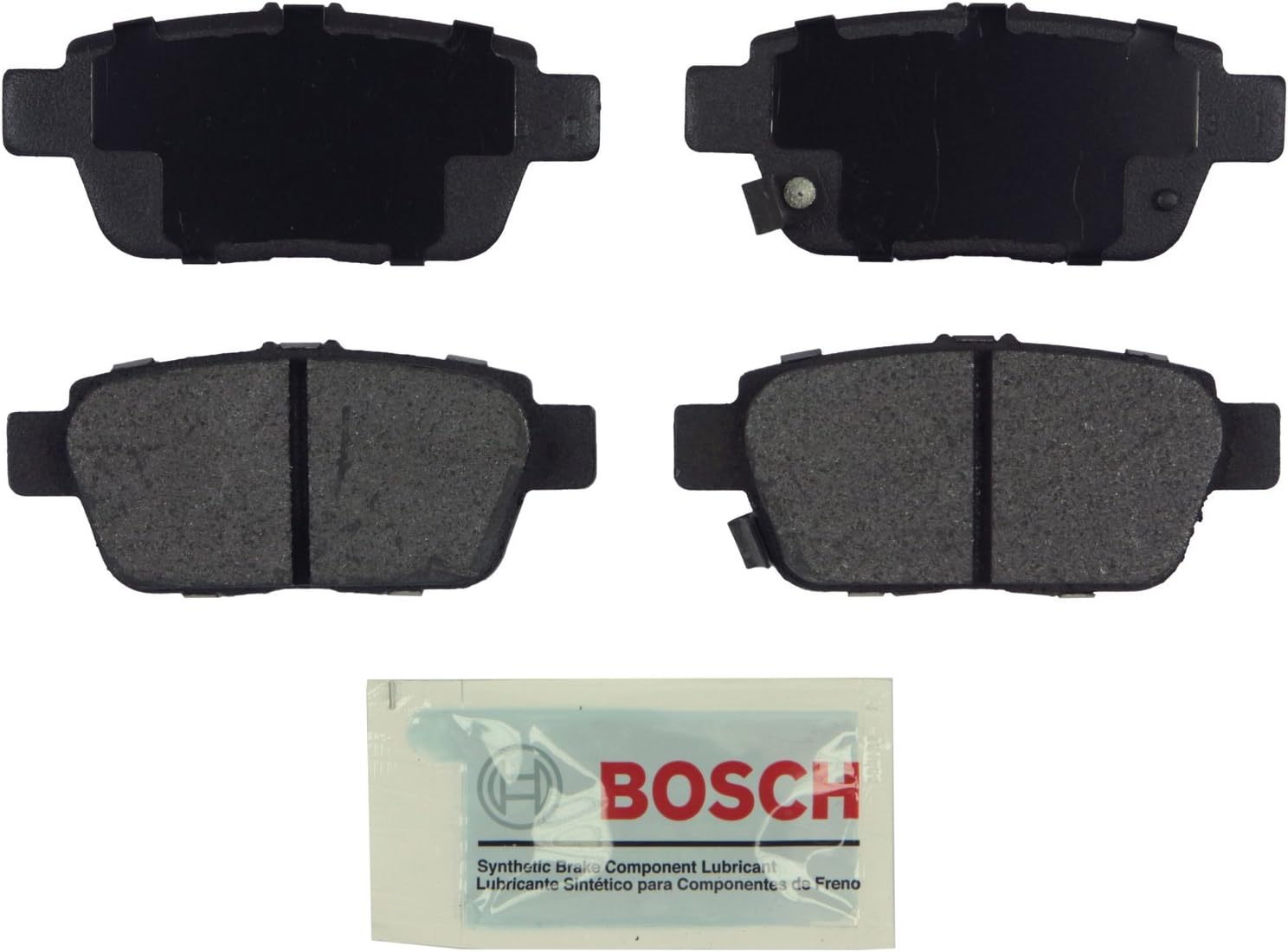
1. Bosch Blue BE1103 Ceramic Rear Disc Brake Pad Set
| Auto Part Position | Rear |
|---|---|
| Material Type | Ceramic |
| Specification Met | OEM |
| Manufacturer | Bosch Automotive |
These Bosch Blue BE1103 rear brake pads are designed for everyday use on compatible Honda Ridgeline and Acura TL rear axles. They use a copper-free ceramic friction material with platform-specific formulation to deliver predictable, quiet stopping for daily commuting and light-duty hauling. OE-style multi-layer shims, slots, and chamfers reduce vibration and noise while helping bedding and dust management. A rust-inhibitive coating and included synthetic lubricant make installation cleaner and help prevent corrosion where the pads contact the caliper. The pads come wrapped for protection but do not include installation hardware, so expect to reuse or source hardware if yours is worn. Compared with premium track-focused compounds, these prioritize low noise, low dust, and comfortable pedal feel over maximum high-temperature fade resistance, making them a solid balanced choice for most Ridgeline drivers but not ideal for heavy towing or aggressive performance driving.
Best for: Drivers seeking a quiet, low-dust, factory-quality rear pad that balances stopping performance and comfort for daily use on a 2006–2014 Honda Ridgeline.
Less Ideal for: Owners who regularly tow heavy loads, engage in spirited driving, or need track-capable fade resistance should choose a heavy-duty or performance-oriented pad instead.
- Copper-free ceramic material tuned for everyday braking performance and low dust
- OE-style multi-layer shims, slots, and chamfers that reduce noise and vibration
- Rust-inhibitive coating and supplied synthetic lubricant protect against corrosion and ease installation
- Precision manufacturing for factory-quality fit on specified rear applications
- Hardware is not included, so additional components may be needed for full installation
- Not optimized for severe towing or sustained high-temperature performance
Verdict: Choose these Bosch Blue rear ceramic pads for a quiet, low-dust, factory-quality replacement that suits everyday driving on the 2006–2014 Ridgeline.
2. BOSCH QuietCast Premium Ceramic Rear Disc Brake Pad Set (BC1103)

| Material Type | Ceramic |
|---|---|
| Auto Part Position | Rear |
| Manufacturer | Bosch Automotive |
| Model Number | BC1103 |
| Included Components | Brake Pads |
The Bosch QuietCast BC1103 rear brake pad set is a vehicle-specific ceramic replacement designed to restore strong, quiet stopping for one axle. Intended as a direct-fit service part, these pads use Bosch’s molded OE-style rubber core shim and powder-coated backing plates to reduce noise and resist corrosion. In normal driving they deliver solid bite with low dust and the protective transfer layer helps limit rotor wear over time. The kit arrives with pads individually wrapped, synthetic lubricant for contact points, and hardware where required so installation is straightforward for a DIYer or technician. Because the compound emphasizes quiet and longevity, drivers who push for track-level friction or extremely aggressive pedal feel may prefer a performance-oriented semi-metallic pad instead. Fitment is vehicle specific so verify compatibility for the rear axle of your 2006–2014 Honda Ridgeline before ordering.
Best for: Drivers who want a quiet, low-dust, factory-quality rear brake pad replacement for everyday and spirited street use on a 2006–2014 Honda Ridgeline and value reliability over track-focused bite.
Less Ideal for: Drivers who regularly do track days, heavy towing, or require extreme fade resistance should choose a performance or severe-duty friction designed for high heat and heavier loads.
- OE-style multilayer rubber core shim for reduced noise
- Ceramic friction material yields low dust and consistent stopping in street use
- Powder-coated backing plate and protective transfer layer help extend pad and rotor life
- Includes hardware and synthetic lubricant for straightforward installation
- Compound prioritizes quiet and longevity over aggressive, high-temperature track performance
Verdict: Choose these Bosch QuietCast rear pads if you want quiet, low-dust, factory-quality braking for a 2006–2014 Honda Ridgeline without sacrificing everyday stopping power.
3. SIPAUTEC Front and Rear Carbon-Fiber Ceramic Brake Pads Set (8-piece)

| Auto Part Position | Rear |
|---|---|
| Compatible with Vehicle Type | Fit For 2006-2014 Honda Ridgeline, Fit For 2009-2014 Acura TL |
| Number of Items | 8 |
| Material Type | Carbon-Fiber Ceramic |
| Specification Met | OEM |
These SIPAUTEC pads are a full front and rear replacement set made from carbon-fiber ceramic intended for direct fit to the listed Ridgeline and TL models. The kit includes four front and four rear pads plus small tubes of brake lubricant, and the pads are chamfered and slotted to mirror factory-style contact and reduce noise. In normal driving they deliver quieter operation and lower dust than many semi-metallic pads, and the material aims to resist higher temperatures for consistent stopping during repeated braking. Installation is straightforward for someone doing a brake job, but mounting hardware and clips are not included so reuse of existing hardware or separate purchase may be necessary. Buyers should expect factory-quality fitment for the specified vehicles and the typical ceramic feel at the pedal, while drivers who do heavy towing or aggressive, track-style braking may notice more fade than with heavy-duty metallic compounds.
Best for: Buyers who want a direct-fit, low-dust, quiet replacement set for routine street driving and light hauling on a 2006–2014 Ridgeline and prioritize lower maintenance and cleaner wheels.
Less Ideal for: Drivers who frequently tow heavy loads, carry full payloads, or do performance braking who should choose a heavy-duty metallic or performance-specific pad instead.
- Carbon-fiber ceramic material provides quieter braking and lower dust compared with many semi-metallic pads
- Chamfered and slotted faces are designed to reduce noise and improve pad bedding
- Complete front and rear set with lubricant included for a full replacement job
- Vehicle-specific fitment for 2006–2014 Honda Ridgeline and 2009–2014 Acura TL simplifies installation
- Mounting hardware and clips are not included, which may require reusing old parts or buying hardware separately
- Ceramic-focused compound may not match the high-temperature durability of heavy-duty metallic pads under prolonged towing or track use
Verdict: A low-dust, quiet carbon-fiber ceramic full front-and-rear pad set that gives factory-style fit and braking for routine driving on a 2006–2014 Ridgeline.
4. Wagner QS ZD1103 Rear Ceramic Disc Brake Pad Set

| Compatible vehicles | 2006–2014 Honda Ridgeline (Rear) |
|---|---|
| Material Type | Ceramic |
| Auto Part Position | Rear |
| Specification Met | OEM |
The Wagner QS ZD1103 rear brake pads are a vehicle-specific replacement designed for street use on compatible Ridgeline models. These ceramic-formulated pads use an OE-matched friction compound and a 100% post-cure process to deliver consistent stopping power and even wear throughout the pad life. Application-specific shims and a multilayer liner reduce vibration and squeal, so braking feels and sounds quieter during everyday driving. A powder-coated backplate adds corrosion resistance, which helps the pads stay serviceable in wet or salty conditions. Installation is straightforward for anyone swapping rear pads, and pairing them with quality rotors and calipers yields predictable results. The pads are tuned for comfort and consistent pedal feel rather than aggressive track performance, so drivers seeking maximum bite under repeated heavy stops may notice reduced fade compared with track-oriented compounds. For routine replacement on a budget, these pads offer a good balance of noise control, longevity, and factory-style braking behavior.
Best for: Drivers who need an affordable, factory-style rear pad replacement for everyday street driving on a compatible Ridgeline and prioritize quiet, predictable braking over extreme performance.
Less Ideal for: Drivers who frequently tow heavy loads, drive spiritedly, or require track-capable pads should choose a high-temperature, performance-oriented compound instead.
- Ceramic friction material for quieter operation and stable performance
- OE-matched friction and post-cure processing for even wear and consistent stopping
- Application-specific shims and multilayer liner reduce vibration and brake squeal
- Powder-coated backplate resists rust and helps extend service life
- Formulated for street use so it is less resistant to fade under heavy track or towing conditions
Verdict: A cost-conscious, vehicle-specific rear pad that restores factory-like stopping with quiet, consistent street performance.
5. Bendix Priority1 CFC1584 Ceramic Front Brake Pads (vehicle-specific)

| Material | Ceramic |
|---|---|
| Auto Part Position | Front |
| Specification Met | OEM |
| Automotive Fit Type | Vehicle Specific Fit |
These Bendix Priority1 ceramic front brake pads are a factory-quality replacement designed for direct fitment on the listed Acura and Honda models, including the 2006–2014 Ridgeline. They use advanced ceramic friction material with slots, chamfers, and shims to reduce noise and deliver predictable, fade-resistant braking under everyday driving and heavier loads. Installation is typical for a front-pad change and the set includes hardware for a straightforward swap when you or a technician follows vehicle-specific procedures. In use the pads tend to run quiet and provide firm bite without the metallic dust or harshness common to some semi-metallic compounds, making them well suited to street driving and commuting. Limitations are that ceramic pads can feel less aggressive under track or repeated high-heat braking compared with some performance semi-metallic formulas, and longevity will depend on driving style and rotor condition. For routine maintenance on a Ridgeline these pads offer a balance of reliable stopping, low noise, and OEM-style fit.
Best for: Buyers who prioritize dependable, quiet daily braking and a direct-fit replacement that closely matches factory behavior for a 2006–2014 Honda Ridgeline.
Less Ideal for: Drivers who frequently do track days or heavy towing with prolonged high-heat braking should consider a high-performance semi-metallic pad instead.
- Engineered to meet factory fit, form, and function for direct replacement installation
- Ceramic friction material reduces noise and dust compared with many semi-metallic pads
- Shims, slots, and chamfers help control vibration and promote consistent bedding
- Designed to resist brake fade for dependable everyday stopping performance
- Not optimized for repeated high-temperature track use where aggressive semi-metallic pads perform better
Verdict: A quiet, factory-quality ceramic front pad that gives Ridgeline owners reliable, OEM-style stopping for everyday driving.
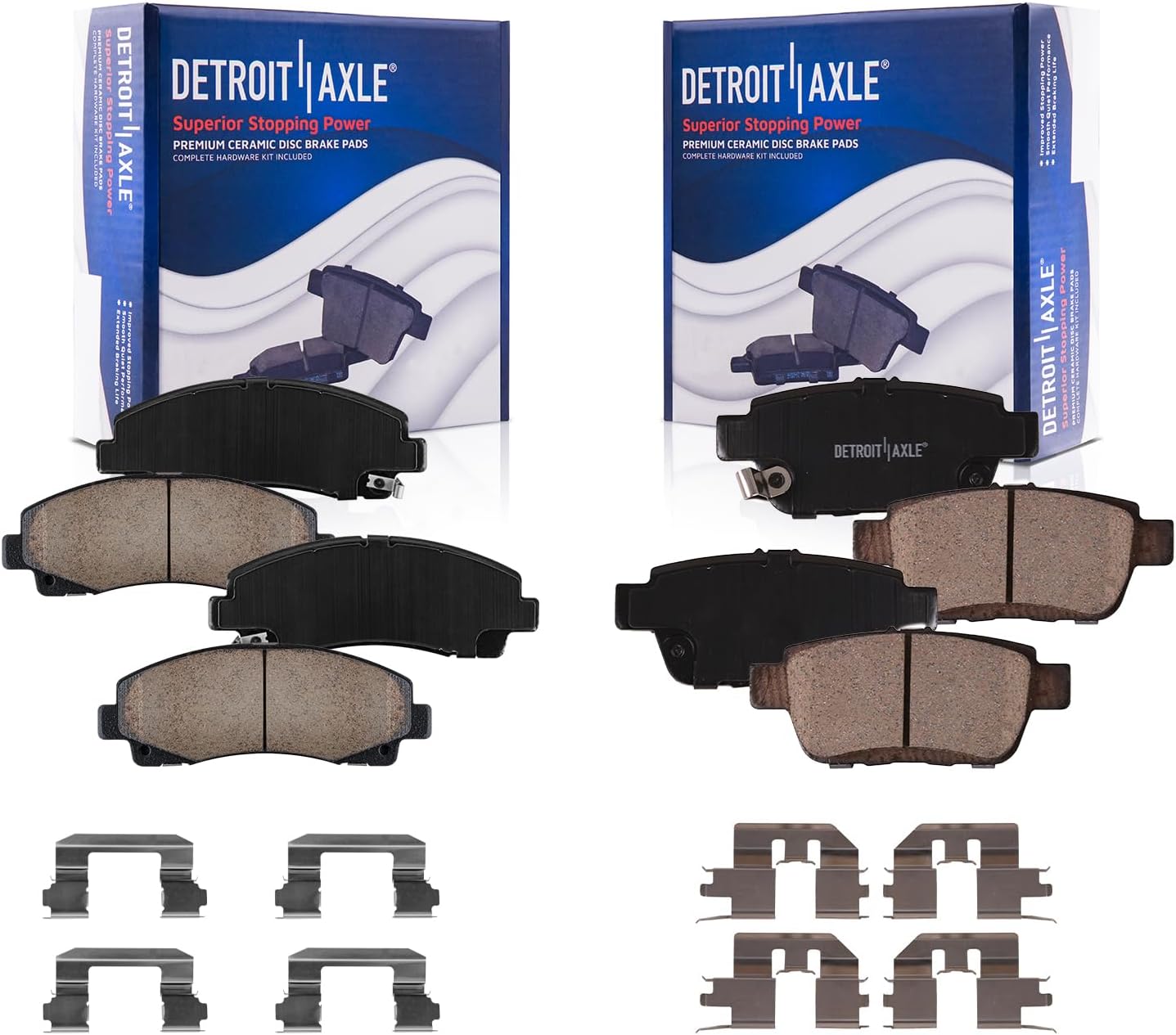
6. Detroit Axle Ceramic Front and Rear Brake Pads with Hardware (Vehicle-Specific Fit)
| Material Type | Ceramic |
|---|---|
| Auto Part Position | Front, Rear |
| Number of Items | 4 |
| Automotive Fit Type | Vehicle Specific Fit |
| Specification Met | OEM |
These Detroit Axle ceramic brake pads replace both front and rear pads for the specified Ridgeline and Acura TL fitments and come as a kit with the required hardware. The pads use a ceramic compound with chamfers and multi-layer construction intended to reduce vibration and noise while resisting high temperatures to maintain consistent stopping power under load. In daily driving you can expect quieter service, lower visible dust on wheels, and stable braking performance during highway or light towing duties compared with generic metallic pads. The kit is designed as a direct vehicle-specific replacement so installation follows the factory procedure and hardware is included for convenience. Limitations are the usual ones for ceramic formulations: they prioritize quiet operation and rotor friendliness over the maximum bite of some high-performance metallic or semi-metallic options, so drivers who push for track-style braking may find them less aggressive. Fitment must match the listed years and models for proper function.
Best for: A Ridgeline owner who values quiet, low-dust daily braking and wants a direct-fit replacement with included hardware and predictable performance.
Less Ideal for: Drivers who frequently perform high-speed track sessions or require maximum stopping aggression should consider performance-oriented metallic pads instead.
- Vehicle-specific kit includes both front and rear pads plus installation hardware for a complete replacement
- Ceramic compound reduces brake dust and runs quietly compared with many metallic pads
- Chamfered, multi-layer design to reduce vibration and improve pedal feel under normal driving
- Formulation resists high temperatures to help maintain consistent friction during heavy use
- Ceramic pads deliver less initial bite than aggressive semi-metallic pads, so not optimal for track driving or hard repeated stops
Verdict: Choose these pads for a quiet, low-dust, vehicle-specific ceramic replacement that restores reliable everyday braking for the Ridgeline.
7. Bendix Premium SBC1584 Ceramic Front Brake Pads

| Auto Part Position | Front Left |
|---|---|
| Compatible with Vehicle Type | Cars, SUV, Truck |
| Material Type | Ceramic |
| Included Components | Brake pad set with installation hardware |
| Automotive Fit Type | Vehicle Specific Fit |
These Bendix Premium SBC1584 ceramic front brake pads are a vehicle-specific replacement designed to restore factory-style braking on compatible Acura and Honda models. They install like a direct replacement and are intended for everyday driving where predictable feel and low noise matter. The ceramic compound resists wear and corrosion, which helps the pads last longer and keeps rotor deposits low. Bendix includes installation hardware and rates the pads to meet OEM specification, so you get consistent brake bite and reduced fade during normal commute and highway use. Expect quieter operation and less dust than typical semi-metallic pads, which helps keep wheels cleaner. The main trade-off is that ceramic pads are optimized for comfort and everyday performance rather than extreme track or heavy-towing duty, so they are not the best choice if you need maximum high-heat performance under heavy loads. For routine maintenance on a Ridgeline these pads are an easy, low-risk upgrade that restores factory-style braking behavior.
Best for: Buyers who prioritize low noise, low dust, and predictable, factory-like braking for daily driving and want a low-risk, long-lasting replacement for a 2006–2014 Ridgeline.
Less Ideal for: Drivers who regularly tow heavy loads, drive aggressively, or need pads rated for sustained high-temperature performance should choose a heavy-duty or performance-oriented friction material instead.
- Vehicle-specific design for direct fit and straightforward installation
- Ceramic material reduces noise and brake dust compared with many semi-metallic pads
- Includes installation hardware and meets factory-style specifications for predictable braking
- Durable, corrosion-resistant compound intended for longer service life
- Not formulated for heavy towing or high-temperature track use where semi-metallic or performance pads perform better
Verdict: A quiet, low-dust ceramic replacement that restores factory-style braking for daily-driven 2006–2014 Ridgeline owners seeking a reliable, low-risk upgrade.
Choosing the Right 2006-2014 Honda Ridgeline Brake Pads: Key Factors to Consider
Pad Compound and Intended Use
Pad compound determines braking bite, heat management, and how abrasively the pad contacts the rotor. Organic and ceramic-style compounds prioritize quieter operation and gentler rotor wear, while semi-metallic compounds usually deliver stronger initial bite and better fade resistance under heavier loads.
For the 2006-2014 Ridgeline, consider how you use the truck. Regular commuting and occasional light towing benefit from a compound that balances noise control and longevity. Frequent towing, hill driving, or spirited use favors compounds with higher heat tolerance even if they produce a bit more rotor wear.
Fitment and Axle-specific Options
Brake pads are not universally interchangeable between front and rear calipers. The Ridgeline's front pads typically handle higher loads and heat, so front-specific formulations or thicker pads are common. Rear pads can prioritize longevity and low noise since they usually see less thermal stress.
Confirming exact fitment for the 2006-2014 Ridgeline avoids installation delays and ensures proper wear patterns. Also check whether hardware, shims, or clips are required and if they are included with the pads to prevent rattle and premature wear.
Rotor Compatibility and Wear Patterns
Some pad compounds are more abrasive and accelerate rotor wear, which can lead to uneven rotors and the need for resurfacing. Others are gentler but can glaze under high heat, reducing stopping power.
Choose pads that match the condition of your Ridgeline's rotors. If rotors are worn or thin, favor a less aggressive compound and consider rotor replacement or resurfacing at the same time to ensure consistent contact and longer overall life.
Noise, Vibration, and Harshness (NVH) Control
Squeal and vibration are common owner complaints. Pad design elements like chamfers, slots, and bonded or layered shims significantly influence noise and pedal feel. Some compounds are formulated to suppress squeal while still providing firm initial bite.
Look for pads with proven NVH mitigation features if you prioritize a quiet cabin. Proper installation, including clean caliper pins and correct torque, is also essential to avoid noise unrelated to the pad material itself.
Durability and Expected Service Life
Service life is influenced by compound, driving style, and the environment. Urban stop-and-go driving and heavy towing shorten pad life, while highway driving is gentler on pads. Durability also ties into dust production and how often you will need to inspect or replace pads.
Estimate replacement intervals based on your driving. For the Ridgeline, owners who tow frequently should budget for more frequent pad changes than those who primarily commute, and choose pads rated for higher thermal cycles when longevity under load matters.
Installation and Maintenance Needs
Some pads arrive as drop-in replacements, while others require new hardware, additional shims, or anti-rattle clips. Correct bedding-in procedures affect ultimate stopping performance and longevity. Improper installation can cause uneven wear, noise, or reduced effectiveness.
Factor in whether you will DIY the job or have it installed by a technician. If you plan to do it yourself, choose pads with complete hardware and clear fitment instructions to minimize the chance of installation-related issues on the 2006-2014 Ridgeline.
Understanding Front Vs Rear Pad Roles on the Ridgeline
The front and rear brake pads on the Ridgeline perform different jobs. Front pads typically absorb a higher share of braking force and heat, so they often require compounds that deliver stronger bite and greater fade resistance. Rear pads primarily provide stability and parking function and usually see lower temperatures.
When replacing pads, match the pad type to the axle. Using a high-friction front-style pad at the rear can cause noise and faster rotor wear without meaningful braking improvement. Conversely, placing a soft, quiet rear-style pad up front can increase stopping distances under load.
- Front pads handle most of the braking energy and heat.
- Rear pads contribute to stability and parking brake performance.
- Axle-specific fitment ensures proper wear and noise characteristics.
Ceramic Vs Semi-metallic: Which Fits Your Driving?
Ceramic-style pads are often quieter and produce less dust, which helps keep wheels cleaner. They are well-suited to everyday driving, commuting, and situations where cabin comfort and reduced maintenance are priorities. They may wear a bit faster under sustained heavy loads.
Semi-metallic pads offer strong bite and better thermal capacity, making them a solid choice for Ridgeline owners who tow, haul, or frequently drive in hilly terrain. Expect increased dust and potentially more rotor wear compared with ceramic-style options.
- Choose ceramic-style for quiet operation and lower dust.
- Choose semi-metallic for better heat tolerance and towing demands.
Signs Your Ridgeline's Pads Need Replacement
Common wear symptoms include a high-pitched squeal during light braking, a grinding sound which often indicates metal-on-metal contact, a longer or mushy brake pedal, and visible pad material thinner than the manufacturer's recommended thickness. Addressing these symptoms early avoids rotor damage and maintains safe stopping distances.
Regular visual inspection behind the wheel or during tire changes lets you monitor pad thickness. If you hear persistent noise, feel vibration, or notice reduced pedal firmness, inspect the pads and rotors promptly to determine whether replacement or rotor service is required.
- Squeal often signals wear indicators or minor glazing.
- Grinding usually means pads are worn to the backing plate.
- Reduced pedal firmness can indicate pad thinning or caliper issues.
Bedding In New Brake Pads Properly
Proper bedding applies controlled stops to transfer a uniform friction layer from the pad to the rotor. This improves initial bite, reduces glazing, and extends pad and rotor life. Follow a progressive sequence of moderate stops from highway speed to city speed to complete the process.
Avoid hard or repeated full-stop braking during the first few hundred miles. Inspect for unusual noise or uneven pad wear after the bedding period and address any installation issues promptly to ensure the pads perform as intended on the Ridgeline.
- Perform progressive stops rather than sudden full-force braking during bedding.
- Check for odd noises and verify even pad wear after initial miles.
When To Replace Rotors Along With Pads
Rotors should be inspected anytime pads are replaced. If rotors are scored, warped, or below the thickness specification, replacement or resurfacing is necessary to avoid uneven pad wear and reduced braking performance. Thin rotors are a safety concern and can overheat more easily.
Matching new pads to worn rotors can lead to noise and shorter pad life. For the Ridgeline, prioritize rotor condition when you tow often or have driven with worn pads for an extended period, as heat cycles can leave rotors with hard spots that compromise braking.
- Inspect rotors for scoring, runout, and thickness before pad installation.
- Replace or resurface rotors that show heat spots, deep grooves, or warping.
Maintenance Tips to Prolong Pad Life
Simple maintenance extends pad life and keeps braking consistent. Keep caliper slide pins clean and lubricated, use the correct torque on caliper bolts, and ensure hardware is replaced when worn. Regularly flushing brake fluid on schedule maintains system performance and helps prevent caliper drag.
Avoid prolonged brake dragging from stuck calipers or parking with the brake engaged in hot conditions. Regular inspections during tire rotations let you catch uneven wear early and address mechanical causes before replacing pads prematurely.
- Lubricate caliper hardware and check slider operation during service.
- Inspect pads at regular intervals and during tire rotations.
Still looking for the perfect fit?
Select your Honda Ridgeline configuration to see the most relevant Brake Pads recommendations
How We Chose the Best 2006-2014 Honda Ridgeline Brake Pads
To assemble this list we prioritized criteria that matter specifically to 2006-2014 Honda Ridgeline owners and excluded items that do not directly affect real-world braking on this vehicle. Key evaluation factors included stopping performance under mixed driving conditions, pad compound and heat tolerance, longevity and measured wear rates, rotor compatibility and likelihood of glazing, and noise control features such as shims and chamfers. We also considered fitment accuracy for front and rear calipers within the 2006-2014 Ridgeline scope and whether hardware or kits commonly required for a correct installation were included.We excluded products with ambiguous fitment information, poor documented reliability, or formulations unsuitable for typical Ridgeline use such as extreme track-only compounds. Also omitted were pads that required caliper modification or nonstandard rotor sizes. The final picks balance braking performance, predictable wear, and installation practicality for daily driving, towing, and light hauling duties common to Ridgeline owners.
Our full evaluation process is outlined in our review methodology.
FAQ
How often should I check brake pads on a 2006-2014 Ridgeline?
Check the pads visually every 6,000 to 8,000 miles or during each tire rotation. Frequency depends on driving style and towing frequency; heavier use warrants more frequent inspections.
Can I replace only the front pads if the rears still look thick?
Yes. It is common to replace front and rear pads at different times because front pads usually wear faster. Ensure the new fronts match the rear pad compound goals and that all hardware and caliper function are good to avoid uneven braking.
Why do I hear a high-pitched squeal after installing new pads?
Early squeal can come from the wear indicator touching the rotor, minor glazing, or hardware that needs adjustment. Proper bedding and confirming shims or anti-rattle clips are correctly installed usually resolve the issue.
Is it necessary to resurface rotors when changing pads on the Ridgeline?
Not always. Resurfacing is advised when rotors have grooves, uneven wear, or runout beyond spec. If rotors are within thickness and surface tolerance, new pads can be installed without resurfacing, but inspection is important.
Are ceramic-style pads a good choice if I tow occasionally?
Ceramic-style pads work well for light towing and daily driving because they are quiet and low-dust. For frequent towing or heavy loads, a compound with higher heat resistance may be a better match.
What does grinding noise from brakes usually indicate?
Grinding often indicates the pad material is worn down to the backing plate and metal-on-metal contact is occurring. Inspect pads and rotors immediately to prevent further damage and safety risks.
Final Verdict
When selecting replacement brake pads for a 2006-2014 Honda Ridgeline, prioritize fitment and the compound that matches how you drive. Choose front-specific pads that handle higher thermal loads if you tow or regularly carry heavy loads, and consider quieter ceramic-style pads for primarily commuter use. Balance stopping performance against rotor wear and noise to find the best compromise for your needs.Focus on pads with clear fitment for your Ridgeline year range, NVH mitigation features, and a recommended bedding procedure to ensure reliable braking. That approach will keep the Ridgeline stopping confidently while minimizing unnecessary rotor or maintenance costs.
Explore More:
- Check out all Honda Ridgeline parts & accessories
- Explore Brake Pads Maintenance & Repair Guides
- Explore Brake System
- Browse all Auto Parts
