

Note: This article contains affiliate links. If you click on these links and make a purchase, I may earn a small commission at no extra cost to you. This helps support my research and content. Read my full affiliate disclosure here.
When a Hyundai Sonata brake master cylinder begins to fail, braking performance and pedal feel can change in ways that affect safety and confidence behind the wheel. Choosing the right replacement matters because the master cylinder directly controls hydraulic pressure to the braking system, and mismatches or poor quality can lead to leaks, soft pedals, or uneven braking.This guide covers our shortlist of the top six Hyundai Sonata brake master cylinder options. We evaluated candidates on seal durability and overall build quality, plus factors like port compatibility and ease of installation. Read on to understand the tradeoffs and which features to prioritize when selecting a replacement.
Looking for other parts? See all Hyundai Sonata parts & accessories.
Top Picks at a Glance
| Best Overall The best all-around choice for most situations | Mando Brake Master Cylinder (17A1137) for 2011–2014 Hyundai Sonata |  |
| Best Quality Built to a higher standard if you want something more solid | BIG TIGER PARTS Brake Master Cylinder 58510-3S250 for Hyundai Sonata (2010–2013) |  |
| Best Value The sweet spot between price and what you get | PHILTOP Brake Master Cylinder Assembly for Hyundai Sonata / Azera |  |
| Best Budget The cheapest option that still gets the job done reliably | VekAuto Brake Master Cylinder with Reservoir for Hyundai Sonata (2006–2008) |  |
| Highest Rated A top-rated pick with lots of positive feedback | TRQ Brake Master Cylinder BCA51929 for 2006–2013 Hyundai Azera and 2006–2010 Sonata |  |
| Best Seller A high-volume bestseller chosen again and again | KAX Brake Master Cylinder with Reservoir for Hyundai Sonata and Azera |  |
1. Mando Brake Master Cylinder (17A1137) for 2011–2014 Hyundai Sonata

| Manufacturer Part Number | 17A1137 |
|---|---|
| OEM Part Number | 585103Q400 |
| Position | Center |
| Exterior | Machined |
| Item model number | 17A1137 |
This Mando master cylinder is a direct, factory-quality replacement designed to restore original brake pedal firmness and hydraulic function on 2011–2014 Hyundai Sonata (non-hybrid). It installs in place of the factory unit and is typically used when the pedal feels spongy, sinks, or the reservoir leaks. Notable features include a machined exterior, included O-ring in the package, and OEM interchange with part 585103Q400 which helps ensure correct fit and alignment. In practice the unit brings back predictable pedal travel and stopping response when fitted correctly and bled per service procedure. Because Mando is an established Tier-1 supplier, the part is built to factory production standards and can simplify sourcing compared with aftermarket knockoffs. Limitations are standard for brake hydraulic components: installation requires basic brake-line handling and proper bleeding to avoid air in the system, and buyers should confirm exact fit for non-standard trims or hybrid models before ordering.
Best for: A balanced, all-round buyer who values factory-quality replacements and wants a straightforward fix to restore pedal feel and brake performance on a 2011–2014 Hyundai Sonata non-hybrid.
Less Ideal for: People seeking a universal aftermarket upgrade, owners of Sonata Hybrid models, or DIYers unwilling to handle brake-line work and bleeding should consider other options or professional installation.
- Direct OEM-compatible replacement for specified Sonata model years
- Manufactured by Mando, a Tier-1 supplier with factory production standards
- Includes O-ring for correct installation in the packaged unit
- Machined exterior suggests solid construction and fitment
- Requires proper brake-line handling and bleeding during installation which may need a professional if inexperienced
- Not compatible with Sonata Hybrid models — fitment limited to specified non-hybrid years
Verdict: A factory-quality, direct-fit replacement that restores original brake pedal feel for 2011–2014 Hyundai Sonata non-hybrid models.
2. BIG TIGER PARTS Brake Master Cylinder 58510-3S250 for Hyundai Sonata (2010–2013)

| Manufacturer | BIG TIGER PARTS |
|---|---|
| Model | SONATA 10-13 |
| Manufacturer Part Number | 58510-3S250 |
| OEM Part Number | 58510 3S250 |
This brake master cylinder is sold as a genuine factory-quality replacement designed to drop into 2010–2013 Hyundai Sonata brake systems. It replaces the vehicle's primary cylinder and is typically used when the original unit leaks, feels spongy, or fails to maintain proper hydraulic pressure. The listing emphasizes direct fitment and OEM-equivalent function which simplifies installation for professional installers or experienced DIYers using factory brake lines and fittings. Practical benefits include restoring firm pedal feel and full braking performance without needing one-off modifications. Limitations are that the listing provides minimal technical detail beyond part numbers and weight, so installers should verify piston bore and reservoir compatibility against the vehicle before purchase. Also there is no stated warranty information or supplier-backed performance data included with the product description.
Best for: Performance-oriented owners who prioritize restoring or maintaining factory-level braking response on a 2010–2013 Hyundai Sonata and prefer direct-fit, dealer-style replacements.
Less Ideal for: Buyers seeking extensive technical documentation, performance upgrades beyond factory-spec, or confirmed warranty coverage should consider alternatives with published specs and guarantees.
- Marketed as a factory-quality direct-fit replacement for 2010–2013 Hyundai Sonata which reduces fitment guesswork
- Includes manufacturer and OEM part numbers for straightforward cross-referencing with dealer parts lists
- Sold in original retail-style packaging which can simplify identification at installation
- Listing lacks detailed technical specifications such as bore size, reservoir configuration, and internal seal materials
Verdict: A factory-quality direct-fit master cylinder intended to restore original braking feel on 2010–2013 Hyundai Sonata models.
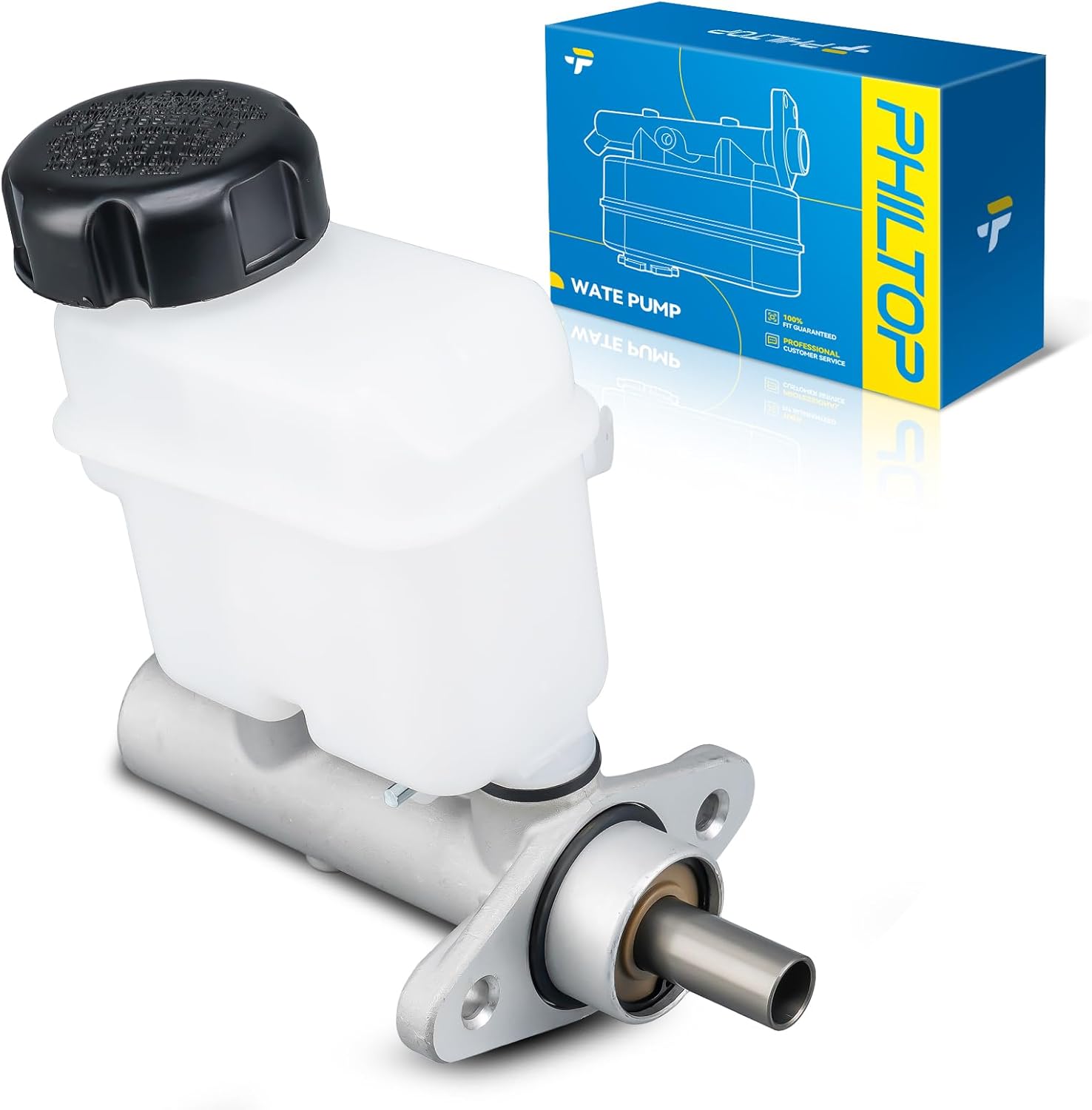
3. PHILTOP Brake Master Cylinder Assembly for Hyundai Sonata / Azera
| Material | Aluminium |
|---|---|
| Master Cylinder Bore Diameter | 1(IN) |
| Number of Outlets | 2 |
| Rearward Outlet Size | M12 X 1.0 |
| Reservoir Included | Yes |
This PHILTOP brake master cylinder is a direct replacement assembly intended for Hyundai Sonata (2006–2010, including ABS and select 4-wheel ABS configurations) and Hyundai Azera (2006–2013). It comes with the reservoir and sensor preinstalled and is built from new aluminum casting and EPDM rubber components to resist brake fluid corrosion. Typical use is a like-for-like swap when the factory master cylinder leaks, has an internal bore wear, or when replacing for brake system overhaul. The included sensor and correct outlet fittings simplify installation for a straightforward repair without sourcing separate parts. Because it is an aftermarket part, expect possible minor fitment differences that may require careful alignment during installation and professional bleeding of the brake system after fitting. Its construction and matching bore size aim to restore pedal feel and hydraulic function at a lower cost than a dealer unit, but it is not a remanufactured OEM core so long-term equivalence depends on installation and driving conditions.
Best for: Practical owners who prioritize restoring safe braking with a cost-conscious replacement that minimizes extra parts sourcing and shop time.
Less Ideal for: Buyers seeking guaranteed factory-sourced parts or those who prefer dealer-installer-only replacements should consider factory dealer options instead.
- Designed as a complete assembly with reservoir and sensor included for easier installation
- Aluminum housing and EPDM rubber parts resist brake fluid corrosion
- Direct replacement for specified Hyundai Sonata and Azera model years based on listed fitment
- Matches original-style bore diameter and outlet fittings to restore hydraulic function
- Aftermarket unit may require minor adjustment for perfect fit compared with factory part
- Long-term durability versus dealer parts is dependent on installation quality and vehicle use
Verdict: A complete, budget-minded replacement master cylinder that restores braking function for the listed Hyundai Sonata and Azera years without needing separate components.
4. VekAuto Brake Master Cylinder with Reservoir for Hyundai Sonata (2006–2008)

| Manufacturer | VekAuto |
|---|---|
| Position | Inner |
| Material | Aluminum Alloy, Plastic |
| Fitment Type | Direct replacement |
| OE Number | 585103K200 |
This VekAuto master cylinder is a budget-focused direct replacement intended for Hyundai Sonata models from the mid to late 2000s. It combines an aluminum-alloy housing with a plastic reservoir and is supplied as a single unit ready to install in the engine compartment. In use it restores hydraulic pressure to the brake booster and wheel cylinders, which resuscitates pedal feel and braking function after the original unit fails. The part claims corrosion resistance and an easy direct-fit installation so a DIYer or independent mechanic can swap it without modifying the system. Practical benefits include getting the car back on the road quickly and avoiding dealer-level pricing. Important limitations are that it is a non-factory aftermarket item and the listing covers specific model years and engine options only, so buyers should confirm fitment before ordering. Expect standard aftermarket finish and fit that may require basic bleeding and inspection after installation.
Best for: Budget-conscious Hyundai Sonata owners who prioritize a low-cost, functional replacement to restore braking performance without dealer pricing and who are comfortable arranging basic installation and brake bleeding.
Less Ideal for: Buyers seeking a factory-original matched replacement or performance-oriented upgrades should consider OEM or upgraded brake components instead.
- Direct-replacement design for specified Hyundai Sonata model years simplifies installation
- Aluminum-alloy body offers corrosion resistance compared with cheaper stamped parts
- Includes integrated reservoir so no separate plumbing or reservoir transfer is required
- Sold as a single ready-to-install unit suitable for DIY repair or independent shops
- Aftermarket non-factory part so finish and tolerances may differ from factory original
- Fitment is vehicle- and engine-specific, requiring careful verification before purchase
Verdict: A low-cost, direct-replacement master cylinder that gets mid-2000s Hyundai Sonata brakes working again without premium pricing.
5. TRQ Brake Master Cylinder BCA51929 for 2006–2013 Hyundai Azera and 2006–2010 Sonata

| Master Cylinder Bore Diameter | 25.4 mm |
|---|---|
| Master Cylinder Material | Aluminum |
| Reservoir Included | Yes |
| Sensor Included | Yes |
| Bleeder Kit Included | Yes |
This TRQ master cylinder is a direct-fit replacement designed for Hyundai Azera (2006–2013) and Sonata (2006–2010) models equipped with electronic stability control. It arrives preassembled with the reservoir, cap, and sensor and includes a bleeder kit to simplify bench bleeding and installation. Aluminum construction and a 25.4 mm bore diameter match common factory dimensions, so the unit restores brake pedal firmness and hydraulic function when an internal failure or leak develops. Fitment and clear OE reference numbers are provided, but buyers should verify part numbers before ordering since some users reported fitment mismatches. For DIYers the included bleeding tools and TRQ installation videos reduce installation time, while shops will appreciate the ready-to-install assembly. Expect a reliable, budget-friendly replacement that performs like a factory-quality part when the correct reference is chosen, with the only real risk being an incorrect match to the vehicle's original part number.
Best for: Reliability-focused buyers seeking a factory-style, ready-to-install replacement to restore proper brake function and pedal feel on covered Hyundai Sonata/Azera models.
Less Ideal for: Buyers who cannot confirm the vehicle reference number or need a universal or performance-oriented master cylinder should consider other options.
- Preassembled unit with reservoir and sensor reduces installation steps
- Includes bleeder kit and installation resources to help DIY bleeding and setup
- Aluminum construction and factory-matching bore diameter for reliable pedal feel
- Designed specifically for Hyundai models with electronic stability control
- Fitment depends on matching the correct reference number so double-check compatibility before purchase
- Some customers reported minor issues with the supplied bleeders letting air in during bleeding
Verdict: A ready-to-install, factory-matching master cylinder that restores reliable braking on compatible Hyundai Sonata and Azera models.
6. KAX Brake Master Cylinder with Reservoir for Hyundai Sonata and Azera

| Compatible models | Hyundai Sonata 2006-2010; Hyundai Azera 2006-2013 |
|---|---|
| OEM part numbers replaced | M630457, 585103K200 |
| Material | Aluminum |
| Outlets | 2 |
This KAX master cylinder is a full replacement assembly designed to restore brake pedal feel and hydraulic pressure on compatible Hyundai Sonata and Azera models. It includes the reservoir and brake fluid level sensor so installation is straightforward for a mechanic or experienced DIYer and avoids transferring aging components. The unit is machined aluminum and ships with two outlet ports and factory-style thread sizes that match the original connections, which helps simplify reassembly and reduces leak risk. Because it is made from new materials rather than remanufactured cores, it aims to deliver consistent performance and longevity. Limitations to note are that fitment is specific to the listed model years so confirmation against your vehicle reference is essential, and buyers should ensure proper bench bleeding and professional installation if unsure since incorrect installation can affect braking safety. For risk-averse owners seeking a like-for-like replacement this part covers the major practical needs for restoring braking function.
Best for: Practical, risk-averse Hyundai owners who prioritize restoring factory braking performance with a direct replacement rather than experimenting with remanufactured or generic parts.
Less Ideal for: Buyers seeking a universal master cylinder or those who want a performance-upgrade unit with different bore sizes or custom fittings should look elsewhere.
- Complete assembly includes reservoir and fluid level sensor for easier installation
- Machined aluminum housing intended to match factory casting and durability
- New-material construction rather than remanufactured core for consistent performance
- Factory-compatible outlet thread sizes to simplify plumbing and reduce leak risk
- Fitment limited to specific Sonata and Azera years so it is not universal
- Requires correct bench bleeding and proper installation to ensure safe brake operation
Verdict: A like-for-like, new-material replacement master cylinder that simplifies restoring factory braking on specified Hyundai Sonata and Azera model years.
Choosing the Right Hyundai Sonata Brake Master Cylinder: Key Factors to Consider
Seal Material and Durability
Seal composition affects longevity and resistance to brake fluid and heat. High-quality elastomers resist swelling and degradation from moisture and DOT fluids, which reduces the chance of a master cylinder seal leak and prolongs service life.
Choosing a unit with proven seal materials helps prevent soft or sinking brake pedal symptoms caused by seal deterioration. Look for parts that specify compatible fluid types and offer replaceable seal kits to simplify future maintenance.
Bore Finish and Tolerances
Internal bore smoothness and precise tolerances determine how consistently the piston moves and maintains hydraulic pressure. A finely finished bore reduces wear on seals and provides a firmer, more predictable pedal feel.
Poor tolerances can produce uneven braking or accelerated seal wear, increasing the likelihood of brake fluid leaks. For long-term reliability, favor cylinders with documented machining standards or manufacturer-specified tolerances.
Port and Mounting Compatibility
Correct port size, thread type, and mounting pattern are essential for a straightforward replacement. Mismatched fittings can require adapters or modifications that increase installation time and risk of leaks.
Selecting a part that matches the vehicle's original port layout minimizes potential leak points and ensures brake lines and sensors align without stress. Compatibility also reduces the need for professional tools or custom hoses during installation.
Corrosion Resistance and Surface Treatment
Exposure to road salt and moisture can corrode cast or machined parts, compromising sealing surfaces and mounting integrity. Surface treatments like protective plating or finishes help prevent rust and extend component life.
A corrosion-resistant master cylinder maintains reliable sealing and mechanical fit over time, reducing the chance of late-life leaks or seizure during removal. Consider coatings and materials that are designed for automotive environments.
Serviceability and Parts Availability
Ease of obtaining replacement seals, pistons, or rebuild kits affects long-term ownership costs and repair time. When common wear items are available separately, you can often rebuild the unit instead of replacing it entirely.
Parts availability also influences whether a DIY repair is practical. If rebuild kits are widely offered, the unit can be maintained with basic tools; if not, replacement may be the only option when symptoms appear.
Installation Complexity
Some master cylinders are direct-fit while others may require bench bleeding, bracket adjustments, or additional hardware. Installation complexity affects whether you can realistically perform the replacement yourself or should seek professional help.
Consider factors such as whether the unit ships pre-bled, if special tools are required to bleed the system, and how accessible mounting points are. Lower installation complexity reduces the risk of installation-related leaks or brake system air entrapment.
How We Chose the Best Hyundai Sonata Brake Master Cylinder
We focused on components designed specifically to fit Hyundai Sonata applications and prioritized parts with robust sealing materials, precise bore tolerances, and compatible port and mounting patterns. Our evaluation gave weight to the quality of internal seals and pistons since those most directly affect pedal firmness and leak resistance. We also considered overall material durability, corrosion-resistant finishes, and whether the units used standardized ports and mounting locations to reduce installation complexity.Serviceability and support were included in the selection criteria, including whether replacement seal kits or rebuild components are available for common failure modes. We excluded universal-fit or generic master cylinders that require extensive modification, as well as units lacking clear technical documentation. The final list balances long-term reliability, ease of installation, and parts availability to reflect what most Sonata owners need when replacing a failing master cylinder.
Our full evaluation process is outlined in our review methodology.
FAQ
What are common master cylinder symptoms I should watch for?
Common signs include a soft or sinking brake pedal, spongy feel under foot, or visible brake fluid around the cylinder. You might also notice reduced braking responsiveness or a need to pump the pedal to build pressure. These symptoms often indicate seal wear, internal leaks, or loss of hydraulic pressure.
Can I replace the master cylinder myself?
Many mechanically inclined owners can replace a master cylinder with basic tools, but the job usually requires careful bleeding of the brake system and proper torque of fittings. If you are comfortable with brake bleeding procedures and follow a reliable repair manual, DIY replacement is possible. Otherwise, professional installation reduces the risk of air in the system or improper connections.
How do I know if the leak is from the master cylinder?
Look for fluid accumulating at the rear of the master cylinder near the brake booster or under the mounting flange. A brake fluid smell, wetness on the firewall, or damp carpet on the driver side can also indicate a master cylinder seal leak. Confirming the source often requires visual inspection and may involve wiping surfaces to see where fresh fluid appears.
Is it better to rebuild a master cylinder or install a new one?
Rebuilding can be a cost-effective option when the bore and mounting surfaces are in good condition and replacement seal kits are available. Rebuilds restore sealing surfaces and replace worn seals, which can extend service life. If the cylinder is corroded, damaged, or lacks available rebuild kits, replacement is usually the more reliable choice.
Does installation affect master cylinder performance?
Yes. Proper installation, correct fitting torque, and thorough bleeding are critical to performance. Improperly tightened fittings or incomplete bleeding can cause leaks, air in the lines, or a soft brake pedal. Following the vehicle-specific procedures helps ensure consistent pedal feel and system reliability.
How long do master cylinders typically last?
Lifespan varies depending on driving conditions, exposure to moisture, and brake fluid maintenance. Many last several years under normal conditions, but factors like contaminated fluid or corrosion can shorten service life. Regular inspection for leaks and monitoring pedal feel helps identify issues before they cause failure.
Conclusion
Focus on seal quality, bore condition, and correct port and mounting compatibility when choosing a Hyundai Sonata brake master cylinder. These elements most directly affect pedal feel, leak resistance, and long-term reliability.Balance ease of installation and parts availability against condition of the existing unit. If the bore and mounting surfaces are sound and rebuild kits exist, serviceability can be a cost-effective route; otherwise a direct-fit replacement with proven materials typically offers the most dependable outcome.
Explore More:
- Check out all Hyundai Sonata parts & accessories
- Explore Brake Master Cylinders Maintenance & Repair Guides
- Explore Brake System
- Browse all Auto Parts
