

Note: This article contains affiliate links. If you click on these links and make a purchase, I may earn a small commission at no extra cost to you. This helps support my research and content. Read my full affiliate disclosure here.
Choosing the right Volkswagen Jetta brake booster matters because it directly affects pedal feel, braking effort, and everyday safety. A properly functioning booster reduces the force you must apply at the pedal and helps maintain consistent braking under varied driving conditions.This guide covers seven shortlisted brake boosters that fit the Volkswagen Jetta and highlights the key evaluation criteria we used, including fitment accuracy and vacuum performance. Read on to understand what to look for and why those factors matter before you inspect specific options.
Looking for other parts? See all Volkswagen Jetta parts & accessories.
Top Picks at a Glance
| Best overall The best all-around choice for most situations | A1 Cardone Remanufactured Vacuum Power Brake Booster (53-2653) |  |
| Best Quality Built to a higher standard if you want something more solid | A-Premium Vacuum Power Brake Booster for Volkswagen Jetta and Beetle (Without Master Cylinder) |  |
| Best Value The sweet spot between price and what you get | A-Premium Vacuum Power Brake Booster (no master cylinder) for Volkswagen Jetta/Golf/Beetle and Audi TT |  |
| Best Budget The cheapest option that still gets the job done reliably | A-Premium Vacuum Power Brake Booster (fits Volkswagen Jetta 1999–2005; without master cylinder) |  |
| Highest Rated A top-rated pick with lots of positive feedback | AngyMeck 7" Zinc Dual Diaphragm Power Brake Booster with 1" Bore Cast Iron Dual Bail Top Master Cylinder Kit |  |
| Best Seller A high-volume bestseller chosen again and again | A-Premium Vacuum Power Brake Booster for Volkswagen Jetta and Beetle (Without Master Cylinder) |  |
1. A1 Cardone Remanufactured Vacuum Power Brake Booster (53-2653)

| Manufacturer Part Number | 53-2653 |
|---|---|
| Manufacturer | A1 Cardone |
| Model | Cardone Power Brake Booster |
| OEM Part Number | 1K1614106AD, 1K1614106AK, 1K1614106B, 1K1614106S |
This remanufactured vacuum power brake booster replaces the vehicle's factory unit to restore power-assisted braking feel and pedal effort. It is built to match factory fit and function, with factory-quality seals and check valves installed during remanufacture so it behaves like a new unit. Typical use is a direct swap when a Jetta experiences a hard brake pedal or reduced booster assist; pre-adjusted master cylinder output rods (when included) speed installation and reduce bench setup time. Cardone applies a rust-resistant finish and tests each unit for reliable performance, which helps longevity and reduces the chance of early failure. Being remanufactured means it reuses the original core and thus saves materials and energy, but buyers should expect variability in cosmetic appearance compared with a new part and verify included hardware before starting the job. For technicians and DIYers replacing a failing booster on a Volkswagen Jetta, this unit offers a balanced mix of factory-spec function and environmental benefit at a practical replacement route.
Best for: Balanced buyers who want a factory-quality, cost-effective replacement for a failing brake booster on a Volkswagen Jetta and prioritize dependable, tested performance over buying new.
Less Ideal for: Those who want a brand-new, cosmetically perfect part or a performance-upgrade booster with altered assist characteristics should consider new or specialty alternatives.
- Factory-replacement fit and function intended for direct swap on compatible vehicles
- Factory-quality seals and check valves installed for like-new operation
- Units are tested and finished with rust-resistant coating for improved reliability
- Pre-adjusted master cylinder output rods (when included) simplify installation
- Remanufacturing reduces raw material and energy use compared with a new unit
- Remanufactured finish and cosmetic condition can vary between units
- May not include all installation hardware depending on the listing
Verdict: A tested, factory-replacement remanufactured booster that brings reliable, OEM-like braking assist back to a Volkswagen Jetta while reducing environmental impact.
2. A-Premium Vacuum Power Brake Booster for Volkswagen Jetta and Beetle (Without Master Cylinder)
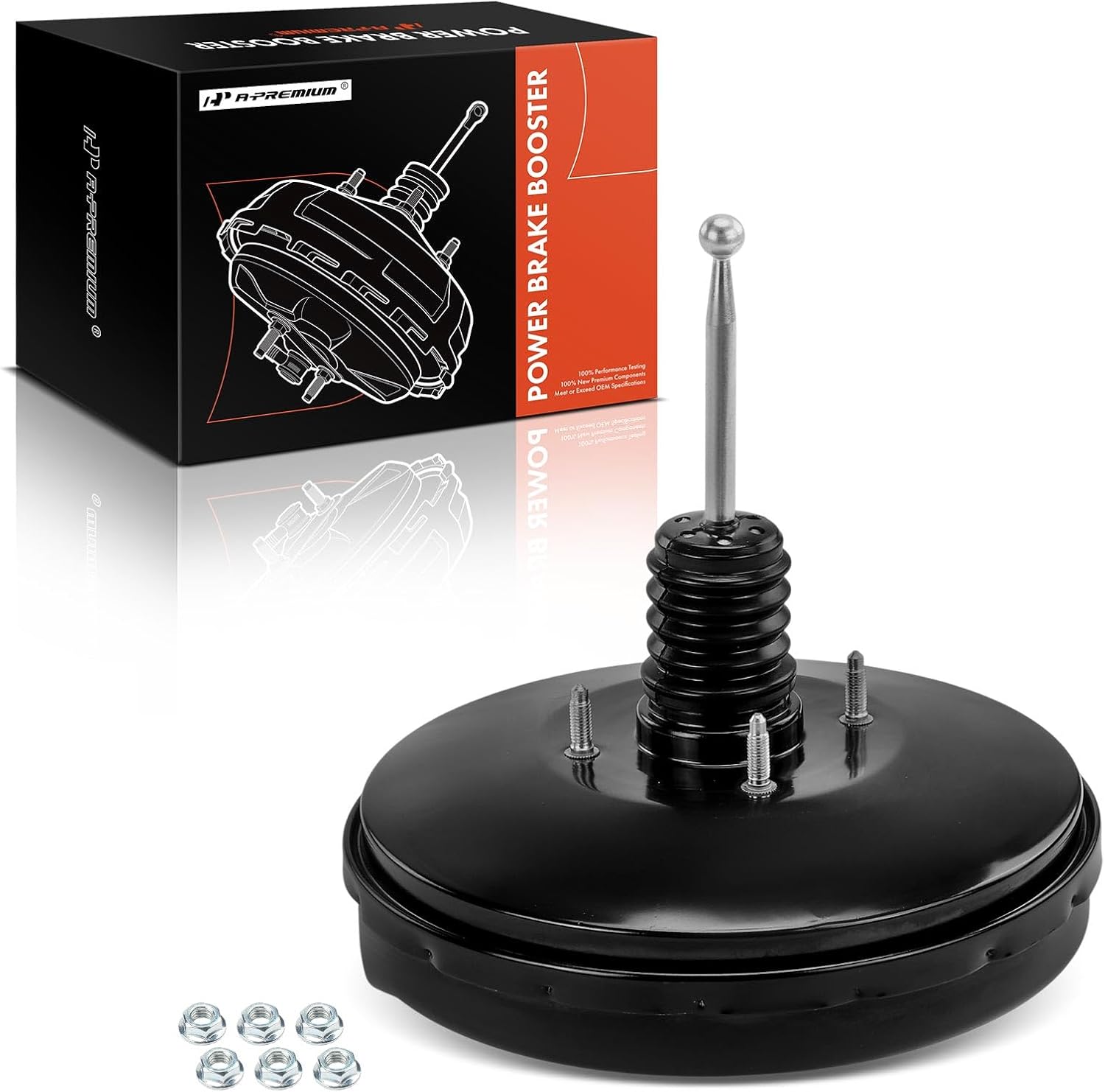
| Compatible Vehicles | Volkswagen Jetta 2005-2016 and Beetle 2012-2016 (listed engines/years) |
|---|---|
| Diaphragm Style | Single |
| Diaphragm Diameter | 10.6 in (269.24 mm) |
| Master Cylinder Stud Thread | M8 x 1.25 |
| Material | Steel |
This A-Premium vacuum power brake booster is a direct replacement unit intended to restore factory-style brake assist on compatible Volkswagen Jetta and Beetle models. It is typically used when the original booster has failed, offering the same single-diaphragm vacuum design and a steel construction with an anti-rust coating for longer service life. Installers will appreciate that it matches common reference numbers for VW boosters and uses standard M8 x 1.25 master cylinder studs, but note the master cylinder is not included so you must transfer or purchase that separately. In practice the booster provides consistent pedal feel and restored vacuum assist when fitted and routed to the vehicle vacuum line; the coated housing helps resist corrosion in underhood conditions. The main limitation is scope of fitment and the need to verify engine and production-date compatibility before ordering, plus the extra step and cost if a new master cylinder is required during replacement.
Best for: Performance-oriented owners seeking a high-quality, durable brake booster replacement to restore firm, factory-like brake assist on a specific Volkswagen Jetta or Beetle and who prioritize component durability and braking feel.
Less Ideal for: Buyers who need a complete brake assembly right away or who prefer an all-in-one master cylinder and booster unit should consider alternatives that include the master cylinder.
- Designed to match Volkswagen reference numbers for direct-fit compatibility with specified Jetta and Beetle models
- Steel construction with anti-rust coating improves corrosion resistance for longer service life
- Single-diaphragm vacuum design restores factory-style brake assist and pedal feel
- Includes standard M8 x 1.25 master cylinder stud pattern for straightforward mounting
- Sold without the master cylinder, requiring transfer of the old unit or separate purchase
- Fitment is limited to specific VW model years and engine options and must be confirmed before purchase
Verdict: A durable, factory-style replacement brake booster built to restore strong vacuum assist and long-term corrosion resistance on select VW Jetta and Beetle models.
3. A-Premium Vacuum Power Brake Booster (no master cylinder) for Volkswagen Jetta/Golf/Beetle and Audi TT
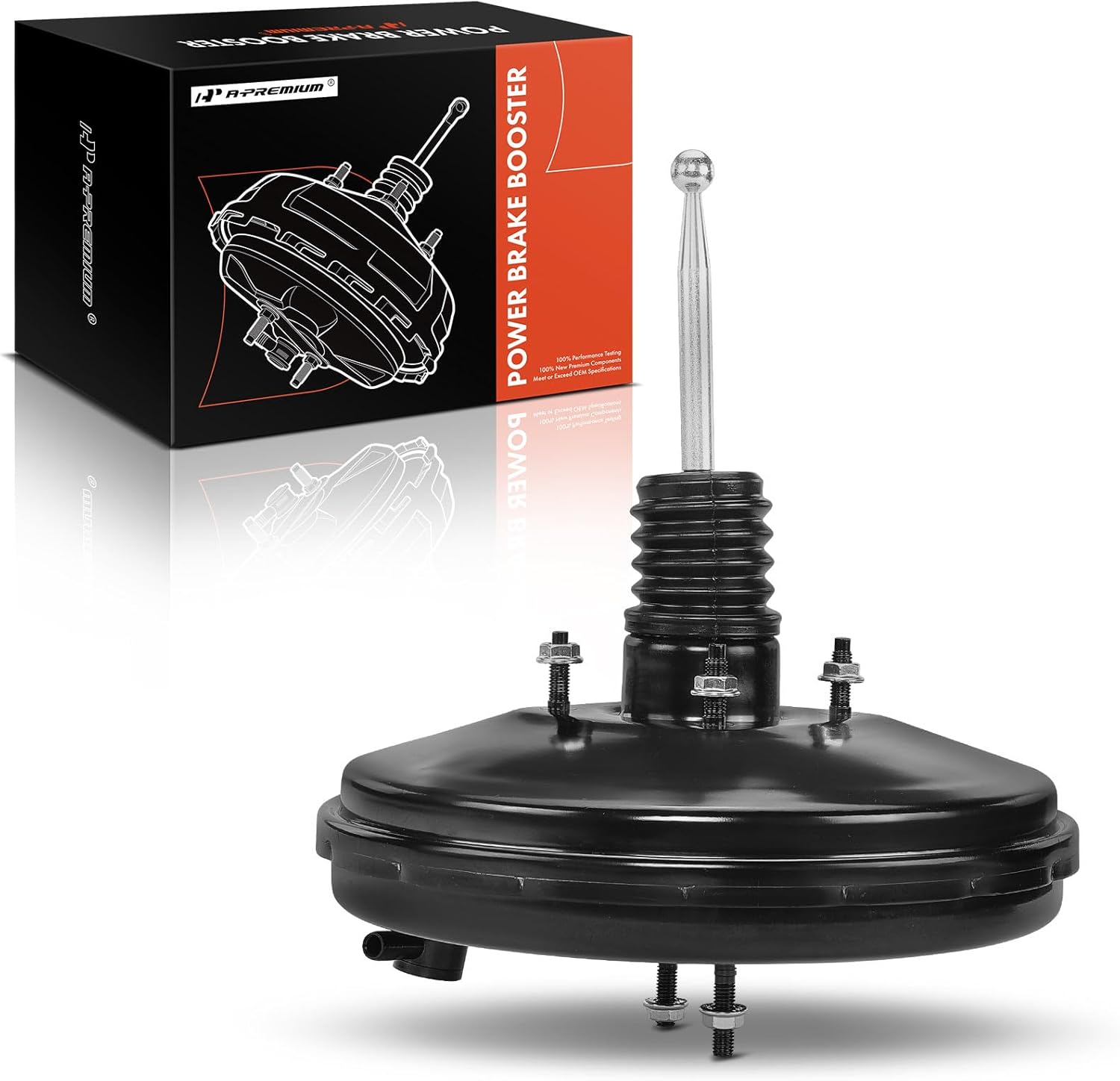
| Manufacturer | PremiumpartsWhosale |
|---|---|
| Brand | A-Premium |
| Master Cylinder Included | No |
| OEM Part Number | 53-2683, 532683, 1J1614106D, 1J1614106E |
| Customer Reviews | 3.5 out of 5 stars |
This vacuum power brake booster replaces a failed factory booster to bring back pedal assist and braking feel on compatible VW Jetta, Golf, Beetle and Audi TT models. It installs between the brake pedal pushrod and the master cylinder (master cylinder not included) and uses a single diaphragm vacuum design to amplify input force from the pedal. The unit is steel construction with an anti-rust coating intended to resist corrosion and extend service life. In practical use it delivers the expected power assist for routine street driving and braking maneuvers and fits specified year and model variants where stability control is not present. Important limitations are that the master cylinder and some mounting studs are not included, so expect extra parts or labor if those components must be replaced, and at least one review noted a quality-control issue inside the unit so inspect before installation. For a budget-focused replacement the booster provides core function and corrosion protection but may require verification of fit and minor prep before installation.
Best for: Practical optimizers seeking a low-cost factory-style replacement booster to restore braking assist on an older Volkswagen Jetta or related Volkswagen/Audi models without stability control.
Less Ideal for: Buyers who want a complete plug-and-play kit with master cylinder and hardware or those who need guaranteed zero defects straight out of the box should consider a fully assembled, inspected alternative.
- Direct-fit replacement for listed Volkswagen and Audi model years where specified
- Steel construction with anti-rust coating to resist corrosion
- Single-diaphragm vacuum design restores pedal assist for normal driving
- Sold without master cylinder which can lower initial purchase cost for buyers who only need the booster
- Master cylinder and some mounting hardware are not included so additional parts or labor may be needed
- At least one customer reported an internal loose part indicating possible quality-control inconsistency
Verdict: A-Premium offers a budget-friendly, corrosion-resistant replacement brake booster that restores pedal assist for compatible Volkswagen and Audi models.
4. A-Premium Vacuum Power Brake Booster (fits Volkswagen Jetta 1999–2005; without master cylinder)
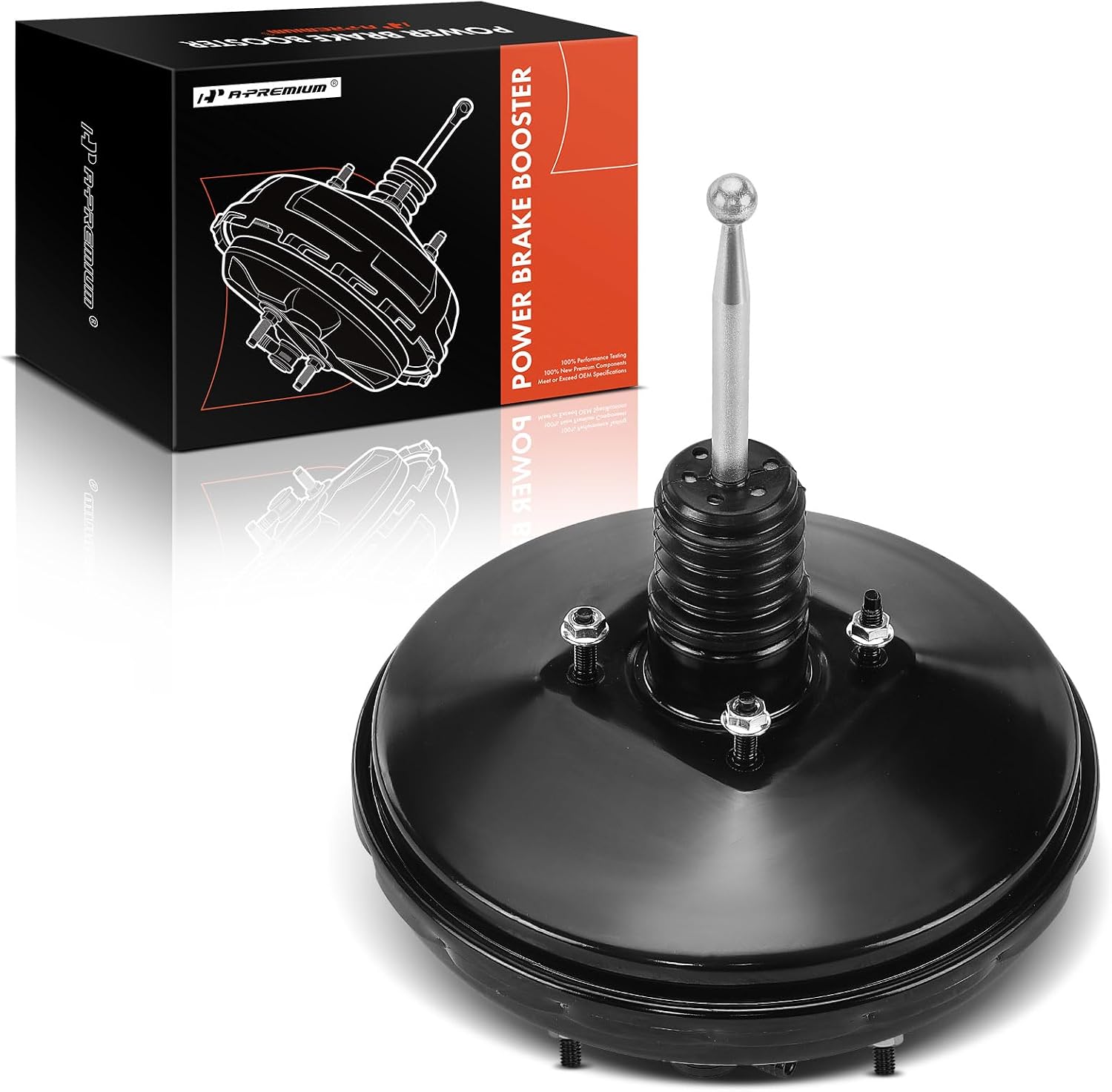
| Manufacturer | PremiumpartsWhosale |
|---|---|
| Brand | A-Premium |
| Master Cylinder Included | No |
| OEM Part Number | 53-2683, 532683, 1J1614106D, 1J1614106E |
This vacuum power brake booster replaces a failed factory booster to restore brake assist on compatible Volkswagen Jetta and related models. It installs in place of the original booster and is intended for owners doing a brake system repair where the master cylinder remains separate. Notable features include a steel construction with anti-rust coating and factory reference numbers for fit verification. In use it returns pedal assist and normal brake feel when adjusted correctly, but several user reports show the internal pushrod length requires careful measurement and adjustment during installation or the pedal can bind or apply brakes unexpectedly. The unit comes without a master cylinder so you must transfer or fit a correct master cylinder and follow the recommended adjustment steps. This makes it a low-cost option to get a worn booster replaced, but expect to spend time confirming correct pushrod setting and verifying fitment before driving to avoid safety issues.
Best for: Budget-conscious owners replacing a failed brake booster on a Volkswagen Jetta who prioritize a low-cost factory-style replacement and are willing to perform careful installation and adjustments themselves.
Less Ideal for: Drivers who need a plug-and-play, guaranteed drop-in unit without adjustment or those who prefer a complete kit that includes the master cylinder and professional installation.
- Designed to match common factory reference numbers for straightforward fit checks
- Steel construction with anti-rust coating for extended service life
- Sold as a simple replacement booster to restore power-assist braking without extra components
- Requires precise pushrod/pin adjustment during installation to avoid pedal binding or unintended braking
- Does not include a master cylinder so additional parts or transfer are needed
Verdict: A low-cost, factory-style replacement booster that restores power-assist braking for compatible Jetta models if installed and adjusted carefully.
5. AngyMeck 7" Zinc Dual Diaphragm Power Brake Booster with 1" Bore Cast Iron Dual Bail Top Master Cylinder Kit

| Booster diameter | 7 inch |
|---|---|
| Master cylinder bore | 1 inch |
| Master cylinder type | Dual bail-top |
| Ports | Four ports |
This AngyMeck kit combines a 7-inch zinc dual-diaphragm brake booster with a cast iron dual bail-top master cylinder featuring a 1-inch bore, packaged for conversion-style installations on vehicles like the Volkswagen Jetta. It is typically used to add or restore power assist where the original booster is worn or when switching from manual to power brakes. Notable features include the dual diaphragm booster for increased assist at modest vacuum levels and a four-port bail-top master cylinder that supports common brake line layouts. In practice the kit lowers pedal effort and gives a firmer, more responsive pedal feel compared with worn or manual systems. Buyers should plan for some modification and careful fitment: the unit is marketed as a universal conversion and may require bracket fabrication, pushrod adjustment, and verification of master cylinder port sizing for Jetta brake plumbing. The master cylinder’s 1-inch bore may not match every upgraded four-wheel disc setup without proportioning adjustments. Installation benefits drivers who prioritize reliable, stronger assist, but installation complexity is the main compromise.
Best for: A reliability-focused buyer who wants a durable, stronger power assist upgrade for a Volkswagen Jetta and is prepared to prioritize long-term braking confidence over a straightforward bolt-in install.
Less Ideal for: Drivers who need a direct bolt-on, vehicle-specific replacement or those unwilling to modify mounting or brake plumbing should consider vehicle-specific factory-quality replacements instead.
- Dual diaphragm design provides stronger assisted braking than a single diaphragm booster
- Cast iron dual bail-top master cylinder offers durable construction for repeated use
- Four-port master cylinder layout fits common brake line configurations used in Jetta brake systems
- Compact 7-inch booster can fit tighter engine bays where larger boosters would not
- Sold as a universal conversion kit so it may require brackets, pushrod adjustments, or plumbing changes for a Volkswagen Jetta
- 1-inch bore master cylinder may not provide optimal pressure balance for some four-wheel disc brake upgrades without a proportioning valve
Verdict: A practical, reliability-minded power boost and durable master cylinder in a conversion kit that improves pedal assist for a Jetta but requires fitment work for proper installation.
6. A-Premium Vacuum Power Brake Booster for Volkswagen Jetta and Beetle (Without Master Cylinder)

| Brake Booster Diaphragm Style | Single |
|---|---|
| Master Cylinder Included | No |
| Master Cylinder Stud Thread Size | M8 x 1.25 |
| Material | Steel |
This A-Premium vacuum power brake booster replaces the factory booster on many Volkswagen Jetta and Beetle model years and is supplied without a master cylinder. It installs between the brake pedal pushrod and the master cylinder to restore vacuum-assisted braking, and is intended for do-it-yourself or shop installations where the existing master cylinder is retained. The unit uses a single-diaphragm design with an anti-rust coating and steel construction to resist corrosion and deliver consistent pedal feel. Notable practical benefits include matching common OEM mounting points and reference numbers for straightforward fitment on the listed model years, and a replacement that aims to return lost assist from a failing booster. Limitations are that the master cylinder is not included so buyers must reuse the original or purchase a matching unit separately, and compatibility is limited to the specific Jetta and Beetle fitment range listed. Expect professional bleeding and correct torqueing during installation for safe operation.
Best for: Risk-averse mainstream buyers who prioritize restoring factory braking performance on covered Volkswagen Jetta and Beetle models and prefer parts that follow factory fitment and reference numbers.
Less Ideal for: Shoppers looking for a complete bolt-in kit including a new master cylinder or owners of Volkswagen models outside the listed years and engine variants.
- Direct-fit replacement for specified Volkswagen Jetta and Beetle years using listed reference numbers
- Single-diaphragm vacuum design restores pedal assist for a more consistent braking feel
- Steel construction with anti-rust coating improves corrosion resistance
- Supplied without master cylinder so it can be paired with a known-good factory master cylinder
- Does not include a master cylinder, requiring an additional purchase or reuse of the existing unit
- Fitment is limited to the specific Volkswagen model years and engine variants listed
Verdict: A direct-fit replacement booster that restores factory-style vacuum assist for the covered Volkswagen Jetta and Beetle models.
Choosing the Right Volkswagen Jetta Brake Booster: Key Factors to Consider
Fitment and Mounting
Correct fitment ensures the brake booster aligns with the Volkswagen Jetta s master cylinder and pedal pushrod without forcing adapters or modifications. Mismatch in mounting flange, stud pattern, or pushrod length can cause improper pedal travel, binding, or accelerated wear on the master cylinder.
Check that bolt patterns and mounting bosses match the vehicle s firewall layout and that the booster allows the original pedal geometry. A booster that fits cleanly reduces installation time and minimizes the risk of leaks or misalignment that can compromise braking feel.
Vacuum Integrity
The booster relies on a sealed vacuum chamber to amplify pedal force, so diaphragm condition and intake connections matter. Any leak at vacuum ports, gaskets, or diaphragm seams reduces assist, making the pedal hard and increasing stopping distances.
Assess the design of the vacuum inlet and the quality of sealing surfaces. A robust vacuum path with corrosion-resistant fittings and durable gaskets will maintain assist under repeated use and in varied temperature conditions.
Pushrod Adjustment and Travel
Proper pushrod length and adjustability determine pedal free play and the initial engagement point of the master cylinder. If the pushrod is too short or too long, you may get an overly soft pedal, excessive travel, or premature master cylinder wear.
Look for boosters that allow precise pushrod adjustment or come pre-set to vehicle OEM specifications. This control helps restore intended pedal feel and ensures the master cylinder operates within its design range.
Build Quality and Materials
Materials used for the diaphragm, housing, and internal components affect longevity and resistance to environmental factors. Corrosion-prone shells, brittle plastic fittings, or low-grade rubber diaphragms tend to fail sooner, leading to vacuum leaks or loss of assist.
Prefer boosters with stamped steel or coated housings, flexible yet durable diaphragm materials, and reinforced vacuum fittings. Higher build quality typically translates to fewer failures and less frequent rework over the vehicle s service life.
Serviceability and Replacement Parts
Some boosters are offered as complete assemblies while others support partial rebuilds or replacement diaphragms. The availability of service parts influences long-term maintenance cost and turnaround time when failures occur.
Consider whether the unit allows a core return or rebuild, and whether common wear items like seals and check valves are available. Serviceable designs can reduce downtime and make future repairs simpler and less invasive.
Installation Complexity
Installation can range from straightforward bolt-on swaps to jobs requiring removal of the master cylinder or working in tight engine-bay spaces. Complexity affects how long the repair takes and whether you can reasonably tackle it yourself.
Evaluate access to mounting studs, the need to bench-bleed the master cylinder after installation, and whether special tools are required. Lower complexity reduces the chance of installation errors that could affect braking performance.
How We Chose the Best Volkswagen Jetta Brake Booster
We focused on components engineered specifically to restore correct brake pedal force and vacuum performance on Volkswagen Jetta models. Our editorial filters prioritized exact fitment to the vehicle s braking system, verified vacuum diaphragm integrity, and compatibility with the stock master cylinder interface and pushrod geometry. Durability of seals and mounting points, ease of installation relative to vehicle access, and the availability of replacement cores or assemblies were also important.We excluded parts that required significant chassis or braking system modification, non-specific universal boosters, and units lacking clear vehicle-fit documentation. Final selections balanced mechanical compatibility, expected longevity under normal use, and the likelihood of resolving common failure modes such as vacuum leaks or diaphragm wear.
Our full evaluation process is outlined in our review methodology.
FAQ
What are common symptoms of a failing brake booster on a Volkswagen Jetta?
Common signs often include a hard brake pedal that requires more force, longer pedal travel, and a change in pedal feel under repeated stops. You might also notice a hissing noise near the firewall when applying the brakes, which can indicate a vacuum leak. These symptoms usually worsen gradually rather than appearing suddenly.
How can I test the brake booster without specialized equipment?
A simple bench check is to press the brake pedal several times with the engine off to deplete residual vacuum, then hold the pedal down and start the engine. If the booster is working, the pedal should sink slightly as vacuum assist builds. A lack of change often suggests weak or failed assist or a vacuum leak.
Can a bad brake booster cause a vacuum leak and what does that mean?
Yes, a deteriorated diaphragm or seal can create a vacuum leak, reducing assist and causing a hard pedal and potential hissing sounds. A vacuum leak means the booster cannot maintain the pressure differential needed to amplify pedal force, often resulting in degraded braking performance.
Is replacing the brake booster a DIY-friendly job on a Volkswagen Jetta?
That depends on your mechanical skill and access to tools. Some installations are straightforward bolt-on swaps if the master cylinder remains undisturbed, while others require master cylinder removal, bench bleeding, and careful pushrod adjustment. If you are comfortable with brake-system bleeding and basic mechanical tasks, it can be a DIY project.
How long should a brake booster last before needing replacement?
Lifespan depends on driving conditions and maintenance, but boosters frequently last many years under normal use. Factors like exposure to heat, corrosion, and repeated vacuum cycling influence durability. Rather than a fixed timeline, monitor performance and address symptoms such as hard pedal or hissing as they appear.
What affects the cost to replace a brake booster?
Replacement cost is influenced by whether you install a complete assembly or rebuild components, availability of replacement cores, and the complexity of installation. Labor can increase if the master cylinder must be removed or if access is limited. Those considerations determine both parts and installation expense.
Conclusion
When choosing a Volkswagen Jetta brake booster, prioritize correct fitment to the vehicle s master cylinder and pedal geometry, reliable vacuum integrity, and durable materials. These factors most directly affect pedal feel, stopping consistency, and long-term reliability.Balance ease of installation and serviceability against build quality and available replacement parts. Addressing symptoms early and selecting a unit that matches vehicle specifications will help restore intended braking performance with minimal fuss.
Explore More:
- Check out all Volkswagen Jetta parts & accessories
- Explore Brake Boosters Maintenance & Repair Guides
- Explore Brake System
- Browse all Auto Parts
