

Note: This article contains affiliate links. If you click on these links and make a purchase, I may earn a small commission at no extra cost to you. This helps support my research and content. Read my full affiliate disclosure here.
If your Volkswagen Golf brake booster is weak or failing, braking performance can feel soft, inconsistent, or require much more leg effort. Choosing the right replacement matters because the booster directly affects pedal effort, brake balance, and overall safety in everyday driving. This guide highlights the top shortlisted brake boosters for the Volkswagen Golf and explains the criteria we used to evaluate them, including fitment accuracy and braking assistance. Read on for clear guidance to help you pick a booster that restores normal pedal feel and dependable stopping. The product list follows with quick notes on what each option aims to deliver.
Looking for other parts? See all Volkswagen Golf parts & accessories.
Top Picks at a Glance
| Best Overall The best all-around choice for most situations | A-Premium Vacuum Power Brake Booster for Volkswagen Golf and Related Models (Without Master Cylinder) |  |
| Best Quality Built to a higher standard if you want something more solid | a-partrix Power Brake Booster for Volkswagen Golf 1999–2006 and Audi TT Quattro 2000–2002 |  |
| Best Value The sweet spot between price and what you get | AngyMeck 7" Zinc Dual Diaphragm Power Brake Booster with 1" Bore Bail-Top Master Cylinder Kit |  |
| Best Budget The cheapest option that still gets the job done reliably | PartsFlow Vacuum Power Brake Booster 53-2683 (fits Volkswagen Golf and related models) |  |
| Best Seller A high-volume bestseller chosen again and again | A-Premium Vacuum Power Brake Booster — Replacement for VW/Audi/Seat 53-2651 |  |
1. A-Premium Vacuum Power Brake Booster for Volkswagen Golf and Related Models (Without Master Cylinder)
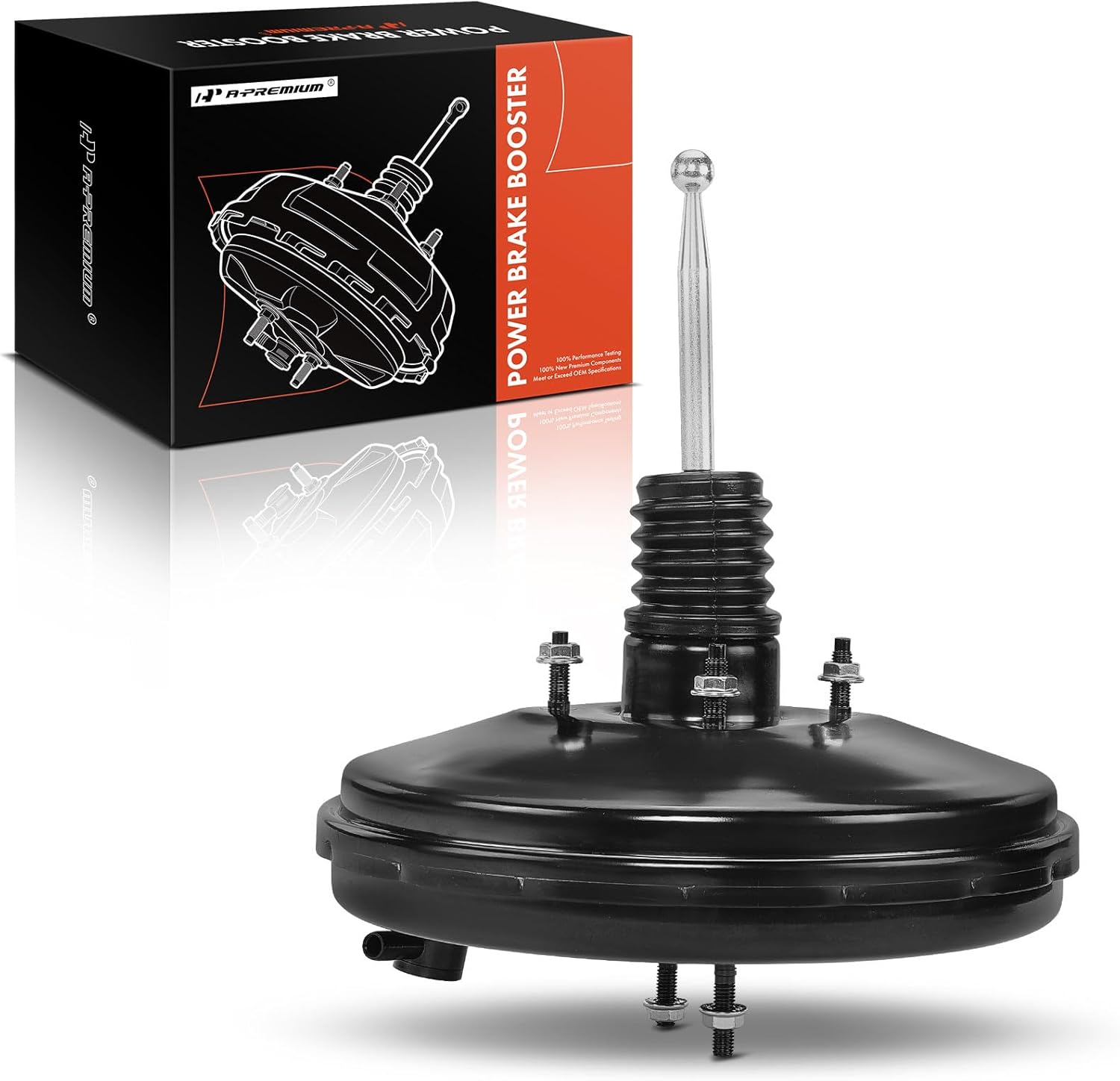
| Manufacturer | PremiumpartsWhosale |
|---|---|
| Brand | A-Premium |
| Master Cylinder Included | No |
| OEM Part Number | 53-2683, 532683, 1J1614106D, 1J1614106E |
This A-Premium vacuum power brake booster is a direct-fit replacement designed to restore power-assisted braking on compatible VW Golf, Jetta, Beetle and Audi TT models. It mounts in place of the original booster and uses a single diaphragm vacuum design to provide the vacuum assist the pedal needs for lighter, more confident braking. The unit is steel construction with an anti-rust coating intended to extend service life and it is supplied without a master cylinder, so installation requires reusing the factory master cylinder or fitting a separate replacement. Fitment covers a range of Golf model years commonly needing a booster swap and the listing includes OEM reference numbers for cross-checking. Practical benefits include factory-style pedal feel restoration and a straightforward swap for someone comfortable with brake-system work, but buyers should be prepared to verify vehicle compatibility carefully and install or transfer the master cylinder separately since it is not included.
Best for: Balanced buyers who want a cost-effective, factory-style replacement booster to restore normal brake assist on VW Golf-series cars and prefer a straightforward mechanical swap rather than a performance upgrade.
Less Ideal for: Buyers who want a complete plug-and-play solution with a new master cylinder included or those who prefer performance-oriented or specialty brake boosters.
- Direct-fit design for specified Volkswagen Golf and related models using listed OEM reference numbers
- Steel construction with anti-rust coating for improved corrosion resistance
- Single-diaphragm vacuum design restores factory-style brake assist and pedal feel
- Includes manufacturer support and a one-year unlimited-mileage quality guarantee
- Sold without a master cylinder, requiring separate purchase or reuse of the original
- Some reported quality-control issues in user feedback indicate inspection before installation is advisable
Verdict: A practical, factory-style replacement brake booster that restores power-assist on compatible VW Golf models without adding performance complexity.
2. a-partrix Power Brake Booster for Volkswagen Golf 1999–2006 and Audi TT Quattro 2000–2002

| Manufacturer | A-Partrix |
|---|---|
| Brand | a-partrix |
| Manufacturer Part Number | GZ-YWTCZH260226G010 |
| OEM Part Number | 1J1614106D, 1J1614106E |
This a-partrix power brake booster is a direct replacement unit intended to restore factory-style brake assist on Volkswagen Golf (1999–2006) 2.0L and Audi TT Quattro (2000–2002) 1.8L vehicles. Installed between the brake pedal and master cylinder, it multiplies pedal force so braking requires less driver effort and returns a firmer pedal feel compared with a failing booster. The unit ships as a single complete booster with a rust-resistant finish intended to extend service life. For performance-oriented drivers the practical benefit is predictable, consistent assist during repeated stops and spirited driving where pedal response matters. Important limitations are fitment sensitivity and that it does not include additional hardware beyond the booster itself, so expect to transfer or separately source mounting studs, vacuum lines, and the master cylinder if needed. Installation requires moderate mechanical skill and proper bench bleeding and vacuum checks to ensure safe operation.
Best for: Performance-oriented drivers seeking a high-quality replacement booster to restore firm, responsive pedal feel and consistent braking during spirited or daily driving.
Less Ideal for: Buyers who want a universal or multi-vehicle solution or those without mechanical skills who prefer a plug-and-play kit with all mounting hardware included.
- Direct replacement design for specified Volkswagen Golf and Audi TT models
- Rust-prohibitive finish for improved corrosion resistance and longer service life
- Restores firm brake pedal assist for more predictable braking feel
- Ships as a single complete booster unit ready to install
- Does not include auxiliary hardware such as mounting studs, vacuum hose, or master cylinder fittings
- Fitment is limited to the listed model years and requires careful verification before purchase
Verdict: A factory-style replacement booster that restores firm, predictable brake assist for specified Volkswagen Golf and Audi TT models.
3. AngyMeck 7" Zinc Dual Diaphragm Power Brake Booster with 1" Bore Bail-Top Master Cylinder Kit

| Booster diameter | 7 inch |
|---|---|
| Master cylinder bore | 1 inch |
| Master cylinder style | Bail-top, 4-port |
| Material | Zinc booster, cast-iron master cylinder |
This kit pairs a 7-inch zinc dual diaphragm power brake booster with a cast-iron bail-top master cylinder that uses a 1-inch bore and four ports, intended for use as a booster conversion on compatible vehicles. Installation is typical of conversion boosters: mount the booster to the firewall, fit the bail-top master cylinder to the booster, adjust the pushrod, and connect brake lines to the four ports. The zinc construction and cast-iron master cylinder aim to deliver durable, serviceable components for street use. Buyers will appreciate the included master cylinder sized for common conversion setups and the kit’s straightforward, no-frills design that replaces an underperforming vacuum assist. Limitations are that this is a universal conversion kit rather than a vehicle-specific drop-in part, so it will require checking firewall spacing, bracketry, and line fitting for a Volkswagen Golf and may need additional fittings or a proportioning valve depending on the Golf’s brake configuration. Expect basic fitment work and careful pushrod adjustment to get proper pedal feel and balance.
Best for: Practical optimizers who want a budget-conscious, serviceable way to add or replace power assist on a Volkswagen Golf and are comfortable modifying mounts and fittings for a proper installation.
Less Ideal for: Buyers seeking a direct-fit, vehicle-specific replacement or a plug-and-play booster for a Golf without any modification needs should look for a factory-quality, model-specific unit instead.
- Complete booster plus master cylinder bundle simplifies a conversion install for vehicles that need an upgrade
- Zinc dual-diaphragm booster offers compact vacuum assist suitable for tighter engine bays
- Cast-iron master cylinder with four ports supports common brake line layouts and proportioning setups
- 1 inch bore master cylinder provides robust input for improved pedal response compared with some small-replacement units
- Universal conversion design requires checking and fabricating mounting brackets and fittings for a Volkswagen Golf
- May not provide ideal pressure/volume balance for four-wheel disc setups without a different master cylinder or an adjustable proportioning valve
- Installation requires correct pushrod adjustment and basic brake system bleeding to avoid pedal issues
Verdict: A budget-friendly booster-plus-master-cylinder conversion kit that delivers solid performance if you are willing to handle fitment work on a Volkswagen Golf.
4. PartsFlow Vacuum Power Brake Booster 53-2683 (fits Volkswagen Golf and related models)

| Brake Booster Diaphragm Style | Single |
|---|---|
| Master Cylinder Stud Thread Size | M8x1.25 |
| Reference Number | 53-2683, 1J1614106D, 1J1614106E |
| Material | Steel |
This PartsFlow vacuum power brake booster is a replacement unit designed to restore power-assisted braking on compatible Volkswagen Golf platforms and related Audi, Seat, and Beetle models. It installs between the master cylinder and pedal assembly to provide vacuum-assist, which reduces pedal effort and helps return a firm brake feel after engine start. The unit lists factory-style connections and a single diaphragm design intended for direct-fit swap with the stock booster, so installation is straightforward for experienced DIYers or a shop familiar with these vehicles. Practical benefits include restoring original braking feel, eliminating hard pedal symptoms from a failed booster, and using common master cylinder stud threads for compatibility. As a budget-oriented part, finish and fit may vary compared with higher-end or OEM replacements, and you should verify fitment against vehicle reference numbers before ordering. The product is best used as a cost-effective repair option when restoring safe braking performance on older Golf models.
Best for: Budget-conscious owners seeking an affordable, functional replacement to restore power-assisted braking on older Volkswagen Golf platforms and related models.
Less Ideal for: Buyers who prioritize exact factory finish, extended warranty coverage, or a premium aftermarket option should consider higher-end or dealer-sourced boosters instead.
- Direct-fit replacement specified for Volkswagen Golf and compatible Audi and Seat models
- Restores vacuum-assisted braking to reduce pedal effort and recover factory-like brake feel
- Uses common master cylinder stud thread size (M8x1.25) for straightforward mounting
- Single-piece design simplifies installation compared with more complex aftermarket options
- Budget aftermarket finish and fit may be less refined than factory or premium replacements
- Limited brand-specific support and no detailed warranty information provided
Verdict: A cost-effective, direct-fit vacuum brake booster to restore power-assisted braking on Volkswagen Golf and similar models.
5. A-Premium Vacuum Power Brake Booster — Replacement for VW/Audi/Seat 53-2651

| Diaphragm diameter | 265.46 mm |
|---|---|
| Master cylinder stud thread size | M8x1.25 |
| Brake booster diaphragm style | Single |
| Material | Steel |
This vacuum power brake booster restores the power-assist function for several Volkswagen Golf-era vehicles and related Audi and Seat models that use an electronic stability or vehicle stability control system. It installs between the pedal assembly and master cylinder and provides a factory-style single-diaphragm boost to reduce pedal effort and improve stopping confidence. notable features include a steel body, M8x1.25 master cylinder stud thread, and a 265.46 mm diaphragm diameter, and the unit is supplied without a master cylinder so reuse or separate purchase of the master cylinder is required. In practice this part is useful for addressing a hard or heavy brake pedal when the original booster has failed; its steel construction and matching reference numbers make fitment checking straightforward. Expect a straightforward bolt-on swap for cars specified as compatible, but allow for bleed and calibration of brakes after installation and verify compatibility with your vehicle's stability control variant. The brand backs the booster with a one-year unlimited-mileage guarantee but buyers should plan for professional installation unless they are experienced with brake systems.
Best for: Risk-averse mainstream buyers who prioritize restoring reliable, factory-quality brake assist on Volkswagen Golf-era vehicles and want a like-for-like replacement backed by a standard guarantee.
Less Ideal for: Do not choose this if you need a complete brake assembly or are repairing a vehicle without ESP or VSC since the part is only a booster and fitment is restricted.
- Restores factory-style power assist to correct hard brake pedal feel
- Steel construction and listed reference numbers simplify fitment checks
- Compatible with vehicles using Electronic Stability Program or Vehicle Stability Control when matched to the correct model
- Comes with standard M8x1.25 master cylinder stud thread for common master cylinder connections
- One-year unlimited-mileage guarantee from the brand
- Does not include a master cylinder so additional parts or reuse of the original are required
- Fitment is limited to models equipped with ESP or VSC and must be verified before purchase
Verdict: A practical, factory-style replacement brake booster for compatible Volkswagen-era cars that restores power assist and pedal feel.
Choosing the Right Volkswagen Golf Brake Booster: Key Factors to Consider
Fitment And Mounting Compatibility
Correct fitment ensures the booster mates cleanly with the Golf's brake master cylinder, firewall studs, and vacuum port without adapters. A unit that aligns with factory mounting points reduces installation time and the risk of misalignment that can cause pushrod binding or uneven brake actuation. Choosing a booster designed for the vehicle minimizes the need for custom brackets or modified lines and preserves proper pedal travel and clearance in the engine bay.
Boost Level And Pedal Feel
The amount of assist the booster provides directly affects how hard you must press the pedal for a given brake force. Too little assist leaves the pedal heavy and can make emergency stops more difficult, while too much assist can reduce feedback and make modulation awkward. Aim for a booster that matches the original boost ratio or is tuned to provide predictable, progressive pedal response so you retain good control and confidence during both light braking and full-stops.
Vacuum Seal And Leak Resistance
A reliable vacuum seal prevents loss of assist and helps the booster hold pressure when the engine is off. Leaks at the diaphragm, check valve, or vacuum hose will lead to diminished performance and abnormal sounds under braking. Inspect materials and sealing design when choosing a unit, and prefer boosters with robust check valves and clear vacuum port fittings to reduce the chance of a vacuum leak over time.
Durability Of Internal Components
The diaphragm, internal valves, and pushrod are wear points that affect long-term function. A brittle diaphragm or poorly machined pushrod will degrade performance and may require earlier replacement. Look for boosters that use high-quality elastomers and corrosion-resistant materials for the housing and internal hardware. Durability reduces the likelihood of sudden failure and keeps maintenance intervals longer.
Compatibility With Brake System Electronics
Modern Golfs often rely on ABS and brake proportioning to work predictably with the booster. A replacement must not interfere with ABS sensors or alter fluid pressure characteristics beyond the system's tolerances. Verify that the booster supports the vehicle's electronic and hydraulic control systems and does not change the expected pedal travel or pressure curves that the ABS and stability systems rely on.
Ease Of Installation And Serviceability
A straightforward installation reduces labor time and the chance of mistakes when replacing the booster. Features like clearly labeled vacuum ports, accessible mounting nuts, and a pushrod that adjusts to factory specification simplify the job. If you plan a replace brake booster DIY project, choose a unit with clear instructions and hardware included. Consider how easy it is to bench-bleed the master cylinder and reattach vacuum lines during reassembly.
How We Chose the Best Volkswagen Golf Brake Booster
We focused exclusively on units intended for the Volkswagen Golf and applied filters that reflect real-world repair priorities. Key evaluation criteria included fitment precision to factory mounting points and vacuum lines, the level of boost provided relative to factory specifications, diaphragm and valve durability, and compatibility with the vehicle's brake proportioning and ABS systems. We also assessed build quality of the housing and pushrod, ease of installation in a typical home garage, and documented reliability from service records and user reports. We excluded universal or multi-vehicle units that require extensive modification, and any options lacking sufficient proof of compatibility with Golf brake master cylinder interfaces. The goal was to highlight boosters that offer reliable pedal feel, durable construction, correct vacuum sealing, and straightforward installation for this specific vehicle.
Our full evaluation process is outlined in our review methodology.
FAQ
What are common brake booster symptoms in a Volkswagen Golf?
Common signs often include a hard pedal that requires extra force, longer stopping distances, or a hissing noise from the firewall indicating a vacuum leak. You may also notice inconsistent braking effort after the car sits for a few hours. These symptoms suggest the assist mechanism is not maintaining vacuum or the diaphragm has degraded.
How can I test the brake booster to confirm it is faulty?
A simple test is to pump the brake pedal several times with the engine off to deplete residual vacuum, then hold firm pressure and start the engine. If the pedal sinks slightly as the engine starts, assist is present. Lack of change or a persistently hard pedal often indicates loss of vacuum or internal failure. Additional diagnostic checks include listening for hissing and inspecting vacuum lines and the check valve.
Can I replace a Volkswagen Golf brake booster myself?
Many mechanically inclined owners can handle the replacement with common hand tools and a safe workspace, but it requires care. The job typically involves removing the master cylinder or supporting it while detaching the booster, transferring pushrod settings, and properly reconnecting vacuum lines. Brake system bleeding and verification of pedal feel are essential after installation.
What causes a brake booster vacuum leak?
Vacuum leaks often stem from cracked hoses, a failed check valve, or deterioration of the booster diaphragm and seals. Age, heat cycling, and exposure to engine bay contaminants accelerate wear. Identifying the source usually involves a visual inspection and listening for hissing while the engine is running.
How is a bad brake booster different from a failing master cylinder?
Symptoms can overlap, but a bad booster typically affects pedal effort and produces hissing or changes in assist when the engine starts. A failing master cylinder more often causes spongy pedal feel, fluid leaks, or a gradual loss of hydraulic pressure. Diagnosing both components involves checking pedal behavior, fluid condition, and performing targeted tests like the engine start assist test for the booster.
Conclusion
When replacing a Volkswagen Golf brake booster, prioritize fitment accuracy, vacuum integrity, and a boost level that matches the vehicle's original pedal feel. Durable internal components and compatibility with the Golf's braking electronics reduce the chance of follow-up repairs. Balance ease of installation with long-term reliability when choosing a unit. If you plan to tackle the job yourself, pick a booster with clear installation guidance and confirm vacuum sealing and pedal travel during final checks to ensure safe, predictable stopping.
Explore More:
- Check out all Volkswagen Golf parts & accessories
- Explore Brake Boosters Maintenance & Repair Guides
- Explore Brake System
- Browse all Auto Parts
