

Note: This article contains affiliate links. If you click on these links and make a purchase, I may earn a small commission at no extra cost to you. This helps support my research and content. Read my full affiliate disclosure here.
Selecting the right brake booster for your Toyota 4Runner matters because it directly affects pedal feel, stopping consistency, and driving confidence. A properly functioning booster reduces driver effort and helps maintain even braking under everyday and demanding conditions.This guide covers the top shortlisted brake boosters for the Toyota 4Runner and explains the evaluation criteria we used, including fitment accuracy and vacuum performance. Read on to understand what to look for before you choose a replacement or upgrade.
Looking for other parts? See all Toyota 4Runner parts & accessories.
Top Picks at a Glance
| Best overall The best all-around choice for most situations | 3mirrors Vacuum Power Brake Booster for 1996–2000 Toyota 4Runner (44610-3D700) |  |
| Best quality Built to a higher standard if you want something more solid | PartsFlow Vacuum Power Brake Booster 53-2071 for Toyota 4Runner/Pickup 2.4L |  |
| Best Value The sweet spot between price and what you get | IRONTEK Vacuum Power Brake Booster for Toyota 4Runner (1996–2000) |  |
| Best Budget The cheapest option that still gets the job done reliably | SCITOO Power Brake Booster Compatible with Toyota 4Runner 1989–1995 |  |
| Highest Rated A top-rated pick with lots of positive feedback | PartsFlow Vacuum Power Brake Booster 53-2727 compatible with Toyota 4Runner (without master cylinder) |  |
| Most popular A crowd favorite that many people choose with confidence | DRIVESTAR Front Power Brake Booster for 1996–2000 Toyota 4Runner |  |
| Best Seller A high-volume bestseller chosen again and again | SCITOO Power Brake Booster compatible with 1996-2000 Toyota 4Runner |  |
1. 3mirrors Vacuum Power Brake Booster for 1996–2000 Toyota 4Runner (44610-3D700)

| Fitment | 1996–2000 Toyota 4Runner |
|---|---|
| Part number | 44610-3D700 |
| Manufacturer | 3mirrors |
| OEM cross-reference | 160.88809, 44610-3D700, 446103D700, 53-2727 |
This 3mirrors vacuum power brake booster is a replacement unit intended to restore normal pedal assist and braking feel on 1996–2000 Toyota 4Runner models. It installs at the firewall where the original booster sits and uses engine vacuum to reduce pedal effort so the driver gets stronger hydraulic pressure with less force. The listing notes factory-spec fitment for the 44610-3D700 part and the unit ships with necessary bolts and parts to simplify installation. Buyers report straightforward bolt-up fit and improved braking feel after swapping the worn or failed original. Because it is a direct-fit aftermarket unit, it offers a lower-cost alternative to dealer parts while matching the original mounting and function. Important limitations are that some vehicle variants use different master-cylinder bolt patterns or pressure-sensor arrangements, so verifying the master-cylinder bolt count and sensor presence before ordering is necessary. Also this is a replacement booster rather than an upgraded performance unit, so it restores stock braking characteristics rather than improving them.
Best for: Balanced buyers who want a reliable, cost-effective factory-style replacement for a failed booster and prioritize correct fit and restored braking behavior.
Less Ideal for: Drivers seeking upgraded braking performance or owners of 4Runners with uncommon master-cylinder mounting or sensor requirements who need a tailored solution.
- Designed to match factory mounting and function for the 44610-3D700 fitment
- Includes bolts and installation parts to simplify swap with the original unit
- Uses engine vacuum to restore normal pedal assist and reduce driver effort
- Multiple customer reports of easy bolt-up installation and improved braking feel
- Does not include vehicle-specific pressure sensor on some 4Runner variants so additional wiring or parts may be required
- Not a performance upgrade; it restores stock-level braking rather than boosting stopping power
Verdict: A budget-friendly, factory-style replacement brake booster for 1996–2000 Toyota 4Runners that restores stock pedal assist and fitment but is not a performance upgrade.
2. PartsFlow Vacuum Power Brake Booster 53-2071 for Toyota 4Runner/Pickup 2.4L

| Vehicle fit | Toyota 4Runner/Pickup 2.4L 1986–1989 |
|---|---|
| Reference number | 53-2071, 4461035810 |
| Diaphragm style | Single |
| Material | Steel |
This PartsFlow vacuum power brake booster replaces the factory unit to restore power-assisted braking on Toyota 4Runner and Pickup 2.4L models from 1986 to 1989. It mounts in the original location and uses the vehicle's vacuum to multiply pedal force, making stops easier and reducing driver effort during routine and emergency braking. Key features include a single diaphragm design, steel construction, and compatibility with specific 2.4L naturally aspirated engines; mounting hardware from the original booster is reused. In use it behaves like a factory replacement, improving pedal feel and braking responsiveness when installed and bled correctly. Expect a straightforward swap for mechanically experienced owners or a quick shop job, but initial bleeding can trap air and may require professional attention to eliminate a soft pedal. This part focuses on restoring performance rather than offering upgrades like integrated proportioning or electronic assist, so it is best for buyers seeking a quality, factory-style replacement for improved braking confidence on older Toyotas.
Best for: Performance-oriented buyers who want a high-quality, factory-style replacement to restore braking feel and responsiveness on late-1980s Toyota 4Runner and Pickup 2.4L vehicles.
Less Ideal for: Drivers looking for upgraded or modernized brake assist features or a turnkey kit that includes master cylinder and hardware; budget-focused repairs may prefer a used core or rebuild option.
- Factory-style vacuum assist restores pedal effort and stopping confidence on compatible 4Runner/Pickup models.
- Steel construction and single-diaphragm design provide a durable, straightforward replacement.
- Direct-fit compatibility with specified 1986–1989 Toyota 4Runner and Pickup 2.4L models simplifies installation when used with original mounting hardware.
- May trap air during installation and require professional bleeding to achieve firm pedal feel.
- Does not include the master cylinder so additional parts or service may be needed if the master is worn.
Verdict: A durable, factory-style brake booster that restores pedal assist and braking confidence on compatible late-1980s Toyota 4Runner and Pickup models, best for buyers wanting performance-matched replacement over upgrades.
3. IRONTEK Vacuum Power Brake Booster for Toyota 4Runner (1996–2000)

| Manufacturer | IRONTEK |
|---|---|
| Compatible Vehicle | Toyota 4Runner 1996-2000 |
| Manufacturer Part Number | IRKPBV8001 |
| Replace Part Numbers | 53-2727, 44610-3D700, 446103D700, R2518306 |
This IRONTEK vacuum power brake booster is a direct-replacement unit intended to restore power-assisted braking on Toyota 4Runner models from 1996 through 2000. It bolts into the factory location and is used the same way as the original booster to provide vacuum assist for the brake pedal, making stops easier and safer. The listing emphasizes factory-quality design and testing for fit, corrosion, torque, and spring-back, and several buyers report straightforward installation and correct fitment. Practical benefits include lower cost compared with dealer parts and a claimed three-year warranty. Important limitations are mixed reliability reports from some users and missing small items such as a gasket in certain shipments, so expect to verify included hardware before installation. A few reviews also report unusual pedal behavior on installation, so this unit is best for someone comfortable verifying brake function after fitting or having a mechanic confirm installation.
Best for: Practical optimizers who want a budget-friendly, direct-replacement booster for routine repairs and are willing to verify installation or have a mechanic inspect braking performance after fitting.
Less Ideal for: Buyers who prefer factory dealer parts for guaranteed long-term reliability or those unwilling to troubleshoot fitment or hardware issues after delivery.
- Designed as a direct-fit replacement for 1996–2000 Toyota 4Runner, simplifying installation
- Lower cost than factory dealer replacements while claiming factory-quality design
- Manufacturer states units undergo fitment, corrosion, torque, and spring-back testing
- Multiple buyers report easy installation and correct fit
- Some customers reported inconsistent performance and one report of brakes seizing after installation
- Occasional missing hardware such as a gasket requiring an extra trip or part purchase
- Long-term durability is uncertain based on mixed user experiences
Verdict: A cost-effective direct replacement for 3rd-gen Toyota 4Runner brakes that delivers correct fit for many buyers but requires post-install verification due to mixed reliability reports.
4. SCITOO Power Brake Booster Compatible with Toyota 4Runner 1989–1995
| Brand | SCITOO |
|---|---|
| Model | 180242 |
| Fitment years | 1989-1995 4Runner |
| Manufacturer Part Number | 180242-5336-1516313011 |
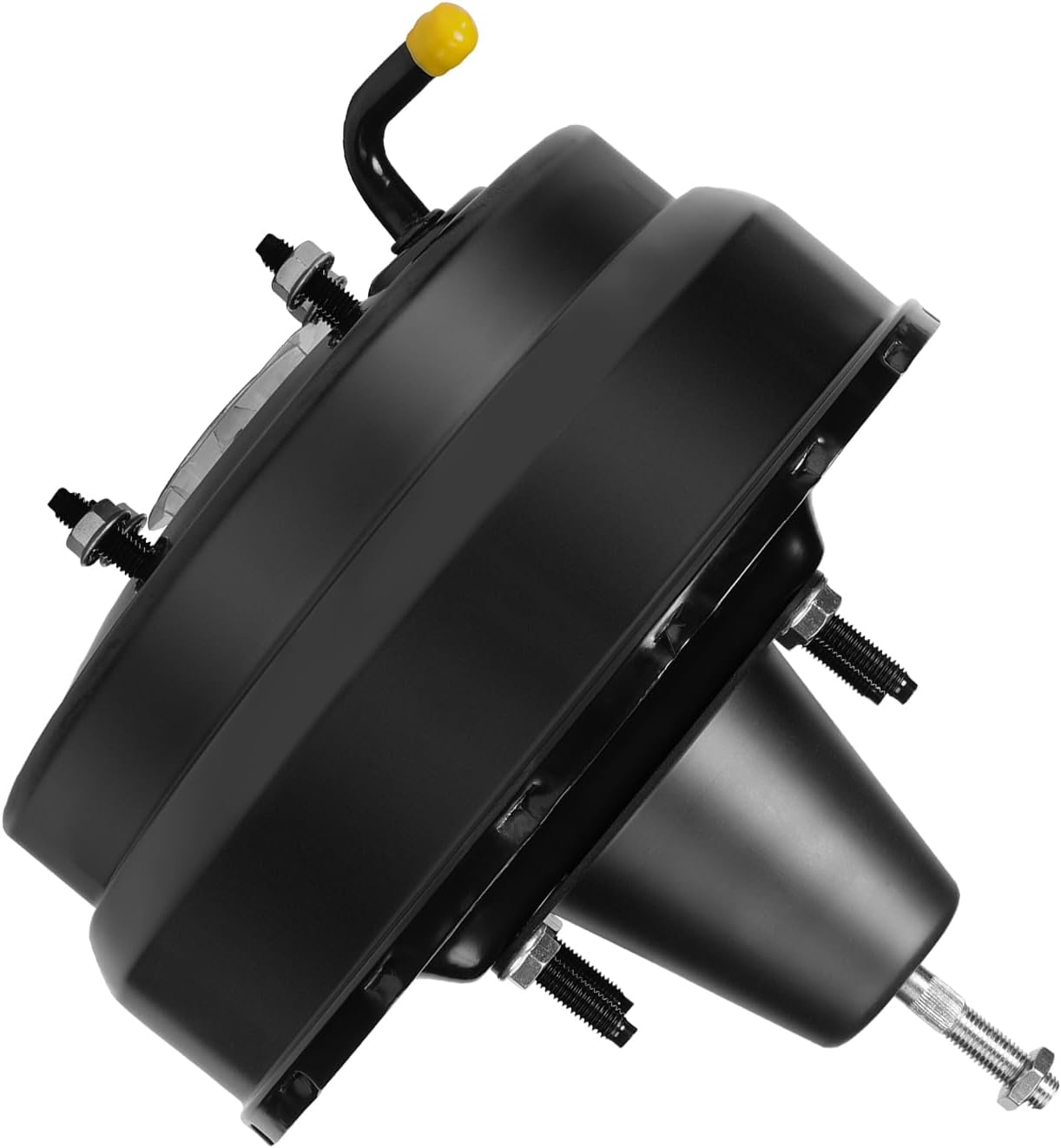
This SCITOO power brake booster is an aftermarket replacement intended to restore factory-style power assist on Toyota 4Runner models from 1989 through 1995. It installs in place of the original unit and connects to the master cylinder vacuum line and steering pump as described in the instructions. The listing emphasizes fitment to both L4 2.4L and V6 3.0L engines and lists multiple OEM part cross-references to help verify compatibility. Buyers will appreciate the straightforward design that makes it suitable for a garage install where access is available, and customer feedback indicates generally reliable fit and function. Practical benefits include lower cost versus dealer parts and availability of customer support from the manufacturer. Limitations are typical of economy aftermarket assemblies: one reviewer reported a vacuum leak on a first unit and another noted a plastic vacuum barb that may not match the original metal fitting, so expect minor adjustments or part transfers during installation.
Best for: Budget-conscious owners looking for a low-cost replacement to return braking assist to a 1989–1995 4Runner without buying dealer parts, and who are comfortable performing or supervising a bolt-in installation.
Less Ideal for: Drivers who want a brand-new factory-sourced assembly with full OEM-style fittings and factory warranty coverage should consider factory-quality replacements or dealer parts instead.
- Made to fit 1989–1995 Toyota 4Runner L4 and V6 applications per listing and part cross-references
- Lower-cost aftermarket alternative to dealer brake boosters
- User reports indicate correct fitment and restored braking assist in most installs
- Some units have arrived with vacuum leaks requiring replacement
- Included vacuum barb is plastic and may require swapping with the original metal fitting
Verdict: A budget-friendly, direct-fit aftermarket brake booster that restores power braking on 1989–1995 Toyota 4Runners at a fraction of dealer cost.
5. PartsFlow Vacuum Power Brake Booster 53-2727 compatible with Toyota 4Runner (without master cylinder)
| Compatible vehicles | Toyota 4Runner 1996–2000 |
|---|---|
| Booster type | Vacuum |
| Master cylinder included | No |
| Master cylinder stud thread size | M8x1.25 |
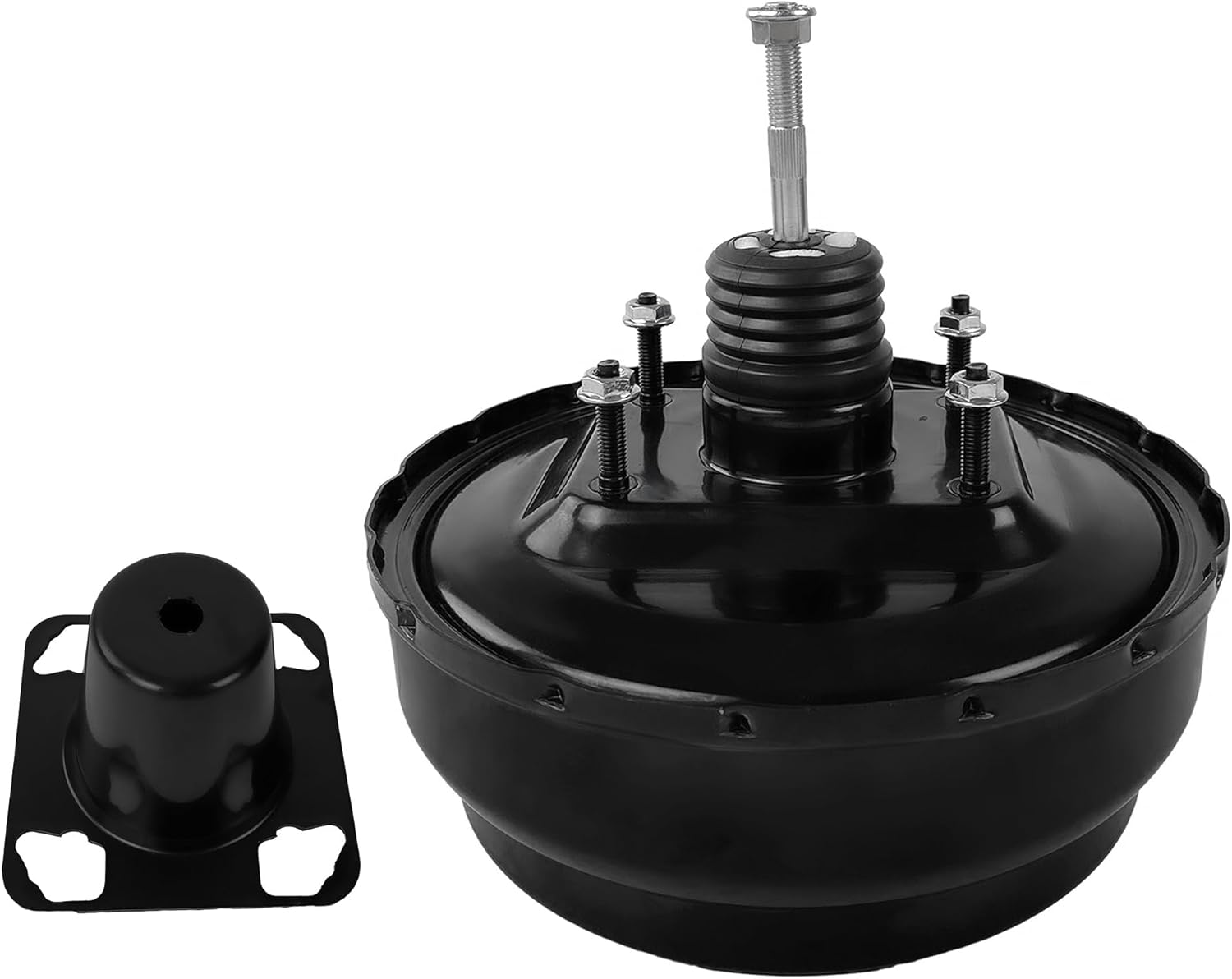
This PartsFlow vacuum power brake booster is a factory-replacement style unit made to fit Toyota 4Runner model years 1996 through 2000. It replaces a failed booster to restore the power-assist that multiplies pedal force and reduces stopping distances. Typical use is straightforward: remove the original booster, reuse the existing mounting hardware and attach the master cylinder separately since this unit is sold without one. Notable features include a dual diaphragm vacuum design and factory-compatible mounting and stud thread sizing for straightforward installation. The practical benefit is a lower-cost option to rebuild braking function compared with expensive dealer units while matching the original fitment for those specific 4Runner years. Important limitations are that the master cylinder is not included so additional parts or bench work may be needed, and some drivers report a slightly different pedal feel compared with an original factory booster which may require a short break-in or adjustment of the brake light switch after installation.
Best for: Reliability-focused buyers who prioritize restoring dependable, factory-quality braking on an older Toyota 4Runner without paying dealer prices, and who prefer a straightforward replacement they can install or have fitted by a mechanic.
Less Ideal for: Buyers who want a complete plug-and-play kit that includes the master cylinder or those seeking an exact original pedal feel without any adjustment or break-in.
- Designed to fit Toyota 4Runner 1996–2000 for direct replacement fitment
- Vacuum dual-diaphragm design restores power-assist for easier braking
- Uses factory-style mounting and stud thread size for simpler installation
- Widely reviewed with consistent reports of reliable function across long trips
- Sold without the master cylinder, so additional parts or installation steps may be required
- Some users report a different pedal feel compared with the original factory booster
Verdict: A cost-effective, factory-compatible vacuum booster to reliably restore power-assisted braking on late 1990s Toyota 4Runners, but it does not include the master cylinder.
6. DRIVESTAR Front Power Brake Booster for 1996–2000 Toyota 4Runner

| Fitment | Toyota 4Runner 1996-2000 |
|---|---|
| Replace Part Numbers | 53-2727, 44610-3D700, 446103D700, R2518306 |
| Manufacturer | DRIVESTAR |
| Manufacturer Part Number | PBV8001 |
This DRIVESTAR power brake booster replaces the factory unit on 1996–2000 Toyota 4Runner models to restore or improve power-assisted braking. It installs in place of the original booster behind the master cylinder and is typically used when drivers experience hard brake pedal travel or intermittent loss of power assist. Notable features called out by the manufacturer include an EPDM sealing ring for temperature resistant sealing and a galvanized 45# steel push rod for improved wear resistance. In real-world use the unit is a straightforward drop-in for many 4Runners and several buyers report fast, simple installation with restored pedal feel. Practical benefits are clear: it is an affordable way to regain normal braking without sourcing a dealer part and it includes design elements aimed at longer service life. Limitations to consider are variable long-term reliability reported by some users and the need to transfer or reinstall any original firewall grommets for the best seal and fit in some installs.
Best for: Convenience-driven buyers who want a quick, budget-friendly fix to restore power-assisted braking on a 1996–2000 4Runner with minimal sourcing effort and straightforward installation.
Less Ideal for: Drivers who prefer OEM-sourced parts or require a long-term factory-backed solution should consider dealership or premium-brand replacements instead.
- Made to fit 1996–2000 Toyota 4Runner for direct replacement installation
- EPDM sealing ring rated for extreme temperatures to reduce gas backflow
- Galvanized 45# steel push rod with high surface hardness for improved wear resistance
- Affordable alternative to dealer or specialty shop parts
- Some buyers report early failures or inconsistent long-term durability
- May require reuse or adjustment of original firewall grommet for ideal fit
Verdict: A budget-friendly, direct-fit brake booster for 1996–2000 4Runners that restores pedal assist quickly but may show variable long-term durability.
7. SCITOO Power Brake Booster compatible with 1996-2000 Toyota 4Runner

| Fitment | 1996-2000 Toyota 4Runner |
|---|---|
| Manufacturer | SCITOO |
| Model | 165061 |
| Exterior | Machined |
This SCITOO power brake booster is a direct-fit replacement intended to restore factory-style brake assist on 1996–2000 Toyota 4Runner vehicles. It installs in place of the original booster and is used whenever the pedal feels hard or slowing distances increase due to a failed unit. The product is machined and finished with a rust-resistant coating and includes factory-quality seals to help deliver like-new performance. Users report straightforward fitment and noticeably reduced pedal effort after installation, although some installers prefer to transfer the metal vacuum barb from the original unit because the included barb is plastic and angled differently. The unit is priced as an affordable aftermarket alternative and comes in the same mounting pattern as the factory piece so brake master cylinder and pushrod alignment are maintained. Expect basic, proven functionality rather than performance upgrades; careful comparison to your old booster and attention to vacuum hose connections are recommended during install.
Best for: Risk-averse mainstream buyers seeking a reliable, no-frills factory-style replacement to restore normal brake assist on a 1996–2000 4Runner.
Less Ideal for: Shoppers looking for performance upgrades, specialty boosters, or universal kits that fit multiple vehicle types should consider other options.
- Direct-fit replacement for 1996–2000 Toyota 4Runner for straightforward installation
- Rust-resistant exterior finish to extend service life
- Factory-quality seals installed for reliable vacuum retention
- Reduces brake pedal effort to restore original braking feel
- Included vacuum barb is plastic and may not match the original orientation so swapping the original metal barb may be necessary
Verdict: A priced-right, factory-style replacement that restores brake assist and fitment for 1996–2000 Toyota 4Runner owners.
Choosing the Right Toyota 4Runner Brake Booster: Key Factors to Consider
Fitment And Mounting Compatibility
Ensure the booster matches the Toyota 4Runner's mounting pattern and master cylinder stub size. A correct physical fit reduces installation time and avoids stress on brake lines and the firewall.
Mismatched mounting can lead to angled pushrod engagement and premature wear. Consider whether included studs, nuts, or adapter plates are necessary and whether the booster accepts the same pushrod length to preserve pedal travel and toe in the brake linkage.
Vacuum Integrity And Diaphragm Quality
The booster relies on a sealed vacuum chamber; diaphragm quality and valve seals determine how well it holds vacuum and amplifies pedal force. A durable diaphragm reduces the risk of gradual vacuum loss that can lead to a hard pedal over time.
Look for robust sealing around the check valve and service port. Materials that resist heat and oil vapors from the engine bay tend to last longer and maintain consistent assistance levels throughout varied operating conditions.
Pushrod And Bore Design
Pushrod geometry and bore size affect pedal ratio and the mechanical advantage provided to the master cylinder. A properly sized bore and accurately centered pushrod ensure predictable pedal travel and consistent braking response.
If pushrod length is adjustable, it can simplify bench bleeding and pedal feel tuning. Excessive free play or an off-center pushrod can introduce noise, uneven wear, or inconsistent application force.
Check Valve And Vacuum Hose Interface
A reliable one-way check valve prevents vacuum loss during engine-off and transient conditions. The valve and hose connection must seal securely to avoid vacuum leaks that result in reduced assistance or fluctuating pedal firmness.
Inspect the hose barb size and securement method; a tight fit and quality clamp reduce the chance of vacuum leak. Consider whether replacement or upgrade vacuum hoses are recommended as part of installation to ensure long-term sealing.
Corrosion Resistance And Materials
Boosters are exposed to heat cycles, moisture, and road contaminants near the firewall. Corrosion-resistant shells, plated fasteners, and sealed seams extend service life and reduce the chance of structural failure.
Internal components such as springs and linkages should be treated or made from corrosion-resistant alloys. Materials that resist degradation from brake fluid vapor and engine bay contaminants will lower maintenance needs over time.
Serviceability And Installation Guidance
Clear installation instructions and accessible service points make replacement less risky, whether done by a technician or a competent DIYer. Features like accessible mounting studs, labeled pushrod orientation, and included hardware simplify the process.
Availability of replacement parts such as check valves, grommets, or mounting studs is helpful for future repairs. Consider how easy it is to bench bleed the master cylinder and verify rod preload during installation to achieve correct pedal height and feel.
How We Chose the Best Toyota 4Runner Brake Booster
We prioritized components that deliver correct fitment for the Toyota 4Runner and reliable vacuum performance under typical driving conditions. Key evaluation criteria included physical compatibility with the vehicle's brake master cylinder and mounting points, vacuum hold and leak resistance, build quality of diaphragms and valves, and the presence of necessary mounting hardware and grommets.We also considered how straightforward installation tends to be for technicians and experienced DIYers, the clarity of installation guidance, and expected longevity based on materials and design. Units that required extensive modification or did not align with stock mounting geometry were excluded. We did not include items lacking sufficient technical documentation or those intended for other vehicle applications. The result is a concise list focused on fit, vacuum integrity, durability, and serviceability specific to the Toyota 4Runner.
Our full evaluation process is outlined in our review methodology.
FAQ
What are common brake booster symptoms on a Toyota 4Runner?
Common symptoms often include a hard or heavy brake pedal that requires more force to stop the vehicle, or a gradual change in pedal feel over time. You may also notice longer stopping distances or a spongy response if vacuum is intermittently lost. These signs usually depend on vacuum integrity and diaphragm condition.
How can I test the brake booster on a Toyota 4Runner?
A basic test is to press the brake pedal several times with the engine off to deplete residual vacuum, then hold the pedal down and start the engine. If the booster is working, the pedal should move downward slightly as vacuum assistance returns. More thorough checks involve inspecting the check valve and vacuum hose for leaks and measuring vacuum with a gauge.
Can a vacuum leak cause brake booster problems?
Yes, a vacuum leak at the hose, check valve, or booster seal often reduces assistance and leads to a firmer pedal. Leaks can be intermittent and may worsen with heat or vibration. Verifying hose condition and clamp security is a common first step when diagnosing reduced booster performance.
Is replacing the booster a difficult DIY job on a Toyota 4Runner?
Difficulty varies with experience and tools. Tasks include disconnecting the pushrod at the brake pedal, unbolting the booster from the firewall, and ensuring correct pushrod preload when installing the new unit. An assistant and clear instructions make the process more manageable for experienced DIYers, while technicians can complete it more quickly.
How does the brake booster interact with the master cylinder?
The booster amplifies driver pedal force before it reaches the master cylinder so the master cylinder can generate hydraulic pressure for the brakes. The pushrod must align correctly with the master cylinder input to prevent binding and ensure consistent pedal travel. Issues with either component can affect overall braking feel.
What should I inspect before assuming the booster is bad?
Start by checking the vacuum hose and one-way check valve for cracks, loose clamps, or blockages. Listen for hissing noises with the engine running that could indicate a leak. Also verify pedal free play and inspect the firewall connection for obvious leaks or damage before concluding the booster diaphragm has failed.
Conclusion
When choosing a brake booster for a Toyota 4Runner, prioritize correct fitment, vacuum integrity, and durable materials to maintain consistent pedal feel and stopping performance. Balance ease of installation and serviceability against long-term corrosion resistance to minimize future maintenance.Accept that some tradeoffs exist between ease of DIY installation and features that enhance longevity. Focus on the factors discussed here to select a booster that restores reliable assistance and predictable braking behavior.
Explore More:
- Check out all Toyota 4Runner parts & accessories
- Explore Brake Boosters Maintenance & Repair Guides
- Explore Brake System
- Browse all Auto Parts
