

Note: This article contains affiliate links. If you click on these links and make a purchase, I may earn a small commission at no extra cost to you. This helps support my research and content. Read my full affiliate disclosure here.
If your GMC Sierra 2500 HD has a spongy pedal or requires extra effort to stop, the brake booster is a likely culprit and a key system to address. Picking the right GMC Sierra 2500 HD brake booster matters because the correct unit restores consistent pedal feel, preserves ABS performance, and helps maintain towing and hauling safety under load.This guide presents the top shortlisted brake boosters for the Sierra 2500 HD across common fitment options, and explains the practical evaluation criteria used to vet them. We focus on pedal response, durability, installation considerations, and compatibility so you can narrow down the best replacement for your truck. Read on for focused buying criteria and answers to common installation and troubleshooting questions.
Top Picks at a Glance
| Best Overall The best all-around choice for most situations | Bosch Hydro-Boost Hydraulic Power Brake Booster Assembly |  |
| Best Quality Built to a higher standard if you want something more solid | Bosch Hydro-Boost Hydraulic Power Brake Booster Assembly (0204777601) |  |
| Best Value The sweet spot between price and what you get | PartsFlow Hydraulic (Hydro) Brake Booster 52-7393 for Chevrolet/GMC 2007–2011 6.0L/6.6L |  |
| Best Budget The cheapest option that still gets the job done reliably | Hex Autoparts Hydro Boost Power Brake Booster for Chevy Silverado/GMC Sierra 2003–2007 |  |
| Highest Rated A top-rated pick with lots of positive feedback | GM Genuine Parts Power Brake Booster Assembly (19371361) |  |
| Most Popular A crowd favorite that many people choose with confidence | Cardone Remanufactured Hydro-Boost Power Brake Booster (52-7371) |  |
| Best Seller A high-volume bestseller chosen again and again | FILTERUP 52-7371 Hydraulic Power Brake Booster (Hydro-Boost) |  |
1. Bosch Hydro-Boost Hydraulic Power Brake Booster Assembly

| Manufacturer | BOSCH |
|---|---|
| Item model number | 0204777579 |
| Manufacturer Part Number | 204777579 |
| Compatible vehicles | Select Chevrolet Silverado/Suburban and GMC Sierra/Yukon XL 2500/3500 (2007–2011) |
This Bosch Hydro-Boost assembly replaces the factory-style hydraulic brake booster on heavy-duty GM trucks and restores power-assisted braking for towing and hauling. It is a fully new, hydraulically tested unit with the accumulator charged to factory specification and is designed to withstand high pedal use over time. Installation is typical for brake booster swaps and will be used when the truck needs firm, consistent brake assist under load; workshops or competent DIYers should be able to fit it using common tools and standard brake-bleeding procedures. Notable features include full hydraulic testing, US manufacturing to match factory fit and function, and a design rated for long durability. The practical benefit is predictable, strong braking feel when towing heavy trailers or carrying full payloads. Limitations are that fitment is specific to select Chevrolet and GMC 2500/3500 2007–2011 heavy-duty models so you must verify your truck's year and trim, and professional installation may be advisable to ensure proper hydraulic connections and brake balance.
Best for: Buyers who want a factory-quality replacement that restores strong, consistent hydraulic brake assist for regular towing and heavy-duty work on compatible GM 2500/3500 trucks.
Less Ideal for: Drivers with light-duty trucks, non-GM vehicles, or those seeking a universal or performance-modified booster should look elsewhere.
- 100% new, hydraulically tested unit for reliable brake assist
- Accumulators charged to factory specifications for consistent pedal feel
- Designed and manufactured in the United States to match factory fit and function
- Engineered for long life with a tested endurance of over 500,000 pedal strokes
- Fitment is limited to select Silverado/Sierra/Suburban/Yukon XL 2500/3500 heavy-duty models and must be confirmed before purchase
Verdict: Choose this Bosch Hydro-Boost when you need a factory-quality, long-lasting hydraulic booster that restores strong braking performance for heavy towing on compatible GM HD trucks.
2. Bosch Hydro-Boost Hydraulic Power Brake Booster Assembly (0204777601)

| Manufacturer | BOSCH |
|---|---|
| Model | 0204777601 |
| Manufacturer Part Number | 204777601 |
| Compatible Vehicles | Select Chevrolet Silverado 2500/3500 HD, Suburban 3500 HD; GMC Sierra 2500/3500 HD |
This Bosch Hydro-Boost is a direct-fit style hydraulic brake booster built for heavy-duty trucks that use a hydraulic assist system instead of a vacuum booster. It replaces the entire booster assembly and is intended for use when towing or hauling loads that demand stronger, consistent pedal feel. The unit is 100 percent new, factory-tested, and comes with accumulators charged to factory specifications so you get predictable boost and reliable stopping power out of the box. Bosch says the assemblies are designed and manufactured in the U.S. and verified with hydraulic testing to match factory specifications, which should translate to straightforward installation and consistent pedal travel. Because this is a full assembly sized for 2500/3500 HD applications it is heavier and bulkier than vacuum boosters and requires a compatible hydraulic supply and correct vehicle fitment. Buyers should confirm exact fit for their Sierra 2500 HD configuration before ordering. If you tow or work your truck hard, this delivers a durable, factory-quality replacement that restores strong, repeatable braking under load.
Best for: A buyer who prioritizes restoring strong, factory-quality braking for a working GMC Sierra 2500 HD used for towing, hauling, or heavy-duty duty cycles and wants a durable, tested replacement.
Less Ideal for: Not suitable for drivers who do light-duty street use only or those whose trucks use a vacuum booster system instead of hydraulic assist.
- Designed and manufactured to match factory specifications for heavy-duty truck braking systems
- Comes 100% new and hydraulically tested with accumulators charged to factory spec
- Built for high-duty life with Bosch design targeting over 500,000 pedal strokes
- Direct replacement assembly simplifies installation compared with repairing internal booster components
- Requires compatible hydraulic assist plumbing and precise vehicle fitment—not a universal swap
- Larger and heavier than vacuum boosters which can complicate handling during installation
Verdict: For Sierra 2500 HD owners who tow or haul regularly and need a durable, factory-spec hydraulic booster, this Bosch Hydro-Boost is a direct, tested replacement that restores strong, reliable braking.
3. PartsFlow Hydraulic (Hydro) Brake Booster 52-7393 for Chevrolet/GMC 2007–2011 6.0L/6.6L

| Material | Cast Iron |
|---|---|
| Master Cylinder Stud Thread Size | 10×1.5 |
| Manufacturer Part Number | PF912556 |
| OEM Part Number | 527393, 14PB4055, 20759772, 260454, 52-7393, 71804 |
This PartsFlow hydro-boost brake booster replaces the factory hydraulic booster on compatible heavy-duty GM trucks to restore firm, power-assisted braking when the vehicle uses hydraulic boost instead of vacuum. It installs in the stock location and uses the original master cylinder stud pattern and hydraulic connections, so a professional or experienced DIYer can swap it in using standard tools. Notable features include cast-iron construction and compatibility with GM brake codes JH6 and JH7 for 2007–2011 Silverado and Sierra 2500/3500 and Yukon XL 2500 models. In practice the unit should deliver the consistent pedal feel and hydraulic assist required for towing and heavy loads, and the cast-iron body promises durability under high-pressure use. The product is a focused replacement part rather than an upgrade, so expect factory-like performance and no added features such as improved modulation or weight savings. Buyers should confirm exact brake code fitment before purchase and budget for professional installation if they lack hydraulic-brake experience.
Best for: Buyers who want a practical, factory-style hydraulic booster replacement to restore reliable braking on heavy-duty 2007–2011 GM 2500/3500 trucks and Yukon XL models and prioritize compatibility and durability.
Less Ideal for: Drivers seeking an upgraded or lighter performance booster or those replacing vacuum-style boosters on other vehicle types should look for alternative products.
- Direct-fit compatibility with 2007–2011 Silverado/Sierra 2500/3500 and Yukon XL 2500 when matched to GM brake codes JH6 or JH7
- Cast-iron construction for durable performance under heavy-duty braking
- Uses factory master cylinder stud pattern and hydraulic connections for straightforward replacement
- Restores hydraulic power assist suitable for towing and heavy-load driving
- Designed as a like-for-like replacement without performance upgrades over factory units
- May require professional installation due to hydraulic line handling and bleeding
Verdict: A durable, direct-fit hydraulic booster that restores factory-style power braking for 2007–2011 GMC Sierra/related heavy-duty trucks when matched to the correct GM brake code.
4. Hex Autoparts Hydro Boost Power Brake Booster for Chevy Silverado/GMC Sierra 2003–2007

| Manufacturer | Hex Autoparts |
|---|---|
| Model | BS231991 |
| Item model number | BS231990 |
| Manufacturer Part Number | BS231992 |
This Hex Autoparts hydro-boost is a direct-replacement power brake booster intended for 2003–2007 Silverado and Sierra heavy-duty trucks. It swaps in where the original hydro-boost lived and restores hydraulic brake assist for vehicles using the factory hydro-boost arrangement. Notable features include painted exterior finishing, precision sealing, and construction aimed at durability to resist leaks under heavy use. The unit does not include small reuse parts such as the master cylinder pushrod, plastic washer, spring, or retainer so you must transfer those from the original booster during installation. For a budget-focused repair this part offers a practical balance of fitment and build quality that should get a truck back on the road without sourcing a remanufactured core. Expect a standard repair-level installation: bench-transfer of a few components and basic hydraulic hookup, and consider professional installation if you are not comfortable with brake hydraulics.
Best for: Truck owners looking for an affordable, vehicle-specific hydro-boost replacement to restore braking performance on 2003–2007 heavy-duty Silverados and Sierras.
Less Ideal for: Drivers who want a complete plug-and-play kit with every small hardware piece included or those who prefer a professionally remanufactured core with documented testing.
- Direct-fit replacement for 2003–2007 Silverado and Sierra heavy-duty models
- Built with precision sealing to reduce risk of hydraulic leaks
- Painted exterior for corrosion resistance and presentable finish
- Designed to restore hydraulic brake assist without needing a reman core
- Does not include master cylinder pushrod, plastic washer, spring, or retainer which must be reused from the original unit
Verdict: A cost-conscious direct-replacement hydro-boost that restores hydraulic brake assist on 2003–2007 Silverado and Sierra heavy-duty trucks without needing a reman core.
5. GM Genuine Parts Power Brake Booster Assembly (19371361)
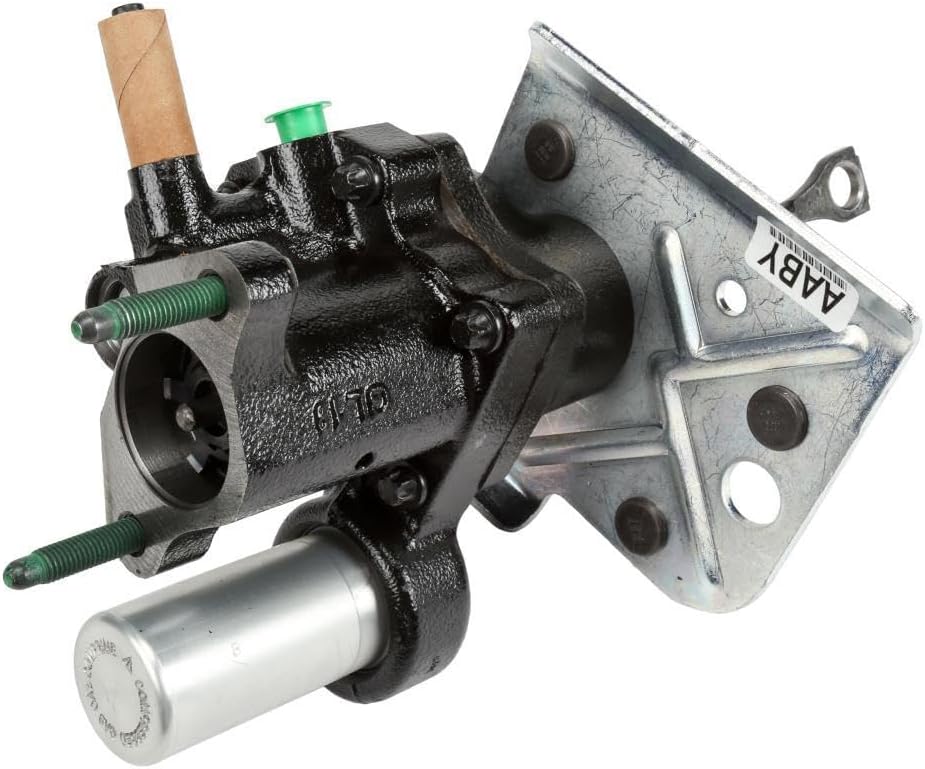
| Manufacturer | ACDelco |
|---|---|
| OEM Part Number | 19371361 |
| Assembly Required | No |
| Vehicle Service Type | ATV |
This GM Genuine Parts power brake booster restores the power-assist function between the brake pedal and master cylinder so braking requires less driver effort and feels like the factory system. It is intended as a direct replacement and arrives pre-tested with factory-style finishing to resist corrosion. Typical installation involves swapping the booster behind the dash and reconnecting the master cylinder and vacuum lines; included pre-adjusted master cylinder output rods can save installation time when they are part of the unit. In use the booster multiplies pedal force for firmer, more consistent stopping and is sized to meet original equipment requirements. The practical benefits are straightforward: predictable brake feel, factory-fit compatibility, and extended service life from the rust-prohibitive finish. Limitations include the need for correct vehicle fitment and basic mechanic skills or shop installation for safe, reliable mounting and vacuum connections.
Best for: Buyers prioritizing dependable, factory-matched braking feel and long-term reliability who want a direct replacement that restores original brake assist and resists corrosion.
Less Ideal for: Shoppers looking for universal aftermarket upgrades, performance-modified solutions, or an inexpensive temporary fix should consider other options.
- Factory-quality design engineered for GM vehicles to match original braking performance
- Units are tested before shipment to help ensure reliable operation
- Pre-adjusted master cylinder output rods reduce installation setup time when included
- Rust-prohibitive finish helps resist corrosion for longer service life
- Requires correct vehicle fitment and may need professional installation for safe, reliable operation
Verdict: Pick this factory-quality booster when you want a tested, corrosion-resistant direct replacement that restores original power-assist and dependable brake feel.
6. Cardone Remanufactured Hydro-Boost Power Brake Booster (52-7371)

| Manufacturer | Cardone |
|---|---|
| Model | 52-7371 Power Brake Booster |
| Position | Center |
This Cardone remanufactured hydro-boost replaces the factory power brake booster on compatible Chevrolet and GMC heavy-duty trucks and SUVs. It is a direct-fit replacement designed for vehicles that use a hydro-boost system, and Cardone states each unit is fully tested with factory-quality seals, check valves, and a rust-resistant finish. Typical installation replaces the failed booster to restore firm brake pedal feel and hydraulic assist without modifying the vehicle. The unit ships pre-adjusted where applicable to simplify setup and is offered as a renewed part, which can deliver OEM-style performance at a lower cost than new parts. Expect good longevity from the corrosion protection and confirmed bench testing, but note this is a remanufactured component so cosmetic wear or prior repair history may be present and availability of original packaging or extra hardware may vary. Fitment is limited to the listed Chevrolet and GMC models and model years, so confirm vehicle compatibility before buying.
Best for: Buyers who want a cost-conscious, factory-spec replacement to restore hydro-boost braking on the specified GMC and Chevrolet heavy-duty trucks and who prioritize verified performance and tested components.
Less Ideal for: Drivers seeking a brand-new booster with factory-new cosmetics or buyers who need compatibility beyond the listed GMC and Chevrolet model years should look elsewhere.
- Direct-fit remanufactured replacement for compatible GM heavy-duty trucks so installation is straightforward
- Factory-quality seals and check valves installed and 100% testing help restore original braking performance
- Rust-prohibitive exterior finish improves resistance to corrosion compared with untreated cores
- Pre-adjusted master cylinder output rods (when included) reduce installation time
- Remanufactured unit may show cosmetic wear or have prior repair history compared with new parts
Verdict: A tested, remanufactured hydro-boost that restores factory-style braking on the listed GMC and Chevrolet heavy-duty trucks without the premium cost of a new unit.
7. FILTERUP 52-7371 Hydraulic Power Brake Booster (Hydro-Boost)

| Manufacturer Part Number | 52-7371 |
|---|---|
| OEM Part Number | 15167550, 15183760, 15212480, 15814411 |
| Exterior | Painted |
| Master Cylinder Stud Thread | M10x1.5 |
This FILTERUP 52-7371 hydraulic power brake booster is a replacement hydro-boost unit built to restore or upgrade brake assist on compatible heavy-duty GM trucks. It uses hydraulic pressure from the power steering pump rather than engine vacuum, so it delivers consistent assist under heavy loads and during conditions where vacuum is limited. The unit is cast aluminum with a reinforced housing for durability and is offered to match several OEM part numbers for a straightforward fit. Installation requires reusing the master cylinder pushrod, spring, and retainer from the original hydro-boost and the master cylinder stud thread is M10x1.5, so expect some transfer of parts from the old unit and basic mechanical work. The design is aimed at restoring firm, repeatable pedal feel and braking power on larger trucks but buyers should confirm the pictured fitment and be prepared for a professional install if they are not comfortable with brake and steering hydraulic systems.
Best for: Buyers restoring or replacing the hydro-boost on an early 2000s heavy-duty GM truck who prioritize reliable, factory-style braking performance and prefer a close-match replacement part.
Less Ideal for: Drivers looking for a plug-and-play unit that includes all internal linkages or casual DIYers without experience on brake and steering hydraulic systems should consider professional installation or a different solution.
- Uses hydraulic assist from power steering pump for consistent braking under load
- Constructed from cast aluminum with reinforced housing for improved durability
- Direct replacement for multiple OEM part numbers to simplify fitment
- Matches master cylinder stud thread M10x1.5 for compatibility with factory master cylinder interface
- Ships without pushrod, spring, or spring retainer so original parts must be reused or sourced separately
Verdict: If you need a durable, factory-style hydro-boost replacement for a compatible GMC/GM heavy-duty truck, this FILTERUP unit restores hydraulic brake assist reliably.
Choosing the Right GMC Sierra 2500 HD Brake Booster: Key Factors to Consider
Fitment and Mounting Pattern
Exact fitment is critical for a GMC Sierra 2500 HD because the booster must align precisely with the firewall studs, pushrod geometry, and the master cylinder flange. A correct mounting pattern ensures the booster transfers pedal force without binding and maintains the original pedal ratio and travel.
Using a unit with an incorrect flange or stud spacing can create alignment stress that leads to premature wear on the pushrod and master cylinder seals. Also consider whether the replacement preserves the factory pushrod length and stroke; deviations can alter pedal height or engagement point and affect ABS and traction control calibration.
Boost Ratio and Pedal Feel
Boost ratio determines how much the booster amplifies the force from your foot. For a heavy-duty truck like the Sierra 2500 HD, choose a booster with a boost ratio that restores firm, progressive pedal feel without making the brakes overly sensitive. A ratio that is too high can make modulation difficult when light braking is needed, while too low a ratio will leave the pedal stiff and require greater physical effort.
Consider how the booster performs under load and when towing. Ideally, the booster should provide consistent assist at both light stops and heavy braking events so you maintain confidence when hauling heavy loads.
Vacuum Compatibility and Leakage Resistance
Most Sierra 2500 HD brake systems rely on engine vacuum or a dedicated pump. The replacement booster must maintain an airtight chamber and a reliable check valve to prevent a brake booster vacuum leak. A slow vacuum leak degrades assist over time, causing increased pedal effort and inconsistent braking.
Inspect the quality of sealing surfaces, the presence of a robust one-way check valve, and adherence to OEM-style vacuum port locations. These features reduce the likelihood of vacuum loss and simplify hose routing when installing the unit.
Durability and Materials
The brake booster housing and internal diaphragm take constant mechanical and environmental stress. Durability matters more on a work truck that sees heavy use, exposure to road grime, and occasional high-temperature cycles. Look for boosters manufactured with corrosion-resistant hardware and a reinforced diaphragm material rated for heavy-duty cycles.
A more robust assembly will resist cracking, corrosion, and seal failure, translating to lower long-term maintenance. Consider whether mounting studs and nuts are upgraded or treated to resist galling and whether the unit includes a protective coating on the shell.
Serviceability and Installation Complexity
Installation complexity affects both cost and downtime. Some boosters come pre-assembled with a check valve and a matched pushrod, reducing bench work and alignment steps. Others require transferring parts from the old unit, which increases labor and the chance of error.
Assess whether the replacement requires removal of the master cylinder or supports a bolt-on swap, whether special tools are needed to set pushrod length, and if the unit includes clear installation guidance. Easier installations reduce vehicle downtime and the risk of improper setup that could affect braking performance.
Compatibility With ABS and Brake System Sensors
A replacement booster must not interfere with ABS, traction control, or electronic brake sensors used on the Sierra 2500 HD. Changes in pedal travel or abrupt assist behavior can alter the input seen by ABS controllers, potentially affecting modulation during emergency braking.
Choose a booster that preserves the factory pedal stroke and return characteristics. If the truck uses a vacuum pump or supplemental assist, confirm the replacement is compatible with any auxiliary vacuum plumbing or sensor interfaces to maintain full system functionality.
Common Brake Booster Symptoms on the Sierra 2500 HD
Recognizing symptoms early helps you decide whether a replacement is necessary. Typical signs include a hard brake pedal that requires much more effort to stop, increased stopping distance, a hissing noise from the firewall area that points to a vacuum leak, and inconsistent pedal return. These symptoms can appear gradually or suddenly depending on how the diaphragm or check valve fails.
Other symptoms worth noting are a pedal that sinks slowly under steady pressure and uneven braking feel when towing. While these signs often indicate the booster, they can also be related to master cylinder issues, so use symptom checks as a guide rather than a definitive diagnosis.
- Hard or stiff brake pedal
- Hissing from the booster or firewall
- Increased pedal travel or delayed engagement
- Slow pedal return or sinking under pressure
How to Test the Brake Booster Safely
Performing a few simple checks can help confirm booster health before replacing parts. With the engine off, pump the brake pedal several times to deplete residual vacuum, then start the engine while holding steady pressure on the pedal; the pedal should sink slightly as vacuum assist builds. A lack of movement suggests the booster is not providing assist. Listening for hissing at the firewall while applying and releasing the pedal can reveal vacuum leaks.
A more thorough inspection includes checking the vacuum line and check valve for cracks or blockages, and visually inspecting the booster shell for corrosion or damage. These tests are useful diagnostics but if results are ambiguous, a professional brake shop can perform pressure and vacuum tests to isolate the issue.
- Pump pedal with engine off, then start engine and observe pedal movement
- Listen for hissing near firewall and check vacuum hose condition
- Inspect check valve function and vacuum source
Installation Considerations and Common Pitfalls
When replacing a booster on a Sierra 2500 HD, plan for steps like disconnecting the master cylinder, supporting it to avoid stressing brake lines, and ensuring the replacement pushrod is set to the correct length before final assembly. Misadjusted pushrod length can change pedal height and engagement point, which affects brake feel and ABS behavior.
Beware of common pitfalls such as reusing damaged mounting hardware, failing to replace a worn check valve, or not properly bleeding the brake system after reinstallation. A careful, methodical approach reduces the chance of leaks or a spongy pedal post-install. Where possible, use new fasteners and torque to factory specifications.
- Support master cylinder to avoid stressing brake lines
- Set and verify pushrod length before tightening
- Replace old check valve and inspect vacuum hose
- Bleed brakes according to factory sequence after install
When to Consider a Professional Diagnosis
If symptoms are intermittent, if the vehicle has electronic brake controls that behave unpredictably after basic checks, or if visual inspection uncovers internal fluid contamination, a professional diagnosis is recommended. Specialists can perform vacuum hold tests and pressure checks that confirm whether the booster diaphragm or check valve is failing versus a master cylinder issue.
Also seek professional help when installation requires removing components that are difficult to access, or if you lack the tools to set pushrod geometry correctly. A shop can ensure ABS and other safety systems remain calibrated and functioning after replacement.
- Intermittent assist loss or electrical brake warnings
- Evidence of brake fluid inside the booster indicating master cylinder seal failure
- Lack of tools or experience for accurate pushrod adjustment
Maintaining Booster Health Over Time
Regular inspection of vacuum hoses, check valves, and mounting hardware helps prevent premature failure. Replace cracked vacuum lines and failing check valves promptly, and keep the engine bay clean of corrosive deposits that can accelerate shell degradation. During brake service, inspect the booster for signs of fluid intrusion which signals master cylinder seal failure.
If you do a lot of towing or heavy hauling, consider more frequent checks because repeated heavy braking cycles increase fatigue on the diaphragm and seals. Addressing small issues early often prevents more costly repairs later and preserves consistent braking performance.
- Inspect vacuum lines and check valve during routine service
- Watch for brake fluid migration into the booster
- Increase inspection frequency when towing frequently
How We Chose the Best GMC Sierra 2500 HD Brake Booster
To assemble this list we applied hands-on service logic and technical fitment filters tailored to the GMC Sierra 2500 HD. Primary evaluation criteria included exact fitment and mounting pattern, vacuum compatibility and hose routing, pedal travel and boost ratio, build quality of the diaphragm and pushrod, and durability of the housing to withstand truck duty cycles. We also considered serviceability features such as pre-installed check valves and mock vacuum fittings that simplify installation.We examined reported longevity and common failure modes to favor designs that resist vacuum leaks and diaphragm deterioration under frequent towing loads. Installation considerations like compatibility with original master cylinder pushrod length, and whether the unit requires front-end disassembly or supports a straightforward swap were counted heavily. We excluded units lacking clear fitment documentation for the Sierra 2500 HD, universal or generic boosters that need custom mounting, and any options without standard safety check-valve provisions.Our process prioritized units that balance reliable braking performance with straightforward installation and long-term durability for heavy-duty use.
Our full evaluation process is outlined in our review methodology.
FAQ
What are the most common bad brake booster signs on a Sierra 2500 HD?
Common signs include a hard brake pedal, hissing sounds near the firewall, increased pedal travel, and inconsistent assist when braking. These symptoms often point to a leaking diaphragm or faulty check valve.
How can I test the brake booster at home safely?
Pump the brake pedal with the engine off several times, then start the engine while holding steady pressure; the pedal should move downward slightly as vacuum builds. Also listen for hissing and inspect the vacuum hose and check valve for visible damage.
Can a bad master cylinder cause similar symptoms to a failed booster?
Yes. A failing master cylinder can produce sinking pedal or fluid contamination that mimics booster failure. If you see brake fluid in the booster or on the firewall, suspect the master cylinder and have both components inspected.
Is it feasible to replace the brake booster DIY on a Sierra 2500 HD?
Many owners can complete the swap if they have mechanical experience and basic tools, but careful pushrod adjustment and proper bleeding are essential. If you are unsure about alignment or ABS calibration, professional installation is recommended.
What role does a vacuum leak play in booster performance?
A vacuum leak reduces the assist available from the booster, leading to a harder pedal and reduced braking power. Leaks commonly occur at vacuum hoses, the check valve, or degraded seals in the booster shell.
How soon should I replace a booster showing early symptoms?
Address symptoms promptly. Continued driving with reduced assist increases stopping distances and can compromise safety, especially when towing. Early replacement prevents secondary damage to the master cylinder or brake lines.
Final Verdict
When replacing a GMC Sierra 2500 HD brake booster, prioritize correct fitment, vacuum integrity, and a boost ratio that restores predictable pedal feel under load. Balanced decisions that weigh installation complexity against long-term durability will give you the best outcome for towing and daily driving.Focus on units that preserve factory pushrod geometry, include reliable check-valve provisions, and offer corrosion-resistant construction. Addressing issues early and following careful installation steps ensures safe, consistent braking performance and long service life.
