

Note: This article contains affiliate links. If you click on these links and make a purchase, I may earn a small commission at no extra cost to you. This helps support my research and content. Read my full affiliate disclosure here.
If the cabin fan in your 2006-2014 Honda Ridgeline is weak, loud, or only works on certain fan speeds, replacing the blower motor can bring back dependable heating and cooling. The right blower motor restores proper airflow, reduces cabin noise, and ensures compatibility with the Ridgeline's HVAC controls and electrical system.This guide presents seven shortlisted blower motors suitable for the 2006-2014 Ridgeline, chosen for fitment, airflow output, noise characteristics, and electrical compatibility. We explain the selection criteria and highlight practical factors to help you pick the best option for daily driving or heavier-duty use. Read on to see which blower motors meet the needs of Ridgeline owners and why they made the list.
Looking for other parts? See all Honda Ridgeline parts & accessories.
Top Picks at a Glance
| Best Overall The best all-around choice for most situations | Aeagle HVAC Heater Blower Motor Assembly for Honda Ridgeline and Accord/TSX Fitment |  |
| Best Quality Built to a higher standard if you want something more solid | Sawyer Auto HVAC Blower Motor for Honda Ridgeline 3.5L V6 2008–2014 (Crew Cab) |  |
| Best Value The sweet spot between price and what you get | BRTEC Front HVAC Blower Motor Assembly with Fan Cage (Part 700003) |  |
| Best Budget The cheapest option that still gets the job done reliably | TadaMark Front HVAC Blower Motor Assembly with Fan Cage |  |
| Highest Rated A top-rated pick with lots of positive feedback | Youxmoto HVAC Blower Motor Assembly for Honda/Acura Fitment |  |
| Most Popular A crowd favorite that many people choose with confidence | SHOWSEN PM9175 HVAC Blower Motor with Fan Cage (fits 2008–2014 Honda Ridgeline) |  |
| Best Seller A high-volume bestseller chosen again and again | Aspligo Asp-BM202018 Blower Motor Assembly for Acura TSX / Honda Accord / Honda Ridgeline |  |
1. Aeagle HVAC Heater Blower Motor Assembly for Honda Ridgeline and Accord/TSX Fitment

| Voltage | 12 Volts |
|---|---|
| Manufacturer Part Number | AEBM0048 |
| OEM Part Number | 79310-SDC-A01, 700003, 3010499, PM9175 |
| Material | Alloy Steel |
This Aeagle blower motor assembly replaces the factory heater blower to restore cabin airflow and quiet operation on compatible Honda Ridgeline, Accord Sedan, and Acura TSX models. It is designed as a direct fit with windings and motor RPM matched to the factory part, and ships with the fan cage preinstalled for a straightforward swap. In real-world use the unit delivers stronger airflow and noticeably lower noise compared with many worn original motors, making it useful for drivers who want reliable heating and ventilation without extra modifications. The motor uses enameled copper windings and a silicon steel rotor plate for durability, and the manufacturer reports testing for strength and noise. Installation is intended to be plug-and-play for owners comfortable removing the HVAC housing, though access can be tight on some Ridgeline trims and basic tools are required. The part is a single-component replacement, so if your issue involves the resistor or controls those will need separate attention.
Best for: Ridgeline owners who need a dependable, like-for-like blower motor replacement to restore HVAC airflow and reduce cabin noise and who are comfortable doing a basic in-vehicle swap.
Less Ideal for: Consumers seeking a guaranteed noise-free or performance-upgrade blower beyond factory levels or those who need repairs to HVAC controls or resistors rather than the motor itself.
- Direct replacement designed to match factory motor RPM and mounting for straightforward swap
- Preinstalled fan cage included so you get a complete blower assembly
- Construction uses enameled copper windings and silicon steel rotor plate for durability
- Manufacturer testing aimed to reduce noise and maintain stable performance
- Does not address HVAC blower resistor or control modules which may cause similar symptoms
Verdict: If you want a reliable, factory-style blower motor swap to restore airflow and reduce noise on a 2008–2014 Ridgeline, this Aeagle assembly is a solid direct-replacement option.
2. Sawyer Auto HVAC Blower Motor for Honda Ridgeline 3.5L V6 2008–2014 (Crew Cab)
| Fitment | Honda Ridgeline 3.5L V6 2008-2014 Crew Cab |
|---|---|
| Included Components | HVAC Blower Motor |
| Manufacturer | Sawyer Auto |
| Warranty Description | 1 Year Manufacturer |
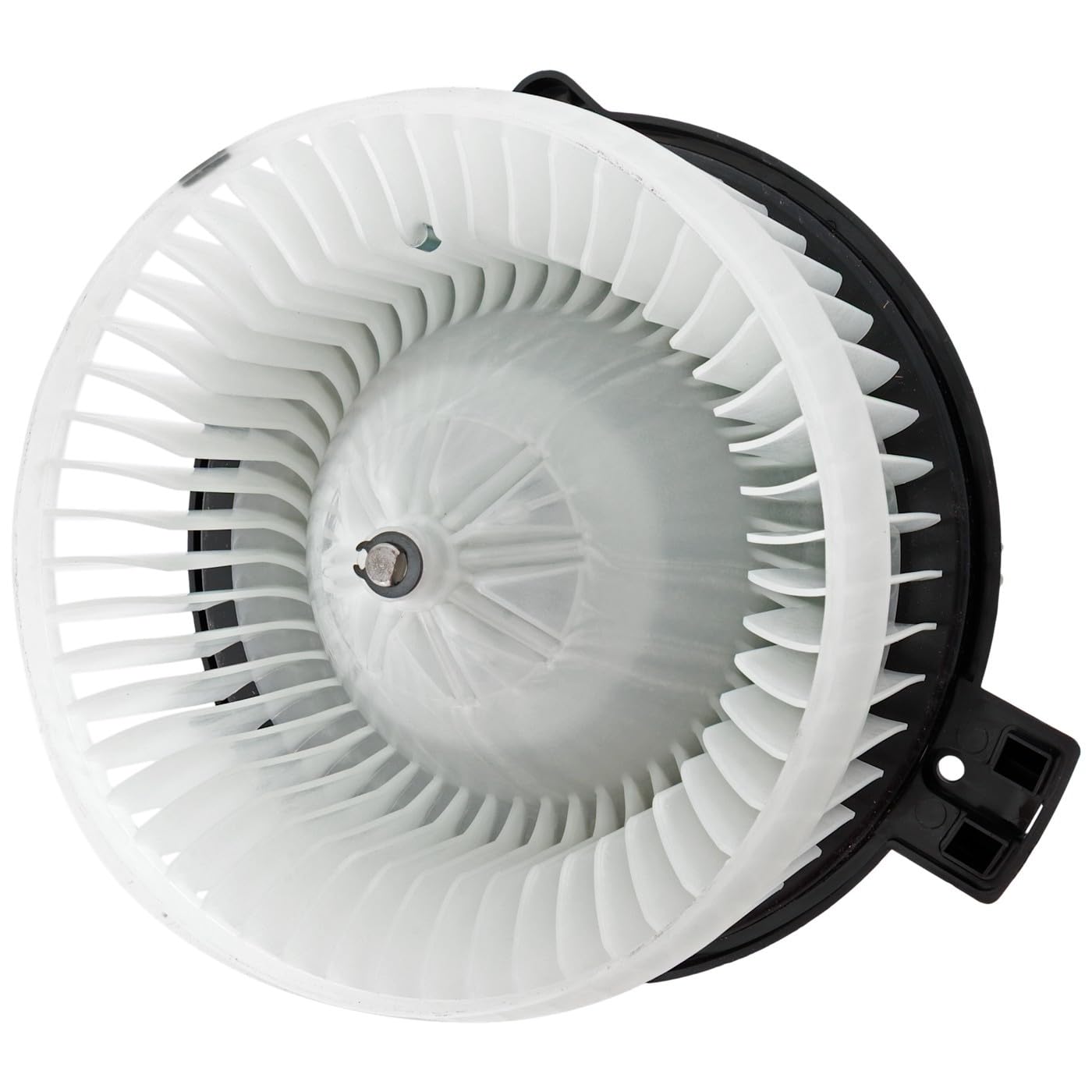
This Sawyer Auto blower motor is a bolt-in replacement meant to restore HVAC airflow, heating, and cooling in Ridgeline crew cab pickups with the 3.5L V6. It uses a plastic squirrel-cage fan and an electric motor assembly in a stamped steel/plastic housing with factory-style mounting points and the original electrical connector, so installation reuses the vehicle harness and requires only basic hand tools. The unit is bench-tested for rotation and electrical draw to help ensure it spins correctly before installation. In everyday use it returns lost airflow caused by worn or noisy factory motors and eliminates intermittent operation that leaves vents dead. Because it is a direct-fit aftermarket part, buyers get an easier swap compared with universal units, but this is not an upgraded high-performance or heavy-duty motor for extreme airflow demands. Expect factory-equivalent fit and function for routine replacement and reliable cabin comfort restoration on the specified Ridgeline models.
Best for: A Ridgeline owner who wants a reliable, direct-fit replacement to return factory-level airflow and solve noise or intermittent operation without modifying the HVAC system.
Less Ideal for: Not the best choice for someone seeking increased HVAC performance or motorspec upgrades for higher airflow or racing applications.
- Direct-fit design with factory-style mounting points and connector for straightforward bolt-in installation
- Bench-tested for rotation and electrical draw to reduce early-failure installs
- Replaces noisy, intermittent, or low-airflow blower motors to restore cabin ventilation
- Uses OE-style plastic squirrel-cage fan and housing for compatible airflow characteristics
- Not marketed as a higher-performance or heavy-duty motor for increased airflow beyond stock
- Plastic blower wheel may be less durable than some premium metal options in extreme environments
Verdict: Choose this Sawyer Auto blower motor when you need a straightforward, factory-style replacement to reliably restore HVAC airflow and eliminate noise or intermittent operation on a 2008–2014 Ridgeline crew cab.
3. BRTEC Front HVAC Blower Motor Assembly with Fan Cage (Part 700003)

| Fitment years | 2008-2014 Ridgeline 3.5L V6 |
|---|---|
| Includes | Blower motor with fan cage + blower motor resistor |
| Part number | 700003 |
| Motor terminals | 2 female terminals |
This BRTEC blower motor assembly is a direct-fit replacement designed to restore airflow from the Ridgeline's HVAC system. It ships as a motor with attached fan cage plus a blower motor resistor, so you can replace the common failure points together rather than sourcing parts separately. The unit is molded from reinforced plastic with metal components where needed and uses a three-bolt flange and two female motor terminals for factory-style mounting and electrical connection. In use it delivers the expected range of fan speeds and should return cabin airflow and heater/AC performance to normal after an original unit fails or becomes noisy. Installation is straightforward for a moderately experienced DIYer and generally requires removing the glove box and a few fasteners; no custom wiring is listed. Limitations: fitment must match the Ridgeline 3.5L V6 years specified and the resistor uses blade terminals without a harness, so verify connector compatibility before starting the job.
Best for: Ridgeline owners who prioritize a practical, cost-effective repair that restores HVAC airflow and prefer a direct-fit replacement they can install themselves or hand to a shop.
Less Ideal for: Buyers looking for a lifetime performance upgrade, custom high-flow aftermarket fans, or those who need multi-vehicle compatibility should look elsewhere.
- Includes both blower motor with fan cage and a blower motor resistor for a more complete repair
- Molded plastic and metal construction intended for durability and factory-style fit
- Three-bolt flanged mounting and standard two-terminal motor connector for straightforward installation
- Designed to restore full fan speed range and cabin airflow when the original unit fails
- Resistor provided uses blade terminals and no wiring harness is included, which may require adapter or connector transfer from the old unit
Verdict: If you need a straightforward, direct-fit replacement to restore HVAC airflow on a 2008–2014 Ridgeline 3.5L, this kit bundles the motor and resistor for an efficient one-stop repair.
4. TadaMark Front HVAC Blower Motor Assembly with Fan Cage
| Fitment | 2006-2007 Honda Ridgeline; 2005-2010 Honda Odyssey (not NHL/SE); 2005-2012 Acura RL |
|---|---|
| Replaces Part Numbers | 700192, 79310SHJA01, 75735, PM9304, BM9304 |
| Material Type | Metal |
| Part Number | 8BM0050-TD86td |
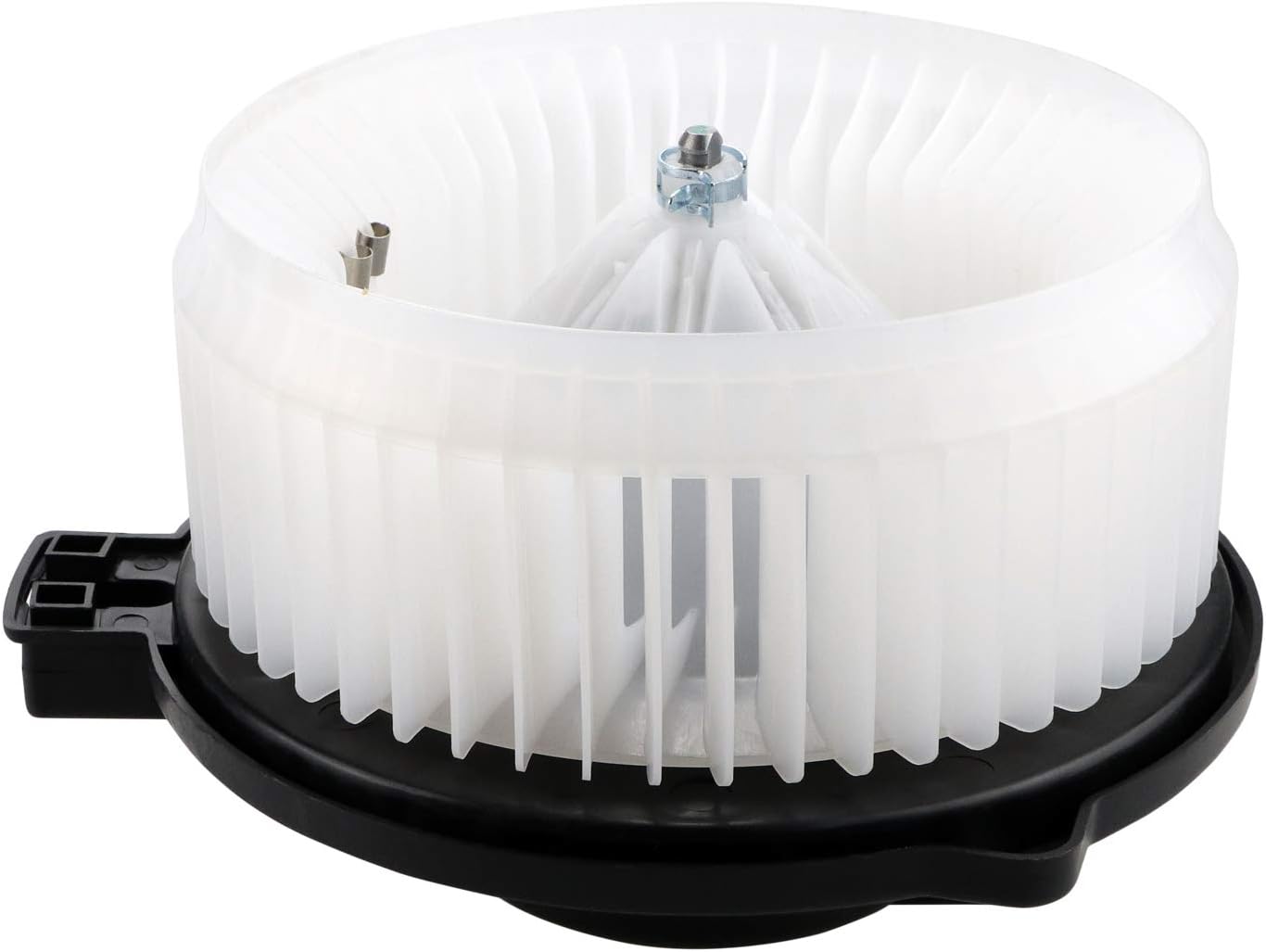
This TadaMark blower motor assembly supplies the cabin airflow for heating and A/C by replacing the factory blower motor and fan cage. It is intended as a direct replacement for specified 2006-2007 Ridgeline and compatible Honda/Acura models and includes mounting points and the electrical connector to match factory installation. Typical use is straightforward: remove the old blower from under the passenger dash, swap the motor and fan cage into the housing, reconnect the wiring, and test all speed settings. The listing emphasizes pre-shipment inspection and metal construction for better heat dissipation, which should help durability compared with cheaply made alternatives. Practical benefits are simple fitment for the covered models, restored HVAC airflow, and a full fan cage to avoid balance issues. Limitations are that fitment excludes some submodels and you must verify compatibility before buying; installation can require dash access and basic mechanical skill or a shop visit if you are not comfortable working under the dash.
Best for: Buyers looking for an affordable, ready-to-install replacement blower motor to restore HVAC airflow on their covered Ridgeline who prioritize cost-effectiveness over dealer parts.
Less Ideal for: People who want a lifetime or heavy-duty premium performance upgrade or who need fitment for vehicles outside the specified model years and submodels.
- Made to replace the factory blower motor and fan cage for listed models
- Metal construction and reported inspection/testing aimed at improved durability
- Includes fan cage to maintain proper balance and airflow
- Direct-fit electrical connector and mounting points simplify installation
- Not compatible with all submodels so you must confirm vehicle fitment before purchase
Verdict: A budget-friendly, direct-fit replacement blower motor assembly that restores HVAC airflow on covered Ridgeline models without needing dealer parts.
5. Youxmoto HVAC Blower Motor Assembly for Honda/Acura Fitment

| Voltage | 12 Volts |
|---|---|
| Manufacturer Part Number | YXBM0048 |
| OEM Part Number | 79310-SDC-A01, 700003, 3010499, PM9175 |
| Brand | Youxmoto |
This Youxmoto blower motor assembly replaces a failed heater/AC fan to restore airflow through the cabin vents on compatible vehicles. It installs in the passenger-side HVAC housing and includes the fan cage so you can swap the unit in place of a worn motor; the listing calls out step-by-step removal and reinstallation. The motor is built for continuous 12 V operation and the seller notes testing for noise, vibration, current draw, and low-voltage start, which speaks to consistent performance and quiet running in normal use. Buyers will appreciate the stronger airflow and low-noise claims that translate to faster cabin heating and cooling without rattles. Important limitations are fitment scope and the recommendation to replace the blower motor resistor when doing the job; the part must match the vehicle submodel and years to fit correctly, and electrical components beyond the motor are not included. If you need long-term reliability, confirm compatibility carefully and bench-test after installation.
Best for: Buyers who prioritize a dependable, like-for-like repair to restore proper cabin airflow on covered Ridgeline model years and value tested, quiet operation.
Less Ideal for: Drivers looking for a universal or multi-vehicle upgrade or an all-in-one HVAC overhaul that includes resistors or controls should consider other options.
- Direct-fit replacement for specified Honda Accord, Acura TSX, and Honda Ridgeline model ranges
- Includes fan cage for plug-and-play installation into the HVAC housing
- Manufacturer reports pre-delivery tests for noise, vibration, current draw, and low-voltage start
- Designed for quiet, smooth operation and stronger airflow
- Compatibility limited to specific model years and submodels so verification is required
- Does not include related electrical parts like the blower motor resistor
Verdict: A tested, direct-fit blower motor assembly built to restore quiet, reliable cabin airflow on the specified Ridgeline model years.
6. SHOWSEN PM9175 HVAC Blower Motor with Fan Cage (fits 2008–2014 Honda Ridgeline)

| Fitment | 2008–2014 Honda Ridgeline |
|---|---|
| OE references | PM9175, 79310SDAA01 |
| Item model number | SDA62 |
| Manufacturer | SHOWSEN |
This SHOWSEN blower motor replaces the factory unit and supplies the blower wheel and motor assembly needed to move cabin air for heating and air conditioning in compatible Ridgeline trucks. Installation is typical for HVAC blower assemblies: remove the glovebox or under-dash panels, unplug the factory connector, unbolt the housing, swap in the fan cage and motor, then reconnect. The listing highlights factory-style mechanical testing and ISO-based quality processes, which suggests reliable electrical performance and airflow comparable to the original. Buyers can expect quieter, consistent cabin airflow and restored full-speed fan operation when the original unit has failed. The assembly is a straightforward aftermarket replacement with a focused fit; it does not include blower speed resistor or control modules, so diagnose those separately if you still have intermittent speeds. Also expect typical variations in fitment tolerance that may require careful alignment during reinstallation for a clean fit and seal.
Best for: Buyers who want a tested, vehicle-specific replacement to restore reliable heating and AC airflow in a 2008–2014 Ridgeline and who prefer proven manufacturing controls and user feedback when choosing parts.
Less Ideal for: Someone wanting a full HVAC electronics refresh or a part that addresses intermittent speed control issues without diagnosing the control circuit should consider a broader repair package or OEM dealer options.
- Direct-fit design for 2008–2014 Honda Ridgeline to simplify replacement.
- Includes blower motor and fan cage in one assembly for faster repair.
- Manufacturer reports ISO/TS quality controls and 100% mechanical testing for consistent performance.
- Restores full HVAC airflow and reduces symptoms of a failed blower motor such as no fan or weak airflow.
- Does not include blower speed resistor or climate control module, so may not fix electrical control faults.
- Aftermarket fit can require minor alignment during installation to achieve a perfect seal.
Verdict: A purpose-built, mechanically tested blower motor assembly that restores dependable cabin airflow for 2008–2014 Ridgeline owners who value proven manufacturing quality and fit.
7. Aspligo Asp-BM202018 Blower Motor Assembly for Acura TSX / Honda Accord / Honda Ridgeline

| Voltage | 12 Volts |
|---|---|
| Horsepower | 700003 Horsepower |
| Material Type | Metal |
This Aspligo blower motor assembly replaces the vehicle's cabin blower to restore ventilation, heating, and air conditioning airflow. It is sold as a complete blower motor unit and is intended for direct replacement in compatible Honda and Acura HVAC housings. The unit uses a 12V motor and metal construction with ABS components, and the listing notes an upgraded motor that runs quieter and with lower electrical interference than older aftermarket replacements. In practice this means quicker cabin warm-up and stronger A/C airflow when fitted correctly, and the quieter operation makes cabin noise less noticeable. Installation requires removing the old motor from the HVAC housing and transferring the fan wheel and electrical connector, so moderate DIY experience or a technician is recommended. Limitations include reliance on correct fitment to the listed model years and the need to confirm connector and mounting compatibility before purchase since fit is critical for reliable operation.
Best for: Buyers who want a reliable, factory-replacement style blower motor to restore HVAC airflow in their Ridgeline and prefer a quieter, longer-lasting aftermarket option over temporary fixes.
Less Ideal for: If you need a universal or performance-speed blower or are changing HVAC housings, this direct-replacement assembly is not the right choice.
- Designed as a direct replacement for listed vehicle models to restore blower function
- 12V motor with claimed quieter, lower-interference operation for reduced cabin noise
- Metal and ABS construction aimed at durability compared with cheap plastic units
- Fitment must be verified against the vehicle connector and mounting since compatibility is model-specific
Verdict: A practical, quieter 12V replacement blower motor built to restore factory-quality airflow for 2008–2014 Ridgeline HVAC systems.
Choosing the Right 2006-2014 Honda Ridgeline Blower Motor: Key Factors to Consider
Fitment and Mounting
Correct physical fit is the first requirement for any blower motor for a 2006-2014 Honda Ridgeline. The motor must match the OEM housing footprint, mounting hole patterns, and shaft orientation so it installs without trimming or custom brackets. Even small differences in shaft length or housing height can prevent a proper seal and lead to air leaks that reduce airflow.
Fitment also affects serviceability. A direct-fit replacement minimizes removal of dash panels and keeps the factory blower motor resistor and harness intact. If a motor claims universal compatibility but uses a different mounting flange, plan for extra labor and potential adaptors.
Electrical Compatibility
The blower motor must work with the Ridgeline's existing fan-speed control and connector. Voltage, current draw, and terminal configuration should match the factory specifications to avoid overloading the climate control circuit or causing intermittent speeds. Units with significantly higher current draw can trip fuses or stress wiring and resistors.
Check whether the replacement uses the same plug style and whether any resistor or controller changes are required. Direct plug-and-play options reduce installation complexity and risk of electrical issues after replacement.
Airflow Performance
Air volume at each fan setting determines how quickly the cabin heats up or cools down and how well defrost functions. Look for motors specified with comparable or improved cubic feet per minute (CFM) values relative to OEM performance. Consistent airflow across low, medium, and high speeds preserves usable control range and avoids situations where only the highest speed is effective.
Be cautious of aftermarket units that emphasize raw top-speed airflow but deliver poor low-speed performance. For everyday driving, balanced airflow across settings is more important than a high peak CFM alone.
Noise and Vibration
Blower motor noise can range from a subtle background hum to a loud whine or rattle that makes cabin life unpleasant. Noise sources include the motor bearings, fan wheel balance, and how well the motor seals against the housing. Ridgeline owners should prioritize motors with low vibration and well-balanced fans to avoid resonance that amplifies through the dash.
If noise is a primary concern, look for customer feedback or specifications referencing decibel ratings, balanced impellers, or upgraded bearing types. A quieter motor improves perceived build quality and comfort, especially at low fan speeds where unwanted noise is more noticeable.
Durability and Bearing Type
The expected life of the blower motor depends heavily on its internal construction and bearing design. Sleeve bearings are common and cost-effective but may wear faster under high-usage conditions or elevated cabin temperatures. Ball-bearing motors typically tolerate higher duty cycles and last longer, though they can cost more.
Consider soldered connections, corrosion-resistant terminals, and overall build quality when evaluating longevity. A more durable motor can be a better long-term value if it reduces the likelihood of another replacement within a few years.
Installation Complexity
Some blower motors are true plug-and-play replacements while others require additional steps such as transferring the fan wheel, modifying connectors, or removing extra trim. Calculate the time and tools needed for installation, and decide whether you will do the job yourself or seek professional help.
Availability of clear installation instructions and included hardware can simplify the process. For owners with limited tools or experience, choosing an option labeled direct-fit and including mounting hardware reduces the chance of installation errors or unexpected trips back to the parts store.
Common Blower Motor Symptoms on a Ridgeline
Understanding typical symptoms helps diagnose whether the blower motor is the root cause. Common signs include reduced airflow at all speeds, operation only on the highest speed, loud grinding or whining noises, and intermittent operation where the fan stops and restarts. Some symptoms overlap with a failing blower motor resistor, so careful observation is necessary.
Other symptoms to watch for are burning smells when the fan first runs, or unusual vibration felt through the dash. If multiple symptoms appear together, it increases the likelihood the motor itself is failing rather than a control module or fuse.
- Low airflow across all fan speeds
- Fan works only on high speed
- Rattling, grinding, or squealing noises
- Intermittent operation or electrical tripping
- Burning odor when blower is first engaged
How the Blower Motor Interacts with the Ridgeline HVAC System
The blower motor sits inside the HVAC housing and forces air through the heater core and evaporator depending on whether you have heat or AC selected. Its electrical feed passes through the fan-speed resistor or control module, which modulates voltage and current to provide multiple speed settings. Because of this integration, changes to the motor can affect how the factory controls behave.
Maintaining proper electrical and mechanical compatibility preserves the Ridgeline's original fan-speed range and prevents unnecessary stress on the resistor or wiring harness. When evaluating replacements, confirm that the motor's connector and current requirements align with the Ridgeline's factory setup.
- Motor mounts within the HVAC housing and must seal correctly
- Fan-speed control modulates motor current for multiple speeds
- Electrical mismatches can overload resistors or wiring
When to Replace the Blower Motor Vs. Repair Other Components
Not all HVAC airflow issues are motor failures. Start by checking fuses, the blower motor resistor, and the control switch before purchasing a replacement motor. If the fan runs only intermittently or only on certain speeds, the resistor often bears responsibility. Visual inspection of the blower wheel for debris or damage can also indicate whether cleaning will restore operation.
Replace the blower motor when you observe mechanical noise from the motor assembly, when bearings are failing, or when the unit draws abnormal current. If the motor was run while clogged with debris, replacement is usually the most reliable solution rather than attempting a repair.
- Inspect fuses and resistor if speeds are inconsistent
- Clean debris from the blower wheel before deciding on replacement
- Replace the motor for mechanical noise or bearing failure
Preparing for Blower Motor Installation on a Ridgeline
Plan for basic tools such as screwdrivers, a ratchet set, and sometimes trim removal tools. Disconnect the negative battery terminal before beginning to avoid electrical shorts. Locate the blower motor access point in the Ridgeline, and consult vehicle service literature or a repair manual for panel removal guidance.
Have replacement fasteners and a clean work area ready. If your chosen motor requires transferring the fan wheel or wiring pigtail, allocate extra time. Gathering all necessary items before starting reduces the chance of surprises during the job.
- Basic hand tools, trim tools, and possibly a flashlight
- Disconnect battery before starting electrical work
- Plan extra time if fan wheel or harness transfer is required
Noise Reduction Tips After Installing a New Motor
If you still hear noise after installing a new blower motor, check fan wheel balance and mounting tightness. Small gaps or loose hardware can amplify vibrations. Using rubber isolators or anti-vibration washers at mounting points can help reduce transmitted noise without altering airflow.
Ensure the blower wheel is seated properly on the motor shaft and that the housing seals fully. Objects trapped in the housing or a warped fan wheel are common residual noise culprits and should be addressed before assuming the replacement motor is defective.
- Verify fan wheel seating and tight mounting hardware
- Use rubber isolators or washers at mount points if needed
- Check housing seals and remove any trapped debris
Tips for Diagnosing Electrical Issues Before Replacing the Motor
Use a multimeter to confirm the motor is receiving voltage when the fan is commanded on. If there is voltage present but the motor does not run, the motor is likely faulty. Measure current draw to see if it exceeds typical values, which can indicate internal binding or failing bearings.
Inspect connectors for corrosion or loose pins, and examine the wiring harness for abrasion or damage. Replacing or repairing damaged wiring and connectors can resolve intermittent problems without changing the blower motor.
- Confirm voltage at the motor with a multimeter while fan is on
- Check current draw for signs of excessive load
- Inspect connectors and wiring for corrosion or damage
Still looking for the perfect fit?
Select your Honda Ridgeline configuration to see the most relevant Blower Motors recommendations
How We Chose the Best 2006-2014 Honda Ridgeline Blower Motor
We focused on decisions that matter most to 2006-2014 Honda Ridgeline owners when replacing a failed blower motor. Primary evaluation criteria included mechanical fitment with the Ridgeline's HVAC housing and mounting points, electrical compatibility with the factory fan-speed control and connector, and measured or reported airflow across low, medium, and high fan settings. Noise level and vibration were assessed to prioritize quieter units that do not transmit excessive resonance into the cabin. Durability factors such as motor construction quality, bearing type, and expected service life informed long-term value judgments. Ease of installation was also considered by checking whether the unit requires connector changes, additional brackets, or resistor modifications.We excluded items that did not match the Ridgeline's year range or required major HVAC system modifications. Units missing clear fitment data or with repeated reports of electrical faults or premature failure were not considered. The final list balances straightforward replacements that preserve factory operation with higher-duty options for owners who want improved airflow or longevity.
Our full evaluation process is outlined in our review methodology.
FAQ
What are the most common signs the Ridgeline blower motor is failing?
Common signs include weak airflow at all settings, operation only on the highest speed, unusual noises like grinding or squealing, and intermittent operation. A burning smell when the fan runs can also indicate motor failure.
Can I replace the blower motor myself in a 2006-2014 Ridgeline?
Many owners can perform the replacement with basic hand tools and a repair manual. The job typically involves removing panels to access the blower housing and unplugging the electrical connector. If the replacement requires transferring the fan wheel or wiring pigtail, expect extra time and moderate mechanical skill.
How do I tell if the resistor or the motor is at fault?
If the fan only operates on the highest speed, the resistor is often the culprit. If you hear mechanical noise, feel vibration, or the fan does not run despite voltage present at the motor, the motor is likely failing. Using a multimeter to check voltage and current helps isolate the component at fault.
Will a higher-performance motor cause problems with the Ridgeline electrical system?
It depends. Motors with substantially higher current draw can overload the factory resistor or wiring. Choose units that match the Ridgeline's electrical characteristics or ones explicitly listed as compatible to avoid stressing the system.
How long should a replacement blower motor last in a Ridgeline?
Service life varies by construction and usage. Motors with higher-quality bearings and robust construction can last many years under normal use, while cheaper units with sleeve bearings may wear sooner. Proper installation and keeping the HVAC inlet free of debris extend life.
Are there steps to reduce blower motor noise without replacing the motor?
Yes. Cleaning debris from the blower wheel, tightening mounting hardware, and ensuring the fan wheel is properly seated can reduce noise. Adding rubber isolators at mounting points can also decrease vibration transmission into the cabin.
Final Verdict
For the 2006-2014 Honda Ridgeline, prioritize a blower motor that matches the factory fitment and electrical specifications while offering good airflow and low noise. Balance durability and bearing type against installation complexity and expected usage. If you value quiet daily driving, choose a well-balanced unit with quality bearings; if longevity under heavy duty is the priority, favor more robust motor construction.Careful attention to fitment, electrical compatibility, and installation details will help you pick a replacement that restores reliable heating and cooling performance and minimizes the chance of follow-up repairs.
Explore More:
- Check out all Honda Ridgeline parts & accessories
- Explore Blower Motors Maintenance & Repair Guides
- Explore HVAC
- Browse all Auto Parts
