

Note: This article contains affiliate links. If you click on these links and make a purchase, I may earn a small commission at no extra cost to you. This helps support my research and content. Read my full affiliate disclosure here.
If you own a 1997-2006 Jeep Wrangler and the cabin fan is weak, noisy, or intermittent, a correct blower motor replacement can restore comfortable heating and cooling. This guide covers the top blower motor options shortlisted for this Wrangler generation, focusing on reliable fit, consistent airflow at each fan speed, and noise control. You will find products selected to address common symptoms such as poor ventilation, loud blower motor noise, and failed fan operation. The evaluation emphasizes fitment for the 1997-2006 Wrangler chassis, airflow performance, and installation practicality. Read on to see the top picks and the criteria that matter when replacing the blower motor on your Wrangler.
Looking for other parts? See all Jeep Wrangler parts & accessories.
Top Picks at a Glance
| Best Overall The best all-around choice for most situations | ILONPA Replacement HVAC Blower Motor Assembly with Fan |  |
| Best Quality Built to a higher standard if you want something more solid | AISIN HVAC Blower Motor with Wheel Assembly |  |
| Best Value The sweet spot between price and what you get | Aspligo Blower Motor Fan Assembly (700095) |  |
| Best Budget The cheapest option that still gets the job done reliably | SCITOO 700095 Heater Blower Motor (Direct Replacement) |  |
| Highest Rated A top-rated pick with lots of positive feedback | LCWRGS Front AC Blower Motor with Fan for 2002–2006 Jeep Wrangler TJ / 2002–2007 Jeep Liberty |  |
| Most Popular A crowd favorite that many people choose with confidence | FAERSI Heater 700095 Blower Motor with Fan Cage |  |
| Best Seller A high-volume bestseller chosen again and again | ECCPP Heater Blower Motor with Fan Cage for 1997–2001 Jeep Cherokee and Wrangler |  |
1. ILONPA Replacement HVAC Blower Motor Assembly with Fan
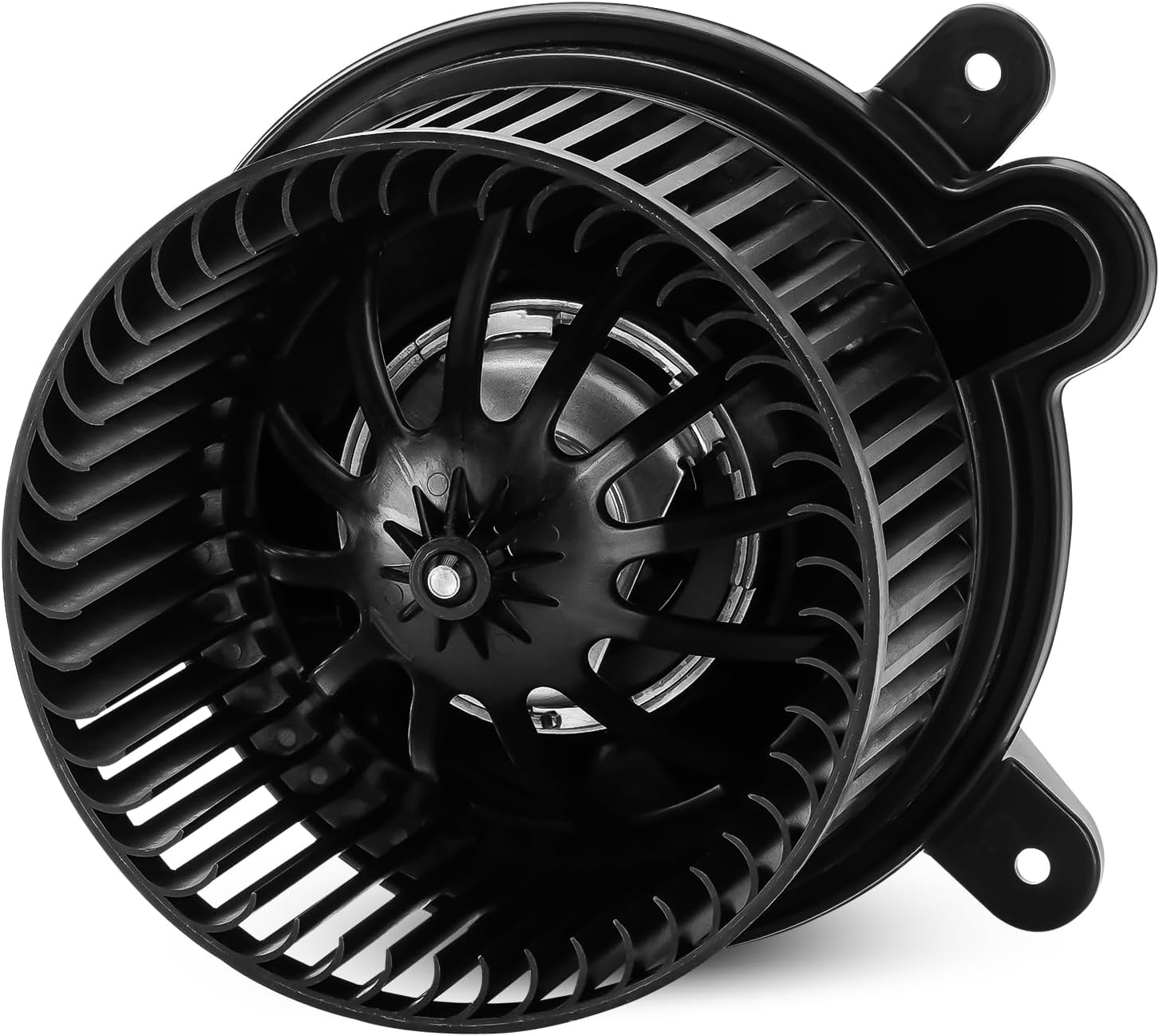
| Fitment Vehicles | 1997-2001 Jeep Cherokee, 1997-2001 Jeep Wrangler |
|---|---|
| Replaces Part Numbers | 4886150AA, 700095 |
| Manufacturer | bestUSA |
| Brand | ILONPA |
This ILONPA blower motor assembly replaces failing heater/AC blower units on 1997–2001 Jeep Cherokee and Wrangler models to restore airflow and eliminate noises. It ships as a complete motor with fan so installation is typically a direct swap at the HVAC housing using the factory connector and mounting points. The product description calls out replacement part numbers 4886150AA and 700095 and highlights improved airflow and durable construction compared with older worn units. In real-world use this unit most often fixes no-air or weak-air symptoms and reviewers report straightforward installs and noticeably stronger cabin airflow. Expect a recommended professional installation if you are not comfortable accessing the blower housing. Some buyers report variance in longevity between units and occasional noise differences versus factory parts, so factor that when choosing a low-cost replacement. The seller provides a one-year warranty and customer support for fitment questions.
Best for: Buyers who want an affordable, straightforward repair to restore cabin airflow on a late 1990s to 2001 Jeep and prioritize getting the HVAC working again without sourcing multiple parts.
Less Ideal for: Customers seeking a premium, long-term performance upgrade or the quietest possible replacement should consider higher-end branded motors or professional parts suppliers.
- Direct-fit for 1997–2001 Jeep Cherokee and Wrangler replacing part numbers 4886150AA and 700095
- Arrives as a complete motor plus fan for an easier swap than piecing parts together
- Many users report improved airflow compared with worn original units
- 1-year warranty and responsive customer support for fitment questions
- Some buyers report inconsistent longevity and at least one report of overheating on an earlier unit
- May be slightly louder or have different airflow feel compared with factory unit
Verdict: A cost-effective, complete replacement blower assembly that restores airflow on 1997–2001 Jeep Cherokee and Wrangler models with minimal fuss.
2. AISIN HVAC Blower Motor with Wheel Assembly

| Speed | 3050 RPM |
|---|---|
| Voltage | 12 Volts |
| Horsepower | 132 Watts |
This Aisin blower motor replaces the front HVAC fan assembly to bring airflow and cabin ventilation back to factory-style performance. It installs in place of the original motor and includes the blower wheel and an installation manual for direct swap into compatible Jeep Wranglers and Libertys from the specified years. The motor is a 12V brushed design rated at 3050 RPM and 132 watts, which provides strong airflow across the heater core and A/C evaporator for quick cabin heating and cooling. Aisin highlights a rigid center shaft and precision motor construction to reduce vibration and noise, so you should notice quieter operation compared with worn factory units. Expect a typical installer experience: electrical blade terminals and basic bolt-on fitment, with the benefit of a 1-year unlimited-mileage warranty. Limitations are the brushed motor design, which is standard for this application but not as long-lived as some brushless options, and compatibility is limited to the listed Jeep model years and positions.
Best for: Buyers who want a performance-minded, direct-fit replacement to restore strong, quiet HVAC airflow in a 1997–2006 Wrangler without modifying the system.
Less Ideal for: People seeking an upgraded brushless or high-output aftermarket blower beyond factory-level performance or those working on vehicles outside the specified Jeep year range should look elsewhere.
- Includes blower wheel and installation manual for a straightforward replacement
- Engineered center shaft and precision motor to reduce vibration and cabin noise
- 12V motor rated for substantial airflow at 3050 RPM and 132 watts
- Backed by a 1-year mileage-unlimited warranty
- Uses a brushed motor rather than a brushless design, which can mean shorter long-term lifespan
Verdict: Choose this Aisin blower motor if you want a direct-fit, factory-quality replacement that restores strong, quieter airflow to the specified Jeep HVAC system.
3. Aspligo Blower Motor Fan Assembly (700095)

| Voltage | 12 Volts |
|---|---|
| Horsepower | 700095 Horsepower |
This Aspligo blower motor is a direct-style replacement designed to restore cabin airflow in older Jeeps. It supplies the blower fan and motor preassembled so you can swap the unit into the HVAC housing and get heat and A/C airflow back quickly. The motor runs on 12 volts and uses ABS plastic and metal components for durability; the listing highlights a low-interference motor intended for quieter operation and longer life. In practice this type of unit is used when the original blower has failed or become noisy and is typically installed under the dash with basic hand tools. Buyers report straightforward, plug-and-play installs and noticeably stronger airflow than aged units. Limitations include occasional fitment tightness during removal of the old motor and the potential for minor noise or rubbing that may need a small adjustment. Overall it is a practical, no-frills replacement that brings reliable ventilation back to older Jeep HVAC systems without extra features.
Best for: Buyers who want a practical, cost-effective replacement to reliably restore heating and A/C airflow in older Jeep Wrangler/Cherokee HVAC systems and prefer an easy swap they can install themselves.
Less Ideal for: Not a fit for someone seeking performance upgrades, variable-speed control electronics, or a custom high-output HVAC solution; also avoid if you need guaranteed perfect cosmetic match under the dash.
- Preassembled motor and fan for faster replacement
- 12V design compatible with standard vehicle electrical systems
- Durable ABS and metal construction for reasonable longevity
- Reportedly quiet low-interference motor compared with many aftermarket options
- May require careful maneuvering to remove the old blower from tight dash spaces
- Some units can exhibit minor blade rubbing or a small whine that may need adjustment
Verdict: A straightforward, ready-to-install replacement blower motor that reliably restores cabin airflow for older Jeep HVAC systems.
4. SCITOO 700095 Heater Blower Motor (Direct Replacement)

| Fitment years | 1999-2002 Wrangler; 1997-2001 Cherokee |
|---|---|
| Replace part numbers | 700095, 4886150AA, PM6002, CH3126112 |
| Material type | ABS, HVAC |
| Working voltage | 12V |
This SCITOO blower motor is a straightforward replacement for worn blower units on late 1990s and early 2000s Jeep Wranglers and Cherokees. It installs as a plug-and-play unit and is intended to restore fan airflow for heating and A/C without requiring modification. Notable features include a stamped-silicon rotor plate, copper enameled windings, and permanently lubricated self-aligning bearings that aim to cut noise and extend lifespan. In real-world use it delivers strong airflow and many buyers report quiet operation and an exact fit for 1999–2002 Wrangler applications. The product is an aftermarket part rather than factory equipment, so longevity varies across reports; some owners experienced early failure and mixed support experiences. For someone replacing a failed motor it offers a budget-friendly option that gets the HVAC blowing again quickly, but if you need a long-term, high-mileage solution you may want to consider higher-end replacements or dealer-sourced factory-quality units.
Best for: Jeep owners looking for an affordable, quick fix to restore HVAC airflow on late 1990s to early 2000s Wranglers who prioritize cost and ease of installation over long-term dealer-level durability.
Less Ideal for: Drivers seeking a longest-life, factory-identical replacement or professional fleets that need guaranteed multi-year durability should consider higher-spec or dealer-sourced blower motors.
- Direct-fit wiring and mounting for the listed Jeep applications makes installation quick and simple
- Designed with permanently lubricated self-aligning bearings for smoother, quieter operation
- Copper enameled windings and silicon steel rotor plate for reliable electrical and magnetic performance
- As an aftermarket unit, reported longevity is inconsistent with some users seeing premature failure
Verdict: A budget-friendly, plug-and-play replacement that quickly restores blower function on late 1990s–early 2000s Jeep Wranglers.
5. LCWRGS Front AC Blower Motor with Fan for 2002–2006 Jeep Wrangler TJ / 2002–2007 Jeep Liberty

| Speed | 3250 RPM |
|---|---|
| Voltage | 12 Volts (DC) |
| Material Type | Plastic & Metal |
This LCWRGS blower motor with integrated fan is a direct replacement for front HVAC units on 2002–2006 Jeep Wrangler TJ and 2002–2007 Jeep Liberty models. It installs like a factory-style unit and is typically used to restore weak airflow, eliminate intermittent operation, or replace a noisy failing motor. The motor is rated 12 V and 3,250 RPM and the impeller is precision balanced to reduce vibration; the seller notes silicon steel rotor components intended to improve durability. Buyers report easy snap-in installation and consistent airflow, and the included fan wheel avoids sourcing a separate cage. Expect generally quiet operation when new, though a few users have reported high-pitched whining or fan noise in some units, which suggests occasional quality variance. The unit ships with a two-year warranty and is built from plastic and metal components, so long-term longevity may vary with climate and usage. For someone repairing an older Wrangler, this offers a near-OEM fit and straightforward swap, but watch for occasional noise issues that could appear early in service life.
Best for: A buyer who wants a reliable, factory-style replacement to restore HVAC airflow on a 1997–2006 Jeep Wrangler TJ or similar Jeep Liberty without complex modification, prioritizing ease of installation and immediate performance.
Less Ideal for: If you require an ultra-quiet premium motor or a heavy-duty commercial-grade unit for extreme environments, consider higher-end aftermarket or professional-grade blower assemblies instead.
- Direct-fit design for 2002–2006 Jeep Wrangler TJ and compatible Liberty models for straightforward replacement
- Precision balanced fan and silicon steel rotor design aimed at smoother operation and reduced vibration
- Rated 12 V and 3250 RPM to deliver adequate airflow for HVAC systems
- Comes as a complete motor with fan, avoiding the need to transfer or buy a separate blower wheel
- Two-year warranty provides added recourse if the unit fails early
- Some customers report high-pitched whining or fan noise on arrival indicating unit-to-unit variability
- Construction uses plastic components that may wear faster in very hot or dusty conditions
Verdict: A straightforward, near-factory replacement blower motor that gets HVAC airflow back to normal with minimal fuss for Wrangler TJ and Liberty owners focused on dependable repairs.
6. FAERSI Heater 700095 Blower Motor with Fan Cage

| Compatible models | 1997–2001 Jeep Cherokee and Wrangler |
|---|---|
| Replaces part numbers | 4886150AA, 700095 |
| Material | ABS, plastic, steel |
| Shaft diameter | 1 Inches |
This FAERSI blower motor replaces the failed fan assembly that moves air through the heating and air conditioning system on 1997–2001 Jeep Cherokee and Wrangler models. The unit ships with a plastic fan cage and a motor built from stamped silicon steel rotor plates and enameled copper windings, so it performs the basic job of moving cabin air for heat or A/C. Installation sits under the passenger-side dash and is a straightforward swap for someone comfortable with basic removal of a few screws and brackets; owners in user reports typically completed the job in under two hours. The product aims at value buyers who want functional airflow without paying for a factory replacement; many buyers report correct connector fit and immediate operation. Potential drawbacks are fitment variability on certain vehicles and the larger spade terminals reported by some users, so double-check the wiring connector before installation and be prepared to adapt terminals if needed.
Best for: Buyers who prioritize proven user feedback and a cost-conscious repair that restores HVAC function on 1997–2001 Jeep Cherokee or Wrangler models and who are comfortable checking electrical connector fit before installation.
Less Ideal for: People who want a guaranteed factory-identical replacement with exact plug compatibility out of the box or those unwilling to adapt terminals or perform moderate DIY work.
- Built to restore HVAC airflow on specified 1997–2001 Jeep Cherokee and Wrangler models
- Includes fan cage and a motor with copper-enamel winding for reliable immediate operation
- Many buyers report straightforward direct-fit connector and quick installation under the passenger dash
- Some reported fitment/wiring differences, including larger spade terminals that may require terminal adaptation
Verdict: A budget-friendly, user-validated blower motor assembly that reliably restores HVAC airflow on 1997–2001 Jeep Cherokee and Wrangler models when you confirm connector fit before installation.
7. ECCPP Heater Blower Motor with Fan Cage for 1997–2001 Jeep Cherokee and Wrangler
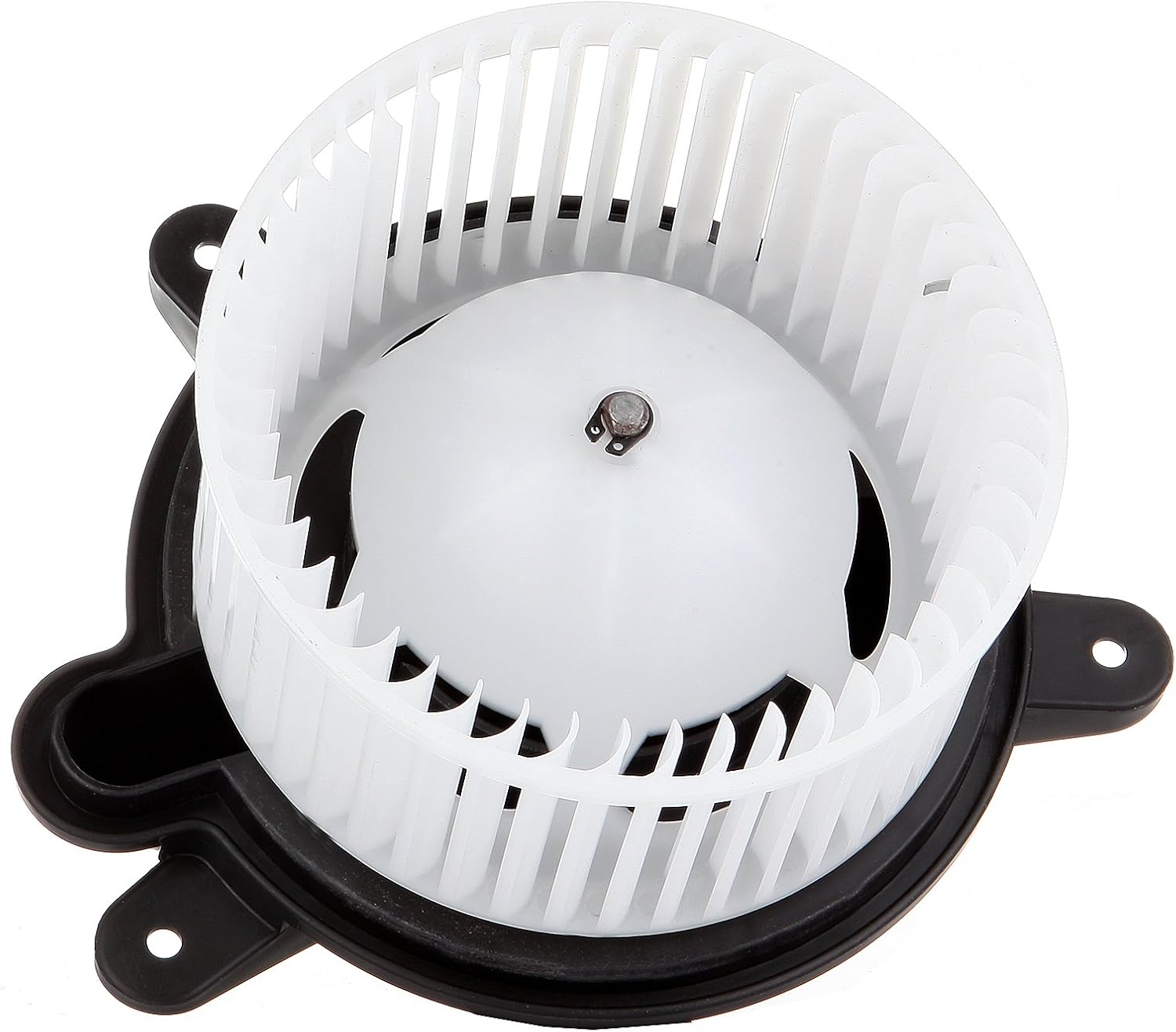
| Fitment | 1997–2001 Jeep Cherokee and Wrangler |
|---|---|
| Material Type | Plastic, Steel |
| Part Number | 058432-5211-1725421 |
| Item Weight | 3.57 Pounds |
This ECCPP blower motor is a factory-style replacement that combines the motor and fan cage to restore proper HVAC airflow in 1997–2001 Jeep Cherokee and Wrangler vehicles. It installs in place of the original unit and is typically used to fix weak or noisy blower output, intermittent speeds, or a complete failure. The product features a balanced fan cage and wound rotor intended to deliver consistent electrical performance and smoother operation. Buyers report straightforward fitment and noticeably stronger airflow across all fan speeds, and the motor is built from plastic and steel components with copper enameled windings. Limitations include the usual caveats of aftermarket parts: quality can vary unit to unit and you may still need to check the blower motor resistor or switch when diagnosing speed issues. For a cautious buyer seeking a like-for-like replacement, this unit offers a practical way to restore cabin heating and cooling without custom work.
Best for: Buyers who prioritize a reliable, straightforward replacement to restore factory heating and cooling performance in their 1997–2001 Jeep without modifications and want a low-risk repair.
Less Ideal for: If you are restoring a vehicle for concours show or need upgraded high-performance airflow beyond factory output, this standard replacement is not the best choice.
- Direct-fit replacement for 1997–2001 Jeep Cherokee and Wrangler so installation is typically simple
- Integrated fan cage is balanced to reduce vibration and improve airflow consistency
- Copper enameled windings and steel/plastic construction for standard durability
- Reports of strong airflow and quiet operation after installation
- As an aftermarket part, manufacturing consistency can vary between units
Verdict: A practical, like-for-like replacement that reliably restores HVAC airflow in 1997–2001 Jeep Cherokee and Wrangler models.
Choosing the Right 1997-2006 Jeep Wrangler Blower Motor: Key Factors to Consider
Correct Fitment and Connector Type
Proper fitment is the single most important factor for a Wrangler blower motor. The motor must match the mounting flange, shaft orientation, and bolt pattern used in the 1997-2006 Wrangler HVAC housing to avoid fabrication or bracket modifications. Connector compatibility matters because many replacements are intended to be plug-and-play. If the motor uses a different wiring plug, you will need to splice or adapt the harness, which adds time and potential failure points. Verifying fitment reduces installation time and helps maintain correct blower motor resistor alignment and airflow direction.
Airflow Performance and Fan Balance
Airflow performance determines how effectively your heater or AC moves air through the cabin. Look for blower motors that deliver consistent airflow across all fan speeds so low-speed ventilation is usable and high-speed output is strong for defrosting. Balanced fan wheel and secure attachment are key to minimizing wobble that causes vibration or reduced airflow. A well-balanced assembly preserves bearings and reduces long-term wear, which is important for a vehicle that may see off-road vibration and varied duty cycles.
Noise and Vibration Characteristics
Noise is a common complaint on Wrangler models because the relatively small cabin amplifies blower motor sounds. Choose motors and fan assemblies that specify NVH-reducing features such as precision-balanced fans, sealed bearings, or brush configurations that minimize whine. Vibration can also accelerate wear on mounts and HVAC ducts. Dampening contact points and correct torque on mounting bolts help, but selecting a motor designed to run smoothly will reduce in-cabin noise and long-term component stress.
Electrical Reliability and Motor Construction
Electrical durability affects whether the motor will function reliably through heavy use. Key aspects include quality of brushes, bearing type (sleeve versus ball), and overall motor insulation. Motors with robust brush design and sealed bearings generally have longer service life in HVAC duty cycles. Voltage and amperage ratings should match OEM ranges to avoid overloading the vehicle wiring or blower motor resistor. Durable construction is especially important in older Jeeps where wiring and resistors may already show age-related wear.
Compatibility With Blower Motor Resistor and Controls
Many blower speed issues stem from the resistor pack or control module rather than the motor itself. Ensure the motor you select is compatible with the original resistor configuration and with the vehicle's manual fan speed switch or climate control system. Incorrect electrical characteristics can lead to excessive current draw that shortens resistor life or causes intermittent speeds. Choosing a motor with OEM-like electrical behavior helps preserve the rest of the HVAC circuit.
Ease of Installation and Maintenance
Installation accessibility is important for typical DIY owners working on a Wrangler. Motors that allow straightforward removal of a few screws and an easy plug connection reduce labor time. Clear instructions and included mounting hardware are helpful because some older vehicles have missing clips or corroded fasteners. Maintenance considerations include the ability to service the fan wheel or replace brushes if the motor supports it. A design that minimizes the need to remove the entire dash assembly will keep labor manageable and reduce the chance of incidental damage during replacement.
Why Blower Motor Failures Happen on 1997-2006 Wranglers
Blower motors in this Wrangler generation often fail due to age-related wear, exposure to dust and debris, or overheating from excessive current draw. Off-road use and water intrusion can accelerate bearing wear and lead to noisy operation or seizure.
Electrical causes include worn brushes, corroded connectors, or a failing blower motor resistor that forces the motor to run under abnormal conditions. Regular inspection and prompt replacement when symptoms appear can prevent further HVAC system damage and restore reliable cabin airflow.
- Mechanical wear from miles and vibration
- Debris and moisture contaminating bearings
- Electrical wear such as brush deterioration
- Excessive current draw from incompatible replacements
Symptoms That Point to a Bad Blower Motor
Common symptoms include a fan that does not run on any speed, intermittent operation, loud squeal or grinding noises, and reduced airflow even at higher fan settings. Some owners notice only weak low-speed airflow or a humming sound that changes with vehicle vibration.
Distinguishing motor problems from resistor or switch faults is important. If the fan is dead at all speeds, suspect the motor or a wiring issue. If certain speeds work but others do not, the resistor or fan control is often the cause.
- No fan operation at any speed
- Intermittent or flickering fan function
- Audible squeal, grinding, or roping noise
- Reduced airflow at all speed settings
Installation Tips for 1997-2006 Wrangler Owners
Before starting, disconnect the battery and verify the correct replacement motor and connector. Access to the blower motor on this Wrangler generation usually requires removing the lower glove box or a panel beneath the dash depending on whether the vehicle is a TJ, LJ, and TJU generation unit from these years. Keep fasteners in a labeled container and photograph the wiring orientation to avoid mistakes on reassembly.
When installing, check the fan wheel for balance and proper seating on the shaft. Inspect the resistor pack and harness for corrosion and replace damaged clips. After mounting the new motor, test all fan speeds before reassembling panels and verify there are no unusual noises that could indicate interference or a misaligned fan.
- Disconnect battery before starting work
- Label and photograph connector orientation
- Inspect resistor and harness for corrosion
- Test all speeds prior to final assembly
How Resistor Packs Interact With the Blower Motor
On 1997-2006 Jeep Wranglers, the blower motor resistor controls discrete fan speeds by dropping voltage to the motor through resistive elements. A failing resistor can mimic motor failure by eliminating some speeds or causing erratic behavior. It is prudent to inspect or test the resistor when diagnosing blower problems.
Choosing a motor that matches the electrical profile of the original reduces risk of resistor overheating. If you replace the motor and find persistent speed issues, diagnose the resistor separately because both components commonly age together.
- Resistor controls discrete fan speed ranges
- Failing resistors often produce loss of select speeds
- Electrical mismatch can overload the resistor
- Inspect both motor and resistor during diagnosis
Noise Diagnosis and Mitigation
Noise sources include worn bearings, unbalanced fan wheel, or rubbing between the fan and housing. To isolate the cause, run the fan with the housing open and listen for bearing noise versus rubbing sounds. Bearing noise is usually a steady howl or grinding that changes with speed, while rubbing is intermittent and may change when you nudge the fan wheel.
Mitigation starts with ensuring the fan wheel is correctly seated and free of debris. If the bearing is the issue, replacing the motor assembly is typically required. Using a motor with sealed bearings and balanced impeller reduces the likelihood of recurring noise.
- Run fan with housing open to isolate noise
- Differentiate bearing noise from rubbing
- Ensure fan wheel is seated and clear of debris
- Prefer sealed bearings and balanced impellers
When to Replace the Resistor At the Same Time
Because the resistor and motor share the same electrical duty, replacing both at the same time can be prudent when the resistor shows signs of overheating, corrosion, or intermittent operation. Doing both together is a sensible preventative step that can avoid repeated labor and ensure consistent fan performance across all speeds.
If the resistor tests within specification and shows no physical damage, you may opt to replace only the motor. However, if the vehicle has high mileage or if the resistor socket looks corroded, replace the resistor during the motor swap to reduce the risk of future failures.
- Replace resistor when it shows corrosion or failure signs
- Consider concurrent replacement for high-mileage vehicles
- Replacing both reduces the chance of repeat labor
- Test resistor if physical appearance is uncertain
Still looking for the perfect fit?
Select your Jeep Wrangler configuration to see the most relevant Blower Motors recommendations
How We Chose the Best 1997-2006 Jeep Wrangler Blower Motor
We evaluated blower motors using vehicle-specific fitment, airflow performance, noise levels, electrical reliability, and installation practicality as primary filters. Fitment was confirmed against 1997-2006 Jeep Wrangler mounting points, connector types, and shaft orientation to minimize modification. Airflow performance was assessed by rated CFM or OEM-equivalent specification and by intended performance across low to high fan speeds to ensure usable ventilation for both heater and AC operation. Noise and vibration were considered because cabin comfort on Wrangler models is sensitive to fan whine and resonance. Electrical durability included motor brush design, bearing type, and expected lifespan under typical HVAC loads. Installation practicality covered plug-and-play connector compatibility, ease of access for a DIY owner, and whether additional parts like mounting clips were required. We excluded units that lacked clear fitment information for the 1997-2006 Wrangler or that required substantial bracket or harness modifications. Units without specified motor electrical ratings or with unverified connector type were also removed. The final shortlist balances quiet operation, reliable airflow, and straightforward blower motor installation for owners replacing a failed cabin blower on a 1997-2006 Jeep Wrangler.
Our full evaluation process is outlined in our review methodology.
FAQ
How can I tell if the blower motor or resistor is at fault?
If the fan does not run at any speed, the motor or a main power feed is likely at fault. If some speeds work and others do not, the resistor is often the culprit. Visual inspection and simple voltage checks at the resistor and motor help confirm the failing component.
Is blower motor noise always a sign it needs replacing?
Not always. Noise can come from debris in the fan housing or a misaligned wheel. Persistent grinding, whining, or rough bearings usually indicate the motor assembly should be replaced.
Can I replace the blower motor myself on a 1997-2006 Wrangler?
Yes, many owners can perform the replacement with basic tools. Access typically requires removing a lower dash panel or glove box. Take safety precautions, label connectors, and test fan speeds before final reassembly.
Should I replace the resistor when I install a new blower motor?
It depends. If the resistor shows corrosion, heat damage, or intermittent performance, replace it during the motor swap. If it tests within specification and looks sound, replacing only the motor is acceptable.
What maintenance helps prolong blower motor life in a Wrangler?
Keep the cabin air intake and housing free of debris, check for water intrusion, and address any unusual noises early. Ensuring good electrical connections and avoiding prolonged high-current conditions also helps extend motor life.
Will upgrading to a higher-flow blower motor affect the resistor or wiring?
Potentially. Higher-flow motors can draw more current which may stress the resistor and original wiring. Choose replacements with electrical characteristics similar to OEM specifications to avoid overloading the system.
Final Verdict
When replacing a blower motor in a 1997-2006 Jeep Wrangler, prioritize correct fitment, verified connector compatibility, and airflow performance across all speeds. Pay attention to noise characteristics and motor construction to avoid repeated service, and consider replacing the resistor if it shows signs of aging. Balancing durability, quiet operation, and straightforward installation will deliver the most reliable HVAC performance for this Wrangler generation.
Explore More:
- Check out all Jeep Wrangler parts & accessories
- Explore Blower Motors Maintenance & Repair Guides
- Explore HVAC
- Browse all Auto Parts
