

Note: This article contains affiliate links. If you click on these links and make a purchase, I may earn a small commission at no extra cost to you. This helps support my research and content. Read my full affiliate disclosure here.
If you own a 2014-2018 Subaru Forester, choosing the right antifreeze matters for winter reliability and long-term engine health. The correct coolant formula prevents freeze-related blockages, reduces corrosion in aluminum components, and helps the heating system perform consistently. Using an incompatible fluid or neglecting maintenance can lead to overheating, coolant loss, or costly repairs.This guide covers five top antifreeze options shortlisted for the 2014-2018 Forester and explains the evaluation criteria we used. We look at freeze protection, corrosion inhibitors, compatibility with Subaru materials, and recommended maintenance practices to help you pick the right coolant for your driving conditions. Read on for practical guidance before you drain or top off the cooling system.
Looking for other parts? See all Subaru Forester parts & accessories.
Top Picks at a Glance
| Best Budget Antifreeze Affordable ready-to-use coolant that covers basic freeze and corrosion protection | PEAK 50/50 Prediluted Antifreeze and Coolant, 1 Gal |  |
| Best OEM Subaru Antifreeze Genuine manufacturer-formulated coolant sold as factory replacement for fit and spec | Subaru Super Coolant Blue Prediluted 50/50, 1 Gallon |  |
| Best Asian-Formula Antifreeze Formulated for Asian makes with compatible inhibitor chemistry and color options | Zerex Asian Vehicle Blue Prediluted Antifreeze/Coolant 50/50, 1 gal |  |
| Best Prediluted Antifreeze Pre-mixed 50/50 coolant ready to pour—no mixing or distilled water needed | PEAK OET Extended Life Blue 50/50 Prediluted Antifreeze/Coolant, 1 Gal. |  |
| Best Heavy-Duty Antifreeze Robust formulation for high-stress or heavy-duty cooling systems and fleets | Zerex Pre-Charged Heavy Duty 50/50 Antifreeze/Coolant 1 gal |  |
1. PEAK 50/50 Prediluted Antifreeze and Coolant, 1 Gal
Best Budget Antifreeze

| Liquid Volume | 1 Gallons |
|---|---|
| Compatible with Vehicle Type | Car, Truck, Motorcycle, SUV |
| Container Type | Jug |
| Size | 50/50 |
This PEAK 50/50 prediluted antifreeze is a simple, no-fuss coolant designed for topping off and routine service in passenger vehicles like the 2014–2018 Subaru Forester. It comes pre-mixed so you can pour it directly into the cooling system without measuring, and its corrosion inhibitors target common metals used in modern engines to help prevent rust and scale. The formula claims long-life protection and is compatible with other coolant technologies and colors, which makes it convenient when you need a fast refill or a system top-off. Practical benefits include immediate protection after filling, broad vehicle compatibility for standard passenger cars and light trucks, and the convenience of a one-gallon jug that covers most refill jobs. Limitations are that it is a general-purpose, conventional coolant rather than a vehicle-specific OEM formula optimized for Subaru unique specifications, and some drivers who prefer concentrated mixes or manufacturer-branded fluids may opt for other products.
Best for: Buyers who want an affordable, ready-mixed coolant for routine maintenance and straightforward top-offs on a 2014–2018 Subaru Forester without dealing with concentrate or special formulations.
Less Ideal for: Those who need a Subaru factory-branded or model-specific coolant for dealer-level service or owners who prefer mixing concentrated coolant to a custom ratio.
- Ready-to-use 50/50 mix eliminates need to dilute before filling
- Corrosion inhibitors formulated to protect common engine metals including aluminum
- Compatible with multiple coolant colors and technologies for easy top-offs
- One-gallon jug provides enough fluid for most maintenance or refill jobs
- Not a vehicle-specific factory-quality formulation tailored to Subaru cooling system specifications
Verdict: Pick this option when you need a low-cost, ready-to-use antifreeze that reliably protects against freezing and corrosion without extras or specialty chemistry.
2. Subaru Super Coolant Blue Prediluted 50/50, 1 Gallon
Best OEM Subaru Antifreeze

| Model | SOA868V9270 |
|---|---|
| Formulation | Prediluted 50/50 |
| Volume | 1 Gallon |
| Vehicle coverage | 2009 and newer |
This Subaru Super Coolant comes prediluted 50/50 in a one-gallon bottle so it is ready to pour into the cooling system without measuring or mixing. It is the factory-formulated coolant intended for Subaru vehicles from 2009 onward, offering organic corrosion inhibitors to protect aluminum and other cooling-system components and a bittering agent to discourage accidental ingestion. In real-world use this product simplifies maintenance: pour, top off, or refill during a coolant service and you avoid risks from poor-quality water or incorrect concentrate. It also claims freeze protection down to about -62°F, which covers extreme cold climates. The main limitation is that it is specific to Subaru specifications, so it should be used when you want a factory-match fluid rather than a universal universal-type coolant; also the prediluted packaging means you cannot adjust concentration for unusual service needs. Overall it is a convenient, low-risk choice for maintaining Subaru cooling systems to factory standards.
Best for: Buyers who prioritize a factory-matched coolant to minimize compatibility issues and want a no-fuss fill-and-go solution for routine coolant maintenance on Subaru vehicles.
Less Ideal for: Users who need to tailor coolant concentration for heavy-duty cooling demands or who prefer a universal aftermarket coolant for cross-brand service.
- Prediluted 50/50 ready to use with no mixing required
- Factory-formulated for Subaru to reduce compatibility concerns
- Includes organic corrosion inhibitors for long-term protection
- Provides cold-weather protection to approximately -62°F
- Prediluted bottle does not allow adjusting concentration for custom service needs
Verdict: Select this slot if you prefer factory-formulated coolant engineered to meet original-equipment specifications and minimize compatibility worries during maintenance.
3. Zerex Asian Vehicle Blue Prediluted Antifreeze/Coolant 50/50, 1 gal
Best Asian-Formula Antifreeze

| Formulation | HOAT with phosphate additive |
|---|---|
| Mixture | 50/50 prediluted ready-to-use |
| Free of | Silicate and borate |
| Volume | 1 gallon |
This one-gallon Zerex Asian Vehicle Blue comes ready to pour as a 50/50 mix and is formulated with Hybrid Organic Acid Technology and a phosphate additive to protect typical Asian-manufacturer cooling systems. It is intended for topping off or refilling after a flush and emphasizes corrosion, scale and rust protection for aluminum radiators, water pumps and other metal components. Because it is silicate- and borate-free and excludes amines and nitrites, it matches the inhibitor profile many Asian OEMs specify and reduces the risk of harmful chemical interactions when used in compatible systems. Practical benefits include long-life protection and reduced deposit formation that help coolant flow and component longevity. The main limitation is that it is tailored specifically to Asian-style blue HOAT requirements and so should not be mixed with unrelated coolant chemistries; users must follow the Forester service manual for compatibility and replacement intervals.
Best for: For owners focused on maintaining a 2014–2018 Subaru Forester cooling system with a coolant that matches Asian-spec inhibitor chemistry and minimizes mixing risks during service or DIY top-offs.
Less Ideal for: Not a good choice for drivers who need a universal or performance-specific coolant for non-Asian chemistries or who plan to blend different coolant types during maintenance.
- Pre-diluted 50/50 ready-to-use mix for quick top-offs or refills
- HOAT formulation with phosphate additive targets corrosion and scale protection
- Silicate- and borate-free formula to match Asian vehicle inhibitor requirements
- Designed to protect aluminum radiators and water pumps from deposits and corrosion
- Not intended to be mixed with different coolant chemistries; mixing can cause reduced performance or deposits
Verdict: Choose this pick when you need an antifreeze whose inhibitor package and formulation match typical Asian-vehicle requirements and reduce mixing risks.
4. PEAK OET Extended Life Blue 50/50 Prediluted Antifreeze/Coolant, 1 Gal.
Best Prediluted Antifreeze

| Volume | 1 gallon |
|---|---|
| Dilution | 50/50 prediluted |
| Chemistry | Phosphate-enhanced OAT |
| Intended vehicles | Asian vehicles (includes Subaru compatibility) |
This prediluted 50/50 PEAK OET coolant is designed to top off or refill cooling systems in Asian vehicles that call for a blue POAT formula, and it works as a ready-to-use option for 2014–2018 Subaru Forester owners who prefer not to mix concentrate. You pour it straight into the radiator or overflow bottle after a flush or to top off without measuring water, and the phosphate-enhanced organic acid technology helps control rust and corrosion across aluminium and steel components. PEAK guarantees service-life protection up to 150,000 miles or five years when installed as part of a complete flush and fill. Practical benefits include time savings from the prediluted mix and broad compatibility with other extended-life coolants that meet the same chemistry. Limitations are that color and POAT chemistry must match Subaru’s specified coolant for your Forester; this blue formula is intended for applications requiring that specific phosphate-enhanced OAT type rather than universal or hybrid coolants.
Best for: Forester owners who want a simple, no-mix coolant for topping off or refilling after a flush and who prioritize ready-to-use convenience over buying concentrate.
Less Ideal for: Drivers who need a different coolant chemistry for their specific Forester variant or those who prefer to buy concentrate to mix to custom ratios for extreme climates.
- Ready-to-use 50/50 prediluted mix eliminates the need to add water or measure concentrate
- Formulated with phosphate-enhanced organic acid technology to help prevent rust and corrosion
- Guaranteed protection up to 150,000 miles or 5 years when used as part of a full flush and fill
- Designed to match blue POAT specifications common to many Asian vehicle service requirements
- Must match the vehicle maker's specified coolant chemistry and color before use
- Not suitable if your Forester requires a different coolant type or a non-phosphate formulation
Verdict: Grab this prediluted option if you want a hassle-free 50/50 coolant that’s ready to top off or refill without measuring or adding water.
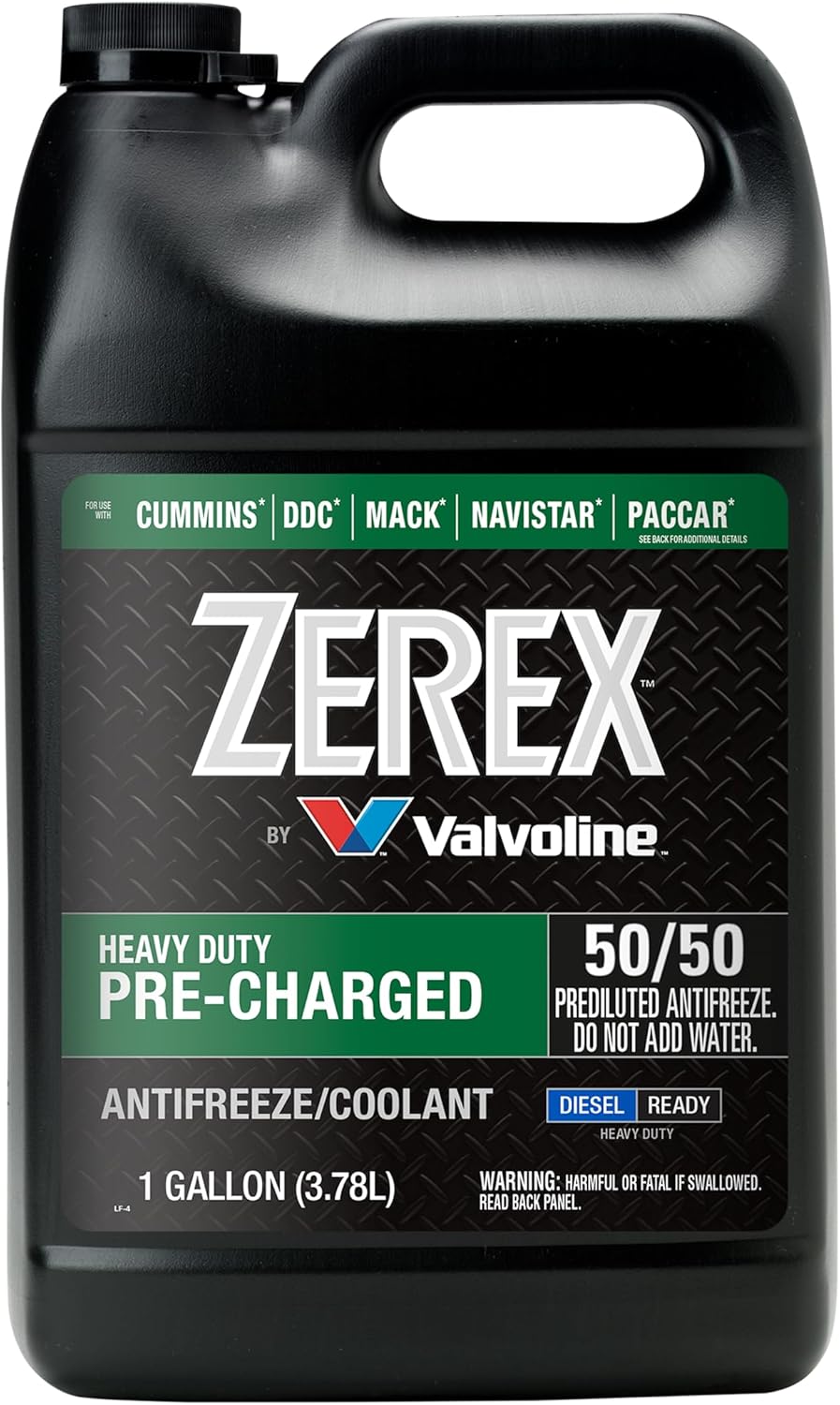
5. Zerex Pre-Charged Heavy Duty 50/50 Antifreeze/Coolant 1 gal
Best Heavy-Duty Antifreeze
| Formulation | 50/50 prediluted ready-to-use |
|---|---|
| Chemistry | Nitrite, low-silicate |
| Intended use | Heavy-duty engines; also suitable for cars and light trucks |
| Service claim | Up to 3 years or 150,000 miles |
Zerex Pre-Charged Heavy Duty 50/50 is a premixed coolant designed for heavy-duty applications and extended service intervals. It is ready to pour without dilution and contains nitrite and low silicate chemistry to resist cavitation, pitting, corrosion and scale buildup in metal cooling-system components. For routine maintenance on a 2014–2018 Subaru Forester, this coolant offers strong metal protection and a defoamer to safeguard gaskets, hoses and plastic parts while helping prevent freezing and boilovers. The package claims a 3 year or 150,000 mile performance window when used per instructions, which suits long service cycles and owners who prefer less frequent fluid changes. Because it is formulated for heavy-duty diesel specs, it may be overkill for mild-use passenger cars and could differ from Subaru factory coolant recommendations, so confirm compatibility with your vehicle’s coolant spec before switching. The product is simple to use and helps keep radiators and water pumps cleaner over time, but matching the correct chemistry to Subaru's requirements is important to avoid warranty or corrosion issues.
Best for: Drivers who need a tougher coolant and want longer service intervals for a higher-stress duty cycle or infrequent maintenance, while ensuring strong corrosion and cavitation resistance.
Less Ideal for: Owners seeking a direct factory-replacement coolant that exactly matches Subaru factory formulation or those who prefer to stick strictly to manufacturer-specified coolant types for warranty peace of mind.
- Premixed 50/50 ready-to-use formula eliminates dilution errors
- Nitrite and low-silicate chemistry protects against pitting, cavitation and corrosion
- Includes defoamer to protect gaskets, hoses and plastics
- Designed for extended service life with up to 3 years or 150,000 miles of protection
- Formulated to heavy-duty diesel specs so it may not match every vehicle maker’s recommended coolant chemistry
Verdict: Choose this heavy-duty option if you need a tougher coolant built to withstand higher thermal stress, heavier-duty use, and extended corrosion resistance.
Choosing the Right 2014-2018 Subaru Forester Antifreeze: Key Factors to Consider
Coolant Formulation and Inhibitor Technology
The chemical formulation determines how the antifreeze protects metal surfaces inside the cooling system. Organic acid technology and hybrid inhibitor blends offer longer corrosion protection compared with older inorganic additive packages. For the 2014-2018 Forester, pick a formulation that explicitly protects aluminum components and provides multi-metal compatibility.
Inhibitor technology also affects how long the coolant remains effective before replacement is needed. Longer-life inhibitor packages reduce the frequency of full coolant changes, but they must still be compatible with Subaru-approved materials. Verify the label or technical data sheet for compatibility and recommended service intervals.
Freeze and Boilover Protection
Antifreeze must lower the freezing point of the coolant mix and raise its boiling point once mixed with water. For owners in cold climates, maintaining an appropriate freeze protection rating at typical concentrations is critical to prevent blockages and cracked components during winter. Also consider the coolant's boilover performance because it helps the system resist vapor lock and overheating under heavy load or steep grades.
Follow Subaru guidance on concentration ratios. Using too low a concentration reduces freeze protection, while overly concentrated mixes can lower heat transfer efficiency. Aim for the recommended balance to preserve both freeze and boilover protection.
Material Compatibility with Subaru Components
The Forester uses aluminum engine components, specific rubber hoses, and plastic reservoirs that can be sensitive to certain additives. Incompatible antifreeze can accelerate gasket and hose degradation or promote corrosion. Selecting a coolant that lists compatibility with aluminum, brass, steel, and common elastomers reduces the risk of leaks and premature failures.
Check for explicit statements about compatibility with Subaru or Japanese designs when available. If documentation is unclear, choose a formulation that emphasizes multi-metal corrosion protection and non-aggressive inhibitor chemistry.
Service Interval and Maintenance Practicality
Different antifreeze types have varying recommended change intervals, from shorter-term inorganic packages to extended-life organic formulas. A longer interval lowers maintenance frequency but means you must monitor inhibitor condition and total dissolved solids over time. For a Forester that sees mixed driving conditions, consider whether you prefer periodic top-offs with pre-mixed coolant or a concentrated product you dilute for a full system refill.
Also consider ease of flushing and bleeding air from the system. Some formulas can be mixed with other coolant types only after a proper flush; planning a flush interval when switching products avoids chemical interactions that reduce protection.
Compatibility with Heating and Climate Requirements
Antifreeze affects heater core performance and cabin heating efficiency. Fluids with appropriate thermal conductivity ensure the Forester's cabin warms predictably in cold weather. Additionally, the antifreeze should maintain performance across the temperature extremes your vehicle experiences, from subzero starts to hot summer drives.
If you live in a region with severe winters, favor products with proven low-temperature protection and a stable inhibitor package that resists degradation from repeated thermal cycles.
Environmental and Safety Considerations
Most antifreezes use ethylene or propylene glycol as a base, which differ in toxicity and environmental impact. Ethylene glycol provides strong heat transfer and is common in passenger vehicles, but it is toxic if ingested. Propylene glycol options are less toxic but may have different inhibitor packages and longevity. Consider disposal requirements and local regulations when planning coolant changes.
Also factor in manufacturer guidance about acceptable chemistries for the Forester; using a non-recommended base or inhibitor system can complicate service and warranty considerations. Proper handling and safe storage are important to protect children and pets from accidental exposure.
Understanding Subaru Coolant Specifications
Subaru provides specific guidance on coolant performance and recommended maintenance intervals for the Forester. The specifications address corrosion protection, freeze-point control at certain concentrations, and compatibility with the engine's aluminum components. Confirm the vehicle's owner manual or service documentation for the recommended concentration and any special service notes before selecting a product.
Knowing the spec helps you avoid mixes that could shorten hose or gasket life. If the spec suggests a particular inhibitor family, prioritize products that cite equivalent chemistry or clear compatibility statements. When in doubt, follow the manual's service interval recommendations and consider a full system flush if switching inhibitor types.
- Check owner manual for concentration and service interval guidance
- Prioritize aluminum-compatible formulations
- Plan a full flush when changing inhibitor families
Mixing Ratios and How They Affect Performance
The protective properties of antifreeze depend on the water-to-concentrate ratio. Typical mixes range from 30 percent to 60 percent concentrate. A 50/50 mix is common because it balances freeze protection, boilover resistance, and heat transfer efficiency. For extreme cold, a higher concentrate may be warranted, but too high a concentration can reduce cooling efficiency.
Always measure and mix to the recommended ratio. Use distilled or deionized water if local tap water is hard, as minerals can deposit inside the cooling system and impair performance. After filling, run the engine and bleed the system to remove air pockets that can cause localized overheating.
- 50/50 mix is usually optimal for balanced protection
- Use distilled water in areas with hard tap water
- Bleed the cooling system after a refill to prevent air pockets
When to Flush the Cooling System
Flush intervals depend on the antifreeze chemistry and the vehicle's service history. Extended-life organic acid formulas often allow longer intervals, while older or inorganic inhibitor coolants require more frequent changes. Inspect coolant color and check for debris, rust particles, or a milky appearance that can indicate contamination or oil ingress.
Plan a full system flush if switching inhibitor types, if contaminants are present, or if the coolant has reached the end of its recommended service life. Regular inspections of hoses, clamps, and the reservoir during each maintenance cycle help detect early signs of deterioration before they lead to leaks or overheating.
- Inspect coolant condition visually and by simple tester kits
- Flush when switching inhibitor types or when contamination is present
- Replace hoses and clamps showing wear during flush service
Winter Care Tips for Forester Owners
For cold weather operation, verify freeze protection at the concentration you plan to use. Also inspect the thermostat, heater hoses, and heater core for leaks or blockages that can reduce cabin heat. A poorly performing heater can indicate coolant flow or thermostat issues rather than antifreeze problems alone.
Keep an eye on coolant level and signs of external leaks before temperatures drop. Top off with the same formulation previously used unless you perform a full flush. If you expect prolonged exposure to very low temperatures, pre-season checks and a confirmed high-quality antifreeze mix will reduce the risk of freeze damage.
- Verify freeze protection at your chosen concentrate
- Inspect heater core and hoses during pre-winter checks
- Top off with the same formulation unless performing a full flush
DIY Vs Professional Service Considerations
Many Forester owners can perform a coolant change at home with the right tools and a proper workspace. DIY tasks include draining, flushing, refilling to the correct ratio, and bleeding air from the system. Use service manual procedures for drain points and bleeding sequences to avoid trapped air that can cause hot spots.
Professional service is advisable if you encounter stripped drain plugs, signs of head gasket issues, or contamination that requires a chemical flush. Technicians can also verify that the system pressure and thermostat function are within specification after service, reducing the risk of follow-up problems.
- Follow the vehicle service manual for drain and bleed procedures
- Consider professional service for contamination or head gasket concerns
- Keep replacement parts like clamps and hoses on hand when flushing
Still looking for the perfect fit?
Select your Subaru Forester configuration to see the most relevant Antifreezes recommendations
How We Chose the Best 2014-2018 Subaru Forester Antifreeze
We prioritized factors that matter specifically to 2014-2018 Subaru Forester owners. First, material compatibility was essential: many Forester engines use aluminum heads and blocks, so we favored formulations known to protect aluminum and brass components. Second, corrosion inhibitor longevity was evaluated so you do not need to change coolant excessively often and to reduce the risk of internal corrosion over several years.Third, freeze and boilover protection were considered to ensure safe operation in cold starts and under load. Fourth, we checked compatibility with typical Subaru rubber hoses, seals, and plastic reservoir materials to avoid premature deterioration. Fifth, ease of maintenance and availability of concentrated versus pre-mixed options influenced selections for owners who prefer DIY service.We excluded any products with formulations explicitly incompatible with Subaru factory service recommendations or those lacking clear inhibitor technology disclosure. We also filtered out fluids intended only for heavy commercial or industrial equipment, focusing on passenger-vehicle-appropriate antifreezes. The final shortlist balances longevity, material compatibility, and practical service considerations relevant to the Forester.
Our full evaluation process is outlined in our review methodology.
FAQ
Can I mix different antifreeze types in my 2014-2018 Forester?
Mixing different inhibitor chemistries can reduce corrosion protection and is generally discouraged unless you perform a complete flush first. If you must top off, use the same formulation already in the system to avoid chemical interactions.
What concentration should I use for winter in a Forester?
A 50/50 mix is a common balance for winter and summer performance. For very cold climates, a slightly higher concentrate can offer better freeze protection, but avoid overly concentrated mixes that can reduce heat transfer efficiency.
How often should I change antifreeze in a 2014-2018 Forester?
Change intervals depend on the antifreeze chemistry. Extended-life organic formulations often allow longer intervals, while older inhibitor types require more frequent changes. Follow the coolant maker's recommended interval and inspect coolant condition periodically.
Is ethylene glycol the right base for my Forester?
Ethylene glycol is common and effective in passenger vehicles and offers strong heat-transfer properties. It is toxic if ingested, so handle carefully. Propylene glycol alternatives are less toxic but may have different longevity and inhibitor packages.
Will switching antifreeze void my warranty on a Forester?
Using a coolant with chemistry that contradicts Subaru specifications could create service complications. It is best to follow the owner manual and use formulations that explicitly state compatibility with Subaru or meet equivalent performance standards.
Final Verdict
Prioritize compatibility and protection when choosing antifreeze for a 2014-2018 Subaru Forester. Focus on formulations that explicitly protect aluminum components, provide reliable freeze and boilover performance at the recommended concentration, and offer inhibitor longevity that matches your maintenance preferences. Balance winter freeze protection with adequate heat transfer for cabin comfort and engine performance.Ultimately, pick a coolant that aligns with Subaru specifications or equivalent compatibility statements, plan maintenance around the inhibitor life, and perform a full flush when changing inhibitor types. That approach reduces corrosion risk and helps keep your Forester reliable through cold seasons.
Explore More:
- Check out all Subaru Forester parts & accessories
- Explore Fluids & Chemicals
- Browse all Accessories
