

Note: This article contains affiliate links. If you click on these links and make a purchase, I may earn a small commission at no extra cost to you. This helps support my research and content. Read my full affiliate disclosure here.
If you own a 2006-2010 Ford Explorer, choosing the right antifreeze matters for reliable starting in cold weather and long-term engine protection. The wrong coolant can accelerate corrosion, degrade rubber hoses and gaskets, or cause overheating under load. This guide shortlists seven top antifreezes suited to the Explorer's cooling system and explains the key performance and compatibility factors you should weigh.We focus on freeze-point protection, corrosion inhibitors, and service life so you can pick an option that fits your driving patterns and maintenance plans. Read on for the criteria we used and practical guidance on using antifreeze correctly in the 2006-2010 Ford Explorer.
Looking for other parts? See all Ford Explorer parts & accessories.
Top Picks at a Glance
| Best Overall Antifreeze A well-rounded, widely compatible coolant with long-lasting protection | Valvoline Multi-Vehicle 50/50 Ready-to-Use Antifreeze/Coolant, 1 Gallon |  |
| Best Budget Antifreeze An affordable pre-mixed coolant that covers basic freeze and corrosion needs | Zerex Pre-Charged 50/50 Ready-to-Use Antifreeze/Coolant 1 gal |  |
| Best Pre‑Diluted (50/50) Antifreeze Ready-to-use 50/50 mixes that save time and avoid on‑site mixing mistakes | PEAK OET Extended Life Orange 50/50 Prediluted Antifreeze/Coolant, 1 gal |  |
| Best Concentrate Antifreeze Full‑strength concentrate for custom mixing to specific dilution ratios | Zerex Dex‑Cool Concentrate Antifreeze/Coolant 1 Gallon |  |
| Best OEM / Ford Genuine Antifreeze Factory-formulated coolants that match manufacturer specifications and inhibitor packages | Ford Genuine VC-13-G Yellow Concentrated Antifreeze/Coolant, 1 Gallon |  |
| Best Extended‑Life (OAT) Antifreeze Organic‑acid technology coolants engineered for longer change intervals and lasting protection | Zerex Dex‑Cool 50/50 Ready‑to‑Use Antifreeze/Coolant (1 Gallon) |  |
| Best Heavy‑Duty / Fleet Antifreeze Durable, high‑performance coolants designed for heavy workloads and long service life | PEAK Fleet Charge SCA Prediluted 50/50 Heavy Duty Antifreeze & Coolant, 1 gal |  |
1. Valvoline Multi-Vehicle 50/50 Ready-to-Use Antifreeze/Coolant, 1 Gallon
Best Overall Antifreeze

| Size | 1 Gallon |
|---|---|
| Vehicle Service Type | ATV, Snowmobile, Water Scooter, off-road-motorcycles, street-cruiser-motorcycles, street-motor-scooters, street-sport-motorcycles, street-touring-motorcycles, utility-vehicles |
| Flash Point | 250 Degrees Fahrenheit |
| Model | Multi-Vehicle |
Valvoline Multi-Vehicle 50/50 Ready-to-Use is a premixed ethylene-glycol coolant designed to be a convenient, do-it-yourself solution for topping off or flushing a cooling system. It uses Valvoline’s Alugard Plus chemistry to remain compatible with other ethylene-glycol coolants and to protect aluminum and other cooling-system metals from corrosion, scaling, and deposits. The product arrives ready for use at a 50/50 concentration, which simplifies service and eliminates mixing errors when replacing coolant in a 2006–2010 Ford Explorer. It protects against freeze and boil extremes and includes additives to resist leaks without attacking rubber hoses or gaskets. The main limitations are that it is a straight ethylene-glycol formulation rather than a long-life, extended-interval specialty formula and it is a universal product rather than an Explorer-specific factory replacement, so follow your vehicle’s service interval recommendations when switching fluids.
Best for: DIY owners who want a single, easy-to-use coolant that reliably protects the cooling system and avoids mixing hassles when servicing a 2006–2010 Ford Explorer.
Less Ideal for: Owners seeking a manufacturer-specific long-life coolant or a service interval matched exactly to dealer-recommended extended schedules should consider factory-specified alternatives.
- Premixed 50/50 concentration ready to install with no mixing required
- Alugard Plus formula designed for compatibility with other ethylene-glycol coolants
- Protects aluminum and common cooling-system metals from corrosion and deposits
- Formulation resists freezing and boiling across typical climate ranges relevant to Explorer owners
- Not marketed as an extended-life or long-interval coolant compared with some manufacturer-specific formulas
Verdict: For DIY mechanics who want a single, reliable antifreeze that balances corrosion protection, freeze/boil protection, and broad vehicle compatibility.
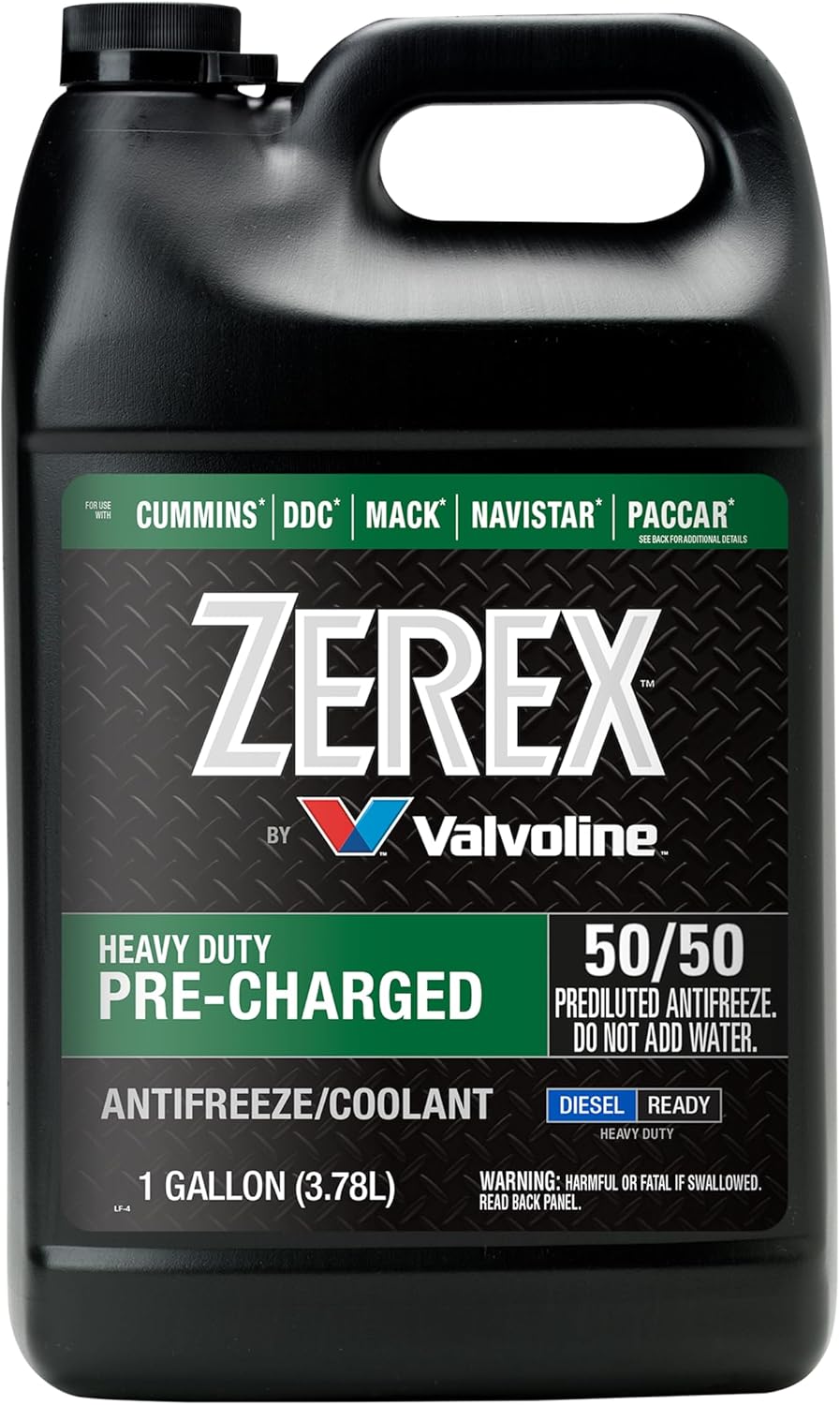
2. Zerex Pre-Charged 50/50 Ready-to-Use Antifreeze/Coolant 1 gal
Best Budget Antifreeze
| Brand | Zerex |
|---|---|
| Model | Pre-Charged |
| Special Features | Pre-charged with corrosion, scale and rust inhibitors |
Zerex Pre-Charged 50/50 arrives ready to pour, eliminating mixing and reducing the chance of incorrect dilution when topping or refilling a 2006-2010 Ford Explorer cooling system. It is pre-charged with nitrite and corrosion, scale, and rust inhibitors to protect metal components including aluminum and to limit deposits that cause overheating or reduced flow. The low-silicate formula and included defoamer help preserve water pumps, gaskets, hoses, and plastic parts. Its 50/50 prediluted mix provides standard freeze and boil protection for everyday driving and light towing without requiring extra additives. The product is pitched as heavy-duty capable and has a long performance interval when used per instructions, but it is not a specialized extended-life or vehicle-specific formula, so drivers wanting manufacturer-specific long-life chemistry should check Ford coolant specs before switching. For routine maintenance or budget-oriented top-offs, it is convenient and effective.
Best for: Drivers seeking a low-cost, ready-to-pour coolant for routine maintenance and straightforward freeze/boil protection on a 2006–2010 Ford Explorer who value convenience and reliable corrosion control.
Less Ideal for: Owners who need a factory-specified long-life or specialty coolant chemistry for warranty compliance or extended service intervals should choose a coolant specified by Ford.
- Ready-to-use 50/50 mix removes the need for dilution and reduces installation errors
- Formulated with nitrite and corrosion, scale, and rust inhibitors to protect cooling system metals
- Low-silicate formula and defoamer reduce risk to water pumps, gaskets, hoses, and plastics
- Designed for long service life when used according to label, suitable for routine top-offs and flushes
- Not a vehicle-specific extended-life coolant so may not match every manufacturer's long-life chemistry
Verdict: Choose this if you need a cost-conscious, ready-to-use antifreeze that provides standard freeze/boil protection without specialty additives.
3. PEAK OET Extended Life Orange 50/50 Prediluted Antifreeze/Coolant, 1 gal
Best Pre‑Diluted (50/50) Antifreeze

| Dilution | 50/50 prediluted |
|---|---|
| Volume | 1 gallon |
| Vehicle coverage | North American vehicles requiring orange OAT formula |
| Bittering agent | Denatonium Benzoate |
This 1 gallon bottle of PEAK OET Extended Life Orange arrives ready to pour for quick top‑offs or a coolant change without mixing. It is prediluted 50/50, so you can add it directly to the cooling system after a flush or to top off low levels without measuring or adding distilled water. The formula is designed for North American vehicles that specify an orange organic acid technology coolant and includes corrosion inhibitors to protect radiators, water pumps, and hoses over long service intervals. PEAK backs the product with a long service claim when used as part of a complete flush and fill, and the bittering agent helps deter accidental ingestion. The practical benefit here is convenience and compatibility with Ford Explorer models from 2006 to 2010 that require an orange OAT coolant. Limitations are that this is a single‑color, single‑vehicle‑type formulation so it is not appropriate where a different factory coolant color or chemistry is required, and prediluted coolant adds extra weight and takes more trunk space than concentrates if you prefer stocking concentrate for multiple refills.
Best for: Drivers who want a no‑mix, ready‑to‑use coolant for straightforward maintenance and quick top‑offs on 2006–2010 Ford Explorer models that call for orange OAT coolant.
Less Ideal for: People who service a mixed fleet with different coolant chemistries or who prefer concentrate to save storage space and weight when carrying multiple refills.
- Factory‑mixed 50/50 ready to pour for quick top‑offs or fills
- Formulated with organic acid inhibitors to reduce rust and corrosion
- Designed to meet the orange OAT chemistry used by many North American vehicles
- One‑gallon size covers a full cooling system drain and refill for most SUVs
- Single chemistry/color limits use to vehicles that require orange OAT coolant
Verdict: For buyers who prefer a factory-mixed 50/50 coolant so they can pour and go without measuring or adding distilled water.
4. Zerex Dex‑Cool Concentrate Antifreeze/Coolant 1 Gallon
Best Concentrate Antifreeze

| Brand | Valvoline |
|---|---|
| Model | Dex‑Cool |
| Form | Concentrate |
| Bottle volume | 1 gallon |
Zerex Dex‑Cool is a concentrated, orange OAT antifreeze designed for complete system fills or top‑offs where you mix to the required concentration. It protects aluminum and other cooling‑system metals with a carboxylate formula that resists corrosion, scale and deposits while also providing strong freeze and boil protection when mixed to the proper ratio. DIYers will appreciate that it is silicate and phosphate free and does not contain amines, borates, nitrates or nitrites, which reduces buildup and helps extend service intervals. Practical use is straightforward: mix with distilled or clean tap water at the ratio that matches your climate and vehicle needs, then add during a flush or top‑off. The product is fleet and batch tested and carries a long service life claim, but it is a concentrate so you must measure and mix correctly before use and it is specifically intended for systems that require an orange OAT formula rather than universal or hybrid coolants.
Best for: A buyer who wants to control coolant concentration and tailor freeze/boil protection for their 2006–2010 Ford Explorer by mixing exact ratios and/or topping off during maintenance.
Less Ideal for: People who prefer a ready‑to‑use premixed coolant or who need a universal coolant for multiple vehicle types should consider a different product.
- Concentrate you can mix to exact freeze/boil points for local climate needs
- OAT formula protects aluminum and other metals from corrosion and deposits
- Silicate and phosphate free to reduce additive depletion and buildup
- Proven, manufacturer‑backed formulation with long service life claims
- Requires correct mixing with distilled or clean water before use; not ready‑to‑use out of the bottle
Verdict: Pick a concentrate when you want to control freeze/boil points or top up with distilled water to exact specs for your cooling system.
5. Ford Genuine VC-13-G Yellow Concentrated Antifreeze/Coolant, 1 Gallon
Best OEM / Ford Genuine Antifreeze

| Type | Concentrated ethylene glycol antifreeze |
|---|---|
| Color | Yellow |
| Mix ratio | 50/50 with distilled water |
| Boiling protection | Up to 265°F (129°C) |
This Ford genuine concentrated antifreeze is designed to restore or top up cooling systems to factory chemistry. It is a yellow, ethylene-glycol based concentrate that, when diluted 50/50 with distilled water, provides freeze protection down to about -34°F and boiling protection up to roughly 265°F while helping guard against corrosion. Typical use is flushing or refilling the coolant system during maintenance, and the concentrated format keeps shipping volume down and allows precise mix control. Notable features include manufacturer-formulated additives aimed at maintaining factory corrosion protection and a bittering agent to discourage ingestion. Because it is a manufacturer-specific formula, it helps preserve the cooling system materials and seals specified by Ford but should not be mixed with other coolant types or colors. Buyers must measure and mix before use and follow the vehicle service manual for capacity and change intervals.
Best for: Buyers who prioritize using factory-formulated fluids to preserve Ford cooling system materials and corrosion protection during maintenance on 2006–2010 Explorers.
Less Ideal for: If you need a ready-to-use premixed coolant, a universal extended-life hybrid, or plan to mix multiple coolant chemistries, choose a product designed for those use cases instead.
- Manufacturer-formulated chemistry to match Ford cooling system requirements
- Concentrated formula allows 50/50 mixing for precise freeze and boil protection
- Long-life corrosion inhibitors to protect engine and cooling components
- Includes bittering agent for safety to deter accidental ingestion
- Must be mixed with distilled water before use and cannot be mixed with other coolant types or colors
Verdict: Buy this when you prefer OEM-formulated fluid that follows manufacturer chemistry recommendations and helps maintain factory corrosion protection systems.
6. Zerex Dex‑Cool 50/50 Ready‑to‑Use Antifreeze/Coolant (1 Gallon)
Best Extended‑Life (OAT) Antifreeze

| Formula type | OAT (Organic Acid Technology) |
|---|---|
| Mix | 50/50 ready‑to‑use |
| Container size | 1 gallon |
| Freezing protection | Protects to -34F |
| Boiling protection | Protects to 265F |
Zerex Dex‑Cool is an orange, OAT‑style extended‑life coolant sold ready to use in a 1‑gallon container for topping off or doing a full system flush. It is formulated with a carboxylate solution intended to resist corrosion, scale and rust so radiators, water pumps and other metal cooling system parts, including aluminum, stay protected. Typical use is straightforward: drain and flush or top off with the pre‑mixed 50/50 fluid without additional dilution. Notable features include an OAT formulation that is silicate and phosphate free, protection against freezing and boiling extremes, and a bittering agent to discourage ingestion. Practical benefits for a DIYer include long service intervals compared with conventional coolants and reduced risk of deposits that can impair flow and heater performance. Important limitations: use only where an OAT/orange Dex‑Cool type antifreeze is specified for the vehicle, and do not mix with incompatible silicate or hybrid coolants because mixing can shorten life and reduce corrosion protection.
Best for: DIYers who want an extended‑life OAT coolant that minimizes how often the cooling system needs service while prioritizing corrosion protection for aluminum components in their Explorer.
Less Ideal for: Anyone whose 2006–2010 Explorer specifies a different coolant chemistry or who prefers to use universal or hybrid coolants that are designed to be mixed with other types.
- Ready‑to‑use 50/50 mix eliminates measuring and dilution mistakes
- Organic acid technology formulated to protect aluminum and other metals from corrosion
- Silicate and phosphate free to reduce deposit formation and extend coolant life
- Packaged by a major brand with batch testing and fleet use history
- Requires strict compatibility with vehicles that call for Dex‑Cool or OAT coolants and should not be mixed with different coolant chemistries
Verdict: Ideal for DIYers seeking an OAT-style extended-life coolant that reduces replacement frequency while protecting aluminum and alloy components.
7. PEAK Fleet Charge SCA Prediluted 50/50 Heavy Duty Antifreeze & Coolant, 1 gal
Best Heavy‑Duty / Fleet Antifreeze

| Prediluted | 50/50 |
|---|---|
| Volume | 1 gal |
| SCAs | Included |
| Phosphate | Free |
| Nitrate protection | Yes |
PEAK Fleet Charge is a ready-to-use 50/50 antifreeze designed for heavy-duty and fleet cooling systems. It arrives prediluted so you can pour it directly into the cooling system during service or top-offs without mixing. The formula includes supplemental coolant additives (SCAs) and nitrate chemistry to help protect wet sleeve liners from cavitation and to control corrosion and scale across system metals. That makes it suitable for high-duty cycles and vehicles that see continuous heavy use when maintained with an appropriate SCA filter program. Being phosphate-free reduces the risk of deposit formation, and the product is intended for long-life service when used with a proper maintenance routine. The main limitations are that it is a fleet-grade formulation aimed at heavy-duty systems rather than passenger-car specific coolant technologies, and its benefits depend on following SCA maintenance practices rather than being a maintenance-free fix-all.
Best for: Technicians and fleet managers servicing high-mileage or heavy-use 2006–2010 Ford Explorer cooling systems who prioritize inhibitor strength and protection during continuous commercial operation.
Less Ideal for: Owners who want a passenger-car specific, maintenance-free coolant solution or who do not plan to follow an SCA maintenance program.
- Prediluted 50/50 formula ready to use without on-site mixing
- Contains supplemental coolant additives for initial fills and refills to reduce mixing errors
- Nitrate-based protection reduces cavitation damage to wet sleeve liners
- Phosphate-free formula to minimize deposit formation
- Designed for long-life service when used with an SCA maintenance program
- Formulated for heavy-duty/fleet systems so it may not match passenger-vehicle OEM coolant specifications
Verdict: Choose a heavy-duty or fleet-grade antifreeze when you need superior thermal stability and inhibitor packages for high‑duty or commercial use.
Choosing the Right 2006-2010 Ford Explorer Antifreeze: Key Factors to Consider
Coolant Chemistry and Manufacturer Recommendations
Coolant chemistry determines which metals and seals it protects. The 2006-2010 Ford Explorer uses a mix of aluminum and other alloys in the head and radiator, so pick a formulation that lists compatibility with Ford vehicles or specifies protection for aluminum. Organic acid technology, hybrid organic/inorganic formulations, and traditional IAT each behave differently over time and require different change intervals.
Following the manufacturer recommendation limits the chance of deposit formation and additive depletion. If you deviate from the specified chemistry, be prepared to flush the system and replace hoses or gaskets if incompatibility causes accelerated wear.
Freeze Point and Boilover Resistance
Freeze-point depression and boiling-point elevation are primary functions of antifreeze. For owners in cold climates, ensure the mixture protects down to expected winter lows when mixed to the recommended concentration. Boilover resistance matters if you tow, drive in stop-and-go traffic, or operate at higher engine loads where maintaining coolant temperature under pressure is important.
A typical 50/50 mix provides good balance, but you may adjust concentration for harsher winters. Always follow cold-weather guidelines in the owner manual and verify the expected protection after mixing.
Corrosion Inhibitors and Longevity
Additives that inhibit corrosion preserve the radiator, water pump, cylinder head, and heater core. Different inhibitor packages last different lengths of time; long-life formulations may advertise multi-year service intervals while conventional types need more frequent changes. For the 2006-2010 Explorer, choose a coolant whose advertised inhibitor life aligns with your maintenance schedule and driving conditions.
Longevity also reduces the frequency of coolant replacement, which lowers the chance of introducing contaminants during service. However, older vehicles sometimes benefit from more frequent flushing if the cooling system shows signs of scale or rust buildup.
Compatibility with Existing Coolant and Mixability
If you are topping off rather than performing a full flush, compatibility is critical. Mixing incompatible chemistries can cause gel formation, loss of protection, or accelerated corrosion. Verify the current coolant type in your Explorer and choose a product that explicitly states compatibility with that chemistry or that is labeled as safe for mixed systems.
When in doubt, plan for a complete drain and flush to ensure you start with a known baseline. That reduces the risk of chemical reactions between different additive packages.
Serviceability and Maintenance Intervals
Consider how often you want to service the cooling system. Some antifreezes offer extended service intervals measured in years or miles, which suits owners who prefer lower maintenance frequency. Others require replacement every couple of years but are easier to source and replace.
Serviceability also includes whether the product needs supplemental additives over time and how easy it is to test coolant condition with common tools. Choose a coolant that matches your willingness to monitor and maintain the system.
Seal and Hose Compatibility
Coolant contacts rubber hoses, O-rings, and seals throughout the cooling circuit. Some formulations can cause premature softening or hardening of older rubber, especially in vehicles with original hoses. If your Explorer has high-mileage hoses, select a coolant with proven seal compatibility or plan to replace aged hoses when you change the coolant.
This consideration helps prevent leaks and avoids the need for unexpected repairs shortly after coolant service.
When To Flush and Replace the Antifreeze
For a 2006-2010 Ford Explorer, timing a full flush depends on the coolant chemistry currently in the system and its documented service life. Conventional inorganic acid coolant often needs replacement every two years, while extended-life formulations can last up to five years under normal driving conditions. Check your maintenance records and the coolant color and clarity as initial indicators.
If you observe rust, particulates, a strong metallic smell, or discolored coolant, schedule a complete drain and flush. Also plan a service when switching chemistry types to avoid mixing incompatible products. A proper flush helps remove sediment and restores the system to full capacity.
- Flush if coolant is dark, contains particles, or has a milky appearance.
- Replace hoses and clamps if they show age when performing a full coolant change.
- Pressure-test the system after service to check for leaks and verify cap performance.
Mixing Ratios and Seasonal Adjustments
Most antifreezes are mixed with water and the manufacturer usually recommends a 50/50 ratio for balanced freeze and boilover protection. For colder climates, a higher concentration provides lower freeze-point protection but reduces heat-transfer efficiency slightly. For mild climates, a 40/60 mix may be sufficient.
Use distilled or deionized water to avoid mineral deposits and always measure mixture concentration with a refractometer or hydrometer. After mixing, verify protection levels against expected ambient temperatures and follow the vehicle manual for coolant capacity and fill procedures.
- 50/50 mix is the general standard for adequate protection.
- Higher antifreeze concentration increases freeze protection but can reduce heat transfer.
- Use clean water to prevent scale and buildup.
Identifying Signs of Cooling System Corrosion
Early signs of corrosion include rusty or brown coolant, sludge around the radiator or water pump, and reduced heater performance. Corrosion can form inside the thermostat housing or heater core and eventually cause leaks or blockages. For the Explorer, which may have alloy components, paying attention to discoloration is especially important.
Regular inspection during routine maintenance allows you to catch corrosion early. If you see signs, perform a cooling system pressure test, inspect internal components where possible, and consider a chemical flush if appropriate for the coolant chemistry involved.
- Look for brown or rusty-colored coolant and particulate matter.
- Monitor cabin heating performance as an indirect indicator of blockages.
- Use pressure testing to detect leaks related to corrosion.
Topping Off Vs Full Replacement: Pros and Cons
Topping off is a quick way to maintain level between services but can perpetuate degraded coolant and dilute inhibitors over time. It is acceptable for small losses if the existing coolant is within service life and chemistry matches the top-off product. However, frequent topping off without a scheduled flush will eventually reduce protection.
A full replacement restores inhibitor balance and removes deposits but requires more labor and proper disposal. When switching to a different chemistry or when the coolant shows age-related signs, a full drain and flush is the recommended route for long-term protection.
- Top off only when coolant condition is good and chemistry matches.
- Perform a full flush when switching coolant types or when coolant is old or contaminated.
- Document service dates and concentrations to simplify future maintenance.
Winter Preparation Checklist for the Explorer
Before winter, verify the coolant concentration provides adequate freeze protection for your lowest expected temperatures. Inspect hoses, radiator, heater core connections, and the coolant reservoir for cracks or brittleness. Check the thermostat and radiator cap; both affect system pressure and circulation.
Consider a pressure test to confirm the system holds pressure and does not leak when cold. Replace the coolant if you cannot confirm its type or age. Finally, ensure the heater functions properly since it is a useful indicator of coolant circulation and core health.
- Verify mixture concentration and top off or replace as needed.
- Inspect hoses, clamps, and the coolant reservoir for signs of wear.
- Pressure-test the system and confirm heater operation.
Environmental and Disposal Considerations
Used antifreeze contains hazardous chemicals and should never be poured down drains or onto the ground. Plan to capture and transport used coolant to an approved recycling or disposal facility. If you perform your own maintenance, keep a dedicated container and label it clearly.
When selecting products, consider longevity as a factor in reducing waste because longer service intervals mean fewer drain cycles over the life of the vehicle. Also follow local regulations for disposal and recycling to limit environmental impact.
- Store used coolant in sealed containers and dispose of it properly.
- Longer-life coolants can reduce waste from less frequent changes.
- Follow local rules for hazardous waste disposal.
Still looking for the perfect fit?
Select your Ford Explorer configuration to see the most relevant Antifreezes recommendations
How We Chose the Best 2006-2010 Ford Explorer Antifreeze
To assemble this list we applied a focused editorial framework targeting compatibility and real-world durability for the 2006-2010 Ford Explorer. Primary evaluation criteria included freeze- and boilover protection to match seasonal extremes, and corrosion inhibitor chemistry because Ford cooling systems and mixed-metal components are sensitive to additive formulation. We also considered recommended service life and recommended change intervals to reflect maintenance frequency, plus compatibility with existing coolant in the system to minimize risk when topping off. Heat-transfer performance under load and highway driving was reviewed to assess sustained cooling ability.We excluded any products lacking clear specifications on inhibitor technology or published service intervals. We also filtered out formulations that are explicitly not recommended for Ford engines or that require special additives not typically used in this model range. The result is a shortlist of products that meet durability, compatibility, and protection standards relevant to 2006-2010 Explorer owners.
Our full evaluation process is outlined in our review methodology.
FAQ
Can I mix different types of antifreeze in my 2006-2010 Explorer?
Mixing different coolant chemistries is generally not recommended because incompatible additives can react, reducing corrosion protection or causing gel formation. If you must mix temporarily, do a full flush and replace the coolant with a single, compatible chemistry at the next service.
How often should I change the antifreeze in a 2006-2010 Ford Explorer?
It depends on the coolant type. Conventional formulations often require changes every two years, while long-life, manufacturer-approved coolants can extend to three to five years. Check service records and inspect coolant condition; replace sooner if contamination or deterioration is evident.
What concentration should I use for winter protection?
A 50/50 mix of antifreeze and water is a common starting point for balanced freeze and boilover protection. For extremely cold climates, increase concentration slightly while keeping in mind that very high concentrations can lower heat transfer efficiency.
Will switching to a long-life antifreeze void any warranties on my Explorer?
Warranty concerns depend on the specific warranty terms and whether the coolant meets the manufacturer's specifications. Use a coolant that lists compatibility with Ford or meets the chemical requirements in your owner's manual to avoid potential issues.
How can I test if my current coolant still has corrosion inhibitors?
Simple test strips or refractometer readings can indicate freeze-point and basic condition, but they do not always measure inhibitor strength precisely. A lab test or professional inspection will give a clearer picture of inhibitor concentration and whether a flush is needed.
Is ethylene glycol the right choice for my Explorer?
Ethylene glycol is a common base for many coolants and offers reliable freeze protection and heat transfer. What matters more is the additive package and stated compatibility with Ford vehicles. Follow the owner's manual and choose a formulation appropriate for the engine and materials in your Explorer.
Final Verdict
Prioritize a coolant that matches the 2006-2010 Ford Explorer's material compatibility and offers adequate freeze and boilover protection for your climate. Balance the desire for longer service intervals against potential risks from mixing chemistries or using older hoses and seals.If you are uncertain about the current coolant or its age, plan a full drain and flush and choose a compatible long-life formulation to simplify maintenance. Regular inspection and timely service will keep the cooling system reliable and reduce the chance of corrosion-related failures.
Explore More:
- Check out all Ford Explorer parts & accessories
- Explore Fluids & Chemicals
- Browse all Accessories
