

Note: This article contains affiliate links. If you click on these links and make a purchase, I may earn a small commission at no extra cost to you. This helps support my research and content. Read my full affiliate disclosure here.
If you own a 2018-present Jeep Wrangler you know the factory charging system gets asked to do a lot, especially with off-road lighting, winches, and aftermarket accessories. Picking the right alternator reduces the risk of dead batteries, dim lights, and unreliable starts when you need them most. This guide covers seven shortlisted alternators chosen for output consistency, build quality, and direct fit to the Wrangler platform (including the JL and JLU era chassis common across 2018 and later models). You will find commentary on performance characteristics that matter for Jeep owners, from sustained amperage under load to physical mounting and connector compatibility. The following picks are the top options we vetted for fitment and durability, followed by what to consider before buying and practical installation pointers.
Looking for other parts? See all Jeep Wrangler parts & accessories.
Top Picks at a Glance


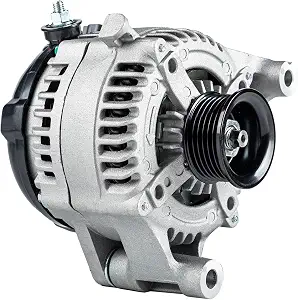


1. KAC 11584N 160A 12V Alternator for 2012–2018 Wrangler (Front, CCW Rotation)

| Amperage | 160 Amps |
|---|---|
| Voltage | 12 Volts |
| Pulley Class | S6 |
| Rotation | CCW |
| Position | Front |
This KAC alternator is a factory‑style replacement built to restore charging performance on compatible Wrangler models. It supplies 160 amps at 12 volts and uses die‑cast aluminum and copper windings to improve heat dissipation and corrosion resistance. The unit includes a built‑in regulator and protection features such as overload and low‑oil shutoff to protect the electrical system, and is vibration and shock resistant for off‑road conditions. Installation is straightforward for someone with basic mechanical skills since the alternator follows the original front‑mount layout and standard pulley/rotation (S6 pulley, CCW). In real use it addresses limp charging, flickering lights, and accessory power issues, while the higher amperage supports additional aftermarket electronics. The main limitations are that fitment is specific to listed Wrangler years and the product description does not include a manufacturer warranty detail on the listing, so check return and support policies before installing on a vehicle with higher electrical loads than stock.
Best for: Buyers who want a durable, factory‑style replacement that restores charging performance on a daily‑driven or lightly modified Wrangler and prefer a straightforward swap with reliable voltage regulation.
Less Ideal for: Not the best choice for owners planning heavy electrical upgrades beyond the alternator rating or those seeking a documented long‑term manufacturer warranty and dealer support.
- 160 amp output supports stock and many aftermarket electrical loads
- Built‑in regulator and overload protection help ensure stable voltage and component safety
- Die‑cast aluminum housing and copper windings for improved heat dissipation and corrosion resistance
- Designed for front‑mount installation with S6 pulley and CCW rotation to match factory fitment
- Fitment limited to specified Wrangler model years and configurations listed in the product description
Verdict: Choose this KAC 160A alternator if you need a rugged, factory‑style charging replacement that reliably restores electrical performance on compatible Wrangler models.
2. SCITOO High-Output Alternator 12V 240A, 6-Groove Decoupler Pulley, CCW Rotation

| Voltage | 12V |
|---|---|
| Amperage | 240Amp |
| Rotation | CCW |
| Pulley | 6-Groove decoupler |
This SCITOO alternator is a direct-fit high-output replacement designed for the 3.6L V6 Jeep Wrangler (2018-2022) and Gladiator (2020-2023). It supplies 240 amps at 12 volts with a counterclockwise rotation and a 6-groove decoupler pulley, so it can handle heavier electrical loads from aftermarket audio, lighting, or winch setups better than a lower-output unit. Installation follows standard alternator replacement steps and the product is machined and tested for bearing and mounting point accuracy to match factory fitment. Real-world benefits include steadier charging under load and the potential to support accessories without frequent voltage sag. Some users report noise and isolated longevity issues, so buyers who need quiet, long-term reliability may want to monitor early operation or consider professional bench testing before installation. Overall this alternator is a practical performance upgrade when you need more charging capacity for added electrical accessories.
Best for: Buyers upgrading electrical capacity on a 3.6L Jeep Wrangler or Gladiator who prioritize stronger charging for lights, audio, winches, or other accessories and want a straightforward bolt-in replacement.
Less Ideal for: Drivers who prioritize the quietest possible operation or who need documented long-term durability may prefer a higher-end or OEM-tested unit with extended reliability guarantees.
- High 240A output provides robust charging for added accessories and heavy electrical loads
- Direct-fit design for specified Jeep Wrangler and Gladiator 3.6L V6 model years simplifies installation
- Includes a 6-groove decoupler pulley to match factory belt setups and reduce drivetrain shock
- Machined castings and tested bearings aim to match factory mounting accuracy
- Some reports of noise and at least one early failure suggest variable long-term reliability
Verdict: Choose this alternator if you need a bolt-in, high-output charging upgrade for a 3.6L Jeep Wrangler or Gladiator to reliably support added electrical accessories.
3. Aumzong High Output Alternator 12V 160A Compatible with 2012–2023 Jeep Wrangler & Gladiator

| Amperage | 160 Amps |
|---|---|
| Voltage | 12V |
| Rotation | CCW |
| Pulley Class | SD6 |
| Compatible Engines | 3.6L V6 (Jeep Wrangler & Gladiator) |
This Aumzong alternator replaces the factory unit on 3.6L Jeep Wrangler and Gladiator engines and delivers up to 160 amps of charging capacity for vehicles that need more electrical output. Installation is the typical alternator swap: remove the old unit, transfer any necessary brackets or harnesses, and bolt the replacement in place; the 6-groove pulley and CCW rotation match the factory accessory drive on compatible models. The higher amperage helps support accessory-heavy builds, prolonged use of winches, lights, or audio systems, and reduces battery draw during idle. Buyers report generally good fit and immediate performance, although a minority of reviews note early failures, so expect to inspect connections and bench-test output before final installation. This unit is positioned as a practical step up from stock charging capacity without major modification, but longevity appears mixed based on user reports, so plan for verification after installation.
Best for: Drivers who want a straightforward replacement that boosts charging capacity to support extra lights, audio, or winch use while keeping installation simple and largely factory-compatible.
Less Ideal for: Buyers seeking a lifetime-guaranteed or dealer-backed remanufactured unit should consider higher-end branded or professionally remanufactured alternators instead.
- Direct-fit replacement for 3.6L Jeep Wrangler and Gladiator applications
- Higher 160A output supports additional electrical accessories and reduces battery strain
- 6-groove pulley and correct CCW rotation match factory drive setup
- Made from metal with weather-resistant construction for under-hood durability
- Some buyers report premature failures in a small number of units, indicating variable long-term reliability
Verdict: If you need a practical, higher-output direct-fit alternator for a 3.6L Jeep Wrangler or Gladiator to power extra accessories, this 160A Aumzong unit is a straightforward upgrade.
4. MINPART High-Output Replacement Alternator 160A for Jeep Wrangler 3.6L (2012–2018)

| Amperage | 160 Amps |
|---|---|
| Voltage | 12 Volts |
| Rotation | CCW (Counter Clockwise) |
| Pulley | 6-Groove |
This MINPART alternator is a direct drop-in replacement for Jeep Wrangler 3.6L engines and delivers a factory-style fit with a 160 amp output. It installs like the original unit so most DIYers or independent shops can swap it in without modification. The internal fan and greased key components help manage heat and reduce vibration, which supports steady charging under heavier electrical loads such as upgraded audio, auxiliary lights, or frequent short trips. It uses a counterclockwise rotation and a 6-groove pulley to match factory drive systems, and includes an internal regulator for consistent voltage control. As a budget-focused replacement, it balances cost with robust specs but lacks branded dealer backing and long-term field data compared with some premium options. If you need a high-output replacement that bolts in and restores charging capacity quickly, this alternator is a practical choice, though buyers wanting extended warranty coverage or proven brand pedigree may prefer higher-end units.
Best for: Drivers looking for an affordable, high-output replacement alternator to restore charging performance or support extra electrical accessories on a 2012–2018 Wrangler 3.6L.
Less Ideal for: Buyers prioritizing factory dealer warranty, brand-name pedigree, or long-term proven service records should consider premium alternatives or dealer-sourced units.
- 160 amp output provides strong charging capacity for added accessories
- Direct drop-in replacement for Wrangler 3.6L 2012–2018 for straightforward installation
- Internal fan and greased components help with cooling and vibration resistance
- Built-in regulator ensures stable 12V charging without separate components
- No detailed long-term reliability data or extended warranty information provided
Verdict: A cost-conscious, high-output drop-in alternator that restores and boosts charging capacity for 2012–2018 Wrangler 3.6L models without complicated installation.
5. SANKAKU 150A Alternator Compatible with Jeep Wrangler 3.6L (2012–2018)
| Voltage | 12V |
|---|---|
| Amperage | 150Amp |
| Rotation | Counterclockwise (CCW) |
| Pulley Class | 6-Groove (S6) |
| Regulator | External (ER) |
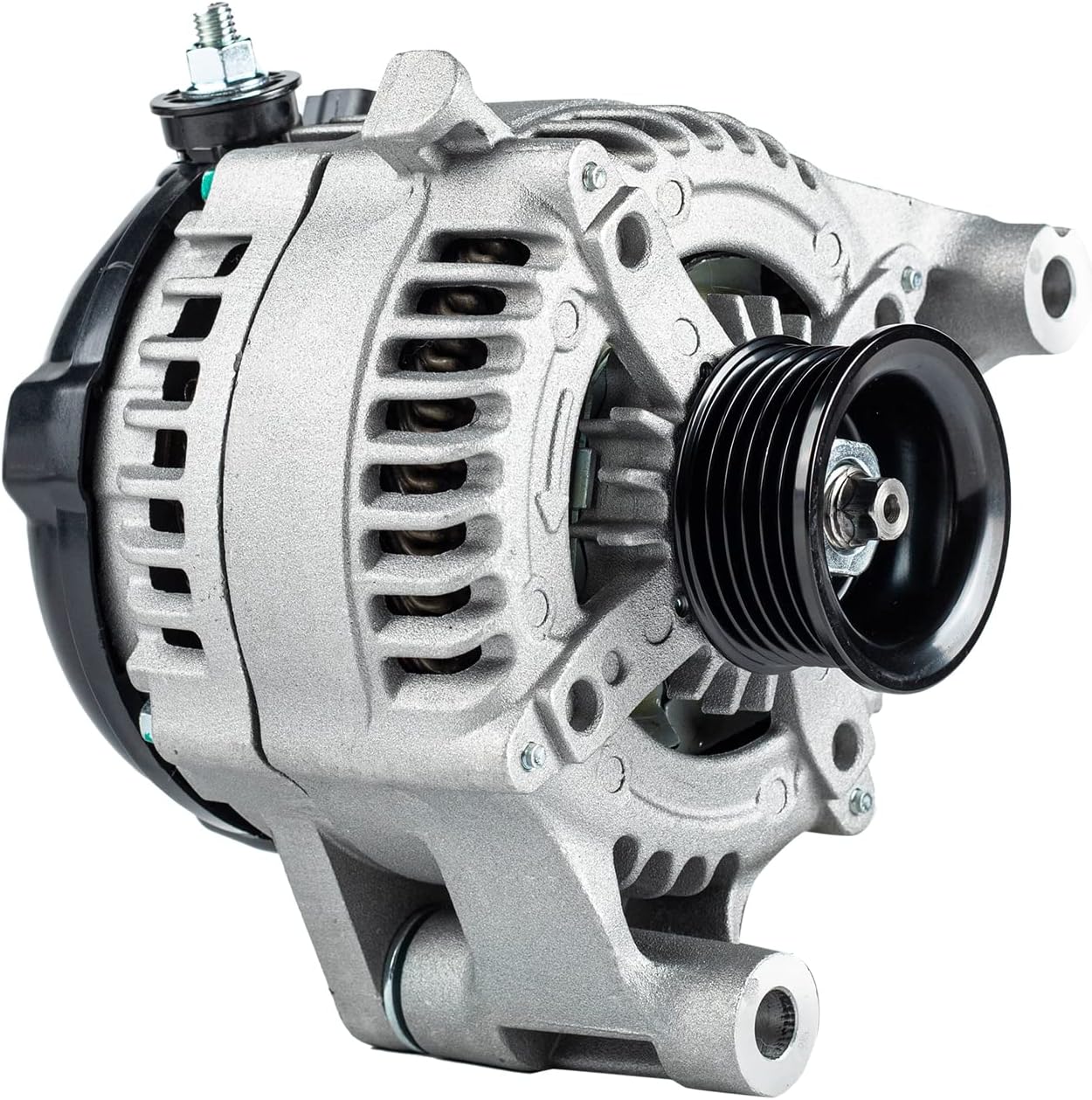
This SANKAKU alternator is a new, direct-replacement unit specified for the Jeep Wrangler V6 3.6L (2012–2018) and is designed to restore charging performance with a 150 amp output. It installs like a factory-style unit and is intended for people replacing a failed alternator or upgrading a worn OEM unit to ensure steady battery charging. Notable features include a counterclockwise rotation pulley with a 6-groove S-class pulley, an external regulator configuration, internal fan cooling, and copper windings in an aluminum housing for heat dissipation. In practice that means it should keep electrical systems charged under normal and accessory-heavy use while running quietly and resisting heat-related degradation. The unit is brand new rather than remanufactured and arrives packaged to limit shipping damage. Important limitations are that this is a vehicle-specific replacement so proper fit and matching OE part numbers must be confirmed before purchase and the external regulator design may require checking vehicle wiring or connectors during installation.
Best for: A buyer who prioritizes a dependable, factory-style replacement to restore or maintain reliable charging on a 3.6L Wrangler and values a ready-to-install, high-output unit.
Less Ideal for: Not a good choice for someone looking for a universal alternator solution or for vehicles outside the specified Wrangler 3.6L fitment range.
- High 150 amp output suitable for accessory-heavy electrical loads
- Designed as a direct replacement for specified Jeep Wrangler 3.6L models to simplify installation
- Aluminum housing and copper windings for better heat dissipation and durability
- Comes brand new with protective packaging to reduce transit damage
- Requires confirming fit and correct OE part numbers before ordering since it is vehicle-specific
- Uses an external regulator configuration which may need connector verification during install
Verdict: Choose this 150A SANKAKU alternator when you want a reliable, vehicle-specific replacement that restores strong charging performance to a 3.6L Wrangler.
6. SZKAIDAG 160A Alternator for Jeep Wrangler 3.6L (2012–2018) 12V, 6-Groove Pulley, CCW

| Voltage | 12V |
|---|---|
| Amperage | 160A |
| Rotation | CCW |
| Pulley | 6-Groove |
This SZKAIDAG 160A alternator is a direct-replacement style unit built for 3.6L Jeep Wrangler engines that use a 6-groove, CCW pulley. It supplies up to 160 amps at 12 volts, which is enough for stock electrical systems and common accessory loads. Installation is the same as a factory swap and several owners report plug-and-play alignment and charging in the mid-14 volt range after fitment. The unit emphasizes noise reduction and includes overload, short-circuit, and temperature protections to guard the vehicle electrical system. Practical benefits include a compact footprint for easier installation, corrosion-resistant exterior materials for longer life, and claimed easy maintenance access. Limitations to note are that long-term durability varies by user reports and at least one global review cited an early failure, so expect some variability compared with a dealer remanufactured unit. If you rely on the alternator for long commutes or heavy accessory loads, consider confirming amperage needs and have basic multimeter checks on installation to verify proper charging voltage.
Best for: Buyers who want an affordable, direct-fit replacement that installs like a factory unit and restores proper charging for everyday driving and light accessory use, with supporting user reviews to confirm fitment.
Less Ideal for: Drivers planning heavy electrical upgrades, high‑output audio systems, or those who prioritize extended factory remanufacturer warranties should consider higher-spec or dealer-sourced alternatives.
- 160A output supports stock electricals and common accessories
- Designed to match factory fit with 6-groove CCW pulley for straightforward installation
- Built-in protections for overload, short-circuit, and temperature monitoring
- Corrosion-resistant exterior and compact design that eases installation
- Some user reports indicate inconsistent long-term reliability compared with rebuilt factory replacements
Verdict: A cost-effective direct-fit 160A alternator that restores charging for 3.6L Jeep Wranglers while offering built-in protections and easy installation.
7. Farrme 160A Replacement Alternator 12V CCW Internal Regulator for Jeep Wrangler 3.6L

| Amperage | 160A |
|---|---|
| Voltage | 12V |
| Rotation | CCW (Counterclockwise) |
| Number of Grooves | 6-Groove Pulley |
| Regulator Type | Internal |
This Farrme 160A alternator is presented as a direct replacement for the 3.6L Jeep Wrangler and is built to restore charging and starting performance. It installs like a factory swap and includes an internal voltage regulator and internal fan, so there is no separate regulator to match. The unit uses a 6-groove pulley and CCW rotation to match factory belt setups. In use it provides stable output across a wide RPM range, which helps keep the battery charged during idling and low-speed driving and supports heavier electrical loads. The listing emphasizes sealed bearings and corrosion-resistant coatings for quieter operation and longer life. Practical downsides are typical for aftermarket alternators: appearance may differ from the original and correct fit depends on matching part numbers and connectors, so double-check compatibility before buying; professional installation is recommended if you are not comfortable with charging-system diagnostics. Several owners report straightforward installs and reliable charging, while a small number mention post-delivery issues that required follow up.
Best for: Buyers who prioritize a reliable, factory-style replacement to restore charging performance on a 3.6L Wrangler and who prefer a tested high-output unit that minimizes installation complexity.
Less Ideal for: If you need a custom high-performance charging solution or are replacing an alternator across multiple vehicle types, choose a specialist performance unit or verify multi-vehicle compatibility elsewhere.
- High 160A output suitable for modern Wrangler electrical loads
- Internal regulator and fan simplify installation and reduce component count
- Sealed bearings and corrosion-resistant coatings for quieter operation and durability
- Designed as a direct replacement to match rotation and pulley type for factory belt systems
- Appearance may differ from the original alternator which can complicate visual confirmation of fitment
Verdict: A straightforward high-output, direct-fit replacement for 3.6L Wrangler owners who want a factory-style alternator that restores reliable charging.
Choosing the Right 2018-Present Jeep Wrangler Alternator: Key Factors to Consider
Output Capacity and Continuous Amperage
Alternator output is measured in amps and determines how much electrical load the charging system can support. For Wrangler owners who run auxiliary lighting, winches, or audio systems, higher continuous amperage ensures accessories run without depleting the battery. Look for alternators rated both for peak and continuous output, and pay attention to how they handle sustained loads at low engine speeds. An alternator that supplies adequate continuous current reduces alternator stress and battery cycling. If you plan to add heavy accessories later, choosing an alternator with headroom above your measured accessory draw will keep the system cooler and extend service life. Consider also the vehicle's voltage regulation behavior; tight regulation keeps electronics healthy and prevents overcharging.
Mechanical Fit and Pulley Compatibility
Physical fitment is critical on the 2018-present Wrangler because mounting points, pulley type, and belt alignment must match the engine configuration. An alternator that requires custom brackets or pulley swapping increases installation time and potential for belt misalignment. Confirm bolt pattern, mounting ear orientation, and whether the alternator uses a serpentine or ribbed pulley that matches the factory belt. Pulley diameter affects charging performance at idle and under load. A pulley sized significantly differently from factory can change charging behavior at low RPM, which matters for off-road situations where engine speed is often low. Proper mechanical fit reduces the risk of premature belt wear and bearing stress.
Connector and Wiring Compatibility
Connector types and terminal placement must match the Wrangler's wiring harness to ensure a safe, reliable connection. Some alternators use different plug styles or require adapter pigtails; these can work but add complexity and potential failure points. Check whether the alternator includes the required plug or if an adapter is necessary, and verify the location of the main power stud and sense wire for neat routing. Proper wiring compatibility also simplifies installation and reduces the chance of loose connections that lead to charging faults. If you plan to keep or reuse the factory harness, prioritize alternators that accept the same connector and mounting orientation to preserve OEM routing and strain relief.
Thermal Management and Cooling
Alternators generate heat under heavy and sustained loads, so cooling design affects longevity. Alternators with improved ventilation, larger heatsinks, or separate cooling channels maintain lower operating temperatures, especially important for Wranglers used at low speeds or in hot climates. Overheating accelerates wear on diodes, brushes, and bearings, leading to early failure. Assess whether the alternator's cooling orientation and venting align with the engine bay airflow on the Wrangler. Robust thermal design helps the unit maintain rated output without derating under prolonged accessory use, improving reliability during long trail runs or extended idling.
Serviceability and Rebuild Options
For owners who prefer to repair rather than replace, access to service parts and rebuild kits matters. Alternators that can be disassembled to replace brushes, bearings, or diodes reduce lifecycle costs and downtime. Check whether the alternator design lends itself to straightforward servicing and whether replacement parts are commonly available. Even if you plan to install a new unit, knowing that rebuild kits exist provides a longer-term maintenance pathway. Serviceability also affects how easy it is to diagnose problems, as units with modular components allow targeted repairs rather than full replacement.
Warranty and Manufacturer Support
A clear warranty and responsive support give confidence in the alternator's expected life. Warranty terms indicate the manufacturer's trust in component quality and may cover failures due to defective internal parts. For Wrangler owners who operate off-road or in harsh conditions, a warranty that covers core failures and provides reasonable claim procedures is valuable. Consider warranty duration, what is covered, and whether labor or return shipping is addressed. Also factor in how accessible technical support is, since troubleshooting charging issues can require specific guidance about vehicle wiring and installation nuances.
Why Alternator Choice Matters on the JL and JLU-Era Wrangler
From the JL and JLU generation onward, the Wrangler's electrical demands have grown with factory electronics and common aftermarket upgrades. The alternator is the system's backbone; the right unit ensures steady voltage for engine management, lighting, and accessories across varied driving conditions.
On-trail low-speed operation, frequent idling, and accessory-heavy setups expose alternators to heat and prolonged strain. Choosing an alternator tailored to these conditions reduces the chance of voltage drops, erratic charging, or early component failure.
- Stable voltage prevents electronic glitches and battery drains
- Adequate capacity supports added lighting, winches, and audio
- Correct fitment avoids belt misalignment and bearing wear
Assessing Your Current Charging Needs
Before selecting an alternator, take stock of your current and planned electrical loads. Create a simple inventory of all powered accessories and estimate their continuous draw in amps. Remember to include items that draw power while the vehicle is off, such as alarm systems, as well as typical on-road and off-road accessory use.
Knowing your baseline load helps determine whether a direct-fit replacement is sufficient or whether you need a higher-capacity unit. It also guides decisions about whether to upgrade wiring, fuses, or battery capacity to match an alternator with greater output.
- List factory and aftermarket accessories and their amp draws
- Estimate continuous versus intermittent loads
- Consider future additions when sizing alternator output
Installation Considerations for DIYers
Alternator replacement on the 2018-present Wrangler is doable for owners comfortable with basic hand tools and battery safety. Key steps include disconnecting the negative battery terminal, loosening belt tension, removing alternator mounting bolts, and swapping the wiring harness carefully. Keep track of bolt lengths and spacer locations to ensure correct reassembly.
If the unit requires a different pulley or connector, factor extra time and verify you have the correct replacement parts. After installation, check charging voltage at idle and under a light load to confirm the alternator is functioning correctly.
- Always disconnect the battery before starting
- Confirm belt routing and tension after installation
- Test charging voltage to verify correct operation
Common Alternator Symptoms and Troubleshooting
Early signs of alternator trouble include dimming lights, warning lamps on the dash, slow cranking, and battery depletion after driving. These symptoms do not always mean the alternator is bad; poor ground connections, weak batteries, or corroded terminals can cause similar behavior. A systematic check helps isolate the issue.
Use basic testing to distinguish alternator faults from battery or wiring problems. Measure resting battery voltage, then measure charging voltage with the engine running. Sudden voltage spikes, persistent low voltage, or strange noises from the alternator housing point toward alternator-specific failures.
- Dimming lights at idle often indicate insufficient low-RPM output
- Warning lights accompanied by electrical glitches suggest regulator faults
- Unusual bearing noise signals mechanical wear
Preparing for Off-Road Use and Heavy Accessory Loads
If you use your Wrangler for extended off-road trips, select an alternator whose cooling and continuous output characteristics match that duty cycle. Low-speed crawling places alternators under prolonged load without the benefit of high engine RPM cooling. Units with improved ventilation or conservative thermal derating perform better in these circumstances.
Also plan wiring upgrades and better battery capacity to complement higher-output alternators. Heavy accessories often require thicker gauge wiring, upgraded fusing, and secure mounting to prevent electrical faults while on rough terrain.
- Consider thicker main charging wires and secure routing
- Match alternator capacity to real accessory draw with margin
- Verify cooling path and avoid obstructing alternator vents
When to Consider a Rebuild Versus Replacement
Rebuilding an alternator can be economical when the core housing and pulley are in good shape and only internal wear items need replacement. Typical rebuild tasks include installing new brushes, bearings, and rectifier diodes. Availability of rebuild kits and the complexity of disassembly determine whether a rebuild is practical for a given unit.
If the alternator has suffered mechanical damage, severe corrosion, or is known to have intermittent electronic faults, a full replacement may be the more reliable long-term choice. Factor in labor time, access to parts, and warranty differences when deciding between rebuild and replacement.
- Rebuild if housing and pulley are sound and parts are available
- Replace if there is mechanical damage or persistent electronic faults
- Check warranty implications before rebuilding
Still looking for the perfect fit?
Select your Jeep Wrangler configuration to see the most relevant Alternators recommendations
How We Chose the Best 2018-Present Jeep Wrangler Alternator
We evaluated alternators using criteria that reflect real-world usage on 2018-present Jeep Wrangler models, prioritizing electrical reliability and installation fit. Our filters included: output capacity and voltage regulation under continuous accessory load; mechanical compatibility with Wrangler mounting points, pulley type, and connector harness; cooling and thermal management for repeated low-speed or off-road use; build quality including brush, bearing, and diode robustness; warranty length and available support for rebuilds or replacement; and common repairability, such as availability of rebuild kits or service parts. We excluded units that lacked documented fitment for the 2018-present Wrangler or that required extensive modification to mounts or wiring. Units with dubious quality control histories or insufficient technical documentation were not considered. The resulting list emphasizes alternators that match factory electrical architecture, provide stable charging under accessory loads, and offer reasonable serviceability for owners who maintain their own vehicles.
Our full evaluation process is outlined in our review methodology.
FAQ
What voltage should my Wrangler's charging system read at idle?
With the engine running, a healthy charging system typically reads around 13.5 to 14.7 volts. Readings below that range at idle may indicate undercharging, while consistent readings above it can signal regulator problems. Always measure with accessories on and off to see how the system responds to load.
Can a bad alternator cause my Wrangler to lose power while driving?
Yes, an alternator that cannot supply adequate voltage under load can lead to power loss, dimming lights, or engine stalling, especially if the battery is depleted. However, similar symptoms can stem from poor grounds or a weak battery, so confirm with voltage testing before replacing the alternator.
Is it necessary to upgrade wiring when installing a higher-output alternator?
Often it is advisable to upgrade the main charging cable and ground to heavier gauge wiring when increasing alternator output. Thicker wires reduce voltage drop and heat buildup, ensuring the alternator can deliver rated current safely, particularly during sustained high-load conditions.
How long does an alternator typically last on a Wrangler?
Service life varies with use and environment; many alternators last well over 100,000 miles under normal conditions. Heavy accessory use, frequent short trips, or exposure to water and mud can shorten lifespan, making cooling and protection important factors for longevity.
Can I test the alternator without special equipment?
Basic checks require only a multimeter to measure battery and charging voltages. More detailed diagnostics, such as load testing or ripple checks, may need specialized tools. A multimeter test at rest and with the engine running under different loads will catch most common faults.
Will a higher-output alternator affect my battery life?
A properly matched higher-output alternator can reduce deep cycling of the battery by supplying accessory power directly rather than drawing from stored charge, which can extend battery life. Conversely, improper installation or voltage regulation issues can harm the battery, so ensure correct wiring and regulation behavior.
Final Verdict
For the 2018-present Jeep Wrangler, prioritize alternators that combine adequate continuous amperage, correct mechanical fit, and robust cooling. Those factors will keep electrical systems stable during the low-speed, accessory-intensive conditions common to off-road use. Balance output capacity with wiring and battery upgrades to ensure reliable performance without introducing new failure points. Ultimately, pick an alternator that matches your accessory load with some headroom, fits the Wrangler without major modifications, and offers service options or warranty coverage. That approach keeps your vehicle dependable on the trail and on the road.
Explore More:
- Check out all Jeep Wrangler parts & accessories
- Explore Alternators Maintenance & Repair Guides
- Explore Electrical System
- Browse all Auto Parts
