

Looking for the perfect fit?
Select your Honda CR-V configuration to see the most relevant Air Filters recommendations
Note: This article contains affiliate links. If you click on these links and make a purchase, I may earn a small commission at no extra cost to you. This helps support my research and content. Read my full affiliate disclosure here.
Choosing the right Honda CR-V air filter matters because it affects engine breathing, fuel efficiency, and long-term engine health. A clogged or poorly fitting filter can reduce power, increase wear, and make maintenance more frequent. This guide covers the top shortlisted air filters for the Honda CR-V, selected for fitment reliability and filtration performance. We evaluate each option on durability, filtration efficiency, and ease of installation to help you pick the best match for your driving conditions.
Looking for other parts? See all Honda CR-V parts & accessories.
Top Picks at a Glance
| Best Overall The best all-around choice for most situations | ECOGARD XA10498 Premium Engine Air Filter for Honda 1.5L |  |
| Best Quality Built to a higher standard if you want something more solid | FRAM Extra Guard CA10344 Engine Air Filter for 2007–2009 Honda CR-V (2.4L) |  |
| Best Value The sweet spot between price and what you get | FRAM Extra Guard Engine Air Filter (CA12050) |  |
| Best Budget The cheapest option that still gets the job done reliably | ECOGARD XA6119 Premium Engine Air Filter for 2010–2011 Honda CR-V |  |
| Highest Rated A top-rated pick with lots of positive feedback | EPAuto GP050 Engine Air Filter — Replacement for Honda Civic 1.5L and CR-V 1.5L |  |
| Most Popular A crowd favorite that many people choose with confidence | Spearhead Max Thrust Engine Air Filter (MT-050) |  |
| Best Seller A high-volume bestseller chosen again and again | Puroma Cabin Air Filter with Activated Carbon (Replacement for CP134/CF10134) | 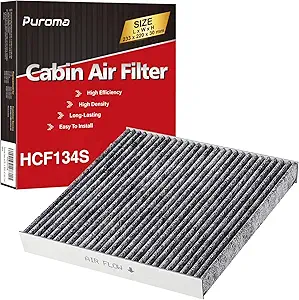 |
ECOGARD XA10498 Premium Engine Air Filter for Honda 1.5L

| Brand | ECOGARD |
|---|---|
| Model Number | XA10498 |
| Replacement For | Honda 17220-5AA-A00 |
| Included Components | Engine Air Filter |
| Product Grade | Replacement Part |
The ECOGARD XA10498 is a direct-fit replacement engine air filter made to match the factory fit, form, and function for Honda 1.5L Civic and CR-V engines. It installs quickly in the airbox with minimal tools and is intended to be swapped at regular maintenance intervals to keep intake air clean and maintain efficient combustion. The filter is marketed as a premium replacement and many users report easy installation and a fit comparable to the factory part. Practical benefits include restoring airflow for crisp throttle response and protecting the engine from dust and debris without modifying the intake. Some owners noted little to no issues after installation while a few reported minor differences in observed fuel economy versus OEM units, which can vary by driving conditions. For routine maintenance this filter offers a cost-effective, easy-to-install option that preserves engine performance when replaced at recommended intervals.
Best for: Balanced buyers who want a reliable, factory-style replacement that maintains engine health without paying dealer prices and who perform regular maintenance themselves.
Less Ideal for: Drivers seeking high-flow performance filters or reusable cleaning-type filters should consider performance or washable options instead.
- Vehicle-specific design for Honda 1.5L Civic and CR-V ensures a near-factory fit
- Easy installation that requires few or no tools for most users
- Marketed as a premium replacement with consistent customer reports of good build quality
- Helps maintain clean intake air to support engine performance and longevity
- Some users reported small, temporary changes in fuel economy after swapping filters
- Fitment confusion possible for different Honda engines so confirm engine size before buying
Verdict: A straightforward, factory-style replacement filter that delivers reliable fit and clean airflow for Honda 1.5L CR-V and Civic engines.
FRAM Extra Guard CA10344 Engine Air Filter for 2007–2009 Honda CR-V (2.4L)

| Vehicle application | 2007-2009 Honda CR-V (2.4L) |
|---|---|
| Change interval | Up to 12,000 miles |
| Shape | Rectangular |
| Manufacturer | FRAM |
The FRAM Extra Guard CA10344 is a direct-fit engine air filter for the 2007–2009 Honda CR-V with a 2.4L engine that replaces the factory filter to keep intake air clean. It installs the same way as the original filter and is intended for routine DIY changes in the engine airbox. FRAM highlights a fine, advanced filter media that it says provides up to twice the engine protection versus a standard retail brand and supports change intervals up to 12,000 miles. In practice that means fewer swaps between services and a cleaner intake that helps maintain acceleration and horsepower. The rectangular, vehicle-specific design ensures a snug seal in the housing and straightforward installation for most home mechanics. Limitations are that it is a disposable paper-style filter rather than a washable or lifetime element and performance claims are manufacturer-tested against competing retail filters rather than independently certified OEM benchmarks. Buyers seeking maximum long-term economy or reusable filtration should consider a washable performance element instead.
Best for: Performance-oriented CR-V owners who prioritize cleaner intake air and want a higher-protection disposable replacement that preserves engine responsiveness with minimal maintenance.
Less Ideal for: Drivers who prefer reusable or high-flow performance elements for lifetime cost savings or track-focused airflow gains should consider washable performance filters instead.
- Vehicle-specific fit for 2007–2009 Honda CR-V (2.4L) for a secure seal
- Advanced filter media claimed to provide up to 2x protection versus standard retail filters
- Supports up to 12,000-mile change interval which reduces maintenance frequency
- Easy DIY replacement that installs in minutes in the stock airbox
- Disposable paper construction so it must be replaced rather than cleaned and reused
- Performance claim is based on manufacturer testing against retail competitors rather than independent OEM certification
Verdict: A convenient, higher-protection disposable replacement for 2007–2009 Honda CR-V owners who want improved intake cleanliness without switching to a reusable performance filter.
FRAM Extra Guard Engine Air Filter (CA12050)
| Brand | Fram |
|---|---|
| Model | CA12050 |
| Automotive Fit Type | Vehicle Specific Fit |
| Position | Center |
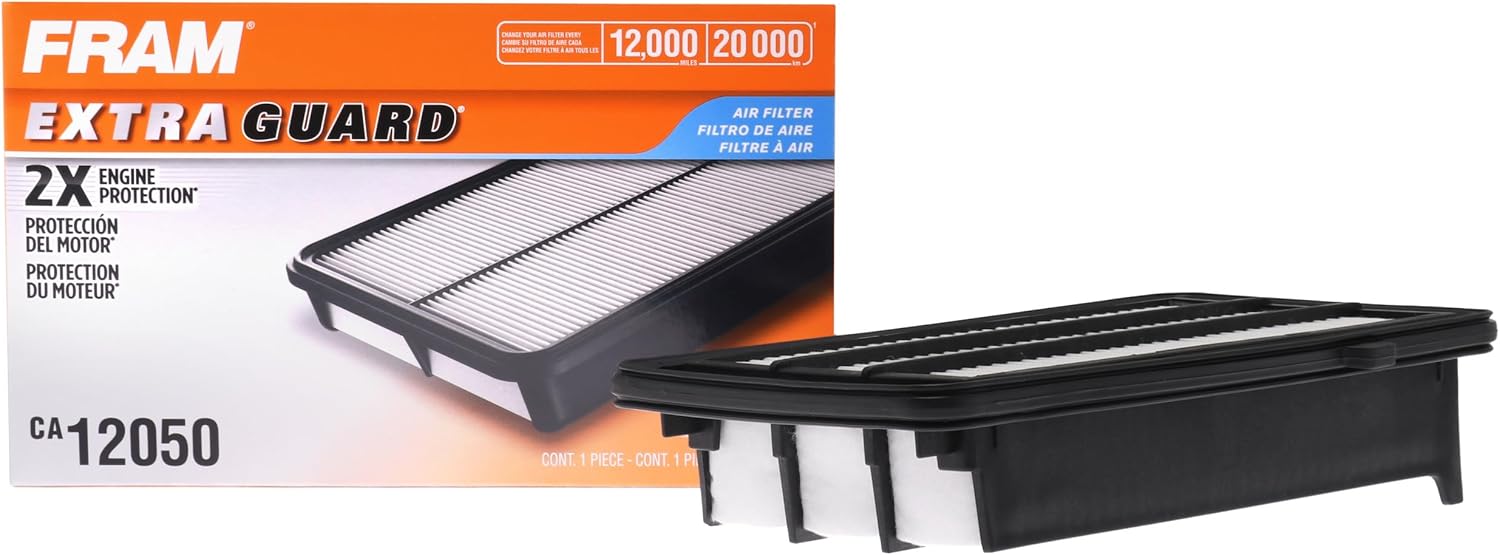
The FRAM Extra Guard CA12050 is a direct replacement engine air filter intended for select Honda vehicles and meant to be swapped in at regular intervals to keep intake air clean. It uses FRAM’s multi-layer filter media to capture dust, pollen, and larger particulates while aiming to preserve airflow so the engine maintains acceleration and horsepower. Installation is simple and designed for DIY owners — the filter drops into the airbox and seals around the perimeter without special tools. FRAM advertises up to 12,000-mile change intervals for sustained protection and the product listing notes testing that showed higher particle capture than some standard retail filters. In practice this provides an affordable, convenient way to restore breathing to a clogged airbox and avoid dealer-level costs. Limitations are that it is a paper-based replacement filter rather than a high-end performance or washable element, so drivers seeking maximum filtration beyond the stated interval or specialized performance gains should consider specialty options instead.
Best for: Practical optimizers who prioritize sensible maintenance and lower ownership costs while keeping their Honda CR-V running reliably with straightforward DIY service.
Less Ideal for: Drivers chasing high-flow or reusable performance filters for tuned engines or motorsport use should look at specialized performance elements instead.
- Vehicle-specific fit for easy, correct installation in compatible Honda CR-V airboxes
- Multi-layer filter media engineered to trap common engine contaminants
- Simple DIY replacement that restores airflow and can improve throttle response compared with a dirty filter
- Not a reusable or washable performance element
- Designed as a standard replacement rather than a high-flow performance upgrade
Verdict: A budget-friendly, vehicle-specific replacement that delivers reliable filtration and easy DIY installation for routine Honda CR-V maintenance.
ECOGARD XA6119 Premium Engine Air Filter for 2010–2011 Honda CR-V

| Compatible Vehicles | Honda CR-V 2.4L 2010-2011 |
|---|---|
| OEM Part Reference | 17220-REZ-A00 |
| Model | XA6119 |
The ECOGARD XA6119 is a direct-fit replacement engine air filter made for the 2010–2011 Honda CR-V 2.4L that filters intake air to protect the engine and maintain performance. It installs in the factory airbox with no modification, so owners can swap it in during a routine service interval to help preserve acceleration and fuel efficiency. The filter replaces common part numbers from major brands, which makes it an easy option when you want a lower-cost alternative to factory parts. Customers report generally accurate fit and straightforward DIY installation that takes a few minutes for someone familiar with basic maintenance. Some users have noted variations in pleat count and occasional quality changes between batches, so while it offers strong value, results can vary compared with higher-end filters. If you want an affordable, serviceable air filter that restores clean airflow and protects the engine without extra bells and whistles, this model delivers practical performance for routine maintenance.
Best for: Budget-conscious owners who prioritize routine maintenance and want a low-cost, vehicle-specific replacement that reinstates factory-quality airflow without paying for premium branded filters.
Less Ideal for: Drivers seeking maximum filtration efficiency or aftermarket performance gains should consider higher-end or specialty filters instead.
- Vehicle-specific fit for 2010–2011 Honda CR-V 2.4L for easy, no-modification installation
- Replaces common OEM part numbers for straightforward compatibility
- Affordable option that restores airflow and protects the engine during routine maintenance
- Simple DIY replacement that typically takes only minutes with basic tools
- Reported batch-to-batch quality variation including differences in pleat count
- Not marketed as a high-performance or heavy-duty filter compared with premium alternatives
Verdict: A practical, low-cost factory-fit replacement for 2010–2011 Honda CR-V owners who want reliable filtration for routine maintenance without spending extra on premium filters.
EPAuto GP050 Engine Air Filter — Replacement for Honda Civic 1.5L and CR-V 1.5L

| Compatible models | Honda Civic 1.5L (2016–2021); CR-V 1.5L Gas (2017–2022) |
|---|---|
| Replacement for | Honda part 17220-5AA-A00 |
| Item model number | FP-046-1 |
| Manufacturer | EPAuto |
The EPAuto GP050 is a direct-fit replacement engine air filter built to match the factory form and protect the intake from dirt and debris. It installs in the stock airbox as a straightforward drop-in part, so routine DIY replacement takes only a few minutes and basic hand access. The rigid panel frame and pleated filter media provide consistent airflow while trapping contaminants, which helps maintain throttle response and may support fuel economy between changes. The listing calls out compatibility with Honda part 17220-5AA-A00 and aligns with common service intervals, making it a practical maintenance item for reliability-focused owners. This filter is not a high-performance or washable unit, so it should be replaced at normal intervals rather than cleaned and reused. Fit and build quality reported by users are close to factory replacement, though some buyers have noted occasional variance in finish compared with prior batches. For anyone prioritizing dependable engine protection and simple, low-risk maintenance, this is a sensible OEM-style replacement.
Best for: Reliability-focused owners who prioritize straightforward, factory-quality maintenance and want an easy-to-install replacement that preserves engine protection with minimal fuss.
Less Ideal for: Drivers seeking a washable or high-flow performance upgrade should consider aftermarket performance filters instead of this factory-style replacement.
- Vehicle-specific fit for Honda Civic 1.5L (2016–2021) and CR-V 1.5L (2017–2022) for an exact drop-in replacement
- Sturdy rectangular frame and pleated media that hold shape and provide consistent airflow
- Easy DIY installation that requires minimal tools or time
- Market feedback indicates performance and fit close to factory-quality replacements
- Not a reusable or washable performance filter, requires periodic replacement
- Some reported variability in build finish between production batches
Verdict: A reliable, factory-style replacement air filter that keeps a Honda CR-V's intake protected with easy DIY fitment, but it is not a washable performance option.
Spearhead Max Thrust Engine Air Filter (MT-050)
| Fits vehicles | CR-V 1.5L Turbo 2017-2022 |
|---|---|
| Part number | MT-050 |
| OEM equivalent | CA12050 |
| Service interval | Up to 15K miles or 1 year |
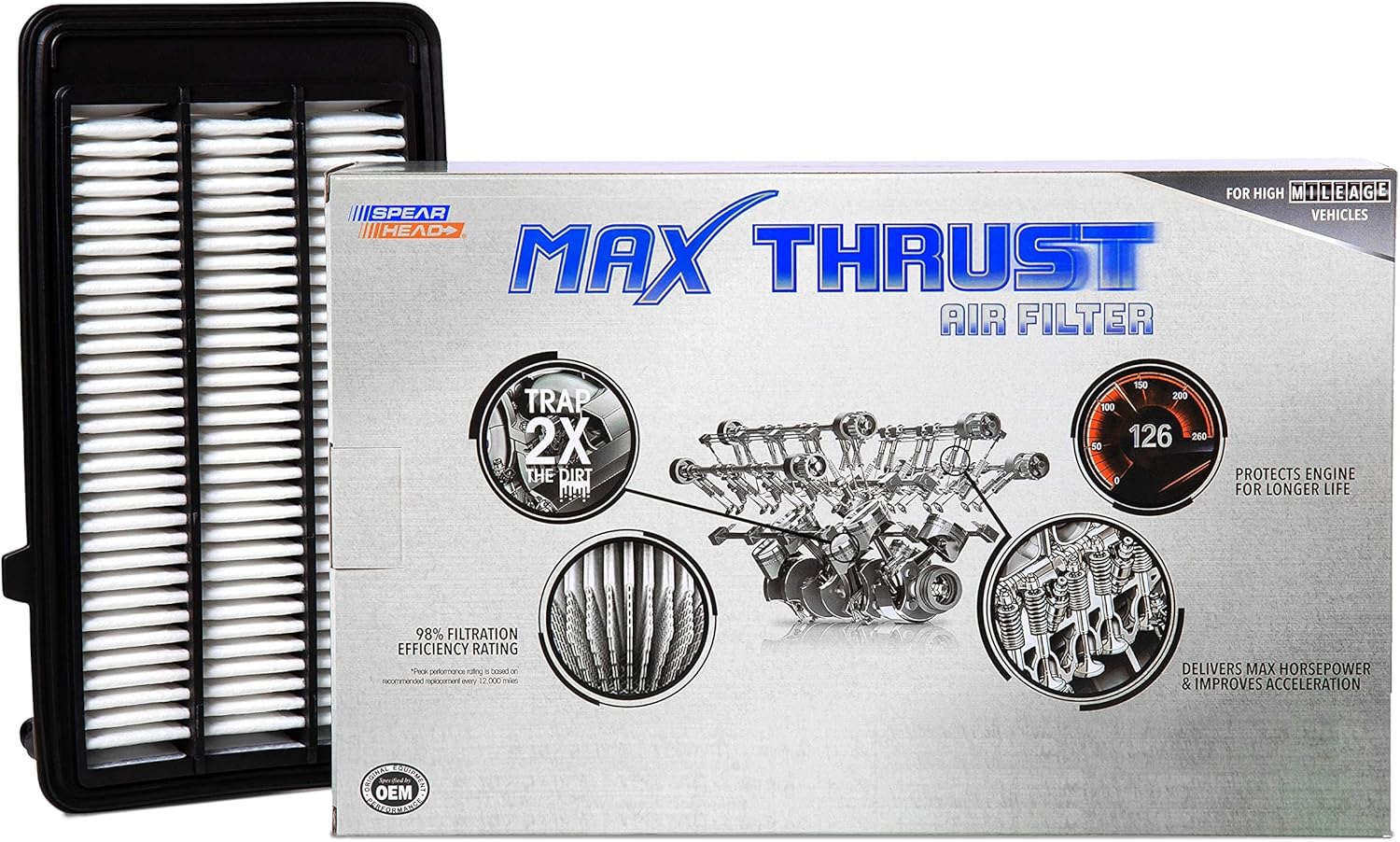
The Spearhead Max Thrust MT-050 is a direct-fit replacement air filter for the Honda CR-V 1.5L turbo (2017–2022) that aims to trap more contamination without restricting intake airflow. It uses a Hex-D pleat design and multiple layers of progressively finer media to increase dirt-holding capacity compared with a typical paper element, and the manufacturer rates it for service up to 15,000 miles or one year. Installation is straightforward and intended as a simple DIY maintenance item—users report an OEM-style fit and a firm rubber seal that drops into the factory airbox. In everyday driving this filter should help protect the turbocharged intake from dust and debris and some owners note small improvements in throttle response and fuel economy. Limitations to consider are that aftermarket media can vary versus factory replacement in airflow and longevity, and a higher dust-holding design may feel slightly firmer on breathing at extreme loads compared with some premium performance filters.
Best for: Drivers who prioritize convenience and straightforward maintenance—someone who wants an easy, reliable replacement that fits the CR-V without extra work and reduces trips to the shop.
Less Ideal for: Enthusiasts seeking maximum airflow or performance tuning for the CR-V should consider performance-specific filters; those wanting factory-tested OEM parts for warranty reasons may prefer a genuine Honda filter.
- Direct-fit for Honda CR-V 1.5L turbo (2017–2022) for quick, no-modification replacement
- Hex-D pleat and multi-layer media increase dust-holding capacity compared with standard single-layer filters
- Firm rubber sealing surface for reliable contact with the factory airbox
- Designed for service intervals up to 15,000 miles or one year
- May not match airflow characteristics of higher-end performance filters under high-load conditions
- Aftermarket media quality can differ from factory-quality replacements which may affect long-term consistency
Verdict: A convenient, direct-fit replacement for the Honda CR-V 1.5L turbo that boosts dust-holding capacity while keeping installation quick and simple.
Puroma Cabin Air Filter with Activated Carbon (Replacement for CP134/CF10134)
| Item model number | HCF134S |
|---|---|
| Manufacturer | Puroma |
| Compatible part numbers | Replacement for CP134, CF10134 |
| Manufacturer Part Number | HCF134S |
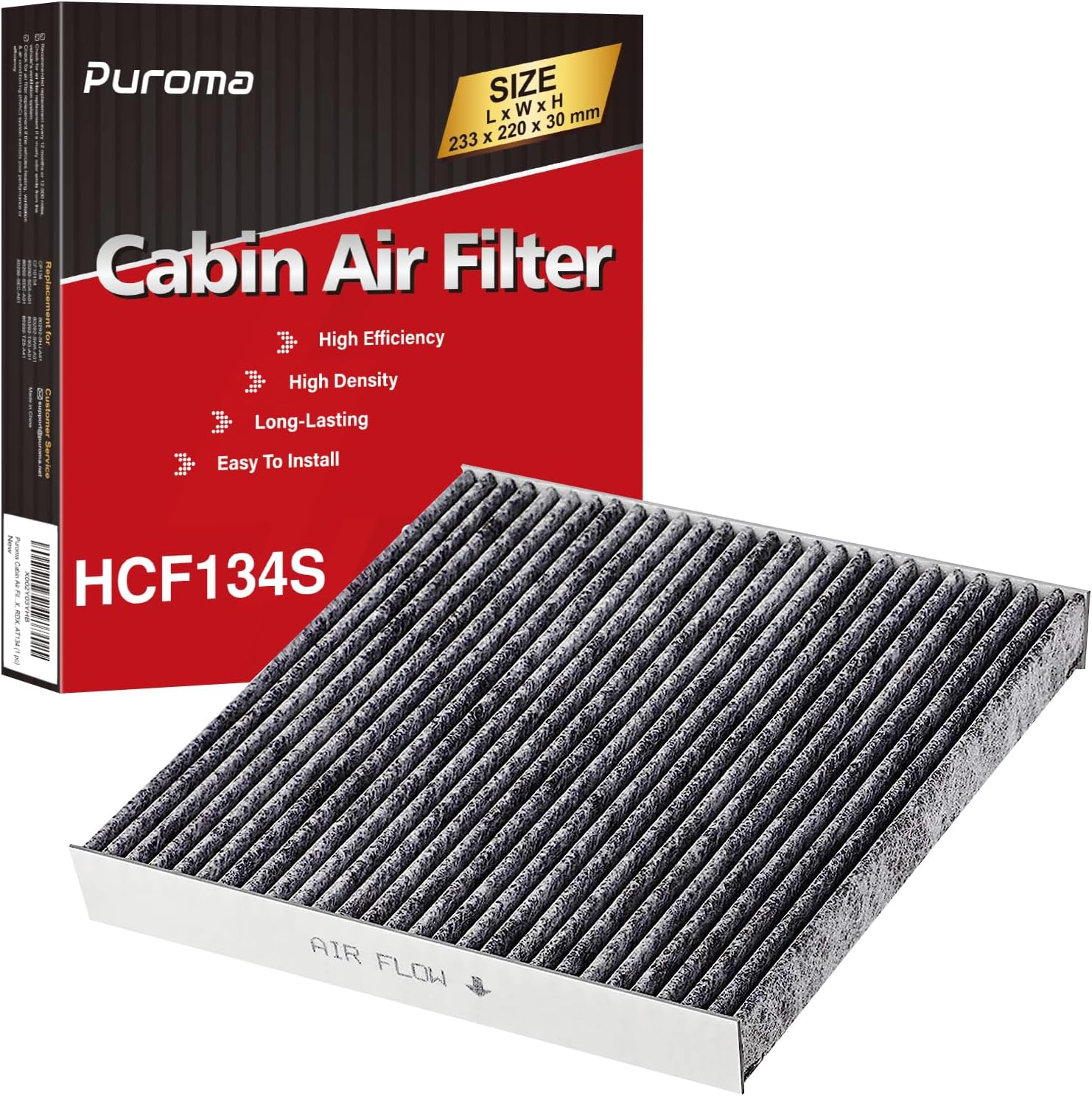
This Puroma cabin air filter is a direct replacement for CP134/CF10134 applications and uses a multi-layer non-woven media with an activated carbon layer to reduce odors and trap dust before it reaches the vehicle cabin. It is installed in the HVAC intake housing and is intended to be swapped during routine maintenance to maintain fresh interior airflow and protect the ventilation system. Users report a snug, factory-style fit and a rigid frame that prevents bypass and rattling. The activated carbon improves odor control compared with a plain paper filter while the dense pleats help capture fine particles and extend HVAC performance. It is straightforward to install thanks to the airflow arrow and common form factor, making it a quick DIY service item. Limitations are typical for aftermarket cabin filters: it does not provide medical-grade filtration and needs regular replacement based on driving conditions to keep performance optimal.
Best for: Risk-averse mainstream buyers who prioritize reliable, factory-quality replacements and want a simple, low-risk maintenance item that restores cabin air freshness.
Less Ideal for: Drivers needing allergy- or smoke-grade HEPA filtration or specialized cabin air systems should consider higher-spec filters or aftermarket HVAC upgrades instead.
- Activated carbon layer helps reduce odors in the cabin
- Multi-layer non-woven media captures dust and particulates
- Rigid frame and accurate sizing provide a snug, leak-free fit
- Easy DIY installation with airflow indicator
- Not intended for HEPA-level or medical-grade particle removal
Verdict: A cost-effective, easy-to-install activated-carbon cabin filter that restores fresh-smelling air and a factory-style fit for compatible Honda/Acura vehicles.
Choosing the Right Honda CR-V Air Filter: Key Factors to Consider
Filtration Efficiency
Filtration efficiency determines how well an air filter traps dirt, pollen, and other particulates before they enter the engine. Higher efficiency reduces abrasive wear on internal components and helps maintain combustion quality.
While very tight filtration can slightly restrict airflow, a balance between particle capture and breathability is what matters for daily driving. Look for filters with lab-rated particle capture or stated micron ratings to understand real-world performance.
Fitment and Compatibility
Correct fitment ensures the filter seals properly in the airbox and prevents unfiltered air bypass. A filter that is not specifically sized for the Honda CR-V can lead to gaps, noise, or accelerated contamination.
Confirming exact dimensions, flange shape, and orientation is essential. Filters designed for vehicle-specific housings reduce installation errors and the risk of improper sealing during routine maintenance.
Airflow and Restriction
Airflow capability affects throttle response and engine efficiency because the engine depends on a steady supply of clean air. Filters that restrict flow can reduce peak power and responsiveness, especially under acceleration.
Consider products that specify pressure drop or airflow ratings, and avoid options that advertise excessive layering without airflow data. Good filters allow adequate volume while still capturing contaminants.
Durability and Material Quality
Material quality influences how long a filter maintains performance between services. Durable media resists collapsing, shedding, and degradation when exposed to heat and moisture in the intake system.
Look for pleat stability, reinforced frames, and media treatments that resist oil and humidity. Durable construction reduces the chance of filter failure and keeps replacement intervals predictable.
Maintenance Interval and Serviceability
Maintenance needs affect ongoing cost and convenience. Some filters are disposable while others are serviceable or reusable with cleaning and re-oiling.
Consider how often you are willing to check or replace the filter, and whether you prefer a low-maintenance disposable unit or a reusable element that requires periodic cleaning. Longer dust-holding capacity generally means fewer interventions.
Effect on Fuel Economy and Performance
An air filter that balances filtration and airflow can help the engine maintain its designed fuel efficiency and power output. While filters alone rarely create dramatic fuel savings, excessive restriction or heavy contamination can negatively affect economy.
Choose a filter that preserves smooth airflow and consistent engine breathing, as that stability supports predictable fuel usage and drivability over time.
When to Replace the Honda CR-V Air Filter: Timing and Symptoms
Knowing when to replace the engine air filter in your Honda CR-V helps avoid reduced engine efficiency and poor throttle response. General intervals vary by driving conditions: inspect the filter more often if you drive in dusty, snowy, or urban stop-and-go conditions. For typical suburban use, inspection every 12,000 to 15,000 miles is common, and replacement often falls within a similar range.
Watch for these practical symptoms that suggest the air filter needs replacement rather than just cleaning. These are owner-observable signs that a new filter will restore performance and protect the engine.
- Noticeable drop in acceleration or sluggish throttle response during normal driving.
- Black or heavy gray buildup on the filter element that does not come off with gentle tapping or air blowout.
- Reduced fuel economy over several tanks without changes in driving habits.
- Check engine light related to air mass or oxygen sensor readings after other causes are ruled out.
- Unusual engine noises at idle or under load that started after prolonged use in dusty conditions.
Step-by-step: Replacing the Engine Air Filter on a Honda CR-V
Replacing the engine air filter is a straightforward maintenance task that most owners can complete in 10 to 20 minutes with minimal tools. Follow a careful sequence to avoid contaminating the intake and to ensure proper sealing once the new filter is installed.
Always work on a cool engine and park on a level surface. Keep the old filter in a clean area so you can compare shape and sealing surfaces if needed.
- Open the hood and locate the air filter housing on the passenger or driver side of the engine bay depending on CR-V year and layout.
- Remove fasteners or clips securing the housing cover. Keep screws or clips in a small container so they are not lost.
- Lift the cover straight up to avoid dislodging any attached intake tubes. Note the housing orientation and any sealing gasket or foam.
- Remove the old filter by lifting it out. Inspect the housing interior and clean out loose debris with a vacuum or a lint-free cloth.
- Install the replacement filter in the same orientation as the original, ensuring the sealing lip seats correctly.
- Reinstall the housing cover and fasteners. Start the engine and listen briefly for air leaks around the housing to confirm a proper seal.
Finding the Correct Air Filter Size and Part Information
Getting the right size filter prevents air bypass and protects the engine. Filter dimensions and seal shapes vary by model year and engine configuration, so cross-referencing your CR-V's model year and engine code is essential. The vehicle owner's manual lists the OEM part number and recommended service intervals, and the existing filter can be measured for length, width, and depth if you need a quick reference.
When comparing options, match the overall dimensions, sealing method, and a pleat count similar to the OEM element. Avoid filters that look too tall, too wide, or have a significantly different sealing lip because even small misfits can allow unfiltered air into the intake.
- Measure the old filter: length, width, and thickness are the primary dimensions.
- Note the sealing style: flat gasket, foam lip, or molded edge.
- Check the owner manual or repair manual for the OEM part number to cross-reference.
- If ordering online or from a parts supplier, use the CR-V year and engine displacement to confirm compatibility.
OEM Versus Aftermarket: Practical Guidance for CR-V Owners
Deciding between an OEM filter and an aftermarket replacement comes down to priorities: fitment certainty and consistent performance versus potentially different filtration media or service intervals. OEM filters are designed to match the vehicle's original specifications for fit and sealing. Quality aftermarket filters can offer similar protection but vary by manufacturer in media type and claimed efficiency.
For most CR-V owners who want straightforward maintenance with minimal fitment concerns, choosing a filter that lists the correct Honda CR-V fitment and matches OEM sealing details reduces the risk of installation issues. If considering an aftermarket filter marketed for increased filtration or longevity, verify that airflow characteristics align with normal engine operation so you do not introduce unnecessary restriction.
- Choose OEM when you prioritize guaranteed fit and predictable service intervals.
- Consider reputable aftermarket options if you need a specific media type or extended service life, but confirm airflow specs.
- Avoid any filter that requires modifying the housing or intake to fit because that can compromise sealing and allow unfiltered air inside.
Maintenance Tips to Extend Filter Life and Protect the Intake
Simple care can stretch the useful life of your Honda CR-V air filter while preserving engine health. Regular inspections, gentle cleaning where appropriate, and keeping the engine bay tidy all help prevent premature clogging. Do not attempt to wash or oil a dry paper element; that can damage the media and reduce effectiveness.
For owners who drive in mixed conditions, establish a visual inspection rhythm tied to oil changes or seasonal servicing to catch heavy contamination early. Small preventive steps reduce the likelihood of larger engine issues caused by dust and debris making their way past a compromised seal.
- Inspect the filter every 6,000 to 8,000 miles if you drive in dusty conditions, otherwise at each major service interval.
- Use low-pressure compressed air from the clean side out if you must remove loose dust, but avoid aggressive blasting that can deform pleats.
- Keep the airbox and intake snorkel free of leaves and debris that can accelerate clogging.
- Record filter changes and inspections in the maintenance log so you can spot trends in service life related to driving environment.
Realistic Expectations: How an Air Filter Affects Performance and Economy
A clean engine air filter supports optimal combustion by delivering the designed volume of clean air. Replacing a badly clogged filter on a Honda CR-V often restores throttle response and can recover some lost fuel economy. Expect improvements to be modest under normal conditions because the engine control system compensates for reduced airflow up to a point.
Do not expect dramatic gains in horsepower or fuel economy solely from a filter change unless the previous filter was extremely restricted. The most meaningful benefits are prevention of long-term engine wear and maintaining consistent engine operation. When evaluating the impact, consider overall maintenance state including spark plugs, fuel system cleanliness, and tire condition which all influence observed fuel economy.
- Replacing a heavily soiled filter may show an immediate improvement in acceleration and a small improvement in MPG.
- Well-maintained CR-Vs with timely filter changes experience more consistent drivability rather than large performance jumps.
- If fuel economy does not improve after replacing the filter, inspect other routine maintenance items such as tire pressure and scheduled service points.
How We Chose the Best Honda CR-V Air Filter
We focused on parts that are specified or known to fit the Honda CR-V and excluded any items that lacked clear fitment information. Our top-line filters were vetted using vehicle-specific fitment, filtration efficiency data, and material durability. We prioritized reliable fit and consistent airflow measurements, dust-holding capacity, and resistance to moisture for real-world driving. Ease of installation and availability of replacement elements or serviceability were also important. We excluded generic, non-vehicle-specific filters and listings without documented specifications or verification. The final list reflects products that balance efficient particle capture, minimal airflow restriction, long service intervals, and straightforward installation for CR-V owners.
Our full evaluation process is outlined in our review methodology.
FAQ
How often should I change the Honda CR-V air filter?
It depends on driving conditions. Under normal city and highway use, many owners check the engine air filter every 12,000 to 15,000 miles, but dusty or off-road conditions call for more frequent inspection. Look for visible dirt, collapsed pleats, or heavy discoloration and replace sooner if those signs appear.
Can I use a reusable filter in my Honda CR-V?
Reusable filters are an option if you are comfortable with periodic cleaning and reconditioning. They can offer adequate filtration and lower waste, but require correct cleaning methods and, when applicable, re-oiling to maintain performance. Consider how much maintenance you want to perform before choosing this route.
Does a higher-performance air filter improve fuel economy?
A filter that reduces airflow restriction while still removing contaminants can support optimal engine efficiency, which may have a small positive effect on fuel economy. However, differences are usually modest and depend on overall engine condition and driving habits rather than the filter alone.
What is the difference between cabin and engine air filters for the Honda CR-V?
The engine air filter protects the engine intake from dirt and debris, while the cabin air filter traps dust, pollen, and particulates from the HVAC system for passenger comfort. They serve separate systems and should be checked independently based on their respective service intervals and contamination levels.
How do I ensure the replacement air filter fits correctly?
Verify the filter lists Honda CR-V fitment for your model year and matches the airbox dimensions. Check flange shape and orientation, and inspect the seal after installation to confirm there are no gaps. If the fit looks off, recheck the part information before driving.
Final Verdict
When choosing a Honda CR-V air filter, prioritize proper fitment and balanced filtration that does not overly restrict airflow. Consider your driving environment to decide between longer-life media and simpler disposable options.Weigh tradeoffs such as maintenance frequency versus dust-holding capacity and material durability. The right filter for you will preserve engine breathing, limit contaminant ingress, and match the level of upkeep you prefer.
Explore More:
- Check out all Honda CR-V parts & accessories
- Explore Air Filters Maintenance & Repair Guides
- Explore Engine
- Browse all Auto Parts
