

Note: This article contains affiliate links. If you click on these links and make a purchase, I may earn a small commission at no extra cost to you. This helps support my research and content. Read my full affiliate disclosure here.
If you own a 2005-2009 Subaru Outback, picking the right air filter matters for engine responsiveness, longevity, and fuel use. The wrong element can restrict airflow or let contaminants through, while the right one keeps the intake clean without starving the engine. This guide covers the top shortlisted air filters that fit this Outback generation, focusing on fitment, filtration efficiency, and how they affect real-world driving.Below you will find our top picks and a clear breakdown of the evaluation criteria to help you select the best air filter for your driving style and maintenance plan.
Looking for other parts? See all Subaru Outback parts & accessories.
Top Picks at a Glance
| Best Overall The best all-around choice for most situations | ECOGARD XA5592 Premium Engine Air Filter |  |
| Best Quality Built to a higher standard if you want something more solid | EPAuto GP997 (FP-012-1) Engine Air Filter for Subaru 2005-2019 Models | 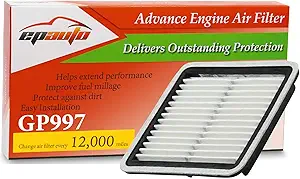 |
| Best Value The sweet spot between price and what you get | WISAMIC WM997 Engine Air Filter Replacement for Subaru |  |
| Best Budget The cheapest option that still gets the job done reliably | Carory Engine Air Filter AF997 for Subaru (vehicle-specific fit) |  |
| Highest Rated A top-rated pick with lots of positive feedback | K&N High-Flow Lifetime Engine Air Filter (33-2304) |  |
| Most Popular A crowd favorite that many people choose with confidence | Spearhead Max Thrust Engine Air Filter (MT-997) — High Dust Capacity, OEM Fit |  |
| Best Seller A high-volume bestseller chosen again and again | K&N Advantage Plus Engine Air Filter (18,000 Mile) |  |
1. ECOGARD XA5592 Premium Engine Air Filter

| Brand | ECOGARD |
|---|---|
| Model Number | XA5592 |
| Fit Type | Vehicle Specific Fit |
| Included Components | one air filter |
| Recommended Service Interval | 12,000 miles (manufacturer guidance) |
The ECOGARD XA5592 is a drop-in replacement engine air filter made to match factory fit for a range of Subaru models from the mid 2000s through the 2010s. It uses high-capacity filter media to trap dust, pollen, and road debris before air reaches the intake, which helps preserve engine components and maintain consistent throttle response and fuel efficiency between services. Installation is simple and usually requires no tools, so it is convenient for routine home maintenance at the recommended 12,000-mile interval. The filter’s vehicle-specific fit reduces the chance of gaps or misalignment that can let contaminants bypass the element. On the downside it is a single-use disposable element rather than a washable performance unit, and it provides a standard replacement-grade airflow rather than increased airflow for tuned engines. For owners seeking a straightforward, factory-quality replacement, this filter balances filtration efficiency and ease of service without aftermarket performance claims.
Best for: Buyers who want a reliable, factory-quality replacement that restores clean intake airflow with minimal fuss and fits specified Subaru models exactly.
Less Ideal for: Drivers seeking a reusable filter or aftermarket part to increase airflow and power should consider performance or washable alternatives.
- Vehicle-specific fit for direct replacement and easy installation.
- High-capacity filter media captures common contaminants like dust and pollen.
- Recommended service interval and design support consistent engine response and fuel efficiency.
- Compact, single-piece design requires minimal handling during replacement.
- Disposable design with no reusable or washable option.
- Not intended to increase airflow for performance-tuned engines.
Verdict: Choose this filter if you want an easy, vehicle-specific replacement that restores clean airflow and protects the engine with factory-quality filtration.
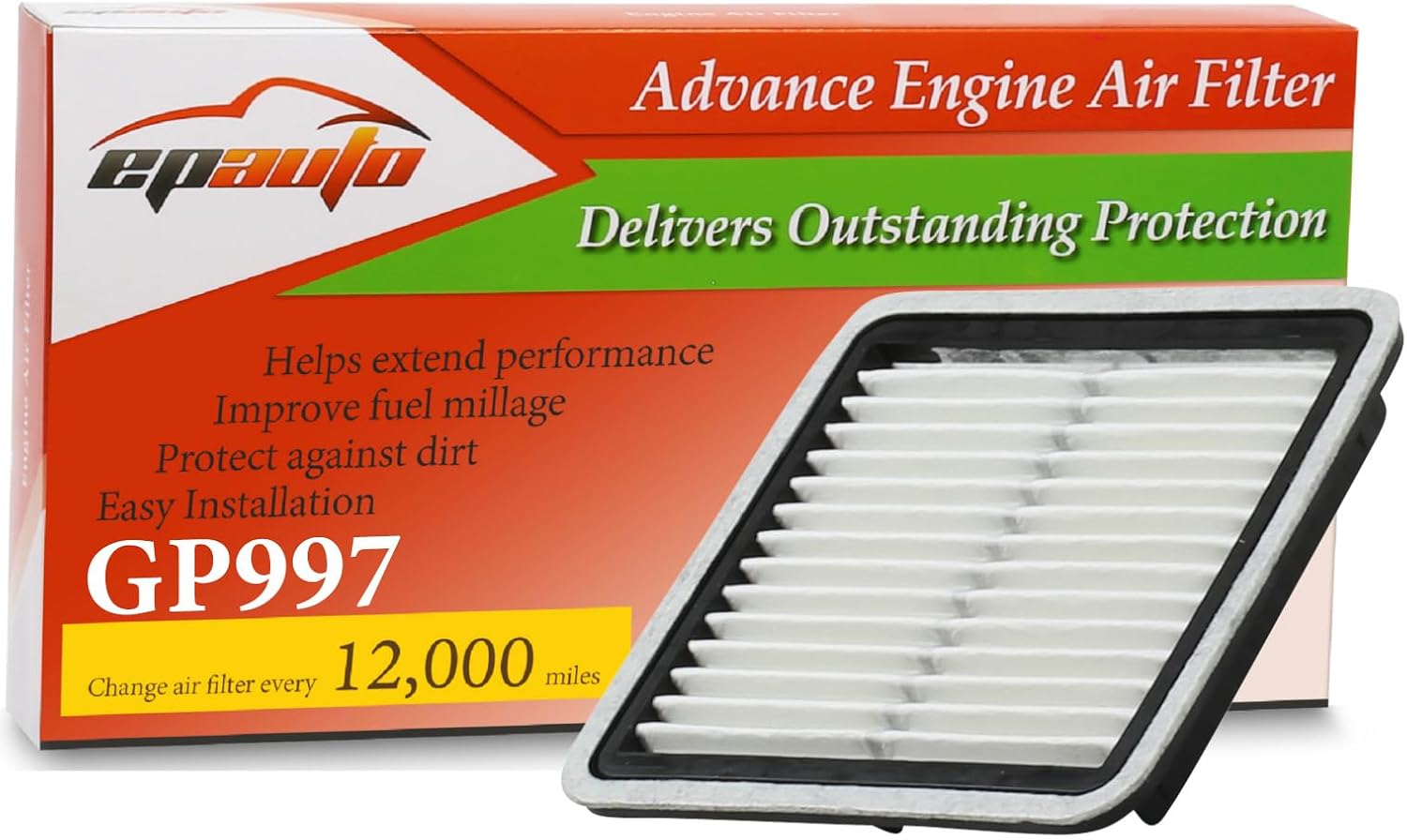
2. EPAuto GP997 (FP-012-1) Engine Air Filter for Subaru 2005-2019 Models
| Compatible Models | Subaru Outback 2005-2019 plus select Subaru models |
|---|---|
| Replacement For | Subaru part numbers 16546-AA090, 16546-AA10A, 16546-AA120, 16546-AA12A |
| Item model number | FP-012-1 |
| Shape | Rectangular |
The EPAuto GP997 is a direct-fit replacement engine air filter sized for many Subaru models including Outback 2005–2019, providing a straightforward swap for routine maintenance. It installs in the factory intake housing and is used exactly like a factory filter: remove the cover, swap the old element, clean the housing, and reinstall. The unit matches common Subaru part numbers and aims to trap particulates to protect the engine and help maintain fuel economy. Notable features include vehicle-specific fitment and a rectangular pleated media design that balances airflow and filtration for everyday driving. For a performance-minded buyer this filter offers reliable protection with minimal impact on intake flow compared with heavily restrictive aftermarket options. The main limitation is that it is a standard replacement filter rather than a high-flow or performance media, so gains in horsepower or throttle response will be negligible; drivers seeking measurable performance improvements should consider dedicated high-flow aftermarket replacements. Overall it is a practical, low-friction maintenance part that keeps the engine clean without modification to the intake system.
Best for: Drivers who prioritize restoring or maintaining factory-level engine protection and reliability while keeping installation simple and maintenance low-effort.
Less Ideal for: Enthusiasts looking for a performance-focused intake upgrade or reusable high-flow filter should look at dedicated performance filter options instead.
- Vehicle-specific fit for many Subaru models including Outback 2005–2019 for easy installation
- Pleated filter media provides reliable particle capture to protect the engine
- Matches common Subaru part numbers for straightforward replacement and fitment
- Lightweight, simple design makes DIY swaps quick and low-cost
- Not designed as a high-flow performance media so it will not deliver measurable horsepower gains
Verdict: A straightforward, vehicle-specific replacement that restores factory-level airflow and protection for Subaru Outback engines without modifying the intake.
3. WISAMIC WM997 Engine Air Filter Replacement for Subaru

| Model Number | WM997 |
|---|---|
| OEM Equivalent Part Number | 16546-AA090, 16546-AA10A, 16546-AA120, 16546-AA12A |
| Product Grade | Replacement Part |
| Fit Type | Vehicle Specific Fit |
The WISAMIC WM997 is a direct-fit replacement engine air filter made for many Subaru models including Outback 2005–2009. It installs the same way as a factory filter and is used to stop dust and debris from entering the intake, helping maintain acceleration and engine life. The listing identifies OEM equivalent part numbers and compatibility with common Subaru engines, which makes it straightforward to confirm fitment before buying. Practical benefits include simple, tool-free replacement at routine service intervals and a design intended to restore airflow compared with a clogged filter. Limitations are that this is a basic replacement filter with no performance or high-flow claims, so drivers seeking a measurable horsepower or throttle response gain should consider performance filters instead. For routine maintenance it offers an economical way to keep intake cleanliness and preserve factory drivability.
Best for: Drivers who prioritize sensible, cost-effective maintenance for a Subaru Outback and want a straight replacement that restores factory intake protection and drivability.
Less Ideal for: Drivers seeking a performance-oriented air filter for increased airflow or horsepower gains should look at aftermarket high-flow options instead.
- Vehicle-specific fit listed for many Subaru engines including Outback 2005–2009
- Identifies OEM equivalent part numbers for easy cross-checking
- Restores proper airflow compared with a dirty filter to help maintain acceleration
- Simple replacement that supports regular maintenance intervals
- No claims of high-flow or performance improvement over factory filters
Verdict: A practical, vehicle-specific replacement that restores factory-level intake protection for 2005–2009 Subaru Outback owners focused on routine maintenance.
4. Carory Engine Air Filter AF997 for Subaru (vehicle-specific fit)

| Brand Name | Carory |
|---|---|
| Model Number | AF997 |
| Product Grade | Replacement Part |
| Fit Type | Vehicle Specific Fit |
This Carory AF997 is a straightforward replacement air filter made to fit many Subaru models including 2005-2009 Outback applications covered by the article scope. It installs in the factory airbox and its pleated media is intended to keep dirt out of the intake while maintaining steady airflow for normal driving. Typical use is routine maintenance at scheduled intervals or when changing a clogged OEM filter; the part matches common Subaru reference numbers used for direct swap fitment. The practical benefits are simple: it restores filtration ability, helps maintain fuel combustion efficiency, and avoids the cost and complexity of performance filters. Expect reliable daily-driving performance and easy DIY installation with basic hand tools. The product is a replacement-grade aftermarket part rather than a premium high-flow element, so you should not expect measurable power gains or extended service life beyond typical replacement intervals.
Best for: Drivers looking for an affordable, no-frills replacement to restore proper air filtration on a 2005-2009 Subaru Outback and similar model years who prioritize cost and factory-style fit.
Less Ideal for: Enthusiasts seeking performance gains, extended service intervals, or specialized high-flow filtration should consider premium or performance-oriented air filters instead.
- Vehicle-specific fit for Subaru models in the covered year range for direct installation
- Pleated filter media designed to block dirt while preserving normal airflow
- Simple DIY replacement that fits the factory airbox without modification
- Replacement-grade option that costs less than higher-end performance filters
- Aftermarket replacement grade may not match longevity or filtration performance of some premium branded filters
Verdict: Choose this Carory AF997 when you want an inexpensive, vehicle-specific replacement that restores factory-style filtration on a 2005-2009 Subaru Outback.
5. K&N High-Flow Lifetime Engine Air Filter (33-2304)

| Model | High-Flow Engine Air Filter |
|---|---|
| Manufacturer Part Number | 33-2304 |
| Automotive Fit Type | Vehicle Specific Fit |
| OEM Part Number | 16546AA090, 16546AA10, 16546AA10A, 16546AA120, 16546AA12A |
This K&N High-Flow engine air filter replaces the factory paper element with a multilayer cotton-gauze filter that is pre-oiled and intended to boost airflow and throttle response. It installs directly into the factory air box for the specified fitment and is commonly used as a long-term replacement rather than a disposable filter. Notable features include multilayer filter media, washable/reusable construction, and K&N’s long-term limited warranty. For routine driving the filter is designed to need cleaning only around every 75,000 miles under normal highway conditions, which reduces upkeep compared with regularly replacing paper filters. The practical benefits are improved airflow that can translate to a slight increase in acceleration and fewer trips to change filters, plus lower landfill waste. Important limitations are that gains are typically modest on stock engines and the filter requires periodic re-oiling after cleaning, which adds a small maintenance step and a risk of over-oiling if not done carefully.
Best for: Buyers who prioritize long-term reliability and lower recurring maintenance costs and who prefer a durable filter that can be serviced rather than replaced frequently.
Less Ideal for: Drivers who want a completely maintenance-free solution or who prefer to avoid any re-oiling procedure should consider disposable replacement filters instead.
- Washable, reusable design reduces recurring replacement and waste
- Multilayer cotton-gauze media engineered to increase airflow compared with stock disposable filters
- Vehicle-specific fit that drops into the factory air box for simple installation
- Long service interval reported under normal highway driving conditions
- Requires cleaning and re-oiling after service which adds maintenance steps and risk of over-oiling
Verdict: Choose this K&N filter to get a durable, washable replacement that lowers recurring maintenance and maintains reliable airflow for long-term use in the specified Subaru Outback fitment.
6. Spearhead Max Thrust Engine Air Filter (MT-997) — High Dust Capacity, OEM Fit

| Manufacturer | Spearhead |
|---|---|
| Item model number | MT-997 |
| Manufacturer Part Number | MT-997 |
| OEM Part Number | CA9997 |
The Spearhead Max Thrust engine air filter is a direct-fit replacement intended for compatible Subaru models and aims to improve airflow and dirt-holding capacity compared with basic paper filters. It uses a multi-layer Hex-D pleat design that traps more and progressively finer particles while still allowing air to pass, so engines that were experiencing sluggish throttle response or reduced fuel economy should see a practical improvement. The filter is sized to match factory fitment and is a simple DIY swap that avoids a shop visit. Spearhead rates its service interval up to 15,000 miles or one year, which is typical for higher-capacity aftermarket media but depends on driving conditions. The main trade-offs are that the product is a single-use replacement rather than a reusable element and real-world gains in power or mileage will be modest on an otherwise healthy engine. Buyers should expect a reliable, higher-capacity paper-style replacement rather than a performance overhaul.
Best for: Buyers who prioritize proven customer-accepted replacements that improve filtration without modifying the engine, especially those replacing an aging or clogged factory filter to restore performance and economy.
Less Ideal for: People seeking a washable or long-term reusable performance intake solution or those looking for large horsepower gains from an air filter alone.
- Hex-D pleat multi-layer media traps finer particles and increases dust-holding capacity versus standard filters
- Direct-fit design matches factory airbox for straightforward DIY replacement
- Rated for up to 15,000 miles or one year between changes under normal conditions
- Can help restore throttle response and fuel efficiency when original filter is clogged
- Single-use disposable element rather than a washable or reusable filter
Verdict: A higher-capacity, direct-fit replacement that restores airflow and filtration for compatible Subaru engines without changing the intake system.
7. K&N Advantage Plus Engine Air Filter (18,000 Mile)
| Fit Type | Vehicle Specific Fit |
|---|---|
| Item Type Name | K&N Advantage Air Filter 18K Miles |
| Manufacturer | K&N Engineering, Inc. |
| Included Components | 1 Air Filter |
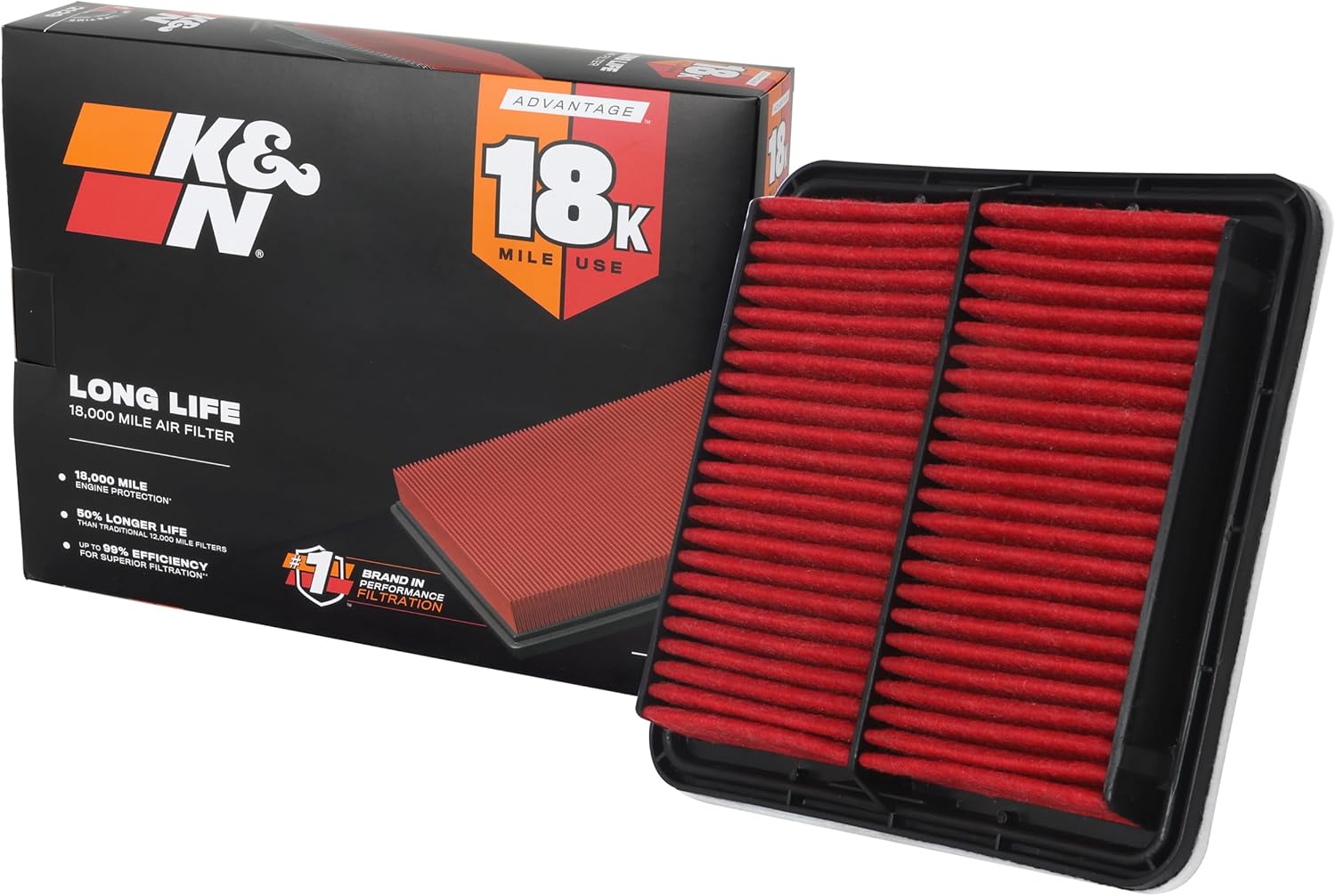
This K&N Advantage Plus air filter is a direct-fit replacement designed to drop into the factory air box for compatible Subaru H4 and H6 engines. It uses a premium synthetic/cellulose blend media engineered for up to 99% particle capture and is rated for 18,000 miles between changes, which is 50% longer life than many standard disposable filters. Installation is simple and typically takes only a few minutes with basic hand tools. The long-life media reduces how often you need to open the intake, and the filter is built to factory-fit specifications so it sits securely in the housing. The main compromises are that extended-life filters still require timely replacement to maintain airflow and protection, and performance gains are focused on longevity and protection rather than increased horsepower. For a risk-averse buyer seeking a reliable, vehicle-specific replacement that cuts service frequency without special modifications, this is a practical choice for 2005–2009 Outback applications when the listed fitment matches the engine type.
Best for: Buyers who prioritize dependable, low-maintenance factory-style replacement parts and want fewer air filter changes while keeping original equipment fit and function.
Less Ideal for: Drivers seeking maximum airflow gains or motorsport upgrades should consider performance-focused intake filters designed for increased flow rather than extended service life.
- Vehicle-specific fit for Subaru H4/H6 engines ensures simple drop-in installation
- Extended 18,000-mile service interval reduces replacement frequency
- Premium synthetic/cellulose blend media claims up to 99% particle protection
- Constructed to meet factory-quality fit and install easily into the stock air box
- Longer service interval means a single filter accumulates more contaminants before replacement
Verdict: A dependable, vehicle-specific replacement that extends service intervals to 18,000 miles while maintaining factory-style fit and strong engine protection.
Choosing the Right 2005-2009 Subaru Outback Air Filter: Key Factors to Consider
Filtration Efficiency
How well the filter traps particles matters because the 2005-2009 Outback's engine breathes directly through the intake element. Higher filtration efficiency reduces abrasive particles reaching the throttle body and cylinders, which helps maintain compression and fuel injector cleanliness over time.
Efficiency is typically achieved with finer media or multi-layer constructions. While finer media catches smaller particles, it can also increase airflow restriction if not paired with an engineered pleat pattern. For an Outback that sees highway miles and occasional gravel roads, prioritize a filter that balances efficiency with reasonable airflow rather than the absolute finest media available.
Airflow and Engine Performance
Airflow affects throttle response and engine power at all RPMs. On the 2005-2009 Outback, overly restrictive filters can make the engine feel sluggish, especially during acceleration or when towing a light load. You want an element that maintains steady airflow across the range without collapsing under intake vacuum.
Manufacturers achieve this with pleat spacing, media type, and frame rigidity. Consider how you drive: urban, stop-and-go use benefits from stable low-end response, while frequent highway driving values minimal restriction at higher flow rates.
Fitment and Seal Integrity
A correct fit is essential. Even a high-efficiency filter can fail if the gasket does not seal to the airbox flange on your 2005-2009 Outback. Poor sealing allows dirty air to bypass the media and enter the intake, negating any filtration benefits.
Check that the filter matches the factory outline and thickness. Look for a uniform gasket material and a rigid frame that resists warping. Filters designed specifically for this model year range reduce the risk of fitment issues.
Material Durability and Environmental Resistance
The Outback often encounters moisture, road salt, and dust. Filter media and frame materials should resist degradation in these conditions. Paper and synthetic blends differ in how they handle moisture; some treated media shed light moisture while others absorb it and clog faster.
Consider the environment where you drive. If you frequently encounter wet roads or winter salt, choose materials and constructions that maintain integrity and do not collapse or lose shape after exposure.
Serviceability and Maintenance
How easy the filter is to inspect, clean, or replace matters for long-term ownership. Disposable elements should be inexpensive and simple to swap during routine maintenance, while washable or oiled filters require a consistent cleaning schedule and correct re-oiling technique to avoid measurement errors or fuel metering issues.
Factor in whether you want a low-maintenance disposable option or a reusable element that demands more attention. The airbox accessibility on the 2005-2009 Outback influences how quickly you can perform these tasks.
Compatibility With Engine Controls
Modern engines rely on accurate airflow and pressure signals. For the 2005-2009 Outback, significant changes to intake flow characteristics can alter sensor readings or slightly affect fuel trims. While most direct-fit filters are designed to maintain expected airflow, aggressive modifications or poorly sealed elements can affect idle quality and throttle response.
Choose a filter that preserves expected intake dynamics or that is known to work without requiring ECU adjustments. This reduces the chance of drivability issues after installation.
When To Replace the Air Filter on a 2005-2009 Outback
Replacement intervals depend on driving conditions. For mostly highway use in clean environments, the factory interval is a reasonable starting point. If you regularly drive on dusty roads, gravel, or in heavy urban traffic, inspections should be more frequent and replacement intervals shortened accordingly.
Visual inspection is a practical first step. Remove the filter and hold it up to a light source. If you cannot see light through most of the media, it is time to replace it. Also check for signs of oil, tears, or a damaged gasket, any of which warrant immediate replacement.
- Inspect every oil change or at least every 6 months in normal conditions
- Check more often after extended off-road or dusty driving
- Replace immediately if media is torn, soaked, or deformed
Disposable Vs Reusable Filters: Pros and Cons
Disposable paper filters are simple, low-cost, and require no special maintenance. They offer predictable filtration performance and are often preferred for owners who want maintenance simplicity.
Reusable filters, typically made from washable synthetic or oiled cotton media, reduce waste and can save money over many service cycles but demand careful cleaning and correct reassembly. Improper cleaning or over-oiling can harm engine sensors or temporarily alter airflow readings.
- Disposable: low maintenance, reliable filtration, predictable replacement schedule
- Reusable: lower long-term cost, requires cleaning supplies and time, risk of improper servicing
How Filter Choice Affects Fuel Economy and Emissions
A filter that maintains proper airflow helps the engine run at designed air-fuel ratios, which supports consistent fuel economy. Slightly clogged or highly restrictive filters force the engine to work harder, which can marginally increase fuel consumption over time.
Filters do not directly change emissions equipment, but poor filtration that allows debris into the intake can accelerate wear on components that influence emissions. For drivers focused on the best fuel economy, select elements that balance filtration with minimal flow restriction.
- Regular replacement supports steady fuel economy
- Avoid overly restrictive media if maximum efficiency is the priority
Checking Fitment and Sizing For Your Outback
Always verify that the replacement element is specified for 2005-2009 Subaru Outback fitment. Airbox dimensions and mounting details are particular to this generation, so generic filters may not seal or seat correctly.
Measure the old filter if unsure: note outer dimensions, gasket footprint, and thickness. Confirm the replacement matches these dimensions and that the gasket will compress evenly when the airbox is closed.
- Confirm model-year specific fitment listings
- Compare physical dimensions and gasket shape before purchase
- Ensure the filter seats flat with no visible gaps
Practical Installation Tips
Work on a cool engine and keep the airbox clean when swapping the element. Wipe out loose debris with a dry cloth to prevent contamination. Position the filter to match the airbox locating tabs and compress the gasket evenly before securing the cover.
After installation, start the engine and listen for air leaks at the junctions. If you hear whistling or unusual intake noises, re-check the seal and ensure the airbox is latched correctly.
- Clean the airbox interior before installing a new filter
- Confirm the gasket seats fully and the cover is latched
- Test for intake leaks after installation
Still looking for the perfect fit?
Select your Subaru Outback configuration to see the most relevant Air Filters recommendations
How We Chose the Best 2005-2009 Subaru Outback Air Filter
We started by identifying filters designed specifically to fit the 2005-2009 Subaru Outback intake housing and removed any options without confirmed fitment data. From that pool we evaluated candidates across four to six concrete dimensions relevant to this vehicle and driving conditions. Those criteria included: filtration efficiency, measured by particle retention ratings or media construction; airflow characteristics, assessing how restrictive the element is under typical driving loads; build quality and sealing, including gasket design and frame rigidity to prevent bypass; serviceability, meaning how easy the filter is to inspect, replace, or clean when applicable; and material durability against oil, moisture, and road dust common in varied climates.We excluded options that lacked clear fitment information for the 2005-2009 Outback or that used nonstandard dimensions requiring modification. We also deprioritized filters whose claimed performance metrics were unsupported by specification sheets or manufacturer technical data. The result is a shortlist that balances protection, drivability, and practicality for owners of this Subaru Outback generation.
Our full evaluation process is outlined in our review methodology.
FAQ
How often should I change the engine air filter on a 2005-2009 Outback?
It depends on driving conditions. For mostly highway use in clean areas, inspect at oil changes and change roughly every 20,000 to 30,000 miles. For dusty or off-road driving, inspect more often and consider replacing every 10,000 to 15,000 miles.
Can I use a reusable washable air filter in my Outback?
Yes, reusable filters can be used if they are specified to fit the 2005-2009 Outback and are serviced correctly. Be careful with cleaning and re-oiling procedures, as improper servicing can lead to sensor issues or temporary drivability changes.
Will a high-flow air filter harm my Subaru's engine management?
Most direct-fit high-flow elements are designed to maintain expected intake dynamics and will not harm engine management. However, aggressive aftermarket changes that alter airflow significantly or allow intake bypass can affect fuel trims and idle quality.
How can I tell if my air filter is clogged?
Remove the element and hold it up to a light. If little to no light passes through the media, it is clogged. Also watch for reduced throttle response, reduced fuel economy, or a rough idle, which can indicate restriction.
Does the cabin air filter replacement schedule differ from the engine air filter?
Yes. The cabin filter serves the HVAC system and usually follows its own maintenance schedule. Check and replace the cabin filter based on the owner's manual intervals or sooner if you notice reduced ventilation or odors.
Are OEM and aftermarket air filters equally reliable for this Outback?
Both OEM and reputable aftermarket filters can provide reliable performance if they meet fitment and filtration standards. The key is verifying specifications and construction rather than assuming one source is always superior.
Final Verdict
For the 2005-2009 Subaru Outback, prioritize a filter that fits precisely and balances filtration efficiency with airflow. Consider your driving conditions: dusty or off-road use favors higher-efficiency media and more frequent changes, while mostly highway driving allows longer intervals and less restrictive elements.Make your choice based on the tradeoffs between maintenance effort, protection, and airflow. A properly fitting, well-sealed filter will provide the best overall value by protecting the engine, maintaining performance, and supporting steady fuel economy.
Explore More:
- Check out all Subaru Outback parts & accessories
- Explore Air Filters Maintenance & Repair Guides
- Explore Engine
- Browse all Auto Parts
