

Note: This article contains affiliate links. If you click on these links and make a purchase, I may earn a small commission at no extra cost to you. This helps support my research and content. Read my full affiliate disclosure here.
If your 1998-2002 Honda Accord is blowing warm air or making unusual noises when the A/C runs, the compressor is a likely culprit. Choosing the right 1998-2002 Honda Accord AC compressor matters because the correct unit ensures proper refrigerant flow, correct clutch engagement, and long-term reliability in a car that often stays on the road for many years.This guide covers seven shortlisted compressors selected for fitment to the 1998 through 2002 Accord chassis, explains the key reasons a compressor might fail, and outlines the practical evaluation criteria used to compare them so you can pick the best replacement for your situation.
Looking for other parts? See all Honda Accord parts & accessories.
Top Picks at a Glance
| Best Overall The best all-around choice for most situations | PHILTOP AC Compressor with Clutch for Honda Accord 1998–2002 3.0L |  |
| Best Quality Built to a higher standard if you want something more solid | AISIN Aftermarket ACCH-00080 Air Conditioning Compressor with 6-Groove Pulley and Clutch |  |
| Best Value The sweet spot between price and what you get | Torchbeam Automotive AC Compressor Kit with Clutch for 1998–2002 Honda Accord 3.0L |  |
| Best Budget The cheapest option that still gets the job done reliably | RY AC Compressors IH361 New A/C Compressor with Clutch and Pre-Filled Oil |  |
| Highest Rated A top-rated pick with lots of positive feedback | SCITOO AC Compressor with Clutch for Honda Accord 2.3L (1998–2002) |  |
| Most Popular A crowd favorite that many people choose with confidence | ECCPP A/C Compressor with Clutch for 1998–2002 Honda/Acura 2.3L |  |
| Best Seller A high-volume bestseller chosen again and again | PHILTOP CS20112 A/C Compressor with Clutch for Honda Accord 1998–2002 3.0L | |
1. PHILTOP AC Compressor with Clutch for Honda Accord 1998–2002 3.0L

| Voltage | 12 Volts |
|---|---|
| Recommended Uses For Product | Vehicle Air Conditioning |
| Noise | 72 Decibels |
| Maximum Pressure | 15.5 Bars |
This PHILTOP unit is a direct-replacement AC compressor with an included clutch intended for front-vehicle installation on the 3.0L Accord (1998–2002) and Acura CL (1997–1999). It ships prefilled with PAG 46 oil and is built with an aluminum alloy housing, cast iron pulley, and stainless steel valve plate. In use it provides stable, consistent cooling and is rated for low noise operation under 72 dB, which helps keep cabin noise down while the system runs. The pulley is a 6-groove serpentine type and the compressor is listed as a 10PA17C design, so it matches factory belt arrangements for covered models. Buyers should appreciate that the part is tested before delivery and includes basic installation hardware such as O-rings; however correct fitment depends on confirming part numbers and vehicle details before purchase. Installation may still require some mechanical experience and basic tools to remove the serpentine belt and mounting fasteners. Overall it is a practical repair option for restoring A/C performance on the specified Accord and CL V6s.
Best for: Buyers who want a tested, factory-style replacement to restore cooling on an affected 3.0L Accord or CL without sourcing separate clutch parts and who value a straightforward repair that keeps the vehicle close to factory performance.
Less Ideal for: Drivers looking for a universal or multi-vehicle compressor or those who prefer to have professional installation included should consider other options or a shop-installed replacement.
- Direct-replacement fitment for Accord 1998–2002 3.0L and Acura CL 1997–1999 3.0L as listed
- Ships prefilled with PAG 46 oil so no initial oil addition required
- Includes clutch and commonly needed O-rings and alignment features for simpler installation
- Built from alloy housing with cast iron pulley and stainless steel valve plate for durability
- Designed for low noise operation (under 72 dB) to minimize cabin sound when running
- Requires confirming OEM part numbers and some mechanical skill for correct installation
Verdict: A tested, prefilled direct-replacement compressor with clutch that restores factory-style cooling for 3.0L Accords and CLs.
2. AISIN Aftermarket ACCH-00080 Air Conditioning Compressor with 6-Groove Pulley and Clutch

| Voltage | 12 Volts |
|---|---|
| Compressor Type | 10PA17 |
| Oil Type | PAG 100 |
| Oil Prefilled | 160±10 ml |
This AISIN compressor is a direct replacement unit built to match factory-style operation for late 1990s Honda Accord 2.3L and Acura CL 2.3L systems. It ships prefilled with PAG 100 oil and includes a six-groove pulley and clutch so installers can drop it into vehicles that use that pulley configuration. Typical use is as a like-for-like repair when the original compressor fails or when restoring A/C performance after a system overhaul. AISIN supplies basic installation aids in the box and the unit is factory-sealed to protect internal parts during storage and installation. Practical benefits include compatibility with the stock belt and clutch setup, pre-lubrication to reduce break-in concerns, and a manufacturer-backed one-year warranty for added confidence. Limitations are that this is an aftermarket replacement rather than an enhanced performance unit, so it prioritizes reliable factory-style cooling rather than increased flow or higher capacity for modified systems.
Best for: Buyers who need a dependable, drop-in replacement to restore factory-level A/C performance on a 1998–2002 Honda Accord 2.3L or 1998–1999 Acura CL 2.3L and prioritize reliability and straightforward installation.
Less Ideal for: Drivers seeking upgraded cooling capacity for high-performance or heavily modified engines should consider performance-specific compressors instead.
- Direct-fit design for 1998–2002 Honda Accord 2.3L and 1998–1999 Acura CL 2.3L applications
- Factory-precharged with PAG 100 oil to simplify installation and initial operation
- Includes 6-groove pulley and clutch to match stock belt configurations
- Factory-sealed construction helps protect internal components until installation
- Comes with basic installation tools and manual to aid replacement
- Not marketed as a higher-capacity or performance compressor for modified cooling systems
Verdict: Choose this AISIN unit when you want a reliable, factory-style replacement compressor that drops into 1998–2002 Accord 2.3L and 1998–1999 CL 2.3L systems with minimal fuss.
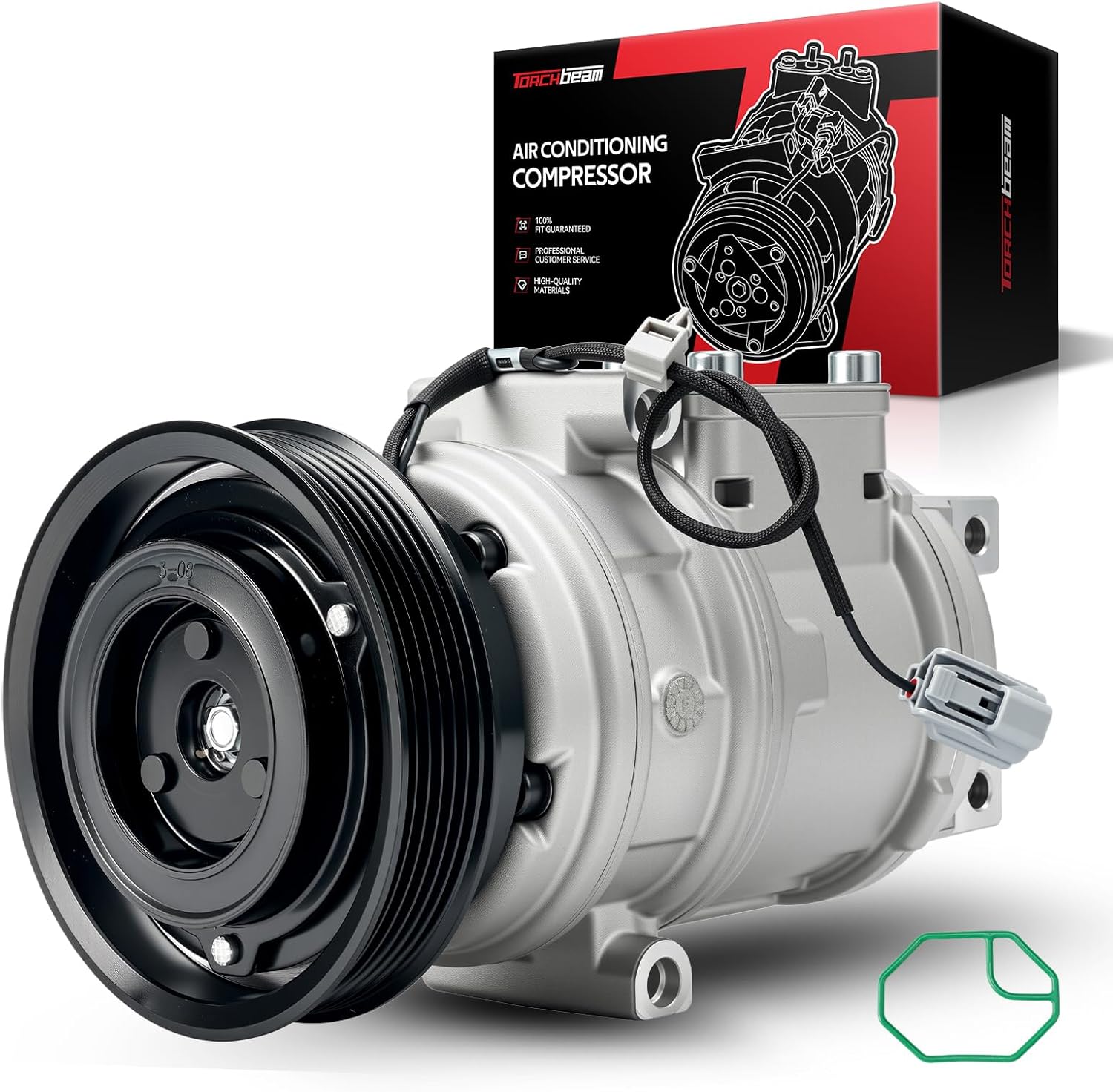
3. Torchbeam Automotive AC Compressor Kit with Clutch for 1998–2002 Honda Accord 3.0L
| Vehicle fitment | Honda Accord 1998–2002 3.0L; Acura CL 1997–1999 3.0L |
|---|---|
| Included components | Air Conditioning Compressor with Clutch |
| Manufacturer | Torchbeam |
| Manufacturer part number | 8770ACC297PUS |
| Warranty | 2 years |
This Torchbeam compressor kit replaces the factory unit and includes the clutch for a straightforward swap on the specified Accord and CL 3.0L engines. It is sold as a vehicle-specific replacement intended to restore cooling by matching the common part numbers listed for those years. In practice the unit offers rapid cooling and reduced noise according to the manufacturer, and reviewers report generally easy installation and effective A/C performance when fitted correctly. The kit is made with corrosion-resistant materials and claims energy-saving operation, which should help lower compressor load and preserve system efficiency. Important limits to note are fitment sensitivity and occasional clutch or connector location differences that may require minor wiring or bracket adjustments during installation. As with any compressor replacement, proper system evacuation, flushing, and fresh refrigerant and oil are needed to avoid premature failure.
Best for: Buyers who prioritize a practical, cost-conscious factory-replacement option for restoring A/C on a late 1990s to early 2000s Accord or CL and who plan to have the system serviced during installation.
Less Ideal for: If you want an upgraded performance compressor or are unwilling to perform or pay for proper system evacuation and flushing, choose a different solution or professional installation.
- Vehicle-specific fit for 1998–2002 Accord 3.0L and 1997–1999 CL 3.0L to match common replacement part numbers
- Includes clutch for a more complete replacement and fewer missing components at install
- Manufacturer notes corrosion-resistant construction and wear-resistant materials for longer service life
- Designed for quieter operation with noise reduction measures and claimed energy-saving performance
- Some units may have connector or clutch orientation differences that require minor wiring or routing adjustments
- Installation requires proper A/C system service (evacuation, flush, correct refrigerant and oil) to ensure reliability
Verdict: A practical, vehicle-specific compressor kit that restores A/C function on 1998–2002 Accord 3.0L models with included clutch and a two-year warranty.
4. RY AC Compressors IH361 New A/C Compressor with Clutch and Pre-Filled Oil

| Included Components | A/C Compressor, Clutch Assembly, Compressor Oil (Pre-Filled) |
|---|---|
| Model Number | IH361 |
| Manufacturer | RY AC Compressors |
| Material Type | Alloy Steel, Aluminum, Rubber |
This RY AC Compressors IH361 unit is a complete replacement A/C compressor intended to restore air conditioning function on compatible 1998–2002 Honda Accord and 1998–1999 Acura CL 2.3L vehicles. It ships with the clutch assembly and the correct amount of compressor oil already installed, which simplifies installation and reduces the number of additional parts you must source. The manufacturer states each compressor is tested for leaks, noise, and durability, and the kit is built from alloy steel and aluminum for corrosion resistance. For a budget-focused repair this covers the basics: it replaces a failed compressor without needing a clutch swap or separate oil filling. Expect a straightforward bolt-in replacement for owners comfortable with mid-level DIY or a technician install. Limitations include a lack of detailed fitment instructions in the listing and no explicit performance upgrade over factory units, so buyers seeking higher cooling output or premium branding may prefer other options.
Best for: Buyers replacing a failed compressor on a 1998–2002 Honda Accord who prioritize a complete, low-cost swap that minimizes additional parts and service time.
Less Ideal for: Shoppers wanting higher-than-factory cooling performance, branded premium parts, or extensive documented installation guidance should consider other options.
- Includes clutch assembly and correct amount of compressor oil reducing additional parts to buy
- Tested for leaks and noise which helps ensure basic reliability out of the box
- Constructed from alloy steel and aluminum for corrosion resistance and durability
- Listing does not include detailed fitment or installation instructions specific to the Accord models
Verdict: A budget-friendly, complete replacement compressor that gets a 1998–2002 Accord's air conditioning back to working order with minimal extra parts required.
5. SCITOO AC Compressor with Clutch for Honda Accord 2.3L (1998–2002)

| Compressor Type | 10PA17C |
|---|---|
| Oil Type | PAG46 |
| Pulley Grooves | 6 |
| Clutch Included | Yes |
This SCITOO AC compressor is a factory-style replacement for 1998–2002 Honda Accord 2.3L and compatible Acura CL applications. It arrives prefilled with PAG46 oil so initial bench checks and first startup do not require adding lubricant, and the included clutch simplifies installation compared with sourcing a separate clutch. In use the unit is designed to deliver strong compression for rapid cooling while running with low noise and minimal vibration. Practical advantages include an aluminum-alloy body for corrosion resistance and a 6-groove pulley that matches common accessory belt setups for these years. Important limitations are that refrigerant is not installed and new O-rings or line fittings are not provided, so expect to supply seals and recharge the system during installation. Also some buyers prefer upgrading to remanufactured OE parts if they want factory-sourced components and warranty coverage. For routine replacement on an older Accord this compressor provides a straightforward swap and restores A/C performance when the original unit has failed.
Best for: Buyers who prioritize a reliable, ready-to-install replacement to restore A/C function on a 1998–2002 Accord and want minimal preinstallation prep.
Less Ideal for: Those seeking a factory-sourced remanufactured compressor with manufacturer warranty or a complete service kit including seals and refrigerant should consider other options.
- Prefilled with PAG46 oil so no oil addition required for first startup
- Includes clutch for a simpler direct replacement installation
- Aluminum alloy construction resists corrosion and supports long service life
- Designed for rapid cooling while running with low noise and vibration
- Does not include new O-rings or fittings, which must be sourced separately
- Refrigerant is not charged so professional recharge is required after installation
Verdict: A practical, prefilled direct-replacement compressor that gets a 1998–2002 Accord A/C back to cold with minimal fuss for reliability-minded owners.
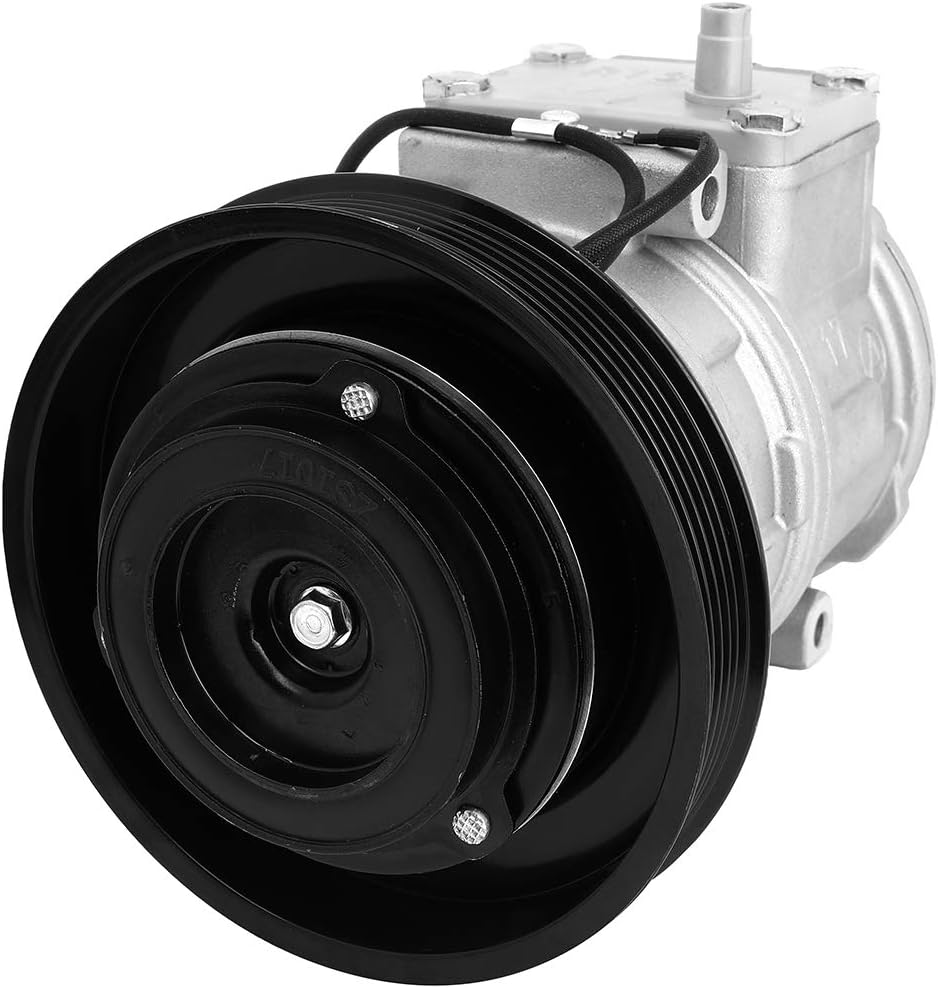
6. ECCPP A/C Compressor with Clutch for 1998–2002 Honda/Acura 2.3L
| Voltage | 12 Volts |
|---|---|
| Recommended Uses For Product | 1998–1999 Acura CL 2.3L; 1998–2002 Honda Accord 2.3L |
| Included Components | AC Compressor with Clutch |
| Special Feature | AC & DC Adaptable |
| Material | Aluminum |
This ECCPP unit is a direct-replacement A/C compressor with clutch assembled from aluminum and prefilled with PAG46 oil to simplify installation. It is designed to restore cooling by replacing a failed compressor on 1998–1999 Acura CL 2.3L and 1998–2002 Honda Accord 2.3L vehicles and ships pressure-tested to check for leaks. In real-world use the part promises low vibration and quiet operation under 72 dB, and multiple customer reports describe fast cooling performance once installed. The compressor includes the clutch and comes pre-lubricated so you normally will not need to add oil before startup. Important practical notes are that fitment has been inconsistent for some buyers and professional installation is recommended because incorrect mounting or compatibility issues with brackets and pulleys can lead to hours of extra work. If you buy this, verify pulley grooves and OEM part numbers against your car and be prepared to confirm fit before full installation.
Best for: Buyers who prioritize restoring reliable, factory-quality A/C cooling on a 1998–2002 Accord or 1998–1999 Acura CL and who will cross-check part numbers and pulley specs before installation.
Less Ideal for: People who need a guaranteed bolt-in swap without any verification or those unwilling to have a technician confirm fit and perform the installation.
- Includes compressor and clutch so no separate clutch purchase is needed
- Shipped pressure tested and prefilled with PAG46 oil for quicker install
- Aluminum construction claims low vibration and quieter operation below 72 dB
- Designed to meet factory-quality performance and tested prior to shipment
- Several buyers reported fitment problems requiring removal of nearby components or return
- Requires care verifying pulley grooves and OEM numbers before install to avoid wasted labor
Verdict: A complete, factory-replacement style compressor and clutch aimed at restoring strong, quiet cooling for 1998–2002 Honda Accord 2.3L owners who verify fitment before install.
7. PHILTOP CS20112 A/C Compressor with Clutch for Honda Accord 1998–2002 3.0L
| Voltage | 12 Volts |
|---|---|
| Maximum Pressure | 15.5 Bars |
| Oil Type | PAG 46 |
| Includes | Compressor with clutch |
This PHILTOP CS20112 A/C compressor is a direct-replacement unit meant to restore air conditioning performance on 1998–2002 Honda Accord 3.0L and 1997–1999 Acura CL 3.0L. It arrives pre-filled with PAG 46 oil and includes the clutch, so installation is straightforward for a mechanic or experienced DIYer replacing a front-mounted compressor. The unit uses an aluminum alloy housing, a cast-iron pulley and stainless steel valve plate and is rated to 12 volts with a maximum pressure of 15.5 bars. Reported noise is under 72 dB and several buyers note quiet clutch engagement and good cooling after installation. Because it replaces common OEM part numbers and is sold as a tested assembly, it is practical for someone who wants a like-for-like replacement without modifying the system. Limitations to consider are the need to confirm exact part numbers and vehicle fitment before ordering and that installation still requires correct refrigerant handling and system evacuation to avoid damage to the compressor.
Best for: Buyers who want a tested, factory-style replacement compressor that restores original cooling performance without upgrades and prefer a straightforward swap when repairing A/C on the specified Accord/CL models.
Less Ideal for: People looking for performance upgrades, universal fit parts, or a compressor for vehicles outside the listed Accord and CL model years should choose a different option.
- Direct-replacement fitment for 1998–2002 Accord 3.0L and 1997–1999 CL 3.0L, matching common OEM part numbers
- Delivered pre-filled with PAG 46 oil and includes the clutch for faster installation
- Aluminum alloy housing with cast-iron pulley and stainless steel valve plate for durable construction
- Low reported noise and quiet clutch engagement during operation
- Requires verifying part number and professional handling of refrigerant and system evacuation for proper installation
Verdict: A straightforward, pre-filled direct-replacement compressor for 1998–2002 Accord 3.0L owners who want reliable, factory-style cooling restored quickly.
Choosing the Right 1998-2002 Honda Accord AC Compressor: Key Factors to Consider
Fitment and Mounting
Correct fitment is the foundation for a successful compressor replacement on a 1998-2002 Honda Accord. The mounting holes, bolt pattern, and overall envelope must match the factory location so the compressor sits squarely and does not stress the drive belt or accessory brackets.
An improperly fitting unit can cause misalignment that accelerates belt wear, increases noise, and causes premature bearing failure. Confirming the pulley diameter and center-to-center spacing ensures the belt tracks correctly and accessory drive load remains within factory expectations. For the Accord, pay attention to the compressor orientation relative to evaporator and condenser lines so hoses reach without kinking.
Clutch and Electrical Compatibility
The compressor clutch must match the Accord's electrical connector and engage at the correct time when the climate control commands cooling. A clutch that draws incorrect current or that has a different engagement gap can cause weak engagement, slipping, or electrical faults in the vehicle.
Electrical compatibility matters for seamless operation of automatic climate control cycling and pressure-based cutouts. Confirm the coil resistance and plug type to avoid wiring changes. A properly matched clutch prevents erratic cycling and reduces the likelihood of belt slippage and audible chirp when the A/C cycles on and off.
Sealing, Oil Charge, and Internal Components
A compressor's internal seals and oil charge are critical for preventing refrigerant and lubricant loss. For older systems like the 1998-2002 Accord, choose compressors with proven shaft-seal designs and documented factory oil fill levels. Inadequate sealing accelerates deterioration of system components and can lead to compressor failure.
Check whether the replacement ships with the correct type and amount of PAG oil and that the ports are protected during shipping. Internal valve quality and piston or scroll machining affect efficiency and internal friction, which in turn changes cabin cooling performance and drive load on the engine.
Durability and Corrosion Resistance
Corrosion resistance is important for vehicles exposed to road salts and humid climates. Compressors with protective coatings, stainless fasteners, and treated housings resist pitting that can lead to leaks or seizure of moving parts.
Bearing quality and cage design influence long-term durability. Lower-friction, well-lubricated bearings reduce heat buildup and wear. On a 1998-2002 Accord that may have higher mileage, prioritizing components built for longevity reduces the chance of repeat replacement and associated labor.
Serviceability and Installation Ease
Ease of installation lowers labor time and reduces the chance of errors during replacement. Compressors that include service items such as new O-rings, adapter fittings, or a pre-adjusted clutch gap simplify the job, especially if you plan to do the work yourself.
Clear documentation on torque specs, required refrigerant oil volume, and recommended system evacuation/recharge procedures helps maintain system integrity. Consider whether the compressor allows for reuse of existing lines without fittings modification, which can save time and prevent leaks.
Warranty and Support
A clear warranty gives confidence in the long-term function of the compressor. Look for warranties that cover mechanical and sealing defects and that specify duration and the process for claims. Adequate support from the supplier or distributor also helps when installation questions arise.
Warranty terms often reflect the manufacturer's confidence in their product. Exclusions should be reviewed carefully, particularly clauses that void coverage if OEM service procedures were not followed. For a vehicle of this age, a reasonable warranty combined with documented support can offset the replacement effort if early failures occur.
Common Symptoms of AC Compressor Failure
Recognizing early signs of compressor trouble helps you diagnose before extensive damage occurs. For a 1998-2002 Honda Accord, common indicators include weak or no cold air, unusual noises coming from the engine bay when the A/C cycles, and visible oil residue around compressor seals or hose connections.
- Intermittent cooling or gradual loss of cooling capacity
- Grinding or squealing noises originating near the compressor when the A/C is engaged
- A/C clutch that does not engage or engages erratically
- Oil stains or residue on compressor body or nearby lines
Preparing the System Before Replacement
Proper preparation minimizes the risk of contaminating the new compressor. Start by fully evacuating and recovering the refrigerant using appropriate equipment, then inspect the condenser and evaporator for blockages or internal collapse that could have caused compressor overwork. Replace the receiver-drier or accumulator and any visibly damaged hoses to prevent debris from circulating through the new unit.
- Evacuate the system and leak-check all connections
- Replace the drier or accumulator when the compressor is replaced
- Flush the system only when recommended and with compatible flushing agents
- Confirm that the condenser and evaporator are free of obstructions
Clutch Service and Adjustment Tips
When installing a replacement compressor, inspect the clutch air gap and the condition of the pulley assembly. A correct air gap ensures reliable engagement without slippage. If the replacement does not include a clutch or pulley, fit a matched assembly and verify coil resistance before final installation.
- Measure clutch air gap per factory specs and adjust before charging
- Check pulley for wobble or rough bearing noise
- Test coil resistance to ensure electrical compatibility
- Use proper torque on clutch and pulley fasteners to avoid warping
Post-Installation Checks and Break-In
After installation and proper evacuation, charge the system to the recommended refrigerant level and run the vehicle through several cooling cycles while monitoring high and low side pressures. Observe the compressor for leaks, unusual noise, or excessive current draw during the first hours of operation to detect early problems.
- Monitor current draw during cycling to spot hard starts or internal drag
- Verify cabin air temperature improvement and stable system pressures
- Re-inspect connections for leaks after initial run-in
- Allow a brief break-in period at idle with several short cooling cycles before heavy use
When to Seek Professional Diagnosis
Some symptoms require specialist tools and experience. Persistent abnormal pressure readings, electrical faults triggering other systems, or evidence of metal contamination in the oil are situations where a professional A/C technician can perform deeper diagnostics such as system chromatography or electrical load testing to prevent repeat failures.
- High or low side pressures outside expected ranges after charging
- Metal particles in recovered refrigerant oil
- Intermittent clutch engagement tied to vehicle electrical faults
- Complex electrical wiring changes required for a replacement clutch
Still looking for the perfect fit?
Select your Honda Accord configuration to see the most relevant AC Compressors recommendations
How We Chose the Best 1998-2002 Honda Accord AC Compressor
We focused on compressors that match the exact 1998-2002 Honda Accord fitment, prioritizing units designed for direct compatibility with the factory mounting points, pulley diameter, and electrical connector arrangements. Selection criteria emphasized build quality, including sealed bearing assemblies and corrosion-resistant finishes that help longevity in older vehicles.Performance criteria included clutch engagement reliability and internal valve function to maintain proper system pressures. We evaluated compressor displacement and pulley speed consistency because those affect cooling capacity and drive loading on the accessory belt. Serviceability factors were considered, such as ease of installing new O-rings, availability of balanced pulley assemblies, and whether the unit ships with a properly precharged clutch gap.Durability filters excluded compressors lacking proper shaft-seal designs or those with unreliable warranty terms. Units that required extensive modification, nonstandard hoses, or aftermarket brackets were not included. We also discounted options without documented refrigerant oil charge or clear instructions for system evacuation and recharge.
Our full evaluation process is outlined in our review methodology.
FAQ
How do I know if my Accord's compressor is failing or it is another A/C component?
Symptoms like lack of cold air, clutch not engaging, or grinding noises point to the compressor but can overlap with low refrigerant or a failing expansion valve. Start with a visual inspection for oil leaks and clutch engagement tests. Pressure readings and an electrical check of the clutch coil help isolate the compressor from other components.
Can I replace the compressor myself on a 1998-2002 Honda Accord?
A competent DIYer with the right tools can replace the compressor, but the job requires refrigerant recovery equipment, an accurate vacuum pump, and knowledge of proper evacuation and recharge procedures. If you lack specialized tools or experience with refrigerant handling, professional service is recommended.
Should I replace the receiver-drier or accumulator when replacing the compressor?
Yes. Replacing the drier or accumulator is standard because it traps moisture and debris that can damage a new compressor. Installing a fresh drier helps protect the replacement unit and is a low-cost, high-impact preventive step.
What causes the compressor clutch to stop engaging on these Accords?
Clutch non-engagement can stem from electrical issues such as a blown fuse, faulty relay, damaged wiring, or a worn clutch coil. Mechanical problems like seized bearings or internal compressor failure also prevent engagement. An electrical test of the coil and inspection of fuses and relays usually reveals the cause.
Is it necessary to flush the A/C system before installing a new compressor?
Flushing is sometimes necessary if there is internal compressor damage with debris present, but it must be done with compatible solvents and care to avoid pushing contaminants into the condenser or evaporator. Many technicians prefer replacing the drier and evacuating thoroughly rather than aggressive flushing unless metal contamination is confirmed.
How long should a properly installed replacement compressor last in a 1998-2002 Accord?
Lifespan varies with use, climate, and maintenance. A correctly installed compressor that addresses root causes and is paired with fresh drier and proper oil charge can last many years, but exposure to road salt, frequent short trips, or prior system contamination can shorten service life.
Final Verdict
For a 1998-2002 Honda Accord, prioritize a compressor that matches factory fitment, has a compatible clutch and electrical interface, and includes proper sealing and oil charge. Addressing related service items such as the drier and verifying system cleanliness during installation reduces the risk of early failure.Balance durability and serviceability when deciding. If you want long-term reliability, focus on build quality and correct sealing. If ease of installation is more important, choose units that include service items and clear instructions. Either approach will help restore dependable cooling to your Accord.
Explore More:
- Check out all Honda Accord parts & accessories
- Explore AC Compressors Maintenance & Repair Guides
- Explore HVAC
- Browse all Auto Parts
