

Note: This article contains affiliate links. If you click on these links and make a purchase, I may earn a small commission at no extra cost to you. This helps support my research and content. Read my full affiliate disclosure here.
If your Mercedes-Benz GLE is showing ABS warnings, an issue with the wheel speed sensor is a common culprit that can affect braking stability and traction control. Choosing the right Mercedes-Benz GLE ABS wheel speed sensor matters because fitment, signal fidelity, and durability directly affect diagnostic clarity and driving safety. This guide covers our seven shortlisted sensors, each selected for strong fitment and dependable signal output for the GLE.Below we explain the evaluation criteria and practical considerations to help you pick the correct sensor for your driving needs and repair approach.
Looking for other parts? See all Mercedes-Benz GLE parts & accessories.
Top Picks at a Glance


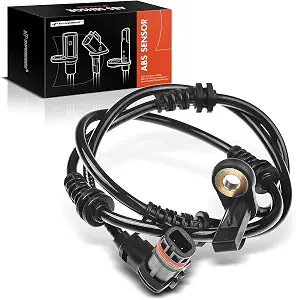


1. A-Premium Rear ABS Wheel Speed Sensor 2‑Piece Set for Mercedes‑Benz GLE/GLS/ML (Rear Left & Right)

| Connector | 2 Pins |
|---|---|
| Location | Rear Left and Right |
| Quantity Sold | Set of Two Pieces |
| Reference Numbers | A1669054102, A1669052701, A1665400317 |
This two-piece A-Premium rear wheel speed sensor set replaces the rear left and right sensors on many Mercedes‑Benz GLE, GL, GLS, and ML model years fitted with 4‑wheel ABS. The sensors come with a 2‑pin connector and list multiple factory reference numbers for direct-fit replacement, so installation is typically a straight swap using the factory harness and mounting points. In use the sensors provide wheel speed input for ABS and stability systems; matching connector style and placement reduces installation time and the need for modification. The practical benefits are easy fitment on the specified models, a matched left/right pair sold together, and a one-year unlimited-mileage parts guarantee. Limitations are that fitment is limited to the published Mercedes models and AWD/4‑wheel ABS configurations only, and buyers should confirm the exact reference number and connector before ordering to avoid mismatch with some variants. Professional installation is recommended if you do not have experience with ABS components.
Best for: Balanced, practical Mercedes owners looking for a straightforward, budget-conscious replacement that restores ABS and stability system function on covered GLE/GLS/GL/ML models with 4‑wheel ABS.
Less Ideal for: Owners who need sensors for models or configurations not listed or those wanting brand‑name factory parts and dealer-level support should consider alternatives.
- Sold as a matched two-pack covering both rear left and right sensors for a coordinated repair
- Direct-fit connector style with listed factory reference numbers to simplify matching to the vehicle harness
- Compatible with a long list of Mercedes‑Benz GLE/GL/GLS/ML model years fitted with 4‑wheel ABS
- Includes a one-year unlimited‑mileage parts guarantee for replacement confidence
- Fitment only covers the specific Mercedes models and AWD/4‑wheel ABS configurations listed, so it is not universal
- No vehicle-specific calibration instructions included so a scan tool may be needed to clear fault codes after installation
Verdict: A practical matched rear sensor pair that provides a direct-fit replacement to restore ABS wheel speed input on applicable Mercedes‑Benz GLE/GLS/GL/ML models with 4‑wheel ABS.
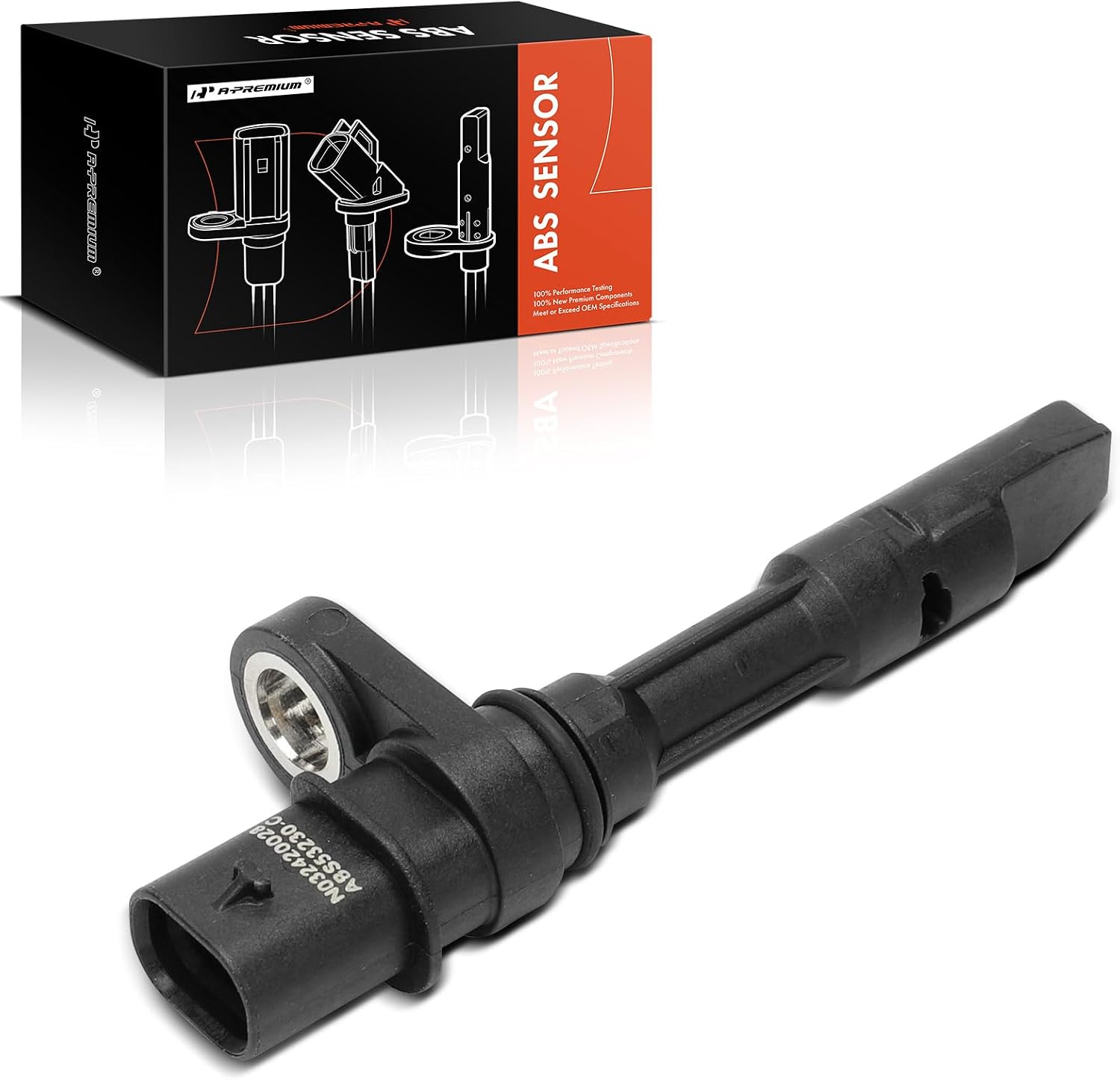
2. A-Premium ABS Wheel Speed Sensor (A2479050000) for Mercedes-Benz
| Mounting Type | Bolt Mount |
|---|---|
| Output Type | Push-Pull |
| Material Type | Acrylonitrile Butadiene Styrene |
| Model | A2479050000 |
This A-Premium ABS wheel speed sensor replaces the factory speed sensor on select Mercedes-Benz models and Sprinter vans to restore wheel-speed input for ABS and traction systems. It is a bolt-mount, push-pull output sensor made from ABS plastic and sold individually; fitment listings specify front or rear application by model and year so you must pick the correct position. In use the sensor provides the basic wheel-speed signal the vehicle control modules expect, which is sufficient for repairing a failed sensor and clearing ABS or traction faults. The practical benefits are straightforward: a direct-fit aftermarket option with clear OEM reference numbers and a one-year unlimited-mileage guarantee. Limitations include plastic construction rather than metal housings used by some factory parts and the need to confirm front versus rear fitment per vehicle before ordering. Installation will typically require wheel removal and brake access, and professional calibration is not usually necessary unless your vehicle prompts a relearn procedure.
Best for: Performance-oriented buyers seeking a reliable, vehicle-specific replacement to restore ABS and traction system function quickly and keep a high-performance Mercedes-Benz GLE running correctly.
Less Ideal for: Drivers who prioritize factory-metal housings or full OEM parts provenance should consider factory-quality replacements or dealer parts instead.
- Direct-fit aftermarket replacement for specific Mercedes-Benz and Sprinter applications
- Sold as a single, bolt-mount sensor that matches OEM mounting style
- Clear OEM reference numbers listed for easier parts verification
- One-year unlimited-mileage parts guarantee from the brand
- Plastic (ABS) body rather than a metal housing which may affect long-term durability in extreme conditions
Verdict: A-Premium supplies a vehicle-specific, direct-fit ABS wheel speed sensor that restores wheel-speed signaling for Mercedes-Benz models with a one-year parts guarantee.
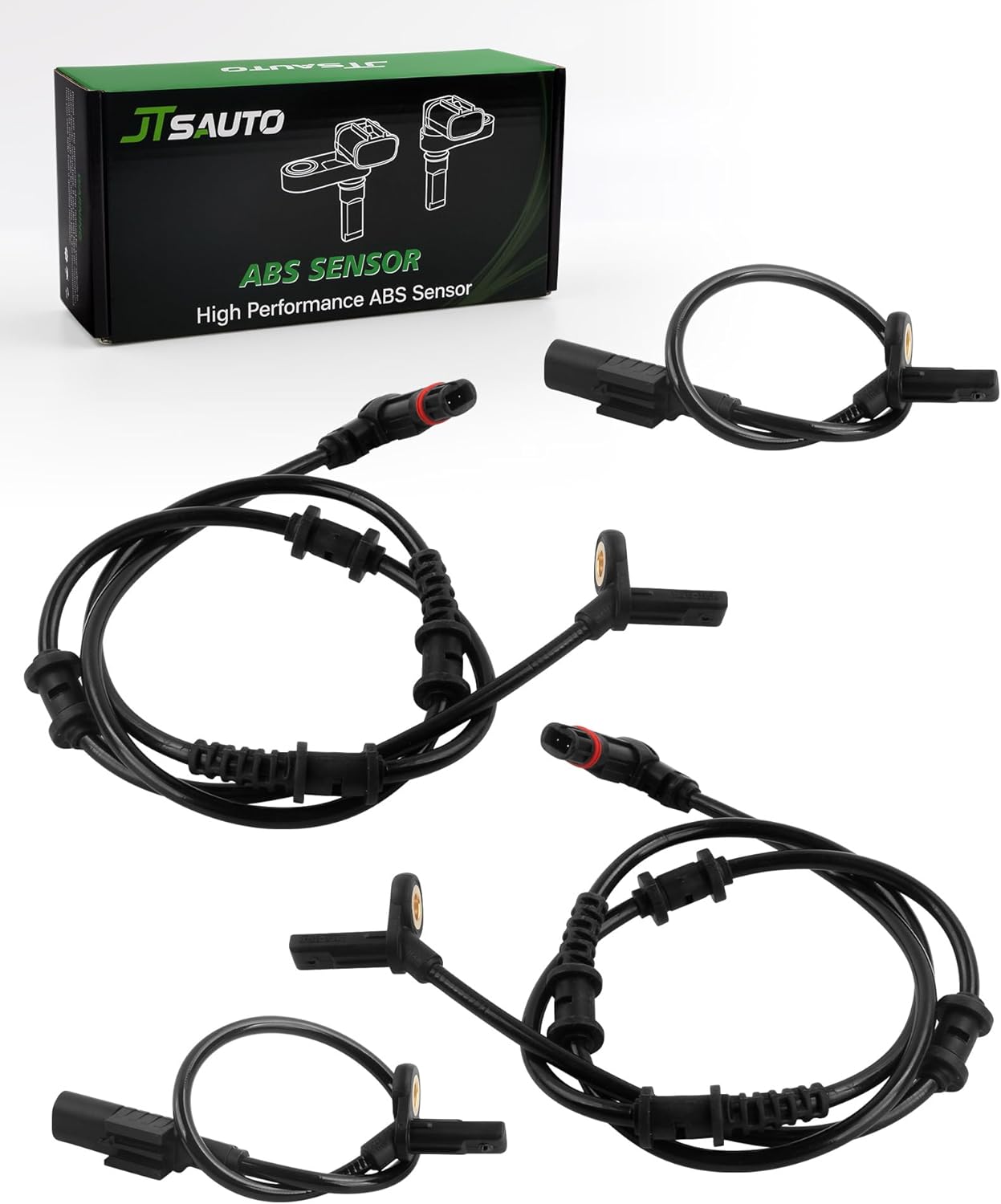
3. JTSAUTO 4-Piece ABS Wheel Speed Sensor Kit for Mercedes-Benz (fits ML/GL/R series)
| Measurement Accuracy | ±2% |
|---|---|
| Mounting Type | Wheel Mount |
| Output Type | electrical signal |
| Included Components | ABS Wheel Speed Sensor (4 count) |
This JTSAUTO kit supplies four wheel speed sensors intended as direct replacements for the front and rear positions on specified Mercedes-Benz ML, GL, and R vehicles. Installers will use these to restore accurate wheel-speed data to the ABS control module when factory sensors fail or trigger the ABS warning light. The kit is built from metal, silicon, and ceramic components and reports ±2% measurement accuracy and a wheel-mount design that matches the original mounting style. In practice the sensors offer straightforward plug-and-play installation with the vehicle harness and aim to recover traction control and ABS responsiveness without modification. Benefits include a complete set for all four corners and stable electrical output for predictable system behavior. Limitations: long-term durability depends on installation environment and comparisons to factory parts are not specified, so professional inspection after fitment is advised if corrosion or wiring damage is present on the vehicle.
Best for: Practical optimizer buyers who want a full, cost-effective sensor kit to restore ABS operation on a Mercedes-Benz GLE‑family vehicle without paying for dealer parts or replacing sensors one at a time.
Less Ideal for: Buyers seeking factory-sourced sensors with documented OEM longevity or those unwilling to inspect wiring and mounts during installation should consider dealer or higher-end alternatives.
- Complete four-piece kit covers front and rear replacement needs
- Direct-fit wheel-mount design intended for plug-and-play installation
- Reported ±2% measurement accuracy for consistent wheel-speed signal
- Compatible with several Mercedes-Benz ML, GL, and R model years listed in the product fitment
- No long-term lifespan data compared with factory sensors is provided
- Installation may require inspection or replacement of existing harness or mounting hardware if corroded
Verdict: Provides an affordable, complete four-sensor replacement to quickly restore ABS wheel-speed input on compatible Mercedes-Benz GLE-family models.
4. Auto Dynasty Front Left/Right ABS Wheel Speed Sensor (fits select Mercedes-Benz GL/ML 2006–2012)

| Mounting Type | Flange Mount |
|---|---|
| Output Type | electrical signal |
| Upper Temperature Rating | 475 Degrees Fahrenheit |
| Material Type | Acrylonitrile Butadiene Styrene |
This Auto Dynasty ABS wheel speed sensor pair replaces the factory sensors on compatible Mercedes-Benz GL and ML SUVs to restore ABS and traction control signaling. It mounts at the wheel hub and outputs an electrical wheel-speed signal to the vehicle control modules. The sensors feature a sealed connector and shielded wire harness to resist corrosion and reduce electrical noise, which helps maintain reliable sensor readings in typical road conditions. Installation is plug-and-play for most mechanically competent owners or shops, but the manufacturer recommends professional installation and no instructions are included. As an aftermarket budget option the sensors match factory form and function at a lower cost, though they are not sold by the vehicle brand and long-term durability may vary versus higher-end replacements. Buyers should verify OEM part numbers listed for fitment before ordering and expect basic packaging and limited documentation compared with premium parts.
Best for: Budget-conscious Mercedes-Benz owners who want a low-cost, practical replacement to restore ABS/traction system function without paying for premium branded parts.
Less Ideal for: Buyers seeking manufacturer-sourced parts with extended proven longevity or those who require included installation guidance and full technical support should consider higher-end or dealer options.
- Direct-fit plug-and-play design for straightforward replacement on listed Mercedes-Benz GL/ML models
- Sealed wire connections and shielded harness reduce corrosion and electrical interference
- Designed to restore ABS and traction control signaling when an original sensor fails
- Aftermarket part with limited documentation and no installation instructions included
Verdict: A low-cost, plug-and-play replacement sensor set that restores ABS function on compatible Mercedes-Benz GL and ML models without the premium price.
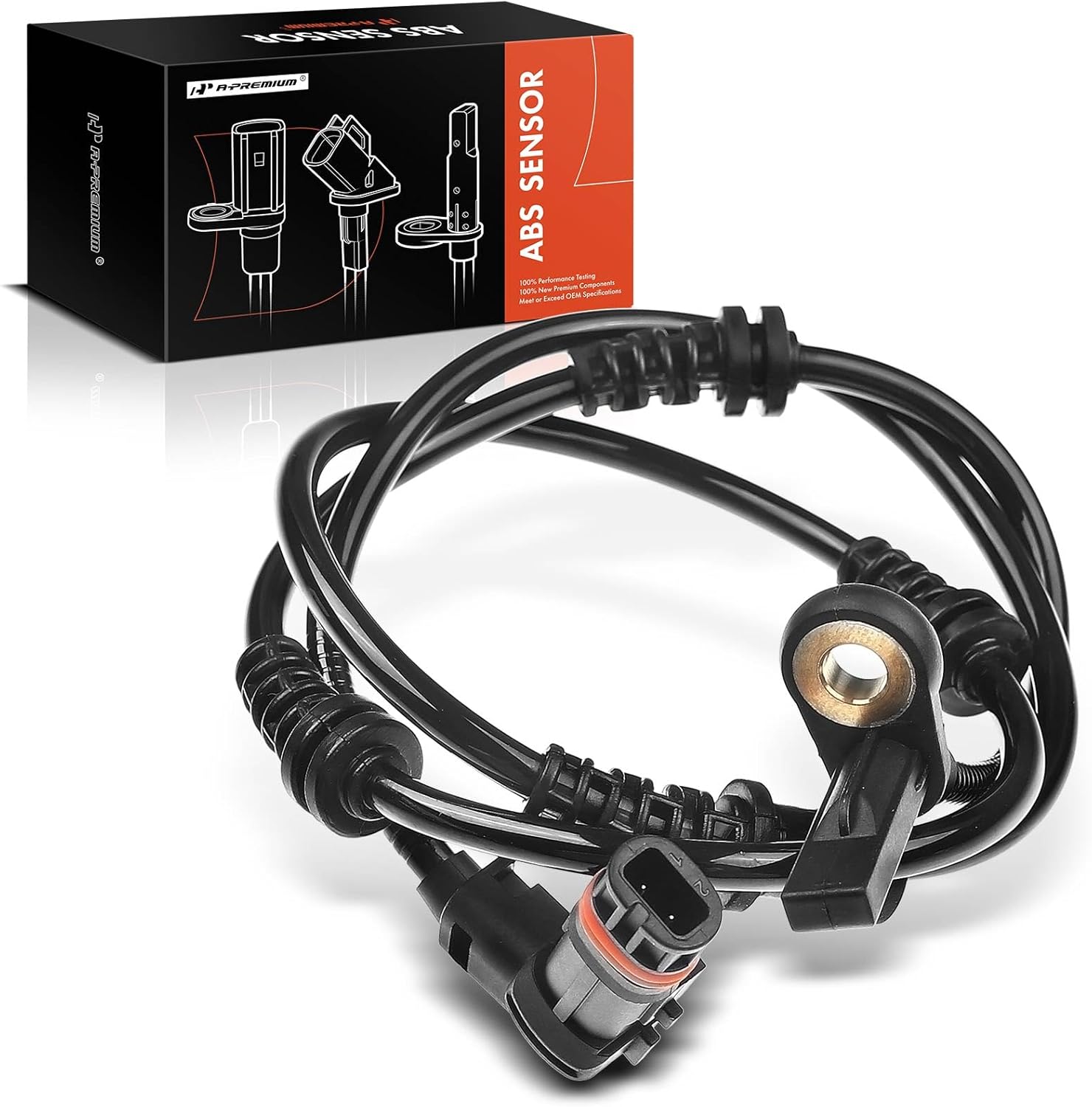
5. A-Premium Front ABS Wheel Speed Sensor for Mercedes-Benz GL/ML (Front Left or Right)
| Maximum Supply Voltage | 12 Volts |
|---|---|
| Mounting Type | Wheel Mount |
| Output Type | Digital |
| Upper Temperature Rating | 140 Degrees Celsius |
| Material Type | Acrylonitrile Butadiene Styrene |
This A-Premium front ABS wheel speed sensor replaces a failed factory sensor to restore accurate wheel speed input to the vehicle's ABS and stability control systems. It is sold as a single unit for the driver or passenger front side and is intended for bolt-in installation using the factory mounting points and wiring connector. Notable features include a digital output, a 12 V supply rating, and a listed upper temperature rating of 140 C, with an ABS plastic housing for corrosion resistance. In practice the sensor lets the control module regain stable speed readings quickly after replacement, which can clear ABS and traction control faults and return normal braking behavior. Some users report an exact plug-and-play fit while others needed light sanding on the sensor nose for tight hubs, so careful trial fitting is wise. The part comes with a one-year unlimited-mileage parts guarantee, but the warranty excludes installation and other related costs.
Best for: Reliability-focused buyers who prioritize restoring factory safety system function without overpaying and prefer a direct replacement to get ABS and stability control working again.
Less Ideal for: Buyers seeking a multi-sensor kit or professional installation-inclusive solution should consider alternatives; those wanting OEM-branded parts for dealer-level warranty coverage may prefer a factory part.
- Direct-fit front left or right replacement for specified Mercedes GL and ML model years
- Digital output and factory-style mounting for straightforward electrical compatibility
- Upper temperature rating of 140 C and ABS housing for basic thermal and corrosion resistance
- One-year unlimited-mileage parts guarantee from the brand
- Sold as a single sensor so replacing both sides requires two purchases
- Fitment can be tight in some hubs and may need minor adjustment or light sanding to install
Verdict: A practical, direct-fit front ABS wheel speed sensor that restores wheel-speed input and ABS/ESP function on covered Mercedes-Benz GL and ML models.
6. A-Premium Front Wheel Speed (ABS) Sensor for Mercedes-Benz (Front Left/Right)

| Mounting Type | Wheel Mount |
|---|---|
| Output Type | Analog |
| Specific Uses For Product | automotive |
| Material Type | Ceramic, Metal, Plastic |
This A-Premium front wheel speed sensor is a direct-fit replacement for a range of Mercedes-Benz GLE, GL, GLS and ML model years and installs at the front left or right wheel mounting position. It provides an analog output wheel-speed signal used by ABS and traction control systems and is sold as a single sensor. The sensor matches common factory reference numbers for fitment and arrives ready to plug into the factory harness, making it a convenient spare for owners who want a quick repair without sourcing dealer parts. Its materials list (ceramic, metal, plastic) and wheel-mount design are what you expect from economy aftermarket parts. Practical benefits include straightforward installation, compatibility with specified model years, and a one-year unlimited-mileage guarantee. Limitations are that it is offered as a single unit rather than a paired set and the listing provides limited technical detail about electrical tolerances or corrosion protection compared with higher-end replacements.
Best for: Convenience-driven Mercedes-Benz owners who prioritize a quick, affordable, factory-style replacement to restore ABS and traction function with minimal fuss.
Less Ideal for: Drivers who prefer OEM-branded parts or who want matched-sensor sets and full factory-level specifications should consider dealer or premium aftermarket options instead.
- Direct-fit replacement for many Mercedes-Benz GLE/GLS/GL/ML front wheel applications
- Plug-and-play wheel-mount design simplifies installation for quick repairs
- Covers both left and right front positions so either wheel can be serviced
- Backed by a one-year unlimited-mileage guarantee for basic buyer protection
- Sold as a single sensor rather than a front-axle pair
- Limited published technical details on electrical specs and corrosion protection
Verdict: A practical, plug-and-play front wheel speed sensor that gets ABS and traction systems working again quickly on supported Mercedes-Benz models.
7. labwork Front and Rear ABS Wheel Speed Sensor Kit (4 pcs) for Mercedes-Benz W164/GL/ML/R Series

| Mounting Type | Flange Mount |
|---|---|
| Output Type | Digital |
| Specific Uses For Product | Speed |
| Upper Temperature Rating | 125 Degrees Celsius |
| Material Type | Acrylonitrile Butadiene Styrene |
This labwork kit supplies four flange-mount digital wheel speed sensors intended as direct replacements for affected Mercedes-Benz GL, ML and R models. Installation is intended to be plug-and-play without vehicle modification and the sensors use durable ABS housings and reinforced wiring to resist vibration and corrosion. Typical use is replacing a failed wheel speed sensor to clear ABS/ESP warnings and restore wheel-speed input for braking and stability systems. Buyers report mixed real-world outcomes: many users find the sensors fit well, perform like factory replacements and clear fault lights, while a minority encountered compatibility or early-failure issues requiring replacement of individual sensors. The kit includes parts covering front and rear positions and is built to operate up to 125 C. Expect a low-cost route to repair that can save compared with single OEM parts, but plan for basic troubleshooting and code clearing after install and keep a replacement or return option if one sensor arrives faulty.
Best for: Risk-averse mainstream buyers looking for an affordable, ready-to-install replacement set to repair ABS/ESP warnings on covered Mercedes-Benz GLE-era models and avoid the uncertainty of sourcing individual parts.
Less Ideal for: Shoppers who require guaranteed OEM-brand parts or who cannot accept the small chance of receiving a defective sensor should consider factory-quality alternatives or buying from a certified dealer.
- Includes four sensors to replace all wheel positions in one purchase
- Designed for direct-fit installation without vehicle modification
- Durable ABS housing and reinforced wiring for corrosion and vibration resistance
- Digital output and 125 C upper temperature rating suitable for under-hood conditions
- Some users reported individual sensors arriving defective or incompatible requiring replacement
Verdict: A cost-effective four-piece replacement sensor kit that offers plug-and-play fit and durable wiring as a budget-friendly way to restore ABS/ESP function on covered Mercedes-Benz models.
Choosing the Right Mercedes-Benz GLE ABS Wheel Speed Sensor: Key Factors to Consider
Fitment and Connector Compatibility
Correct mechanical and electrical fitment is essential because sensors must align precisely with the wheel hub and mating connector to provide consistent readings. A sensor with the wrong flange, mounting hole spacing, or connector type can cause poor contact, intermittent faults, or require time-consuming adapter work. Confirming the exact fitment for your GLE model year, axle position, and hub style reduces installation time and the risk of sensor movement that degrades signal.
Connector compatibility also affects diagnostic access. Using a sensor with the factory-style connector maintains OEM wiring geometry and reduces the chance of loose pins or water ingress at the connection point.
Signal Accuracy and Output Stability
The primary job of a wheel speed sensor is to deliver a clean, consistent signal to the ABS control module. Sensors that produce stable voltage or frequency readings across speeds make wheel speed interpretation straightforward and reduce false error codes. Pay attention to sensors that specify their output characteristics and tolerance ranges, since tighter tolerances mean fewer ambiguous readings during slow-speed maneuvers or rapid deceleration.
Stable output is particularly important for systems that use wheel speed information for traction control and adaptive systems. A noisy or drifting signal can trigger intermittent ABS lights and degrade vehicle stability interventions.
Durability and Environmental Resistance
Wheel speed sensors are exposed to road debris, salt, moisture, and temperature cycles, so construction quality matters for longevity. Look for sensors with robust housings, corrosion-resistant materials, and sealed connectors to prevent moisture intrusion that can cause open circuits or shorting. Strain relief on the wiring and protective sheathing helps prevent chafing where the harness contacts suspension components.
Durability also reduces the likelihood of repeated service visits. A sensor designed for wheel-end environments will maintain consistent electrical characteristics over many miles and varying weather conditions.
Electrical Integrity and Testing Specs
Having measurable electrical specifications simplifies diagnosis. Sensors that provide resistance ranges, recommended test procedures, or frequency outputs let you perform targeted checks with a multimeter or oscilloscope before replacing parts. Clear electrical specs aid in distinguishing a sensor fault from wiring problems or ABS module issues.
Also consider sensors that tolerate electrical noise and have shielding or internal filtering. These features help preserve signal quality when the vehicle is exposed to electromagnetic interference from other systems.
Ease of Installation and Serviceability
Ease of installation affects both DIY repairs and shop labor. Sensors that follow original mounting geometry and include quality mounting hardware reduce installation time and ensure a correct alignment. Short harness lengths that match factory routing avoid additional splicing and help keep connectors away from pinch points.
Good serviceability also means accessible sensor locations and clear instructions for removal and installation. Where wiring must be routed or secured, having preformed clips or grommets that fit the GLE's chassis can prevent vibration-induced failures later.
Compatibility with Diagnostic Procedures
Sensors that report predictable signals make it easier to follow established diagnostic workflows, such as resistance checks, waveform inspection, or live data monitoring via a scan tool. When sensors adhere to expected electrical behavior, technicians can more confidently isolate issues to the sensor, harness, or control module.
Consider whether technical resources like wiring diagrams, pinouts, and test values are available for the sensor. Those resources reduce diagnostic time and the chance of misdiagnosis that leads to unnecessary component changes.
How We Chose the Best Mercedes-Benz GLE ABS Wheel Speed Sensor
We focused on items that provide reliable wheel-speed data for the Mercedes-Benz GLE and excluded parts that lack documented fitment for this vehicle. Key evaluation criteria included exact vehicle fitment and connector compatibility specific to the GLE, signal accuracy and consistency under varied driving conditions, sensor durability and corrosion resistance for wheel-end exposure, electrical integrity and resistance to interference, and ease of installation including wiring and mounting access. We also considered available technical documentation such as wiring diagrams and resistance specifications to support troubleshooting.We excluded items without clear fitment listings or insufficient electrical specifications. The final selection favors sensors whose specs and construction reduce false ABS faults and simplify diagnosis and replacement for this specific vehicle.
Our full evaluation process is outlined in our review methodology.
FAQ
What are common symptoms of a failing wheel speed sensor on a Mercedes-Benz GLE?
Common signs include an illuminated ABS or traction control warning light, inconsistent speedometer readings in some cases, and irregular ABS engagement during braking. You may also notice warning codes that point to wheel speed sensor circuits when scanned. Symptoms often vary depending on whether the fault is intermittent or permanent.
Can I test a Mercedes-Benz GLE wheel speed sensor before replacing it?
Yes. You can perform basic checks with a multimeter to measure resistance or continuity and compare results to expected ranges. For a more definitive assessment, monitoring the sensor waveform with a scope or live data from a scan tool while spinning the wheel reveals signal amplitude and noise. These tests help distinguish sensor failure from wiring or module issues.
Where is the wheel speed sensor located on the Mercedes-Benz GLE?
Wheel speed sensors are mounted at each wheel hub or near the brake rotor area where they can detect a tone ring or reluctor. Exact placement varies by axle and model year, typically on the front and rear wheel assemblies. Access often requires lifting the vehicle and removing the wheel for a clear view and safe service.
Is it better to replace a faulty sensor or repair the wiring?
It depends on the root cause identified during diagnosis. If testing shows the sensor itself is out of specification, replacement is usually the correct fix. If the sensor tests within range but there is damage to the harness, connector, or shielding, repairing the wiring and securing connections can resolve the issue. Diagnostic tests help determine which approach is appropriate.
Will replacing a wheel speed sensor clear ABS-related codes?
Replacing a faulty sensor often clears codes once the new sensor provides valid signals, but codes may persist if there are underlying wiring issues or stored faults in the control module. After replacement, it is common to retest the circuit and clear codes with a scanner, then verify that live data shows normal wheel speed readings under drive conditions.
How do I avoid future wheel speed sensor failures?
Preventive measures include ensuring proper routing and secure mounting of the sensor harness to prevent chafing, using corrosion-resistant connectors, and keeping the wheel hub area clean of excessive rust or debris. Address broken tone rings or damaged mounting surfaces promptly, since mechanical issues can accelerate sensor wear or create poor signal conditions.
Conclusion
Focus first on correct fitment and reliable signal output when choosing a Mercedes-Benz GLE ABS wheel speed sensor, because these attributes most directly affect ABS performance and diagnostic clarity. Balance durability and electrical specifications with ease of installation to minimize repeat service and reduce diagnostic uncertainty.Prioritize sensors that provide clear testing values and documented connector compatibility so you can confirm repairs with confidence and return the vehicle to normal ABS operation.
Explore More:
- Check out all Mercedes-Benz GLE parts & accessories
- Explore ABS Wheel Speed Sensors Maintenance & Repair Guides
- Explore Electrical System
- Browse all Auto Parts
