

Note: This article contains affiliate links. If you click on these links and make a purchase, I may earn a small commission at no extra cost to you. This helps support my research and content. Read my full affiliate disclosure here.
When an ABS warning light appears or braking feels inconsistent, a faulty wheel speed sensor is a common culprit on the Mercedes-Benz GLC. Choosing the right ABS wheel speed sensor matters because fitment and electrical signal accuracy directly affect ABS, traction control, and speed-sensing systems. This guide summarizes the top shortlisted sensors that meet strict fitment and signal standards and explains the criteria used to evaluate them. Read on to understand which features matter most and what to check before selecting a replacement.
Looking for other parts? See all Mercedes-Benz GLC parts & accessories.
Top Picks at a Glance
| Best Quality Built to a higher standard if you want something more solid | TUCKBOLD ABS Wheel Speed Sensor — Front Left for Mercedes‑Benz GLC |  |
| Best Value The sweet spot between price and what you get | A-Premium Front ABS Wheel Speed Sensor for Mercedes-Benz (Front L/R) |  |
| Best Budget The cheapest option that still gets the job done reliably | A-Premium Front Left ABS Wheel Speed Sensor for Mercedes-Benz GLC (Front Left Driver Side) |  |
| Highest Rated A top-rated pick with lots of positive feedback | A-Premium Front Right ABS Wheel Speed Sensor for Mercedes-Benz (OEM 2539053400) |  |
| Most Popular A crowd favorite that many people choose with confidence | A-Premium Rear Left ABS Wheel Speed Sensor for Mercedes-Benz GLC/C-Class (fits specified models) |  |
| Best Seller A high-volume bestseller chosen again and again | TUCKBOLD Front Right ABS Wheel Speed Sensor for Mercedes‑Benz (A2539053400 fit) |  |
1. TUCKBOLD ABS Wheel Speed Sensor — Front Left for Mercedes‑Benz GLC
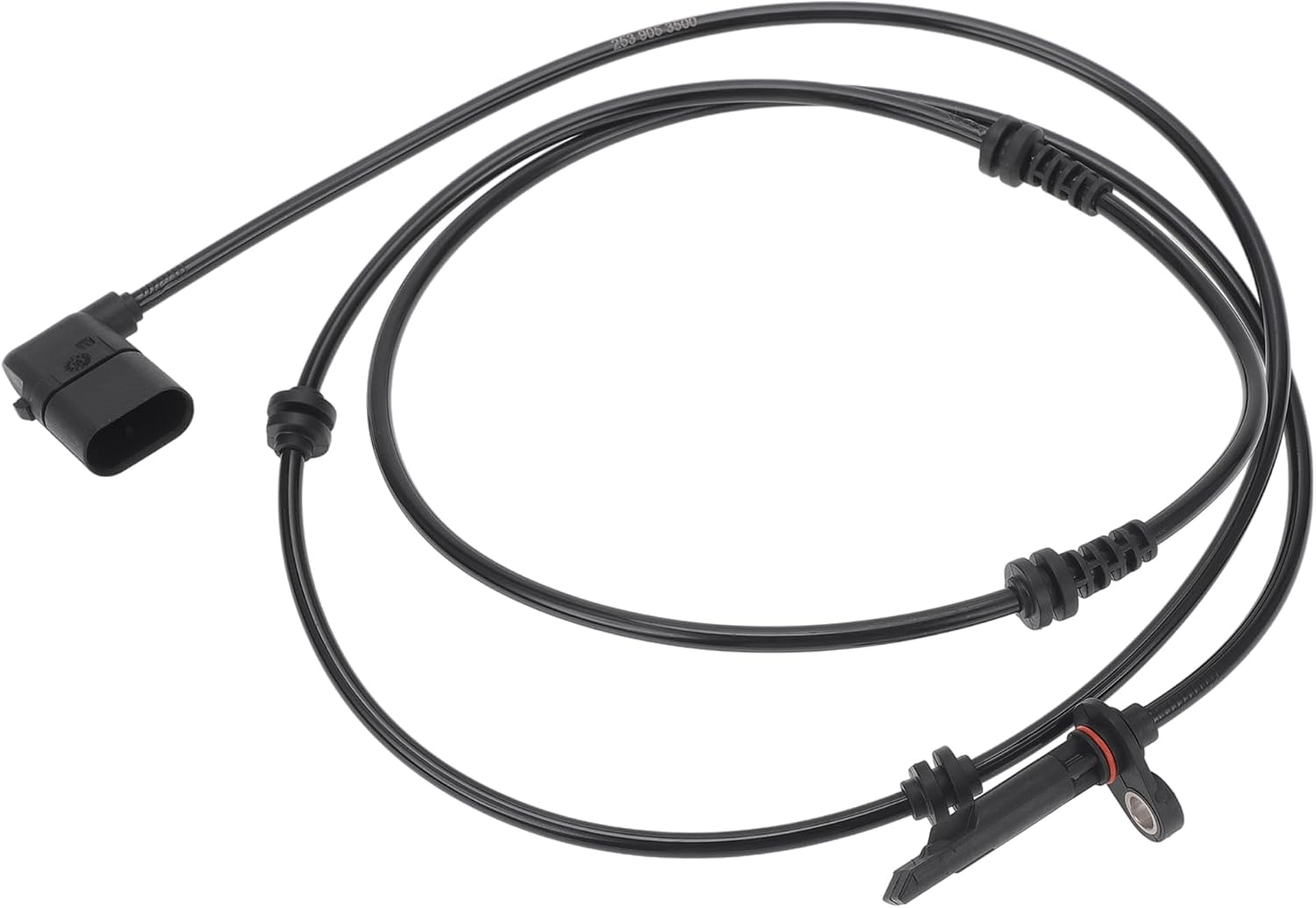
| Position | Front Left |
|---|---|
| Pin Number | 2 |
| OE Number | A2539053500/A2059054607 |
| Material | ABS plastic, rubber, metal |
This TUCKBOLD front-left ABS wheel speed sensor is a direct-replacement sensor engineered to fit Mercedes‑Benz GLC models and restore accurate wheel-speed signals for the ABS and stability control systems. It installs in place of the factory unit and connects via the vehicle harness to supply wheel rotation data to braking and traction electronics. Notable features include a two-pin connector, factory-matching mounting location, and construction using ABS plastic, rubber, and metal components. In real-world use it should resolve speed-sensor fault codes, eliminate intermittent ABS warning lights, and return normal anti-lock and traction behavior when the old sensor has failed. The sensor is compact and intended for straightforward swap-out without major modifications. Limitations are that this is an aftermarket part rather than a factory-made unit and long-term durability may vary compared with Mercedes-branded sensors; buyers should verify exact fit for their model year and inspect connector condition during installation.
Best for: Performance-oriented owners who prioritize restoring proper ABS and traction response quickly and prefer a focused replacement that gets drivability and safety systems back to spec.
Less Ideal for: Buyers seeking guaranteed factory-branded components or long-term OEM-backed warranties should consider Mercedes-branded replacement sensors instead.
- Direct-replacement design for front-left wheel on specified Mercedes‑Benz GLC models
- Two-pin connector and factory-style mounting for straightforward installation
- Construction combines plastic, rubber, and metal for functional durability
- Aftermarket part rather than Mercedes factory-branded sensor which may affect long-term consistency
Verdict: A direct-fit front-left replacement engineered to quickly restore ABS and traction system function on Mercedes‑Benz GLC models.
2. A-Premium Front ABS Wheel Speed Sensor for Mercedes-Benz (Front L/R)

| Mounting Type | Flange Mount |
|---|---|
| Material Type | Acrylonitrile Butadiene Styrene |
| Connector Pins | 2 Pins |
| Location Fitment | Front Left or Right |
This A-Premium front wheel speed sensor is a direct-replacement style sensor for Mercedes-Benz GLC63 AMG and several E/CLS/AMG GT models, sold as a flange-mount unit with a two-pin connector. It is installed at the front left or right wheel to provide wheel speed data to the ABS and stability control systems; typical use is a like-for-like replacement when a factory sensor has failed or a fault code indicates an open/shorted sensor. The part lists OEM reference numbers and fits many model-year combinations in the specified Mercedes-Benz range, which simplifies ordering for common front-sensor failures. The sensor is injection-molded ABS plastic and comes with a one-year unlimited-mileage guarantee from the seller. Expect functional, budget-oriented replacement performance and straightforward swapping with existing wiring and mounting points, though this aftermarket unit will not include additional hardware or brand-new factory packaging and long-term durability can vary versus factory parts.
Best for: Practical optimizers seeking an affordable, functional replacement sensor to restore ABS and traction system operation without paying for a dealer part or premium performance upgrade.
Less Ideal for: Buyers looking for factory-branded Mercedes-Benz parts, extended OEM-style longevity, or a sensor bundled with extra hardware should consider dealer alternatives or higher-tier aftermarket options.
- Direct-replacement fit for specified front-left or front-right applications simplifying installation
- Lists OEM reference numbers to help confirm vehicle fitment
- Flange-mount design matches factory mounting style for straightforward swap
- Comes with a one-year unlimited-mileage guarantee from the seller
- Aftermarket construction may not match long-term durability of factory sensors
- Sold as the sensor only with no additional mounting hardware or instructions
Verdict: A cost-conscious, direct-fit front wheel speed sensor that restores ABS/traction function on the listed Mercedes-Benz models without the dealer price.
3. A-Premium Front Left ABS Wheel Speed Sensor for Mercedes-Benz GLC (Front Left Driver Side)

| Compatible Models | GLC250 X253 2017-2018; GLC300 W253 2016-2019; GLC350e 2018-2019; GLC43 AMG 2017-2019 |
|---|---|
| Location | Front Left (Driver Side) |
| Connector Pins | 2 Pins |
| Mounting Type | Flange Mount |
| Material Type | Acrylonitrile Butadiene Styrene |
This A-Premium front-left ABS wheel speed sensor replaces the factory sensor on select Mercedes-Benz GLC models to restore accurate wheel speed signals for ABS and stability control. It is a flange-mount, 2-pin analog sensor manufactured from ABS plastic and intended as a direct factory-quality replacement for the front-left (driver) position. Typical use is swap-in replacement during ABS fault codes, intermittent speed readings, or after physical damage to the original sensor; installation follows standard wheel/hub access and connector mating. The sensor lists compatibility with X253/W253 GLC250, GLC300, GLC350e, and GLC43 AMG model years shown, and the seller provides a one-year unlimited-mileage parts guarantee. Practical benefits include straightforward fitment and a low-cost option to clear ABS faults without requiring hub replacement. Limitations are the basic analog output and aftermarket construction compared with higher-end branded sensors, and buyers should verify connector and reference number match before purchase to avoid fitment issues.
Best for: Budget-conscious Mercedes-Benz GLC owners who need a cost-effective factory-style replacement sensor to clear ABS or traction control faults and return normal system operation.
Less Ideal for: Owners seeking premium branded sensors, extended service life beyond typical aftermarket parts, or sensors with advanced diagnostic features should consider higher-tier options.
- Made for front-left driver side fitment on specified Mercedes-Benz GLC X253/W253 models
- Flange-mount design for direct replacement of the factory sensor
- Two-pin analog connector matches listed OEM reference numbers for straightforward wiring
- Low-cost option with a one-year unlimited-mileage parts guarantee
- Aftermarket ABS plastic construction may not match longevity or tolerance of higher-end factory sensors
- Analog output lacks advanced features found on some premium sensors
Verdict: A budget-friendly, direct-fit front-left replacement sensor to get Mercedes-Benz GLC ABS and stability systems working again quickly.
4. A-Premium Front Right ABS Wheel Speed Sensor for Mercedes-Benz (OEM 2539053400)

| Mounting Type | Flange Mount |
|---|---|
| Output Type | Analog |
| Material Type | Acrylonitrile Butadiene Styrene |
| Location | Front Right (Passenger Side) |
This A-Premium front right ABS wheel speed sensor is a direct replacement sensor intended to restore wheel speed input for the vehicle stability and ABS systems on supported Mercedes-Benz C300, C400 and GLC models. It installs at the passenger-side front hub and uses a flange-mount, analog output to feed the factory control modules. Constructed from ABS plastic and sold as a single piece, the part claims to meet or exceed factory specifications and comes with a one-year unlimited-mileage parts guarantee. For routine repair use this sensor is a practical option when the original sensor has failed or produced speed/ABS fault codes; its form factor and mounting type match the factory location so installation follows standard replacement steps. Limitations are typical of aftermarket sensors: material is plastic rather than metal, and compatibility must be confirmed against the vehicle reference number before ordering to avoid fitment mismatch.
Best for: Reliability-focused buyers who prioritize restoring factory safety system function with a cost-effective, direct-replacement part for Mercedes-Benz GLC and related models.
Less Ideal for: Do not choose this if you require an upgraded heavy-duty sensor for frequent off-road or extreme environmental use or if you need multi-vehicle universal fitment.
- Made to meet or exceed factory specifications for accurate wheel speed reporting
- Direct fit front right passenger-side replacement that uses the same flange-mount location
- Includes one-year unlimited-mileage parts guarantee for replacement confidence
- Analog output compatible with factory ABS and stability control systems
- Plastic (ABS) construction may be less durable than metal-bodied sensors in some conditions
Verdict: A direct-fit, factory-spec replacement front right ABS sensor for Mercedes-Benz GLC and select C‑class models that restores ABS and stability system function reliably.
5. A-Premium Rear Left ABS Wheel Speed Sensor for Mercedes-Benz GLC/C-Class (fits specified models)

| Mounting Type | Flange Mount |
|---|---|
| Output Type | electrical signal |
| Connector Pins | 2 Pins |
| Material Type | Acrylonitrile Butadiene Styrene |
| Fits | Selected Mercedes-Benz C-Class and GLC rear positions |
This A-Premium rear left ABS wheel speed sensor is a direct-fit replacement intended for Mercedes-Benz C300/C43/C350e/C400/C450 and GLC300/GLC350e/GLC43 models listed for rear or rear-left positions on four-wheel ABS systems. It mounts with a flange and uses a two-pin electrical connector, and the listing notes it ships with a harness for straightforward hookup. In daily use the sensor supplies the electrical wheel-speed signal the ABS and stability systems need, and the manufacturer promotes stable output and fast response for reliable braking and traction control behavior. The ABS sensor is made from ABS plastic and is advertised as a direct replacement to return factory-like function without complex modifications. Limitations are typical of aftermarket sensors: fitment must match the exact model, year, and left/right position and professional installation may be required to ensure proper routing and connector engagement, especially on vehicles with corrosion or damaged retainers.
Best for: Convenience-driven buyers who prioritize an easy, direct replacement sensor to restore ABS and traction function quickly without sourcing dealer parts.
Less Ideal for: Drivers who require heavy-duty corrosion resistance or who prefer dealer-sourced factory parts for warranty alignment should consider alternative options.
- Direct-fit for specified Mercedes-Benz C-Class and GLC rear positions which simplifies replacement
- Includes vehicle harness and standard two-pin connector for straightforward electrical hookup
- Flange-mount design matches factory mounting style for easier installation
- Vendor offers a one-year unlimited-mileage guarantee for part cost coverage
- Made from ABS plastic rather than metal which may be less durable in harsh or road-salt environments
Verdict: A straightforward, direct-fit rear left ABS speed sensor that restores wheel-speed sensing on compatible Mercedes-Benz C-Class and GLC models with minimal fuss.
6. TUCKBOLD Front Right ABS Wheel Speed Sensor for Mercedes‑Benz (A2539053400 fit)

| OE Reference | A2539053400 |
|---|---|
| Position | Front Right |
| Pin Count | 2 |
| Material Type | ABS Plastic, Rubber, Metal |
This TUCKBOLD front-right ABS wheel speed sensor is made as a direct-replacement sensor intended to restore wheel-speed input for the ABS and traction systems on supported Mercedes‑Benz models. It installs in place of the factory sensor and is used to replace a failed or damaged sensor that causes ABS or traction control warnings. The part lists OE reference A2539053400 and features a two-pin connector and conventional ABS plastic, rubber, and metal construction. Practical benefits include a tailored fit for the indicated GLC and C models and a simple plug-and-play installation that can save time versus sourcing dealer parts. Limitations are that this is a non‑OEM aftermarket unit with mixed user feedback on fit and functionality, so thorough verification of connector and mounting before installation is advised. Buyers should be prepared to diagnose compatibility and, if necessary, compare to a dealer part for full assurance of clearance and signal performance.
Best for: Risk-averse mainstream buyers who prioritize a quick, cost-effective repair that restores ABS/traction function without extensive modification or sourcing from a dealer.
Less Ideal for: Drivers who require guaranteed factory-spec performance or who lack ability to verify fit should consider buying a verified factory-quality replacement or sourcing through a dealer.
- Direct-replacement design referencing OE number A2539053400 for straightforward fitment on listed Mercedes models
- Two-pin connector matches factory-style electrical interface for plug-and-play installation
- Uses ABS plastic, rubber, and metal components for standard aftermarket durability
- Produced as a non‑OEM aftermarket part so fit or signal performance may not match a factory sensor
Verdict: A low-cost direct-replacement front-right ABS speed sensor aimed at quickly restoring ABS/traction function on supported Mercedes‑Benz GLC and select C models.
Choosing the Right Mercedes-Benz GLC ABS Wheel Speed Sensor: Key Factors to Consider
Fitment and Mounting
Proper mechanical fit is essential because sensors must align precisely with the tone ring or reluctor to generate accurate signals. Incorrect mounting distance or an incompatible bracket can cause intermittent readings that trigger ABS warnings or erroneous speed readings. Ensure the sensor's housing, mounting bolt pattern, and retention method match the vehicle's factory location. Also consider the sensor's length and harness routing so it reaches the original connector without stress. A sensor that follows the original mounting geometry reduces installation time and minimizes the risk of physical interference with suspension or brake components.
Electrical Signal Quality
The sensor's ability to produce a clean, consistent voltage or frequency output directly affects ABS and traction control responsiveness. Weak or noisy signals can cause intermittent fault codes and degraded system performance. Look for specifications or documentation about output type, nominal voltage ranges, and expected waveform under rotation. Good signal quality also helps diagnostic tools read accurate wheel speed values when troubleshooting codes. When the waveform and amplitude closely match the vehicle's expectations, the vehicle control modules can make correct braking and stability adjustments.
Connector and Wiring Compatibility
Correct connector type and pinout are critical for a straightforward installation and reliable electrical contact. Mismatched connectors may require splicing or adapter harnesses that create extra failure points. Consider whether the replacement sensor includes the proper terminal shape, locking mechanism, and wire length to reach the factory plug. Also assess the quality of wire insulation and strain relief to avoid chafing near suspension components. Properly matched wiring reduces the chance of intermittent open circuits or corrosion at terminals.
Environmental Resistance and Durability
Wheel speed sensors live in harsh environments with exposure to water, road salt, debris, and wide temperature swings. Robust sealing, corrosion-resistant materials, and reinforced cable jackets help ensure long-term reliability. Protective boots and potting around the sensor electronics reduce moisture ingress risk and maintain signal integrity. Durable sensors are less likely to develop cracks, wiring breaks, or connector corrosion that cause sudden failures. Prioritizing environmental resistance can reduce the frequency of repeat replacements and related diagnostic time.
Diagnostic Compatibility
A replacement sensor should allow the vehicle's diagnostic system to read accurate wheel-speed values and clear related trouble codes. Consider how the sensor behaves during an ABS sensor wiring test and whether its output prevents false positives for common codes like P0500 in speed-sensing systems. Sensors with predictable electrical characteristics make it easier to isolate issues during fault diagnosis. Reliable diagnostic compatibility speeds up troubleshooting and helps you confirm that any present ABS sensor symptoms are resolved after installation.
Installation and Serviceability
Ease of installation affects both the quality of the repair and the likelihood of user errors. Sensors that install without special tools and include clear instructions reduce the risk of improper torque, incorrect alignment, or damaged connectors. Evaluate whether mounting hardware, grommets, or retaining clips are included and whether the harness routing follows factory paths to avoid heat or abrasion. Good serviceability also means accessible sensor locations and replacement procedures that limit downtime and make future inspections simpler.
How We Chose the Best Mercedes-Benz GLC ABS Wheel Speed Sensor
We focused on components that restore accurate wheel-speed signaling and maintain the Mercedes-Benz GLC vehicle systems' safety functions. Our selection criteria prioritized correct mechanical fit and mounting design to match factory attachment points, consistent electrical signal strength and waveform fidelity, robust sealing against moisture and contaminants, and reliable connector and harness compatibility for plug-and-play installation. We also evaluated sensor durability factors such as corrosion-resistant materials and protective booting, plus supplier documentation for wiring pinouts and polarity. Exclusions included generic universal sensors without vehicle-specific mounting, parts lacking clear electrical specifications, and products with insufficient installation guidance. The resulting list highlights sensors that balance precise fitment, dependable signal output, and long-term environmental resistance—key dimensions that influence ABS performance and vehicle diagnostics on the GLC.
Our full evaluation process is outlined in our review methodology.
FAQ
What are common ABS sensor symptoms on a Mercedes-Benz GLC?
Common symptoms often include an illuminated ABS warning light, inconsistent speedometer readings, or intermittent traction control activation. You may notice longer stopping distances or ABS engaging when it should not. These signs usually prompt a diagnostic check to read fault codes and inspect sensor signal quality.
Where is the wheel speed sensor located on the Mercedes-Benz GLC?
On the GLC, wheel speed sensors are typically mounted near the wheel hub or steering knuckle, positioned so they can read the tone ring on the hub or axle. The exact location depends on front or rear placement, but they are usually accessible once the wheel and brake components are removed for inspection.
Can I perform an ABS sensor wiring test myself?
You can perform basic wiring checks such as continuity, connector inspection, and voltage presence with a multimeter. Testing the dynamic signal waveform usually requires a scope or a diagnostic tool capable of recording sensor output while the wheel turns. If you are unsure, professional diagnostic equipment can confirm signal integrity more reliably.
How do I know if the sensor is faulty or if it is a wiring issue?
Diagnosis typically combines visual inspection, connector checks, and electrical testing. Look for damaged wires, corrosion, or loose connections first. If wiring appears intact, test the sensor output under rotation to verify waveform and amplitude. A consistent clean signal points to wiring or module issues, while erratic or no signal usually indicates the sensor itself is faulty.
Will replacing the wheel speed sensor clear ABS codes?
Replacing a faulty sensor often resolves codes related to that sensor, but stored codes may remain until cleared with a diagnostic tool. Also consider that codes can reappear if there are additional issues such as wiring faults, damaged tone rings, or control module faults. After replacement, verify proper operation and clear codes to confirm the repair.
Conclusion
When replacing an ABS wheel speed sensor on a Mercedes-Benz GLC, prioritize correct fitment, strong signal characteristics, and connector compatibility. Those dimensions have the biggest impact on ABS and traction control performance and on avoiding recurring faults.Balance durability and ease of installation against diagnostic compatibility and wiring quality. Focusing on these tradeoffs helps ensure a reliable repair and restores consistent braking and system responsiveness.
Explore More:
- Check out all Mercedes-Benz GLC parts & accessories
- Explore ABS Wheel Speed Sensors Maintenance & Repair Guides
- Explore Electrical System
- Browse all Auto Parts
