

Note: This article contains affiliate links. If you click on these links and make a purchase, I may earn a small commission at no extra cost to you. This helps support my research and content. Read my full affiliate disclosure here.
If you drive a GMC Canyon and are considering 33 inch tires, choosing the right set affects ride quality, off-road ability, and load capacity. Bigger tires change gearing, steering feel, and clearance, so the wrong choice can create noise, wear, or handling compromises.This guide covers the top 33 inch tire options we shortlisted for the GMC Canyon, with a focus on traction, sidewall strength, load rating, and real-world durability. We also explain fitment basics and maintenance steps so you know what to expect after installing larger tires. Read on to understand how each decision factor influences daily driving and occasional off-road use.
Looking for other parts? See all GMC Canyon parts & accessories.
Top Picks at a Glance
| Best Overall The best all-around choice for most situations | General Tire Grabber X3 All-Terrain Radial Tire, 33/12.5R20 |  |
| Best Quality Built to a higher standard if you want something more solid | Goodyear Wrangler Boulder MT 33×12.50R20LT Mud Terrain Tire (single) |  |
| Best Value The sweet spot between price and what you get | Thunderer Ranger ATR All-Terrain 33×12.50R20 Tire |  |
| Best Budget The cheapest option that still gets the job done reliably | SAILUN Terramax RT 33×12.50R22 Rugged Terrain Tire |  |
| Highest Rated A top-rated pick with lots of positive feedback | TBB TS-57 R/T 33×12.50R20 All-Terrain Light Truck Tire | 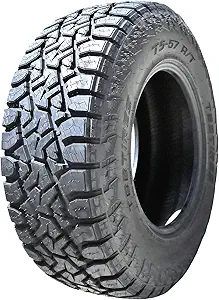 |
| Most Popular A crowd favorite that many people choose with confidence | General Grabber A/TX All-Terrain Tire, 33×12.50R20 114S |  |
1. General Tire Grabber X3 All-Terrain Radial Tire, 33/12.5R20

| Rim Size | 20 Inches |
|---|---|
| Load Index | 114 |
| Speed Rating | Q |
| Maximum Pressure | 65 Pound per Square Inch |
| Ply | 10-Ply |
The General Grabber X3 is a 33/12.5R20 mud-terrain tire built for drivers who split time between trail and pavement. It uses Duragen construction and a 10-ply-rated build to resist cuts and chips on rock and rough trails while the deep, non-directional tread provides strong bite in mud and loose dirt. On-road the tire’s aggressive shoulder blocks are tuned to reduce road noise compared with many mud tires and the Q speed rating supports typical highway speeds. Installation is straightforward for a 33-inch upgrade and the tire’s 114 load index covers common light truck loads. Expect firmer ride quality and somewhat higher rolling resistance than milder all-terrain tires, and narrower tread life compared with dedicated highway tires despite the reinforced design. For GMC Canyon owners seeking a confident off-road presence with reasonable on-road manners, the Grabber X3 delivers clear capability and durability.
Best for: Buyers who want a capable 33-inch tire for a GMC Canyon that favors off-road traction and durability without completely sacrificing daily drivability.
Less Ideal for: Drivers who prioritize the quietest possible highway ride, maximum fuel economy, or longest possible tread life on paved roads should consider a highway or milder all-terrain tire instead.
- Very strong off-road traction in mud, dirt, and rock due to deep, aggressive tread.
- Duragen construction and 10-ply rating improve resistance to cuts and chips for rough-terrain durability.
- Designed for year-round use with reinforced sidewalls suitable for light truck demands.
- Quieter than many mud tires thanks to tread tuning for reduced road noise.
- Firmer ride and higher rolling resistance compared with highway-focused tires.
Verdict: For GMC Canyon owners wanting a 33-inch tire that prioritizes off-road bite and reinforced durability while retaining usable on-road manners, the Grabber X3 is a clear choice.
2. Goodyear Wrangler Boulder MT 33×12.50R20LT Mud Terrain Tire (single)

| Size | 33X12.50R20LT |
|---|---|
| Load Index | 119 |
| Speed Rating | Q |
| Maximum Pressure | 80 psi |
| Load Range | F |
The Goodyear Wrangler Boulder MT 33×12.50R20LT is a mud-terrain tire aimed at aggressive off-road use while remaining usable year-round. It uses three-ply construction and large tread blocks with a voided pattern and built-in stone ejectors to maintain traction in mud, sand, and rocky terrain and to reduce stone retention. The bold shoulder lugs also provide extra grip when crawling or driving on rough off-camber surfaces. With a 119 load index and F load range construction it supports heavy truck loads, and the 80 psi maximum pressure suits heavier duty fitments. Expect strong off-road bite and sidewall protection, with the practical benefit of a 60-day satisfaction pledge on select Goodyear tires. On paved roads this tire will be louder and offer less precise steering feel and lower fuel economy than highway-focused tires, and the aggressive tread will wear faster if mostly used on pavement.
Best for: Drivers who prioritize off-road performance and durability for heavy-duty light truck use and want a tire that bites in mud, sand, and rocky terrain.
Less Ideal for: Drivers who spend most miles on highway or want quiet, fuel-efficient touring performance should choose a more road-focused all-terrain or highway tire.
- Three-ply construction that improves sidewall protection for rough off-road use
- Large, aggressive tread blocks and shoulder lugs for strong mud and rock traction
- Built-in stone ejectors and voided tread reduce rock retention and puncture risk
- Rated for heavy loads (119) and F load range suitable for light truck applications
- Aggressive mud-terrain tread sacrifices on-road noise, steering precision, and fuel economy
Verdict: Choose this tire if you need a 33-inch mud-terrain that prioritizes off-road bite, sidewall protection, and heavy-load capability for serious weekend off-roading.
3. Thunderer Ranger ATR All-Terrain 33×12.50R20 Tire

| Rim Size | 20 Inches |
|---|---|
| Load Index | 114 |
| Speed Rating | S |
| Load Range | E |
| Seasons | Year Round |
The Thunderer Ranger ATR is a 33×12.50R20 all-terrain tire aimed at light trucks and SUVs that need a balance of on-road manners and off-road grip. Its asymmetrical tread with 3D sipes and rigid blocks provides confident wet and loose-surface traction while the full nylon overwrap and 10-ply construction prioritize toughness under load. The tire is pre-drilled for studs if you need extra winter bite and carries a manufacturer tread-life program up to 50,000 miles depending on size. Expect a firm ride compared with highway tires but better durability and sidewall strength for heavier use and occasional off-road trails. It is a universal fit tire intended for 20-inch rims and has an E load range with a 114 load index for heavier trucks. Limitations include a louder tread noise and slightly harsher ride versus highway-focused tires, and its stud capability may not be necessary for milder climates.
Best for: Buyers who prioritize durable, load-capable 33-inch tires that handle mixed off-road use and last through heavier use while keeping reasonable on-road performance.
Less Ideal for: Drivers who want the quietest, most comfortable highway ride or who need a dedicated winter tire without studs should consider more specialized passenger or winter tires.
- Aggressive all-terrain tread for good off-road and wet traction
- 10-ply construction with full nylon overwrap for increased durability and load support
- Pre-drilled for studs to improve extreme winter traction where allowed
- Manufacturer-backed tread-life program up to 50,000 miles for eligible sizes
- Tread design is likely louder and firmer on pavement compared with highway tires
- Not optimized for pure snow performance without studs
Verdict: Choose this tire if you need a rugged, load-capable 33×20 all-terrain that balances off-road traction and long tread life for practical daily use.
4. SAILUN Terramax RT 33×12.50R22 Rugged Terrain Tire

| Rim Size | 22 inches |
|---|---|
| Load Index | 114 |
| Speed Rating | Q |
| Load Range | F |
| Seasons | Year Round |
The SAILUN Terramax RT is a 33×12.50R22 rugged-terrain tire built for light trucks that need a capable, budget-friendly off-road look and usable on-road manners. It combines a deep, staggered shoulder lug pattern with stone ejectors and 3D multi-wave siping to give traction on dirt, gravel, and winter roads while the squared profile and center tread blocks help keep steering stable at highway speeds. The tire is 12-ply with load range F and an 114 load index, so it is able to carry heavy loads common to light-truck use. It is 3PMSF certified for severe snow performance and some LT sizes are stud-pinnable for added winter grip. Expect more road noise and a firmer ride than a highway tire, and fuel economy will be lower because of the aggressive tread and heavier construction. For the price point this model gives a strong mix of off-road capability and everyday drivability, but buyers wanting the quietest highway ride or maximum tread life should compare premium all-terrain options.
Best for: Drivers who prioritize a rugged, capable 33-inch tire on a budget and need solid off-road and winter traction for a work or weekend truck.
Less Ideal for: Drivers who want the quietest highway-focused ride, maximum fuel economy, or the longest possible tread life from a premium touring tire.
- Aggressive tread with stone ejectors for off-road traction and debris clearing
- 3PMSF certification and pinning for studs improve winter performance
- 12-ply, load range F construction supports heavier light-truck loads
- Squared profile and center tread blocks enhance on-road stability
- More road noise and firmer ride compared with highway-oriented tires
- Heavier aggressive tread likely reduces fuel efficiency and may wear faster than premium all-terrain treads
Verdict: If you want an affordable 33-inch rugged-terrain tire that balances off-road grip, winter capability, and load-carrying capacity, the SAILUN Terramax RT is a strong value choice.
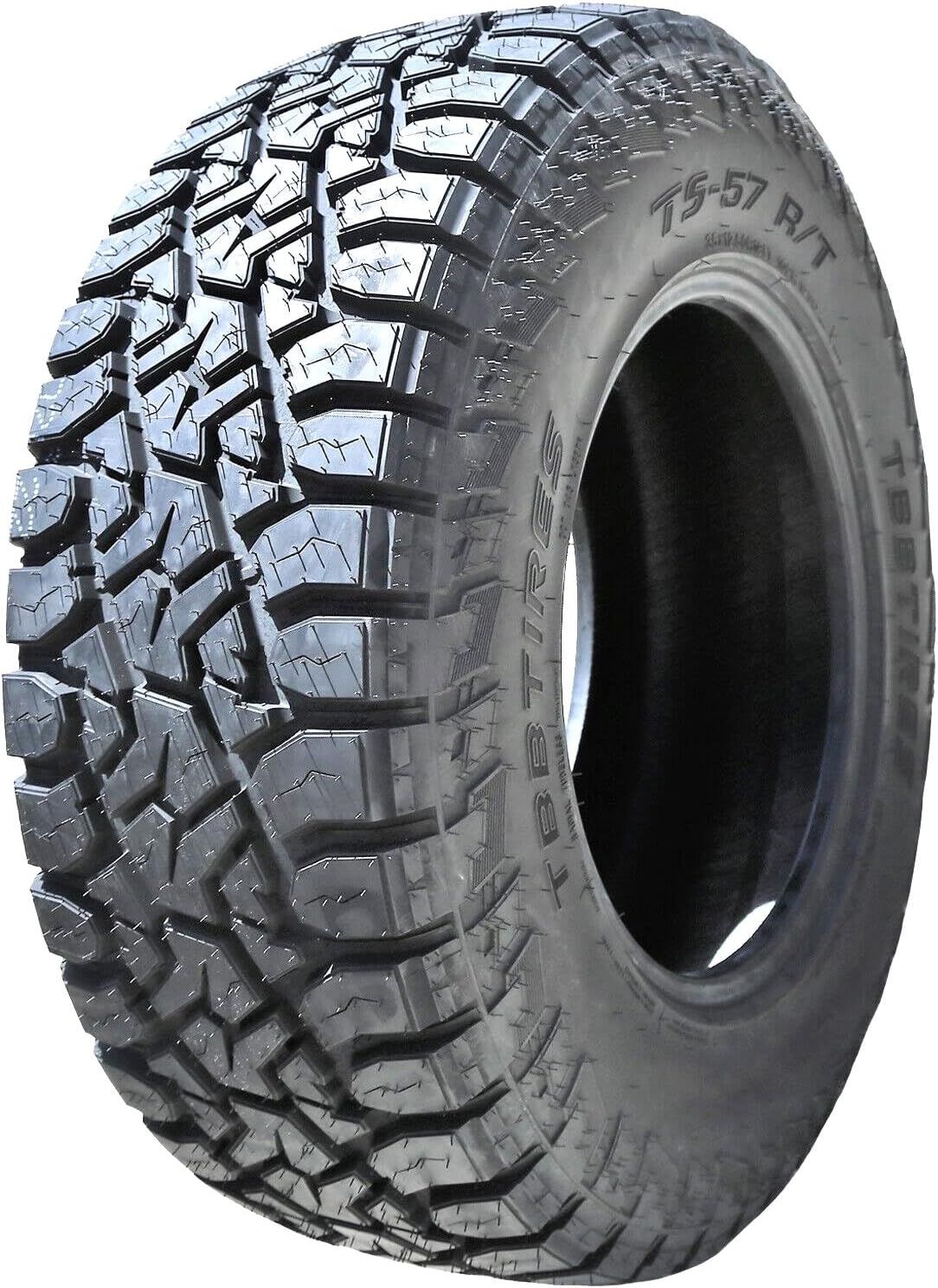
5. TBB TS-57 R/T 33×12.50R20 All-Terrain Light Truck Tire
| Rim Size | 20 inches |
|---|---|
| Load Index | 114 |
| Speed Rating | Q |
| Tread Type | Non-Directional |
| Seasons | Year Round |
The TBB TS-57 R/T is an all-terrain 33×12.50R20 radial built for light trucks and intended for mixed off-road and on-road driving. Its aggressive tread and self-cleaning pattern give confident grip on loose surfaces and mud while the reinforced sidewall helps resist deformation from impacts and rough terrain. In day-to-day use it delivers a quieter, more comfortable ride than some mud-terrain alternatives because the compound absorbs road vibrations. The tire is rated Load Range E with a 114 load index, so it supports heavy loads typical of a loaded crew cab or light commercial use. Because it is a universal-fit all-season design, it handles wet and light snow conditions adequately, but it is not a dedicated winter tire and will not match studded or severe-snow designs for deep ice. Buyers should expect solid off-road traction and durability for a GMC Canyon used for towing, work, or weekend trail runs, with the usual compromise that extreme winter performance and highest-speed sport handling are not its focus.
Best for: Owners seeking a durable, go-anywhere 33-inch tire for a GMC Canyon who prioritize dependable off-road traction and load-carrying capability over peak winter or high-performance handling.
Less Ideal for: Drivers who need best-in-class winter ice performance or who prioritize track-level handling and high-speed cornering should consider specialized winter or performance tires instead.
- Aggressive, self-cleaning tread provides reliable traction in mud and loose terrain
- Reinforced sidewall improves resistance to deformation and impact damage
- All-season compound absorbs road vibrations for a relatively comfortable, quiet ride
- Load Range E with 114 load index supports heavier loads and towing
- Not optimized for severe winter ice and deep snow compared with dedicated winter tires
Verdict: A rugged, load-capable 33×12.50 tire that gives GMC Canyon owners dependable off-road traction and reinforced sidewall durability for work and trail use.
6. General Grabber A/TX All-Terrain Tire, 33×12.50R20 114S

| Rim Size | 20 Inches |
|---|---|
| Load Index | 114 |
| Speed Rating | S |
| Load Capacity | 2601 Pounds |
| Load Range | E |
The General Grabber A/TX is an all-season, all-terrain tire built for light trucks and SUVs that aims to deliver usable off-road grip without sacrificing highway manners. You would typically use it on vehicles that see a mix of dirt, gravel, and pavement; the Duragen construction improves cut-and-chip resistance and supports heavier use while the aggressive tread provides bite on loose surfaces. Notable features include a 10-ply rated construction, a non-directional tread for even wear, a 65 psi maximum inflation, and up to 60,000 miles of limited tread life coverage. In practice that means confident traction on trails and predictable, relatively quiet behavior on highway runs, with a focus on durability for heavier loads. Limitations to expect are the typical extra weight and rolling resistance of a 10-ply all-terrain, which can slightly reduce fuel economy and steering lightness compared with touring tires, and the trade toward a more aggressive look that can generate modest road noise in some conditions.
Best for: Buyers who prioritize durability and proven performance for mixed on- and off-road use and who value social proof from other owners when choosing a capable 33-inch tire for light trucks.
Less Ideal for: Drivers who prioritize maximum fuel economy, the lightest steering feel, or a smooth touring ride above off-road capability should consider more road-focused tires instead.
- Balanced design that combines off-road traction with on-road comfort
- Duragen reinforced construction for improved cut-and-chip resistance and longer tread life
- 10-ply load range E construction suitable for heavier light-truck use
- Non-directional tread promotes even wear and simpler rotation patterns
- Heavier construction and increased rolling resistance can reduce fuel economy compared with street-focused tires
Verdict: Choose the Grabber A/TX if you want a durable, 33-inch all-terrain tire that delivers strong mixed off-road traction with long tread life and wide user approval.
Choosing the Right GMC Canyon 33 Inch Tires: Key Factors to Consider
Load Rating and Ply Construction
Load rating determines how much weight each tire can safely support at a given inflation pressure. For a GMC Canyon that carries cargo or tows, selecting a 33 inch tire with an adequate load index prevents premature damage and maintains handling stability.
Ply construction and sidewall reinforcement affect how the tire behaves under load and when encountering rocks or curbs. Heavier-duty constructions resist punctures and reduce sidewall flex, which helps maintain steering precision with larger tires. When comparing options, check the load index, recommended inflation pressures, and whether the tire uses belt or ply reinforcements that are appropriate for truck duty.
Tread Pattern and Off-Road Capability
Tread design heavily influences grip in mud, dirt, and loose gravel as well as braking on wet pavement. Aggressive tread blocks and open voids improve self-cleaning and traction off-road but often increase road noise and reduce fuel efficiency on pavement.
If you plan to use the Canyon mostly off-road or on soft surfaces, prioritize patterns that shed mud and bite into uneven terrain. For mixed use, choose an intermediate tread that balances on-road comfort with enough shoulder bite for occasional trails. Consider the compromise between traction and wear life because more aggressive designs tend to wear faster in highway driving.
Rolling Diameter and Speedometer Calibration
Switching to 33 inch tires alters the overall rolling diameter relative to stock tires, which affects speedometer accuracy, odometer readings, and final drive behavior. Even small differences can change gear ratios and perceived engine load at highway speeds.
Before buying, confirm the nominal rolling circumference and compare it to your current setup. If the change is significant, you may need recalibration, a gear change, or acceptance of altered shift points and fuel economy. Account for wheel offset and backspacing as they interact with diameter changes to affect clearance and scrub radius.
Sidewall Strength and Ride Comfort
A taller, stronger sidewall helps protect against impact damage on trails and supports heavier loads. However, stiffer sidewalls can transmit more vibration and harshness into the cabin, affecting daily comfort on pavement.
Think about the Canyon's primary use. If you routinely encounter rough roads or carry heavy payloads, favor tougher sidewalls. If you spend most miles on highways and local streets, a tire engineered for a smoother ride will be more comfortable. Many tires strike a middle ground with reinforced but flexing sidewalls to blend durability and comfort.
Treadwear, Warranty, and Expected Lifespan
Treadwear ratings and manufacturer mileage warranties give a sense of how long a tire may last under normal conditions. For larger 33 inch tires, aggressive tread patterns typically have shorter lifespans than all-season highway designs.
Consider your annual mileage, driving surfaces, and whether you prioritize longevity or maximum traction. Inspect warranty terms for prorated coverage and conditions that might void protection, such as off-road damage. Regular rotation, alignment, and proper inflation extend useful life and improve value over time.
Wet and Winter Traction
Tire compound and siping affect braking and cornering on wet and cold surfaces. For Canyon owners in regions with rain or occasional snow, ensure the tire offers reliable wet traction and a compound that remains flexible at low temperatures.
If you need winter-capable performance, look for tires with dedicated winter design features or consider maintaining a separate winter tire set. For mixed climates, all-season designs with enhanced wet-weather siping can be a sensible compromise, but pure winter conditions will still benefit from specialized tires.
Fitment Basics for 33 Inch Tires on GMC Canyon
Before purchasing, verify that your wheel diameter, width, and offset support the 33 inch tire profile you plan to use. The tire size must clear the wheel wells, suspension components, and steering stops throughout the suspension travel and full steering lock.
Wheel backspacing and offset influence whether a 33 inch tire will rub on the inner fender or the outer lip. If you are changing wheel sizes or offsets along with the tires, plan mock-up tests or consult fitment guides specific to the Canyon configuration to avoid interference.
Consider whether additional modifications are needed, such as leveling kits, trimming, or slight lift, to achieve reliable clearance without compromising vehicle geometry. Small adjustments can prevent rubbing during full articulation and when the truck is loaded.
- Check nominal rolling diameter versus stock to estimate speedometer error
- Confirm wheel width range recommended for the tire size
- Test full lock and full compression for rubbing before final installation
Maintenance and Care After Upsizing
Larger tires alter load distribution and suspension stresses, so adopt a proactive maintenance routine. Increase frequency of visual inspections looking for sidewall damage, uneven wear, and embedded debris after initial installation and periodically thereafter.
Keep an eye on tire pressure and perform regular rotations according to the manufacturer schedule. Bigger tires often need slightly different inflation to carry similar loads safely, so reference load tables and adjust pressures when carrying heavy cargo or towing.
Alignment and balancing become more important with larger tires because small imbalances produce greater vibration. Address any vibration promptly to avoid accelerated wear to the tires and drivetrain components.
- Rotate tires every 5,000 to 7,000 miles or per manufacturer guidance
- Check pressures when cold and after heavy loads
- Have alignment checked after installation and after any suspension changes
Tire Noise, Fuel Economy, and Daily Driving
33 inch tires can increase rolling resistance and aerodynamic drag, which typically reduces fuel economy compared with smaller, stock tires. Aggressive tread patterns amplify this effect and increase road noise.
If you use the Canyon mainly for commuting or highway miles, prioritize tires with optimized tread blocks and noise-reduction features to preserve comfort and efficiency. Accepting a modest drop in MPG is common, so balance noise and economy against the intended use.
Monitor fuel consumption after fitting larger tires to set realistic expectations and make adjustments to driving style or gearing if needed.
- Expect marginally lower fuel economy with larger, heavier tires
- Directional or asymmetric tread patterns can reduce noise on highways
- Check rolling resistance ratings when available for a sense of efficiency
Winter and Wet Weather Considerations
If you encounter cold temperatures, snow, or frequent rain, prioritize compound and tread features that maintain flexibility and traction in those conditions. Some 33 inch designs perform better in winter than others; choose based on typical local conditions.
All-season designs provide year-round convenience but may not match dedicated winter tires in heavy snow or ice. For drivers who need true winter performance, plan for a seasonal tire set rather than relying solely on an upsized all-season tire.
In wet conditions, look for siping and channeling that evacuate water efficiently to reduce hydroplaning risk while maintaining braking performance.
- Consider a dedicated winter set if you routinely face snow and ice
- Check for water evacuation channels and dense siping for wet grip
- Maintain proper pressure in cold weather to preserve contact patch
Compatibility With Towing and Payload
Towing and carrying payload place extra demand on tires. Ensure the 33 inch tires you choose have a load rating that matches or exceeds the Canyon's expected loaded weight and tongue load. Underrated tires can overheat or fail under sustained towing.
If you plan to tow regularly, select tires with robust sidewalls and heat-resistant compounds. Verify published load and speed ratings at the inflation pressures you intend to run while towing to maintain safety margins.
Also consider how tire inflation changes towing feel. Higher pressures may be necessary for heavy loads, which affects ride comfort and traction, so balance these tradeoffs when selecting a tire.
- Match tire load index to vehicle gross axle and combined weight
- Consult inflation tables for towing vs everyday driving settings
- Inspect tires frequently during and after long hauls for signs of heat damage
Still looking for the perfect fit?
Select your GMC Canyon configuration to see the most relevant Tires recommendations
How We Chose the Best GMC Canyon 33 Inch Tires
Our selection process focused on fitment, durability, and real-world performance metrics relevant to a GMC Canyon running 33 inch tires. We looked for options with documented load ratings suitable for light-truck duty and towing, reinforced sidewalls for resistance to impacts, and tread compounds that balance wet grip and longevity. We prioritized tires with clear sizing options and published rolling circumference data to reduce calibration and gearing surprises.Evaluation criteria included traction across common driving conditions, load-carrying capacity, sidewall construction, expected treadwear characteristics, and compatibility with typical Canyon wheel offsets and backspacing. We also weighed manufacturer guidance on recommended rim widths and pressure ranges to ensure safe installation. Tires lacking adequate load rating for common payloads or with unclear fitment guidance were excluded. We did not consider tires intended solely for passenger cars or high-performance sports cars, nor did we include any options without published technical specifications relevant to 33 inch applications.
Our full evaluation process is outlined in our review methodology.
FAQ
Will 33 inch tires affect my GMC Canyon's speedometer and odometer accuracy?
Yes, changing to 33 inch tires alters rolling circumference and can cause the speedometer and odometer to read incorrectly. The difference is typically modest but measurable; recalibration or an electronic correction may be necessary for precise readings.
How often should I check tire pressure after installing 33 inch tires?
Check pressure weekly for the first month and then at least monthly once you understand normal air loss patterns. Larger tires and different load conditions can require slightly different inflation to maintain safe load capacity and even wear.
Do I need new wheels when upgrading to 33 inch tires on the Canyon?
Not always. It depends on your current wheel diameter, width, and offset. Some factory wheels accept 33 inch tires, but others may require wider rims or different offsets to ensure proper fitment and clearance.
Are 33 inch tires harder on fuel economy?
Usually. Larger, heavier tires increase rolling resistance and can reduce fuel efficiency. The effect varies with tread design and weight, so expect some decrease in MPG compared with smaller factory tires.
Can I tow with 33 inch tires fitted to my Canyon?
You can tow if the tires have an adequate load rating for the combined weight and tongue load. Verify the tire load index and maintain recommended inflation for towing to prevent overheating and excessive wear.
How do I know when to replace 33 inch tires on my Canyon?
Monitor tread depth, uneven wear patterns, and visible sidewall damage. Use tread wear indicators and check for irregularities after rotations and alignments. Replacement often depends on mileage, driving conditions, and whether you see rapid or uneven wear.
Final Verdict
When choosing 33 inch tires for your GMC Canyon, prioritize load rating, sidewall strength, and a tread design that matches how you drive. Off-road-focused treads deliver superior traction in rough terrain but may compromise ride comfort, noise, and tread life on paved roads.Balance those tradeoffs based on payload, towing needs, and local weather. Confirm fitment details like wheel width and offset, and plan for alignment and recalibration where needed. With the right priorities—durability for heavy use or a quieter, longer-wearing pattern for street duty—you can select a confident, safe tire setup for your Canyon.
Explore More:
- Check out all GMC Canyon parts & accessories
- Explore Tires Maintenance & Repair Guides
- Explore Wheels & Tires
- Browse all Auto Parts
