

Note: This article contains affiliate links. If you click on these links and make a purchase, I may earn a small commission at no extra cost to you. This helps support my research and content. Read my full affiliate disclosure here.
Replacing a failed oxygen sensor can restore fuel economy, reduce emissions, and stop recurring check engine light alerts on a 2008-2013 Nissan Rogue. Because these Rogues use specific upstream and downstream sensor locations and diagnostic responses, choosing the correct replacement matters for drivability and emissions testing. This guide shortlists seven top oxygen sensors that suit the 2008-2013 Rogue and explains the factors that affect fitment, signal quality, and installation.Below you will find the shortlisted options and an explanation of how we evaluated them for fit, longevity, and diagnostic compatibility to help you pick the best match for your Rogue.
Looking for other parts? See all Nissan Rogue parts & accessories.
Top Picks at a Glance
| Best Quality Built to a higher standard if you want something more solid | AISIN Downstream Oxygen Sensor OXSN-00817 |  |
| Best Value The sweet spot between price and what you get | TINJO Oxygen O2 Sensor Set (Upstream & Downstream) for Nissan Altima/Rogue and Compatible Models |  |
| Best Budget The cheapest option that still gets the job done reliably | TECTICO Oxygen Sensor Set for Nissan Rogue/Altima 2.5L (Upstream + Downstream) |  |
| Highest Rated A top-rated pick with lots of positive feedback | Denso 234-9036 Air/Fuel Ratio Sensor |  |
| Most Popular A crowd favorite that many people choose with confidence | maXpeedingrods Oxygen Sensor Pair (Upstream & Downstream) for Nissan Altima/Rogue 2.5L 2007–2013 |  |
| Best Seller A high-volume bestseller chosen again and again | ISINMOTOR Oxygen Sensor Kit (Upstream + Downstream) for Nissan Altima/Rogue 2.5L (2-pack) |  |
1. AISIN Downstream Oxygen Sensor OXSN-00817

| Position | Downstream |
|---|---|
| Sensor Type | Narrowband |
| Thread Size | M18 |
| Terminal Quantity | 4 |
This Aisin downstream oxygen sensor is a direct-replacement narrowband unit intended for the L4 2.5L Rogue and Altima from the specified model years. It installs plug-and-play with a four-pin square connector and is supplied with an installation manual, so it is straightforward to swap in for a failing downstream sensor to restore proper closed-loop fueling and emissions monitoring. As a factory-quality aftermarket part from a major supplier, it prioritizes compatibility and long-term reliability rather than performance tuning, so drivers should expect stable O2 readings and predictable engine management behavior rather than faster warm-up or altered fuel trims. The unit uses an M18 thread and a 19.69 inch overall length for routing and fitment, and its narrowband design matches stock sensor signaling for the vehicle's engine control system. If you need a dependable replacement to clear drivability or emissions faults and keep the factory control strategy intact, this sensor covers that role well, though it is not intended as an upgrade for performance calibration or wideband applications.
Best for: Drivers who want a reliable, factory-quality replacement to clear O2-related faults and restore normal fuel control on 2.5L Nissan Rogue models while keeping the stock engine management unchanged.
Less Ideal for: Enthusiasts seeking sensors for performance tuning, wideband AFR logging, or modified engine calibration should choose a dedicated wideband or performance-oriented unit instead.
- Direct-fit plug-and-play design with included installation manual for easy replacement
- Manufactured by a recognized OE supplier for factory-quality fit and reliable signaling
- Four-pin connector and matching narrowband output maintain original engine control behavior
- Compatible with Nissan Altima 2007-2013 and Rogue 2008-2013 2.5L applications
- Narrowband sensor is not suitable for performance tuning or wideband monitoring
Verdict: Choose this Aisin downstream narrowband sensor when you need a dependable, factory-quality replacement to restore stock fueling and emissions operation on a 2.5L Nissan Rogue.
2. TINJO Oxygen O2 Sensor Set (Upstream & Downstream) for Nissan Altima/Rogue and Compatible Models

| Maximum Supply Voltage | 12 Volts (DC) |
|---|---|
| Measurement Accuracy | High |
| Mounting Type | Flange Mount |
| Output Type | Analog |
| Upper Temperature Rating | 150 Degrees Celsius |
The TINJO O2 sensor set provides two heated oxygen sensors intended to replace worn sensors on compatible Nissan and Infiniti engines. In normal use these plug-and-play sensors monitor exhaust oxygen and feed air fuel ratio data to the engine control unit so the car can keep fuel delivery and emissions in check. Notable features include a fast-acting heater for quicker active sensing, stainless steel construction and double laser welding for durability, and coated threads plus installation guidance to ease fitment. Practically, fitting this pair should help clear running issues tied to bad sensors, improve fuel trim behavior, and protect the catalytic converter when the connector and thread pattern match. Limitations: this is a direct-replacement aftermarket part rather than a branded factory unit so long-term durability can vary and you must verify connector match and exact vehicle fit before purchase. Also the listing covers multiple interchange numbers, so confirm the correct upstream/downstream position for your Rogue before installation.
Best for: Buyers who prioritize restoring proper engine function and fuel economy with a budget-friendly, direct-fit replacement and who will confirm connector compatibility before installation.
Less Ideal for: Those seeking an identical factory-brand sensor for guaranteed OEM lifespan or buyers unwilling to verify fitment and wiring match prior to installation.
- Supplied as an upstream and downstream heated pair for complete oxygen-sensing coverage.
- Fast-acting heater and claimed high measurement accuracy for quicker closed-loop operation.
- Stainless steel body with double laser welding for improved resistance to exhaust conditions.
- Coated threads and installation guidance reduce risk of cross-threading and simplify replacement.
- Aftermarket unit rather than factory-branded sensor so long-term reliability may vary.
Verdict: A practical pair of heated upstream and downstream replacement sensors that restore air-fuel sensing and emissions control for compatible Nissan/Infiniti engines when connector fit is confirmed.
3. TECTICO Oxygen Sensor Set for Nissan Rogue/Altima 2.5L (Upstream + Downstream)

| Unit Count | 2.0 Count |
|---|---|
| Material Type | Metal |
| Output Type | electrical signal |
| Specific Uses For Product | Automotive Parts Replacement |
This two-piece oxygen sensor kit provides upstream and downstream replacements intended for the QR25DE 2.5L engines found in Rogue and Altima models from the specified years. The sensors use stainless steel housings and heat-resistant wiring, and include built-in heaters to speed activation during cold starts. That means faster closed-loop operation, steadier air-fuel control and potential small gains in throttle response and fuel economy compared with a failing sensor. Installation is straightforward with plug-and-play connectors and pre-coated threads, so a competent DIYer can swap both sensors without major modifications. The seller emphasizes factory-fit claims and pre-shipment testing, but long-term durability and exact match to factory signal characteristics can vary compared with original manufacturer parts. This set is best when you need an affordable, complete replacement for both positions and want an easy install, but buyers seeking longevity or guaranteed parity with factory sensors may prefer higher-end branded options.
Best for: Buyers looking to replace both oxygen sensors on a budget who prioritize easy installation and immediate drivability improvements over long-term OEM parity.
Less Ideal for: Drivers who need guaranteed factory-equivalent performance or longest-possible service life should consider higher-end branded replacement sensors or dealer parts.
- Includes both upstream and downstream sensors for a full system refresh
- Built-in heating elements promote quicker activation and faster closed-loop operation
- Stainless steel housing and heat-resistant wiring improve corrosion and heat resistance
- Plug-and-play connectors and pre-coated threads simplify DIY installation
- Aftermarket signal accuracy and long-term durability may not match factory-quality sensors
Verdict: A budget-friendly, plug-and-play upstream and downstream oxygen sensor pair that makes replacing both sensors quick and inexpensive for 2008–2013 Rogue owners.
4. Denso 234-9036 Air/Fuel Ratio Sensor
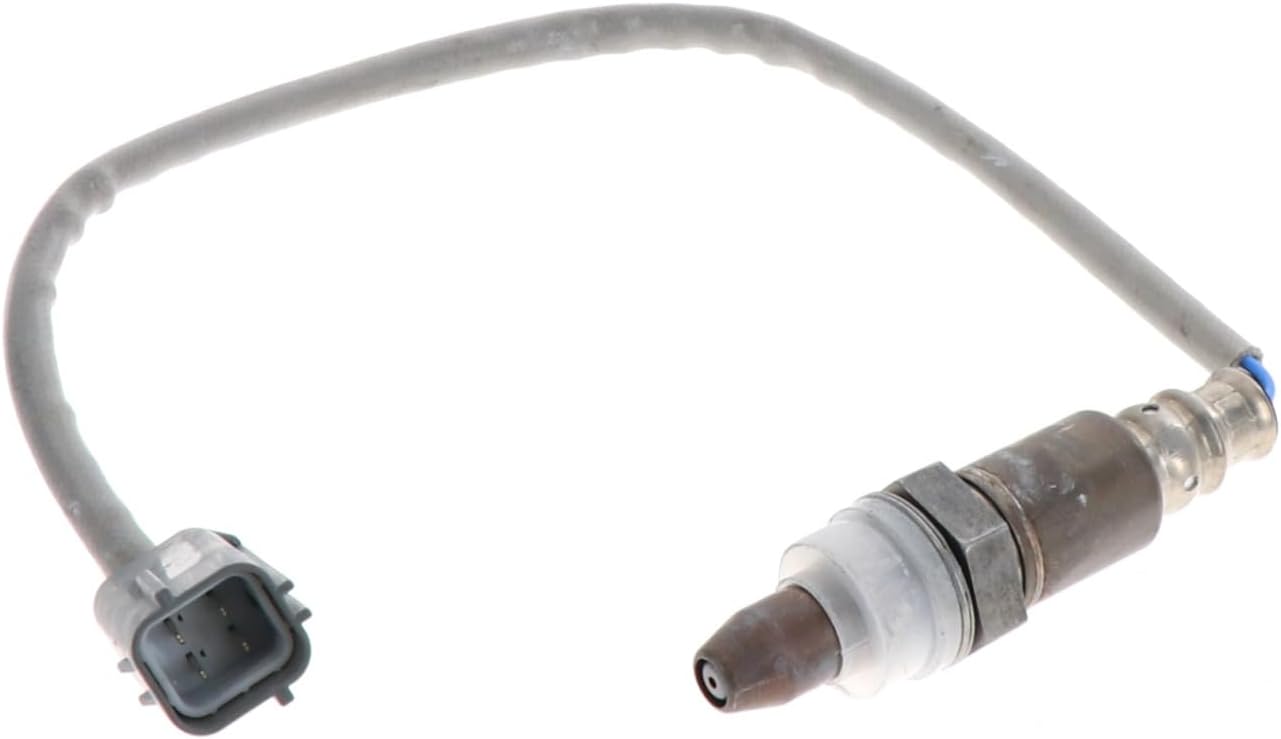
| Measurement Accuracy | High Accuracy |
|---|---|
| Measuring Range | 12 – 14.7 |
| Mounting Type | Threaded Mount |
| Output Type | Digital |
| Upper Temperature Rating | 1000 Degrees Celsius |
The Denso 234-9036 is an air/fuel ratio sensor built to meet factory-quality standards for direct replacement on specified Nissan, Infiniti, and related vehicles. It installs in the exhaust stream using a threaded mount and provides a digital output that the engine control unit uses to adjust fuel delivery and maintain the correct air-fuel mixture. Notable features include high measurement accuracy across a 12 to 14.7 range, stainless steel and zirconium construction, and an upper temperature rating suited to exhaust environments. In real-world use this sensor helps recover fuel economy, reduce emissions, and protect catalytic converter life when replacing a worn or failed unit. Installation is typical for heated/exhaust sensors and should be straightforward for techs or DIYers comfortable with exhaust work. The product focuses on dependable, factory-style fit and function rather than performance tuning, so it is best for owners who need a reliable replacement rather than upgraded sensing behavior.
Best for: Buyers who prioritize long-term dependability and an accurate factory-style replacement to restore emissions control and fuel economy on compatible Nissan Rogue model years.
Less Ideal for: Drivers seeking aftermarket performance sensors with faster response or recalibrated outputs for tuning should consider purpose-built performance sensors instead.
- Manufactured to factory-quality standards for direct replacement fit
- High measurement accuracy across a 12–14.7 AFR range
- Durable stainless steel and zirconium construction with high temperature rating
- Digital output for precise ECU fuel trim adjustments
- Built as a direct replacement so it does not provide enhanced performance tuning features
Verdict: Choose this Denso sensor when you want a factory-quality, reliable replacement to restore proper air-fuel control and emissions performance on your 2008–2013 Nissan Rogue.
5. maXpeedingrods Oxygen Sensor Pair (Upstream & Downstream) for Nissan Altima/Rogue 2.5L 2007–2013

| Fitment | Nissan Altima 2.5L 2007-2013, Rogue 2.5L 2008-2013 |
|---|---|
| Material | Stainless steel housing |
| Part numbers | 234-9036, 234-4382 and cross-references listed |
| Included | Upstream and downstream oxygen sensors (2 pieces) |
This maXpeedingrods kit supplies two direct-replacement oxygen sensors—one upstream and one downstream—intended for Nissan Altima and Rogue 2.5L models within the 2007–2013 window. The sensors come in stainless steel housings for corrosion resistance and arrive with anti-seize on the threads to simplify installation and protect the threads during service. Typical use is straightforward: swap the failed sensor(s) using basic hand tools or a sensor socket, then clear codes so the engine computer can relearn the new readings. Practical benefits include a full kit for both bank positions, corrosion-resistant construction for longer life, and pre-applied lubricant that reduces installation fuss. Limitations are that this is an aftermarket replacement and may require calibration time for the vehicle to adapt, and fitment is specific to the listed Nissan 2.5L applications so it is not a universal sensor solution. Buyers should also confirm the connector and wiring match their vehicle harness before installation.
Best for: Buyers who want a complete, low-effort replacement for failing oxygen sensors on 2008–2013 Rogue and Altima 2.5L engines and who value straightforward install and corrosion-resistant hardware.
Less Ideal for: If you need a direct factory-source sensor with guaranteed OEM numbering or have a nonlisted engine variant, consider sourcing a manufacturer-specified part instead.
- Sold as a matched upstream and downstream pair for complete oxygen sensor replacement
- Stainless steel housing offers corrosion resistance for longer service life
- Threads pre-coated with anti-seize to simplify installation and protect threads
- Designed to fit Nissan Altima and Rogue 2.5L models from the specified years
- Aftermarket unit that may require the vehicle to relearn sensor behaviour after installation
Verdict: A convenient matched pair built for 2008–2013 Nissan 2.5L applications that simplifies replacing both oxygen sensors with corrosion-resistant, ready-to-install units.
6. ISINMOTOR Oxygen Sensor Kit (Upstream + Downstream) for Nissan Altima/Rogue 2.5L (2-pack)

| Brand | ISINMOTOR |
|---|---|
| Material | Stainless Steel |
| Mounting Type | Plug Mount |
| Upper Temperature Rating | 125 Degrees Celsius |
| Lower Temperature Rating | 45 Degrees Celsius |
This ISINMOTOR kit supplies both the upstream and downstream oxygen sensors you need to restore proper air-fuel monitoring on compatible 2.5L Nissan engines. Each sensor is built with platinum sensing elements, ceramic internals, and 310S stainless steel housings intended to resist heat and corrosion, and the sensors include a fast-acting heater to reach operating temperature quickly. Installation is straightforward for experienced DIYers because the kit is marketed as a direct-fit replacement with pre-coated threads and factory-style plug mounts that match the original harness. In real-world use the package addresses the common check-engine errors tied to failing O2 sensors and helps the engine control system correct fuel trim and emissions. Limitations: long-term durability depends on engine conditions and installation care, and buyers should confirm exact part numbers against their vehicle before ordering since fitment is vehicle-specific.
Best for: A cautious buyer who wants a direct-fit, factory-style replacement kit to clear O2-related fault codes and restore fuel control on affected Nissan 2.5L vehicles without modifying the wiring or exhaust.
Less Ideal for: Those who prefer dealer-installed parts with manufacturer-backed warranties or owners of vehicles outside the 2007–2013 Rogue/Altima 2.5L fitment should look for other options.
- Supplies both upstream and downstream sensors for a complete replacement
- Built with platinum sensing elements and ceramic internals for sensitive detection
- 310S stainless steel housing offers improved heat and corrosion resistance
- Fast-acting heater helps sensors reach operating temperature quickly for accurate readings
- Longevity can vary with engine conditions and is not guaranteed by the listing
Verdict: Choose this two-pack when you need a direct-fit upstream and downstream oxygen sensor replacement that mimics factory connections and focuses on reliable, straightforward repair for Nissan 2.5L models.
Choosing the Right 2008-2013 Nissan Rogue Oxygen Sensor: Key Factors to Consider
Fitment and Connector Type
Correct fitment ensures the sensor seats properly in the exhaust bung and that the factory harness connects without cutting or splicing. On the 2008-2013 Nissan Rogue, variations in exhaust routing and bracket placement make matching the sensor length, thread pattern, and connector type essential. A direct-fit sensor maintains OEM harness weatherproofing and reduces installation time.
If you install a sensor that requires an adapter or extension, expect a more complex install and an increased chance of water intrusion or wiring stress. Verifying the connector pin count and shape against the Rogue's factory plug avoids compatibility surprises at the driveway or shop.
Upstream Vs Downstream Signal Characteristics
Upstream sensors (pre-catalyst) must switch quickly and show a wide voltage swing or fast current changes so the engine computer can adjust air-fuel ratio in real time. Downstream sensors (post-catalyst) typically produce a steadier signal and are used to monitor catalyst efficiency rather than to trim fuel. For the Rogue, choosing a sensor designed specifically for upstream or downstream duty prevents incorrect feedback to the ECU and unnecessary codes.
Using the wrong type can lead to a persistent check engine light or a failed emissions test even if the catalytic converter is healthy. Make sure replacement sensors state whether they are intended for bank 1 sensor 1 or the downstream monitoring position.
Signal Type and Diagnostic Compatibility
Sensors can be narrowband or wideband and may output voltage or current-based signals. The Rogue models in this range rely on sensors that present the correct signal range expected by the factory engine management. A sensor that does not match the required signal type can generate erroneous readings, trigger oxygen-sensor-related fault codes such as heater circuit or response faults, or cause the ECU to misadjust fueling.
When assessing compatibility, confirm the replacement matches the vehicle's expected sensor type and includes a functioning heater circuit if the original sensor had one. Heater operation influences readiness and cold-start behavior, so this is especially important for emissions testing.
Heater Circuit Function and Warm-Up Time
Many oxygen sensors include an internal heater to bring the sensing element up to operating temperature quickly. Faster warm-up reduces the time the engine runs in open-loop and lowers cold-start emissions. For the 2008-2013 Rogue, a working heater circuit helps the ECU reach closed-loop operation sooner and prevents transient rich or lean conditions that can affect driveability.
Inspect whether the replacement sensor's heater resistance and power requirements match the factory specification. A mismatch can produce heater fault codes or slow warm-up, both of which can impact emissions readiness and trigger a check engine light.
Durability Against Contaminants and Heat
Exhaust sensors face high temperatures and exposure to combustion byproducts and road contaminants. Materials, protective sheathing, and sealing quality affect how long a sensor maintains accurate readings on the 2008-2013 Rogue. A sensor with robust heat shields, high-grade sensing elements, and corrosion-resistant materials will generally last longer and maintain stable performance.
Longevity also reduces the chance of intermittent faults that clear and return, which can be difficult to diagnose. Consider sensors with enhanced protective features if the vehicle sees a lot of short trips, salty roads, or frequent high-load driving.
Ease of Installation and Serviceability
Direct-fit sensors that replicate the factory connector and thread pattern keep installation simple and reduce labor. On the 2008-2013 Rogue, access to some sensor locations can be tight, so factors like lead length, bushing placement, and included gaskets matter for a straightforward replacement. Sensors that come with clear instructions and correct hardware minimize installation errors.
Also consider whether the sensor's wiring is sufficiently flexible for routing without undue strain. A sensor that requires cutting and splicing adds complexity and potential failure points, so choose direct-fit options when possible.
Common O2 Sensor Symptoms on the 2008-2013 Rogue
Oxygen sensor issues often begin with a check engine light indicating a sensor circuit or response problem. On these Rogues, symptoms include rough idle, decreased fuel economy, black exhaust smoke during acceleration, or a persistent illuminated engine light that returns after clearing.
Pay attention to engine behavior during warm-up. Since the sensor heater affects how quickly the ECU enters closed-loop control, delayed warm-up may cause transient drivability issues until the sensor reaches operating temperature.
- Poor fuel economy and more frequent fill-ups
- Rough or uneven idle, especially when cold
- Hesitation on acceleration or surging
- Intermittent check engine light with oxygen-sensor-related codes
How to Test an Oxygen Sensor on the Rogue
Testing involves both visual inspection and electrical checks. Start by inspecting the sensor wiring, connectors, and the sensor body for contamination or damage. Look for brittle insulation, corrosion on terminals, or exhaust soot that could indicate a failing sensor.
Use a multimeter to check heater circuit resistance and to monitor voltage output while the engine is running. For upstream sensors, observe rapid voltage swings; for downstream sensors, expect a more stable or slowly changing signal. If you see no heater continuity or an out-of-spec voltage pattern, the sensor likely needs replacement.
- Inspect wiring and connector for damage
- Measure heater resistance against factory spec
- Monitor live sensor voltage or current for expected behavior
Bank 1 Sensor 1 and Location Notes
Bank 1 Sensor 1 refers to the upstream oxygen sensor located on the same side as cylinder 1. For the 2008-2013 Rogue, confirming which bank and sensor position is affected helps you select the correct upstream or downstream replacement. Diagnostics codes will typically indicate bank and sensor position, which simplifies ordering the proper type.
When replacing bank 1 sensor 1, confirm the sensor thread size and harness connector so you do not purchase a downstream-specific unit for an upstream position.
- Bank and sensor numbers are shown in diagnostic codes
- Upstream sensors are pre-catalyst; downstream are post-catalyst
Interpreting Common Oxygen Sensor Codes
Codes such as heater circuit faults or sluggish sensor response often point to sensor or wiring issues. For example, a code indicating heater circuit failure suggests the sensor's internal heater or its wiring may be at fault. Response-rate codes usually mean the sensor is slow to switch or producing a narrow voltage range.
When you encounter a persistent check engine light with sensor-related codes, inspect both the sensor and the related exhaust components. Leaks, damaged catalytic converters, or fuel system issues can also affect sensor readings and trigger codes that mimic true sensor failure.
- Heater circuit codes suggest electrical or sensor heater failure
- Slow response codes indicate a degraded sensing element or contamination
- Always check for exhaust leaks and fuel system faults that affect readings
Installation Tips and Torque Considerations
When installing an oxygen sensor on the 2008-2013 Rogue, use an oxygen-sensor-specific socket to avoid damaging the sensor body or wiring. Apply anti-seize compound to the sensor threads only if the replacement instructions specify it; excess compound can contaminate the sensor tip or alter thread engagement.
Torque specifications matter. Overtightening can crack the sensor housing or distort threads, while undertightening risks exhaust leaks. Ensure the wiring harness routing avoids contact with hot exhaust components and that the connector seals are intact to prevent moisture intrusion.
- Use the correct socket and follow any anti-seize guidance
- Tighten to the proper torque to prevent leaks or damage
- Route wiring away from heat sources and secure harness clips
Wideband Vs Narrowband Considerations
Most factory-equipped sensors on the Rogue are narrowband and provide voltage swings used for basic closed-loop control. Wideband sensors are more precise and used primarily on tuned or modified engines and require a compatible engine management system. If your Rogue is stock, a narrowband direct-fit replacement is usually the correct choice.
Choosing a wideband unit without appropriate ECU support can produce mismatched signals and diagnostic trouble, so only consider wideband sensors if you have a supporting control system that expects that output type.
- Stock 2008-2013 Rogues typically need narrowband direct-fit sensors
- Wideband sensors require compatible engine management to function correctly
Still looking for the perfect fit?
Select your Nissan Rogue configuration to see the most relevant Oxygen Sensors recommendations
How We Chose the Best 2008-2013 Nissan Rogue Oxygen Sensor
We focused on attributes that matter most when replacing oxygen sensors on the 2008-2013 Nissan Rogue. Primary evaluation criteria included fitment accuracy, sensor signal reliability and response time, connector and harness compatibility, and emissions compliance. We also considered sensor durability against heat and contamination, measured by materials and protective sheathing, and the quality of the wiring and seals that affect service life.Diagnostic behavior was a core filter: sensors needed to deliver stable voltage or current signals appropriate for the Rogue's engine management so they do not trigger false trouble codes. We prioritized sensors with documented compatibility for both upstream (pre-catalytic converter) and downstream (post-catalytic converter) locations on the Rogue's exhaust layout. Ease of installation and availability of direct-fit connectors were included to reduce the need for splicing or adapters.Excluded from consideration were universal sensors requiring modification, sensors without adequate sealing or heat protection for the Rogue's engine bay environment, and units lacking clear claims about signal type or intended location (upstream vs downstream). We did not include any products that rely solely on generic fit charts without specific wiring or connector details.
Our full evaluation process is outlined in our review methodology.
FAQ
How long do oxygen sensors last on a 2008-2013 Nissan Rogue?
Oxygen sensors can last many years, but lifespan depends on driving habits and exposure to contaminants. Frequent short trips, coolant or oil leaks, and exposure to road salt can shorten service life. Regular inspection and diagnostic monitoring help catch degradation before it causes driveability issues.
Will a bad oxygen sensor cause the check engine light on my Rogue?
Yes, a failing oxygen sensor commonly triggers the check engine light. Codes may indicate heater circuit faults, slow sensor response, or circuit range errors. It is important to verify wiring and related systems before replacing the sensor.
Can I test an oxygen sensor without removing it from the Rogue?
You can perform several tests in place, such as visual inspection, connector checks, heater circuit resistance from the harness, and live-voltage monitoring with a multimeter or scan tool. Some more detailed bench tests require sensor removal, but many diagnostic steps can identify faults while the sensor is installed.
Is it okay to replace only the upstream or downstream sensor?
Replace the sensor that is failing according to diagnostics. If only bank 1 sensor 1 or the downstream unit shows faults or poor response, you can replace that one. However, if multiple sensors show age-related failures or the catalytic converter is compromised, replacing related sensors together can help ensure consistent performance.
Do replacement sensors need anti-seize on the threads?
Follow the replacement sensor manufacturer instructions. Some sensors come pre-coated and do not require anti-seize. If you apply anti-seize, use a small amount on the threads only and avoid contaminating the sensing element. Excessive compound can affect the sealing surface or the sensor's operation.
Will replacing the oxygen sensor fix poor fuel economy on my Rogue?
Replacing a faulty oxygen sensor can restore correct air-fuel feedback and often improves fuel economy if the sensor was causing rich or lean fueling. However, fuel economy issues can also stem from other systems such as fuel delivery, intake leaks, or ignition problems, so use diagnostics to confirm the sensor is the root cause.
Final Verdict
When replacing oxygen sensors on a 2008-2013 Nissan Rogue, prioritize correct fitment, the appropriate upstream or downstream signal type, and a working heater circuit. Durable construction and proper wiring reduce the chance of recurring faults and keep emissions systems functioning as intended.Balance the need for a direct-fit sensor that matches the Rogue's connector and thread pattern against signal characteristics and heater compatibility. Addressing those tradeoffs will help you select a reliable replacement that restores proper engine control and emissions performance.
Explore More:
- Check out all Nissan Rogue parts & accessories
- Explore Oxygen Sensors Maintenance & Repair Guides
- Explore Engine
- Browse all Auto Parts
