

Note: This article contains affiliate links. If you click on these links and make a purchase, I may earn a small commission at no extra cost to you. This helps support my research and content. Read my full affiliate disclosure here.
If you drive a 2003-2008 Subaru Forester, the thermostat is a small part that has a major impact on engine performance and longevity. A thermostat that sticks or leaks can cause overheating, cold running, poor cabin heat, and reduced fuel efficiency. Replacing it with the right unit restores proper warm-up behavior and helps maintain stable engine temperatures under load or in cold weather.This guide profiles our top six thermostat picks for the 2003-2008 Forester, shortlisted for fitment, material quality, and thermal accuracy. We explain the evaluation criteria used and point out the common symptoms, testing steps, and installation considerations to help you pick the correct replacement. Read on to find the best option for routine maintenance or a preventive refresh.
Looking for other parts? See all Subaru Forester parts & accessories.
Top Picks at a Glance
| Best Quality Built to a higher standard if you want something more solid | Subaru Engine Coolant Thermostat with Gasket (21210AA030) – Genuine OEM |  |
| Best Value The sweet spot between price and what you get | TAMKKEN Coolant Thermostat (21200AA072 / 21236AA010) |  |
| Best Budget The cheapest option that still gets the job done reliably | HOSAIRY Engine Thermostat with Gasket (replaces 21200AA072) |  |
| Highest Rated A top-rated pick with lots of positive feedback | AISIN THF-003 Engine Coolant Thermostat with Gasket |  |
| Most Popular A crowd favorite that many people choose with confidence | Subaru Engine Coolant Thermostat with Gasket (21200AA072 & 21236AA010) |  |
| Best Seller A high-volume bestseller chosen again and again | Anleecap THF-003 Engine Coolant Thermostat (82°C / 180°F) for Subaru 1995–2016 Models |  |
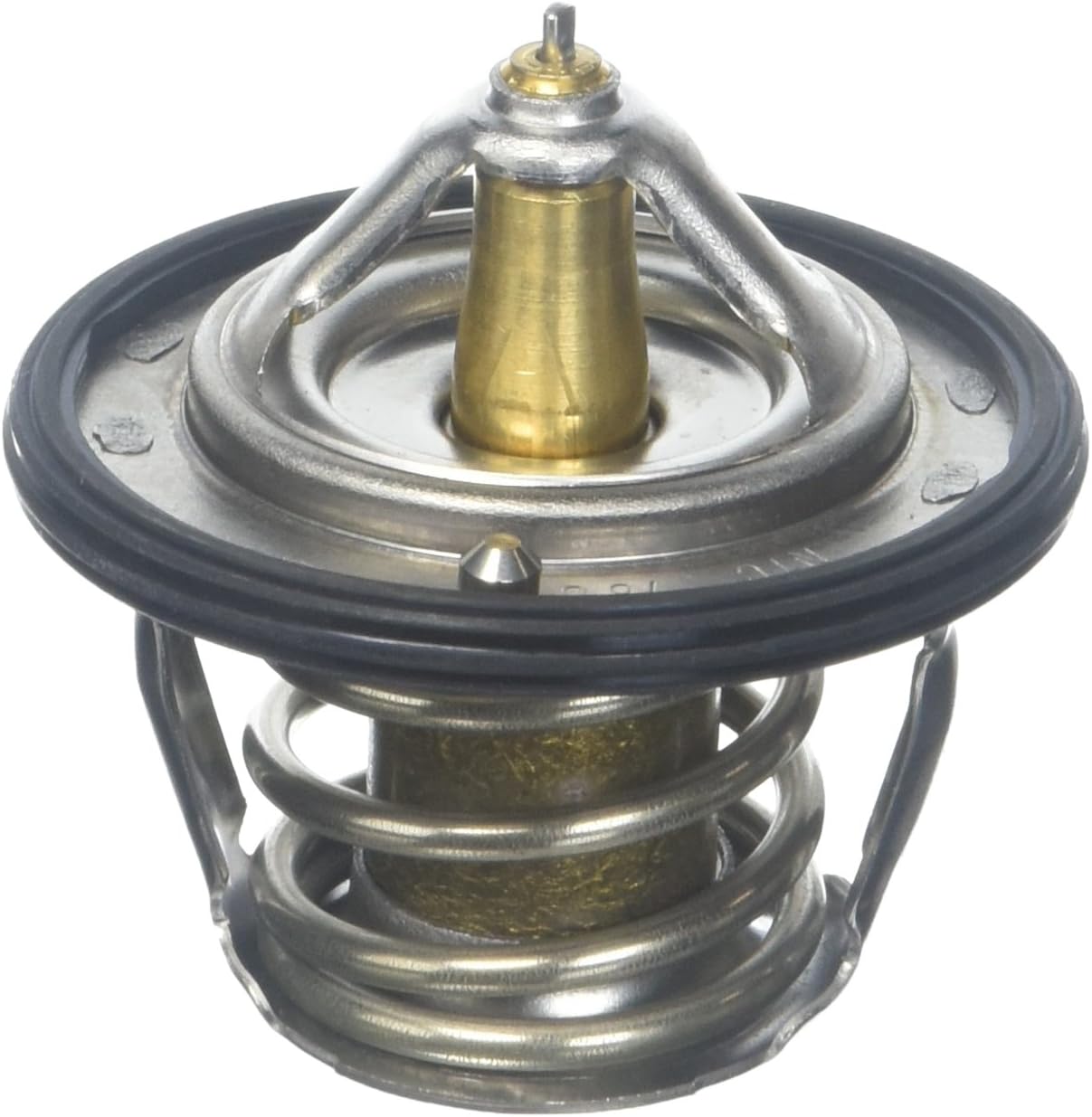
1. Subaru Engine Coolant Thermostat with Gasket (21210AA030) – Genuine OEM
| Brand | Subaru |
|---|---|
| Model | 21210AA030 |
| Manufacturer Part Number | 21210AA030 |
This genuine Subaru thermostat (21210AA030) is a factory-quality replacement that regulates coolant flow and engine temperature the same way as the original unit. It ships with the matching gasket for a straightforward swap and is intended for bolt-in replacement during routine cooling system service or when an old thermostat sticks. For a performance-minded Forester owner, the main benefit is preserving the vehicle's designed warm-up and operating temperature, which supports consistent engine tuning and prevents unintended lean/rich conditions caused by incorrect coolant control. Installation is simple for anyone comfortable with basic cooling system work, and being a manufacturer part reduces fitment guesswork. The product does not alter spring rate or opening temperature for aggressive thermal management, so it will not change thermostat behavior for track use. Buyers seeking a higher or lower temperature set point for tuned cooling strategies will need an aftermarket performance thermostat instead.
Best for: A Forester owner who prioritizes factory-correct temperature control and reliable, no-surprise fitment during routine maintenance or an OEM restore.
Less Ideal for: Drivers who want a thermostat with a different opening temperature or faster thermal response for track, towing, or modified-engine cooling setups should consider performance aftermarket options.
- Genuine Subaru part ensures factory-fit and compatibility with listed Subaru models.
- Includes gasket for a complete thermostat replacement and easier installation.
- Maintains OEM temperature control for consistent engine performance and emissions behavior.
- Simple bolt-in swap suitable for DIY mechanics or routine shop service.
- Does not change opening temperature or response for customized or high-performance cooling needs.
Verdict: Choose this genuine Subaru thermostat when you want factory-fit temperature control and hassle-free replacement for 2003–2008 Forester cooling system maintenance.
2. TAMKKEN Coolant Thermostat (21200AA072 / 21236AA010)

| Compatible part numbers | 21200AA072, 21236AA010 |
|---|---|
| Fits Subaru models | Forester, Impreza, WRX, WRX STI, Legacy, Outback, SVX (see fitment years) |
| Included components | 1 x Spring, 2 x Metal Pins |
| Manufacturer | TAMKKEN |
| Item model number | TMT005TMK |
This TAMKKEN thermostat is a straightforward replacement part meant to restore proper engine temperature regulation on compatible Subaru models. It installs in the stock thermostat housing using the included spring and metal pins and is described as meeting factory specifications so no calibration or programming is required. In everyday use it returns the cooling system to normal operating temperatures, helping to prevent overheating and poor heater performance that result from a stuck thermostat. The product listing highlights pre-shipment testing and simple, tool-light installation for DIY mechanics. Limitations are that this is an aftermarket part from a third-party brand rather than a factory-branded component and the listing mixes some unrelated product fields, so buyers should confirm part numbers and fitment against their vehicle before ordering. The package is minimal and the item focuses on function rather than upgraded materials or extended warranty coverage.
Best for: Buyers who prioritize a practical, no-frills replacement to restore correct cooling system function on a 2003–2008 Forester and prefer a cost-effective DIY install.
Less Ideal for: Owners seeking an upgraded performance thermostat, extended warranty, or an exact factory-branded part should consider other options.
- Direct-fit replacement for specified Subaru models using OEM-equivalent part numbers 21200AA072 and 21236AA010
- Includes basic installation hardware (spring and metal pins) for a straightforward swap
- Pre-shipment tested and advertised to meet factory-spec performance to restore correct engine temperature control
- Aftermarket brand rather than factory-branded component may differ slightly in long-term durability
Verdict: A practical, direct-fit thermostat replacement that gets a 2003–2008 Forester's cooling system back to proper operating temperature with minimal fuss.
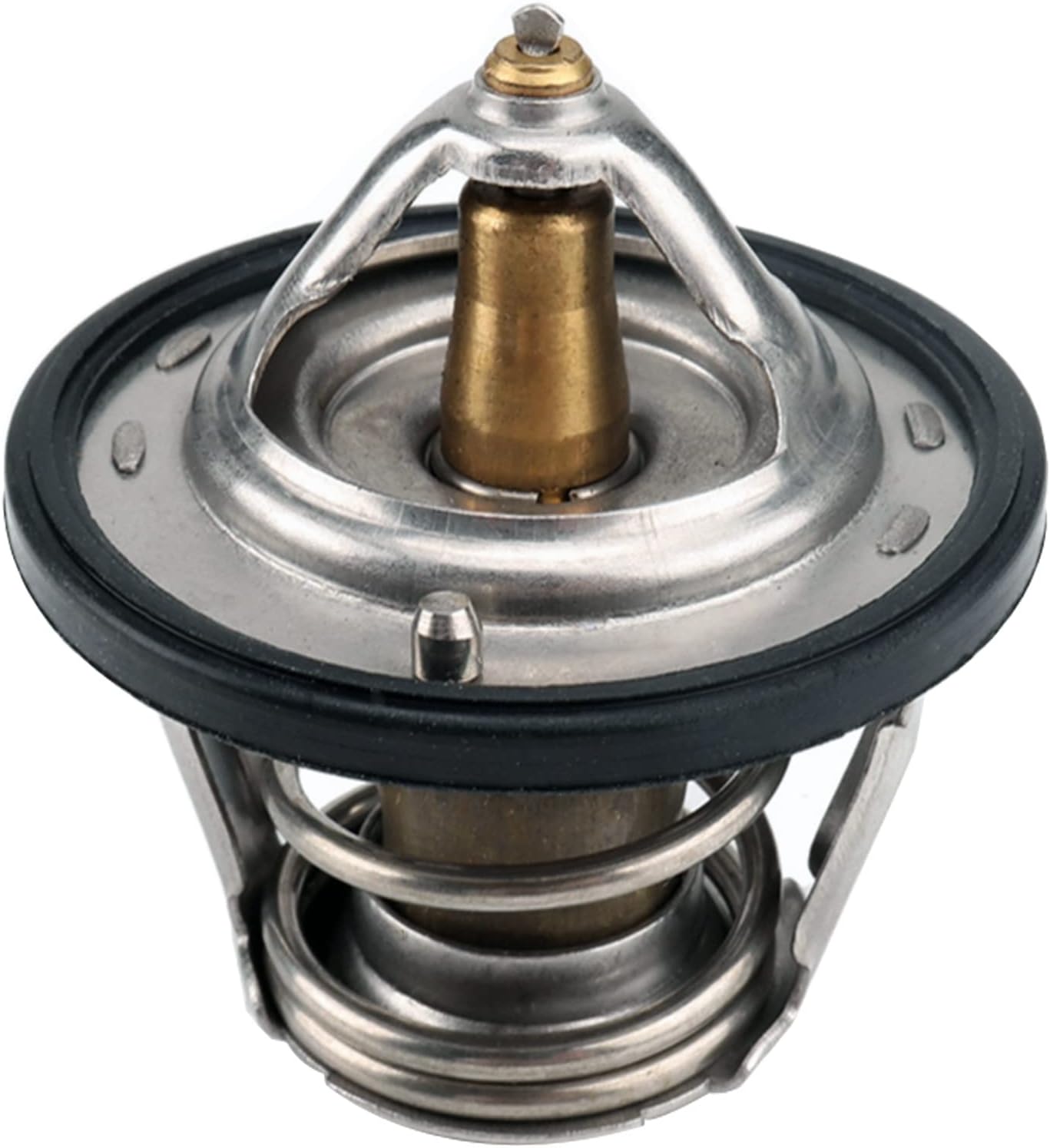
3. HOSAIRY Engine Thermostat with Gasket (replaces 21200AA072)
| Included Components | thermostat, gasket |
|---|---|
| Model Number | 21200AA072, 21236AA010, 21210AA080 |
| Manufacturer | HOSAIRY |
| Manufacturer Warranty Description | 1 year. |
This HOSAIRY thermostat is an aftermarket replacement intended to restore proper coolant flow and temperature control in compatible Subaru engines. It installs in place of the factory thermostat and is typically used when the original valve sticks, causes overheating, or triggers engine temperature-related trouble codes. The unit ships with a gasket and is listed as compatible with Subaru Forester years that fall in the 1998–2013 range, making it suitable for many 2003–2008 Forester owners. Because it replaces specific OEM part numbers, fitment is straightforward when the part numbers match. The practical benefits are simple: it can stop overheating or erratic temperature swings, is lightweight, and comes as a single ready-to-install assembly. Limitations are that it is an aftermarket part rather than factory-sourced and the listing recommends professional installation for correct orientation and bleeding; the product description also highlights a 1-year manufacturer warranty but does not provide extensive testing data or materials specs.
Best for: Buyers on a tight budget who need a direct-fit replacement thermostat to stop overheating or temperature-sensor issues on a 2003–2008 Forester and who prioritize straightforward part matching over OEM branding.
Less Ideal for: Drivers seeking factory-manufactured components or those who prefer extensively documented, heavy-duty performance parts for high-mileage or modified engines should consider other options.
- Includes gasket for a ready-to-install replacement
- Lists compatibility with the Subaru Forester model years that cover 2003–2008
- Replaces multiple OEM part numbers for straightforward part matching
- Lightweight aftermarket unit that addresses overheating and temperature control issues
- Aftermarket unit rather than factory-manufactured part
- Limited technical detail on materials and long-term durability
Verdict: A budget-friendly, direct-fit aftermarket thermostat that fixes overheating and temp-control problems on 2003–2008 Forester models when OEM part numbers match.
4. AISIN THF-003 Engine Coolant Thermostat with Gasket

| Manufacturer Part Number | THF-003 |
|---|---|
| OEM Part Number | 21210-AA080 |
| Material | Stainless Steel |
| Included Components | Thermostat and O-Ring |
This AISIN THF-003 is a direct-fit replacement thermostat designed to restore correct coolant flow and engine temperature control on compatible Subaru models. It installs where the original thermostat sits and comes with a gasket to simplify the swap. AISIN builds the unit to match factory-specified opening temperature and claims OE-equivalent form, fit, and function, which helps the cooling system reach and hold the intended operating temperature quickly. In practice that means steadier cabin heat and consistent engine warm-up behavior after installation. The stainless steel construction and OEM part number match increase confidence in durability and fitment for routine driving and long-term reliability. Limitations are minimal for a standard replacement part: compatibility depends on engine and year so you must confirm fitment for your specific Forester, and this is a single thermostat with no advanced features like variable or adjustable set points. For owners prioritizing dependable, factory-quality cooling performance, this is a straightforward swap-in option.
Best for: Drivers who want a no-surprises, factory-quality thermostat replacement to maintain reliable cooling and consistent engine temperature behavior.
Less Ideal for: If you need an adjustable or performance thermostat with nonstandard opening temperatures or are modifying cooling behavior, this standard replacement is not suited to that purpose.
- Factory-matched operating temperature for consistent warm-up and cooling performance
- Includes gasket to simplify installation and ensure a proper seal
- Stainless steel construction for corrosion resistance and durability
- Direct replacement design referencing OEM part number for reliable fit
- Fitment varies by engine and year so verification is required before purchase
Verdict: Choose this AISIN thermostat when you want a dependable, factory-equivalent replacement that restores proper cooling system temperature control.
5. Subaru Engine Coolant Thermostat with Gasket (21200AA072 & 21236AA010)

| Manufacturer Part Number | 21200AA072S |
|---|---|
| Includes | Thermostat and gasket |
| Compatible Models | Forester listed in product description |
This is a factory-quality replacement engine coolant thermostat sold with the matching gasket and genuine Subaru part numbers 21200AA072 and 21236AA010. It installs in the cooling system to regulate engine temperature by opening and closing at the specified temperature, restoring proper warm-up times and helping prevent overheating when the original unit fails. The thermostat is a direct-fit item for many Subaru models, so installation is straightforward for anyone comfortable with basic cooling-system work or a professional mechanic. Using a genuine Subaru part reduces uncertainty about fit and longevity compared with aftermarket generic units. The main limitation is that this listing covers specific model years and variants, so confirm fitment for a 2003-2008 Forester before purchase, and be prepared to drain some coolant during replacement. For owners prioritizing factory compatibility and predictable performance, this thermostat is a practical, low-risk repair part.
Best for: Buyers who want a low-risk, factory-compatible replacement for a cooling-system failure and who value social proof from a widely used OEM part.
Less Ideal for: People looking for universal aftermarket upgrades or different temperature calibration options should consider performance or adjustable thermostats instead.
- Genuine Subaru part numbers ensure factory-fit and compatibility with covered Subaru models
- Includes gasket for a complete seal at installation
- Direct-fit design simplifies replacement and reduces installation uncertainty
- Helps restore proper engine warm-up and prevents overheating when original thermostat fails
- Fitment is limited to specific Subaru model years and variants so confirmation is needed before buying
Verdict: Choose this genuine Subaru thermostat with gasket when you want a straightforward, factory-compatible replacement to reliably restore cooling performance on a covered Forester.
6. Anleecap THF-003 Engine Coolant Thermostat (82°C / 180°F) for Subaru 1995–2016 Models

| Manufacturer Part Number | THF-003 |
|---|---|
| OEM Cross Reference | 21200-AA170, 21210-AA080 |
| Opening Temperature | 82°C / 180°F |
| Includes | Thermostat and seal |
This Anleecap thermostat is a direct-fit replacement built to the factory 82°C/180°F opening temperature and supplied with its seal for bolt-on installation. It is intended to replace part numbers THF-003, 21200-AA170 and 21210-AA080, so installation follows the same steps as a factory thermostat and requires standard cooling-system service procedures. Typical use is as a routine service or repair part when the original thermostat begins sticking or when doing a coolant flush. The main practical benefits are OEM-spec temperature control for consistent engine warm-up, a complete kit that avoids hunting for a separate gasket, and coverage across many Forester and Outback model years relevant to the 2003–2008 Forester window. Limitations are that fitment must be confirmed against the exact part number and some late model variants noted in listings may require extra verification; this is a single-temperature thermostat without adjustable features. For buyers focused on reliable, factory-like replacement behavior it provides straightforward installation and predictable cooling performance.
Best for: Buyers who want a no-surprises, factory-like thermostat replacement for routine cooling system maintenance on Subaru Forester models and value straightforward fitment and predictable temperature control.
Less Ideal for: Drivers looking for performance or adjustable thermostats, or those who have extensively modified cooling systems and need nonstandard temperature control.
- Matches factory 82°C/180°F opening temperature for stable engine warm-up
- Sold as a complete kit including seal for direct bolt-on replacement
- Lists compatible OEM part numbers for easier fitment checks
- Covers the 2003–2008 Forester model years within its broader Subaru fitment range
- Requires confirming exact part number for some engine or model variants before purchase
- Single fixed-temperature design offers no performance tuning or sport cooling option
Verdict: Choose this thermostat if you want a simple, factory-spec replacement that restores reliable temperature control with an easy bolt-on installation for 2003–2008 Forester models.
Choosing the Right 2003-2008 Subaru Forester Thermostat: Key Factors to Consider
Correct Opening Temperature
The thermostat opening temperature dictates when coolant begins circulating through the radiator and therefore controls engine warm-up and operating temperature. For the 2003-2008 Forester, selecting a thermostat with the specified opening temperature range ensures the engine reaches and maintains its intended operating window. A thermostat that opens too early can cause the engine to run cold, harming fuel economy and emissions. Conversely, one that opens too late raises the risk of overheating and accelerated component wear.
Tolerance and consistency matter because small deviations between units can change how quickly the engine warms up and how the cooling system responds under load. Look for thermostats with clearly documented opening points and minimal tolerance. Consistent opening behavior across thermal cycles helps prevent repeat issues such as oscillating temperatures or repeated overheating events.
Fitment and Mounting Compatibility
Accurate fit with the Forester's thermostat housing and coolant passages is essential to avoid leaks and ensure correct coolant flow. The thermostat must match the housing flange, overall diameter, and sealing interface used on 2003-2008 Forester engines. A mismatched part can cause coolant bypass, improper seating, or require additional shims that alter operation.
Verify that the replacement lists explicit compatibility with the 2003-2008 Forester and that the included gasket or O-ring matches the vehicle's sealing surface. Ease of installation also ties to fitment; a unit designed for direct swap-in reduces the chance of installation errors and the need for extra parts.
Seal and Housing Quality
Leaks at the thermostat housing are a common failure mode on older vehicles. The replacement thermostat should either include a high-quality gasket or use a durable molded seal that resists compression set and coolant degradation. The housing interface must form a reliable seal against the Forester's mating surface to prevent coolant loss and air ingress.
Materials matter: look for gaskets made from appropriate elastomers or composite materials rated for coolant exposure and temperature cycles. When the seal and housing fit well, you reduce the risk of recurring leaks and the need to disassemble the cooling system again shortly after replacement.
Thermal Element Reliability
The thermostat's internal thermal element, typically a wax motor or similar device, must react predictably and maintain performance after many heating and cooling cycles. A reliable thermal element opens and closes at the expected temperatures without sticking or delayed response.
Units with a proven track record of cycle life and components designed to resist corrosion and deformation give you longer service intervals. Consider construction details such as corrosion-resistant sleeves, robust springs, and secure attachment of the thermal element to the valve plate, as these influence long-term reliability in the Forester's operating environment.
Ease Of Installation And Serviceability
Replacing the thermostat on the Forester is a routine maintenance job for many owners, so the replacement should be straightforward to install with common hand tools. A thermostat that fits directly into the stock housing or comes with a correct housing gasket reduces installation time and lowers the chance of mistakes.
Serviceability also includes whether the part allows for clean sealing without additional sealants and whether instructions or clear markings help orient the unit correctly. Ease of access to the housing, drain considerations, and the ability to reuse hoses and clamps without extra modification are practical factors that affect workshop time and overall satisfaction.
Corrosion Resistance And Material Durability
The cooling system environment exposes components to coolant chemistry and elevated temperatures, so materials must resist corrosion and degradation. Metal parts exposed to coolant should use appropriate alloys or coatings to limit galvanic corrosion and pitting. Rubber and elastomer seals should tolerate antifreeze and repeated temperature swings without hardening or cracking.
Choosing thermostats with proven material choices reduces the chance of premature failure, internal contamination, or seized moving parts. Durable materials also preserve thermal performance and sealing integrity over the life of the vehicle, which is especially important for Foresters that see heavy use or higher mileage.
Common Thermostat Symptoms On The 2003-2008 Forester
Recognizing thermostat-related symptoms early helps prevent engine damage. On a Forester, overheating under load, erratic temperature gauge behavior, or slow warm-up after a cold start are classic signs that the thermostat may be failing.
Other symptoms include the engine running unusually cold, reduced cabin heater output, or visible coolant leaks at the thermostat housing. Those patterns point toward a thermostat that is stuck open, stuck closed, or has a compromised housing seal.
- Temperature gauge spikes during highway driving can indicate a thermostat that is not opening reliably.
- Consistently cold operating temperature typically means the thermostat is stuck open.
- Coolant around the housing or on the engine block often signals a seal or gasket failure.
How To Test A Thermostat On This Forester
Start with basic checks: inspect the thermostat housing for external leaks and confirm coolant level and condition. If the engine temperature behaves abnormally, you can perform a dynamic test by warming the engine and observing whether the upper radiator hose warms as the thermostat should open.
For a more controlled test after removal, place the thermostat in hot water and watch the valve movement to see if it opens near the specified temperature. When testing, be mindful that readings are approximate and correlated with the thermostat's rated opening point rather than an exact degree.
- Warm the engine to operating temperature and feel the upper radiator hose to confirm flow.
- With the thermostat removed, heat it in water and watch for smooth opening around the specified temperature.
- Inspect the valve face and seal surface for corrosion, deformation, or debris that could impede operation.
Installation Tips Specific To The 2003-2008 Forester
Drain coolant to a level that allows safe removal of the thermostat housing without a full system drain when possible. Clean the mating surfaces thoroughly to ensure a uniform seal with the new gasket or O-ring. Replace the housing fasteners if they are corroded or stretched to maintain correct clamp load.
Torque bolts to the vehicle specification and refill the system slowly to avoid trapping air. Bleed the cooling system following Subaru-recommended procedures or until consistent temperature and heater performance are achieved. After installation, road test under typical driving conditions and recheck for leaks and gauge behavior.
- Use a proper gasket surface cleaner but avoid gouging the mating face.
- Hand-start bolts to avoid cross-threading and torque to spec.
- Bleed trapped air by following the Forester's bleeding points or running the engine with the heater on high.
When To Replace The Thermostat Housing Or Seals
If you find visible cracks, warped mating surfaces, or persistent leaks after replacing the thermostat or gasket, replace the housing or the associated seals. Older housings can corrode internally or have bolt hole elongation that prevents a reliable seal on the Forester.
Consider replacing the housing proactively if you plan to perform other cooling system work or if the vehicle has high mileage and evidence of prior leaks. A new housing eliminates recurring leak sources and simplifies future maintenance.
- Replace the housing if mounting faces are warped or corroded.
- Swap seals if they show compression set, hardening, or cracking.
- Inspect nearby hoses and clamps while the housing is off and replace anything suspect.
Compatibility And Part Number Fitment Guidance
Match the replacement thermostat to the 2003-2008 Forester using the vehicle's year range and engine variant where relevant. Confirm the part lists explicit compatibility with the Forester years to avoid incorrect diameters, flange fits, or different opening temperatures that do not suit your engine.
When evaluating fitment claims, prefer parts that include the correct gasket or clearly state the sealing method. If the seller or manufacturer provides a part number reference for the Forester, use that to cross-check fitment against your vehicle's VIN or service manual.
- Verify listed compatibility specifically for 2003-2008 Forester.
- Confirm the included gasket or O-ring matches the vehicle sealing surface.
- Use part number references to double-check fit before purchase.
Still looking for the perfect fit?
Select your Subaru Forester configuration to see the most relevant Thermostats recommendations
How We Chose the Best 2003-2008 Subaru Forester Thermostat
We prioritized thermostats that match the 2003-2008 Subaru Forester coolant system requirements and that use materials and construction suited to long-term operation. Key evaluation criteria included thermostat opening temperature tolerance and consistency, robust housing and seal design to resist coolant leaks, and compatibility with the Forester's coolant passages and mounting pattern.We also considered durability factors such as corrosion-resistant components, high-quality springs or wax elements, and resistance to sticking under repeated thermal cycles. Ease of installation factored into selection decisions, including whether the thermostat uses a common gasket or o-ring and accessibility of the housing on the Forester. Finally, we checked manufacturer-provided specifications for test data and any warranty or quality assurances.Exclusions: we excluded units with unclear fitment information for the 2003-2008 Forester, thermostats lacking basic opening-temperature specifications, and products with reports of frequent seal or housing failures. The resulting shortlist balances fitment certainty, thermal performance, and build quality for the Forester platform.
Our full evaluation process is outlined in our review methodology.
FAQ
What are the most common signs a Forester thermostat is failing?
Common signs include overheating under load, the engine taking too long to reach normal temperature, poor cabin heat, and coolant leaks at the thermostat housing. The temperature gauge may behave erratically or read unusually low if the thermostat is stuck open.
Can I test the thermostat without removing it from my Forester?
You can perform a basic in-vehicle check by warming the engine and feeling the upper radiator hose to see if it becomes hot when the engine reaches operating temperature. However, a definitive functional test generally requires removing the thermostat and heating it in water to observe valve movement.
Should I replace the thermostat and housing together on the Forester?
Replace the housing if it shows cracks, warped mating surfaces, or persistent leaks. If the housing is in good condition, replacing just the thermostat and gasket is often sufficient. For high-mileage vehicles, replacing both can be a proactive choice to avoid repeat disassembly.
How important is the thermostat opening temperature for the Forester?
Very important. The opening temperature controls warm-up speed and steady-state engine temperature. Using the correct opening temperature prevents issues like cold running, poor heater performance, or overheating, so choose a thermostat specified for the Forester's engine.
What causes thermostat housing seal leaks and how can I prevent them?
Seal leaks often stem from worn gaskets, deteriorated O-rings, corroded mating surfaces, or improper torque of housing bolts. Prevent leaks by cleaning mating surfaces, using the correct new gasket or seal, torquing bolts to specification, and replacing the housing if the flange is damaged.
Is there a simple symptom that indicates the thermostat is stuck open?
Yes. If the engine runs noticeably cold and the cabin heater output is weak even after driving, the thermostat may be stuck open, allowing coolant to flow continuously and preventing the engine from reaching normal operating temperature.
Final Verdict
For the 2003-2008 Subaru Forester, prioritize a thermostat that matches the specified opening temperature and offers a reliable sealing solution for the housing. Fitment accuracy, durable materials, and a thermal element with consistent cycle life are the main tradeoffs to weigh when choosing a replacement.If you want long-term reliability, pick a unit that documents opening-temperature tolerances and includes a robust gasket or seal. When in doubt, inspect the housing and seals during replacement and address any visible corrosion or damage to avoid repeat work.
Explore More:
- Check out all Subaru Forester parts & accessories
- Explore Thermostats Maintenance & Repair Guides
- Explore Cooling System
- Browse all Auto Parts
