

Note: This article contains affiliate links. If you click on these links and make a purchase, I may earn a small commission at no extra cost to you. This helps support my research and content. Read my full affiliate disclosure here.
If your Ram 1500 from 2002 through 2008 is showing temperature swings, slow warmups, or persistent overheating, the thermostat is a common cause. Selecting the right 2002-2008 Ram 1500 thermostat matters because the correct opening temperature and secure fit affect how quickly the engine reaches operating temperature and how well it holds that temperature under load.This guide highlights seven shortlisted thermostats that meet the fitment and performance needs for the 2002-2008 Ram 1500. We evaluated candidates for correct part fit, dependable thermal response, and installation reliability so you can pick a replacement that restores proper cooling behavior. Read on for what to watch for, practical installation notes, and answers to common thermostat questions.
Looking for other parts? See all Ram 1500 parts & accessories.
Top Picks at a Glance
| Best Overall The best all-around choice for most situations | Mopar Engine Coolant Thermostat (68174083AA) |  |
| Best Quality Built to a higher standard if you want something more solid | Gates 33915 Engine Coolant Thermostat |  |
| Best Value The sweet spot between price and what you get | XCZBX 203°F (95°C) Engine Coolant Thermostat with Gasket |  |
| Best Budget The cheapest option that still gets the job done reliably | Techie Engine Thermostat 52028898AE (compatible with Dodge/Chrysler/Jeep V8 engines) |  |
| Highest Rated A top-rated pick with lots of positive feedback | MotoRad 420-195 Engine Thermostat |  |
| Most Popular A crowd favorite that many people choose with confidence | MotoRad 2000-195 High Performance Engine Coolant Thermostat |  |
| Best Seller A high-volume bestseller chosen again and again | MotoRad 416-180 Engine Coolant Thermostat with Seal |  |
Mopar Engine Coolant Thermostat (68174083AA)

| Brand | Mopar |
|---|---|
| Item model number | 68174083AA |
| Manufacturer Part Number | 68174083AA |
| Is Discontinued By Manufacturer | No |
This Mopar thermostat replaces the factory unit and is intended to regulate engine coolant flow at the OEM-specified temperature. Installation is straightforward for anyone comfortable with basic cooling-system work: it drops into the housing, uses the included seal in most kits, and functions as a direct replacement part. Buyers report it opens near the expected factory temperature and restores normal operating temperatures after replacement. As a branded factory part it is built to the same fit and fitment as original equipment, which reduces installation fuss and leak risk. Limitations to note are inconsistent packaging and occasional reports of aftermarket-sourced units being sold under the Mopar listing, so inspect the part and seal on arrival. Also this thermostat is a single-purpose component so expect no performance gains beyond restoring proper thermal control; it is not a performance thermostat with altered opening temperature.
Best for: Buyers who want a reliable, factory-quality replacement to restore normal cooling system operation on an older Ram 1500 and prefer a direct-fit part that reduces installation guesswork.
Less Ideal for: Drivers seeking a lower or higher opening temperature for performance tuning or altered cooling behavior should choose a dedicated performance thermostat instead.
- Factory-branded design for direct fit and compatibility with Chrysler-family cooling housings
- Included seal simplifies installation in most cases
- Restores correct engine operating temperature when replacing a failed thermostat
- Simple, single-piece design that is easy to install for DIY mechanics
- Some listings contain non-Mopar packaged units so incoming part and seal quality can vary
Verdict: Choose this Mopar thermostat when you want a straightforward, factory-quality replacement that restores proper engine temperature control on 2002-2008 Rams.
Gates 33915 Engine Coolant Thermostat

| Brand | Gates |
|---|---|
| Manufacturer Part Number | 33915 |
| Material | Metal |
| Included Components | Engine Coolant Thermostat |
| Manufacturer | GATES |
The Gates 33915 is a direct-replacement engine coolant thermostat built for consistent temperature control. It uses a positive piston heat motor and factory calibration to open and close reliably under pressure changes, so it keeps operating temperature stable once installed. Typical use is as a replacement part for affected Dodge Ram Cummins engines where maintaining a steady ~190F running temperature is important; installers report straightforward fitment and no leaks when paired with a new gasket. The all-metal construction feels sturdy and should withstand normal engine bay conditions. Downsides to consider are limited labeling on the unit itself so you cannot visually verify the exact temperature setting, and some long-term users have reported occasional premature failures, so it may not match the longevity of higher-end OEM thermostats. For performance drivers who need predictable cooling behavior to protect the engine during towing or hotshot duties, this delivers repeatable control, but expect to follow normal preventive replacement intervals.
Best for: Buyers who prioritize steady operating temperatures for towing, heavy use, or performance driving and want a straightforward, factory-calibrated replacement to stabilize engine coolant temperature.
Less Ideal for: Drivers seeking the longest-term, top-tier OEM lifetime who prefer dealer-sourced parts or who want visible temperature markings on the thermostat should consider alternative factory-quality options.
- Factory-controlled calibration for consistent open/close behavior under pressure changes
- Sturdy all-metal construction suited for engine bay conditions
- Positive piston design provides predictable temperature control
- Easy to install as a direct replacement with typical gasket fitment
- No temperature marking on the thermostat makes visual verification difficult
- Some users report occasional premature failures compared with OEM longevity
Verdict: Choose this Gates thermostat when you need reliable, repeatable coolant temperature control for performance or heavy-duty use on the specified Ram application.
XCZBX 203°F (95°C) Engine Coolant Thermostat with Gasket
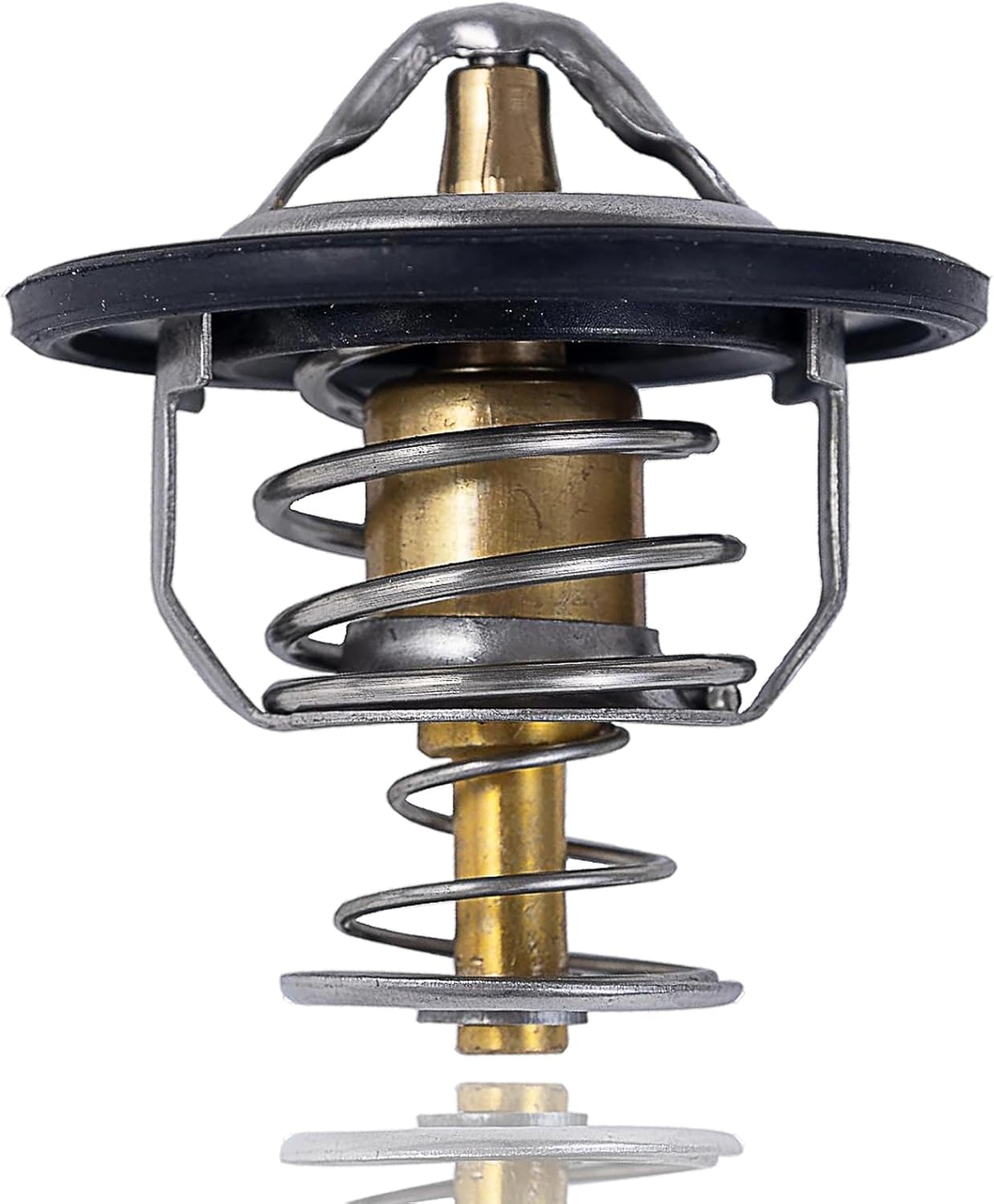
| Opening temperature | 203°F (95°C) |
|---|---|
| Material | Rubber, Metal |
| Manufacturer | XCZBX |
| Manufacturer Part Number | 52028898AE |
This XCZBX thermostat is a straightforward replacement part that opens at 203°F (95°C) to control coolant flow and help the engine reach and hold proper operating temperature. It ships with a rubber sealing ring and is built from metal and rubber intended for durability. Installation is the standard thermostat swap: drain some coolant, remove the housing, replace the old unit and gasket, then refill and burp the cooling system. For a 2002-2008 Ram 1500 with the 5.7L V8 listed in the fitment, the unit matches common factory part numbers and users report good fit and factory-like performance. Expect solid value compared with dealer parts, but plan for moderate labor time since access on the Ram 1500 often requires removing intake or related components. The part does not include additional hardware beyond the rubber ring so reuse or replace mounting bolts and any sensors as needed. Quality appears consistent with aftermarket replacements but confirm vehicle part number before installing.
Best for: Practical owners who want a direct, cost-conscious replacement thermostat that restores correct coolant regulation on a 2004–2010 Ram 1500 5.7L V8 and are willing to handle or pay for the labor.
Less Ideal for: Someone seeking a performance thermostat with a different opening temperature or a complete hardware kit including bolts and sensors.
- Opens at 203°F (95°C) matching common factory temperature spec
- Includes rubber gasket for a proper seal at installation
- Metal and rubber construction intended for long service life
- Fits the 2004-2010 Ram 1500 5.7L V8 according to listed fitment
- Does not include mounting bolts or additional hardware
- Installation may require significant disassembly on some Ram 1500 engine layouts
Verdict: A budget-conscious, factory-spec replacement thermostat that reliably restores proper coolant control for the 5.7L Ram 1500 when you need a direct swap.
Techie Engine Thermostat 52028898AE (compatible with Dodge/Chrysler/Jeep V8 engines)

| Opening Temperature | 203 °F |
|---|---|
| Compatible Engines | Chrysler V8 5.7L, 6.1L, 6.4L (listed applications) |
| Manufacturer | Techie |
| Model | TQTS8898 |
This Techie thermostat is a direct-replacement style unit intended to restore correct coolant flow and engine warm-up in V8 Chrysler-family vehicles. It is built to open at 203°F, matching the temperature spec listed for many 5.7L and 6.1L HEMI applications, so it helps the engine reach and hold operating temperature and return proper heater performance. Install is typical for an engine thermostat and may require draining some coolant and basic hand tools; several buyers noted the fit is tight but accurate once seated. The machined exterior and listed OEM part references indicate it is made to the same mounting pattern as factory units. Practical benefits include faster warm-up, protection from overcooling, and restoring temperature control without needing an expensive OEM part. Limitations to be aware of are installation difficulty in tight engine bays and some mixed user reports about temperature swings under heavy load, so monitor coolant temp after fitting and replace if readings are unstable.
Best for: Buyers who need an affordable, factory-pattern replacement thermostat to restore correct operating temperature on older Chrysler-family V8 engines and who prioritize cost-effectiveness over buying a branded dealer part.
Less Ideal for: Drivers who want a lifetime performance warranty or who prefer dealer-sourced parts with documented bench testing may want to consider OEM or premium options instead.
- Opens at factory-specified 203°F to help maintain correct operating temperature
- Machined exterior and OEM part references suggest direct fit to compatible V8 engines
- Matches factory mounting pattern for a straightforward replacement fit once accessible
- Helps engine warm up faster and restores cabin heater performance
- Some users report higher-than-expected temperature swings under heavy driving
- Installation can be awkward in tight engine bays and may require coolant draining
Verdict: A budget-minded, direct-fit thermostat that restores factory temperature control for Chrysler-family V8s without the dealer price.
MotoRad 420-195 Engine Thermostat

| Brand | MotoRad |
|---|---|
| Model Number | 420-195 |
| Material Type | Copper |
| Item Type Name | Engine Thermostat |
| Unit Count | 1.0 Count |
The MotoRad 420-195 is a straightforward replacement engine thermostat meant to restore correct coolant flow and temperature control on compatible Chrysler-family vehicles. It installs in place of the factory unit and is sold as a single copper-bodied thermostat that lists multiple OEM part number cross-references so installers can verify fit. In daily use it performs the single job of opening and closing at the designed temperature to prevent overheating or overcooling; reviewers report reliable temperature control and an easy, direct swap into Dodge Ram and Jeep applications. The practical benefits are simple: factory-style fit, copper construction for good thermal response, and compatibility with many model years so you can replace a failed thermostat without modifying housings or hoses. Limitations are that it is a basic mechanical thermostat with no electronic staging or adjustable temperature options, and longevity can depend on installation quality and cooling-system condition rather than the part alone.
Best for: Buyers who prioritize dependable, factory-style replacements to restore proper engine temperature control without extra features or complexity.
Less Ideal for: Drivers who want programmable or performance-tuned temperature control or those seeking a smart or adjustable thermostat solution.
- Direct replacement that matches common OEM part numbers for straightforward fitment
- Copper construction provides good thermal responsiveness
- Simple mechanical design requires no programming or calibration
- Compatible with multiple Chrysler, Dodge and Jeep model years listed in product description
- No adjustable or electronic thermostat features; fixed-temperature operation only
- Not vehicle-specific calibration so cooling issues from other components may persist
Verdict: Choose this MotoRad unit if you want a simple, factory-fit replacement that reliably restores correct coolant temperature control in compatible Ram 1500s.
MotoRad 2000-195 High Performance Engine Coolant Thermostat

| Brand | MotoRad |
|---|---|
| Model | 2000-195 |
| Item Type | Engine Coolant Thermostat |
| Material Type | Copper |
The MotoRad 2000-195 is a replacement engine coolant thermostat aimed at improving temperature stability compared with older designs. It installs in place of the factory unit and is used to regulate coolant flow and maintain consistent engine operating temperature. Notable features include a redesigned movable center piston and jiggle-pin burp hole that reviewers say reduces temperature swing and makes bleeding the cooling system easier. The copper construction and rugged build are intended for durability in older engines. For a 2002–2008 Ram 1500 this thermostat provides a direct-function replacement that can tighten temperature control and reduce local hot spots, which helps with consistent engine performance and heater output. Limitations: it is a mechanical thermostat so benefits are about improved flow and response rather than electronic control, and fitment must be verified for your exact engine and housing since the part covers many makes and years.
Best for: Buyers who want a durable, performance-minded replacement thermostat that reduces temperature swing and makes coolant burping easier for older pickup engines and who value proven user feedback.
Less Ideal for: Drivers seeking an electronic or programmable thermostat or those who need a part guaranteed for modern engine management systems should look at other options.
- Redesigned movable piston and jiggle-pin placement for tighter temperature control and smaller temp swings
- Integrated burp/flow hole simplifies bleeding the cooling system during installation
- Copper construction for corrosion resistance and long-term durability
- Widely compatible replacement used across many older truck engines
- Mechanical design offers no electronic temperature management or adjustability
Verdict: If you want a rugged, mechanically improved replacement that tightens temperature control and simplifies burping for an older Ram 1500, the MotoRad 2000-195 is a practical choice backed by strong user reports.
MotoRad 416-180 Engine Coolant Thermostat with Seal

| Brand | MotoRad |
|---|---|
| Model | 416-180 |
| Position | Center |
| Exterior | Machined |
The MotoRad 416-180 is a direct-replacement coolant thermostat intended for Dodge Ram 1500 and other compatible Chrysler and Jeep models from the described year ranges. It installs in place of the factory unit and includes a seal to help prevent leaks. In use it regulates engine temperature and several users report it lowers operating temperatures and restores proper cooling after a failing or leaking thermostat. The unit is machined and feels like a solid aftermarket component, and many owners found fitment straightforward. Notable limitations are mixed longevity reports; while many buyers see reliable service, some experienced early failures where the valve stuck closed and caused overheating. That variability means installers should verify proper operation after installation and consider coolant system flushing and correct installation torque to reduce leak and performance issues. For routine replacements this thermostat offers a budget-friendly factory-style option, but those prioritizing long-term peace-of-mind may prefer higher-end name-brand or OEM replacements.
Best for: Buyers looking for an affordable, factory-style replacement thermostat to restore proper engine temperature control on affected Ram 1500 era vehicles and who value straightforward fitment and easy installation.
Less Ideal for: Drivers who want the highest possible long-term reliability without risk of early failure should consider premium-brand or OEM thermostats instead.
- Direct-replacement fit for many Ram 1500 and related models
- Includes seal for a tighter, leak-resistant installation
- Machined exterior suggests solid build quality
- Reported to lower operating temperature in several Hemi applications
- Customer reports show some units can fail prematurely by sticking closed causing overheating
Verdict: A budget-friendly, factory-style replacement thermostat that restores cooling performance and fits many Ram 1500-era applications.
Choosing the Right 2002-2008 Ram 1500 Thermostat: Key Factors to Consider
Correct Opening Temperature
The thermostat s listed opening temperature determines when coolant is allowed to circulate through the radiator. For the 2002-2008 Ram 1500, a thermostat that opens too early keeps the engine running cold, reducing efficiency and heater output. A thermostat that opens too late can cause prolonged overheating during city driving or under heavy load.
When selecting a replacement, confirm manufacturer-specified opening temperature matches the original part or the vehicle service manual. Consistent thermal response across different operating conditions matters more than minor deviations on paper, because real-world loads and ambient temperatures vary.
Fitment and Part-Number Match
A proper fit ensures the thermostat sits correctly in the housing and seals against coolant passages. Improper fit can cause bypass flow or leaks that prevent the engine from reaching stable operating temperature or create hotspots. For the 2002-2008 Ram 1500, verify the part number fitment and that the housing orientation and flange dimensions match the factory part.
Also check whether the replacement includes the correct gasket or O-ring. Using an incorrect seal can lead to coolant loss or air ingress, which in turn causes erratic temperature readings and reduced heater performance.
Material Quality and Corrosion Resistance
Thermostats operate in a corrosive coolant environment and must endure repeated thermal cycling. Components made from corrosion-resistant steels, brass, or high-temperature polymers generally last longer than inexpensive stamped alloys that can pit or seize. Corrosion or scale buildup can cause the valve to stick or the spring mechanism to fail.
For a truck that may see extended service intervals or mixed coolant types, prioritize thermostats with proven materials and robust plating or coatings. That reduces the likelihood of premature failure and helps maintain smooth operation over many seasons.
Valve and Actuator Design
The valve geometry and actuator mechanism influence how steadily the thermostat modulates flow as the engine approaches operating temperature. A poorly designed valve may flutter, stick partially open, or fail to seal fully when closed. Those behaviors lead to temperature instability, increased warmup times, or overheating under load.
Look for thermostats with a well-seated valve, a durable spring, and a reliable wax or pellet actuator. The internal tolerance, movement smoothness, and sealed actuator help prevent erratic behavior that can be hard to diagnose on the 2002-2008 Ram 1500.
Gaskets, Housing Seal and Installation Ease
Many thermostat failures or recurring leaks trace back to the housing seal rather than the thermostat itself. The replacement should either include a high-quality gasket or clearly specify the required seal so you can replace it at the same time. A tight, correctly torqued housing prevents external leaks and avoids air pockets that cause temperature gauge fluctuations.
Installation ease matters for owners doing the work themselves. A thermostat that fits without trimming, with clear instructions and minimal additional parts, reduces the chance of improper installation that leads to leaks or thermal problems.
Durability Under Load and Seasonal Conditions
The Ram 1500 often sees towing, hauling, and highway speeds that place different demands on the cooling system compared with routine commuting. A thermostat must handle repeated temperature swings, higher coolant flow, and sustained loads without degrading. Extreme ambient temperatures also affect thermal performance and warmup behavior.
Select thermostats rated for heavy-duty cycles and those with track records for stable operation under strain. Reliable performance across seasons means fewer failures and consistent cabin heat when you need it.
Common Thermostat Symptoms and What They Mean
Recognizing thermostat-related symptoms helps you decide whether replacement is necessary. Overheating during idling or slow traffic often points to a thermostat that stays closed too long or a thermostat failing to modulate correctly. Conversely, the engine running cold or a sluggish heater usually indicates a thermostat stuck open or one with too low an opening temperature.
Other signs include rapid temperature gauge fluctuation, unexplained coolant loss around the housing, and poor heater output at startup. Intermittent problems can be caused by partial sticking, contaminated actuators, or degraded seals rather than a fully failed valve.
- Engine overheats during city driving: possible stuck-closed or slow-opening thermostat
- Engine runs cold and heater weak: thermostat likely stuck open or opens too early
- Coolant leak at housing: check gasket or housing seal as well as thermostat fit
- Fluctuating temperature gauge: intermittent valve sticking or air pockets in the system
How to Test a Thermostat Safely
Before removing the thermostat, perform simple checks that reveal its behavior. With the engine cold, start the truck and note how long it takes to reach normal operating temperature and how the heater performs. A very long warmup or lack of heat suggests a thermostat that is not opening as it should.
For a more direct test, monitor coolant temperature rise while watching the upper radiator hose. The hose should stay relatively cool until the thermostat opens, then warm quickly as coolant flows to the radiator. Be cautious when performing hot-system checks; use gloves and protect against steam and hot coolant.
- Cold start observation: slow warmup indicates potential thermostat issue
- Upper radiator hose test: sudden warming indicates thermostat opening
- Professional pressure or flow checks provide definitive diagnosis if DIY methods are inconclusive
Replacing the Thermostat: Practical Tips
When replacing the thermostat, drain coolant to the level that prevents spillage when the housing is removed. Replace the housing gasket or O-ring at the same time to ensure a leak-free seal. Clean mating surfaces carefully and follow the specified torque sequence for the housing bolts to avoid warping the flange.
Bleed air from the cooling system after installation to prevent temperature gauge fluctuations. Run the engine and watch for steady temperature rise to confirm correct operation. Retorque bolts after a short drive if the service manual recommends it.
- Always replace the gasket or O-ring with the thermostat
- Use the correct torque and tighten bolts gradually in sequence
- Bleed the cooling system to eliminate air pockets
When to Replace the Thermostat Housing or Related Components
Cracked or corroded housings, damaged mounting flanges, or warped surfaces can compromise a new thermostat s seal and performance. Inspect the housing closely when you remove the thermostat. If there is pitting, distortion, or persistent leakage, replace the housing or its sealing surface as part of the repair.
Also inspect hoses, hose clamps, and the temperature sensor wiring. A failing hose or damaged sensor can produce symptoms that mimic thermostat problems, so address any related wear or corrosion during the service to avoid repeat visits.
- Replace housing if cracked, pitted, or warped
- Check hose condition and clamps while accessing the thermostat
- Inspect coolant sensor and wiring for corrosion or damage
Maintenance Practices to Extend Thermostat Life
Regular coolant service intervals and using the correct coolant type reduce corrosion and deposits that can impair thermostat action. Flushing the cooling system at recommended intervals prevents scale and sludge buildup that leads to sticking valves and actuator contamination.
Address overheating episodes promptly and correct any coolant leaks early. Small maintenance steps, such as ensuring proper coolant concentration and avoiding mixing incompatible fluids, contribute to longer thermostat and system life.
- Follow recommended coolant change intervals
- Avoid mixing different coolant chemistries
- Repair leaks and address overheating early to prevent component damage
Still looking for the perfect fit?
Select your Ram 1500 configuration to see the most relevant Thermostats recommendations
How We Chose the Best 2002-2008 Ram 1500 Thermostat
We focused on criteria that reflect common cooling-system needs for the 2002-2008 Ram 1500. First, correct fitment and OEM-style mounting were required so each option mates with the factory thermostat housing and coolant passages without modification. Second, we prioritized accurate opening temperature and thermal response to ensure consistent warmup times and to reduce the risk of overheating or extended cold running. Third, material durability and corrosion resistance were considered because older trucks often face long service intervals and exposure to coolant additives. Fourth, we evaluated actuator design and valve seating to reduce the chance of sticking open or closed. Fifth, availability of proper gaskets or housing seals factored into selection to avoid leaks after installation.We excluded options that required substantial housing modification or nonstandard adapters. We also filtered out units lacking clear part-number fitment information for the 2002-2008 Ram 1500. The resulting shortlist balances fit, proven thermal performance, and installation reliability for typical owners and DIYers.
Our full evaluation process is outlined in our review methodology.
FAQ
How long does a thermostat typically last on a 2002-2008 Ram 1500?
Thermostat lifespan varies widely depending on coolant maintenance and driving conditions. Often they last many years, but exposure to corrosion, debris, or extreme thermal cycling can cause failure earlier. Regular coolant service and inspections help maximize life.
Can I drive the truck if the thermostat is stuck open or closed?
Driving with a thermostat stuck open usually results in poor heater performance and reduced efficiency but is less immediately dangerous. A stuck-closed thermostat can cause rapid overheating and engine damage, so you should avoid driving if you suspect it is stuck closed.
Will replacing the thermostat fix overheating every time?
Not always. A bad thermostat is a common cause of overheating, but other factors such as low coolant level, clogged radiator, failing water pump, or air trapped in the system can also cause high temperatures. Diagnose the whole cooling system if problems persist after replacement.
Do I need to replace the gasket or housing when I change the thermostat?
It is best practice to replace the thermostat gasket or O-ring whenever you change the thermostat. A new seal reduces the risk of leaks and ensures the new thermostat operates under the correct pressure and flow conditions.
How can I tell if the thermostat is opening at the correct temperature?
You can observe the upper radiator hose while the engine warms. The hose should remain cooler until the thermostat opens, then heat rapidly. For precise verification, compare the behavior to the vehicle s specified opening temperature using diagnostic tools or an infrared thermometer.
Final Verdict
When replacing a thermostat on a 2002-2008 Ram 1500, prioritize correct opening temperature, precise fitment, and a quality seal for the housing. Consider durability under load and material resistance to corrosion to avoid repeat failures. Balance those priorities with ease of installation and the condition of related components like the housing, hoses, and coolant condition.Choose a thermostat that matches the factory opening temperature and includes the proper gasket or clear fitment information. That approach minimizes installation issues and gives the most reliable temperature control for everyday driving and heavier duty use.
Explore More:
- Check out all Ram 1500 parts & accessories
- Explore Thermostats Maintenance & Repair Guides
- Explore Cooling System
- Browse all Auto Parts
